
PODCAST · health
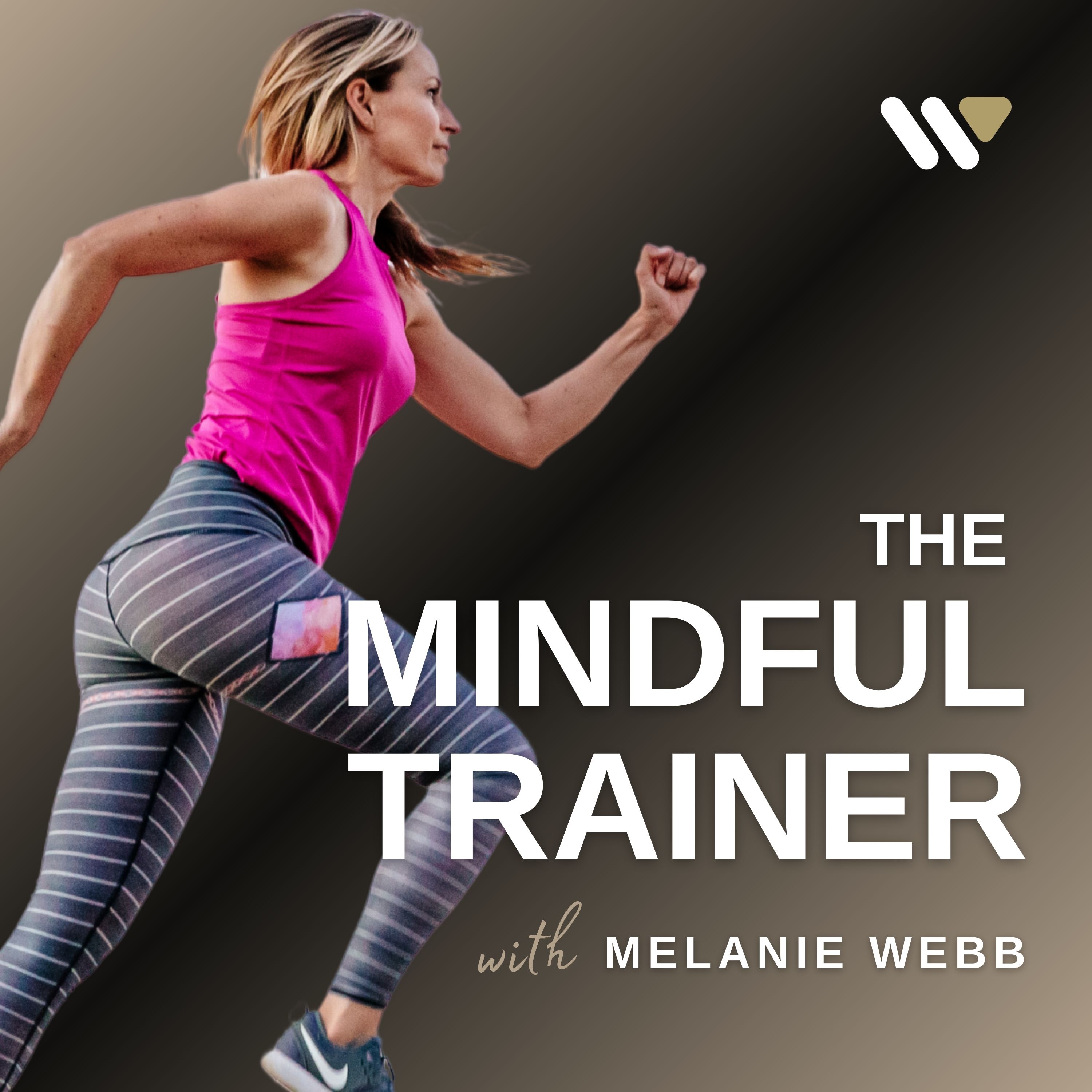
The Mindful Trainer with Melanie Webb
by Melanie Webb
The Mindful Trainer is where fitness meets mental health and the healing power of nature. Hosted by Certified Personal Trainer and outdoor guide Melanie Webb, this podcast explores how movement, mindfulness, and nature can help you build strength, prevent and heal from injury and chronic illness, recover with resilience, and create a healthier lifestyle—inside and out.Each episode brings conversations and personal stories with athletes, coaches, trainers, outdoor guides and entrepreneurs who share tried and true fitness training tips, mental health struggles and insights, and inspiration from adventures in the natural world. Whether you’re focus is injury prevention, seeking more mindfulness in your workouts, or curious about nature therapy as part of your wellness routine, you’ll find practical, evidence-based methods and tools to support your journey.Join us for guided discussions on strength training, outdoor fitness, medit
-
32
Episode 32. The Land Holds Us: Minimalism & Long-Distance Hiking Helped Matthew McKee Weldy Heal Through Nature
Can wilderness, movement, and minimalist living help us heal from grief, trauma, and major life transitions — and reconnect us to who we truly are beneath the noise of modern life?In this deeply moving episode of The Mindful Trainer Podcast, Melanie Webb talks to her longtime friend, veteran, artist, and Triple Crown thru-hiker Matthew McKee Weldy for a conversation about resilience, grief, intuition, and the healing power of the natural world.After experiencing profound personal loss and major life upheaval, Matthew made a radical decision: let go of nearly everything he owned and begin living on the road. What followed became a transformational journey through some of America’s most iconic wilderness landscapes — including the Pacific Crest Trail, Continental Divide Trail, and Appalachian Trail.Today, Matthew is one of fewer than 800 people to complete hiking’s legendary Triple Crown. But this episode is about far more than endurance.Together, Melanie and Matthew explore:PTSD and emotional healing through natureMinimalist living and identity transformationGrief, loss, and learning to trust intuitionThe mental and physical realities of thru-hikingVeteran reintegration and outdoor healingThe profound intelligence of the natural worldWhy “the land holds us"This conversation is raw, inspiring, philosophical, and deeply human.If you’ve ever wondered whether nature can truly change a life — this episode is for you.KEY TAKEAWAYSNature can become a powerful catalyst for emotional healing and nervous system regulation.Long-distance hiking teaches resilience, intuition, adaptability, and humility.Minimalism can create clarity during major life transitions.Movement and wilderness immersion can support recovery from trauma and grief.Healing doesn’t always happen in traditional environments.Trusting your gut instinct is a skill developed through experience and self-awareness.Community, even in remote environments, plays a critical role in resilience.WHAT YOU’LL LEARNHow long-distance hiking can reshape identity, resilience, and emotional healthWhy nature immersion supports nervous system regulation and healingThe surprising mental and spiritual lessons learned through thru-hikingHow minimalist living can create clarity during difficult life transitionsThe role intuition and “gut instinct” play in survival and decision-makingWhat completing hiking’s Triple Crown taught Matthew about perseveranceThe connection between movement, grief processing, and PTSD recoveryWhy community and human connection matter deeply on and off the trailHow wilderness experiences can support veterans and others navigating traumaThe philosophy behind Matthew’s phrase: “The land holds us”KEY RESOURCESLearn more about Matthew McKee WeldyRed Planet Universe WebsiteRed Planet DC1 YouTube ChannelRed Planet Photography InstagramConnect with Melanie Webb, Host and Master TrainerInstagram: @melanie.from.webbwellYouTube: https://www.youtube.com/@webbwellWebsite: https://webbwell.com/Take the Challenge: The WebbWell 21-Day Transformation™Trails Mentioned in This EpisodeAppalachian TrailPacific Crest TrailContinental Divide TrailTopics ExploredLong-distance hikingHealing through naturePTSD recoveryVeteran mental healthMinimalist livingVan lifeNervous system regulationIntuition and resilienceGrief and lossOutdoor adventure and transformation
-
31
Episode 31. 7 Powerful Discipline Systems for High Performance (Faith, Nervous System & the EpicDeca Story)
What if discipline isn’t something you force — but something you build through systems, nervous system regulation, and a deeper sense of purpose? And what if male leadership consisted of more than a few famous individuals' definition of masculinity? In this episode of The Mindful Trainer Podcast, host Melanie Webb sits down with JD Tremblay — integrated engineer, ultra-endurance triathlete, and Director of High Performance and Mental Resilience at Hungry Warrior Academy. JD is one of only three athletes in history to complete the EpicDeca in Hawaii: 10 Ironman-distance triathlons in 10 days across six islands.But this conversation goes far beyond endurance.JD shares how his experience in extreme environments — from military service to ultra-endurance racing — reshaped his understanding of discipline, resilience, and performance. When his body broke down during the EpicDeca, it forced a critical shift: from pushing through to learning how to regulate, adapt, and continue with purpose.You’ll learn why discipline isn’t about willpower, but about building systems that work even on your hardest days. This episode also explores the deeper role of faith and values in shaping male identity, decision-making, and long-term consistency. For JD, true success isn’t defined by outcomes, but by stepping into a leadership role that is in alignment with his purpose.If you’re a high performer, athlete, or someone striving for consistency without burnout, this episode will challenge how you think about discipline — and give you a more sustainable path forward.What You’ll LearnHow to build discipline systems that work even when motivation disappearsWhy nervous system regulation is the foundation of sustainable high performanceThe difference between pushing harder vs. adapting intelligently under pressureHow to identify your “non-negotiables” and use them to create consistencyWhy faith, values, and purpose can unlock a deeper level of resilienceHow JD built a high performance business grounded in his life’s purposeKey TakeawaysDiscipline is not willpower — it’s structure. Systems reduce decision fatigue and create consistency when energy is low.Your nervous system determines your performance ceiling. If you can’t regulate stress, your performance will eventually break down.Resilience is adaptability, not force. True strength is the ability to stabilize, adjust, and keep moving forward.Non-negotiables create identity. Daily actions rooted in what matters most build long-term discipline.Energy management > time management. High performance is sustained through recovery, regulation, and awareness.Capacity matters. Understanding your unique strengths allows you to perform in alignment—not burnout.Faith transforms discipline into purpose. When your habits are connected to something deeper, consistency becomes meaningful.A call for male leadership grounded in time-tested values. A call to action we can all get behind.RESOURCESConnect with JD Tremblay, Founder, Hungry Warrior Academy:https://hungrywarrioracademy.comLinkedIn: https://www.linkedin.com/in/jd-tremblay-2b6215256/Connect with Melanie Webb of WebbWell, Host and Master Trainer Website: https://webbwell.com/Instagram: https://www.instagram.com/melanie.from.webbwellExperience nature-based recovery practices with our 21-day Transformation
-
30
Episode 30. Stop Training Like a Bodybuilder: How to Build Athleticism Through Nervous System Training (Part 2 with Ron Lemire)
Are you training your body to look strong—or to actually move and perform at its highest level through the nervous system?For years now, fitness influencers have sold us a visual ideal: bigger muscles, tighter abs, “perfect” posture. The perfect male ideal. Right? Wrong. What if that ideal is actually limiting your performance—and accelerating dysfunction?In Part 2 of our conversation exploring better posture and training the nervous system, Ron Lemire shares why athletes who prioritize nervous system training outperform those who focus purely on muscle development.Drawing from 50+ years of experience working with over 20,000 bodies—including NBA Players and chronic pain patients—Ron explains:Why traditional strength training often creates rigidity instead of resilienceHow overdeveloped “mirror muscles” can disconnect you from real athletic functionWhy subtle, stabilizing muscles—and the nervous system that coordinates them—are the true drivers of performanceThrough concepts like fluid dynamics, bilateral coordination, and sensory feedback, Ron introduces a radically different model: teach the body, don’t force it.From surfers accessing “infinite options” mid-wave to basketball players moving effortlessly in flow, this episode reveals how elite performance is less about effort—and more about integration.This style of training is a movement for longevity, intelligence, and freedom in your body.What You’ll Learn in This EpisodeWhy “looksmaxxing” fitness trends can actually reduce athletic performanceThe difference between training muscles vs. training movement intelligenceHow to build coordination between the left and right sides of the bodyWhy fluid, spiral-based movement enhances strength and longevityHow elite athletes access flow states and expanded awarenessA new framework for coaching clients: less cueing, more sensory learningHow to train for a body that feels as good as it looks—and performs even betterDiscover why training the nervous system—not just building muscle—is the key to better athletic performance, longevity, and pain-free movement. In this episode, host Melanie Webb and her guest Ron Lemire explore how fluid, feedback-based training improves coordination, posture, and real-world strength.Learn More About Ron Lemire and the Flo Dynamic Movement System™TikTok @LiquidTrainer Instagram @theLiquidTrainerEmail [email protected] www.liquidtrainer.comConnect with Melanie Webb, Host and Master TrainerInstagram: @melanie.from.webbwellYouTube: https://www.youtube.com/@webbwellWebsite: https://webbwell.com/Take the Challenge: The WebbWell 21-Day Transformation™
-
29
Episode 29. The Posture Correction Myth, and How Training Your Nervous System Helps You Move Better (and Hurt Less)
The Big QuestionWhat if your body doesn’t need to be corrected… but instead needs better feedback to learn, adapt, and heal?In this episode of The Mindful Trainer, Melanie Webb sits down with movement educator Ron Lemire to explore a radically different approach to how we understand the body.With over 50 years of experience and work on more than 22,000 bodies—from elite athletes to chronic pain patients—Ron challenges the traditional model of cueing and correction in fitness and rehab. Instead, he introduces a system rooted in proprioception, fluid dynamics, and nervous system learning, where the body is guided through feedback, not force.Through his work with the Liquid Trainer™ and the Flo Dynamic Movement System™, Ron demonstrates how water-based resistance creates instant biofeedback, allowing the body to self-organize into more efficient, pain-free movement.This conversation weaves together fascia, craniosacral rhythms, early human development, and the deep intelligence of the body—offering a new lens for anyone interested in injury recovery, longevity, and moving with greater ease.What You’ll Learn in This EpisodeWhy traditional posture “correction” may be limiting your progressHow the nervous system—not muscles alone—drives efficient movementThe role of proprioception in reducing pain and improving coordinationHow fascia acts as a communication network throughout the bodyWhy fluid, adaptable movement is more powerful than rigid alignmentHow water-based feedback can retrain movement patterns naturallyThe connection between early developmental patterns (like crawling) and adult movement efficiencyKey Takeaways1. The Body Learns Through Feedback, Not ForceMany movement issues persist not because we aren’t trying—but because we’re trying to override the nervous system with correction. When the body is given the right sensory input, it can reorganize itself more efficiently than any external cue.2. Proprioception Is the Missing Link in Injury RecoveryKnowing where you are in space—and refining that awareness—is foundational for healing, longevity, and performance. Without it, even the “right” exercises fall short.3. Fascia Is the Intelligence of FormFascia isn’t just connective tissue—it’s a dynamic, fluid communication system that reflects the body’s entire structure. When you work with it (rather than against it), you unlock deeper coordination and ease.4. Movement Is Meant to Be Fluid, Not FixedRigid posture and static alignment ignore the reality that the body is constantly adapting. True resilience comes from variability, rhythm, and responsiveness.5. Developmental Patterns Shape EverythingFrom crawling to walking, early movement patterns wire the nervous system. When these patterns are disrupted or skipped, they can show up later as inefficiency, imbalance, or even chronic pain.6. The Body Is Always Adapting to GravityUnderstanding how to move with gravity—rather than fighting it—reduces strain on joints and improves performance across all activities.Let's Connect!Learn More About Ron Lemire and the Flo Dynamic Movement System:TikTok @LiquidTrainer Instagram @theLiquidTrainerEmail [email protected] www.liquidtrainer.comConnect with Melanie Webb, Host and Master TrainerInstagram: @melanie.from.webbwellYouTube: https://www.youtube.com/@webbwellWebsite: https://webbwell.com/
-
28
Episode 28. The Art of Self-Discovery: Creativity, Mental Health & Healing Through Art
What if creativity isn’t a luxury — but a biological and emotional necessity for healing the human body and mind?SummaryIn this episode of The Mindful Trainer Podcast, Melanie Webb explores the transformative power of art in supporting mental health, emotional processing, and self-care with artist and art educator Shanoa Allowitz.The conversation reveals how creativity helps regulate anxiety, unlock hidden emotions, and cultivate flow states. Melanie and Shanoa share personal stories of using art as a complement to therapy, movement practice, and nervous system regulation. You’ll discover why creativity isn’t about being “good” at art — it’s about accessing insight, connection, and healing–the same ingredients we seek after in a fitness training practice.Shanoa shares how art is a vital expression of her emotions and her connection to nature, From encaustic art’s ancient wax-based techniques to modern art therapy practices.Key TakeawaysCreativity supports mental health by lowering anxiety and promoting emotional regulation.Flow state — being fully present yet relaxed — can be accessed through both movement and art.Art therapy unearths emotions and insights that may not be accessible through words alone.“Process over product and progress over perfection” is a mindset that applies to fitness, healing, and life.Nature-inspired art can deepen our sense of belonging and internal calm.Movement and creative expression together amplify nervous system regulation.What You’ll Learn in This EpisodeHow art therapy helps process trauma, chronic pain, and emotional stressThe neuroscience of flow state and its connection to mental wellnessHow to incorporate art journaling or creative practice into your self-care routineWhy adults often feel intimidated by creativity — and how to move past perfectionismWhat encaustic art is and how this ancient wax-based medium worksHow Melanie and Shanoa are blending movement, hydrotherapy, and art into community wellness eventsResources & LinksConnect with Shanoa Allowitz:Instagram: https://www.instagram.com/artbyshanoaWebsite: https://www.artbyshanoa.com/Connect with Melanie Webb, Host and Master TrainerInstagram: @melanie.from.webbwellYouTube: https://www.youtube.com/@webbwellWebsite: https://webbwell.com/Register for Water and Stillness: https://www.artbyshanoa.com/classes/water-and-stillness-event
-
27
Episode 27. How to Build Healthy Habits for Chronic Illness
How do you create habits that support a happy and healthy life while living with chronic illness?SummaryIn this episode of the Mindful Trainer Podcast, host Melanie Webb speaks with Amy Behimer, a health and wellness coach living with multiple sclerosis. Amy shares the journey of receiving her diagnosis, the importance of mindset and self-efficacy in managing chronic illness, and the role of habits in achieving health goals. She has developed a strong framework for motivation, The Habit Hub for Autoimmune Health, and emphasizes the significance of connection and love in the healing process. The conversation highlights the power of Melanie's training philosophy of Discipline, Drive, and Determination and Amy's motivational pillars of Head, Heart, and Hands in navigating life's challenges, especially for those with chronic conditions.What You’ll Learn in this EpisodeAmy Behimer’s message is one of love and hope for anyone living with chronic illness or an autoimmune disorder. Imagine entertaining the possibility that, “maybe life can be better, even with this diagnosis.” In this episode of The Mindful Trainer with Melanie Webb, Amy shares the 10-year path she took from being diagnosed with multiple sclerosis to embracing slowness and developing her own powerful Habit Hub for Autoimmune Health.Key TakeawaysMultiple sclerosis has shaped Amy's life in profound ways.Mindset and self-efficacy are crucial for health and wellness.Chronic illness can lead to a deeper understanding of health.Habits are not just about actions; they include thoughts and feelings.Connection with others is vital for emotional well-being.Good stress can strengthen resilience and health.Discipline, drive, and determination are key to success.A supportive community enhances self-efficacy.Mindset is the foundation for all health habits.Love and joy should be integral to the health journey.Resources and MentionsConnect with Amy Behimer, Pharm.D., NBC-HWCTune In: Autoimmune Health Secrets PodcastInstagram: @amybehimercoachingTake the Challenge: https://amybehimercoaching.com/challengeWebsite: https://amybehimercoaching.com/ Connect with Melanie Webb, Host and Master TrainerInstagram: @melanie.from.webbwellYouTube: https://www.youtube.com/@webbwellWebsite: https://webbwell.com/
-
26
Episode 26. Sleep Is the #1 Anti-Aging Hack (And Nature Makes It Work Better)
What makes sleep for longevity the #1 anti-aging hack?In this episode of The Mindful Trainer, Melanie Webb catches up with longtime colleague and licensed acupuncturist Christy Giroux to explore why sleep is the most powerful anti-aging habit available — and why modern life is pulling us further away from it.Melanie and Christy met more than 20 years ago while working together at The Sports Club/LA in Washington, D.C., where elite trainers valued sleep so highly they created a designated sleep room. Long before “sleep hygiene” became mainstream, they understood that recovery fuels performance.Now, with Christy’s advanced training in East Asian medicine and acupuncture, the conversation expands beyond sleep routines into something deeper: nervous system regulation and living in harmony with nature.Together they discuss:Why scrolling at night may be aging you faster than you realizeHow cortisol and overstimulation disrupt circadian rhythmWhy some women sleep better with pets than partners (and what that says about nervous system regulation)How artificial light fights seasonal biologyThe Five Elements theory in acupuncture and its connection to natureWhy winter is meant for restoration — and spring brings agitationThe importance of preventative wellness vs reactive healthcareHow building a wellness team strengthens longevityHitting the streaming platforms on Chinese New Year, this episode is also about shedding — letting go of what dysregulates you so you can step into the new year aligned, grounded, and restored.If you care about sleep for longevity, natural ways to slow aging, and building a resilient nervous system, this conversation will shift how you think about rest forever.Sleep is not a selfish indulgence.It is exercising leadership inside your own body.KEY TAKEAWAYSSleep is the most accessible longevity habit — and the one we sacrifice first.Nervous system regulation determines sleep quality more than willpower.Living in harmony with nature improves circadian rhythm and recovery.Artificial light and phone use are silently disrupting aging and hormone balance.Women and men may regulate differently when sleeping with pets or partners.Acupuncture supports preventative care by restoring energetic balance.Preventative wellness requires a team — not heroic independence.Chinese New Year is a powerful reminder to shed, reset, and realign.WHAT YOU’LL LEARNWhy sleep is the #1 anti-aging practice (even more than exercise)How cortisol, overstimulation, and phone use sabotage deep restThe surprising science behind pets, partners, and sleep regulationHow East Asian medicine connects seasonal rhythms to nervous system healthThe Five Elements framework (fire, earth, metal, water, wood)Why winter is a yin season for storing energy — and how spring agitation shows up in your bodyHow breath is the fastest way to regulate your nervous systemWhy prevention beats reaction in modern health, every timeHow to build a personal wellness team for longevityRESOURCESChristy Giroux, Licensed Acupuncturist – MarylandWebsite: https://www.balanceacupuncturemd.com/Instagram: https://www.instagram.com/balanceacupuncturemdMelanie Webb of WebbWell, Host and Master Trainer - UtahWebsite: https://webbwell.com/Instagram: https://www.instagram.com/melanie.from.webbwellExperience nature-based recovery practices with our 21-day TransformationTopics Discussed:Five Element AcupunctureYin & Yang seasonal cyclesNervous system regulation practicesForest bathing researchSensory deprivation float therapyPreventative wellness team approachDifferences in sleep between men and women
-
25
Episode 25. The Athlete Mindset That Keeps You Strong at Any Age
The Winter Olympics have a way of reigniting something primal, joyful and fun in us—the discipline, grit, and drive it takes to pursue excellence. But as inspiring as the athletes are, I often wonder how to apply their training habits to my own practice.What does it really mean to train like an athlete at any age?In this episode of The Mindful Trainer, host Melanie Webb draws from the well of personal inspiration and the athletes of the 2026 Milan Cortina Winter Olympics—especially the athletes competing well into their 40s and beyond—and explores the athlete mindset that allows people to stay strong, resilient, and engaged with movement for life.Drawing from prior podcast conversations with trusted coaches and trainers, Melanie introduces the WebbWell philosophy of Discipline, Drive, and Determination—three principles that go far beyond sport. This episode isn’t about competing at an elite level. It’s about cultivating an athletic mindset that supports longevity, personal growth, and overall well-being, no matter where you are in your health and fitness journey.Whether you’re inspired by the Olympics or simply looking for motivation to keep moving, this conversation invites you to rethink what’s possible.🎧 What You’ll Hear in This EpisodeWhy mindset—not age—is the true differentiator in lifelong fitnessStories from Olympic athletes competing over age 40How discipline creates consistency even when motivation dipsWhy drive is built through habits, not hypeHow determination fuels resilience through injury, setbacks, and changeCoaches’ perspectives on adapting training as the body evolvesHow to carry the athlete mindset into everyday lifeKey TakeawaysTraining like an athlete is a mindset, not a competition levelDiscipline means showing up—even when it’s uncomfortableDrive is sustained through energy, habits, and intentionDetermination is built through resilience and gritThe 3Ds work together to support long-term growthSelf-motivation helps overcome inertia at any ageAthletic identity can evolve without disappearingOlympians remind us what consistency and courage look likeA gritty mindset enhances both physical and mental well-being🔗 Resources & MentionsThe Winter Olympics – Inspiration for discipline, resilience, and longevityWebbWell Philosophy – Discipline. Drive. Determination.Featured Coaches from Previous Episodes of The Mindful Trainer:Tom SwalesRyan GentryRafal TokiczKyle DeveroHost Melanie Webb
-
24
Episode 24. Mobility Training for Pain and Why You’re Strong but Still in Pain
The Big QuestionIf you’re active, disciplined, and doing “all the right things,” why does pain still show up—and what role does mobility training play in staying strong, resilient, and pain-free as we age?You can be strong, consistent, and highly motivated—and still live with chronic pain.In this episode of The Mindful Trainer, host Melanie Webb and strength and mobility trainer Kyle Devero explore the missing link in many fitness routines: mobility training for pain.Kyle explains why stretching alone often isn’t enough, how years of repetitive training patterns can quietly limit joint health, and why “getting older” is not a valid excuse for constant aches and stiffness. Drawing from his own journey out of chronic lower back and hip pain—as well as his work with clients of all ages—Kyle breaks down how mobility training builds strength at the edges of range of motion, improves joint resilience, and keeps people moving well for life.You’ll also hear a powerful client story about reclaiming the ability to get on the floor and play with his kids—proving that quality of life, not just gym performance, is the real measure of fitness.If you’re strong but still in pain, this conversation may change how you train.Key TakeawaysMobility training for pain is not the same as stretchingTrue mobility training builds strength, control, and resilience at the edges of your range of motion—where pain and injury often begin.Pain is usually a habit problem, not an age problemChronic discomfort is more often tied to repetitive movement patterns, improper training, or prolonged sitting—not getting older.Strength without mobility has a ceilingWhen joints can’t move freely, strength gains stall and pain creeps in. Mobility training supports better lifts, smoother movement, and safer performance.Consistency over perfectionJust 3–4 mobility-focused sessions per week can create meaningful change when practiced with intention over time.Quality of life is the real goalBeing able to get on the floor, pick up your kids, and move without fear can be the real reward for committing to a training practice.Resources and MentionsConnect with Our Guest: Kyle DeveroWebsite: KyleDeveroMobility.comInstagram: @kyle.devero.mobilityYouTube: Kyle Devero MobilityTraining Systems Discussed:Functional Range Systems (FRS)KinstretchCARs (Controlled Articular Rotations)PAILs & RAILsConnect with Host Melanie Webb:The WebbWell Way of Life™ — Melanie’s 21-Day Transformation Fitness Challenge and virtual training programmelanie.from.webbwell and WebbWell channel – Follow Melanie on Instagram and on YouTubeDid You Like This Episode?Don't forget to subscribe, share with a friend, or leave a review!
-
23
Episode 23. Train Smarter, Not Harder: Recovery-Focused Fitness Goals That Last
WHAT YOU’LL HEAR IN THIS EPISODEIn this solo episode of The Mindful Trainer, Melanie Webb explores a smarter, more sustainable approach to fitness and goal setting. Drawing from her work as a trainer and guide, she unpacks why recovery is foundational to long-term health and why discernment matters just as much as discipline.You’ll hear Melanie discuss:Why the body responds to stress and recovery—not calendar datesHow mindful training supports resilience and emotional healthThe role of often-overlooked body systems in recovery and performanceWhy timing matters when choosing fitness and adventure goalsHow nature teaches us about rest, preparation, and sustainable growthThis episode invites listeners to redefine success in fitness and to choose goals that enhance well-being, integrity, and longevity.KEY TAKEAWAYSYour body doesn’t know it’s January; it knows stress, load, and recoverySuccess in fitness is about discernment—not just disciplineGoals should support overall health and fit your current season of lifeRecovery is a grit skill and an essential part of trainingHigh-intensity training during stress can push the body into survival modeExpansion comes with curiosity, purpose, and meaningNot every goal needs to be pursued immediately—timing mattersChoosing when to pursue a goal is as important as choosing the goalAlignment with your values is a form of strengthNature reminds us that rest and preparation are part of growthRESOURCES AND MENTIONSWebbWell — Body, Mind, and Nature–based fitness and trainingAdventures in Mother Nature’s Gym — Melanie Webb’s book on outdoor-inspired fitness and resilienceWebbWell YouTube Channel — Movement, recovery, and mindful training sessions with Melanie🎧 If this episode resonated, consider listening to the companion solo episode on mindful fitness training and values-based goal setting.
-
22
Episode 22. Dr. Jon Kedrowski on Becoming Everest Ready: Mindset, Adversity & Adventure
What does it mean to be “Everest Ready”? Today’s guest doesn’t just talk about mindset — he tests it at 29,000 feet.Dr. Jon Kedrowski is a world-class high altitude skier and mountaineer, a three-time world record holder, and the coach trusted by performers like Mike Posner and Devon Levesque. With more than 30 major expeditions, four successful Everest summits, and a PhD in weather and climate, Dr. Jon brings scientific precision to the art of adventure.In this episode we break down the Everest Ready Mindset — a framework for preparing mentally, physically, and emotionally for adversity. Jon explains why challenges are essential, how to train for the mountain before you ever arrive, and what climbing teaches us about leadership, vulnerability, and living life to the fullest.Whether you’re pursuing big goals in adventure, business, or life, this conversation will leave you more capable, more resilient, and more inspired to do hard things.Key TakeawaysThe Everest Ready mindset is about seeking hard challenges, not avoiding them.Training must align with your ultimate goals (“train mountains with mountains”).Positivity changes the difficulty curve — especially in adversity.Preparation makes the truly hard things feel manageable.Failure is a teacher, and vulnerability builds trust.The outdoors develops resilience that transfers to everyday life.High-level coaching begins with shared experience and connection.Life is short — push your limits and live it fully.What You’ll Hear in This EpisodeYou’ll learn:What “Everest Ready” means mentally, physically, and emotionallyWhy adversity should be trained for, not fearedHow Jon coached Mike Posner and Devon Levesque up EverestWhy vulnerability matters for high-performance clientsWhat climbing teaches us about trust and preparationHow to apply expedition lessons to business, relationships, and leadershipWhy doing hard things makes life sweeter, not harderResources & MentionsConnect with and Learn from Dr. Jon Kedrowski and Melanie Webb:Dr. Jon’s Adventures — Jon’s globally recognized mountain adventures.DrJonsAdventures and DrJonKedski — Follow Jon’s adventures on Instagram.The WebbWell Way of Life™ — Melanie’s holistic fitness approach and 21-Day Transformation Challengemelanie.from.webbwell and WebbWell channel – Follow Melanie on Instagram and on YouTube
-
21
Episode 21. How Strong Is Your Will to Live? A Survival Story on Mindfulness, Nature & Self-Discovery
What happens when preparation meets uncertainty—and nature calls your bluff?In this special between-seasons episode of The Mindful Trainer Podcast, host Melanie Webb reflects on the New Year, personal growth, and the danger of forcing transformation into arbitrary timelines.Melanie then shares Slot Canyon Body Slam, a short story she wrote and published in Carson Magazine in 2011. The story recounts a solo backcountry experience in Zion National Park that turns into a fight for survival—revealing what mindfulness looks like when it’s no longer optional.This episode offers a rare look into Melanie’s roots as an adventure travel guide, wildlife biologist, and storyteller, and sets the tone for deeper conversations ahead in Season Two, including upcoming episodes with high-altitude mountaineer Dr. Jon Kedrowski.If you’re navigating change, seeking resilience, or curious how nature sharpens awareness and self-trust, this episode will stay with you.RESOURCES & MENTIONSSlot Canyon Body Slam — Originally published in Carson Magazine (2011)Zion National Park — Location of the storyAaron Ralston / 127 Hours — Survival psychology contextDr. Jon Kedrowski — Upcoming Season Two guestTAKE THE NEXT STEP📘 Buy the book: Adventures in Mother Nature’s Gym, by Melanie Webb Explore the philosophy behind movement, mindfulness, and nature-based resilience.📩 Join Melanie's e-blast: Receive podcast updates, reflections, and training insights rooted in the natural world.
-
20
Episode 20. From Sepsis to Strength: How Physiotherapist Tom Swales Rebuilt His Body and Redefined Resilience
How does a physiotherapist who nearly lost everything to sepsis rebuild his body—and what can his journey teach the rest of us about resilience, recovery, and the real purpose of movement?What to Expect in This EpisodeIn this powerful episode of The Mindful Trainer, Melanie sits down with physiotherapist, strength coach, and performance educator Tom Swales to explore his remarkable recovery from a sudden and life-threatening case of sepsis. Tom shares what it was like to go from elite physical capability to complete dependence, and how he used neurodevelopmental principles, movement therapy, and an unshakable mindset to climb his way back.You’ll hear practical, ground-level insights about the nervous system, why health truly is an “insurance policy,” how to approach rehabilitation with intention, and why movement is an essential ingredient for long-term joy and well-being.Whether you’re a coach, clinician, athlete, or someone who simply wants to take better care of your body, this episode offers a rare, behind-the-scenes look at what resilience really means.Key TakeawaysHealth is your true insurance policy — and Tom’s survival is proof of why daily habits matter long before a crisis hits.Movement is neurological first, muscular second; in other words, understanding the brain–body connection changes everything about training and rehab.Recovery is a progression, not a push — and self-awareness is a critical skill when rebuilding capacity.Even simple movements reveal dysfunction; foundational patterns like crawling, rolling, and single-leg balance expose what the body really needs.Resilience is built long before you need it, through consistent attention to sleep, strength, nutrition, mobility, and stress tolerance.Tom’s joy lives in movement–and yours can too. Returning to the activities he loves was both emotional and physiological healing.Resources & MentionsConnect with and Learn from Tom Swales and Melanie Webb:Advanced Movement Therapist Certification (AMT) — Tom’s globally recognized certification for physiotherapists, chiropractors, and strength coaches.ComPhysio Performance Wellness — Tom’s clinic in Barrie, Ontario. Tom’s Free Masterclass: www.amtcertified.ca: "8 Neurohacks for Rapid Client Results – How to Reduce Pain and Get Them Moving Faster and Better in 60 Seconds or Less." Follow Tom on Social Media: YouTube: https://www.youtube.com/@TommyswalesInstagram: https://www.instagram.com/swales.tomTrain Virtually with Melanie:The WebbWell Way of Life™ — Melanie’s holistic virtual training program and 21-Day Transformation Challenge.Follow Melanie on Social Media:YouTube: https://www.youtube.com/@webbwell Instagram: @ melanie.from.webbwell Ready to build your own resilience?Download Melanie’s free guide Five Steps to Healing from Injury and Living a Bucket List Life, and get weekly insights to rebuild strength, movement, and whole-body wellness — The WebbWell Way.
-
19
Episode 19. Train Smarter Through the Holidays: Mindful Movement, Fascia & Choosing the Right Adventures
Originally recorded during the holidays, this episode offers timeless guidance for anyone resetting their fitness and adventure goals in the new year.How can you stay energized through the holidays—and choose fitness and adventure goals that truly align with your values in the year ahead?The holidays don’t have to derail your fitness—or your values.In this solo holiday episode, Melanie Webb shares how she helps clients stay mobile and energized through the season by focusing on gentle movement, fascia and lymph health, and smarter training during times of stress.She also tells a deeply personal story from her book Adventures in Mother Nature’s Gym—the story of a woman who trained for Mount Kilimanjaro but ultimately chose not to go. The lesson? True success isn’t about summits or checklists—it’s about integrity, alignment, and honoring what matters most.If you’re thinking about New Year fitness goals, bucket-list adventures, or simply how to move through the holidays with more grace, this episode is for you.KEY TAKEAWAYS Don’t stop moving just because your routine changesGentle movement supports fascia and lymph flowRecovery is self-care, not lazinessStressful times requires training smarter—not PRsSitting too long may increase inflammation and joint stiffnessIt’s okay to say no to goals that don’t align with your valuesSuccess includes integrity, not just achievementFitness should support your life—not conflict with itResources and MentionsVisit the WebbWell YouTube channel for the 15-minute Funk to Flow holiday resetSubscribe & share with someone navigating holiday stressExplore movement rooted in body, mind, and nature at WebbWell.comLead your own outdoor fitness retreat with Melanie's book Adventures in Mother Nature’s Gym
-
18
Episode 18. 9 Transformational Truths for Healing, Self-Discovery & Embodied Leadership with Isabelle Gold
How do we move from numbness and disconnection into full-bodied aliveness, healing, and truth?Episode DescriptionIn this expansive conversation, Melanie Webb reconnects with transformation guide Isabelle Gold, diving deep into themes of healing, somatic wisdom, and the energetic patterns that shape our lives. From chronic pain to ancestral threads, from the wild self to the interplay of the masculine and feminine, Isabelle unpacks what it really means to come home to yourself.Through sharing their own experiences, they explore the journey from numbness to sensitivity, how emotions manifest physically, and why learning to feel — deeply and honestly — is a revolutionary act of self-discovery. The episode touches on compassion, leadership, intuition, and the courageous process of turning yourself back on to life.This is a conversation for seekers, feelers, leaders, and anyone navigating change.What’s In This EpisodeReconnecting after 15 years — and the transformation that unfolded in that timeThe emotional and energetic cost of guiding high-stakes luxury travelWhat numbness really is — and why so many people live disconnectedSomatic, hypnotic, and energetic practices explained plainlyHow the body communicates through pain, especially migrainesThe link between suppressed emotion and physical symptomsSelf-compassion as the foundation of all healingThe role of ancestral patterns — and what not to take onReclaiming the wild, expressive selfWhat it truly means to be “turned on” by lifeMasculine and feminine energies in relationships, leadership, and personal powerLeading from the heart while navigating divorce and co-parentingBuilding beautiful inner spaces that transform the outer worldResources and MentionsIsabelle Gold on Instagram - Somatic & Energetic PractitionerLearn More About – Somatic Healing Lead Your Own Outdoor Fitness Retreat with Melanie’s book – Adventures in Mother Nature’s GymTransform Your Life with the Elements of Body, Mind, and Nature –– The WebbWell Way of Life™
-
17
Episode 17. Mother Nature’s Therapy: How the Wild Heals Anxiety, Trauma & “Failure to Launch”
Can Mother Nature help us reconnect, rebuild confidence, and overcome the mental health challenges of a digital world?What You’ll Hear in This EpisodeMike Hench pulls back the curtain on the world of wilderness therapy and why Mother Nature remains one of the most powerful catalysts for mental and emotional healing. You’ll hear how adventure, challenge, and time away from technology help young adults—and all of us—move through anxiety, overwhelm, and life transitions with more clarity and resilience. Mike explains the realities behind “failure to launch,” why movement matters more than comfort when we’re trying to change, and how nature creates the ideal environment for real accountability and self-discovery. We also explore the therapeutic role of discomfort, the importance of mentorship, and the surprising ways the outdoors reveals our strengths, our blind spots, and our true potential.Key TakeawaysNature isn’t just a backdrop — it’s co-therapist. Removing modern distractions lowers defenses, activates primal instincts, and helps trauma release.Wilderness challenge builds real confidence. Simple acts — shelter, fire, water, exposure — teach competence, patience, persistence.“Failure to launch” is often a symptom of disconnection — from nature, discomfort, challenge, and real responsibility.Modern life and digital overload amplify anxiety and isolation. For many young adults, the transition to independence has been derailed not just by circumstance, but by a lack of grounded real-world experiences.Healing and growth require discomfort — not comfort. Whether physical (injury, cold, hunger) or emotional (loss, trauma, responsibility), challenge reshapes identity.Therapy can — and maybe should — go beyond the office. Real growth often happens outside: in nature, movement, tasks, vulnerability, and genuine exposure to life’s unpredictability.Next StepsIf this conversation resonated with you — share it with someone you think might benefit (a young adult, a parent, a friend). If you’re curious about reconnecting with nature, resilience, or real growth — hit subscribe, leave a review, and explore more episodes at The Mindful Trainer Podcast with Melanie Webb.Resources & MentionsRead Melanie's Book: Adventures in Mother Nature's GymTransform with the Elements of Body, Mind, and Nature –– The WebbWell Way of Life™Learn More about “Failure to launch” / “Emerging adulthood”
-
16
Episode 16. Finding Joy in Outdoor Fitness and Movement with Rachel Friedman-Elberts
In this inspiring episode of The Mindful Trainer Podcast, Melanie Webb sits down with Rachel Friedman-Elberts—better known as The Stoke Coach—to explore how outdoor fitness becomes a gateway to joy, creativity, mental health, and self-love. From her transition from New York City to mountain life, to building a coaching philosophy rooted in movement, mindfulness and nature, Rachel shares the practices that help people reconnect with their bodies, nature, and their own inner spark.Together, Melanie and Rachel dive into the mindset shift from “working out” to “moving with intention,” the power of play in fitness, and the art of creating everyday magic. They also discuss the flow state, longevity, emotional release through movement, and why outdoor fitness can transform both body and mind.If you’ve ever felt stuck, uninspired, or pressured by the traditional indoor fitness industry, this episode will remind you of what’s possible when you infuse presence, creativity, and joy into how you move.What’s in This EpisodeRachel’s journey from NYC to mountain livingHow The Stoke Coach was bornMovement as an act of self-loveWhy outdoor fitness builds confidence, consistency, and vitalityThe role of mindfulness and the breath in training and vitalityHow creativity influences and shapes Rachel’s coaching styleThe power of the flow state and everyday aweApproachable badassery: helping anyone feel empowered being present in natureEmotional release through movement and navigating body-mind integrationKey TakeawaysMovement is joy, not punishment. Reframing movement as self-love changes everything.Nature amplifies presence. Outdoor fitness in Mother Nature’s Gym supports mental clarity, emotional regulation, and confidence.Consistency creates longevity. Year-round training supports vitality, resilience, and injury prevention.Creativity fuels motivation. Play, curiosity, and flow help people stay inspired.Your energy matters. The right coach brings positivity, support, and emotional safety.Resources & MentionsLead Your Own Outdoor Fitness Retreats with Melanie’s course – Mother Nature’s Gym Outdoor Fitness GuideTransform Your Life with the Elements of Body, Mind, and Nature –– The WebbWell Way of Life™Connect with today’s guest Rachel Friedman-Elberts — The Stoke CoachFollow Rachel on Instagram @Stoke_Coach
-
15
Episode 15. A Thanksgiving Reflection: What I Learned from My First 10 Guests
Today, this episode is my gratitude letter. A moment to look back at the first 10 guests who trusted me with their stories and their time.And a moment to thank you — my listeners, my clients, and my community — for showing up each week, for sharing these episodes with friends, and for reminding me that real life connections and conversations matter.
-
14
Episode 14. The Problem with Pilates: Part 3, Myths and Red Flags
What happens when a fitness method becomes more myth than science — and who pays the price when the industry refuses to evolve?WHAT YOU’LL HEAR IN THIS EPISODEAmie opens the conversation talking about the explosive popularity of reformer Pilates and how its rise in pop culture—and boutique studios—has created a narrow, incomplete version of the method. She breaks down the difference between mastering the “air-quote choreography” on one machine versus understanding the full Pilates system and the underlying mechanics of the human body.The discussion turns toward the structural problems inside Pilates certification programs, including the lack of anatomy foundations, minimal continuing education options, and the financial incentives that keep instructors siloed from broader learning. From there, Melanie asks how everyday people can protect themselves as they enter these shiny new studios. Amie offers practical red flags, questions to ask instructors, and why “options” and variations are more important than modifications or a one-size-fits-all standard.The episode culminates in a powerful personal story about a client with a missing abdominal muscle—a moment that reshaped Amie’s understanding of privacy, trust, and the responsibility fitness professionals hold when working with real human bodies. Her message: the best instructors are humble, curious, and willing to say, “I don’t know, but I’ll learn.”KEY TAKEAWAYS1. Ballet creates incredible discipline — but often at a high cost.The physical and emotional demands shape dancers for life, for better or worse.2. Pilates is both powerful and problematic.Its brilliance is often overshadowed by vague standards, uneven training, and dogmatic instruction.3. Fitness methodologies must evolve — or they risk failing the people they serve.Curiosity, continual education, and individualized work outperform rigid systems every time.4. Not all instructors are created equal.Training, science-based understanding, and real-world experience make the difference between helpful and harmful.5. The future of fitness is far from AI or cookie-cutter choreography–it’s personalized.Assessment, adaptability, and understanding human variability will drive the next era of training.RESOURCES AND MENTIONSAmie Kane-Lee – ACE-Certified Personal Trainer, STOTT Certified Pilates InstructorWebsite: www.peakmvmt.comInstagram @PeakMVMTSubstack https://peakmvmt.substack.comLinkedIn www.linkedin.com/in/amie-kane-lee WebbWell Way of Life™ – 21-Day transformation embracing the elements of body, mind, and nature.Mother Nature’s Gym™ – The course to help you take your indoor fitness practice outside.Muscle Activation Techniques (MAT) – A precision-based system for identifying and correcting muscular dysfunctionJoseph Pilates – Contrology Principles
-
13
Episode 13. The Problem with Pilates: Questioning Systems, Safety, and Legacy with Amie Kane-Lee
How can we honor Joseph Pilates’ legacy while addressing the unregulated, one-size-fits-all approaches that may put students at risk?What You’ll Hear in This Episode:Amie Kane-Lee dives deep into her experience moving from ballet to Pilates, the lessons she learned from strict training systems, and how curiosity and questioning shaped her career. She explains how the Pilates industry has evolved over decades, the legacy of Joseph Pilates, and why many instructors are limited by the system they were taught. Amie also shares her transition into MAT and RTS as a Certified Personal Trainer, emphasizing a personalized, science-based approach to movement. The conversation highlights the contrast between choreographed Pilates and individualized fitness training and offers insights into staying safe and effective in your fitness practice.Key Takeaways:Questioning Systems: Even respected methodologies like Pilates can have limitations; asking questions can lead to safer, more effective practices.Legacy vs. Modern Practice: Joseph Pilates’ original vision has evolved, sometimes in ways that stray from his intent—knowing the history helps inform safe teaching.Unregulated Industry Risks: Pilates certification varies widely; many programs focus on choreography over exercise science, biomechanics, or motor learning.Personalized Movement Matters: Transitioning into MAT and RTS gave Amie a science-based toolkit to address individual needs, injuries, and goals.Choreography vs. Individualization: Standardized routines can be limiting or unsafe; a personalized approach ensures proper biomechanics and progress.Resources & Mentions in This Episode:Amie Kane-Lee – ACE-Certified Personal Trainer, STOTT Pilates Certified InstructorWebsite: www.peakmvmt.comInstagram @PeakMVMTSubstack https://peakmvmt.substack.comLinkedIn www.linkedin.com/in/amie-kane-lee Joseph Pilates’ Legacy – History of Pilates equipment and methodologyWebbWell Way of Life™ – 21-Day transformation embracing the elements of body, mind, and nature.
-
12
Episode 12. The Problem with Pilates: Ballet, Body Image & the Making of a Dancer, with Amie Kane-Lee
What happens to a body—and a career—when an entire industry teaches you to ignore pain, erase individuality, and mold yourself into someone else’s ideal?What You’ll Hear in This EpisodeIn this first installment of our three-part series, we trace Amie’s story back to the ballet studio, exploring how early training, discipline, and body expectations shape a person long before they ever enter the fitness industry. You’ll hear about the emotional and physical realities of growing up in ballet — the perfectionism, the injuries, the aesthetic pressure, and the mindset that becomes second nature. From the foundational roots of professional ballet, we look at how those experiences set the stage for Amie’s eventual transition into Pilates, revealing why so many dancers gravitate toward the method and how their internal narratives often follow them into the studio. This episode lays the foundation for understanding the deeper questions we’ll explore in Episodes 13 and 14, especially around identity, healing, and the search for movement that truly supports the body.Key TakeawaysBallet training begins with discipline, conformity, and the expectation to never break—not even when your body does.The professional dance world has a long history of body shaming, aesthetic pressure, and mental health challenges that still affect dancers today.Careers hinge on silence: if a dancer reveals injury, they risk losing their role—instantly.Professional ballet schools operate like pipelines where only a fraction of dancers graduate or advance.Classical ballet styles (Russian/Vaganova, French, Balanchine, etc.) shape how dancers move, perform, and even look.Amie’s final performance—dancing on broken bones—became the turning point that pushed her toward Pilates and, eventually, a new identity in the fitness world.Resources and MentionsWork with Amie Kane-Lee: https://www.peakmvmt.com/Instagram @PeakMVMTSubstack https://peakmvmt.substack.comLinkedIn www.linkedin.com/in/amie-kane-lee Work with Melanie Webb: https://webbwell.com/Cultural Influences:Misty Copeland’s advocacy for body diversity and industry reform
-
11
Episode 11. The Mindfulness Reset: 3 Ways to Bring Awareness Into Everyday Life
In this enlightening episode of The Mindful Trainer Podcast, host Melanie Webb welcomes back Jason Durtschi, LCSW — psychotherapist, life coach, and long-time friend — to explore the art of applied awareness. Together, they uncover how mindfulness transforms from a buzzword into a practical, daily practice that helps us reconnect to our senses, our emotions, and the world around us.What You’ll Hear in This EpisodeApplied awareness in action — Jason shares how mindfulness goes beyond meditation and into real-world application.The sensory switching technique — a simple, powerful exercise that uses breath and the five senses to ground you in the present moment.How judgment fits into mindfulness — why self-criticism is normal and how compassion becomes the bridge back to presence.Three A’s of mindful living: Awareness, Acceptance, and Application.Breath as celebration — how taking even two conscious breaths can transform the moment into something sacred.“When we notice what’s happening — even just one conscious moment — that’s mindfulness. Celebrate it with a couple of breaths.” — Jason Durtschi, LCSWKey TakeawaysJason guides us to use our awareness as a tool to move through life's anxious moments with ease. States of anxiousness and judgement arise in all of us. We're only human, after all! Escape the monkey mind habit using the Three A's of mindful living and by connecting with your breath.Resources & MentionsGuest: Jason Durtschi, LCSW — Mindfulness Therapist & Life CoachFollow Jason on Instagram at @ jdurtschiHost: Melanie Webb — Founder of WebbWell and The Mindful Trainer PodcastThe WebbWell Way of Life™ — Build daily awareness habits rooted in movement and mindfulness.Adventures in Mother Nature’s Gym — Discover outdoor practices that nurture body and mind.The WebbWell Blog: 3 Life-Saving Keys to Navigating Emotional Numbness After Trauma, featuring Jason Durtschi
-
10
Episode 10. Living with Chronic Pain: Finding Strength, Empathy, and Healing with Chris Kirchoff
Listen NowWhen movement is your medicine, what happens when pain won’t let you move? In this episode of The Mindful Trainer Podcast, host Melanie Webb talks with fitness professional Chris Kirchoff, who talks about her journey living with chronic pain, recovery, and rediscovering purpose. Together they explore what it means to slow down, listen to your body, and rebuild from the inside out—through mindfulness, functional training, and the healing power of nature. Whether you’re a trainer, athlete, or someone seeking relief from chronic pain, this conversation offers hope, empathy, and practical wisdom for your healing journey.What if chronic pain could become a teacher instead of a life sentence?In this episode, Melanie and Chris consider the often invisible struggles behind fitness careers—unpacking how pain, vulnerability, and self-compassion can lead to deeper healing and authentic connection.What You’ll Hear in This EpisodeLiving with Chronic Pain – Chris talks about her struggles with Achilles tendinopathy, a failed surgery, and the emotional impact of losing movement and her Ironman triathlons.The Gift of Pain and Empathy – Discover how living in pain reshaped her ability to connect deeply with clients and understand the human experience.Navigating Pain and Building Community – Melanie and Chris discuss the power of sharing our stories within a supportive wellness network.The Emotional Journey of Healing – From frustration to acceptance, how mindfulness and compassion become part of the recovery process.Innovative Approaches to Pain Management – Chris’ pain leads to a collaboration with an acupuncturist and massage therapist to create herbal pain remedies and a functional training approach that supports long-term healing.Creating a Healing Ecosystem – Why blending movement, nature, and emotional wellness leads to more sustainable results.Empowerment Through Self-Compassion and Responsibility – How reframing your relationship to pain can lead to personal and professional growth.Key TakeawaysFunctional training builds strength, balance, and resilience for long-term fitness.Exercise addiction and overtraining are common in the fitness industry and can lead to chronic injury.Self-compassion is the cornerstone of sustainable health and emotional recovery.Understanding pain deepens empathy for clients and loved ones.Sitting with anxiety and discomfort can open the door to healing.Community support and vulnerability are essential for recovery.Holistic healing integrates body, mind, and nature—not just exercise or medicine.Outdoor retreats, nature therapy, and mindful travel can reconnect individuals with their sense of purpose.Resources and MentionsJoin a Kirchoff Adventure Fitness Trip – Once in a lifetime journeys that improve your health while exploring different cultures.Herbal Medicine Collaboration – Innovative pain remedies I Feel Fantastic co-created by Chris with a massage therapist and acupuncturist.Follow Chris Kirchoff on Instagram – @ Kirchoff_fitnessLead Your Own Outdoor Fitness Retreats with Mother Nature’s Gym – Design adventure travel experiences that heal through movement, mindfulness, and nature connection.Train from Anywhere with Melanie Webb and The WebbWell Way of Life™ – A Body, Mind, Nature Transformation in 21-days.
-
9
Episode 9: Healing Concussion, Long-COVID and Dysautonomia, with Lauren Ziaks, DPT, ATC
What if healing from chronic illness isn’t just about getting back to where you were — but discovering how adaptable and resilient your brain is?In this episode, Melanie sits down with Lauren Ziaks, DPT, ATC a leading physical therapist, clinician, and researcher, to explore what it means to heal from invisible injuries like concussion, long-COVID, and dysautonomia.If you or someone you love is navigating the challenges of chronic illness, fatigue, or brain fog, this conversation is a reminder that your story doesn’t end here — it’s just the beginning, because your brain is never done healing.Lauren invites listeners to think about health and healing in a broader context — by reclaiming hope, embracing science, and learning how to support the body and mind’s natural ability to recover through effective behavioral changes.What You’ll Hear in This EpisodeMelanie and Lauren talk about three types of complex chronic medical illnesses: concussion, long-COVID, and dysautonomia. Understanding Neuroplasticity:What it really means when we say the brain can change — and how that knowledge shifts the way we approach recovery.Incremental Stress and Healing:Why “doing less” can sometimes help you do more, and how gradual, consistent challenges restore brain and body function.The Mental Health Connection:How stress management, mindset, and emotional regulation directly influence brain healing and overall recovery.Living Fully Through Chronic Illness:Lauren shares strategies for finding balance, energy, and purpose while navigating life with long-COVID, concussion, or dysautonomia.Hope as Medicine:Practical ways to stay hopeful and grounded when recovery feels slow — and why small wins matter more than perfection.Resources and MentionsLauren Ziaks, PT, DPT, ATC — physical therapist, clinician, and researcher specializing in concussion, dysautonomia, and long-COVID rehabilitation. Co-founder - Phoenixconcussionrecovery.comFollow Lauren on Instagram at @lziaksThe WebbWell Way of Life™ — a holistic fitness approach to rebuilding body and mind after illness or injuryWebbWell.com/episodes — explore the archives for conversations and recovery stories that inspire resilience, movement, mental wellbeing, and reconnection with natureFollow Melanie on Instagram @melanie.from.webbwellTo watch this episode, visit the WebbWell channel on YouTube
-
8
Episode 8: Ryan Gentry Rewrites the Rules of Aging Through Movement
What if aging didn’t have to mean slowing down? What if movement — and mindset — could completely rewrite how we experience midlife and beyond?Show SummaryIn this episode of The Mindful Trainer, host Melanie Webb sits down with Ryan Gentry, Certified Personal Trainer and co-founder of Gentry Jackson, to explore how movement, mindset, and resilience can redefine what it means to age well. Together, they challenge the Generally Accepted View on Aging (GAVA) — the cultural belief that physical decline is inevitable — and offer a powerful alternative: that consistent movement and mental engagement can keep us strong, capable, and vibrant at any age.Ryan shares stories from decades of personal training experience, including clients he’s guided from their 50s into their 80s, illustrating that fitness is not just about muscles — it’s about the human spirit. He and Melanie discuss their personal fitness routines; Melanie talks about how living with dysautonomia influences her approach to doing cardio, and Ryan talks listeners step by step through his unique mobility plus cardiovascular movement pattern workout.Together these 50-year old fitness experts unpack how the brain drives physical capacity, why mobility matters more than flexibility, and how a strong support network can transform midlife fitness into a lifelong adventure.Key TakeawaysThe two trainers compared notes on their personal workouts and how they stay fit over fifty and came to the following conclusions:Aging doesn’t have to mean decline — it’s an opportunity for reinvention.Movement keeps the body and brain young; it’s never too late to start.The brain plays a central role in maintaining strength, coordination, and motivation.Personalized, consistent training yields real transformation at any age.Mobility is more valuable than flexibility for long-term health and performance.Supportive relationships with trainers, peers, and community members sustain motivation.Challenging the “Generally Accepted View on Aging” (GAVA) empowers better outcomes.Long-term client relationships can evolve into deep bonds that transcend fitness.Small improvements compound into lifelong vitality.Living with chronic conditions such as dysautonomia and rheumatoid arthritis is made easier with informed movement and a caring workout partner.Sound Bites“GAVA, The Generally Accepted View on Aging is bullsh!t.”“There’s always a way.”“The brain is the anchor store of the body’s mall — and if you stop using a store, the lights shut off.”"Fitness is primarily a solo journey."Resources and MentionsConnect with Ryan Gentry on Instagram @ RyanMGentryTake Your Coach with You Anytime, Anywhere, with WebbWell 21-Day Self-Care Challenge™ Download My Free Guide: 5 Steps to Healing from InjurySave 15% On Your First Order of Hammer Nutrition by shopping this link: https://hammernutrition.com/?snowball=MELANIE91601
-
7
Episode 7. Reignite Your Vitality: Jennifer Schwartz on the Science of Electricity, Movement, and Healing
How can understanding the body’s electrical and nervous systems unlock vitality, accelerate healing, and transform the way we move?Episode SummaryIn this episode of The Mindful Trainer Podcast, host Melanie Webb sits down with Jennifer Schwartz, founder of Impact Your Fitness Studio and host of Think Fit. Be Fit. | Podcast Network. Together, they explore the cutting-edge role of electricity in fitness progression and how it influences muscle activation, movement, and recovery. Jennifer shares her personal journey as a professional in the fitness industry, the emotional impact of grief, and how her experiences shaped her unique approach to healing and wellness.You’ll also hear how podcasting has become a powerful tool for education and connection in the fitness space, helping leaders like Jennifer and Melanie share their knowledge while building authentic communities. This conversation blends science, emotion, and curiosity — leaving you inspired to rethink how the body heals and thrives.What You’ll Hear in This EpisodeThe science behind electricity in fitness and its impact on vitality.Why understanding the nervous system is key to movement and recoveryJennifer’s personal journey through grief while building a thriving fitness community.The evolution of fitness podcasting and its role in professional growth.How emotional healing is inseparable from physical wellness.Practical insights on stabilizing joints, activating muscles, and re-engaging the body after injury.Resources and MentionsTrain with Jennifer through Impact Your Fitness Studio Jennifer’s training studio in Alexandria, VirginiaAccess hundreds of Jennifer's podcasts through the Think Fit. Be Fit. | Podcast Network — Jennifer’s show exploring fitness innovationJumpstart Your Wellness Journey with the WebbWell 21-Day Self-Care Challenge™ Download My Free Guide: 5 Steps to Healing from InjurySave 15% On Your First Order of Hammer Nutrition by shopping this link: https://hammernutrition.com/?snowball=MELANIE91601
-
6
Episode 6: Train Like an Athlete at Any Age with Performance Coach Rafal Tokicz
How can training like an athlete — no matter your age or fitness level — unlock strength, bone health, and lasting performance?In this episode of The Mindful Trainer Podcast, host Melanie Webb talks with award-winning performance coach and Certified Personal Trainer Rafal Tokicz about the philosophy of “training like an athlete” at every stage of life. Rafal shares why movement patterns, impact training, and power development aren’t just for professional athletes but essential for building bone density, preventing injury, and maintaining vitality as we age.The conversation turns personal as Melanie gets vulnerable about her own diagnosis of osteopenia and the strategies she’s using to rebuild bone health, from backpacking with heavy loads to smarter recovery. Together, they explore biohacking tools like compression boots, supplements, and sleep optimization, while emphasizing that fitness ultimately comes down to self-improvement and competing against yourself.Whether you’re 20, 70, or anywhere in between, this episode will inspire you to challenge your physical limits safely, prioritize recovery, and see training as a lifelong path to better health.Key TakeawaysTraining like an athlete is for everyone — the patterns may look different, but the benefits are universal.Bone density matters at every age — impact, resistance, and load are your allies.Wellness hacks add up — small daily tweaks can have a big impact on long-term health.Biohacking isn’t complicated — tools like compression boots, creatine, or better sleep can accelerate recovery.Fitness is self-improvement — progress means competing with yourself, not others.Resources and MentionsConnect with Rafal on Instagram at @ Last_set_fitnessMake Strength Training Part of Your Week with the WebbWell 21-Day Self-Care Challenge™ Download My Free Guide: 5 Steps to Healing from InjurySave 15% On Your First Order of Hammer Nutrition by shopping this link: https://hammernutrition.com/?snowball=MELANIE91601
-
5
Episode 5: Fitness, Awe in Nature, and Healing with Melanie Webb, Featuring Amie Kane-Lee
Who is Melanie Webb beyond the brand—and how did her journey through injury, awe, and nature shape the WebbWell Way of Life?In this special episode of The Mindful Trainer Podcast, the roles are reversed—host Amie Kane-Lee turns the mic on Melanie Webb, giving listeners a rare inside look at the woman behind WebbWell.Melanie shares stories about her transformative experiences hiking Below the Rim of the Grand Canyon, her recovery from a traumatic brain injury, and how she applies nature, movement, and mindfulness as her medicine. Together, Amie and Melanie explore the discipline of digital detox, the role of awe in nature and mental wellbeing, and why preparing physically helps us grow mentally and emotionally for life’s challenges.Melanie’s passion for fitness, healing, and Mother Nature’s Gym, combined with a behind the scenes conversation with her long-time colleague Amie Kane-Lee, makes this an inspiring and intimate conversation you won’t want to miss.What You’ll Hear in This Episode:Why hiking Below the Rim of the Grand Canyon became Melanie’s personal pilgrimage.How a traumatic brain injury changed her relationship with movement.The role of mindfulness and visualization in overcoming fear and building resilience.Insights into why awe matters—and how it sparks compassion and community.The challenges of digital distractions and the attention economy.Melanie’s vision for healing, fitness, and interconnectedness through nature.Resources and MentionsConnect with Amie Kane-Lee on Instagram @ peakMVMT and LinkedIn https://www.linkedin.com/in/amie-kane-lee/Take a Remote Pilates Class and Learn More about Amie and Peak MVMT at https://www.peakmvmt.com/Prepare to Take Your People Outside with Mother Nature’s Gym Outside Fitness Guide by Melanie WebbLearn More About Your Nature Connection by Reading Blue Mind by Wallace J. NicholsMake Nature Part of Your Wellness Habit with WebbWell 21-Day Self-Care Challenge™Download My Free Guide: 5 Steps to Healing from InjurySave 15% On Your First Order of Hammer Nutrition by shopping this link: https://hammernutrition.com/?snowball=MELANIE91601
-
4
Episode 4: From Corporate to Coaching — Kelvin Everett on Leadership and Building Young Athletes
How do you inspire young athletes to not only perform better, but also grow as people?In this episode, Kelvin Everett shares his journey from corporate America to youth coaching — and the lessons he carried with him about leadership, teamwork, and motivation.Kelvin gets real about why every athlete needs a sense of belonging, and how creating an inclusive environment allows kids to be vulnerable and thrive. He also breaks down the importance of meeting athletes where they are, understanding different maturity levels, and building trust with parents to support kids both on and off the field.If you’re a coach, parent, or mentor, this conversation is packed with insights on leadership, growth, and the transformative power of community in sports.Key TakeawaysTrue leadership in coaching means supporting and understanding your team.Building relationships with young athletes is the foundation of effective coaching.Every athlete matures at a different pace — recognizing this is essential.Inclusive environments create safety, belonging, and vulnerability.Parents are powerful partners in shaping their children’s sports experience.Word of mouth referrals remain a cornerstone of small business growth.Resources & LinksConnect with Kelvin Everett on Instagram @ Kelvin_nextstepsolutionsTake Your Coach with You Anytime, Anywhere, with WebbWell 21-Day Self-Care Challenge™ Download My Free Guide: 5 Steps to Healing from InjurySave 15% On Your First Order of Hammer Nutrition by shopping this link: https://hammernutrition.com/?snowball=MELANIE91601
-
3
Episode 3. Exploring Mindfulness in Mental Health: Trauma, Healing & the Power of Nature with Jason Durtschi
What if numbness wasn’t the absence of feeling—but your body’s way of keeping you alive?In this powerful episode of The Mindful Trainer, I sit down with my longtime friend, therapist Jason Durtschi, LCSW, for a raw and illuminating conversation about trauma, dissociation, and healing. Jason opens up about surviving an avalanche in the Utah backcountry, how numbness carried him through that near-death experience, and the way decades of therapy, medication, and mindfulness have shaped his perspective on resilience.If you’ve ever wondered why you feel “disconnected” in the face of challenge—or how to reconnect—Jason’s wisdom will help you honor your experience instead of judging it. Together, we also explore how nature resets the nervous system and why self-care is essential for both therapists and anyone navigating life’s transitions.What You’ll Hear in This EpisodeJason and I cover both the science and the soul of mental health, weaving in his avalanche story, clinical insights, and daily practices. In this episode, you’ll learn:How numbness and dissociation serve as protective trauma responses,Why awareness is the first step to healing and reconnection,How nature offers perspective, grounding, and nervous system reset,The role of medication in mental health care—and why it’s not “weakness,” andWhy therapists need radical self-care to show up fully for clients.Key Takeaways From This EpisodeNumbness Isn’t NothingAs Jason says, “numbness is an emotional state”—one that protects us when experiences feel too overwhelming. It deserves respect, not judgment.Nature Resets the Mind & BodyFrom skiing Mount Hood to hiking Portland’s green forests, Jason describes the profound clarity and perspective nature offers.Healing Is MultifacetedMedication, therapy, mindfulness, and connection all play complementary roles in creating long-term resilience.Connect with JasonTreeofLifeCounselingandCoachingHave you looked in the mirror and realized...your next project is you?Download My Free Guide: 5 Steps to Healing and take your first step toward becoming your best project yet.
-
2
Episode 2. How an Earthquake Shaped Chris Kirchoff’s Outdoor Fitness Retreat Enterprise
What happens when fitness leaves the gym—and meets the outdoors?In this episode of The Mindful Trainer, I talk with Chris Kirchoff, Certified Personal Trainer and global outdoor fitness retreat leader, about how movement, nature, and travel can completely transform a person’s life. Chris opens up about her own path in the fitness industry, the evolution of her functional training philosophy, and what it means to build a community through adventure.From the impact the Nepal earthquake had on her first outdoor fitness retreat to the emotional shifts she witnesses on the trail, Chris shares powerful stories about the ways outdoor fitness reconnects people with their bodies, their purpose, and each other.
-
1
Episode 1. How Adventure, Injury & Community Shape Resilience: Outdoor Fitness with Ryan Gentry
What if life’s biggest detours are the very thing that lead us to the trailhead?In this episode of The Mindful Trainer, I sit down with Certified Personal Trainer and AMGA guide Ryan Gentry for a conversation about resilience, recovery, and the adventures that shape us. From supporting friends through the 2025 California wildfires to navigating injury and career pivots, Ryan’s story is a powerful reminder that our biggest growth often happens outside the gym—and outside our comfort zone.If you’ve ever wondered how to stay grounded when everything’s burning down (literally or metaphorically), or how to listen to your inner compass when you're at a crossroads, you’ll find something here that speaks to your own journey.What You’ll Hear in This EpisodeRyan opens up about how childhood dreams of exploration inspired his path from the stage to the wilderness, and how community, humor, and inner work kept him going through tough times. Together, we unpack:How wildfires shape Ryan’s approach to life, leadership, and mental preparation,Why your fitness journey isn’t just physical—it’s emotional and relational, too,How reframing injury can become a path to personal growth,What makes or breaks a great adventure team—and how to choose yours wisely, andThe logistics, mindset, and movement strategies that go into guiding successful trips.Whether you’re training for your next outdoor expedition or rebuilding after a setback, this episode offers insights that go way beyond reps and routines.
We're indexing this podcast's transcripts for the first time — this can take a minute or two. We'll show results as soon as they're ready.
No matches for "" in this podcast's transcripts.
No topics indexed yet for this podcast.
Loading reviews...
ABOUT THIS SHOW
The Mindful Trainer is where fitness meets mental health and the healing power of nature. Hosted by Certified Personal Trainer and outdoor guide Melanie Webb, this podcast explores how movement, mindfulness, and nature can help you build strength, prevent and heal from injury and chronic illness, recover with resilience, and create a healthier lifestyle—inside and out.Each episode brings conversations and personal stories with athletes, coaches, trainers, outdoor guides and entrepreneurs who share tried and true fitness training tips, mental health struggles and insights, and inspiration from adventures in the natural world. Whether you’re focus is injury prevention, seeking more mindfulness in your workouts, or curious about nature therapy as part of your wellness routine, you’ll find practical, evidence-based methods and tools to support your journey.Join us for guided discussions on strength training, outdoor fitness, medit
HOSTED BY
Melanie Webb
CATEGORIES
Loading similar podcasts...
Frequently Asked Questions
How many episodes does The Mindful Trainer with Melanie Webb have?
The Mindful Trainer with Melanie Webb currently has 32 episodes available on PodParley. New episodes are automatically indexed when they're published to the podcast feed.
What is The Mindful Trainer with Melanie Webb about?
The Mindful Trainer is where fitness meets mental health and the healing power of nature. Hosted by Certified Personal Trainer and outdoor guide Melanie Webb, this podcast explores how movement, mindfulness, and nature can help you build strength, prevent and heal from injury and chronic illness,...
How often does The Mindful Trainer with Melanie Webb release new episodes?
The Mindful Trainer with Melanie Webb has 32 episodes. Check the episode list to see recent publication dates and frequency.
Where can I listen to The Mindful Trainer with Melanie Webb?
You can listen to The Mindful Trainer with Melanie Webb on PodParley by clicking any episode. We provide an embedded audio player for direct listening, and you can also subscribe via your preferred podcast app using the RSS feed.
Who hosts The Mindful Trainer with Melanie Webb?
The Mindful Trainer with Melanie Webb is created and hosted by Melanie Webb.
URL copied to clipboard!