
PODCAST · health
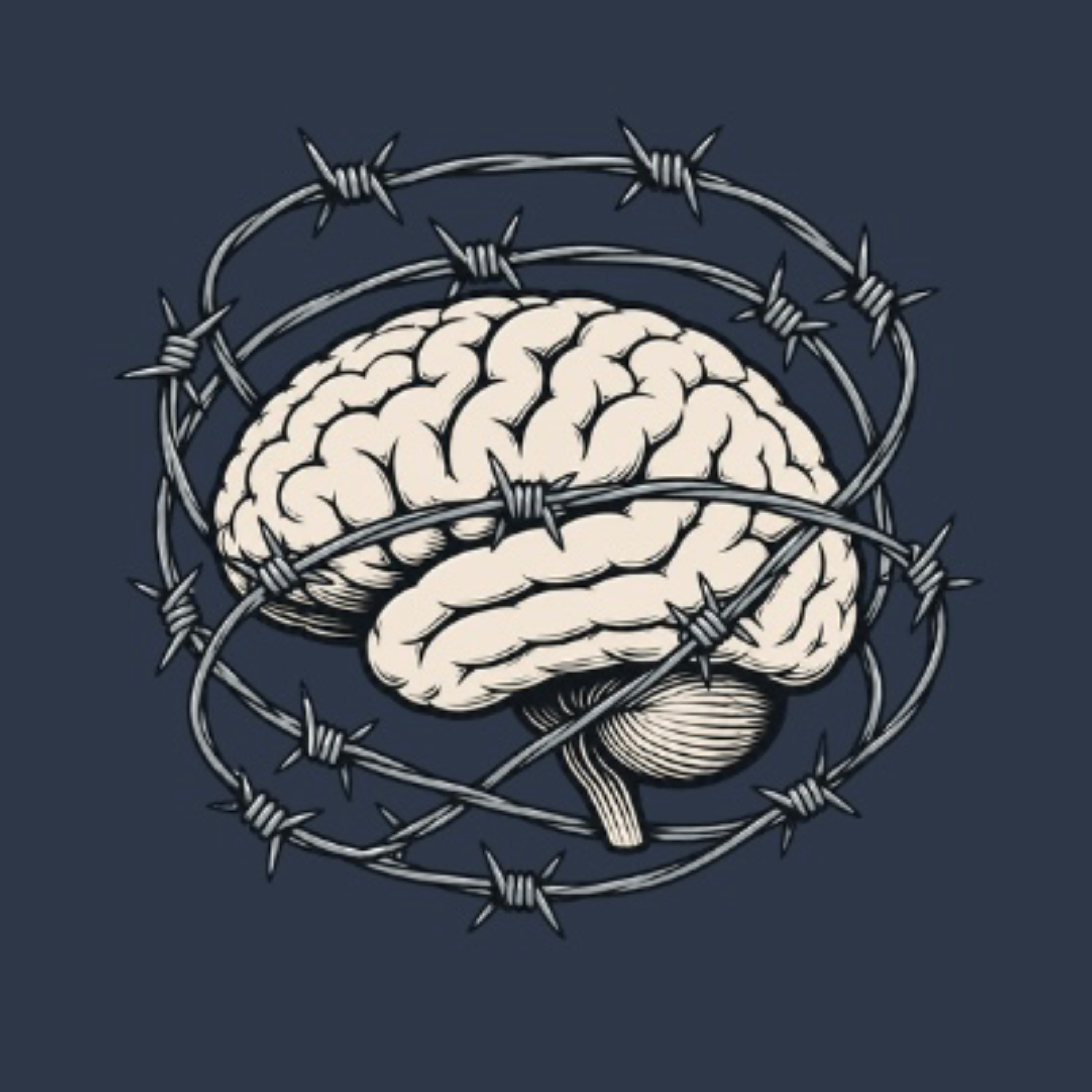
The Overprotective Brain
by Hungry Planet
Your body was built to protect you. But what happens when protection becomes the problem? The Overprotective Brain is the companion podcast to the book by Dr. Sam Tyriver, PT, DPT, CWC and bestselling author Hayley DiMarco. Each week, they unpack the neuroscience of chronic pain, protective symptoms, and what it actually takes to reclaim your body and your life. Real science. Real stories. Real hope. New episodes every week. The content on this podcast is for entertainment purposes only and is not a substitute for professional medical advice.
-
6
Your Body Was Made to Move - Episode 6
When you’re in pain, movement can feel like the enemy. Your brain tells you to stop, rest, protect yourself, and wait until you feel better before you start moving again. But what if avoiding movement is actually teaching your brain to become even more protective?In this episode of The Overprotective Brain, Hayley DiMarco and Dr. Sam explore why movement is essential to the health of your joints, muscles, and nervous system—and why getting moving again can be such an important part of overcoming overprotective pain.Dr. Sam explains why variability of movement matters, what happens to joints and muscles when we stop using them, and how pain can create a downward spiral of less movement, more weakness, and even greater sensitivity. Hayley shares her own experience of learning to move despite what her brain was telling her.The key isn’t pushing through with a punishing workout. It’s starting ridiculously small and deciding ahead of time what you’re going to do—rather than letting pain make the decision for you. One minute. Two minutes. One step onto the bridge. Each successful movement gives your brain new evidence: this is safe.Because sometimes you have to do before you think differently—and think differently before you feel differently.The Overprotective Brain by Hayley DiMarco and Dr. Sam Tyriver is available on Amazon. Learn more at OverprotectiveBrain.com.
-
5
Why Connection Is Medicine for Your Brain - Episode 5
What if simply being with someone you trust could actually reduce your pain?In this episode of The Overprotective Brain Podcast, Hayley DiMarco and Dr. Sam explore the surprising connection between relationships, the nervous system, and chronic pain. Research suggests that positive social interaction—and sometimes even looking at a picture of someone you love—can change the way your brain experiences pain.But there’s a catch: when you’re living with chronic pain, anxiety, or an overprotective brain, connecting with other people may be the last thing you feel like doing.Hayley and Dr. Sam explain why you sometimes have to do better before you feel better, how positive experiences teach your brain that you’re safe, and why social connection should be treated less like an optional extra and more like a daily vitamin. They also discuss choosing relationships that expand your life rather than groups that keep you focused on symptoms—and why even your dog may be giving your inner pharmacy a boost.Your world doesn’t have to keep getting smaller. Sometimes expanding it starts with something as simple as calling a friend.The Overprotective Brain by Hayley DiMarco and Dr. Sam Tyriver is available on Amazon. Learn more at OverprotectiveBrain.com.
-
4
Why Laughter Really Is Medicine | The Overprotective Brain Podcast Ep. 4
What if something as simple as laughing could actually change what’s happening inside your brain?In this episode of The Overprotective Brain, Hayley DiMarco and Dr. Sam explore laughter as one of the six keys to unlocking your “inner pharmacy” and why it may be especially important for people living with chronic pain, anxiety, depression, trauma, or other overprotective symptoms.Laughter isn’t just a sign that you’re happy. It causes your brain to release endorphins, changes breathing and muscle activity, reduces the stress response, and sends an important message to an overprotective nervous system: you’re safe.Hayley and Sam discuss:Why laughter triggers the release of endorphinsHow laughter signals safety to a brain that is constantly monitoring for threatsWhy chronic pain can make it harder to seek out humor and enjoymentThe mistake of waiting until you feel happy before doing something that might make you feel betterHow genuine laughter can create a neurological shift during periods of stress or anxietyWhy laughter can be especially powerful when it happens with other peopleHow the six keys to your inner pharmacy can work together and amplify one anotherAnd there’s a practical prescription: intentionally seek out 15 to 30 minutes of laughter each day. Watch a funny show, find a comedian you love, or spend time with the friend who always makes you laugh. When an overprotective brain makes you want to withdraw, sometimes the action has to come before the feeling.Next episode, Hayley and Sam move to another key to the inner pharmacy: positive social connection, and why connecting with other people may be more important to your nervous system than you realize.The Overprotective Brain is the companion podcast to the book by Dr. Sam Tyriver and Hayley DeMarco.📖 The Overprotective Brain is available on Amazon.🌐 Find more from the show and connect with us at overprotectivebrain.comIf this episode helped something click, share it with someone who needs to hear it and leave a review wherever you listen.This podcast is for informational and entertainment purposes only and is not a substitute for individualized medical care. If you are experiencing pain, injury, or another health condition, consult a qualified healthcare professional.
-
3
Your Brain Has a Pharmacy. Here’s How to Unlock It. | The Overprotective Brain Podcast Ep. 3
What if your body already produces some of the most powerful chemicals for reducing pain, improving mood, increasing motivation, and helping you feel connected?In this episode of The Overprotective Brain, Hayley DiMarco and Dr. Sam explore what they call your “inner pharmacy”: the brain’s ability to produce chemicals like endorphins, dopamine, oxytocin, and serotonin. They explain how chronic pain and other overprotective symptoms can gradually limit the activities that naturally stimulate these chemicals, creating a cycle where the worse you feel, the less you do, and the less you do, the worse you may feel.You’ll learn why waiting until you feel better before doing more can sometimes keep you stuck, and why the order may need to be reversed: do first, then allow feeling better to follow.Hayley and Sam discuss:The fascinating placebo experiment that revealed the brain’s own pain-relieving powerHow endorphins function as the body’s natural painkillersWhy dopamine is more about motivation and pursuit than simply pleasureHow “cheap dopamine” from scrolling and other external sources can affect the cycleThe “isolation tax” and why social connection mattersHow serotonin relates to agency, confidence, and feeling in control of your lifeWhy inactivity and avoidance can reinforce an overprotective brainHow small, intelligent actions can begin reopening your inner pharmacyAnd this is just the beginning. The episode introduces six keys to unlocking your inner pharmacy, which Hayley and Sam will explore throughout the episodes ahead.The Overprotective Brain is the companion podcast to the book by Dr. Sam Tyriver and Hayley DiMarco.📖 The Overprotective Brain is available on Amazon.🌐 Find more from the show and connect with us at overprotectivebrain.comIf this episode helped something click, share it with someone who needs to hear it and leave a review wherever you listen.This podcast is for informational and entertainment purposes only and is not a substitute for individualized medical care. If you are experiencing pain, injury, or another health condition, consult a qualified healthcare professional.
-
2
Episode 2: Why Your Brain Keeps Looking for Danger
Why does your brain keep expecting pain even when nothing is actually wrong?In Episode 2 of The Overprotective Brain Podcast, Hayley DiMarco and Dr. Sam Tyriver explore one of the most important concepts in understanding persistent pain: your brain is constantly scanning your environment, asking one simple question: "Am I safe?"Using the story of an overprotective smoke detector and a dog that learned to fear the sound of a stove long after the danger was gone, they explain how our brains learn patterns that can keep us trapped in cycles of fear, pain, and avoidance. The good news? Just as pain can be learned, it can also be unlearned.In this episode, you'll discover:Why your brain is always searching for potential threats; even when you're safe.What neuroception is and how it quietly shapes your daily life.Why certain movements, places, or activities can trigger pain without causing injury.The surprising difference between hurt and harm.How your brain learns protective patterns and how those patterns can become overprotective.Why pain tolerance has less to do with toughness than with context and experience.How changing your brain's interpretation of a situation can change your physical experience.Whether you've stopped traveling, exercising, lifting your arms, or simply doing things you once loved because you fear they'll trigger pain, this episode offers an encouraging message: your brain isn't broken—it has simply learned to be overprotective. And what has been learned can be retrained.The episode concludes with a preview of one of the most exciting ideas in modern pain science: your brain contains its own "inner pharmacy;" powerful natural chemicals that can help calm pain, anxiety, and fear. You'll learn more about unlocking that remarkable system in the next episode.The Overprotective Brain is available wherever books are sold, and this podcast continues to provide practical insights into the science of pain, helping you understand your brain so you can reclaim your life.
-
1
Episode 1: Is Your Pain Protecting You… or Holding You Prisoner?
What if your pain isn't a sign that your body is broken but a sign that your brain is trying too hard to protect you?In the premiere episode of The Overprotective Brain Podcast, co-author Hayley DiMarco sits down with physical therapist and pain science expert Dr. Sam Tyriver to explore a revolutionary way of understanding persistent pain. Instead of asking, "What's wrong with me?" they ask a different question: "What if my pain has become overprotective?"You'll discover why pain is actually one of the body's greatest survival tools, why people who can't feel pain are at greater risk, and how the brain can sometimes turn a helpful alarm into one that never stops ringing. Whether you're living with migraines, arthritis, back pain, or another chronic condition, this conversation offers hope that pain doesn't have to define or limit your life.In this episode, you'll learn:Why pain's primary purpose is protection—not punishment.The difference between helpful pain and overprotective pain.Why the traditional labels of "acute" and "chronic" often miss the bigger picture.How persistent pain can gradually shrink your world and keep you from living the life you want.Why your pain is real—and why "it's all in your head" is both misleading and unhelpful.How the brain learns pain, predicts pain, and, most importantly, can be retrained.If you've ever wondered whether you'll be able to travel, exercise, play with your kids or grandkids, or simply enjoy life again because of ongoing pain, this episode is for you.The Overprotective Brain is available wherever books are sold, and this podcast is your companion guide to understanding the science behind pain and discovering practical hope for reclaiming your life.
We're indexing this podcast's transcripts for the first time — this can take a minute or two. We'll show results as soon as they're ready.
No matches for "" in this podcast's transcripts.
No topics indexed yet for this podcast.
Loading reviews...
ABOUT THIS SHOW
Your body was built to protect you. But what happens when protection becomes the problem? The Overprotective Brain is the companion podcast to the book by Dr. Sam Tyriver, PT, DPT, CWC and bestselling author Hayley DiMarco. Each week, they unpack the neuroscience of chronic pain, protective symptoms, and what it actually takes to reclaim your body and your life. Real science. Real stories. Real hope. New episodes every week. The content on this podcast is for entertainment purposes only and is not a substitute for professional medical advice.
HOSTED BY
Hungry Planet
Loading similar podcasts...
Frequently Asked Questions
How many episodes does The Overprotective Brain have?
The Overprotective Brain currently has 6 episodes available on PodParley. New episodes are automatically indexed when they're published to the podcast feed.
What is The Overprotective Brain about?
Your body was built to protect you. But what happens when protection becomes the problem? The Overprotective Brain is the companion podcast to the book by Dr. Sam Tyriver, PT, DPT, CWC and bestselling author Hayley DiMarco. Each week, they unpack the neuroscience of chronic pain, protective...
How often does The Overprotective Brain release new episodes?
The Overprotective Brain has 6 episodes. Check the episode list to see recent publication dates and frequency.
Where can I listen to The Overprotective Brain?
You can listen to The Overprotective Brain on PodParley by clicking any episode. We provide an embedded audio player for direct listening, and you can also subscribe via your preferred podcast app using the RSS feed.
Who hosts The Overprotective Brain?
The Overprotective Brain is created and hosted by Hungry Planet.
URL copied to clipboard!