
PODCAST · education
The Unhidden Minute
by James Edward Mills
The Unhidden Minute is part of the Unhidden Podcast Project supported through a National Geographic Explorer Grant from the National Geographic Society. This series celebrates the untold stories of Black American history. jamesedwardmills.substack.com
-
194
Pauli Murray
Before the modern LGBTQ rights movement, there was Pauli Murray. Yet most Americans have never heard the name.Anna Pauline Murray devoted a lifetime to challenging injustice across race, gender, faith, and identity. As an attorney, she helped to establish the Congress of Racial Equality, and later informed the NAACP’s fight to end school segregation. Murray also helped preserve the word “sex” in the Civil Rights Act of 1964, expanding workplace protections for women, and co-founded the National Organization for Women.Throughout her life, Murray struggled with gender identity, and many scholars today recognize her as a transgender pioneer. After decades as an attorney, activist, and educator, Murray began studying at General Theological Seminary in New York. She earned a Master of Divinity Degree in 1976 and became the first Black woman to be ordained as an Episcopal Priest.The Pauli Murray Family Home, designated a National Historic Landmark in 2016. Today, the home houses the Pauli Murray Center for History and Social Justice and, since 2024, has been part of the African American Civil Rights Network—preserving the story of someone whose vision changed America by insisting that no one should be left unseen. The Joy Trip Project celebrates the enduring legacy of Black American History. The Unhidden Minute is part of the Unhidden Podcast Project supported through a National Geographic Explorer Grant from the National Geographic Society, with the cooperation of the National Park Service. This series elevates the untold stories of Black American historical figures, events and cultural contributions.#unhiddenblackhistory #NationalParkService #yourparkstory #NationalGeographic #unhiddenminuteBecome a paid subscriber to the Unhidden Minute Podcast for one year and receive a free copy The Adventure Gap: Changing the Face of the Outdoors 10th Anniversary Edition by James Edward Mills. This is a public episode. If you'd like to discuss this with other subscribers or get access to bonus episodes, visit jamesedwardmills.substack.com/subscribe
-
193
Charles Hamilton Houston
Charles Hamilton Houston was born in Washington, D.C., in 1895 and became one of the nation’s most brilliant attorneys. A graduate of Harvard Law School, where he served at the first Black editor of the Harvard Law Review. Houston believed that legal action could be used to dismantle racial injustice. As vice dean of the Howard University School of Law, he trained a generation of civil rights lawyers, including Thurgood Marshall, the first Black American to serve on the U.S. Supreme Court .Houston developed the legal strategy that challenged the doctrine of “separate but equal” and systematically attacked segregation in America’s courts. Though he died in 1950, four years before Brown v. Board of Education, his scholarship and diligence laid the framework for this landmark decision. Today, Charles Hamilton Houston is remembered as the man who killed Jim Crow.The Joy Trip Project celebrates the enduring legacy of Black American History. The Unhidden Minute is part of the Unhidden Podcast Project supported through a National Geographic Explorer Grant from the National Geographic Society, with the cooperation of the National Park Service. This series elevates the untold stories of Black American historical figures, events and cultural contributions.#unhiddenblackhistory #NationalParkService #yourparkstory #NationalGeographic #unhiddenminuteBecome a paid subscriber to the Unhidden Minute Podcast for one year and receive a copy of The Adventure Gap: Changing the Face of the Outdoors 10th Anniversary Edition by James Edward Mills. This is a public episode. If you'd like to discuss this with other subscribers or get access to bonus episodes, visit jamesedwardmills.substack.com/subscribe
-
192
General Daniel “Chappie” James Jr.
One of the most accomplished military aviators in American history, Daniel “Chappie” James Jr. was the first Black American to earn the rank of four-star general in the United States Armed Forces. Born in Pensacola, Florida, in 1920, James trained at Tuskegee Army Air Field during World War II, joining the first wave of Black fighter pilots who challenged segregation in the military.Though the war ended before he entered combat, James later flew 101 missions in Korea and 78 more in Vietnam. Known for his courage, sharp discipline, and commanding presence, “Chappie” became a national symbol of patriotism and perseverance. In 1975, he achieved four-star rank and helped lead North American Air Defense Command, inspiring generations of Black Americans to pursue aviation, military service, and leadership in America. Today his legacy endures despite efforts to suppress it.The Joy Trip Project celebrates the enduring legacy of Black American History. The Unhidden Minute is part of the Unhidden Podcast Project supported through a National Geographic Explorer Grant from the National Geographic Society, with the cooperation of the National Park Service. This series elevates the untold stories of Black American historical figures, events and cultural contributions.Become a paid subscriber to the Unhidden Minute Podcast for one year and receive a free copy The Adventure Gap: Changing the Face of the Outdoors 10th Anniversary Edition by James Edward Mills. This is a public episode. If you'd like to discuss this with other subscribers or get access to bonus episodes, visit jamesedwardmills.substack.com/subscribe
-
191
Dr. Rebecca Lee Crumpler
Dr. Rebecca Lee Crumpler (1831–1895) was the first Black American woman to earn a medical degree in the United States and a pioneering figure in Reconstruction-era public health. After graduating from the New England Female Medical College in 1864, she traveled south following the Civil War to care for newly emancipated Black communities struggling with poverty, disease, and limited access to medical care.Working among formerly enslaved families in Virginia and coastal South Carolina, Crumpler became part of a broader movement to rebuild Black life through education, healthcare, and self-determination. In the same spirit as the emerging freedom schools and community institutions developing across the Sea Islands during Reconstruction, her work reflected a belief that citizenship required dignity, opportunity, and care for the whole community.In 1883, Crumpler published A Book of Medical Discourses, making her one of the first Black American physicians to author a medical text. Her legacy remains a powerful symbol of healing and resilience.The Unhidden Minute is part of the Unhidden Podcast Project supported through a National Geographic Explorer Grant from the National Geographic Society, with the cooperation of the National Park Service. This series elevates the untold stories of Black American history.#unhiddenblackhistory #NationalParkService #yourparkstory #NationalGeographic #unhiddenminuteBecome a paid subscriber to the Unhidden Minute Podcast for one year and receive a free copy The Adventure Gap: Changing the Face of the Outdoors 10th Anniversary Edition by James Edward Mills. This is a public episode. If you'd like to discuss this with other subscribers or get access to bonus episodes, visit jamesedwardmills.substack.com/subscribe
-
190
Japanese American Soldiers In WWII
During World War II, thousands of Japanese Americans served distinction in the United States military. Even while many of their families were imprisoned in internment camps under Executive Order 9066, Japanese Americans were determined to prove their loyalty in the face of racism and suspicion. These soldiers became some of the most highly decorated troops in American history. The most famous units were the 100th Infantry Battalion and the 442nd Regimental Combat Team, composed primarily of Japanese American soldiers from Hawai‘i and the mainland United States. Fighting in Europe, they earned extraordinary honors for bravery, including thousands of Purple Hearts and numerous Distinguished Service Crosses. Their motto, “Go for Broke,” reflected their determination and courage. Japanese American soldiers also served in the Military Intelligence Service, translating documents and interrogating prisoners in the Pacific Theater. Their service helped challenge prejudice and became a powerful statement about citizenship, sacrifice, and democracy in America.During Asian American and Pacific Islander Heritage Month, The Joy Trip Project honors the enduring contributions of artists, activists, laborers, and visionaries whose stories are woven into the American experience.The Unhidden Minute is part of the Unhidden Podcast Project supported through a National Geographic Explorer Grant from the National Geographic Society, with the cooperation of the National Park Service. This series elevates the untold stories of Black American history.#unhiddenblackhistory #NationalParkService #yourparkstory #NationalGeographic #unhiddenminuteBecome a paid subscriber to the Unhidden Minute Podcast for one year and receive a free copy The Adventure Gap: Changing the Face of the Outdoors 10th Anniversary Edition by James Edward Mills. This is a public episode. If you'd like to discuss this with other subscribers or get access to bonus episodes, visit jamesedwardmills.substack.com/subscribe
-
189
Manzanar
In 1942, President Franklin D. Roosevelt signed Executive Order 9066, authorizing the forced removal and incarceration of more than 120,000 Japanese Americans during the second World War II. Most were American citizens living on the West Coast. Families were given only days to sell their homes, businesses, and belongings before being sent to remote detention centers under armed guard. One of the most infamous was Manzanar, located in California’s Owens Valley beneath the Sierra Nevada mountains. More than 10,000 people lived behind barbed wire there in cramped barracks exposed to dust storms, heat, and bitter winter cold. Despite the injustice, incarcerated families created schools, gardens, newspapers, and community programs to preserve dignity and hope. Today, Manzanar National Historic Site stands as a powerful reminder of how fear, racism, and wartime hysteria can threaten democracy and civil liberties in America.During Asian American and Pacific Islander Heritage Month, The Joy Trip Project honors the enduring contributions of artists, activists, laborers, and visionaries whose stories are woven into the American experience.The Unhidden Minute is part of the Unhidden Podcast Project supported through a National Geographic Explorer Grant from the National Geographic Society, with the cooperation of the National Park Service. This series elevates the untold stories of Black American history.#unhiddenblackhistory #NationalParkService #yourparkstory #NationalGeographic #unhiddenminuteBecome a paid subscriber to the Unhidden Minute Podcast for one year and receive a free copy The Adventure Gap: Changing the Face of the Outdoors 10th Anniversary Edition by James Edward Mills. This is a public episode. If you'd like to discuss this with other subscribers or get access to bonus episodes, visit jamesedwardmills.substack.com/subscribe
-
188
Chiura Obata
Born in Japan in 1885, artist Chiura Obata transformed the landscapes of the American West into vivid expressions of beauty, spirit, and belonging. After immigrating to the United States in 1903, Obata traveled extensively through Yosemite National Park, where he painted towering granite cliffs, waterfalls, and ancient forests with a unique blend of Japanese sumi-e brushwork and Western en plein air technique. His artwork captured not only Yosemite’s grandeur, but also its emotional and spiritual power.In 1927, Obata led one of the first organized artist pilgrimages into the Sierra Nevada, inspiring generations to see public lands as places of reflection and cultural connection. During World War II, despite being incarcerated with his family at the Topaz internment camp, near the town of Delta Utah, he continued teaching art and creating work that affirmed dignity and resilience. Today, Obata’s paintings remain powerful reminders that America’s national parks belong to everyone and are enriched by many cultural perspectives.During Asian American and Pacific Islander Heritage Month, The Joy Trip Project honors the enduring contributions of artists, activists, laborers, and visionaries whose stories are woven into the American experience. The Unhidden Minute is part of the Unhidden Podcast Project supported through a National Geographic Explorer Grant from the National Geographic Society, with the cooperation of the National Park Service. This series elevates the untold stories of Black American history.#unhiddenblackhistory #NationalParkService #yourparkstory #NationalGeographic #unhiddenminuteBecome a paid subscriber to the Unhidden Minute Podcast for one year and receive a copy The Adventure Gap: Changing the Face of the Outdoors 10th Anniversary Edition by James Edward Mills. This is a public episode. If you'd like to discuss this with other subscribers or get access to bonus episodes, visit jamesedwardmills.substack.com/subscribe
-
187
Wong Kim Ark
Wong Kim Ark was born in 1873 in San Francisco to Chinese immigrant parents during an era shaped by exclusion and racial hostility. After traveling to China in 1894, he was denied reentry to the United States under the Chinese Exclusion Act, which restricted Chinese immigration and denied citizenship to Chinese nationals. Wong challenged the decision, and his case reached the Supreme Court as United States v. Wong Kim Ark.In 1898, the Court ruled in his favor, affirming that the 14th Amendment to the United States Constitution guarantees birthright citizenship to anyone born on U.S. soil, regardless of their parents’ nationality. This landmark decision established a foundational principle of American identity, reinforcing that citizenship is not defined by race or ancestry, but by place of birth. Wong Kim Ark’s case remains central to debates over immigration and citizenship today.The Joy Trip Project celebrates our shared American heritage. The Unhidden Minute is part of the Unhidden Podcast Project supported through a National Geographic Explorer Grant from the National Geographic Society, with the cooperation of the National Park Service. This series elevates the untold stories of Black American history.#unhiddenblackhistory #NationalParkService #yourparkstory #NationalGeographic #unhiddenminuteBecome a paid subscriber to the Unhidden Minute Podcast for one year and receive a copy The Adventure Gap: Changing the Face of the Outdoors 10th Anniversary Edition by James Edward Mills. This is a public episode. If you'd like to discuss this with other subscribers or get access to bonus episodes, visit jamesedwardmills.substack.com/subscribe
-
186
Benjamin 'Pap' Singleton
Benjamin ‘Pap’ Singleton was a formerly enslaved man who became a leading voice for Black self-determination in the years after the Civil War. Born into slavery in 1809 in Nashville, Tennessee, Singleton escaped to freedom and later returned to help others do the same through the Underground Railroad. After Reconstruction, as violence and oppression spread across the South, he advocated for Black migration to the West—especially Kansas, where land ownership offered a path to independence. As a central figure in the Exoduster Movement, Singleton organized and encouraged thousands of Black Americans to leave the South in search of safety and opportunity. He believed true freedom required more than legal rights; it demanded land, economic power, and community control. Though many migrants faced hardship, Singleton’s vision helped reshape the meaning of freedom, emphasizing mobility, ownership, and the courage to claim space in America.The Joy Trip Project celebrates our shared American heritage. The Unhidden Minute is part of the Unhidden Podcast Project supported through a National Geographic Explorer Grant from the National Geographic Society, with the cooperation of the National Park Service. This series elevates the untold stories of Black American history.#unhiddenblackhistory #NationalParkService #yourparkstory #NationalGeographic #unhiddenminuteBecome a paid subscriber to the Unhidden Minute Podcast for one year and receive a copy The Adventure Gap: Changing the Face of the Outdoors 10th Anniversary Edition by James Edward Mills. This is a public episode. If you'd like to discuss this with other subscribers or get access to bonus episodes, visit jamesedwardmills.substack.com/subscribe
-
185
The Exoduster Movement
The Exoduster Movement began in 1879 as thousands of formerly enslaved Black Americans fled the violence and oppression of the post-Reconstruction South. Drawn primarily to Kansas, these migrants—known as “Exodusters,” evoking the biblical Exodus—sought land, safety, and the full promise of freedom. Their departure was fueled by the collapse of Reconstruction, the rise of Black Codes, and the growing threat of racial terror that denied basic civil rights. Many believed Kansas, once a battleground over slavery, offered a chance at self-determination through farming and community building. Leaders like Benjamin ‘Pap’ Singleton encouraged migration, promoting Black economic independence through land ownership. Though many faced harsh conditions, limited resources, and resistance upon arrival, the movement represented a powerful act of agency. The Exodusters redefined freedom not just as legal status, but as access to land, mobility, and the right to build a life on their own terms.The Joy Trip Project celebrates our shared American heritage. The Unhidden Minute is part of the Unhidden Podcast Project supported through a National Geographic Explorer Grant from the National Geographic Society, with the cooperation of the National Park Service. This series elevates the untold stories of Black American history.#unhiddenblackhistory #NationalParkService #yourparkstory #NationalGeographic #unhiddenminuteBecome a paid subscriber to the Unhidden Minute Podcast for one year and receive a copy The Adventure Gap: Changing the Face of the Outdoors 10th Anniversary Edition by James Edward Mills. This is a public episode. If you'd like to discuss this with other subscribers or get access to bonus episodes, visit jamesedwardmills.substack.com/subscribe
-
184
The 14th Amendment of the U.S. Constitution
On July 9, 1868, member of Congress ratified the Fourteenth Amendment to the U.S. Constitution. In the aftermath of the American Civil War, this was a bold redefinition of who could claim their rights under the rule of law. “All persons born or naturalized in the United States, … are citizens of the United States.” This promise of birthright citizenship overturned the Dred Scott v. Sandford decision of 1857, which had denied Black Americans any claim to citizenship.For formerly enslaved families, this was more than law. It was recognition. It meant that children born on American soil could no longer be denied their humanity or their rights. But like so much of Reconstruction, the promise was contested, overruled, and too often denied in practice.Today, birthright citizenship remains a cornerstone of American identity. It is a reminder that our nation is not defined by exclusion, but by the enduring struggle to expand who is seen, protected, and fully recognized as an American.The Joy Trip Project celebrates our shared American heritage. The Unhidden Minute is part of the Unhidden Podcast Project supported through a National Geographic Explorer Grant from the National Geographic Society, with the cooperation of the National Park Service. This series elevates the untold stories of Black American history.#unhiddenblackhistory #NationalParkService #yourparkstory #NationalGeographic #unhiddenminuteBecome a paid subscriber to the Unhidden Minute Podcast for one year and receive a copy The Adventure Gap: Changing the Face of the Outdoors 10th Anniversary Edition by James Edward Mills. This is a public episode. If you'd like to discuss this with other subscribers or get access to bonus episodes, visit jamesedwardmills.substack.com/subscribe
-
183
The Fair Housing Act of 1968
The Fair Housing Act of 1968 was passed in the wake of the assassination of Martin Luther King Jr., as the nation grappled with unrest and longstanding inequality. Signed into law on April 11, 1968, it prohibited discrimination in the sale, rental, and financing of housing based on race, religion, and national origin. It was later expanded to include sex, disability, and family status. The law sought to dismantle the deeply entrenched systems of redlining and segregation that had confined Black Americans to under-resourced neighborhoods. It represented a critical step toward equal access to housing and the promise of social mobility through homeownership. Yet enforcement proved difficult, and discriminatory practices often persisted in more subtle forms. The Fair Housing Act stands as both a landmark civil rights victory and a reminder that the struggle for equitable access to land, space, and opportunity remains unfinished in America.The Joy Trip Project celebrates the enduring legacy of Black American History. The Unhidden Minute is part of the Unhidden Podcast Project supported through a National Geographic Explorer Grant from the National Geographic Society, with the cooperation of the National Park Service. This series elevates the untold stories of Black American historical figures, events and cultural contributions.#unhiddenblackhistory #NationalParkService #yourparkstory #NationalGeographic #unhiddenminuteBecome a paid subscriber to the Unhidden Minute Podcast for one year and receive a copy of The Adventure Gap: Changing the Face of the Outdoors 10th Anniversary Edition by James Edward Mills. This is a public episode. If you'd like to discuss this with other subscribers or get access to bonus episodes, visit jamesedwardmills.substack.com/subscribe
-
182
The Final Speech of Martin Luther King Jr.
On April 3, 1968, Dr. Martin Luther King Jr. stood before a crowd in Memphis, Tennessee and delivered what would become his final address—I’ve Been to the Mountaintop. Speaking in support of striking sanitation workers, King’s words carried a weight that felt both urgent and prophetic. He spoke of economic justice, of unity, and of the long struggle for dignity. But it was his closing that endures most. Reflecting on threats against his life, he declared, “I’ve been to the mountaintop… And I’ve seen the Promised Land.” It was a vision not of certainty, but of faith—an understanding that progress might come, even if he did not live to see it. Less than 24 hours later, he was assassinated at the Lorain Motel. Yet in that moment, King reframed the movement not as a destination, but as a journey carried forward by those who remain. His voice, steady in the face of danger, still echoes as a call to conscience and collective action today.The Joy Trip Project celebrates the enduring legacy of Black American History. The Unhidden Minute is part of the Unhidden Podcast Project supported through a National Geographic Explorer Grant from the National Geographic Society, with the cooperation of the National Park Service. This series elevates the untold stories of Black American historical figures, events and cultural contributions.#unhiddenblackhistory #NationalParkService #yourparkstory #NationalGeographic #unhiddenminuteBecome a paid subscriber to the Unhidden Minute Podcast for one year and receive a copy of The Adventure Gap: Changing the Face of the Outdoors 10th Anniversary Edition by James Edward Mills. This is a public episode. If you'd like to discuss this with other subscribers or get access to bonus episodes, visit jamesedwardmills.substack.com/subscribe
-
181
Josephine St. Pierre Ruffin
Josephine St. Pierre Ruffin (1842–1924) was a pioneering Black American journalist, suffragist, and civil rights leader who helped organize Black women into a national force for social change. Born in Boston to a prominent abolitionist family, Ruffin was educated in the United States and Europe and became deeply involved in the fight for both racial and gender equality.In 1890, she founded The Woman’s Era, the first newspaper published by and for Black women, using it to address issues of voting rights, education, and racial injustice. Ruffin was a key organizer of the National Association of Colored Women (NACW) in 1896, helping unite Black women’s clubs across the country under the motto “Lifting as We Climb.”She also challenged segregation within the women’s suffrage movement, insisting that Black women be fully included. Ruffin’s leadership and vision helped lay the foundation for generations of Black women activists advocating for justice and equality.The Joy Trip Project celebrates the enduring legacy of Black American History. The Unhidden Minute is part of the Unhidden Podcast Project supported through a National Geographic Explorer Grant from the National Geographic Society, with the cooperation of the National Park Service. This series elevates the untold stories of Black American historical figures, events and cultural contributions.#unhiddenblackhistory #NationalParkService #yourparkstory #NationalGeographic #unhiddenminuteBecome a paid subscriber to the Unhidden Minute Podcast for one year and receive a copy of The Adventure Gap: Changing the Face of the Outdoors 10th Anniversary Edition by James Edward Mills. This is a public episode. If you'd like to discuss this with other subscribers or get access to bonus episodes, visit jamesedwardmills.substack.com/subscribe
-
180
The National Association of Colored Women
The National Association of Colored Women (NACW) was founded in 1896 to unify Black women’s clubs across the United States in the fight for racial uplift, social reform, and women’s rights. Formed by leaders including Mary Church Terrell, Ida B. Wells, and Josephine St. Pierre Ruffin, the organization adopted the motto “Lifting as We Climb,” reflecting its mission to advance the entire Black community through education, activism, and mutual support.The NACW addressed critical issues such as lynching, segregation, voter suppression, and access to education and healthcare, while also promoting economic independence and moral leadership. Members established schools, kindergartens, settlement houses, and programs for working women and children. At a time when Black women faced both racial and gender discrimination, the NACW created a powerful national network for advocacy and leadership.As one of the largest and most influential Black women’s organizations of its era, the NACW laid essential groundwork for the modern Civil Rights and women’s movements.The Joy Trip Project celebrates the enduring legacy of Black American History. The Unhidden Minute is part of the Unhidden Podcast Project supported through a National Geographic Explorer Grant from the National Geographic Society, with the cooperation of the National Park Service. This series elevates the untold stories of Black American historical figures, events and cultural contributions.#unhiddenblackhistory #NationalParkService #yourparkstory #NationalGeographic #unhiddenminuteBecome a paid subscriber to the Unhidden Minute Podcast for one year and receive a copy of The Adventure Gap: Changing the Face of the Outdoors 10th Anniversary Edition by James Edward Mills. This is a public episode. If you'd like to discuss this with other subscribers or get access to bonus episodes, visit jamesedwardmills.substack.com/subscribe
-
179
Coretta Scott King
Coretta Scott King (1927–2006) was a leading Black American activist, author, and global advocate for civil and human rights. Born in Heiberger, Alabama, she studied music and education at Antioch College and the New England Conservatory before marrying Dr. Martin Luther King Jr. in 1953. Far more than the wife of a movement leader, Coretta Scott King was a strategist and organizer in her own right. She participated in the Montgomery Bus Boycott and later used her platform to speak internationally on peace, justice, and nonviolence.After Dr. King’s assassination in 1968, she carried forward his legacy, founding the Martin Luther King Jr. Center for Nonviolent Social Change in Atlanta. She also successfully campaigned to establish Dr. King’s birthday as a federal holiday. Expanding her advocacy, King spoke out against poverty, apartheid, while fighting for women’s rights and equality. Her life’s work helped shape a broader vision of justice grounded in dignity, peace, and human rights.The Joy Trip Project celebrates the enduring legacy of American History. The Unhidden Minute is part of the Unhidden Podcast Project supported through a National Geographic Explorer Grant from the National Geographic Society, with the cooperation of the National Park Service. This series elevates the untold stories of Black American historical figures, events and cultural contributions.#unhiddenblackhistory #NationalParkService #yourparkstory #NationalGeographic #unhiddenminuteBecome a paid subscriber to the Unhidden Minute Podcast for one year and receive a copy of The Adventure Gap: Changing the Face of the Outdoors 10th Anniversary Edition by James Edward Mills. This is a public episode. If you'd like to discuss this with other subscribers or get access to bonus episodes, visit jamesedwardmills.substack.com/subscribe
-
178
Mary Church Terrell
Mary Church Terrell (1863–1954) was a pioneering Black American educator, suffragist, and civil rights activist who dedicated her life to advancing racial and gender equality. Born in Memphis, Tennessee, to formerly enslaved parents who became successful entrepreneurs, Terrell benefited from educational opportunities rare for Black Americans in the 19th century. She earned both a bachelor’s and master’s degree from Oberlin College, becoming one of the first Black American women in the United States to receive a college degree.Terrell was a founding member and the first president of the National Association of Colored Women in 1896, helping unite Black women’s clubs across the nation under the motto “Lifting as We Climb.” She also helped found the National Association for the Advancement of Colored People and advocated strongly for women’s suffrage. Even into her eighties, Terrell remained active in civil rights struggles, successfully challenging segregation in Washington, D.C. restaurants in the early 1950s. Her lifelong work helped lay the foundation for the modern civil rights movement.The Joy Trip Project celebrates the enduring legacy of Black American History. The Unhidden Minute is part of the Unhidden Podcast Project supported through a National Geographic Explorer Grant from the National Geographic Society, with the cooperation of the National Park Service. This series elevates the untold stories of Black American historical figures, events and cultural contributions.#unhiddenblackhistory #NationalParkService #yourparkstory #NationalGeographic #unhiddenminuteBecome a paid subscriber to the Unhidden Minute Podcast for one year and receive a copy of The Adventure Gap: Changing the Face of the Outdoors 10th Anniversary Edition by James Edward Mills. This is a public episode. If you'd like to discuss this with other subscribers or get access to bonus episodes, visit jamesedwardmills.substack.com/subscribe
-
177
Diane Nash
Diane Nash is a central figure in the modern Civil Rights Movement and one of its most disciplined strategists of nonviolent direct action. Born in Chicago in 1938, she became radicalized by the everyday reality of segregation while attending Fisk University in Nashville, Tennessee.In 1960, Nash emerged as a leader of the Nashville sit-ins, confronting segregation at lunch counters with remarkable calm and moral clarity. When asked by a city official whether she believed it was wrong to break segregation laws, she replied that it was wrong to discriminate against someone based on race. Her composure helped desegregate Nashville’s downtown businesses—the first major Southern city to do so.In 1961, after violent attacks threatened to end the Freedom Rides, Nash insisted they continue, coordinating students to carry the campaign forward. Later, she played a key role in the Selma voting rights movement, helping to lay the groundwork for the Voting Rights Act of 1965.The Joy Trip Project celebrates the enduring legacy of Black American History. The Unhidden Minute is part of the Unhidden Podcast Project supported through a National Geographic Explorer Grant from the National Geographic Society, with the cooperation of the National Park Service. This series elevates the untold stories of Black American historical figures, events and cultural contributions.#unhiddenblackhistory #NationalParkService #yourparkstory #NationalGeographic #unhiddenminuteBecome a paid subscriber to the Unhidden Minute Podcast for one year and receive a copy The Adventure Gap: Changing the Face of the Outdoors 10th Anniversary Edition by James Edward Mills. This is a public episode. If you'd like to discuss this with other subscribers or get access to bonus episodes, visit jamesedwardmills.substack.com/subscribe
-
176
The National Association for the Advancement of Colored People
The National Association for the Advancement of Colored People (NAACP) was founded in 1909 in response to escalating racial violence and the rollback of Reconstruction-era rights. Organized by an interracial coalition that included W.E.B. Du Bois, Ida B. Wells, Mary White Ovington, and others, the NAACP sought to secure political, educational, social, and economic equality for Black Americans. From its earliest days, the organization used investigative journalism, public protest, and, most importantly, strategic litigation to challenge racial discrimination. Its Legal Defense Fund, led by attorneys such as Thurgood Marshall, successfully argued Brown v. Board of Education (1954), which ended legal school segregation. The NAACP also played a critical role in anti-lynching campaigns, voter registration drives, and the broader Civil Rights Movement of the 1950s and 1960s. With local chapters across the country, the organization continues today to advocate for voting rights, criminal justice reform, education equity, and economic opportunity, remaining one of the nation’s most enduring civil rights institutions.The Joy Trip Project celebrates the enduring legacy of Black American History. The Unhidden Minute is part of the Unhidden Podcast Project supported through a National Geographic Explorer Grant from the National Geographic Society, with the cooperation of the National Park Service. This series elevates the untold stories of Black American historical figures, events and cultural contributions.#unhiddenblackhistory #NationalParkService #yourparkstory #NationalGeographic #unhiddenminuteBecome a paid subscriber to the Unhidden Minute Podcast for one year and receive a copy The Adventure Gap: Changing the Face of the Outdoors 10th Anniversary Edition by James Edward Mills. This is a public episode. If you'd like to discuss this with other subscribers or get access to bonus episodes, visit jamesedwardmills.substack.com/subscribe
-
175
The Children's Crusade
The Children’s Crusade of 1963 was a pivotal moment in the Birmingham Civil Rights Campaign, when hundreds of Black American schoolchildren took to the streets to challenge segregation. Organized by the Southern Christian Leadership Conference (SCLC) and the Alabama Christian Movement for Human Rights, leaders including Dr. Martin Luther King Jr. and Rev. James Bevel encouraged young people to march after many adults had lost jobs or faced arrest. Beginning on May 2, thousands of students left their classrooms and gathered at the 16th Street Baptist Church, determined to demand desegregation. Public Safety Commissioner Eugene “Bull” Connor responded with mass arrests, police dogs, and high-pressure fire hoses. Images of children being knocked down by water cannons and attacked by dogs shocked the nation and drew global attention. The courage of these young protesters shifted public opinion and increased pressure on federal leaders, contributing directly to negotiations that desegregated Birmingham and helping build momentum toward passage of the Civil Rights Act of 1964.The Joy Trip Project celebrates the enduring legacy of American History. The Unhidden Minute is part of the Unhidden Podcast Project supported through a National Geographic Explorer Grant from the National Geographic Society, with the cooperation of the National Park Service. This series elevates the untold stories of Black American historical figures, events and cultural contributions.#unhiddenblackhistory #NationalParkService #yourparkstory #NationalGeographic #unhiddenminuteBecome a paid subscriber to the Unhidden Minute Podcast for one year and receive a copy The Adventure Gap: Changing the Face of the Outdoors 10th Anniversary Edition by James Edward Mills. This is a public episode. If you'd like to discuss this with other subscribers or get access to bonus episodes, visit jamesedwardmills.substack.com/subscribe
-
174
Reverend Fred Shuttlesworth
Rev. Fred Shuttlesworth (1922–2011) was one of the most fearless leaders of the Civil Rights Movement. A Baptist minister in Birmingham, Alabama, he co-founded the Alabama Christian Movement for Human Rights in 1956 after the state outlawed the NAACP. From that moment, he became a relentless force against segregation in one of the most violently racist cities in the South. His home was bombed on Christmas night in 1956, yet he emerged determined, declaring that God had spared him to fight on. Shuttlesworth worked closely with Dr. Martin Luther King Jr. and helped bring the Southern Christian Leadership Conference to Birmingham in 1963, where protests—including the Children’s Crusade—exposed the brutality of segregation to the world. Beaten, jailed, and repeatedly threatened, he never backed down. His courage helped dismantle Jim Crow laws in public transportation, schools, and public facilities, making him a central architect of the movement’s victories and a symbol of unshakable moral conviction.The Joy Trip Project celebrates the enduring legacy of American History. The Unhidden Minute is part of the Unhidden Podcast Project supported through a National Geographic Explorer Grant from the National Geographic Society, with the cooperation of the National Park Service. This series elevates the untold stories of Black American historical figures, events and cultural contributions.#unhiddenblackhistory #NationalParkService #yourparkstory #NationalGeographic #unhiddenminuteBecome a paid subscriber to the Unhidden Minute Podcast for one year and receive a copy The Adventure Gap: Changing the Face of the Outdoors 10th Anniversary Edition by James Edward Mills. This is a public episode. If you'd like to discuss this with other subscribers or get access to bonus episodes, visit jamesedwardmills.substack.com/subscribe
-
173
Cathy Williams
Cathay Williams (1844–1893) is remembered as the only documented woman to serve as a Buffalo Soldier, disguising herself as a man under the name William Cathay. Born enslaved in Missouri, Williams gained her freedom during the Civil War and later enlisted in 1866 with the U.S. Army’s 38th Infantry, one of the original Black regiments formed after emancipation.For nearly two years, she endured harsh conditions on the western frontier. Like other Buffalo Soldiers, her work helped secure routes, protect settlements, and establish federal authority in landscapes that would later become part of America’s public lands and national parks.Williams’ identity was discovered only after repeated illness led to a medical examination, resulting in her discharge. Her service remained largely forgotten for decades.Cathay Williams challenges our assumptions about gender, race, and military history and reminds us that Black women were present, persistent, and courageous, even when history tried to render them invisible.The Joy Trip Project celebrates the enduring legacy of Black American History. The Unhidden Minute is part of the Unhidden Podcast Project supported through a National Geographic Explorer Grant from the National Geographic Society, with the cooperation of the National Park Service. This series elevates the untold stories of Black American historical figures, events and cultural contributions.#unhiddenblackhistory #NationalParkService #yourparkstory #NationalGeographic #unhiddenminuteIllustration by Nate TaylorBecome a paid subscriber to the Unhidden Minute Podcast for one year and receive a copy The Adventure Gap: Changing the Face of the Outdoors 10th Anniversary Edition by James Edward Mills. This is a public episode. If you'd like to discuss this with other subscribers or get access to bonus episodes, visit jamesedwardmills.substack.com/subscribe
-
172
The Battle of Bunker Hill
The Battle of Bunker Hill, fought on June 17, 1775, was one of the first major engagements of the American Revolution, and Black American soldiers played a visible and courageous role. Among the most recognized was Peter Salem, a formerly enslaved man from Massachusetts who fought with colonial forces on Breed’s Hill. He is often credited with firing the shot that killed British Major John Pitcairn, a key officer leading the assault. Another Black patriot, Salem Poor, distinguished himself with such bravery that fellow soldiers formally praised his “gallant conduct” in a petition to the Massachusetts legislature.Black men, both free and enslaved, served in integrated New England militia units, standing shoulder to shoulder with white soldiers. Though the British ultimately seized the hill, heavy losses proved the colonial forces could stand against the empire’s army. For Black Americans, participation in battles like Bunker Hill reflected a profound contradiction: fighting for liberty while many remained enslaved yet asserting their stake in the nation’s founding ideals of personal liberty.The Joy Trip Project celebrates the enduring legacy of American History. The Unhidden Minute is part of the Unhidden Podcast Project supported through a National Geographic Explorer Grant from the National Geographic Society, with the cooperation of the National Park Service. This series elevates the untold stories of Black American historical figures, events and cultural contributions.#unhiddenblackhistory #NationalParkService #yourparkstory #NationalGeographic #unhiddenminuteBecome a paid subscriber to the Unhidden Minute Podcast for one year and receive a copy The Adventure Gap: Changing the Face of the Outdoors 10th Anniversary Edition by James Edward Mills. This is a public episode. If you'd like to discuss this with other subscribers or get access to bonus episodes, visit jamesedwardmills.substack.com/subscribe
-
171
Prince Estabrook
Prince Estabrook was a Black American patriot whose life embodies the contradictions of the American Revolution. Enslaved in Lexington, Massachusetts, Estabrook was among the militiamen who faced British regulars on April 19, 1775, at the Battle of Lexington Green. When the first shots of the Revolution were fired, he stood in the front ranks and was wounded in the arm, becoming one of the earliest casualties of the war.Despite being enslaved, Estabrook continued to serve in the Continental Army, participating in key campaigns including Bunker Hill and the Saratoga campaign. His military service eventually led to his freedom, illustrating how wartime necessity sometimes opened pathways to emancipation for Black Americans.Estabrook lived the rest of his life as a free man in Lexington, where he died in 1810. Today, he is buried in the Old Burying Ground, a lasting reminder that Black Americans were present at the nation’s founding struggle, fighting for liberty before it was fully theirs.The Joy Trip Project celebrates the enduring legacy of American History. The Unhidden Minute is part of the Unhidden Podcast Project supported through a National Geographic Explorer Grant from the National Geographic Society, with the cooperation of the National Park Service. This series elevates the untold stories of Black American historical figures, events and cultural contributions.#unhiddenblackhistory #NationalParkService #yourparkstory #NationalGeographic #unhiddenminuteBecome a paid subscriber to the Unhidden Minute Podcast for one year and receive a copy of The Adventure Gap: Changing the Face of the Outdoors 10th Anniversary Edition by James Edward Mills. This is a public episode. If you'd like to discuss this with other subscribers or get access to bonus episodes, visit jamesedwardmills.substack.com/subscribe
-
170
Claudette Colvin
Claudette Colvin was just 15 years old when she made history in Montgomery, Alabama. On March 2, 1955—nine months before Rosa Parks—Colvin refused to give up her seat on a segregated city bus. Inspired by lessons on Black American history and the Constitution, she later said she felt Harriet Tubman and Sojourner Truth “pushing down” on her shoulders, telling her to stay seated. She was arrested, handcuffed, and jailed for her defiance.Despite her courage, civil rights leaders chose not to place Colvin at the center of the public campaign against bus segregation. They believed her youth, her working-class background, and the fact that she later became pregnant while unmarried might distract from the movement’s message in a deeply judgmental Jim Crow society.Yet Colvin’s impact was decisive. She was one of four plaintiffs in Browder v. Gayle, the federal case that ended bus segregation in Montgomery in 1956. Her story reminds us that transformative change often begins with young people—and that some heroes remain unhidden far too long.The Joy Trip Project celebrates the enduring legacy of American History. The Unhidden Minute is part of the Unhidden Podcast Project supported through a National Geographic Explorer Grant from the National Geographic Society, with the cooperation of the National Park Service. This series elevates the untold stories of Black American historical figures, events and cultural contributions.#unhiddenblackhistory #NationalParkService #yourparkstory #NationalGeographic #unhiddenminuteBecome a paid subscriber to the Unhidden Minute Podcast for one year and receive a copy The Adventure Gap: Changing the Face of the Outdoors 10th Anniversary Edition by James Edward Mills. This is a public episode. If you'd like to discuss this with other subscribers or get access to bonus episodes, visit jamesedwardmills.substack.com/subscribe
-
169
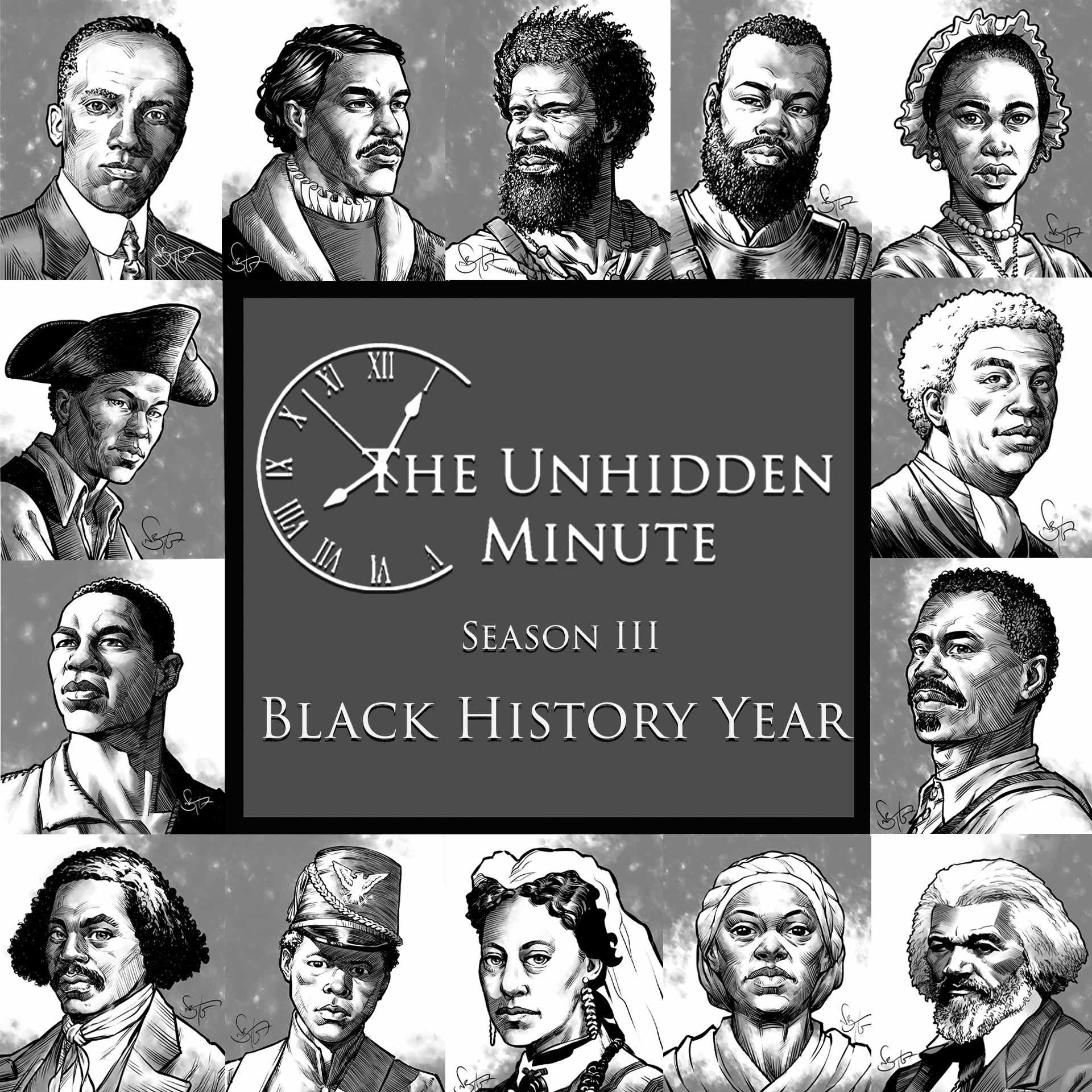
Black History Year
Did you know that 2026 is the 100th anniversary of Black History Month? This annual observance is a necessary correction in a nation that too often erased or ignored the full story of Black American life. In 1926, historian Carter G. Woodson launched Negro History Week so the contributions of Black Americans could no longer be dismissed as footnotes. What began as a week became a month.Now, in the 100th year of this celebration, we’re asking a bigger question:What if Black history was not confined to just one month?In 2026, The Unhidden Minute proudly announces our acknowledgement of Black History Year. This weekly 12-month commitment will tell the enduring stories that have always shaped this nation. From public lands and national parks to science, culture, resistance, creativity, and joy, Black history is not seasonal. It is essential.Black History Year invites us to slow down, look deeper, and recognize that these stories must be shared through each of the 12 months, not just February. I hope you’ll take a minute and join us.Illustrations by Nate TaylorThe Joy Trip Project celebrates the enduring legacy of American History. The Unhidden Minute is part of the Unhidden Podcast Project supported through a National Geographic Explorer Grant from the National Geographic Society, with the cooperation of the National Park Service. This series elevates the untold stories of Black American historical figures, events and cultural contributions.#unhiddenblackhistory #NationalParkService #yourparkstory #NationalGeographic #unhiddenminuteBecome a paid subscriber to the Unhidden Minute Podcast for one year and receive a copy The Adventure Gap: Changing the Face of the Outdoors 10th Anniversary Edition by James Edward Mills. This is a public episode. If you'd like to discuss this with other subscribers or get access to bonus episodes, visit jamesedwardmills.substack.com/subscribe
-
168
Jo Ann Allen Boyce
At just fourteen years of age, Jo Ann Allen Boyce walked into history. In 1956, two years after the Brown v. Board of Education Supreme Court Decision that ended legal segregation, she became one of the Clinton 12. Boyce was among the first Black Americans to integrate a public high school in the South, when she entered Clinton High School in Tennessee.Her daily walk to class required extraordinary courage. Angry mobs hurled insults, threats, and rocks, while state leaders openly resisted desegregation. Yet Boyce persisted, understanding that her presence was not just for herself, but for generations yet to come.She later reflected that she was not trying to be brave. She was simply trying to go to school. That quiet determination became a powerful act of resistance.After leaving Clinton, Boyce built a career as a pediatric nurse and spent her later years educating the public on the true cost of social progress. Her example demonstrates that history is often changed not by speeches, but by teenagers who refuse to turn back.The Joy Trip Project celebrates the enduring legacy of American History. The Unhidden Minute is part of the Unhidden Podcast Project supported through a National Geographic Explorer Grant from the National Geographic Society, with the cooperation of the National Park Service. This series elevates the untold stories of Black American historical figures, events and cultural contributions.#unhiddenblackhistory #NationalParkService #yourparkstory #NationalGeographic #unhiddenminuteBecome a paid subscriber to the Unhidden Minute Podcast for one year and receive a copy The Adventure Gap: Changing the Face of the Outdoors 10th Anniversary Edition by James Edward Mills. This is a public episode. If you'd like to discuss this with other subscribers or get access to bonus episodes, visit jamesedwardmills.substack.com/subscribe
-
167
Barbara Rose Johns
Barbara Rose Johns (1935–1991) was a sixteen-year-old Black American student whose courage helped ignite one of the most important legal battles of the twentieth century. In 1951, while attending the segregated Robert Russa Moton High School in Farmville, Virginia, Johns organized and led a student strike to protest overcrowded classrooms, crumbling facilities, and the gross inequities of Jim Crow education. Acting without adult direction, she rallied her classmates, locked the doors, and demanded change.What began as a local protest quickly became a national cause when the NAACP took up the case, Davis v. County School Board of Prince Edward County. That lawsuit was later consolidated into Brown v. Board of Education (1954), the landmark Supreme Court decision that declared school segregation unconstitutional.Barbara Rose Johns never sought fame. She quietly changed history by insisting that equality was not something to wait for—but something to demand.The Joy Trip Project celebrates the enduring legacy of American History. The Unhidden Minute is part of the Unhidden Podcast Project supported through a National Geographic Explorer Grant from the National Geographic Society, with the cooperation of the National Park Service. This series elevates the untold stories of Black American historical figures, events and cultural contributions.#unhiddenblackhistory #NationalParkService #yourparkstory #NationalGeographic #unhiddenminuteBecome a paid subscriber to the Unhidden Minute Podcast for one year and receive a copy The Adventure Gap: Changing the Face of the Outdoors 10th Anniversary Edition by James Edward Mills. This is a public episode. If you'd like to discuss this with other subscribers or get access to bonus episodes, visit jamesedwardmills.substack.com/subscribe
-
166
Sarah Rector
Sarah Rector (1902–1967) was once known as “the richest Black girl in America.” Born in Indian Territory—now Oklahoma—to formerly enslaved Muscogee (Creek) Nation citizens, she and her family were among thousands of Black tribal members who received land allotments under the Dawes Act of 1887, which aimed to divide Native American land.In 1913, oil was discovered on her 160-acre parcel, and before she was twelve years old, Sarah Rector became a millionaire.As her wealth grew, Oklahoma officials attempted to place her under white guardianship, a move challenged by national Black leaders including Booker T. Washington and W.E.B. Du Bois, who intervened to protect her rights. Rector’s fortune transformed her family’s life—they relocated to Kansas City, where she supported Black businesses and education.Her story exposes the contradictions of race, wealth, and power in Jim Crow America. Sarah Rector remains a symbol of Black prosperity—and the measures taken to control it.The Joy Trip Project celebrates the enduring legacy of American History. The Unhidden Minute is part of the Unhidden Podcast Project supported through a National Geographic Explorer Grant from the National Geographic Society, with the cooperation of the National Park Service. This series elevates the untold stories of Black American historical figures, events and cultural contributions.#unhiddenblackhistory #NationalParkService #yourparkstory #NationalGeographic #unhiddenminuteBecome a paid subscriber to the Unhidden Minute Podcast for one year and receive a copy The Adventure Gap: Changing the Face of the Outdoors 10th Anniversary Edition by James Edward Mills. This is a public episode. If you'd like to discuss this with other subscribers or get access to bonus episodes, visit jamesedwardmills.substack.com/subscribe
-
165
The Montgomery Bus Boycott
The Montgomery Bus Boycott of 1955 was a landmark moment in the struggle for civil rights and a defining example of collective, nonviolent resistance. Sparked by the arrest of Rosa Parks, a Black American seamstress who refused to surrender her seat to a white passenger, the boycott began on December 5, 1955, in Montgomery, Alabama. For 381 days, Black residents refused to ride city buses. In defiance, they organized carpools and walked miles to work, church, and school. Led by local activists including E.D. Nixon, Jo Ann Robinson, and a young minister named Dr. Martin Luther King Jr., the movement drew national attention. The boycott culminated in a Supreme Court decision declaring segregated seating on public transportation unconstitutional. More than a protest against unfair policies, the boycott marked a turning point that galvanized the Civil Rights Movement, proving the power of coordinated non-violent action to challenge systemic racism and demand equal rights under the law.The Joy Trip Project celebrates the enduring legacy of American History. The Unhidden Minute is part of the Unhidden Podcast Project supported through a National Geographic Explorer Grant from the National Geographic Society, with the cooperation of the National Park Service. This series elevates the untold stories of Black American historical figures, events and cultural contributions.#unhiddenblackhistory #NationalParkService #yourparkstory #NationalGeographic #unhiddenminuteBecome a paid subscriber to the Unhidden Minute Podcast for one year and receive a copy The Adventure Gap: Changing the Face of the Outdoors 10th Anniversary Edition by James Edward Mills. This is a public episode. If you'd like to discuss this with other subscribers or get access to bonus episodes, visit jamesedwardmills.substack.com/subscribe
-
164
Bill Pickett
Bill Pickett (1870–1932) was a pioneering Black cowboy, rodeo performer, and Wild West showman whose innovations left an indelible mark on American ranching culture. Born in Texas to formerly enslaved parents, Pickett developed extraordinary skills in horsemanship and cattle handling. He became famous for inventing “bulldogging,” a daring rodeo technique in which he would leap from his horse, grab a steer by the horns, and subdue it by biting its upper lip—a method inspired by watching ranch dogs control cattle.Pickett toured the world with the 101 Ranch Wild West Show, performing before audiences that included British royalty. Despite his fame, racial barriers often limited his recognition; he was sometimes billed as Mexican or Native American to bypass segregation laws. In 1971, long after his death, Pickett was posthumously inducted into the National Cowboy Hall of Fame. His legacy endures as a symbol of Black excellence and innovation in the history of the West.Learn more about about the legacy of Black Cowboys in this review in Outside Magazine on the film High Horse, from executive producer Jordan Peele. https://www.outsideonline.com/culture/books-media/high-horse-black-cowboy/The Joy Trip Project celebrates American history with the stories remarkable features of our past that are too often forgotten. The Unhidden Minute is part of the Unhidden Podcast Project supported through a National Geographic Explorer Grant from the National Geographic Society, with the cooperation of the National Park Service. This series elevates the untold stories of men and women who helped to shape the progress of our nation.#unhiddenblackhistory #NationalParkService #yourparkstory #NationalGeographic #unhiddenminute Become a paid subscriber to the Unhidden Minute Podcast for one year and receive a copy The Adventure Gap: Changing the Face of the Outdoors 10th Anniversary Edition by James Edward Mills. This is a public episode. If you'd like to discuss this with other subscribers or get access to bonus episodes, visit jamesedwardmills.substack.com/subscribe
-
163
The Double Victory Campaign
The Double Victory Campaign was a powerful movement launched by Black Americans during World War II. This national initiative symbolizedthe fight for two forms of victory: one over fascism abroad and another over racism at home. Sparked by a 1942 letter to the Pittsburgh Courier, one of the nation’s leading Black newspapers, the campaign gained national momentum as Black citizens demanded that their contributions to the war effort be recognized with full civil rights.More than one million Black men and women served in segregated units in the U.S. military, while many others worked in defense industries, shipyards, and munitions plants. Yet they continued to face discrimination, unequal pay, and restricted access to public facilities. The Double V symbol—standing for “Victory at Home and Abroad”—became a unifying emblem of resistance. The campaign foreshadowed the modern Civil Rights Movement, linking patriotism with a demand for racial equality and democratic justice in America.The Joy Trip Project celebrates American history with the stories remarkable features of our past that are too often forgotten. The Unhidden Minute is part of the Unhidden Podcast Project supported through a National Geographic Explorer Grant from the National Geographic Society, with the cooperation of the National Park Service. This series elevates the untold stories of men and women who helped to shape the progress of our nation.#unhiddenblackhistory #NationalParkService #yourparkstory #NationalGeographic #unhiddenminuteBecome a paid subscriber to the Unhidden Minute Podcast for one year and receive a copy The Adventure Gap: Changing the Face of the Outdoors 10th Anniversary Edition by James Edward Mills. This is a public episode. If you'd like to discuss this with other subscribers or get access to bonus episodes, visit jamesedwardmills.substack.com/subscribe
-
162
George Meléndez Wright
George Meléndez Wright was a pioneering biologist and one of the earliest advocates for the scientific management of wildlife in the U.S. National Park System. Born in San Francisco Wright earned a zoology degree from UC Berkeley and joined the National Park Service in the 1920s. At a time when wildlife policies focused primarily on controlling “nuisance” animals and enhancing visitor experiences, Wright insisted that parks should preserve ecosystems in their natural state.In 1930, he founded the Wildlife Division of the NPS, personally funding the first comprehensive wildlife surveys of national parks with colleagues Joseph Dixon and Ben Thompson. Their work culminated in the landmark Fauna of the National Parks of the United States (1933), which became the foundation for modern conservation policy. Wright’s vision of parks as living laboratories transformed the NPS into a scientifically grounded institution. He died tragically in a car accident at age 31 in 1936.The Joy Trip Project celebrates American history with the stories remarkable features of our past that are too often forgotten. The Unhidden Minute is part of the Unhidden Podcast Project supported through a National Geographic Explorer Grant from the National Geographic Society, with the cooperation of the National Park Service. This series elevates the untold stories of men and women who helped to shape the progress of our nation.#unhiddenblackhistory #NationalParkService #yourparkstory #NationalGeographic #unhiddenminuteBecome a paid subscriber to the Unhidden Minute Podcast for one year and receive a copy The Adventure Gap: Changing the Face of the Outdoors 10th Anniversary Edition by James Edward Mills. This is a public episode. If you'd like to discuss this with other subscribers or get access to bonus episodes, visit jamesedwardmills.substack.com/subscribe
-
161
Tie Sing
A Chinese American chef named Tie Sing worked for the U.S. Geological Survey (USGS) in California through the early 20th century. As head cook on major mapping expeditions, his role was far more critical than it might seem. His creative meals nourished surveyors while on grueling journeys through the rugged terrain of the American West. Sing became a legend within the USGS for his ingenuity, using minimal supplies and often cooking in extreme conditions at high altitudes. His skill and reliability were so valued that Stephen Mather, a founding figure of the National Park Service, hired him to cook for a 1915 trip to Yosemite intended to win political and financial support for the new parks system. The success of that trip helped lead to the creation of the National Park Service in 1916. Tie Sing’s story is a reminder that even those behind the scenes helped to explore the American landscape and ultimately to protect it.The Joy Trip Project celebrates American history with the stories remarkable features of our past that are too often forgotten. The Unhidden Minute is part of the Unhidden Podcast Project supported through a National Geographic Explorer Grant from the National Geographic Society, with the cooperation of the National Park Service. This series elevates the untold stories of men and women who helped to shape the progress of our nation.#unhiddenblackhistory #NationalParkService #yourparkstory #NationalGeographic #unhiddenminuteBecome a paid subscriber to the Unhidden Minute Podcast for one year and receive a copy The Adventure Gap: Changing the Face of the Outdoors 10th Anniversary Edition by James Edward Mills. This is a public episode. If you'd like to discuss this with other subscribers or get access to bonus episodes, visit jamesedwardmills.substack.com/subscribe
-
160
The Wereth 11
The Wereth 11 were a group of Black American soldiers who were captured, tortured, and executed by Nazi troops near Wereth, Belgium, on December 17, 1944. Part of the 333rd Field Artillery Battalion during the Battle of the Bulge these men had sought refuge in the home of a Belgian farmer after their unit was overrun. Betrayed to the Germans by a local collaborator, they were taken outside the village, brutally beaten, and murdered.Despite the atrocity, considered a war crime, their story was buried for decades, overshadowed by larger wartime narratives and the systemic racism that minimized the heroism and suffering of Black soldiers. It wasn’t until the late 1990s that researchers and the families of the fallen succeeded in gaining recognition. Today, a memorial in Wereth honors these men, reminding visitors of both their sacrifice and the long fight for justice in American military history. It is one of the few memorials in Europe dedicate to the contributions of Black Soldiers in World War IIThe Joy Trip Project celebrates American history with the stories remarkable features of our past that are too often forgotten. The Unhidden Minute is part of the Unhidden Podcast Project supported through a National Geographic Explorer Grant from the National Geographic Society, with the cooperation of the National Park Service. This series elevates the untold stories of men and women who helped to shape the progress of our nation.#unhiddenblackhistory #NationalParkService #yourparkstory #NationalGeographic #unhiddenminuteBecome a paid subscriber to the Unhidden Minute Podcast for one year and receive a copy The Adventure Gap: Changing the Face of the Outdoors 10th Anniversary Edition by James Edward Mills. This is a public episode. If you'd like to discuss this with other subscribers or get access to bonus episodes, visit jamesedwardmills.substack.com/subscribe
-
159
William Monroe Trotter
William Monroe Trotter was a pioneering Black journalist, activist, and civil rights leader. His uncompromising demand for racial equality helped to shape Black political thought in the early 20th-century. Born in Boston, Massachusetts, and educated at Harvard University, where he graduated magna cum laude, Trotter became one of the most outspoken critics of racial accommodation and segregation. As founder and editor of The Guardian, a militant weekly newspaper, he used sharp editorials to challenge racism and expose injustice. Trotter co-founded the Niagara Movement alongside W.E.B. Du Bois, in 1905 the precursor of the NAACP. A controversial figure he directly confronted Booker T. Washington’s promotion of vocational training and gradual social change. In 1913, Trotter personal chastised President Woodrow Wilson over the segregation of federal agencies. During a heated White House meeting, Trotter accused the president of betraying his campaign promises of fairness and equality, a betrayal of the American People.The Joy Trip Project celebrates American history with the stories remarkable features of our past that are too often forgotten. The Unhidden Minute is part of the Unhidden Podcast Project supported through a National Geographic Explorer Grant from the National Geographic Society, with the cooperation of the National Park Service. This series elevates the untold stories of men and women who helped to shape the progress of our nation.#unhiddenblackhistory #NationalParkService #yourparkstory #NationalGeographic #unhiddenminuteBecome a paid subscriber to the Unhidden Minute Podcast for one year and receive a copy The Adventure Gap: Changing the Face of the Outdoors 10th Anniversary Edition by James Edward Mills. This is a public episode. If you'd like to discuss this with other subscribers or get access to bonus episodes, visit jamesedwardmills.substack.com/subscribe
-
158
Lt. Col George E. Hardy
Lieutenant Colonel George E. Hardy (1925–2025) was one of the last surviving members of the famed Tuskegee Airmen, the pioneering group of Black aviators who shattered racial barriers during World War II. Born in Philadelphia, Hardy enlisted in the U.S. Army Air Corps in 1943 and trained at the Tuskegee Army Airfield in Alabama, earning his wings in 1944. As a member of the 332nd Fighter Group, he flew 21 combat missions over Europe in a P-51 Mustang, escorting bombers and engaging enemy aircraft.After World War II, Hardy continued his service, flying 45 missions in Korea and more than 70 in Vietnam, distinguishing himself as one of the few pilots to serve in three major conflicts. His career exemplified courage and resilience in the face of segregation and systemic racism.Hardy spent his later years as an educator and public speaker, sharing the Tuskegee legacy to inspire future generations and ensure their contributions were never forgotten.The Joy Trip Project celebrates American history with the stories remarkable features of our past that are too often forgotten. The Unhidden Minute is part of the Unhidden Podcast Project supported through a National Geographic Explorer Grant from the National Geographic Society, with the cooperation of the National Park Service. This series elevates the untold stories of men and women who helped to shape the progress of our nation.#unhiddenblackhistory #NationalParkService #yourparkstory #NationalGeographic #unhiddenminuteBecome a paid subscriber to the Unhidden Minute Podcast for one year and receive a copy The Adventure Gap: Changing the Face of the Outdoors 10th Anniversary Edition by James Edward Mills. This is a public episode. If you'd like to discuss this with other subscribers or get access to bonus episodes, visit jamesedwardmills.substack.com/subscribe
-
157
Fannie Lou Hamer
Fannie Lou Hamer (October 6, 1917 – March 14, 1977) was a powerful voice in the Civil Rights Movement, renowned for her fight for voting rights and economic justice. Born into a sharecropping family of 20 children in Mississippi, she began laboring in cotton fields at age six and left school by age twelve. In 1962, at age 45, she joined the Student Nonviolent Coordinating Committee (SNCC) and was fired after failing a literacy test This formative loss propelled her into full-time activism. She co-founded and served as vice-chair of the Mississippi Freedom Democratic Party, delivering a moving testimony at the 1964 Democratic National Convention that exposed white supremacist policies and challenged the all-white delegation.Hamer endured brutal beatings, arrests, and forced sterilization but her resolve remained unwavering. Her motto, “I’m sick and tired of being sick and tired,” symbolized her resilience and moral urgency. Posthumously awarded the Presidential Medal of Freedom in 2025, Hamer’s legacy continues to inspire movements for justice and equality.The Joy Trip Project celebrates the enduring legacy of American History. The Unhidden Minute is part of the Unhidden Podcast Project supported through a National Geographic Explorer Grant from the National Geographic Society, with the cooperation of the National Park Service. This series elevates the untold stories of Black American historical figures, events and cultural contributions.#unhiddenblackhistory #NationalParkService #yourparkstory #NationalGeographic #unhiddenminuteBecome a paid subscriber to the Unhidden Minute Podcast for one year and receive a copy The Adventure Gap: Changing the Face of the Outdoors 10th Anniversary Edition by James Edward Mills. This is a public episode. If you'd like to discuss this with other subscribers or get access to bonus episodes, visit jamesedwardmills.substack.com/subscribe
-
156
Ranger Robert Stanton
Robert Stanton (1940– ) was the 15th Director of the National Park Service (NPS) and the first Black American to hold the position, serving from 1997 to 2001 under President Bill Clinton. Born in Fort Worth, Texas, Stanton earned a degree in recreation and park administration from Huston–Tillotson University. His NPS career began in 1962 as a seasonal ranger at Grand Teton National Park.Over nearly four decades, Stanton rose through the ranks, serving as superintendent of National Capital Parks–East and later as NPS regional director for the National Capital Region. As Director, he worked to expand diversity within the NPS workforce, improve community outreach, and elevate the recognition of sites significant to Black American history, including the designation of several national monuments and historic sites. Stanton’s leadership helped lay the foundation for a more inclusive interpretation of public lands, ensuring the NPS better reflects the full American story.The Joy Trip Project celebrates the enduring legacy of American History. The Unhidden Minute is part of the Unhidden Podcast Project supported through a National Geographic Explorer Grant from the National Geographic Society, with the cooperation of the National Park Service. This series elevates the untold stories of Black American historical figures, events and cultural contributions.#unhiddenblackhistory #NationalParkService #yourparkstory #NationalGeographic #unhiddenminuteBecome a paid subscriber to the Unhidden Minute Podcast for one year and receive a copy of The Adventure Gap: Changing the Face of the Outdoors 10th Anniversary Edition by James Edward Mills. This is a public episode. If you'd like to discuss this with other subscribers or get access to bonus episodes, visit jamesedwardmills.substack.com/subscribe
-
155
Ranger Betty Reid Soskin
Betty Reid Soskin (1921– ) is a trailblazing figure who was the oldest active U.S. National Park Ranger until her retirement at age 100. Born in Detroit and raised in Oakland, Soskin lived through nearly a century of American history, experiencing segregation, the Great Depression, and the civil rights movement firsthand. During World War II, she worked as a file clerk in a segregated shipyard union hall, an experience that shaped her understanding of racial inequities throughout the United States. Ranger Betty served with distinction at the Rosie the Riveter/WWII Home Front National Historical Park in Richmond, California.As a park ranger, Soskin brought her lived experience to the interpretation of history, offering deeply personal presentations that connected the past to present struggles for equality. She inspired generations to recognize the unfinished work of democracy. Soskin’s legacy is one of resilience, activism, and the power of storytelling to drive social change. Her wisdom inspired this podcast.The Joy Trip Project celebrates the enduring legacy of American History. The Unhidden Minute is part of the Unhidden Podcast Project supported through a National Geographic Explorer Grant from the National Geographic Society, with the cooperation of the National Park Service. This series elevates the untold stories of Black American historical figures, events and cultural contributions.#unhiddenblackhistory #NationalParkService #yourparkstory #NationalGeographic #unhiddenminute(Photo courtesy of Rosie the Riveter/WWII Home Front National Historical Park in Richmond) This is a public episode. If you'd like to discuss this with other subscribers or get access to bonus episodes, visit jamesedwardmills.substack.com/subscribe
-
154
Lt. Colonel Lee Archer
Lieutenant Colonel Lee Archer was a decorated Tuskegee Airman and one of the few Black American fighter pilots to achieve ace status during World War II. Born on September 6, 1919, in Yonkers, New York, Archer joined the U.S. Army Air Corps in 1941 and trained at Tuskegee Army Airfield. As a member of the 332nd Fighter Group, he flew 169 combat missions in the European theater, escorting bombers and engaging enemy aircraft. Archer is credited with shooting down four enemy planes, making him one of the most successful Black American pilots of the war. After his military service, he had a distinguished career in business and government, working to promote diversity in aviation and corporate leadership. Archer’s contributions to the war effort and his impact on civil rights paved the way for future generations of Black aviators. His legacy remains a testament to courage and perseverance to break barriers in aviation, the military, and beyond.The Joy Trip Project celebrates the enduring legacy of American History. The Unhidden Minute is part of the Unhidden Podcast Project supported through a National Geographic Explorer Grant from the National Geographic Society, with the cooperation of the National Park Service. This series elevates the untold stories of Black American historical figures, events and cultural contributions.#unhiddenblackhistory #NationalParkService #yourparkstory #NationalGeographic #unhiddenminuteBecome a paid subscriber to the Unhidden Minute Podcast for one year and receive a copy The Adventure Gap: Changing the Face of the Outdoors 10th Anniversary Edition by James Edward Mills. This is a public episode. If you'd like to discuss this with other subscribers or get access to bonus episodes, visit jamesedwardmills.substack.com/subscribe
-
153
The Yorktown Battlefield
The Yorktown Battlefield in Virginia is known for its pivotal role as the site of the decisive victory of the Continental Army over the British in 1781that ended the American Revolutionary War. However, during the Civil War, it became a critical site for Black Americans seeking freedom. In 1862, as Union forces advanced, thousands of enslaved people fled to Union lines from the South, forming what were known as "contraband camps." These camps were shelters for the newly escaped, offering food, shelter, and work. They symbolized the early stages of emancipation. More than a century later, this site would become the home of a thriving Black community.However, in the 1970s, the construction of the Colonial National Historical Park and the expansion of the Yorktown Battlefield led to the displacement of Black families who had lived in the area for generations long before the park's establishment. The removal of these homes reflects a long history of marginalized communities being uprooted in the name of historic preservation.The Yorktown Battlefield in Virginia is known for its pivotal role as the site of the decisive victory of the Continental Army over the British in 1781that ended the American Revolutionary War. However, during the Civil War, it became a critical site for Black Americans seeking freedom. In 1862, as Union forces advanced, thousands of enslaved people fled to Union lines from the South, forming what were known as "contraband camps." These camps were shelters for the newly escaped, offering food, shelter, and work. They symbolized the early stages of emancipation. More than a century later, this site would become the home of a thriving Black community.However, in the 1970s, the construction of the Colonial National Historical Park and the expansion of the Yorktown Battlefield led to the displacement of Black families who had lived in the area for generations long before the park's establishment. The removal of these homes reflects a long history of marginalized communities being uprooted in the name of historic preservation.The Joy Trip Project celebrates American History. The Unhidden Minute is part of the Unhidden Podcast Project supported through a National Geographic Explorer Grant from the National Geographic Society, with the cooperation of the National Park Service. This series elevates the untold stories of Black American history.#unhiddenblackhistory #NationalParkService #yourparkstory #NationalGeographic #unhiddenminuteOriginal photograph by James Edward MillsBecome a paid subscriber to the Unhidden Minute Podcast for one year and receive a copy The Adventure Gap: Changing the Face of the Outdoors 10th Anniversary Edition by James Edward Mills. This is a public episode. If you'd like to discuss this with other subscribers or get access to bonus episodes, visit jamesedwardmills.substack.com/subscribe
-
152
Gordon Parks
Gordon Parks (1912–2006) was a groundbreaking Black American photographer, filmmaker, and writer whose work forever shaped American culture. Born in Fort Scott, Kansas, Parks grew up in poverty and experienced the harsh realities of segregation. Despite these challenges, he taught himself photography and used the camera as a tool for social change. His early photo essays revealed systemic racism and poverty, including his iconic American Gothic portrait of Ella Watson, a Black cleaning woman in Washington, D.C.In 1948, Parks became the first Black staff photographer at Life magazine, where he documented civil rights struggles, urban life, and portraits of leading figures. His vision extended into film, directing The Learning Tree (1969), based on his youth in Fort Scott, and Shaft (1971), which transformed Hollywood’s representation of Black heroes. Today, the Fort Scott National Historic Site preserves the legacy of his hometown, where Parks’s story is honored as part of the broader Black American experience.The Joy Trip Project celebrates American History. The Unhidden Minute is part of the Unhidden Podcast Project supported through a National Geographic Explorer Grant from the National Geographic Society, with the cooperation of the National Park Service. This series aims to elevate the untold stories of Black Americans who are too often left out of the stories share about our common national heritage.#unhiddenblackhistory #NationalParkService #yourparkstory #NationalGeographic #unhiddenminuteBecome a paid subscriber to the Unhidden Minute Podcast for one year and receive a copy The Adventure Gap: Changing the Face of the Outdoors 10th Anniversary Edition by James Edward Mills. This is a public episode. If you'd like to discuss this with other subscribers or get access to bonus episodes, visit jamesedwardmills.substack.com/subscribe
-
151
Fazendeville
Fazendeville, Louisiana, was a historic Black community founded in the 1860s by freedman Jean Pierre Fazende, not long after the Civil War. The land near Chalmette, just outside of New Orleans was subdivided to sell to formerly enslaved people. For nearly a century, Fazendeville thrived as a tight-knit settlement, with many homes, a school, a church, and cemetery. Generations of Black families lived there, carving out stability and independence in the shadow of systemic racial discrimination.However, in the 1960s, the community was erased in the name of historic preservation. The land it occupied was incorporated into the Chalmette Battlefield, part of Jean Lafitte National Historical Park, the site of the Battle of New Orleans during the War of 1812. Residents were displaced through eminent domain, their homes demolished to create an “authentic” battlefield landscape. Fazendeville’s removal highlights the contradictions of U.S. historic preservation, where Black communities were wiped out of existence.The Joy Trip Project celebrates American History. The Unhidden Minute is part of the Unhidden Podcast Project supported through a National Geographic Explorer Grant from the National Geographic Society, with the cooperation of the National Park Service. This series aims to elevate the untold stories of Black Americans who are too often left out of the stories share about our common national heritage.#unhiddenblackhistory #NationalParkService #yourparkstory #NationalGeographic #unhiddenminute This is a public episode. If you'd like to discuss this with other subscribers or get access to bonus episodes, visit jamesedwardmills.substack.com/subscribe
-
150
Mary Jane Richards
Mary Jane Richards, also known as Mary Bowser, was a formerly enslaved Black woman who became a Union spy during the American Civil War. Born in Richmond, Virginia, around 1840, she was freed by her owner, Elizabeth Van Lew, a wealthy white abolitionist. Van Lew arranged for Richards to be educated in the North before returning her back to the South to gather intelligence. Under the alias Mary Bowser, she posed as an illiterate servant in the Confederate White House, working in the home of President Jefferson Davis. Using her intellect and photographic memory, she accessed sensitive military information, which she relayed to Union forces through the Van Lew spy network. Exploiting racist assumptions, Richards was able to move unnoticed and unchallenged. Her bravery and brilliance made her one of the most effective undercover agents of the Civil War. Though much of her life remains obscured, her legacy as a patriot and freedom fighter endures.The Joy Trip Project celebrates American History. The Unhidden Minute is part of the Unhidden Podcast Project supported through a National Geographic Explorer Grant from the National Geographic Society, with the cooperation of the National Park Service. This series aims to elevate the untold stories of Black Americans who are too often left out of the stories share about our common national heritage.#unhiddenblackhistory #NationalParkService #yourparkstory #NationalGeographic #unhiddenminute This is a public episode. If you'd like to discuss this with other subscribers or get access to bonus episodes, visit jamesedwardmills.substack.com/subscribe
-
149
James Baldwin
James Baldwin (1924–1987) was a groundbreaking Black American writer and social critic whose work explored the intersections of race, sexuality, and identity. Born in Harlem, he rose from poverty to become one of the 20th century’s most influential voices. His essays, such as those in Notes of a Native Son (1955), and novels like Go Tell It on the Mountain and Giovanni’s Room, boldly addressed both the realities of racism and the complexities of being a gay Black man in a deeply prejudiced society. Baldwin refused to separate his sexual identity from his politics, challenging both white supremacy and homophobia in his work and public life. Though he lived much of his adult life in France, he returned often to the U.S. to support the Civil Rights Movement, forging relationships with leaders like Malcolm X and Martin Luther King Jr. Baldwin’s legacy endures as a fierce, fearless advocate for human dignity and truth. His work continues to resonate as a prophetic examination of democracy, love, and the enduring fight for Black liberation.The Joy Trip Project celebrates American History. The Unhidden Minute is part of the Unhidden Podcast Project supported through a National Geographic Explorer Grant from the National Geographic Society, with the cooperation of the National Park Service. This series aims to elevate the untold stories of Black Americans who are too often left out of the stories share about our common national heritage.#unhiddenblackhistory #NationalParkService #yourparkstory #NationalGeographic #unhiddenminute This is a public episode. If you'd like to discuss this with other subscribers or get access to bonus episodes, visit jamesedwardmills.substack.com/subscribe
-
148
The Chicago Race Riot of 1919
The Chicago Race Riot of 1919 erupted on July 27 in the Bronzeville neighborhood along the shores of Lake Michigan. A Black teenager, Eugene Williams, drowned when white beachgoers threw rocks at him for drifting into a whites-only swimming area. When police refused to arrest the white perpetrator, long-simmering racial tensions exploded into violence. For eight days, white and Black residents clashed in deadly street battles throughout Chicago’s South Side. The epicenter of the unrest was Bronzeville, home to much of the city’s Black population. Thirty-eight people were killed—23 Black and 15 white—and more than 500 were injured. Thousands of Black families were displaced as mobs burned homes and businesses. One of the worst incidents of the Red Summer of 1919, the riot highlighted the consequences of segregation, discriminatory policing, and job competition. The violence marked a turning point, as Black Chicagoans demanded equal protection and laid the groundwork for future civil rights advocacy.The Joy Trip Project celebrates American History. The Unhidden Minute is part of the Unhidden Podcast Project supported through a National Geographic Explorer Grant from the National Geographic Society, with the cooperation of the National Park Service. This series aims to elevate the untold stories of Black Americans who are too often left out of the stories share about our common national heritage.#unhiddenblackhistory #NationalParkService #yourparkstory #NationalGeographic #unhiddenminute This is a public episode. If you'd like to discuss this with other subscribers or get access to bonus episodes, visit jamesedwardmills.substack.com/subscribe
-
147
Lincoln Hills
Lincoln Hills, Colorado, established in 1922, was the only Black-owned mountain resort west of the Mississippi River during the Jim Crow era. Founded by entrepreneurs E.C. Regnier, Robert Ewalt, and Edmund J. McMahon, this site provided a refuge for Black Americans barred from other vacation destinations due to segregation. Over 600 lots were sold to middle-class Black families, creating a vibrant summer community. In 1928, Obrey “Winks” Hamlet opened Winks Lodge. This full service hotel hosted prominent guests like Duke Ellington, Lena Horne, and Langston Hughes. Camp Nizhoni, a YMCA camp for Black girls, offered outdoor education and recreation starting in 1927. Lincoln Hills thrived through the Depression and into the 1960s, offering cultural enrichment and outdoor access. Though its popularity declined after desegregation, the area remains significant. Winks Lodge is now a National Historic Landmark, preserving its unique place in American history.The Joy Trip Project celebrates American History.The Unhidden Minute is part of the Unhidden Podcast Project supported through a National Geographic Explorer Grant from the National Geographic Society, with the cooperation of the National Park Service. This series aims to elevate the untold stories of Black Americans who are too often left out of the stories share about our common national heritage.#unhiddenblackhistory #NationalParkService #yourparkstory #NationalGeographic #unhiddenminute This is a public episode. If you'd like to discuss this with other subscribers or get access to bonus episodes, visit jamesedwardmills.substack.com/subscribe
-
146
The Victory Monument
The Victory Monument in Chicago’s Bronzeville neighborhood honors the all-Black Eighth Regiment of the Illinois National Guard. Later known as the 370th Infantry, these soldiers fought valiantly under French command in World War I. Erected in 1927 and later enhanced with a bronze “doughboy” statue in 1936, the monument features granite reliefs depicting battles, symbols of victory, and a Black infantryman. It lists the names of 137 fallen soldiers and commemorates the regiment’s heroism, which earned them 21 Distinguished Service Crosses and 68 French Croix de Guerre. As the only state-sponsored WWI memorial dedicated to Black American soldiers, the monument continues to be a centerpiece of remembrance during Memorial Day events and serves as a lasting testament to the patriotism and sacrifice of Black servicemen from Bronzeville and beyond.Original Photograph by James Edward MillsThe Joy Trip Project celebrates American History. The Unhidden Minute is part of the Unhidden Podcast Project supported through a National Geographic Explorer Grant from the National Geographic Society, with the cooperation of the National Park Service. This series aims to elevate the untold stories of Black Americans who are too often left out of the stories share about our common national heritage.#unhiddenblackhistory #NationalParkService #yourparkstory #NationalGeographic #unhiddenminute This is a public episode. If you'd like to discuss this with other subscribers or get access to bonus episodes, visit jamesedwardmills.substack.com/subscribe
-
145
The Bronzeville Armory
During World War I, the Bronzeville Armory in Chicago played a crucial role as a center of Black military organization and community pride. Located in the heart of the city's thriving African American neighborhood, the armory was home to the Eighth Regiment of the Illinois National Guard—the first all-Black regiment officially recognized by the U.S. Army. When the U.S. entered the war, this regiment became the 370th Infantry, composed largely of Black soldiers from Chicago. The armory served not only as a training ground but also as a powerful symbol of Black patriotism, resilience, and civic contribution during a time of widespread racial segregation. Despite facing discrimination, these troops trained with determination and later fought with distinction under French command in Europe. The Bronzeville Armory thus stood as both a military facility and a cultural landmark, representing the hope and determination of a community striving for equality through service.Original Photograph by Kris GravesThe Joy Trip Project celebrates American History.The Unhidden Minute is part of the Unhidden Podcast Project supported through a National Geographic Explorer Grant from the National Geographic Society, with the cooperation of the National Park Service. This series aims to elevate the untold stories of Black Americans who are too often left out of the stories share about our common national heritage.#unhiddenblackhistory #NationalParkService #yourparkstory #NationalGeographic #unhiddenminute This is a public episode. If you'd like to discuss this with other subscribers or get access to bonus episodes, visit jamesedwardmills.substack.com/subscribe
We're indexing this podcast's transcripts for the first time — this can take a minute or two. We'll show results as soon as they're ready.
No matches for "" in this podcast's transcripts.
No topics indexed yet for this podcast.
Loading reviews...
ABOUT THIS SHOW
The Unhidden Minute is part of the Unhidden Podcast Project supported through a National Geographic Explorer Grant from the National Geographic Society. This series celebrates the untold stories of Black American history. jamesedwardmills.substack.com
HOSTED BY
James Edward Mills
Loading similar podcasts...
Frequently Asked Questions
How many episodes does The Unhidden Minute have?
The Unhidden Minute currently has 50 episodes available on PodParley. New episodes are automatically indexed when they're published to the podcast feed.
What is The Unhidden Minute about?
The Unhidden Minute is part of the Unhidden Podcast Project supported through a National Geographic Explorer Grant from the National Geographic Society. This series celebrates the untold stories of Black American history. jamesedwardmills.substack.com
How often does The Unhidden Minute release new episodes?
The Unhidden Minute has 50 episodes. Check the episode list to see recent publication dates and frequency.
Where can I listen to The Unhidden Minute?
You can listen to The Unhidden Minute on PodParley by clicking any episode. We provide an embedded audio player for direct listening, and you can also subscribe via your preferred podcast app using the RSS feed.
Who hosts The Unhidden Minute?
The Unhidden Minute is created and hosted by James Edward Mills.
URL copied to clipboard!