
PODCAST · society
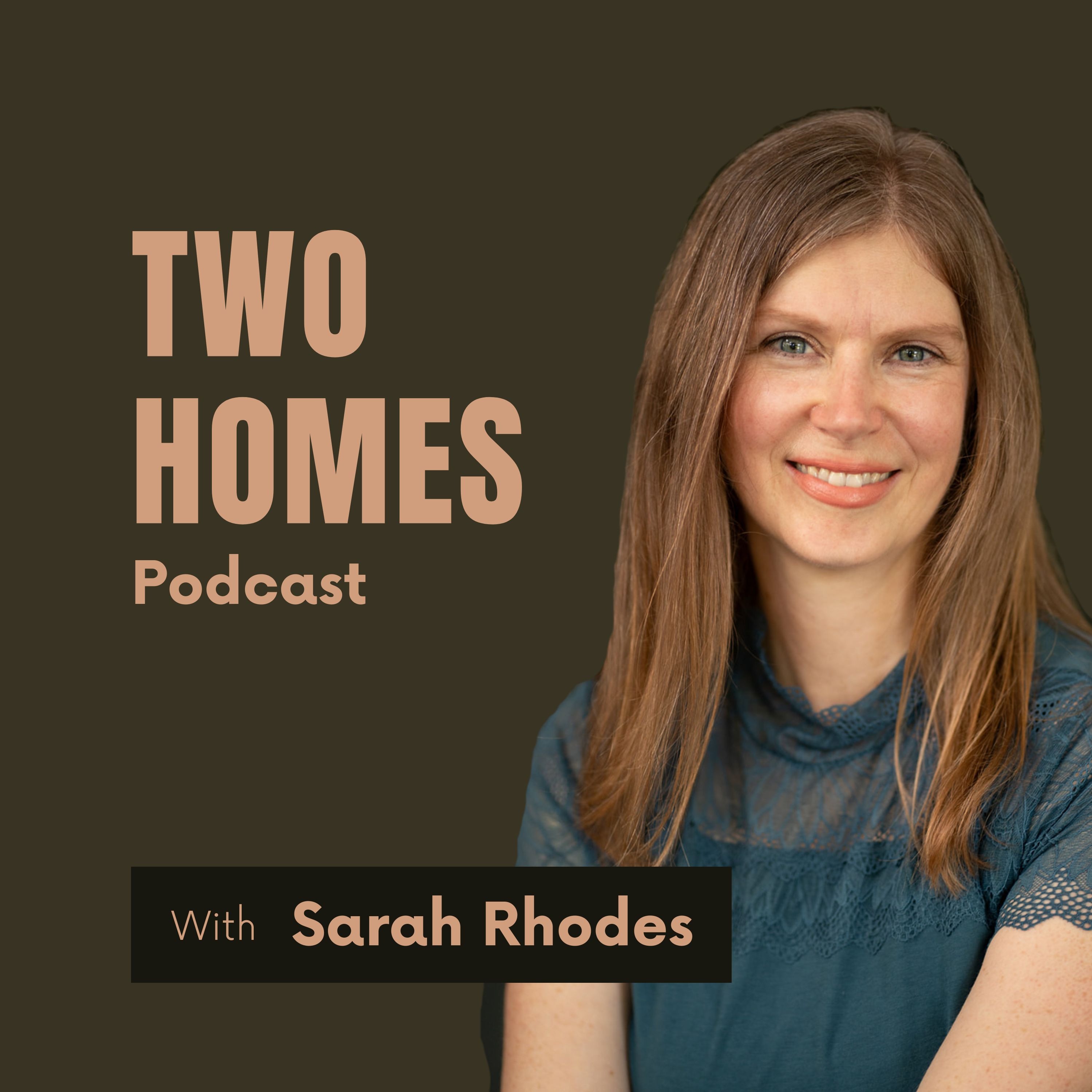
Two Homes
by Sarah Rhodes
Two Homes, the podcastwhere we explore the relationshipbetween our inner world and theplanet we live on. Becausesustainability that isn’t embodieddoesn’t last - and wellbeing that stayssurface-level doesn’t change anything.This podcast is an invitation to lookdeeper. To understand how ournervous systems, beliefs, and patternsshape the systems we’re trying toreform - and how real change startscloser to home than we think.
-
1
11. The S in ESG
The E in ESG gets almost all the attention. The S, social sustainability, is the least examined, understood and actioned aspect of the three. And yet it touches everything: how staff are treated, what's in the supply chain, how a business relates to its community and whether modern slavery is something happening in your operation without your knowledge.This episode makes the case that genuine social sustainability isn't about charity giving, volunteer days or wellness apps it's about how a business operates end to end, from the people it employs to the products it buys to the community it belongs to. Drawing on data from Australian hospitality's 38.7% staff turnover rate, the 41,000 people in modern slavery conditions in Australia right now, and examples from Southeast Asia and here at home, this episode goes to the places most sustainability conversations don't. Because the S in ESG isn't a soft topic. It's where the commercial, the human and the ethical all meet.References from this episode:Redundant Charities book: https://www.redundantcharities.com/Ocean film: https://silverbackfilms.tv/shows/oceanwithdavidattenborough/64% of hospitality staff in Australia are on casual contracts Source: Sidekicker https://sidekicker.com/blog/what-are-the-minimum-hours-for-casual-workers-in-hospitality52% casual/part-time across all Australian industries (comparison figure) Source: Australian hospitality industry statistics overview https://resdiary.com/blog/2024-hospitality-industry-statistics-in-australia38.7% staff turnover rate in Australian hospitality in 2024 — highest of any sector Source: Allara Global, citing Hospitality and Catering News, March 2025 https://allaraglobal.com/blog/entry/retention-over-turnover-hospitality-leaders-playbook$30,000 average cost per departure Source: ScaleSuite, citing Australian HR Institute 2023 https://www.scalesuite.com.au/resources/staff-turnover-rate-and-workforce-churn-australiaNational average turnover 8–9.5% — hospitality more than four times that Source: ScaleSuite https://www.scalesuite.com.au/resources/staff-turnover-rate-and-workforce-churn-australiaThe "retention gap" — industry isn't short of people, it's short of workplaces worth staying in Source: Jobs and Skills Australia Better Together Report 2024, via Hospitality Magazine https://www.hospitalitymagazine.com.au/retention-gap-drives-hospitality-staff-shortages/Direct JSA source: https://www.jobsandskills.gov.au/data/occupation-shortageOrganisations that promote internally retain employees 41% longer Source: Foremind, citing Australian turnover research https://www.foremind.com.au/post/employee-turnover-statisticsEngaged employees 15% less likely to leave / poor culture linked to 30% higher turnover Source: ScaleSuite, citing AHRI 2023 https://www.scalesuite.com.au/resources/staff-turnover-rate-and-workforce-churn-australia61% of Australian employees planning to change jobs in 2025 Source: Perkbox Beyond the Paycheck report https://www.perkbox.com/au/resources/blog/beyond-the-paycheck-retention-202542% of turnover is considered preventable Source: Foremind, citing Gallup research https://www.foremind.com.au/post/employee-turnover-statisticsGallup primary source: https://www.gallup.com/workplace/646538/employee-turnover-preventable-often-ignored.aspxEvery $1 invested in mental health returns up to $4 Source: Black Dog Institute https://www.blackdoginstitute.org.au/resources-support/wellbeing/workplace-wellbeing/66% of Australian workers reported feeling burnt out in 2024 — up 13% from 2022 Source: Allara Global, citing Wellness Designs Report 2024 https://allaraglobal.com/blog/entry/retention-over-turnover-hospitality-leaders-playbookSweden four day work week pilot — December 2023, 11 organisations, results Source: ZNetwork https://znetwork.org/znetarticle/swedens-four-day-workweek-pilot-shows-happier-more-productive-employees/50 million people globally in modern slavery / 41,000 in Australia Source: Walk Free Global Slavery Index 2023, via Mercy Foundation https://www.mercyfoundation.com.au/latest_news/41000-people-in-modern-slavery-in-australia/Walk Free primary source: https://www.walkfree.org/global-slavery-index/country-studies/australia/Human trafficking reports in Australia — rising trend Source: Australian Federal Police media release https://www.afp.gov.au/news-centre/media-release/human-trafficking-reports-continue-increase-australiaMost recent AFP data (2024–25 all time high): https://www.afp.gov.au/news-centre/media-release/reports-human-trafficking-nearly-double-over-past-five-yearsGECA eco-label certification — modern slavery requirements Source: GECA website https://geca.ecoAustralian Modern Slavery Act and register Source: Australian Government Modern Slavery Register https://www.modernslavery.gov.au/about-modern-slavery/modern-slavery-australiaOz Harvest corporate cooking program Source: OzHarvest website https://www.ozharvest.org/what-we-do/corporate/Two Good Co Source: Two Good Co website https://twogood.com.au/Two Homes is for leaders who know that lasting performance, for people and planet, starts from the inside out. Two homes: the one we inhabit within, and the one we all share.Intro and outro music: Brooks, Kai Engel
-
0
10. Personal Sustainability: From the Inside Out
What does it actually look like to practice what you preach? This episode turns the lens inward, not on a client or a hotel, but on the business and my life. Ten episodes in, this is an honest look at what personal sustainability means beyond the professional, how comfort can become the enemy of change, what it takes to stay resourced enough to keep doing meaningful work, and why the inner home needs as much attention as the outer one. Drawing on eleven years in the field, a pandemic that forced an uncomfortable journey inward, and the slow integration of movement, presence and mindful consumption into daily life, this episode explores the thread that runs beneath everything: when we genuinely take care of ourselves, taking care of the planet starts to feel less like obligation and more like the natural thing to do. Not perfect or righteous, just integrated.Two Homes is for leaders who know that lasting performance, for people and plane, starts from the inside out. Two homes: the one we inhabit within, and the one we all share.Intro and outro music: Brooks, Kai Engel
-
-1
9. What integration actually looks like
It's one thing to talk about sustainability. It's another thing entirely to see it alive in a team, not as a policy, not as a certificate on the wall, but as genuine pride, creativity and joy in how people show up for work every day. This episode gets concrete. From working with Treeline Urban Resort in Siem Reap, Cambodia, one of the most genuinely integrated sustainability examples I've seen, we explore what it actually looks like when sustainability stops being an add-on and becomes part of the culture. From back of house waste audits to a Plastic Free July waste-to-art competition that left an entire team beaming, this is the episode that answers the question that's been building across the series: does any of this actually work? It does. And this is what it looks like.Two Homes is for leaders who know that lasting performance, for people and planet, starts from the inside out. Two homes: the one we inhabit within, and the one we all share.Intro and outro music: Brooks, Kai Engel
-
-2
8. Where to Start Without Overhauling Everything
Eight episodes in and we've covered a lot of ground, compliance ceilings, burnout, certification traps, default systems. If you've been listening from the beginning, you might be feeling the weight of it. This episode is the exhale. Because the most important thing isn't having a perfect strategy or a complete overhaul, it's starting. Somewhere, anywhere, as long as you start. Drawing on a client story about a frustrated leader, a compost bin that became a cultural moment, and the very human difference between telling people what to do and actually communicating with them, this episode maps out what beginning really looks like in practice. Including the difference between a stop gap (mopping up the water) and a starting point that turns the tap. Plus three practical things you can do before next week's episode that won't add anything to your already full plate.Two Homes is for leaders who know that lasting performance — for people and planet — starts from the inside out. Two homes: the one we inhabit within, and the one we all share.Intro and outro music: Brooks, Kai Engel
-
-3
7. What if your Body is the First Sustainability Audit
What if the most important sustainability metric in your organisation isn't carbon, water or waste but the state of the people doing the work? This episode gets personal. Drawing on six years of somatic movement practice, a pandemic that forced an uncomfortable journey inward and eleven years of watching sustainability professionals override their own signals in service of systems that weren't built to support them. We explore what it actually means to listen to the body as a source of data because the body feels the gap between what's written on paper and what's actually happening. It registers depletion, disconnection and fabricated urgency long before the burnout becomes visible. And when we learn to pay attention to that, when we slow down enough to let the inner and outer worlds come into conversation, something shifts. Not just personally, but in how we show up for the work that matters most. We measure carbon, water and waste. We don't measure depletion. This episode makes the case that maybe we should.Two Homes is for leaders who know that lasting performance, for people and planet, starts from the inside out. Two homes: the one we inhabit within, and the one we all share.Intro and outro music: Brooks, Kai Engel
-
-4
6. The Certification Trap
Getting certified is one thing. Living it is another. This episode draws on eleven years of working inside sustainability certification schemes to explore why so many hotels and organisations achieve certification and then quietly fall back into business as usual. From a luxury Bangkok hotel displaying a GSTC certificate that bore little resemblance to what was happening operationally, to a GM transition that unravelled months of deep sustainability work, the pattern is consistent and it is systemic. Not a failure of individuals, and not a failure of the schemes themselves but a failure of how certification is treated. As a destination rather than a direction. As a shield rather than a standard. This episode makes the case for certification done differently; embedded, continuous, and owned by the whole team rather than carried by one. Because certification should be the recognition of sustainability you already live, not the proof of sustainability you're performing.Two Homes is for leaders who know that lasting performance, for people and planet, starts from the inside out. Two homes: the one we inhabit within, and the one we all share.Intro and outro music: Brooks, Kai Engel
-
-5
5. Change the Default, Change the Outcome
Strategy won't save you. Policy won't either. What actually determines whether a hotel operates sustainably isn't what's written in the handbook it's what happens when nobody's thinking about it. This episode gets practical, looking at the default systems running quietly in the background of hotel operations: the thermostat nobody questions, the towel that gets replaced anyway, the amenities order that renews itself, the energy consumption nobody's tracking beyond the guest room. Drawing on real examples from the field, we explore why sustainable outcomes depend on system design far more than willpower and what it actually looks like to change the default so that the right thing happens automatically, for guests, for staff and for your bottom line.Two Homes is for leaders who know that lasting performance, for people and planet, starts from the inside out. Two homes: the one we inhabit within, and the one we all share.Intro and outro music: Brooks, Kai Engel
-
-6
4. The Most Important Job in the Room. And Why It's Set Up to Fail
If you work in sustainability and sometimes feel exhausted, frustrated, or like you're pushing uphill, you're not imagining it. This episode names the structural reason why: sustainability roles are routinely set up to influence systems they don't control, carry moral weight they weren't designed to hold alone, and measure outputs that don't reflect real change. Drawing on eleven years in the field and a story of one leader who found a way through, we explore what burnout in this space actually looks like, why distributed ownership isn't just a nice idea but a necessary one, and how the shift from concentrated responsibility to shared culture changes everything for the sustainability lead, the team and the organisation.Two Homes is for leaders who know that lasting performance — for people and planet — starts from the inside out. Two homes: the one we inhabit within, and the one we all share.Intro and outro music: Brooks, Kai Engel
-
-7
3. Why Compliance Won't Save the Planet
Compliance gets you a certificate. It doesn't get you change. This episode makes the case that the sustainability gap in tourism, and across industries, isn't a policy problem or a paperwork problem. It's a people problem. Drawing on stories from Cambodia to Bali, we look at why the real leverage point isn't what's on paper, but what's embodied in the people running the operation and what that means for leaders serious about building something that actually lasts.Two Homes is for leaders who know that lasting performance, for people and planet, starts from the inside out. Two homes: the one we inhabit within, and the one we all share.Intro and outro music: Brooks, Kai Engel
-
-8
2. The Nervous System as a Leadership KPI
The ability to stay steady under pressure isn't a personality trait, it's a strategic asset. This episode unpacks the two-way relationship between systems and nervous systems: how organisational structures shape our underlying patterns, and how those patterns shape the systems we create. And critically, what leaders can do to break the cycle.Two Homes is for leaders who know that lasting performance, for people and planet, starts from the inside out. Two homes: the one we inhabit within, and the one we all share.Intro and outro music: Brooks, Kai Engel
-
-9
1. What does it mean to be living in Two Homes?
Sustainable systems start with self-aware leaders. In this opening episode, we explore why personal regulation, courage and coherence aren't soft skills, they're the foundation of everything we build. A different way of thinking about leadership, systems and what it means to care for two homes at once.Two Homes is for leaders who know that lasting performance, for people and planet, starts from the inside out.Intro and outro music: Brooks, Kai Engel
We're indexing this podcast's transcripts for the first time — this can take a minute or two. We'll show results as soon as they're ready.
No matches for "" in this podcast's transcripts.
No topics indexed yet for this podcast.
Loading reviews...
ABOUT THIS SHOW
Two Homes, the podcastwhere we explore the relationshipbetween our inner world and theplanet we live on. Becausesustainability that isn’t embodieddoesn’t last - and wellbeing that stayssurface-level doesn’t change anything.This podcast is an invitation to lookdeeper. To understand how ournervous systems, beliefs, and patternsshape the systems we’re trying toreform - and how real change startscloser to home than we think.
HOSTED BY
Sarah Rhodes
CATEGORIES
Loading similar podcasts...
Frequently Asked Questions
How many episodes does Two Homes have?
Two Homes currently has 11 episodes available on PodParley. New episodes are automatically indexed when they're published to the podcast feed.
What is Two Homes about?
Two Homes, the podcastwhere we explore the relationshipbetween our inner world and theplanet we live on. Becausesustainability that isn’t embodieddoesn’t last - and wellbeing that stayssurface-level doesn’t change anything.This podcast is an invitation to lookdeeper. To understand how...
How often does Two Homes release new episodes?
Two Homes has 11 episodes. Check the episode list to see recent publication dates and frequency.
Where can I listen to Two Homes?
You can listen to Two Homes on PodParley by clicking any episode. We provide an embedded audio player for direct listening, and you can also subscribe via your preferred podcast app using the RSS feed.
Who hosts Two Homes?
Two Homes is created and hosted by Sarah Rhodes.
URL copied to clipboard!