
PODCAST · kids
Unschooling with Confidence: Bonus Audio
by Jessyl Lange
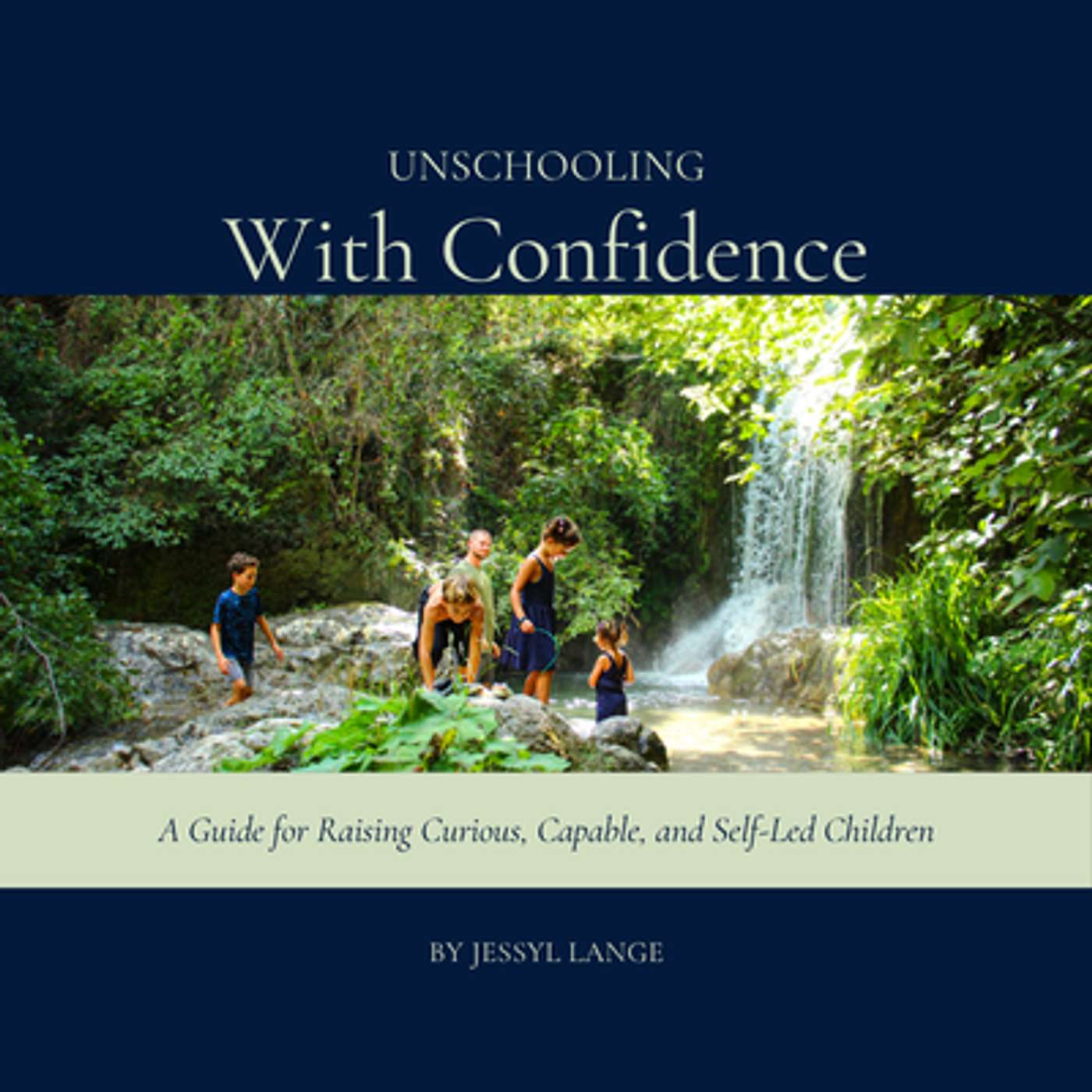
This bonus podcast was created for parents who prefer to listen while driving, walking, cooking, traveling, or moving through daily life.Inside you will hear the full audio narration of Unschooling With Confidence: A Guide for Raising Curious, Capable, Self Led Children exactly as written, read in my own voice.This guide shares our family’s real life experience with learning outside the traditional school system, building capable children through everyday life, navigating doubt and criticism, and creating a home environment where curiosity, confidence, and independence can naturally grow.Created as a companion to the Unschooling With Confidence guide by Jessyl Lange.
-
12
10 Resources and Final Word
We share the resources and real-life lessons that shape our approach to unschooling and homeschooling, then land on a simple final message about trust. We focus on fear, presence, and how everyday life can become a child’s richest education. • unschooling as learning woven into daily living • lived experience shaping parenting more than theory • museums, libraries, nature, cooking, and home responsibilities as real education • starting where our fear lives and letting it guide the next step • choosing resources that fit the season and leaving the rest • books that reframed how we see children and school • starting small with one change at a time • presence, connection, reflection, and repair over perfection • acknowledgments to family, partner, photographers, and the children who taught us trust
-
11
09 The First 30 Days
We talk through what the first 30 days at home really feel like when you step away from school structure and the results are messier than you expected. We explain why that discomfort is normal, how deschooling affects parents too, and what to do instead of forcing control too early. • the reality of the first 30 days and why it can feel wrong • pulling back from pressure to create a steady home rhythm • boredom, screen requests, boundary testing as a common transition • deschooling as a process for children and parents • the awkward middle space before a new routine forms • using observation to spot patterns, tension and overhelping • building trust before control and culture before performance • letting responsibility become normal and curiosity lead • accepting mixed days while the new way takes shape
-
10
08 Common Mistakes and Myths
We challenge the biggest mistakes and myths that make unschooling feel scary, confusing, or “too loose.” We share what actually helps children learn deeply, stay connected to real life, and keep future options wide open. • why unschooling is structure that supports life, not no structure • how being too hands-off can harm as much as being too controlling • why parents quit right before the learning breakthrough • what to expect when learning does not look immediate • what we noticed when screens and video games became too central • how treating screens as tools changes home energy • letting go of “I don’t know how to teach” and choosing guidance over lecturing • learning through movement, errands, travel, cooking, and daily questions • reducing overwhelm by building systems and sharing responsibility with kids • why socialization happens anywhere life is happening • redefining “behind” beyond school timelines and curriculum checklists • how unschooled kids can still pursue college, careers, dual enrollment, portfolios, testing, GED, or apprenticeships • aiming for confidence, communication, resilience, and self-direction over perfect milestones
-
9
07 Building Capability
We challenge the habit of doing everything for our kids and explain why it quietly creates learned dependence and parent overwhelm. We lay out a clearer goal than independence and show how trust, home rhythm, and shared responsibility build real capability. • confusing care with doing everything • responsibility becoming unbalanced in the home • learned dependence versus supported capability • practical ways to increase access like step stools and smaller steps • independence as a stage rather than the destination • interdependence as contribution, collaboration and belonging • children becoming responsible through trust instead of management • burnout caused by recreating school at home • choosing rhythm over schedules and real life work over performances • asking what control to let go of to reduce burnout
-
8
06 Living It
We share why capability is built long before the big moment and how stepping back helps kids learn through real experience. We also lay out what our unschooling rhythm looks like, how values guide our home, and how to talk about money without passing down financial fear. • shifting from teacher to facilitator so kids can do the work • staying close for safety while allowing struggle and natural consequences • spotting overparenting patterns that look like help but block growth • separating danger from discomfort to protect learning • using a family rhythm instead of a rigid schedule • making midday a consistent reset for connection and curiosity • reframing chores as stewardship to build ownership • choosing family values on purpose and tying expectations to them • handling financial reality honestly while keeping adult stress off kids
-
7
05 Learning At Every Age
We lay out an unschooling-by-age framework built around trust, play, autonomy, and real responsibility rather than timelines and pressure. The through line stays the same from toddlers to teens: we step back, stay present, and let curiosity plus accountability shape capable kids. • trusting the stage they are in rather than chasing milestones • birth to two as presence, safety, movement, and discovery • ages two to five as autonomy, simple choices, and contribution • ages five to eight as real unstructured play with growing responsibility • handling screens early and why devices can make it harder • ages eight to ten as question-led learning and using boredom well • reading and academics emerging naturally when motivation appears • ages ten and up as optional structure, courses, and devices as tools • building freedom with clear boundaries through the surfing routine • teens asking for depth, skills, mentors, and self-directed plans • real life learning through RV travel, international trips, and long walks
-
6
04 How Children Actually Learn
We lay out why children are designed to educate themselves and how learning shows up through curiosity, play, and real life rather than forced timelines. We share stories from our family that reframe reading, writing, math, and “falling behind” as signals to trust the child and adjust the environment. • natural learning as observation, repetition, and experimentation • reading and writing emerging through meaningful daily life use • recognising when the environment is the obstacle, not the child • separating schooling from learning and noticing skills built outside classrooms • following a money interest into maths, confidence, and responsibility • guiding without controlling by asking better questions • easing maths anxiety through real-world numbers and timing • choosing activities based on culture and character impact • shaping growth through home routines, trust, tools, and nature
-
5
03 Navigating The Hard Parts
We talk about how to stay calm and clear when family and friends react to unschooling with fear, criticism, and constant questions. We share the boundaries, language, and mindset that help us protect our choices, support our kids, and stay connected to the people we love. • fear as the driver behind “concern” and why steadiness matters • using research and lived clarity to reduce arguments • setting firm boundaries and refusing endless debate • handling a partner who is not on board and learning together • finding living proof through real homeschooling and unschooling families • recognizing that a snapshot of a child is not their trajectory • coaching kids with confident language when adults put them on the spot • talking about school without making it the enemy • letting children try school, watching what it gives and costs, then reassessing • remembering the goal is the child, not a method
-
4
02 Deschooling Yourself First
We unpack why homeschooling gets hard when we try to rebuild school at home, even when we believe in a different path. We talk through deschooling as an ongoing practice of noticing fear, trusting real learning, and measuring growth without needing constant visible proof. • children learn everywhere, not only in designated learning spaces • deschooling the parent before unschooling can work well • recognising school conditioning around desks, schedules, grades and productivity • why recreating a classroom at the kitchen table creates pressure and resistance • separating schooling from learning to reduce anxiety and increase trust • boredom as a doorway to imagination and self-direction • doubt returning over months and years as a normal part of the process • shifting from proving learning to observing real life growth • practical check-ins: curiosity, engagement, capability and learning how to think
-
3
01 The Foundation
We stop chasing “school at home” and focus on building a household where learning is woven into everyday life. We talk about trust, simple systems, legal basics, and what unschooling looks like when you stay present and adapt to your real season. • shifting from more curriculum to more trust • reading slowly, noticing resistance and relief • making one change at a time instead of ten • keeping homeschool documentation simple and real • defining unschooling as learning everywhere • parenting as facilitator with boundaries, not control • staying flexible about structure across seasons • solo parenting realities, stronger systems, and community support Get clear on what you want.
-
2
00 Welcome Letter
If you’ve ever looked at your calendar and thought, “We’re surviving, but are we actually living?” this story hits close. We start with a simple truth about children: they’re wired for curiosity and competence. From there, we trace how one mother’s path toward unschooling didn’t begin with big theories about education. It began with motherhood, a playgroup conversation, and a childcare tour that made her son’s future days feel painfully predictable.We talk about child-led learning and why “being home” isn’t just a logistical choice, it’s an emotional one. When your child is fed and safe but not truly known, something in you notices. That awareness grows into a different way of parenting: including kids in real life, letting them learn through meaningful responsibility, and watching what happens when you stop managing every step. One of the most vivid moments is surprisingly ordinary: siblings making breakfast for everyone so Mom can sleep, not because they were told to, but because capability grows where trust lives.Then the conversation deepens into the places most parenting advice avoids: medical fear, a brain tumour and seizures, and the hard-won lesson that children can’t be separated from their nervous system, environment, and the way they’re seen. We also share what grief taught this family after the loss of a child, and why “protecting kids from the truth” can backfire. We explore how to offer safety inside reality through clear explanations, real choice, and permission to feel.If you’re searching for unschooling, homeschooling, gentle parenting, respectful parenting, or simply a more connected family life, this episode offers a grounded perspective and practical hope. Subscribe, share with a friend who needs it, and leave a review with one word you want to define your home right now.
-
1
Introduction
Unschooling can sound like a leap into chaos until you hear what actually makes it work: a home built on presence, trust, and shared responsibility. We open by naming the questions so many parents carry in silence, how kids learn without school, where independence comes from, and why some families seem calm instead of constantly overwhelmed. Then we walk through the mindset shift that changes the whole game: stop trying to recreate school at home and start building a family culture that supports self-directed learning every day. You will hear how unschooling becomes bigger than academics when you design simple systems and rhythms that make your home run with less pressure on one adult. We talk about raising curious, capable, self-led children by creating real autonomy, meaningful contribution, and a living roadmap that evolves with your family. If you are searching for practical unschooling advice, homeschooling alternatives, or a clearer way to support independence, this conversation offers a grounded place to start. The story also spans military life, motherhood, and worldschooling, including years of travel that turn the world into a classroom through people, places, logistics, and lived experience. We close with the moment that pushed this guide into existence: writing from a hospital during a child’s medical crisis, then carrying the work through grief with deeper intention. If you want encouragement that feels honest and usable, press play.
We're indexing this podcast's transcripts for the first time — this can take a minute or two. We'll show results as soon as they're ready.
No matches for "" in this podcast's transcripts.
No topics indexed yet for this podcast.
Loading reviews...
ABOUT THIS SHOW
This bonus podcast was created for parents who prefer to listen while driving, walking, cooking, traveling, or moving through daily life.Inside you will hear the full audio narration of Unschooling With Confidence: A Guide for Raising Curious, Capable, Self Led Children exactly as written, read in my own voice.This guide shares our family’s real life experience with learning outside the traditional school system, building capable children through everyday life, navigating doubt and criticism, and creating a home environment where curiosity, confidence, and independence can naturally grow.Created as a companion to the Unschooling With Confidence guide by Jessyl Lange.
HOSTED BY
Jessyl Lange
Loading similar podcasts...
Frequently Asked Questions
How many episodes does Unschooling with Confidence: Bonus Audio have?
Unschooling with Confidence: Bonus Audio currently has 12 episodes available on PodParley. New episodes are automatically indexed when they're published to the podcast feed.
What is Unschooling with Confidence: Bonus Audio about?
This bonus podcast was created for parents who prefer to listen while driving, walking, cooking, traveling, or moving through daily life.Inside you will hear the full audio narration of Unschooling With Confidence: A Guide for Raising Curious, Capable, Self Led Children exactly as written, read in...
How often does Unschooling with Confidence: Bonus Audio release new episodes?
Unschooling with Confidence: Bonus Audio has 12 episodes. Check the episode list to see recent publication dates and frequency.
Where can I listen to Unschooling with Confidence: Bonus Audio?
You can listen to Unschooling with Confidence: Bonus Audio on PodParley by clicking any episode. We provide an embedded audio player for direct listening, and you can also subscribe via your preferred podcast app using the RSS feed.
Who hosts Unschooling with Confidence: Bonus Audio?
Unschooling with Confidence: Bonus Audio is created and hosted by Jessyl Lange.
URL copied to clipboard!