
PODCAST · health
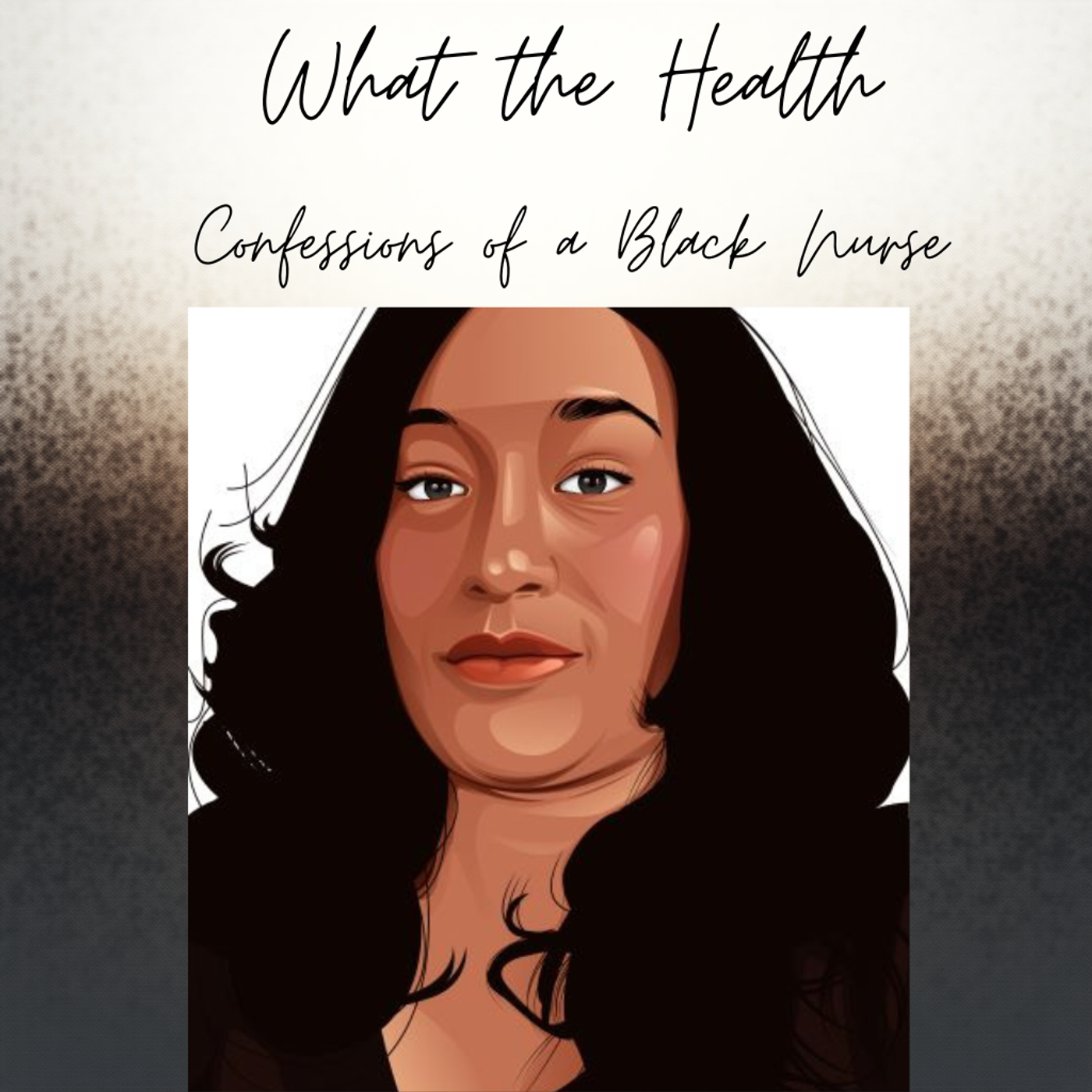
What The Health- Confessions of a Black Nurse
by Delilah S. BSN FMP-C "The Healthcare Navigator"
"A Letter from Delilah: Why This Podcast Matters" What The Health- Confessions of a Black Nurse I’m Delilah, a black nurse with 20+ years at the bedside and behind the scenes of healthcare. This podcast is my honest, sometimes raw, and empowering look into nursing life, healthcare truths, and the unique challenges black nurses and black patients face. It’s a space for unfiltered stories, myth-busting, and real conversations that you won’t hear anywhere else. If you’re passionate about health equity, patient advocacy, and the true human side of medicine, this show is for you.
-
16
Stress Is a Health Issue — Not a Personality Trait | Why You’re Always Tired (And It’s Not Just Age)
Stress Is a Health Issue — Not a Personality Trait | Why You’re Always Tired (And It’s Not Just Age)Stress and fatigue are often treated like personality traits in the Black community.“You’re strong.”“You push through.”“You’ll rest later.”“Everyone your age is tired.”But stress and exhaustion are not character flaws — they are physiological experiences, and over time, they can quietly shape health in ways most people were never taught to recognize.In these episodes, we slow the conversation down.We talk about:How chronic stress affects the nervous system and the body over timeWhy being “the strong one” often comes with a biological costHow fatigue can exist even when labs look “normal”The difference between being busy and being depletedWhy rest is not laziness — it’s regulationHow to notice stress and energy patterns without panic or self-blameThese episodes are educational — not diagnostic.They don’t mean something is wrong with you.They mean your body may be communicating after years of adaptation.📘 Want to Go Deeper?If these conversations resonated, you can explore the Day 3–4 companion workbook, designed to help you slow down and reflect in a way that most healthcare visits don’t allow time for.Day 3–4 Stress & Fatigue Awareness WorkbookA guided reflection workbook that helps you:Understand how stress shows up in your bodyIdentify daily stress and recovery patternsExplore why fatigue may persistPrepare thoughtful questions for your healthcare providerBuild awareness without pressure to “fix” everythingThis workbook is educational, non-diagnostic, and designed to support clarity — not overwhelm.👉 Get your Stress/ Fatigue E=book / Workbookhttps://stan.store/Healthcarenavigator/p/stress-and-fatigue-are-not-personality-traits-🌱 Ongoing SupportIf you’re looking for continued education, structure, and long-term health strategy, you can join Vitality Catalyst — our membership focused on prevention, clarity, and sustainable health after 40.And if you’re interested in becoming a patient in the practice, that information is linked as well.No pressure. Just options.Interested in Becoming a Patient?If you’re interested in scheduling an appointment to become a patient of Delilah S. IFMP-C, BSN, you can schedule a call here:👉 https://link.content360.io/Become-a-patientOr reach out via email:👉 https://link.content360.io/delilahIf this episode was helpful, please subscribe, follow, share, rate, and leave a review.It’s a free way to support the show and help these conversations reach more people.Be well — and thank you for listening.
-
15
The Black Health Foundation Series Diabetes & Hypertension Addition
🎙️ Day 1: Sugar Isn’t the Only Diabetes Problem — What Black Adults Were Never ToldIn this episode, we slow the conversation down.We talk about:Why blood sugar issues often start years before a diagnosisWhat insulin resistance really means (in plain language)Why stress and poor sleep matter just as much as foodCommon myths that create shame and confusionEarly signals many people overlookHow to think about blood sugar without fear or self-blame🎙️ Day 2: High Blood Pressure Isn’t “Just in Our Genes” — What Black Adults Were Never ToldHigh blood pressure is one of the most common health conversations in the Black community — and also one of the most misunderstood.In this episode, we slow the conversation down.We talk about:What blood pressure actually reflects in the bodyWhy this issue is so common in Black adultsCultural myths that keep people stuck or discouragedEarly signals many people ignoreHow to think about blood pressure without fear, blame, or panic📘 Want to Go Deeper?If this episode resonated, you can explore the Day 1 or Day 2 companion resources, designed to help you reflect, understand patterns, and prepare for better conversations with your provider.The Blood Pressure Reset Guide (E-book) and Reflection WorkbookA deeper, easy-to-read explanation of what most people were never told about — including stress, nervous system health, and long-term prevention.and a guided workbook to help you notice stress patterns, body signals, and questions you may want to bring to your healthcare provider.Both are educational, non-diagnostic, and created to support awareness — not overwhelm.🌱 Ongoing SupportIf you’re looking for continued education, structure, and long-term health strategy, you can join Vitality Catalyst — our membership focused on prevention, clarity, and sustainable health after 40.And if you’re interested in becoming a patient in the practice, that information is linked as well.No pressure. Just options.Interested in Becoming a Patient?If you’re interested in scheduling an appointment to become a patient of Delilah S. IFMP-C, BSN, you can schedule a call here:👉 https://link.content360.io/Become-a-patientOr reach out via email:👉 https://link.content360.io/delilahDiabetes E-book/ Workbook👉https://stan.store/Healthcarenavigator/p/sugar-isnt-the-only-diabetes-problem-0High Blood Pressure E-book/ Workbook👉https://stan.store/Healthcarenavigator/p/high-blood-pressure-isnt-just-in-our-genesIf this episode was helpful, please subscribe, follow, share, rate, and leave a review.It’s a free way to support the show and help these conversations reach more people.Be well — and thank you for listening.
-
14
When to Watch, When to Wait, and When to Act — A Smarter Way to Respond to Body Changes
After 40, many people start noticing changes in their bodies — energy feels different, sleep shifts, digestion changes, or recovery takes longer. And yet, most of us were never taught how to respond to these changes without either panicking or ignoring them.In this episode, we talk about a smarter, calmer way to approach body signals — one that builds long-term health without fear or urgency.You’ll learn a simple Watch, Wait, Act framework to help you decide:When something is worth noticingWhen it’s reasonable to give your body timeAnd when it might be helpful to take the next step or have a conversationThis episode is not about diagnosing symptoms or telling you what’s “wrong.”It’s about learning how to interpret information your body is giving you — especially in midlife — with clarity and confidence.In this episode, we cover:Why body changes don’t automatically mean something is wrongWhat’s commonly done in standard healthcare — and what often gets missedHow to tell the difference between watching, waiting, and actingWhy thoughtful awareness is a form of preventionHow to bring better context (not panic) into health conversationsYou’ll also hear how this framework helps prevent two common extremes: overreacting to every symptom — or waiting until things feel unmanageable.Free DownloadTo support this episode, I’ve created a free Watch, Wait, Act companion tool, which includes:A one-page Watch / Wait / Act guideA simple body pattern tracking worksheetA “What to bring to your next appointment” reflection sheetThis tool is meant to support awareness, not diagnosis.👉 Download:https://link.content360.io/watch-wait-actInterested in Becoming a Patient?If you’re interested in scheduling an appointment to become a patient of Delilah S. IFMP-C, BSN, you can schedule a call here:👉 https://link.content360.io/Become-a-patientOr reach out via email:👉 https://link.content360.io/delilahStay ConnectedWebsite: https://link.content360.io/healthcarenavigatorInstagram: https://link.content360.io/instagram-hcnFacebook: https://link.content360.io/Facebook-hcnTikTok: https://link.content360.io/tiktok-hcnYouTube: https://www.youtube.com/@delilahsouter5152/podcastsIf this episode was helpful, please subscribe, follow, share, rate, and leave a review.It’s a free way to support the show and help these conversations reach more people.Be well — and thank you for listening.
-
13
Your Will Is Not Enough: The 4 Blind Spots in Your Emergency Plan
What if something happened to you—today? In a crisis, your loved ones shouldn’t be stuck on a scavenger hunt for vital information. The “Just in Case” Emergency Planner helps you organize medical details, emergency contacts, household logistics, finances, insurance, and final wishes—so your family has clarity, control, and calm when it matters most.To get started on your emergency plan now: https://link.content360.io/ER-planner
-
12
How to Tell the Difference Between Normal Changes, Red Flags, and “Just Getting Older”
We’ve all had that moment — noticing a new ache, a dip in energy, or a memory slip and wondering, “Is this serious… or am I just getting older?”In this episode of What The Health: Confessions of a Black Nurse, we break down how to tell the difference between normal age-related changes, true red flags, and things that simply deserve monitoring — not panic.You’ll learn how to understand what’s happening in your body, recognize patterns, and respond thoughtfully instead of reactively.What normal aging actually looks like — physically and cognitivelyCommon body and brain changes that are expected over timeThe science of inflammaging and why it matters for long-term healthClear examples of normal changes vs potential red flagsWhy context, patterns, and impact matter more than isolated symptomsHow to reflect on body changes without spiraling or self-diagnosingA simple weekly framework to help you decide when to watch, wait, or actTo help you apply this information without anxiety, we introduce the Calm Weekly Reflection Guide — a thinking tool designed to turn vague worry into useful, structured information.The guide helps you:Name changes without judgmentPlace them on a timelineAssess impact on daily lifeLook for patternsDecide on a calm, appropriate next stepThis tool is meant to support awareness, not diagnosis.👉 Download: Is This Normal, a Red Flag, or Something to Watch? Reflection Guidehttps://link.content360.io/watch-wait-actProactive Aging Strategies DiscussedRegular movement and physical activityNutritious, anti-inflammatory eating patternsPrioritizing sleep and stress managementStaying mentally and socially engagedInterested in Becoming a Patient?If you’re interested in scheduling an appointment to become a patient ofDelilah S. IFMP-C, BSN (Certified Integrative Functional Medicine Practitioner), you can schedule a call here:👉 https://link.content360.io/Become-a-patientOr reach out via email:👉 https://link.content360.io/delilahStay ConnectedWebsite: https://link.content360.io/healthcarenavigatorInstagram: https://link.content360.io/instagram-hcnFacebook: https://link.content360.io/Facebook-hcnTikTok: https://link.content360.io/tiktok-hcnYouTube: https://www.youtube.com/@delilahsouter5152/podcastsIf this episode was helpful, please subscribe, follow, share, rate, and leave a review.It’s a free way to support the show and help these conversations reach more people.Be well — and thank you for listening.
-
11
What to Track for Optimal Health (and Why It Matters After 35)
In this episode of What The Health: Confessions of a Black Nurse, we talk about something most people were never taught: how to track health in a calm, practical way across time.If you’re between 35 and 65 and trying to be proactive about your health without becoming overwhelmed, this conversation is for you.Rather than focusing on one-off symptoms or lab results, this episode breaks down what’s worth paying attention to daily, weekly, monthly, quarterly, and annually — from both conventional and functional medicine perspectives — and how to use that information wisely.This is not about diagnosing or fixing yourself. It’s about learning how to notice patterns, understand your body’s signals, and have more informed conversations with your healthcare providers.In This Episode, We Cover:Why annual checkups alone don’t tell the full storyHow conventional medicine and functional medicine think about tracking differentlyWhat to notice daily vs weekly vs monthlyWhy weekly reflection is one of the most underused health toolsHow to use simple trackers without anxiety or obsessionHow wearable devices can support awareness — and when they may not be helpfulHow to talk to your provider about trends instead of isolated symptomsFree Downloads Mentioned in This Episode:To support this episode, we created several simple, non-diagnostic tools you can download and use at your own pace by going to: https://link.content360.io/what-to-trackWhat to Track by Timeframe Guide – a one-page overview of what to notice daily through annuallySimple Weekly Reflection Tracker – a quick weekly check-in you can complete in under five minutesProvider Conversation Cheat Sheet – language and prompts to help you discuss patterns with your healthcare providerWearables & Mindset Mini-Guide – guidance on using wearable data without stress or obsession (available inside Vitality Catalyst)These tools are optional.They’re meant to support awareness — not create pressure.If you are interested in scheduling an appointment to become a patient of Delilah S. IFMP-C BSN (Certified Intergrative Functional Medicine Practioner) you can schedule an appointment using the following link:https://link.content360.io/Become-a-patient or reach out via email at https://link.content360.io/delilah.Please subscribe, share, follow, like, and rate if this episode was beneficial for you!Website: https://link.content360.io/healthcarenavigatorInstagram: https://link.content360.io/instagram-hcnFacebook: https://link.content360.io/Facebook-hcnTikTok: https://link.content360.io/tiktok-hcnYouTube Channel: https://www.youtube.com/@delilahsouter5152/podcastsThank youBe Well
-
10
Part 2 of Is Food The Leading Cause of Death in the US?
Heart disease is the number one cause of death in the United States. Cancer is number two.Diabetes and Alzheimer’s are rising fast.Food doesn’t appear anywhere on that list.And yet—food is involved in every single one of those conditions.In this episode, I ask a question most people avoid:Is food the leading cause of death in the U.S.—or are we just not counting what actually drives disease?This is not a diet conversation.It’s not fear-based.And it’s definitely not about perfection or blame.We talk about:Why we only count what kills loudly—and ignore what causes damage quietlyHow food shapes inflammation, blood sugar, energy, and long-term health long before diagnosisWhy “normal eating” often leads to normalized symptomsThe difference between final events and root driversHow to start paying attention to your body before it has to screamYou’ll also get practical, no-cost takeaways you can use immediately—no supplements, no programs required.🎁 Free DownloadI created a simple Food Audit & Label Check Tool you can use as a Google Doc.It’s not a diet.It’s an awareness tool designed to help you see patterns you may have normalized.👉 Download the free Food Audit tool via the link in the show notes.https://link.content360.io/food-audit🌱 Ready for the next step?If this episode resonated—if you’ve been told you’re “fine” but don’t feel fine—this is exactly the work we do inside Vitality Catalyst.Vitality Catalyst is where we:Connect symptoms to patternsLearn how to read your body with clarity and confidenceBuild energy, resilience, and longevity on purposeYou don’t need more information.You need structure, guidance, and support.👉 Learn more about Vitality Catalyst through the link in the show notes.https://link.content360.io/vitalitycatalystIf this episode made you uncomfortable—in a thoughtful way—share it with someone who needs to hear it.Your future health is being written quietly, one decision at a time.Thank you & Be Well
-
9
Is FOOD the leading cause of death in the US?
In this episode, I talk about why a recent podcast conversation changed how I think about food, prevention, and the way we approach health in the U.S.This isn’t about fear or blame.It’s about awareness—and timing.We are often taught to react instead of prevent, and food is rarely discussed as the powerful factor it truly is.I’m sharing this in the hope that it sparks earlier conversations, better questions, and more informed choices.🎧 Podcast mentioned: The Mel Robbins Podcasthttps://www.youtube.com/watch?v=WlxbVMfvir8&list=PLhW2xUEb-B-Y92Q1wVWw6TyMNr4idD-yv&index=22📌 Please like, subscribe, and share if this message resonates.
-
8
The Lie of "I'm fine" Don't Wait
What if the symptom you’re brushing off is the one that changes everything?In this powerful episode of What the Health: Confessions of a Black Nurse, I break down why so many people delay care — even when their bodies are waving red flags.Through real stories and high-profile examples, including Venus Williams, Serena Williams, Brett Favre, Dwyane Wade, Chris Bosh, and Muhammad Ali, we unpack how fear, culture, masculinity, medical dismissal, and “pushing through” can quietly turn manageable issues into life-altering diagnoses.This episode goes deeper than celebrity headlines. We talk about:Why vague symptoms are the most dangerous onesHow normalization and “tough it out” culture delays diagnosisThe physical, emotional, and financial cost of waiting too longWhy access alone doesn’t guarantee safetyHow early action and self-advocacy literally save livesIf you’ve ever told yourself “it’s probably nothing”, “I’ll deal with it later”, or “my labs are normal so I’m fine” — this conversation is for you.Because ignoring symptoms doesn’t make them disappear.It just makes the consequences louder.🎧 Listen now — and if this episode hits home, share it with someone you love.Your voice matters. Your health can’t wait.
-
7
How Are You Going Into The New Year?
SummaryIn this conversation, Delilah Souter reflects on her past year, emphasizing the importance of setting health goals for the upcoming year. She introduces her Vitality Catalyst program, which focuses on lifestyle medicine and health tracking, encouraging listeners to prioritize their health and make proactive changes for a better future.Key-TakeawaysEverybody is looking back at their life.I have put my notice in because I asked "Now What?"I have informed my family, I have informed my employer.You have to track. Nothing gets better if you don't track it.Health Book actually gives you my program teaches you how to use it.If it is not, and you are not happy with what you're doing.You wanna eat clean but you don't live in places where you can grow things.I live with four people that are addicted to the gym.Without your health, you have nothing.Make your health a priority in 2026.Vitality Catalyst Program by The Healthcare Navigatorhttps://link.content360.io/vitalitycatalystTitlesReflecting on Health: A Year in ReviewGoals for a Healthier 2026Sound bites"I'm not going into 2026 the same way.""If it is not, and you are not happy with what you're doing.""Without your health, you have nothing."Chapters00:00 Reflecting on the Past Year01:54 Setting Goals for 202603:29 The Importance of Health Tracking06:52 Introducing Vitality Catalyst and Health Book Plus09:08 Making Health a Priority for 2026Thank you,Be Well
-
6
The 40+ Annual Health Screening Guide: What Your Doctor Isn’t Telling You
If you're over 40, this episode will change the way you approach your annual physical forever. Delilah breaks down the EXACT labs, screenings, imaging, and metabolic markers you need to protect your health, prevent chronic disease, and stay ahead of silent aging changes that traditional medicine often misses.You’ll discover:Why age 40–50 is the “silent shift” decadeWhat USPSTF screenings should be done but often aren’tFunctional medicine labs that catch issues 10–15 years before diagnosisHormone testing for men and womenImaging for prevention and longevityHow to use the 40+ Annual Screening ChecklistHow to order your own labs through the Holistic Health Quest Rupa StoreDownload the Checklist:👉 40+ Annual Health Screening Checklist (PDF)(Link the PDF from your website or dropbox once uploaded)Order Your Labs:👉 Holistic Health Quest Rupa Lab Store(Insert your Rupa Store link here)Connect With Us:Instagram • TikTok • Facebook • LinkedIn @healthcarenavigatorDisclaimer:This show is educational and not medical advice.
-
5
“Telehealth vs. Traditional Visits: Who Wins, When, and Why?”
Show Summary:Telehealth vs. traditional clinic visits—who wins, when, and why? In this fast, practical episode for women’s metabolic health, we compare what the public believes with what clinicians actually prefer, explain how insurance reimbursement really works (in plain English), and give you a simple triage flow to pick the right lane for today’s problem. You’ll learn when telehealth is perfect for data-driven coaching and follow-ups (CGM, thyroid meds, sleep, stress), when an in-person exam is non-negotiable (procedures, vaccines, red-flag symptoms), and what your responsibilities are in both settings so you don’t waste a visit. We wrap with lightning case studies and a hybrid care playbook you can use immediately.Key TakeawaysTelehealth wins for data-dense conversations & follow-ups (CGM, thyroid doses, sleep/stress coaching).Clinic wins for hands-on exams, procedures, vaccines, imaging, and red-flag symptoms.Hybrid care is the real-life solution: plan on tele, touch base in person when it matters.Know your benefits: copay, what modes count (video/phone), and platform requirements.Be prepared: come with Top 3 goals, data (home vitals, logs), and a 24–48h escalation plan.Escalation is success, not failure: if you’re not improving—or uneasy—go in person.Action Steps (for listeners)Pick your lane: Decide if today’s job needs brains or hands.Open your insurer app: Check tele copay, modes allowed, platform.Use the tool: Fill out Top 3 goals, symptom timeline, and home vitals before the visit.Set a checkpoint: If not better in 24–48h, escalate to in-person.📥 Want to Be Part of the Change? If this episode challenged the way you think about healthcare, share it with someone you care about.➡️ Subscribe to the podcast and share this with a friend. 🔗 Join the email community & get functional medicine tools: https://healthcarenavigator.co➡️ Follow for more insights:https://www.facebook.com/TheHealthcareNavigatorhttps://www.instagram.com/healthcarenavigator/ResourcesFree PDF Tool: Tele vs. Clinic — Decision + Prep Toolhttps://acrobat.adobe.com/id/urn:aaid:sc:us:1d415ebb-0e3d-447d-8752-10bee5785b61
-
4
Big Pharma vs. Personalized Medicine: Who Will Win the Future of Healthcare?
Episode Length: ~30 minutesHost: Delilah SouterPodcast: What The Health Confessions of a Black Nurse💡 Episode SummaryIn this solo episode, we dive into one of the most heated conversations in healthcare today: Is medicine designed to heal—or designed to maintain lifelong customers? We unpack the powerful influence of Big Pharma, the rise of personalized and functional medicine, and what the future of healthcare could look like if patients demanded more than symptom management.🛑 Key Topics CoveredWhy chronic disease is rising despite medical advancementsThe business model behind pharmaceuticals—patents, profit, and prescriptionsHow marketing, insurance, and time constraints drive symptom-based careWhat personalized/functional medicine offers instead: genetics, labs, lifestyle, root-cause healingReal patient transformation through precision healthCan these two worlds merge? Or is a healthcare revolution ahead?📌 Key Takeaways✅ Our healthcare system manages illness—it rarely solves it.✅ Big Pharma creates lifesaving drugs, but its profit model depends on continued use.✅ Personalized medicine evaluates genetics, lifestyle, gut health, hormones, and environment.✅ AI, wearables, and advanced labs are changing how we diagnose and prevent disease.✅ The future of healthcare isn’t one side vs the other—it’s integration, transparency, and personalization.🎧 Listen to This Episode If You’ve Ever:Felt like your doctor only treats symptoms—not the root causeWondered why prescriptions come before lifestyle changesSuspected that healthcare is influenced more by money than medicineWanted a more personalized approach to your healthAsked, “Is this the best we can do?”💬 Quote Worth Sharing"Don’t just be a patient in the system—be a participant in your healing."📥 Want to Be Part of the Change?If this episode challenged the way you think about healthcare, share it with someone you care about.➡️ Subscribe to the podcast and share this with a friend.🔗 Join the email community & get functional medicine tools: https://healthcarenavigator.co➡️ Follow for more insights:https://www.facebook.com/TheHealthcareNavigatorhttps://www.instagram.com/healthcarenavigator/✅ Your downloadable lead magnet (Episode Worksheet) is ready!This worksheet is designed to help you deeply reflect on this article “Big Pharma vs. Personalized Medicine” and take actionable steps toward their own health transformation. https://acrobat.adobe.com/id/urn:aaid:sc:US:3a288c57-1dc1-4306-8ca2-971da4ba643b📚 Resources Mentioned(Replace or customize as needed)The Real Cost of Chronic Disease – CDC report“An American Sickness” by Elisabeth RosenthalInstitute for Functional Medicine (IFM)PubMed Studies on Functional vs. Conventional Care
-
3
The State of Healthcare: When Politics and Wellness Collide
As the U.S. faces the healthcare shutdown of 2025, millions are questioning their access to care. Explore how this political gridlock impacts your health — and why functional medicine may hold the key to long-term solutions.⚖️ The State of Healthcare: When Politics and Wellness CollideThe 2025 government shutdown has once again left Americans in limbo — with healthcare programs, preventive initiatives, and funding for critical services paused or delayed.From delayed Medicare reimbursements to halted research grants, the ripple effects reach far beyond Washington D.C.But beneath the politics lies a deeper question: Why do our health outcomes still depend on who’s in office?For millions of Americans, this shutdown is more than a policy issue — it’s a wake-up call. Our healthcare system isn’t designed for prevention; it’s designed for reaction.🩸 Healthcare Shutdown 2025: Real-World Impacts You Should KnowWhile politicians debate funding, real Americans are feeling the strain:Medicare & Medicaid delays are interrupting access to medication and preventive visits.Public health agencies have paused data tracking on diseases like diabetes and obesity.Telehealth reimbursements — especially for mental health and metabolic programs — are under threat.These disruptions don’t just inconvenience patients — they widen the gap between sick care and true health care.🔍 Why Health Reform Solutions Must Go Beyond InsuranceMost proposed health reform solutions center on cost and access. But cost reduction alone doesn’t equate to better health outcomes.What America truly needs is a shift from a reactive to a proactive model.This means integrating functional and preventive medicine into mainstream care — where nutrition, hormones, sleep, and stress are measured with the same importance as blood pressure and cholesterol.Functional medicine isn’t an alternative to reform — it’s the missing link in reform itself.🌿 What You Can Do Right NowEven in a shutdown, you don’t have to be powerless.Here are a few ways to take back control of your health today:Know Your Numbers: Get your core labs done — fasting glucose, thyroid panel, hormone balance, and inflammation markers.Follow the 3-2-1 Sleep Rule: 3 hours before bed no food, 2 hours no fluids, 1 hour no screens.Audit Your Stress: Chronic stress drives 80% of chronic disease — track it daily.Build a Preventive Team: Partner with a functional medicine provider who can help you interpret data and make actionable changes.🎧 Listen to the Full EpisodeFor a deeper look at the healthcare shutdown of 2025, bipartisan insights, and expert commentary on the future of medicine —👉 Listen to the full podcast episode here.🔗 Learn More & Stay InformedHere are trusted resources for further reading:Kaiser Health News – What the Shutdown Means for HealthcareHealth Affairs – Policy Analysis on Healthcare Reform 2025Institute for Functional Medicine – Science & Practice UpdatesCenters for Medicare & Medicaid Services (CMS) Updates💬 Final Thoughts: Turning Crisis Into ClarityIf this year’s shutdown has taught us anything, it’s that healthcare reform begins with personal reform.When politics create barriers, functional medicine offers bridges — connecting you to real solutions rooted in science, not slogans.You can start with you — your data, your habits, your health.
-
2
When Families Collide: Navigating Difficult Family Dynamics in the Hospital
In this deeply insightful episode of What The Health, host Delilah "The Healthcare Navigator" explores the complex and emotional challenges healthcare providers face when family members disagree on treatment decisions for patients with chronic or terminal illnesses.Family involvement is often a critical support system, but conflicting opinions among loved ones—and sometimes between families and the patients themselves—can complicate care and prolong difficult decisions, especially in end-of-life situations.Hear firsthand from experienced nurses, physicians, and social workers about the ethical dilemmas, emotional toll, and practical strategies they use to navigate these delicate dynamics. Get actionable advice for families and caregivers on how to communicate effectively, honor patient wishes, and find resources to ease the journey.
-
1
The Current Quality of Healthcare-Why It's Declining & Failing the Pt
Join Delilah, "The Healthcare Navigator", a seasoned nurse and functional medicine practitioner, as she delves into the pressing challenges facing the US healthcare system.From rushed appointments and overwhelming paperwork to the high costs and lack of trust, Delilah shares her personal experiences and insights.Discover why many Americans feel the system is failing and explore potential solutions for navigating these complex issues. Tune in for a candid discussion on the state of healthcare today.
We're indexing this podcast's transcripts for the first time — this can take a minute or two. We'll show results as soon as they're ready.
No matches for "" in this podcast's transcripts.
No topics indexed yet for this podcast.
Loading reviews...
ABOUT THIS SHOW
"A Letter from Delilah: Why This Podcast Matters" What The Health- Confessions of a Black Nurse I’m Delilah, a black nurse with 20+ years at the bedside and behind the scenes of healthcare. This podcast is my honest, sometimes raw, and empowering look into nursing life, healthcare truths, and the unique challenges black nurses and black patients face. It’s a space for unfiltered stories, myth-busting, and real conversations that you won’t hear anywhere else. If you’re passionate about health equity, patient advocacy, and the true human side of medicine, this show is for you.
HOSTED BY
Delilah S. BSN FMP-C "The Healthcare Navigator"
CATEGORIES
Loading similar podcasts...
Frequently Asked Questions
How many episodes does What The Health- Confessions of a Black Nurse have?
What The Health- Confessions of a Black Nurse currently has 16 episodes available on PodParley. New episodes are automatically indexed when they're published to the podcast feed.
What is What The Health- Confessions of a Black Nurse about?
"A Letter from Delilah: Why This Podcast Matters" What The Health- Confessions of a Black Nurse I’m Delilah, a black nurse with 20+ years at the bedside and behind the scenes of healthcare. This podcast is my honest, sometimes raw, and empowering look into nursing life, healthcare truths, and the...
How often does What The Health- Confessions of a Black Nurse release new episodes?
What The Health- Confessions of a Black Nurse has 16 episodes. Check the episode list to see recent publication dates and frequency.
Where can I listen to What The Health- Confessions of a Black Nurse?
You can listen to What The Health- Confessions of a Black Nurse on PodParley by clicking any episode. We provide an embedded audio player for direct listening, and you can also subscribe via your preferred podcast app using the RSS feed.
Who hosts What The Health- Confessions of a Black Nurse?
What The Health- Confessions of a Black Nurse is created and hosted by Delilah S. BSN FMP-C "The Healthcare Navigator".
URL copied to clipboard!