
All Episodes
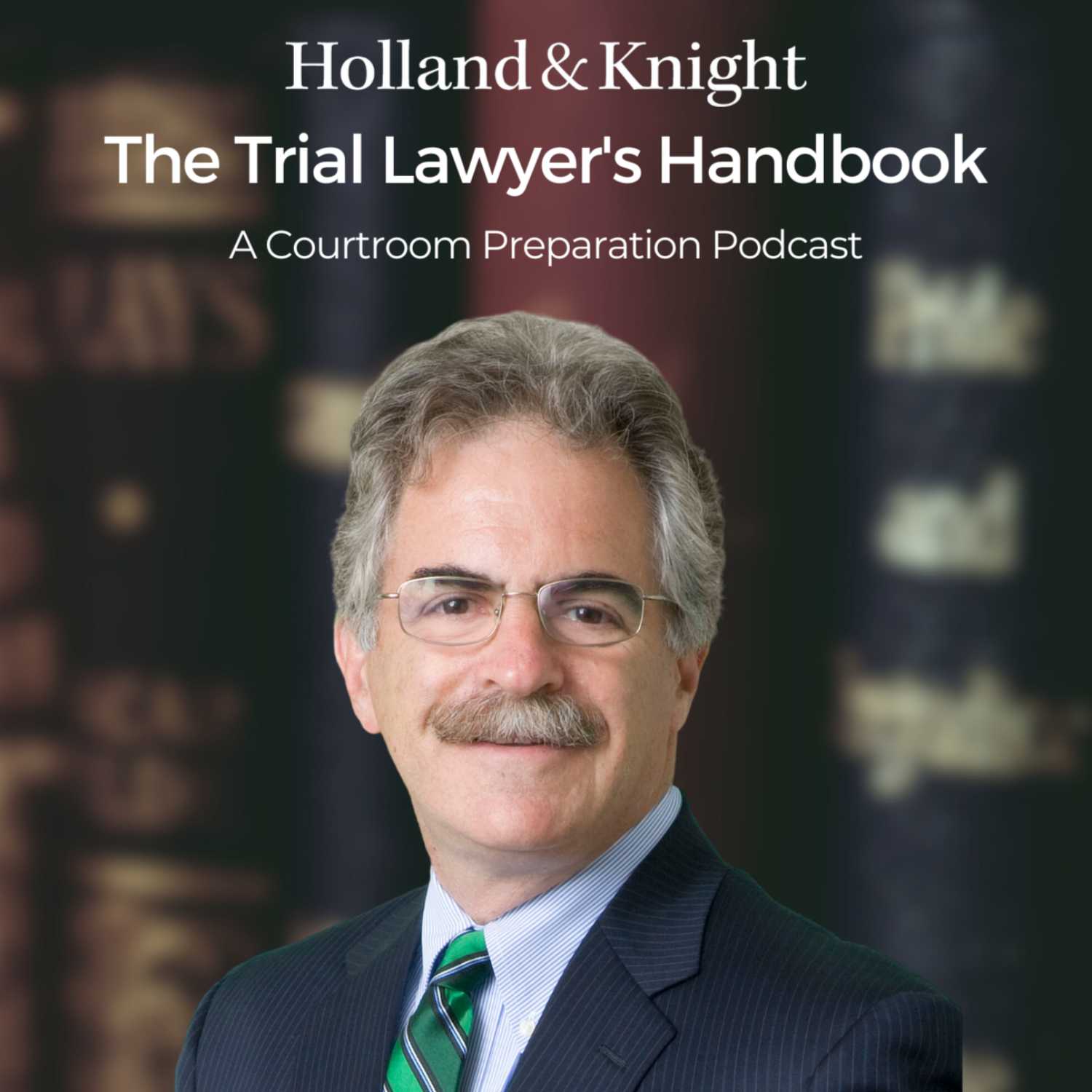
The Trial Lawyer's Handbook — 146 episodes
Be a Role Model
Finding the Truth
Candor Saves Credibility in Courtrooms
The "Referee" of the Judicial System
The Jury Is the Audience
Trials Are About Connections
There's More Than One Way to Win
Reflections in the Courtroom: State v. Faulkner
All Eyes on the Client
Not a Level Playing Field
"Nature Abhors a Vacuum." So Does the Media
Cases Come in Many Ways
Victories and "Losses" in the Courtroom
Finding Humor in Law
Keeping Your Vessel Stable During Cross-Examination
The Stability in Simplicity
Reading the Room
Respect in the Courtroom
Understanding the Media
Jurisdiction Is in the Eye of the Beholder
Allergic to Courtrooms
Dangers of Climbing the Ladder
Show and Tell
The Law Is the Law
Telling the Whole Story
The Benefits of Using an Interpreter
Trust Is Key
The Challenge of Corruption
Clarity Over Complexity at Trial
Part II - Recent Changes in Jury Dynamics and How to Prepare Your Expert Accordingly
Miss Lillian "Testifies": The Importance of Witness Preparation
Learn from the Masters
Part I - Going from Young Associate to Veteran Lawyer
Juror No. 6 and the Unexpected Misunderstanding
The View from the Jury Box
Connecting with the Jury
Bad Facts Make Bad Law
Actors on a Stage
"I Was Just Playing a Role"
Too Dirty for Dirty Crime
The Godfather of Houston
A Good Lickin'
Bring Out the Bad Stuff
Just Press "Play"
“I Lied Like a Dog!”
Part II: The Do’s and Don’ts of Demonstratives
Persistence and Determination
Part I: The Do’s and Don’ts of Demonstratives
Walking Tall
The Seeds of Corruption
How Do You Define Success?
Seek Out Feedback
The Three C’s for Addressing Prior Inconsistent Statements
Part II: Being an Expert Is a Lonely Business
Follow the Rules … Most of the Time
Part I: Being an Expert Is a Lonely Business
Don't Just Say It – Show It
Finding Common Ground
"Ready for Trial?"
The Law as a Force for Change
Every Case Is a New World
The 3 Core Themes of Trial Law: Do the Right Thing
The 3 Core Themes of Trial Law: Tell Your Story
The 3 Core Themes of Trial Law: Know Your Court
Real Justice for Real People
There Is No Right Path
How Did We Get Here?
Parting Thoughts: Be a "Peddler of Common Sense"
Expert Witnesses, Special Issues
Direct Examination of Expert Witnesses
Cutting Back on Complex Cases
Part II - The Importance of Pro Bono for Both Clients and Lawyers
Drowning in Complexity
Part I - Reading the Jury
How to Use Humor and Anger Effectively in the Courtroom
Connecting Separate Pieces of Evidence Clearly, Persuasively
At Trial, Less Is More
Getting Dressed for Court
Presentation is Paramount
Voice and Delivery
Think Outside the Script
The Witness Outline
Crafting Winning Strategies: Theories and Themes in Trials
Living Without Feedback
Are Real Trials Just Like the Movies?
Borrowing and the Art of Trial Advocacy
Trial Advocacy in the Modern World
This Extraordinary Process Called "Trials"
Storytelling in Closing Arguments
In Closing Arguments, Don't Forget to Ask
Getting Rid of Clutter in Closing Argument
The Basic Rules for Closing Argument
Closing Arguments: Focus and Organization
Closing Argument: Opportunity and Challenge
How to Make Clear, Quick and Effective Objections
More on Cross-Examination: Building a Case Brick by Brick
Cross-Examination: Don't Ask One Question Too Many
The Ten Commandments of Cross-Examination
Refresh vs. Impeach: Know the Difference
Impeaching with a Deposition
Cross-Examination of Expert Witnesses
Cross-Examination: The Three C’s of Impeachment
Cross-Examination: How to Effectively Impeach with a Prior Inconsistent Statement
Cross-Examination: Finding Control
Cross-Examination: Don't Argue - Elicit Facts
Cross-Examination: Asking the Right Leading Questions
Cross-Examination: The Importance of Organization
Understanding When to Cross-Examine
Cross-Examination: Basic Approaches
Direct Examination: Offering Exhibits
Basic Points to Consider in Redirect Examination
The "Why" of Cross-Examination
Direct Examination: Looping and Bookending
Direct Examination: Getting Rid of Clutter
Direct Examination: Asking Questions in the Right Order
Direct Examination: Controlling a Friendly Witness
Direct Examination: To Lead or Not to Lead
The Basic Elements of Direct Examination
Opening Statements: Some Common Challenges
Ep. 27 - Opening Statements: Common Mistakes
Opening Statements: The Prohibition Against Argument
Opening Statements: Telling the Story
Openings of Openings
The Basics of Opening Statements
Effective Trial Language Part 3: Jargon
Effective Trial Language Part 2: Legalese
Effective Trial Language Part 1: Noise
Dealing with Evidence of Time, Distance and Speed
Why Demonstrative Aids Are Critical in Every Case
Using Technology in the Courtroom
Showing Exhibits to the Jury
Exuding Credibility in the Courtroom
Key Lessons and Takeaways for Jury Trials
The Pitfalls of Technology in Trials
The Importance of Civility in Trial Law
Ep. 11 - Bringing Mindfulness and Best Practices to Trial Law
Ep. 10 - A Checklist of Common Objections
Basic Courtroom Etiquette
Position and Movement in the Courtroom
The Different Ways Lawyers Prepare Notes for Trial
Understanding the Importance of Chronology
The Key to a Successful Trial Lawyer
The Five Most Common Faults of Trial Lawyers
The “Five P’s” That Will Help Shape Jurors’ Emotions
The Differences Between Persuasion and Argument
The Unwritten Rules of Trial Practice