
EPISODE · May 22, 2026 · 5 MIN
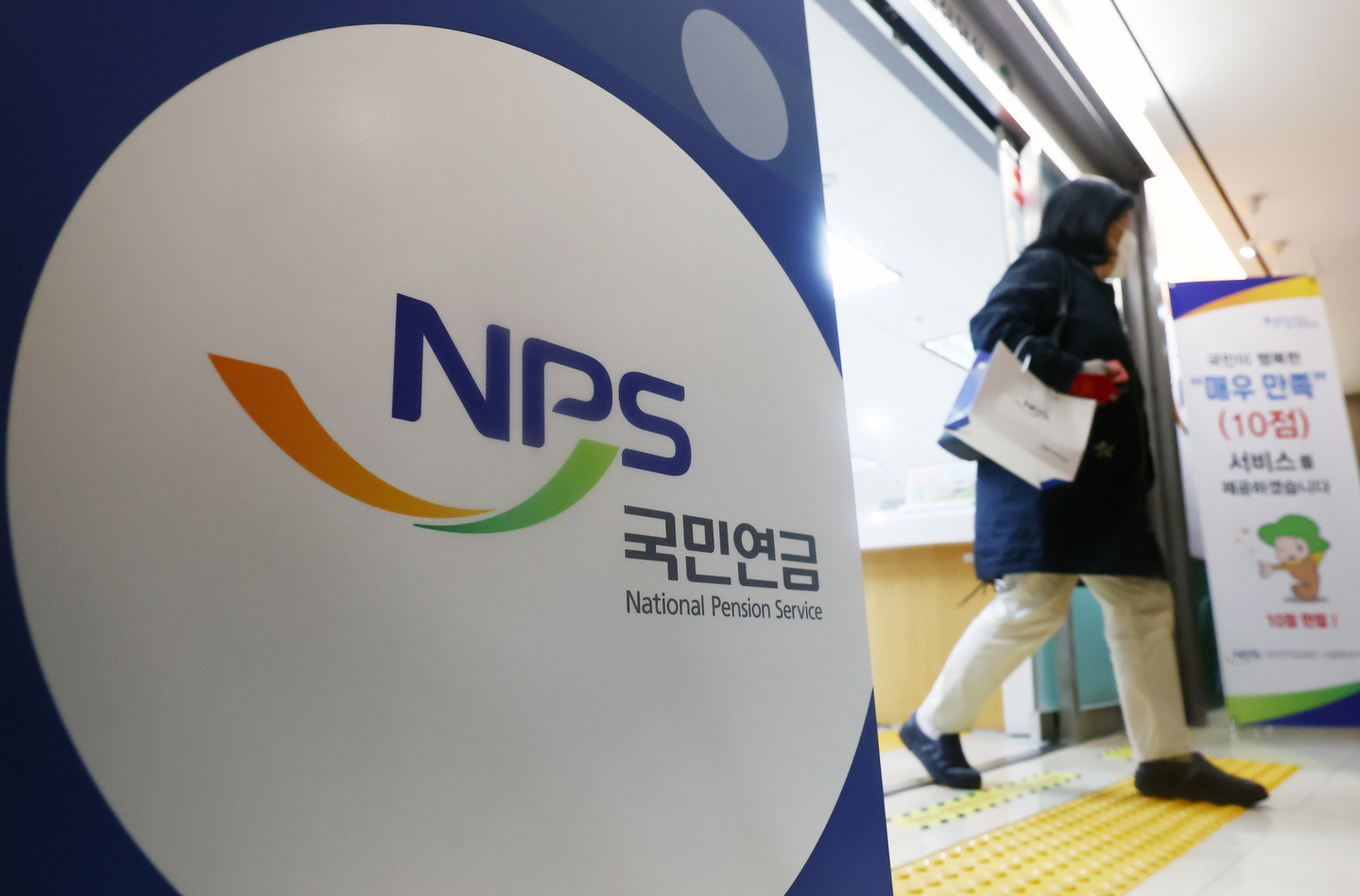
NPS reports record gains amid stock market rally, but experts warn against excessive optimism
from Korea JoongAng Daily - Daily News from Korea · host SHIN SUNG-SIK, KIM NAM-YOUNG
This article is by Shin Sung-sik, Kim Nam-young and read by an artificial voice. The Kospi's surge has fueled optimism that the depletion date of the pension fund could be delayed by 20 to 30 years. But some experts caution against excessive optimism. While there is an estimate of how far back the depletion date may have been pushed back, it isn't a formal reassessment. NPS recalculates the depletion forecast for its pension fund every five years, and there hasn't been a case when the figure was reassessed mid-cycle. "The pension fund was expected to be depleted in 2071, according to the previous projection, but we estimate the depletion date to be tentatively delayed by around seven years due to improved returns," said First Vice Health Minister Hyun Soo-yeob during a Cabinet meeting on Wednesday. The National Pension Service posted a record annual return of 18.82 percent last year. President Lee Jae Myung questioned the estimate, saying, "It seems the fund increased by around 300 trillion won [$198 billion] due to stock price gains last year and this year, but it only extends the timeline by seven years?" "I heard in reports that it had been extended by around 20 to 30 years, and we should look into it later," President Lee added. Even Hyun's estimate of a seven-year extension isn't considered precise. The seven-year estimate is based on a simple calculation that uses projected annual expenditures and additional income. However, projections for the pension fund also need to factor in demographic changes and income growth rates. The Health Ministry calculated the estimate under the assumption that the fund will have a consistent investment return of 5.5 percent, but returns can change depending on market conditions. The sharp rise in the Kospi has also created a dilemma for the NPS. Higher returns help delay the fund's depletion, but the NPS's domestic stock holdings are now too high compared to its initial asset allocation plans. NPS aims to diversify its portfolio to prevent excessive concentration in a single asset. The pension fund manages investments according to target allocations across different assets such as stocks, bonds and real estate, as well as between domestic and overseas investments. But the Kospi's rally has sharply increased the value of NPS's domestic stock holdings in a short period of time. NPS's domestic stock holdings rose from 264 trillion won last year to 395 trillion won as of the end of February. The figure rose 49.6 percent during the period, or by 131 trillion won. Domestic stocks accounted for 24.5 percent of the NPS portfolio as of February, and are believed to have since exceeded 25 percent. That is far above the domestic stock target ratio of 14.9 percent and the cap of 19.9 percent. Under the fund's asset allocation rules, NPS should reduce holdings that exceed target allocations. But if NPS sells off a large volume of domestic stocks, it could inevitably put downward pressure on the market. Caught in a dilemma, NPS's fund management committee is scheduled to meet on Thursday to finalize its midterm strategic asset allocation plan. Many expect the cap on domestic stock holdings to be lifted, though a sharp increase is unlikely. The fund faces a difficult choice between maintaining the principle of risk diversification and avoiding market disruption. The Kospi rally has nevertheless delayed the projected depletion date of the pension fund. However, experts caution that an optimistic outlook is only possible in current market conditions. Much of the gains remain unrealized book profits, and returns could decline at any time depending on the market. High returns generated during exceptional conditions, such as the semiconductor supercycle, are also difficult to sustain in the future. Experts also point to rapidly rising pension payouts. Korea's ultra-aging population is accelerating the pace of pension benefit payouts. Because payouts accelerate sharply during the fund depletion stage, ...
What this episode covers
This article is by Shin Sung-sik, Kim Nam-young and read by an artificial voice. The Kospi's surge has fueled optimism that the depletion date of the pension fund could be delayed by 20 to 30 years. But some experts caution against excessive optimism. While there is an estimate of how far back the depletion date may have been pushed back, it isn't a formal reassessment. NPS recalculates the depletion forecast for its pension fund every five years, and there hasn't been a case when the figure was reassessed mid-cycle. "The pension fund was expected to be depleted in 2071, according to the previous projection, but we estimate the depletion date to be tentatively delayed by around seven years due to improved returns," said First Vice Health Minister Hyun Soo-yeob during a Cabinet meeting on Wednesday. The National Pension Service posted a record annual return of 18.82 percent last year. President Lee Jae Myung questioned the estimate, saying, "It seems the fund increased by around 300 trillion won [$198 billion] due to stock price gains last year and this year, but it only extends the timeline by seven years?" "I heard in reports that it had been extended by around 20 to 30 years, and we should look into it later," President Lee added. Even Hyun's estimate of a seven-year extension isn't considered precise. The seven-year estimate is based on a simple calculation that uses projected annual expenditures and additional income. However, projections for the pension fund also need to factor in demographic changes and income growth rates. The Health Ministry calculated the estimate under the assumption that the fund will have a consistent investment return of 5.5 percent, but returns can change depending on market conditions. The sharp rise in the Kospi has also created a dilemma for the NPS. Higher returns help delay the fund's depletion, but the NPS's domestic stock holdings are now too high compared to its initial asset allocation plans. NPS aims to diversify its portfolio to prevent excessive concentration in a single asset. The pension fund manages investments according to target allocations across different assets such as stocks, bonds and real estate, as well as between domestic and overseas investments. But the Kospi's rally has sharply increased the value of NPS's domestic stock holdings in a short period of time. NPS's domestic stock holdings rose from 264 trillion won last year to 395 trillion won as of the end of February. The figure rose 49.6 percent during the period, or by 131 trillion won. Domestic stocks accounted for 24.5 percent of the NPS portfolio as of February, and are believed to have since exceeded 25 percent. That is far above the domestic stock target ratio of 14.9 percent and the cap of 19.9 percent. Under the fund's asset allocation rules, NPS should reduce holdings that exceed target allocations. But if NPS sells off a large volume of domestic stocks, it could inevitably put downward pressure on the market. Caught in a dilemma, NPS's fund management committee is scheduled to meet on Thursday to finalize its midterm strategic asset allocation plan. Many expect the cap on domestic stock holdings to be lifted, though a sharp increase is unlikely. The fund faces a difficult choice between maintaining the principle of risk diversification and avoiding market disruption. The Kospi rally has nevertheless delayed the projected depletion date of the pension fund. However, experts caution that an optimistic outlook is only possible in current market conditions. Much of the gains remain unrealized book profits, and returns could decline at any time depending on the market. High returns generated during exceptional conditions, such as the semiconductor supercycle, are also difficult to sustain in the future. Experts also point to rapidly rising pension payouts. Korea's ultra-aging population is accelerating the pace of pension benefit payouts. Because payouts accelerate sharply during the fund depletion stage, ...
NOW PLAYING
NPS reports record gains amid stock market rally, but experts warn against excessive optimism
No transcript for this episode yet
Similar Episodes
Feb 4, 2026 ·18m
Jun 15, 2022 ·8m
May 25, 2022 ·20m
May 19, 2022 ·16m
May 15, 2022 ·34m