
EPISODE · Oct 19, 2021 · 5 MIN
Il terzo libro sull'Austria cattolica
from Rino Cammilleri - BastaBugie.it · host BastaBugie
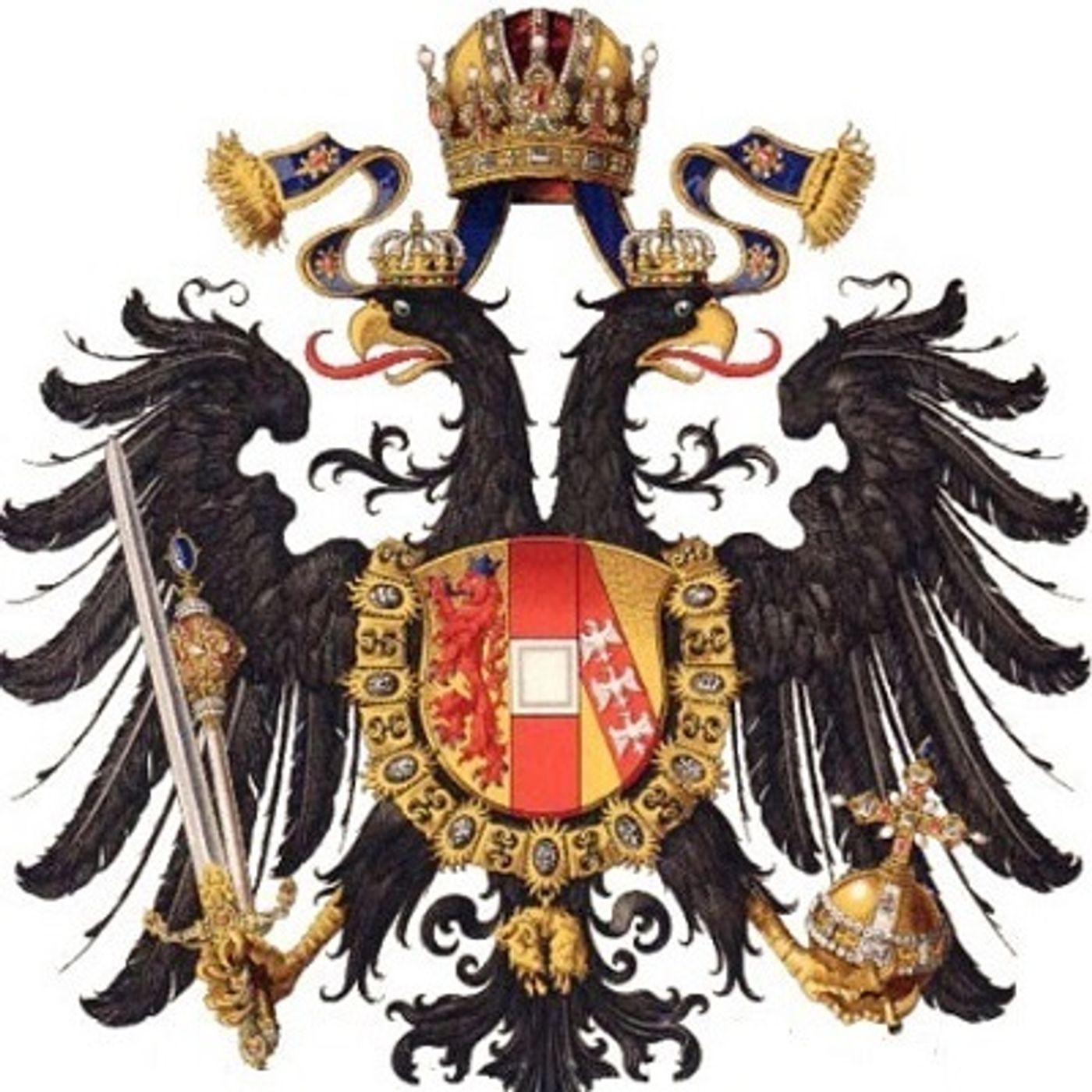
TESTO DELL'ARTICOLO ➜ http://www.bastabugie.it/it/articoli.php?id=6644IL TERZO LIBRO SULL'AUSTRIA CATTOLICA di Rino CammilleriEd eccoci all'atteso (almeno da me) terzo e ultimo volume de Il prato alto. III. Speranza (Solfanelli, pp. 290, €. 18) di Emilio & Maria Antonietta Biagini, che conclude la storia dell'Austria cattolica narrata nientemeno che a partire dalla preistoria. Con ricchezza di chicche e dettagli anche tecnici (uno degli autori è un geografo accademico) si dipana la vicenda degli Adler (aquila in tedesco), il tutto condito dalla benedetta virtù dell'umorismo che dovrebbe essere dote di ogni cattolico (san Tommaso d'Aquino biasimava chi ne era privo), come Chesterton, Tolkien e Waugh insegnano.Si tratta di uno dei più bei romanzi che io abbia mai letto. In quest'ultimo ho appreso, per esempio, che il principe Eugenio di Savoia (che si firmava Eugenio von Savoie, usando le tre lingue del Sacro Romano Impero) alla decisiva battaglia di Zenta contro i turchi indossò una corazza in cui sul cuore stava la Magna Mater Austriae venerata nel santuario nazionale di Mariazell. Quel condottiero, ammiratissimo da Napoleone, con un pugno di uomini riuscì a liberare tutta l'Ungheria e pure Sarajevo, tanto che le truppe gli dedicarono il famoso canto Prinz Eugen, il cui testo trovate integrale a p. 29. Grazie a lui l'Impero raggiunse la massima estensione, mai più eguagliata. E a spese degli ottomani.Ma venne Giuseppe II e abolì ogni forma di culto «puramente esteriore» o «a sfondo superstizioso». A decidere che cosa fosse esteriore e superstizioso, però, «erano i massoni che stavano intorno alla corona». Così, «ne fecero le spese i Passionspiele, quelle innocenti e commoventi rappresentazioni della Passione di Nostro Signore così amate specialmente nel Tirolo». Anticipando i decreti napoleonici quel sovrano «illuminato» ordinò il Begräbninsordnung, cioè la sepoltura in bare riciclabili che avrebbero fatto «la gioia dei moderni ambientalisti, beoti adoratori della natura invece che di Dio»: il fondo della bara si apriva, il morto cadeva nella fossa e la bara poteva essere riusata. Eh, difficilmente i novatori scansano il ridicolo.E venne Napoleone, e fucilò un libraio di Norimberga reo di aver diffuso un libro contro l'occupazione francese: «Un altro trionfo della "liberté"». Come commenta uno degli Adler costretto a trasformare la sua locanda in un bordello per il ristoro degli occupanti, «non c'è nessun tradimento degli ideali rivoluzionari, perché gli ideali sono proprio quelli: sangue, morte, saccheggio, violenza, stupri. Non vogliono altro. Il resto è solo specchietti per le allodole».E finalmente arrivò Waterloo. Ma, attenzione. Il fulcro della battaglia fu la fattoria «La Belle Allliance», nel Belgio francofono. Là si incontrarono i due comandanti della coalizione antinapoleonica Wellington, inglese, e Blücher, prussiano. Invece il fatale scontro prese il nome di Waterloo, un villaggio dei paraggi in cui non era successo assolutamente nulla. Solo che «quel nome fiammingo, pronunciato dagli inglesi "uoterluu", suonava così inglese e oscurava il contributo decisivo dei prussiani. Evidentemente, nell'euforia della vittoria, gli snob britannici non si avvidero che «loo» nella loro lingua sta per «cesso» e «water» acqua. Insomma, lo sciacquone. Contenti loro... Be' lo spazio ci impedisce di proseguire. Ma leggetelo, il libro dei Biagini, vi assicuro che ne vale la pena.
NOW PLAYING
Il terzo libro sull'Austria cattolica
No transcript for this episode yet
Similar Episodes
No similar episodes found.