
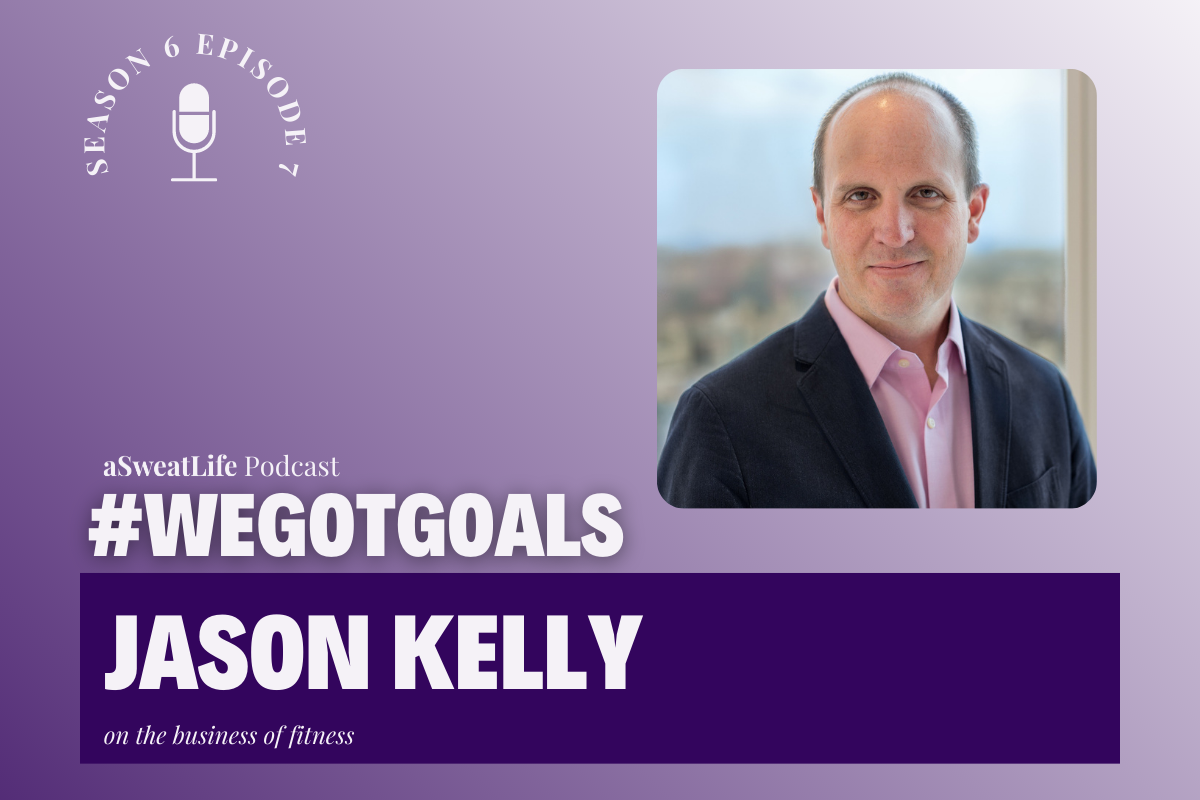
EPISODE · Feb 23, 2022 · 37 MIN
The History of Exercise, Part 3: Jason Kelly on the Business of Fitness
from #WeGotGoals by aSweatLife · host aSweatLife
Let’s start this episode off with a few numbers, courtesy of the excellent and meticulous Nicholas Rizzo at the website RunRepeat.com. In 2019, the fitness industry was valued at $159 billion - yes, billion with a B. Which, at the time, was the most it had ever been valued at. When the pandemic hit in 2020, the industry then experienced a 32% decline - not surprising, but still a painful number. Now, as I write this on February 16, 2022, the fitness industry’s valuation seems to be almost back to pre-pandemic levels. Online/digital fitness, fitness apps, fitness equipment, and fitness trackers all experienced significant growth in the pandemic. By 2028, the online/digital fitness industry is projected to have the highest growth rate of 33.10% per year. The classic brick and mortar gym, on the other hand, is predicted to grow much more slowly, at a rate of around 7% per year.Now, let’s dig into what aSweatLife’s own research has shown over the past few years. (And as a side note, I highly recommend diving into RunRepeat’s research yourself - it’s fascinating and well worth your time, we’ll link to it in the show notes). In 2018, respondents to our annual State of Fitness survey spent an average of $125 per month, give or take a few cents, on fitness. That number has consistently declined year-over-year - and then when the pandemic hit, that average dropped to $45 per month. That’s around a 64% drop in monthly fitness spend in our audience, which is a much steeper decline than what RunRepeat’s numbers showed about the industry as a whole. In the fall of 2021, monthly fitness spend creeped back up to $51 - but that’s still dramatically lower than the 2018 to 2020 years. (Of course, the necessary caveats here are: we know our audience is fitness obsessed, and we know they’re mostly millennial women in urban areas, all of which affect their access and willingness to spend or save on fitness.)As they say - you’ve got to follow the money. By tracking consumer spending on fitness, we can build theories about how that spend reflects the value our society places on physical activity. And the way our audience spends money on fitness is something we love to geek out on at aSweatLife - in fact, I’ll refer you to several in-depth pieces Jeana has written over the years about the business of fitness, including some of her best work from when ClassPass ditched their unlimited model. And because this is a topic we find so fascinating, we pulled in the big guns: Jason Kelly, Chief Correspondent at Bloomberg Quicktake and the Author of Sweat Equity: Inside the New Economy of Mind and Body, a portrait of the booming fitness economy. Jason understands the world of private equity and public offerings, and he keeps a close pulse on how the fitness industry’s money moves, so to speak.In this episode, you’ll hear Jason and I talk about how the community aspect of fitness factors into making fitness a compelling investment, the successes of both high-cost and low-cost fitness businesses, and the business of celebrity fitness instructors.And stay tuned for a bonus episode with Jason dropping later this week: Our original episode was recorded on February 3, and as you’ll hear, we spent a good chunk of time talking about Peloton as a pandemic fitness darling. Then, I went on vacation and all hell broke loose at Peloton. Jason was kind enough to jump back on the mic with me on February 16, a week before the day this episode drops, so we could process together what the heck is happening at Peloton and what that says about the broader state of fitness. Look for that in your feed in the next couple of days.Links and resourcesFind Jason on Twitter hereWatchJason on Bloomberg’s QuickTake seriesJeana and I both loved Jason’s book, Sweat Equity: Inside the New Economy of Mind and BodyJason on Bloomberg Quicktake in June of 2021 on How the Pandemic Changed the Fitness IndustryJeana's extensive writing for aSweatLife on the business of fitness: Should You Keep Paying for ClassPass? and Flywheel Just Got Acquired – Here's What That MeansFitness industry research from RunRepeat and aSweatLife
NOW PLAYING
The History of Exercise, Part 3: Jason Kelly on the Business of Fitness
No transcript for this episode yet
Similar Episodes
Mar 26, 2026 ·1m
Jan 2, 2026 ·47m
Dec 21, 2025 ·46m