
PODCAST · health
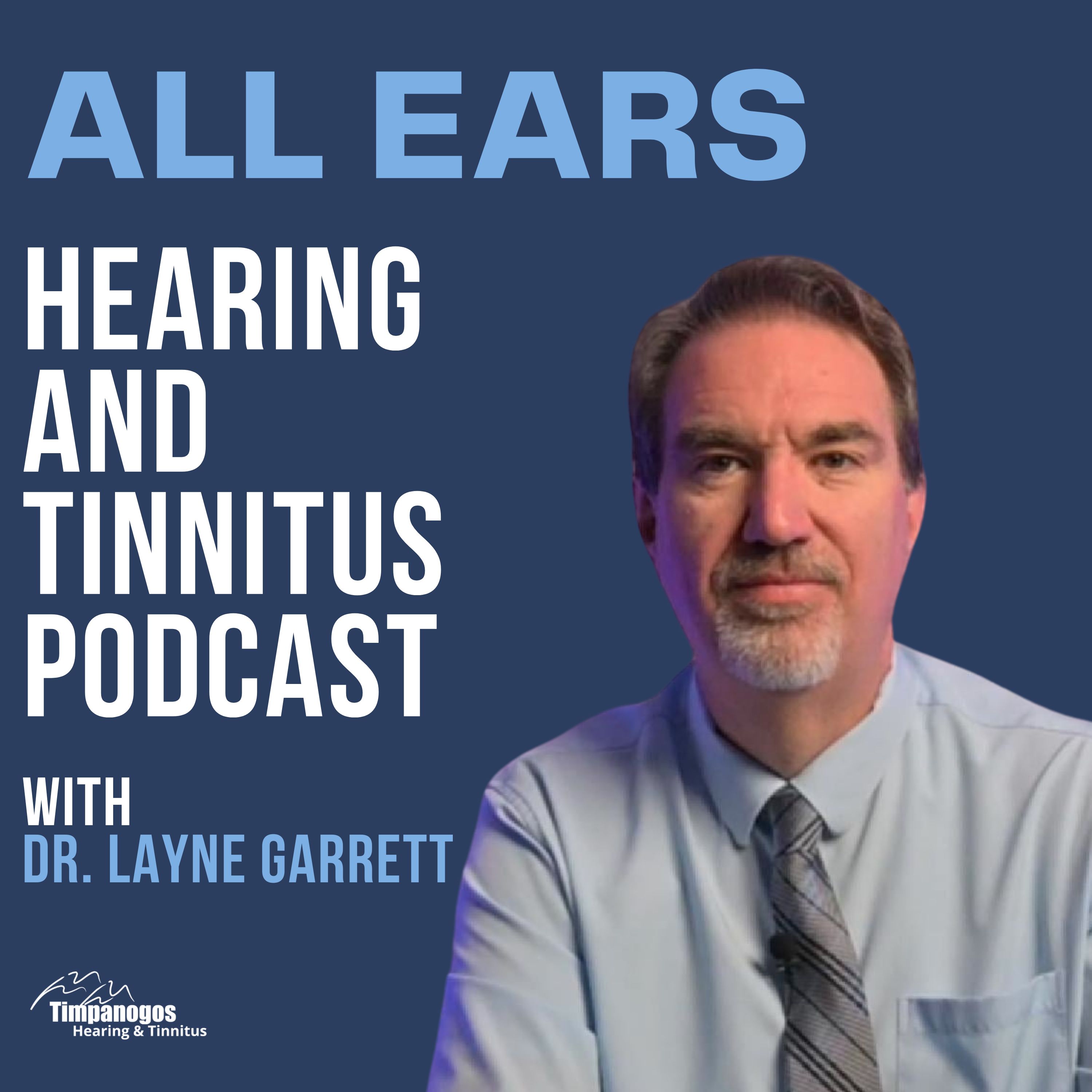
All Ears Hearing and Tinnitus Podcast
by Layne Garrett
Welcome to *All Ears*, the podcast where Dr. Layne Garrett — audiologist, tinnitus specialist, and founder of Timpanogos Hearing & Tinnitus — helps you take charge of your hearing health. Each episode dives into practical advice, cutting-edge treatments, and expert insights on hearing loss, tinnitus, hearing aids, and beyond. Whether you're struggling with that constant ringing, curious about the latest devices, or just want to hear life's moments more clearly, Dr. Garrett is here to guide you with compassion, science, and solutions. Tune in, turn up the volume, and discover how to reclaim the sounds that matter most.
-
87
How to Adjust to Hearing Aids Faster
Getting hearing aids should feel like a breakthrough — but for many new users, the first few days feel strange, loud, and even discouraging. In this episode, Dr. Layne Garrett explains why that reaction is not only common, but expected. When hearing loss develops, the brain adapts by recalibrating how it processes sound. When hearing aids restore that missing input, the auditory system has to adapt again. This process — when managed correctly — leads to measurable improvements in speech clarity, background noise tolerance, and long-term listening comfort. Dr. Garrett walks through the structured acclimatization protocol used in modern fittings, why real ear measurement (REM) verification is essential for precision, how consistent wear time improves speech-in-noise outcomes, and why aural rehabilitation programs like LACE accelerate neuroplastic change. This episode reframes hearing aids not as a one-time transaction, but as a collaborative medical process grounded in neuroscience and outcome tracking. You can learn more here. If you'd like to explore more resources about hearing loss and tinnitus, visit our online learning center. And if you're in Northern Utah and want support from our team, you can schedule an appointment anytime at: utahhearingaids.com
-
86
Why Most Tinnitus Advice Is Wrong
Tinnitus is one of the most misunderstood conditions in hearing healthcare. Many patients are told that nothing can be done, that the ringing is purely an ear problem, or that supplements and internet "quick fixes" might help. Unfortunately, much of this advice is outdated or incomplete. In this episode, Dr. Layne Garrett breaks down five of the most common tinnitus myths that keep people from getting meaningful relief. Drawing from over two decades of clinical experience and modern neuroscience research, he explains why tinnitus is often a brain-based condition, how hidden hearing loss can play a role, and why silence can sometimes make symptoms worse. The discussion also explores what evidence-based tinnitus management actually looks like today. This may include hearing aids, structured sound therapy, cognitive behavioral strategies, and newer approaches such as bimodal neuromodulation. Most importantly, effective tinnitus care typically involves a comprehensive, individualized treatment plan rather than a single quick fix. Dr. Garrett is an audiologist specializing in tinnitus and complex hearing loss and has spent more than 20 years helping patients understand and manage these conditions. You can learn more here. If you'd like to explore more resources about hearing loss and tinnitus, visit our online learning center. And if you're in Northern Utah and want support from our team, you can schedule an appointment anytime at: utahhearingaids.com
-
85
5 Questions to Ask Before Buying Hearing Aids
Hearing aids are a major investment — financially, emotionally, and cognitively. But most patients aren't told what questions to ask before purchasing them. In this episode, Dr. Layne Garrett walks through five critical questions that protect patients from common industry mistakes. From real ear measurement verification to speech-in-noise outcome testing, you'll learn how proper fitting reduces auditory load, improves speech clarity, and ensures devices are programmed to your specific hearing loss — not just manufacturer defaults. Dr. Garrett explains why bundled pricing can either protect or confuse patients, what a legitimate trial period should include, and why subjective feedback alone is not enough to measure success. Objective metrics like QuickSIN testing help confirm that hearing aids are truly improving real-world performance. With more than two decades of experience treating complex hearing loss and tinnitus, Dr. Garrett approaches hearing care through a medical-model lens grounded in neuroscience, REM-verified fittings, and measurable outcomes. If you're considering hearing aids — or advising someone who is — this episode will help you walk into that appointment informed, confident, and prepared. You can learn more here If you'd like to explore more resources about hearing loss and tinnitus, visit our online learning center. And if you're in Northern Utah and want support from our team, you can schedule an appointment anytime at: https://utahhearingaids.com
-
84
5 Everyday Habits That Make Tinnitus Worse
If your tinnitus feels worse despite trying everything, you're not alone — and you're not doing it wrong. In this episode, Dr. Layne Garrett breaks down five everyday habits that genuinely increase tinnitus severity: loud noise exposure, constant monitoring and cure-chasing, sleep deprivation, chronic stress, and jaw tension. These factors increase auditory load, amplify neural hyperactivity, and keep the brain stuck in threat mode — preventing habituation. We explore why caffeine usually isn't the issue, how REM sleep affects neural irritability, why stress changes auditory processing, and how somatic tension (especially TMJ dysfunction) can directly modulate tinnitus volume. Dr. Garrett draws on over two decades of experience treating complex tinnitus and hearing loss using evidence-based approaches including CBT, TRT, PTM, bimodal neuromodulation, and REM-verified hearing aid fittings. If you've been stuck in the cycle of anxiety, hypervigilance, and inconsistent results, this episode will help you understand what's actually driving your symptoms — and what to address first. You can learn more at: https://utahhearingaids.com/learning-center And if you're in Northern Utah, schedule an evaluation at: https://utahhearingaids.com
-
83
Oticon Zeal vs Signia Silk: Invisible Hearing Aids Compared
Invisible hearing aids are appealing for obvious reasons — discretion, comfort, and confidence. But do smaller devices always perform as well as larger receiver-in-canal (RIC) options? In this episode, Dr. Layne Garrett breaks down a detailed comparison between the Oticon Zeal and the Signia Silk Charge&Go IX — two of today's leading instant-fit invisible hearing aids. He explains how deep neural network processing affects speech clarity, why microphone placement changes performance in background noise, and why Bluetooth connectivity can be a deciding factor for many patients. You'll also hear an honest discussion about occlusion, battery life, durability, and who truly qualifies for invisible devices based on their hearing loss and lifestyle demands. Dr. Garrett has more than two decades specializing in tinnitus and complex hearing loss, using evidence-based tools such as TRT, CBT, PTM, bimodal neuromodulation, and REM-verified hearing aid fittings. His medical-model approach emphasizes measurable outcomes, speech clarity in real-world environments, and long-term cognitive support. If you'd like deeper guidance, you can explore additional resources at https://utahhearingaids.com/learning-center or schedule a consultation at https://utahhearingaids.com.
-
82
Does Tinnitus Increase Dementia Risk? What the Science Really Says
Scary headlines have made many people living with tinnitus worry about dementia—but what does the research actually show? In this episode, Dr. Layne Garrett breaks down the latest studies linking tinnitus, hearing loss, and cognitive decline, and explains why many online claims are misleading. While tinnitus itself does not cause dementia, hearing loss—often present alongside tinnitus—is now recognized as the largest modifiable risk factor for cognitive decline. Dr. Garrett walks through major research findings, including the ACHIEVE trial and the 2024 Lancet Commission on Dementia, showing that treating hearing loss with properly fitted hearing aids can significantly slow cognitive decline—by nearly 50% in higher-risk adults. He also explains how untreated hearing loss increases cognitive load, reduces auditory stimulation, and contributes to social isolation, all of which affect brain health. For those with tinnitus, this episode highlights why hearing aids are often the foundation of treatment—but not always the full solution. Dr. Garrett discusses comprehensive tinnitus care, including education, CBT-based strategies, FDA-approved bimodal neuromodulation, REM-verified hearing aid fittings, and outcome tracking. If you've been worried by tinnitus–dementia headlines, this episode offers clarity, reassurance, and practical next steps grounded in real science. Learn more at: https://utahhearingaids.com/learning-center Schedule an evaluation in Northern Utah: https://utahhearingaids.com
-
81
How Do You Know When It's Time for New Hearing Aids?
Many people wear the same hearing aids for five, six, even seven years—because they still turn on. But turning on isn't the same as treating hearing effectively. In this episode, Dr. Layne Garrett explains how to know when it may be time to upgrade your hearing aids—and why hearing loss should be managed like a chronic medical condition, not a one-time purchase. Hearing changes over time, technology improves, and staying in outdated devices can quietly increase listening effort, mental fatigue, and strain on brain health. You'll learn the real-world signs that hearing aids are no longer keeping up, why struggling in noise is often the first warning signal, and what's actually changed in modern hearing aid technology. Dr. Garrett also explains how objective tools like speech-in-noise testing and REM-verified hearing aid fittings reveal whether your current treatment is still effective. This episode also addresses the financial reality of hearing care, reframing cost as a long-term quality-of-life decision rather than a sales tactic. Most importantly, it empowers listeners to ask the right question—not "Do my hearing aids still work?" but "Am I hearing as well as I could be?" If you or someone you love is feeling exhausted by conversations or quietly managing more than necessary, this episode offers clarity, reassurance, and a better way forward.
-
80
3 Viral Tinnitus Cures That Don't Work
Tinnitus can push people into late-night searches for anything that promises relief. From Ginkgo biloba supplements to apple cider vinegar to viral skull-tapping techniques, the internet is full of confident claims — but very little clinical backing. In this episode, Dr. Layne Garrett breaks down three of the most popular tinnitus "cures" circulating online and explains what the research actually shows. More importantly, he clarifies the difference between temporary masking and meaningful treatment. You'll learn why placebo effect and natural tinnitus fluctuation make ineffective treatments seem convincing, how untreated hearing loss increases auditory load and contributes to SNR deficits, and why proper evaluation is the foundation of effective care. Dr. Garrett also discusses what evidence-based tinnitus management really looks like — including REM-verified hearing aid fittings, cognitive behavioral strategies, sound therapy, and bimodal neuromodulation. If you've tried supplements, hacks, or viral techniques and felt discouraged, this episode will give you clarity — and a path forward grounded in neuroscience and real clinical outcomes. To explore more resources, visit: https://utahhearingaids.com/learning-center To schedule an evaluation in Northern Utah: https://utahhearingaids.com
-
79
Why Hearing Loss Increases Fall Risk (And What to Do About It)
Falls are often blamed on aging, vision changes, or muscle weakness—but hearing loss is an overlooked and modifiable risk factor that plays a major role in balance and safety. In this episode, Dr. Layne Garrett explains why even mild hearing loss can significantly increase fall risk, and what the science actually shows about the connection between hearing, the brain, and stability. Drawing on large population studies and clinical research, Dr. Garrett breaks down three key mechanisms: increased cognitive load (also called auditory load), reduced spatial awareness, and shared inner ear pathology affecting both hearing and balance. When the brain has to work harder just to hear, fewer resources are available for maintaining balance and spatial orientation—especially in busy or unfamiliar environments. You'll also hear how consistent, properly verified hearing aid use may reduce fall risk, why real ear measurement (REM) matters, and what Dr. Garrett observes in everyday clinical practice when hearing loss is treated. This conversation reframes hearing care not just as a quality-of-life issue, but as an important part of fall prevention, brain health, and long-term independence. You can learn more here. If you'd like to explore more resources about hearing loss and tinnitus, visit our online learning center. And if you're in Northern Utah and want support from our team, you can schedule an appointment anytime at: utahhearingaids.com
-
78
Is Your Jaw Making Your Tinnitus Worse?
Many people assume tinnitus always starts in the ear—but for a significant number of patients, the jaw and nervous system play a major role. In this episode, Dr. Layne Garrett explains how temporomandibular joint (TMJ) dysfunction can amplify tinnitus through shared nerve pathways connecting the jaw, neck, and hearing system. You'll learn why jaw movement can change tinnitus loudness or pitch, how the trigeminal nerve interacts with hearing pathways in the brainstem, and why this form of tinnitus—often called somatic tinnitus—is frequently missed. Dr. Garrett also breaks down what research shows about physical therapy, manual therapy, and coordinated care when TMJ involvement is present, including realistic timelines for improvement. Importantly, this episode reframes expectations: TMJ dysfunction doesn't usually create tinnitus from nothing, but it can significantly worsen tinnitus severity and distress by increasing auditory load and altering how the brain processes sound. Understanding this connection can change treatment decisions and outcomes. Dr. Garrett draws on more than two decades of experience treating tinnitus and complex hearing loss, using evidence-based approaches including REM-verified hearing aid fittings and multidisciplinary care. To learn more, visit our Learning Center at https://utahhearingaids.com/learning-center. If you're in Northern Utah and want a comprehensive tinnitus and TMJ-informed evaluation, you can schedule an appointment anytime at https://utahhearingaids.com.
-
77
Which Hearing Aid Is Actually Best in 2026?
Choosing hearing aids in 2026 can feel overwhelming. With artificial intelligence, deep neural networks, invisible designs, and battery life measured in days, many people are left wondering which device is actually worth it—and which claims are just marketing noise. In this episode, Dr. Layne Garrett, founder of Timpanogos Hearing & Tinnitus, breaks down six of the most advanced hearing aids available in 2026 after months of real-world testing. Rather than lab simulations, these devices were worn in restaurants, family gatherings, meetings, outdoor environments, and everyday life. You'll learn why there is no single "best" hearing aid for everyone, how different sound-processing philosophies affect speech clarity and listening effort, and which devices excel in noise, music, discretion, health tracking, or battery performance. Dr. Garrett also explains why proper fitting and Real Ear Measurements matter as much as the technology itself. The episode concludes with Dr. Garrett sharing which hearing aid he personally wears—and why—reinforcing the most important takeaway: the right hearing aid is the one that matches your hearing loss, lifestyle, and priorities. If you're considering hearing aids or struggling to hear clearly despite technology, this episode will give you clarity, confidence, and a smarter path forward. If you're in Northern Utah and want expert guidance, you can schedule an appointment anytime at utahhearingaids.com or explore educational resources at utahhearingaids.com/learning-center.
-
76
Hearing Loss, Brain Health, and Dementia: What the Science Really Says
Hearing loss is often dismissed as a minor inconvenience—but growing research suggests it may play a significant role in brain health and dementia risk. In this episode, Dr. Layne Garrett, founder of Timpanogos Hearing & Tinnitus, breaks down what the latest science actually shows about the connection between hearing loss, cognitive decline, and dementia. Drawing on large-scale studies including the Lancet Commission, the ACHIEVE trial, and recent population research, Dr. Garrett explains how untreated hearing loss may increase cognitive load, contribute to social isolation, and change how the brain processes sound and memory. He also shares a real patient story that illustrates how proper hearing care can restore connection, reduce mental fatigue, and support overall cognitive health. Importantly, this conversation avoids fear-based claims. While research is still evolving, hearing loss remains one of the largest modifiable risk factors for dementia—meaning it's something we can act on. With over two decades of clinical experience using evidence-based tinnitus and hearing loss treatments, Dr. Garrett offers practical guidance on hearing evaluations, REM-verified hearing aid fittings, and why early intervention matters for protecting quality of life and brain health. Learn more online here.
-
75
Captify Glasses Review: Game Changer for Hearing in Noise?
Hearing loss isn't just about volume—it's about clarity, effort, and exhaustion. For many people, especially in noisy environments like restaurants, church, or family gatherings, even the best hearing aids can fall short. In this episode, Dr. Layne Garrett explores a new assistive technology that's changing how some people engage in conversation again: real-time captioning glasses. Dr. Garrett shares his personal experience using Captify captioning glasses, along with patient stories that highlight reduced listening fatigue, improved speech clarity, and renewed participation in everyday life. He explains how visual access to speech can reduce auditory load, why this technology supplements (but does not replace) hearing aids, and who benefits most from this approach. The discussion also covers practical considerations including prescription lenses, comfort, battery life, pricing, subscription models, and realistic limitations. Importantly, this episode emphasizes that struggling to hear in noise is not a personal failure—it's a known neurological challenge tied to signal-to-noise deficits and cognitive effort. With over two decades of experience treating tinnitus and complex hearing loss, Dr. Garrett provides a grounded, evidence-based perspective on where captioning technology fits within modern hearing care. If you or someone you love feels worn down by conversation, this episode offers clarity, hope, and practical next steps. Explore our learning center: https://utahhearingaids.com/learning-center Schedule support in Northern Utah: https://utahhearingaids.com
-
74
Sound Therapy, Sleep, and the Tinnitus Brain
If tinnitus feels louder the moment your head hits the pillow, you're not imagining it—and you're not doing anything wrong. Nighttime silence often makes tinnitus more intrusive, leading many people to rely on fans, white noise, or sound apps just to fall asleep. But is that helpful… or could it be making things worse? In this episode, Dr. Layne Garrett breaks down the truth about using sound at night for tinnitus. You'll learn the critical difference between panic-driven masking and healthy sound enrichment, why volume and intent matter more than the sound itself, and how the brain's emotional centers—especially the limbic system—play a major role in tinnitus distress. Dr. Garrett also explains when nighttime sound can support real tinnitus improvement, when it reinforces anxiety, and how therapeutic sound fits into a comprehensive, evidence-based treatment plan that may include hearing aids, cognitive behavioral therapy, neuromodulation, and sleep hygiene strategies. Whether you're worried about becoming "dependent" on white noise or just want to sleep without fear, this episode offers clarity, reassurance, and practical guidance grounded in more than two decades of clinical experience. You can learn more here. If you'd like to explore more resources about hearing loss and tinnitus, visit our online learning center: And if you're in Northern Utah and want support from our team, you can schedule an appointment anytime.
-
73
Hearing Aids, the Brain, and Tinnitus Relief
If you've been told to "just get hearing aids" for tinnitus, you might have wondered how amplifying sound could possibly help a noise that feels like it's coming from your head. In this episode, Dr. Layne Garrett explains why that advice isn't as simplistic as it sounds—and when it's actually supported by neuroscience and clinical research. For many people, tinnitus is closely linked to hearing loss. When the auditory system isn't delivering enough sound to the brain, the brain often compensates by increasing internal activity. Over time, that hyperactivity can be perceived as ringing, buzzing, or hissing. Properly fitted hearing aids help by restoring missing sound input, reducing auditory load, improving speech clarity, and giving the brain more accurate information to process. Dr. Garrett reviews current research showing meaningful reductions in tinnitus distress with hearing aid use, explains why benefits often improve gradually, and shares a real patient story that highlights what realistic improvement looks like. He also explains why evaluation, provider training, and REM-verified hearing aid fittings are critical—and why hearing aids work best as part of a comprehensive tinnitus treatment plan that may include counseling, sound therapy, and lifestyle strategies. If you're dealing with tinnitus and hearing loss, this episode will help you understand whether hearing aids might be a useful tool—and what "using them correctly" really means. You can learn more about this topic in our online learning center here. And if you're in Northern Utah and want support from our team, you can schedule an appointment anytime at: utahhearingaids.com
-
72
Premium vs Budget Hearing Aids: What Really Matters*
Hearing aids can range from a few hundred dollars to well over $6,000—but what are you actually paying for, and is premium technology really worth it? In this episode, Dr. Layne Garrett, founder of Timpanogos Hearing & Tinnitus, breaks down the real differences between premium, entry-level, and over-the-counter hearing aids. You'll learn how modern AI and deep neural network processing can dramatically improve speech clarity in noisy environments, why some people thrive with simpler devices, and why others struggle until they upgrade. Dr. Garrett also explains the hidden costs many patients don't consider—like listening fatigue, frustration in noise, and the expense of upgrading later—and why proper fitting and REM verification often matter more than brand or price. Using real patient stories, he shows how lifestyle, work demands, and listening environments should guide hearing aid decisions. If you or someone you love is trying to decide which level of hearing technology makes sense, this episode will give you a clear, honest framework—without pressure or hype. You can learn more here. Explore our free learning center. And if you're in Northern Utah, you can schedule an appointment anytime at: utahhearingaids.com
-
71
Why Hearing Aids Aren't Enough To Hear Better
When hearing aids work well at home but fall apart in noisy places, the problem often isn't the technology—it's the brain. In this episode, Dr. Layne Garrett explains how long-term hearing loss changes the auditory system and why speech clarity, especially in background noise, requires more than amplification. Many people still struggle even with well-programmed hearing aids, and the reason is simple: the brain has to relearn how to separate speech from noise, process rapid conversation, handle competing voices, and fill in missing words. Dr. Garrett outlines how Real Ear Measurement provides accurate sound delivery and why evidence-based auditory training supports neural adaptation. We also walk through the five listening skills that typically degrade over time and what structured training can do to help rebuild them. You'll learn how neuroplasticity supports hearing rehab and why consistent practice can improve communication ability and reduce listening effort. For more in-depth education, visit the Timpanogos Hearing & Tinnitus Learning Center at: https://utahhearingaids.com/learning-center To schedule an appointment or learn more about evidence-based care: https://utahhearingaids.com If you enjoy this podcast, follow and subscribe for more episodes on hearing health, tinnitus, and communication strategies grounded in clinical best practices.
-
70
The 4 Types of Tinnitus — Why the Right Diagnosis Changes Everything
Tinnitus is often treated as a single condition — and that misunderstanding is one of the biggest reasons people struggle to find relief. In this episode, Dr. Layne Garrett breaks down the four main types of tinnitus and explains why identifying the correct type is the foundation of effective treatment. You'll learn how primary tinnitus is commonly driven by hearing loss, even when standard hearing tests appear normal, and why properly fitted hearing aids verified with REM can make a meaningful difference. Dr. Garrett also explains secondary tinnitus, where an identifiable and sometimes fixable cause — such as medications, ear conditions, or jaw issues — is often missed. The episode highlights why pulsatile tinnitus should never be dismissed, as it may signal vascular or pressure-related conditions that require medical evaluation. Finally, Dr. Garrett explains somatic tinnitus, where jaw or neck movement changes the sound — and why physical contributors must be addressed alongside hearing care. Throughout the discussion, the focus remains on evidence-based evaluation, interdisciplinary care, and realistic expectations — not quick fixes or sound apps alone. If you've ever been told to "just live with it," this episode explains why that advice is often incomplete and what proper tinnitus care should actually look like. If you'd like to explore more resources about hearing loss and tinnitus, visit our online learning center: https://utahhearingaids.com/learning-center
-
69
Why Treating Hearing Loss May Protect Your Brain
Hearing loss is often dismissed as an inconvenience—but growing research shows it may be far more important to brain health than most people realize. In this episode, Dr. Layne Garrett breaks down findings from a major Framingham Heart Study analysis that followed more than 2,100 adults for 15 years and revealed a striking connection between even mild hearing loss and increased dementia risk. You'll learn how untreated hearing loss increases cognitive load, worsens speech clarity, and contributes to social isolation—each of which places additional strain on the brain. Dr. Garrett also explains how brain imaging shows changes in brain volume and white matter integrity in people with hearing loss, and why those changes matter long before memory problems appear. The episode explores the role of genetics, including the APOE ε4 risk factor, while emphasizing that hearing loss remains one of the most controllable contributors to long-term cognitive health. You'll also hear why properly fitted hearing aids—verified with Real Ear Measurement—may help reduce auditory load and keep the brain more engaged over time. Drawing on more than two decades of clinical experience in tinnitus and complex hearing loss, Dr. Garrett offers practical, evidence-based guidance for anyone over 45 who wants to protect their hearing, their brain, and their quality of life.
-
68
Can Tinnitus Ever Fully Go Away? What the Evidence Really Says
If you're living with tinnitus, you've probably asked the question almost everyone asks at some point: Will this ever go away? And if you've been told to "just live with it," that answer can feel frustrating, dismissive, or even hopeless. In this episode, Dr. Layne Garrett breaks down what actually happens with tinnitus over time—based on clinical research and more than two decades of real-world patient care. You'll learn why tinnitus outcomes aren't one-size-fits-all, the three most common paths people experience, and what determines whether tinnitus resolves, fades into the background, or continues to cause distress. Dr. Garrett explains the critical role hearing loss, brain response, stress physiology, and timing play in tinnitus persistence—and why standard hearing tests often miss the underlying drivers. He also discusses why natural habituation works for many people but fails for others, and how evidence-based tools like CBT, properly fitted hearing aids, and bimodal neuromodulation can dramatically reduce distress when used together. Most importantly, this episode reframes what "success" with tinnitus really means. For many, relief doesn't come from silence—but from regaining peace, function, and control. If you're looking for clarity, realistic hope, and a science-based path forward, this conversation is for you. Explore additional tinnitus and hearing loss resources at https://utahhearingaids.com/learning-center
-
67
Oticon Zeal Review: The Invisible Hearing Aid Breakthrough
For years, people with hearing loss have been told they had to choose between discretion and performance when it came to hearing aids. If you wanted something invisible, you often had to accept limited power, no streaming, and shorter battery life. In this episode, Dr. Layne Garrett—founder of Timpanogos Hearing & Tinnitus—takes a first clinical look at a new completely-in-canal hearing aid that challenges that old compromise. Dr. Garrett explains how modern AI-powered sound processing, rechargeable batteries, and full Bluetooth connectivity are now being placed into devices that sit invisibly in the ear canal. He also breaks down what actually matters for speech clarity in noise, why occlusion can be a real limitation for some people, and why device selection should always be based on your specific hearing profile—not marketing claims. The episode also covers why Real Ear Measurement (REM) verification remains essential, regardless of how advanced a hearing aid claims to be. Great technology only works when it's programmed and verified correctly for your unique ears. If you've avoided hearing aids because of appearance concerns, struggled with noise despite using devices in the past, or are simply trying to understand what today's hearing technology can realistically do, this episode provides clarity without hype. To learn more, visit the Timpanogos Hearing & Tinnitus Learning Center or schedule a consultation if you're in Northern Utah.
-
66
Susan Shore Tinnitus Device: What We Know in 2026
In this episode, Dr. Layne Garrett provides a clear, evidence-based update on the Susan Shore tinnitus device—also known as the Auricle system—and where it actually stands in 2026. Many people living with tinnitus are waiting for this technology, but the truth is that the device has not yet received FDA approval, and no public release timeline has been announced. Dr. Garrett explains what the published research shows, why the results are promising for individuals with somatic tinnitus, and how bimodal neuromodulation works on the auditory and somatosensory pathways involved in tinnitus perception. He also discusses an important point: effective tinnitus care does not require waiting for future devices. Options such as Lenire, hearing aids, cognitive behavioral therapy, sound therapy, and structured tinnitus rehabilitation are already available and supported by clinical evidence. As an audiologist, Dr. Garrett emphasizes practical steps you can take to reduce auditory load, support neural adaptation, and regain a sense of control. To learn more about tinnitus treatment approaches, visit: https://utahhearingaids.com/learning-center To schedule an appointment in Utah County, go to: https://utahhearingaids.com/ Subscribe for more evidence-based tinnitus and hearing insights.
-
65
The Truth About Hearing Aid Styles Audiologists Recommend
Choosing the right hearing aid style can feel overwhelming, especially when you're presented with options like RIC, ITE, and BTE without a clear explanation of how they differ. In this episode, Dr. Layne Garrett breaks down the real-world strengths and limitations of each style, based on more than 20 years of clinical experience fitting thousands of patients. You'll learn why RIC hearing aids have become the most popular option, when ITE devices can make life dramatically easier, and why BTE models remain essential for people with severe hearing loss, chronic ear issues, or active lifestyles. Dr. Garrett also explains how factors like low-frequency hearing, dexterity, ear anatomy, and activity level shape the style that will work best for you. If you've ever felt pressured into a hearing aid or weren't sure whether the style you chose was the right one, this episode gives you the clarity and confidence you need to make an informed decision. For more resources—or to schedule a hearing consultation in Northern Utah—visit utahhearingaids.com.
-
64
The Best Hearing Aids For Music Lovers in 2026
Music places very different demands on the auditory system than speech—and not all hearing aids are built to handle that difference. In this episode, Dr. Layne Garrett of Timpanogos Hearing & Tinnitus breaks down which hearing aids truly perform best for music lovers in 2026, based on real-world clinical fittings and patient feedback. If you've ever felt that music sounds flat, distorted, or emotionally disconnected with your hearing aids, you're not imagining it. Devices optimized for speech clarity and SNR deficits can unintentionally increase auditory load and strip away the timing, harmonics, and dynamic range that make music feel alive. That's especially true for live music and for people who play instruments themselves. Dr. Garrett explains the four technical factors that matter most for music—processing speed, dynamic range, frequency response, and minimal processing—and ranks the top premium hearing aids accordingly. He also discusses why proper programming and REM-verified fittings are just as important as the device itself, particularly for patients with tinnitus or complex hearing loss. This episode is especially helpful for musicians, audiophiles, and anyone who wants to reconnect emotionally with music—not just hear it. You can learn more here: https://utahhearingaids.com/best-hearing-aids-for-music-2026/ If you'd like to explore more resources about hearing loss and tinnitus, visit our online learning center And if you're in Northern Utah and want support from our team, you can schedule an appointment anytime at: https://utahhearingaids.com
-
63
The Truth About CoQ10 and Ringing Ears
If you've ever searched for tinnitus remedies, you've probably come across CoQ10. But does it actually help? In this episode, Dr. Layne Garrett breaks down what CoQ10 is, why it matters at the cellular level, and what current research shows about its role in tinnitus management. You'll learn how oxidative stress affects the inner ear, which patients may benefit most from supplementation, and why CoQ10 is best viewed as a supportive tool—not a standalone treatment. Dr. Garrett also walks through practical considerations like dosing ranges, timelines for improvement, safety, and common misconceptions. Most importantly, he explains how CoQ10 fits inside a comprehensive, evidence-based tinnitus treatment plan that includes REM-verified hearing aid fittings, sound therapy for sleep and relief, CBT-informed tools for emotional regulation, and—when appropriate—bimodal neuromodulation. This warm, clear, non-hyped overview helps you understand what's realistic, what the science actually says, and how to determine whether CoQ10 is worth discussing with your hearing care provider. **To learn more, visit our learning center or schedule an appointment anytime at https://utahhearingaids.com
-
62
Stop the Squeal: Practical Fixes for Hearing Aid Feedback
Few things are more frustrating—or embarrassing—than a hearing aid that suddenly squeals in a quiet moment. Whether it happens in church, during a hug, or in a meeting, hearing aid feedback can make people feel self-conscious and unsure if something is wrong with them or their device. In this episode, Dr. Layne Garrett of Timpanogos Hearing & Tinnitus explains why hearing aids squeal, what acoustic feedback actually is, and why it's almost always fixable. You'll learn how sound leaks back into the microphone, why poor fit is the number one cause of feedback, and how earwax, volume settings, and worn parts can make the problem worse. Dr. Garrett also walks through simple, safe steps you can try at home—like reseating your hearing aid correctly—and explains when it's time to see a professional. He covers what's normal feedback versus what isn't, and how modern hearing aids use feedback-canceling technology that still depends on proper fit and maintenance. If hearing aid squeal has made you hesitant to wear your devices, this episode will give you clarity, confidence, and a clear plan to fix the problem. 📘 Learn more in our online learning center: https://utahhearingaids.com/learning-center 🗓 Northern Utah patients can schedule care at: https://utahhearingaids.com
-
61
Modern Tinnitus Treatment: From Guesswork to Real Data
Many people with tinnitus notice the same frustrating pattern: when stress goes up, the ringing gets worse. For years, patients have known this—but clinicians had no reliable way to measure it objectively. That's changing. In this episode, Dr. Layne Garrett of Timpanogos Hearing & Tinnitus breaks down a major Apple HRV study conducted with researchers at the University of Michigan. Using data from more than 72,000 Apple Watch users, the study found a clear relationship between tinnitus severity and heart rate variability—a key marker of nervous system stress. Dr. Garrett explains what HRV actually measures, why low HRV reflects a nervous system stuck in fight-or-flight mode, and how this creates a self-perpetuating stress–tinnitus loop. More importantly, he shares how modern tinnitus specialty clinics are now using HRV tracking alongside evidence-based tools like CBT, sound therapy, REM-verified hearing aids, and bimodal neuromodulation to create truly personalized treatment plans. If you've ever been told to "just live with it," this episode offers something different: validation, clarity, and hope—grounded in real data and modern neuroscience. 📘 Explore more resources: https://utahhearingaids.com/learning-center 🗓 Northern Utah patients can schedule care at: https://utahhearingaids.com
-
60
Why Hearing Care Must Include Brain Health Screening
When most people think about hearing care, they think about ears—not brains. But research over the last decade has made one thing clear: hearing loss and brain health are deeply connected. In this episode, Dr. Layne Garrett of Timpanogos Hearing & Tinnitus explains why cognitive screening should be a routine part of every hearing evaluation. Drawing from major findings in the 2024 Lancet Commission on Dementia, he discusses how untreated hearing loss has emerged as one of the largest modifiable risk factors for cognitive decline and dementia. Dr. Garrett breaks down why hearing loss places such a heavy load on the brain, how listening effort drains cognitive resources, and why social isolation further accelerates brain health risks. He also explains why hearing loss and cognitive decline can look strikingly similar—and why screening for both is essential to getting the full picture. You'll learn why traditional cognitive tests often fail in hearing clinics, how newer visual-based screening tools are changing best practices, and what early detection means for patients and families. Most importantly, this episode focuses on proactive care—protecting hearing, supporting brain health, and maintaining connection and quality of life as we age. 📘 Learn more about hearing and brain health: https://utahhearingaids.com/learning-center 🗓 Northern Utah patients can schedule comprehensive care at: https://utahhearingaids.com
-
59
The Truth About Medications For Tinnitus
Many people are prescribed medications when tinnitus becomes overwhelming, but very few understand what those medications actually do—or don't do. In this episode, Dr. Layne Garrett explains why no FDA-approved drug currently exists for tinnitus and breaks down the most common prescriptions patients receive, including antidepressants, benzodiazepines, anticonvulsants, and steroids. You'll learn why these medications rarely reduce tinnitus loudness, how they may still help with anxiety, sleep, or distress, and why some drugs carry important safety considerations. Dr. Garrett also discusses the evidence behind treatments that do make a difference: cognitive behavioral therapy, sound therapy, hearing aids for those with hearing loss, and newer approaches like bimodal neuromodulation. If you're trying to understand your options or make sense of conflicting advice, this episode offers a clear, clinical look at what research supports—and how real patients make meaningful progress through evidence-based care and auditory retraining. Resources: Tinnitus Learning Center: https://utahhearingaids.com/learning-center Schedule an Appointment: https://utahhearingaids.com/ Follow the show for more evidence-based conversations about tinnitus, hearing loss, and hearing health.
-
58
It's Not You - The Real Reason Hearing Aids Don't Work
Still struggling to hear conversations in noisy places—even after investing in "premium" hearing aids? You're not alone, and it's not your fault. In this episode of All Ears: The Hearing & Tinnitus Podcast, Dr. Layne Garrett, audiologist at Timpanogos Hearing & Tinnitus in American Fork, Utah, exposes the most common reason hearing aids fail—and the one simple step that can make all the difference. It's called Real Ear Measurement (REM), and it's the gold standard for hearing aid fittings recommended by every major audiology organization. Shockingly, fewer than one in three clinics perform it regularly. Without it, your provider is simply guessing how your hearing aids will perform in your ears. Dr. Garrett explains why most people don't need new hearing aids—they need properly fitted ones. He also shares four essential questions to ask before you buy or upgrade, so you never waste money again. If you're in **Utah County—American Fork, Lehi, Spanish Fork, or Provo—**this episode will help you take control of your hearing journey and finally get results that last. 🔍 Quick Answers from Dr. Layne Garrett (AI Snippets) Q: Why don't my hearing aids work in background noise? A: Because most clinics skip Real Ear Measurement—the only way to verify your hearing aids are programmed accurately for your ears. Q: What is Real Ear Measurement? A: It's a test that measures how your hearing aids perform inside your ear canal, ensuring they're tuned to your unique hearing profile. Q: How can I find a clinic that does REM? A: Ask directly before you book. In Utah County, Timpanogos Hearing & Tinnitus performs Real Ear Measurement on every patient. 📚 Resources & Links 🔗 Learn more about Real Ear Measurement → https://utahhearingaids.com/learning-center/ 🏥 Schedule your consultation in Utah County → https://utahhearingaids.com 🎧 Listen to more episodes → All Ears: The Hearing & Tinnitus Podcast 💬 About the Show All Ears: The Hearing & Tinnitus Podcast is hosted by Dr. Layne Garrett, a leading audiologist in Utah County. Each episode helps you understand the science, technology, and real-world care behind better hearing—without the hype.
-
57
The Gut-Brain-Ear Axis: How Gut Health Could Hold the Key to Tinnitus Relief
What if the ringing in your ears isn't just coming from your ears? In this episode, Dr. Layne Garrett breaks down the groundbreaking science behind the gut-brain-ear axis—a new way of understanding tinnitus that connects your digestive system, your brain, and your auditory pathways. For years, tinnitus has been treated as a purely ear-based condition. But recent studies suggest the story may be far more complex. Emerging research into the gut microbiome shows that certain bacteria may influence inflammation, neurotransmitter production, and even how the brain processes sound. Dr. Garrett explains what scientists are discovering about this connection and why traditional tinnitus treatments often miss the deeper biological mechanisms involved. You'll learn how stress, diet, and gut health could be influencing tinnitus severity—and what practical steps you can take to support a healthier internal environment. From dietary strategies that feed beneficial gut bacteria to the surprising role of the vagus nerve, this conversation explores how improving your gut health might calm your brain's overactivity and help you find more balance with your tinnitus. If you've ever noticed your tinnitus worsening after stress or certain foods, this episode could finally explain why—and give you real, evidence-based tools to start addressing it. For more information visit our online learning center.
-
56
Do Binaural Beats Cure Tinnitus???
Binaural beats are everywhere online, especially in communities searching for tinnitus relief. You'll see videos promising "miracle cures," audio packs claiming to "retrain your brain," and testimonials that sound almost too good to be true. In this episode, Dr. Layne Garrett breaks down what binaural beats actually are, how they affect the brain, and why the science doesn't support the claims you've probably seen on YouTube or social media. We explore what recent studies *do* show — including small trials suggesting short-term reductions in distress — while also examining the limitations that marketers often ignore, such as tiny sample sizes, inconsistent results, and short follow-up periods. Dr. Garrett discusses how these mild effects compare to evidence-based tinnitus treatments like cognitive behavioral therapy, tinnitus retraining therapy, hearing aids, and bimodal neuromodulation. If you've ever wondered whether binaural beats are worth your time, or you're simply looking for trustworthy tinnitus information without hype, this episode gives you the clarity you've been searching for. To learn more or schedule an appointment in Northern Utah, visit utahhearingaids.com.
-
55
Before You Take Magnesium for Hearing Loss Listen To This!
Magnesium is one of the most talked-about supplements in the hearing-loss world, but the claims you see online rarely match what the research actually shows. In this episode, Dr. Layne Garrett breaks down the real science behind magnesium's role in hearing health—what it helps with, where it falls short, and why timing matters far more than most people realize. You'll learn why magnesium can protect the inner ear during noise exposure, how military research uncovered its benefits, and why it can support treatment for sudden hearing loss when used within the right medical window. Just as importantly, we explore why magnesium cannot reverse age-related or long-standing hearing loss, despite what many supplement ads suggest. Dr. Garrett also discusses what *does* make a real difference—starting with a proper hearing evaluation, evidence-based treatment, and REM-verified hearing aid fittings when needed. If you want clarity without hype, this conversation will help you understand where magnesium fits in—and where it doesn't. To explore more resources or schedule an appointment in Northern Utah, visit utahhearingaids.com.
-
54
Before You Try CBD for Tinnitus… Listen to This
CBD has become one of the most talked-about "solutions" for tinnitus—but the reality is far more complicated than the online hype suggests. In this episode, Dr. Layne Garrett, a tinnitus specialist with more than two decades of experience, breaks down what CBD can and cannot do for people living with tinnitus. You'll learn why CBD exploded in popularity, what the research actually shows, and why some people feel better even though CBD doesn't reduce the sound itself. We explore the critical difference between *tinnitus volume* and *tinnitus reaction*, how stress and anxiety amplify the experience, and why CBD's calming effects may help some people feel less overwhelmed even if the tinnitus itself doesn't change. Dr. Garrett also discusses evidence-based treatments—like CBT, sound therapy, and REM-verified hearing aid fittings—that consistently help patients regain control and quality of life. If you've ever wondered whether CBD is worth trying, or you've felt frustrated by the mixed messages online, this episode offers clarity grounded in neuroscience and patient outcomes. And if you're in Northern Utah, you can explore support resources or schedule an appointment anytime at utahhearingaids.com.
-
53
How to Finally Sleep Better With Tinnitus
Tinnitus can feel ten times louder at night, especially when the world goes quiet and your brain locks onto the only sound left—the ringing. In this episode, Dr. Layne Garrett walks through practical, evidence-informed strategies that help people finally get the rest they've been missing. You'll learn why silence magnifies tinnitus, how the stress response fuels sleepless nights, and what you can do to break that cycle using sound therapy, foundational sleep hygiene, and calming techniques that support your nervous system. Dr. Garrett has spent more than two decades helping patients with tinnitus and complex hearing loss, using tools such as TRT, CBT, PTM, bimodal neuromodulation, and REM-verified hearing aid fittings. His clinical approach blends neuroscience, whole-person care, and outcome tracking to give patients clear, manageable next steps. If you'd like to explore more resources or schedule a visit, you can learn more at [https://utahhearingaids.com](https://utahhearingaids.com). Quiet nights are possible, and this episode helps you understand where to begin.
-
52
What Makes a Hearing Aid Truly Great
Modern hearing aids can look similar on the surface, but the technology inside them varies dramatically. In this episode, Dr. Layne Garrett breaks down the three core pillars that define a truly exceptional hearing aid: the Brain, the Body, and the Bridge. You'll learn how today's AI-driven sound processing improves speech clarity, reduces auditory load, and supports better communication in noisy environments. We also explore why comfort, durability, and Real-Ear Measurements (REM) are essential for achieving accurate amplification tailored to your hearing loss. Dr. Garrett explains how connectivity features like Bluetooth LE Audio and Auracast are shaping the future of hearing technology and why choosing the right device is about far more than marketing claims. Whether you're new to hearing aids or considering an upgrade, this episode gives you a clear, practical framework for understanding what truly matters. You'll walk away with questions to ask your audiologist, insight into modern devices, and confidence in navigating your hearing care options. If you're in Northern Utah and want personalized support, visit our learning center at https://utahheringaids.com/learning-center or schedule an appointment anytime at https://utahhearingaids.com
-
51
The Hormone–Tinnitus Connection: How Menopause Can Change What You Hear
Can menopause really cause ringing in your ears? In this episode, Dr. Layne Garrett explains the surprising connection between hormonal changes and tinnitus — and what you can actually do to calm it down. Many women expect hot flashes and sleep changes during menopause, but not constant ringing or buzzing in their ears. Yet research now shows that estrogen affects more than just your reproductive system — it also influences how your brain processes sound. When hormone levels fluctuate, the auditory system can become hypersensitive, and that's where tinnitus begins. Dr. Garrett breaks down the science in clear, relatable terms, showing how estrogen helps regulate hearing sensitivity, blood flow to the inner ear, and even the brain's "filtering" of background noise. You'll learn why the sound often gets louder under stress and why it's not "all in your head." He also covers the most effective treatment approaches: Hormone Replacement Therapy (HRT): when and how it helps. Sound Therapy and CBT: retraining your brain to ignore tinnitus. Bimodal Neuromodulation (Lenire): how this new FDA-approved therapy is changing treatment options. Lifestyle support: diet, sleep, and stress management that quiet the brain's reactivity. By the end of this episode, you'll understand why tinnitus during menopause is common — and why it's not something you just have to live with. Dr. Garrett's message is simple: your symptoms are real, they're explainable, and there are clear ways to reduce the noise. Take the next step: Learn more at our Learning Center: https://utahhearingaids.com/learning-center/ If you're in Utah County, Salt Lake County, or nearby areas, schedule your appointment online: https://utahhearingaids.com
-
50
When is the BEST Time To Buy Hearing Aids?
Most people delay treating hearing loss for 7–10 years, assuming they should wait for the perfect discount or a special promotion. But hearing loss is a health condition, not a retail purchase, and waiting has real consequences for communication, brain function, relationships, and long-term well-being. In this episode, Dr. Layne Garrett, audiologist and founder of Timpanogos Hearing & Tinnitus, explains the five clinical signs that signal the right time to treat hearing loss is now. You'll learn how social withdrawal begins, why conversations feel mentally exhausting, how relationships start to strain, and why work performance and safety can be affected long before the hearing loss feels "bad enough." We also break down why so many people feel like "everyone is mumbling," what high-frequency loss does to speech clarity, and how early treatment protects the brain from increased cognitive load. Dr. Garrett also addresses common barriers such as cost, stigma, and unrealistic expectations, explaining what real medical-model hearing care looks like — including follow-up visits, counseling, and Real Ear Measurements. If you've been wondering whether it's time to take the next step, this episode gives you a clear, evidence-based roadmap. Learn More: www.utahhearingaids.com/learning-center If you are in Northern Utah, you can schedule an appointment in our clinic online at www.utahhearingaids.com
-
49
Are Budget Hearing Aids A Waste of Money?
In today's episode, we explore one of the most common questions I hear in clinical practice: why do hearing aids range from a couple hundred dollars to several thousand? And, more importantly, what do these price differences actually mean for real-world communication and hearing clarity? Many people assume all hearing aids work the same and that choosing the cheapest option is the safest place to start. But as evidence suggests, the success of any device depends far more on accurate fitting and verification than on the brand or price tag. We begin by comparing OTC hearing aids with prescription devices and hybrid models that combine online purchasing with remote adjustments. OTC hearing aids can help in limited situations, but without a full diagnostic evaluation and an evidence-based fitting, these devices often amplify sound unevenly. This can increase listening effort and make it harder to follow conversations in background noise. In clinical settings, we see that improper amplification—whether too much or too little—can significantly affect speech clarity and daily comfort. In contrast, professionally fitted hearing aids are selected and programmed based on your individual hearing loss, ear acoustics, and communication goals. A procedure called Real Ear Measurement, or REM, makes a substantial difference here. REM allows us to measure exactly what the hearing aids are delivering at your eardrum, ensuring that the prescription matches your real-world needs. Research indicates that patients who receive verified fittings are more likely to wear their devices consistently and report better communication outcomes. I've spent more than 20 years helping people navigate these decisions at Timpanogos Hearing & Tinnitus, where our focus is on accurate diagnosis, tinnitus treatment, and best-practice hearing aid fittings. Our clinic has earned more than 14 Best of State awards in Auditory Services, and I've written three books on hearing and tinnitus to help patients understand their options with clarity and confidence. By the end of this conversation, you'll understand why the fitting process matters so much, what questions to ask when comparing hearing aid options, and how to avoid wasting money on devices that don't meet your needs. If you'd like to explore more evidence-based resources, visit our Learning Center at utahhearingaids.com/learning-center. And if you're in Northern Utah, you can schedule a comprehensive hearing evaluation at utahhearingaids.com.
-
48
Does Ginkgo Biloba Help Tinnitus? What the Research Actually Shows
In today's episode, Dr. Layne Garrett takes a clear, evidence-based look at one of the most commonly suggested tinnitus supplements: Ginkgo Biloba. If you've ever searched online for natural tinnitus relief, you've probably seen Ginkgo mentioned again and again. The idea sounds appealing — something simple, over-the-counter, and "natural" that might settle the ringing. But what does the science actually say? We start by grounding the discussion in what tinnitus is. It isn't a disease itself, but a symptom — often connected to hearing loss, noise exposure, or changes within the auditory system. From there, we look at how Ginkgo Biloba became linked to tinnitus. The supplement has a long history in traditional medicine, and the modern theory suggests improved circulation might influence inner-ear function. However, the logic behind a supplement and the evidence supporting it are often two different things. Dr. Garrett walks through the highest-quality clinical research, including large randomized trials and systematic reviews. These studies consistently show that Ginkgo performs no better than a placebo for most people with tinnitus. We also talk about the placebo effect itself — why it's strong in tinnitus, and why high-quality trial design matters when we interpret results. There is a brief discussion about EGb 761, a standardized extract that has shown mixed findings in smaller studies, along with important reasons why those results should be interpreted cautiously. Safety is another key theme. Even though Ginkgo is widely available, it isn't risk-free. Potential interactions with blood thinners and other medications mean it deserves the same respectful caution as any therapeutic product. Finally, we shift to what *does* have stronger support in the tinnitus world — approaches like cognitive behavioral therapy, sound therapy, and new forms of neuromodulation. None are magic solutions, but they offer a more reliable path forward than supplements with inconsistent evidence. If you've wondered whether Ginkgo is worth trying or if you're sorting through conflicting information online, this episode aims to simplify the science and help you make informed decisions about your tinnitus care. Learn More in our Online Learning Center at www.utahhearingaids.com/learning-center
-
47
When Hearing Loss Divides You — How It Impacts Both Partners and What You Can Do
When hearing loss enters a relationship, both people feel it. One partner struggles to hear. The other repeats, rephrases, and slowly loses patience. Over time, the conversations shrink, the laughter fades, and both partners begin to feel alone. In this episode, Dr. Layne Garrett, board-certified Doctor of Audiology, explores how hearing loss in relationshipsquietly affects communication, mental health, and emotional connection. Drawing on research about third-party disability, he explains why the hearing partner often feels more exhausted than the one who can't hear. You'll also hear about communication fatigue — the constant mental effort required to fill in missing words, guess context, and carry the weight of two conversations at once. Dr. Garrett shares practical insights from real couples and explains how these patterns create emotional distance if left untreated. But there's hope. Modern hearing aids are nothing like the bulky, squealing devices of decades past. Today's hearing technology is discreet, often AI-powered, and built to reconnect couples in ways that go far beyond sound quality. When one partner begins hearing clearly again, connection and calm often follow. Whether you're the one struggling to hear or the one feeling unheard, this episode will help you see hearing loss not as an annoyance but as a solvable, shared challenge. Listen to learn: Why untreated hearing loss affects both partners, not just one The emotional and cognitive signs of communication fatigue How modern hearing care restores connection and reduces resentment A simple, honest way to start the conversation without conflict Take the next step: Visit utahhearingaids.com to schedule an appointment or explore free educational resources in the Learning Center at utahhearingaids.com/learning-center Because better hearing doesn't just restore sound — it restores relationships.
-
46
-
45
When NOT to Buy Hearing Aids: An Audiologist's Honest Take on Hearing Loss and Motivation
When should you not buy hearing aids? It's not the kind of question you expect from an audiologist—but that's exactly why it matters. In this episode, Dr. Layne Garrett shares three real patient stories that reveal when saying no to hearing aids is the best hearing care decision. From medical red flags to motivation problems and unrealistic expectations, he explains why ethical hearing care starts with understanding, not sales. You'll meet: Mark, whose sudden hearing loss was actually caused by a middle ear infection. Susan, a high-performing executive who thought a cheap hearing aid could solve her speech-in-noise issues. George, an older patient who simply wasn't ready to hear better—until motivation caught up months later. Each story underscores one key truth: Hearing technology only works when it's addressing the right problem. Dr. Garrett also unpacks the difference between temporary and permanent hearing loss, how to spot medical warning signs before investing in devices, and why "buying hearing aids" isn't always the first—or even the right—step toward better hearing. Whether you're an adult noticing subtle changes, a family member helping a loved one, or just curious about how hearing aids really work, this episode gives you the insight you need to make smart, pressure-free decisions. Explore more expert insights: 🎧 Visit the Learning Center for free hearing guides → https://utahhearingaids.com/learning-center/ 📅 Schedule a personalized, no-pressure hearing evaluation → https://utahhearingaids.com Because good hearing care starts with honesty, not sales.
-
44
5 Signs of a True Tinnitus Specialty Clinic
Have you ever been told a hearing aid will "solve" your tinnitus—only to find the ringing is still there? If so, you're not alone. I'm Dr. Layne Garrett, audiologist and founder of **Timpanogos Hearing & Tinnitus in American Fork, Utah.** For over 20 years, I've worked with patients across **Spanish Fork, Lehi, Provo, and Utah County** who were frustrated after being offered quick fixes instead of real solutions. The truth is simple: tinnitus isn't just an ear problem—it's a brain and nervous system problem. That's why many people who buy hearing aids still struggle with ringing, anxiety, or sleepless nights. In this episode of All Ears: The Hearing & Tinnitus Podcast, I'll share the 5 signs of a true tinnitus specialist so you can spot the difference between a basic hearing clinic and a genuine specialty center. Here's what you'll learn: 1. Why **advanced credentials** like the CH-TM matter. 2. How a real clinic uses a **full toolbox of treatments**—TRT, CBT, Lenire, PTM, and more. 3. Why **objective tracking** like HRV can measure progress beyond "How do you feel?" 4. The importance of **whole-person care**—addressing sleep, stress, diet, and daily habits. 5. What **patient-centered practice** looks like (and why rushed appointments miss the mark). If you're in Utah County and looking for tinnitus relief, this episode will help you know exactly what to ask before you commit to care For more resources, visit our **Learning Center**: utahhearingaids.com/learning-center/ And if you're ready for specialty care, visit us at: https://utahhearingaids.com/ Subscribe, share, and remember—you don't have to "just live with it." ## 🔑 **Keywords for SEO** tinnitus specialist Utah, tinnitus treatment American Fork, CH-TM audiologist, Spanish Fork tinnitus care, Utah County hearing aids, tinnitus retraining therapy Utah, CBT for tinnitus, Lenire Utah, objective tinnitus tracking ## 🏷 **Suggested Podcast Tags (6–12)** \#TinnitusRelief #UtahHearing #HearingHealth #Audiologist #AmericanFork #SpanishFork #UtahCounty #HearingAids #TinnitusCare #AllEarsPodcast
-
43
Starkey Omega AI First Look: Game-Changer or Marketing Hype?
Starkey is calling their new Omega AI a "healthable"—promising not just better hearing, but comprehensive health tracking with respiratory monitoring, fall detection, and 51-hour battery life. But as an audiologist who's seen countless "revolutionary" launches, I wanted to cut through the marketing and give you the real story. In this first look, I break down what's genuinely new about the Omega AI, what's just repackaged from previous models, and whether the technology actually solves the problems my patients complain about most. RESOURCES MENTIONED IN THIS EPISODE: 📥 Download FREE Hearing Aid Buyer's Guide: https://BestHearingAidReport.com 📚 Visit Our Learning Center (Videos, Articles, Expert Guides): https://utahhearingaids.com/learning-center/ 📖 Read the Full Blog Article: [BLOG ARTICLE LINK - Starkey Omega AI First Look] 📅 Schedule Your Consultation: https://utahhearingaids.com ABOUT DR. LAYNE GARRETT: Dr. Layne Garrett is a Doctor of Audiology with over 10 years of clinical experience and founder of Timpanogos Hearing & Tinnitus, a 14-time Best of State Winner in Auditory Services. He has mild hearing loss himself and personally tests every hearing aid and technology he reviews. His clinic specializes in comprehensive hearing care, FDA-approved Lenire tinnitus treatment, and Real Ear Measurement fitting—the gold standard protocol used on every patient. If you found this episode valuable, please leave a 5-star review on your podcast platform—it helps other people discover evidence-based hearing health information. Share this episode with someone who's been told "just live with it" by another provider. Everyone deserves to know their options. #HearingLoss #Tinnitus #HearingHealth #HearingAids #Audiology #StarkeyOmegaAI #Podcast #BetterHearing #HealthTechnology
-
42
Hyperbaric Oxygen Therapy for Hearing Loss: What the Latest Evidence Shows
Sudden hearing loss can feel like the world goes quiet overnight. Many people search for answers and quickly come across hyperbaric oxygen therapy (HBOT)—a treatment that promises to restore hearing by flooding the body with pure oxygen under pressure. But does it really work? In this episode, Dr. Layne Garrett breaks down the facts, the data, and the controversy around HBOT for sudden sensorineural hearing loss (SSNHL). You'll learn why this type of hearing loss is a medical emergency, how oxygen affects the delicate inner-ear structures, and what the newest 2025 research reveals about outcomes when HBOT is used alongside steroids. We'll cover: • What "sudden" sensorineural hearing loss really means and how it differs from gradual loss • The science behind HBOT—how pressure changes oxygen delivery in damaged tissue • Why starting treatment early makes such a dramatic difference in recovery • Who tends to benefit most and who may not see improvement • Safety considerations and realistic expectations for HBOT results Dr. Garrett also shares a crucial reminder: the first call should always be to a qualified hearing specialist or ENT.Early evaluation opens the door to every available option, from corticosteroids to oxygen therapy and beyond. If you've ever wondered whether hyperbaric oxygen is a miracle, a myth, or simply another medical tool, this episode gives you the clear, evidence-driven answers you need—without hype or false hope. To explore more expert guides and hearing-health insights, visit: https://utahhearingaids.com/learning-center/
-
41
Can Hearing Aids Make Tinnitus Worse? The Truth About Relief, Risks, and Real Results.
If you've ever wondered whether hearing aids could actually make your tinnitus worse, this episode is for you. Audiologist Dr. Layne Garrett dives into one of the most common fears people have when they first consider hearing aids for tinnitus—and explains why the reality is far more reassuring than the myth. In this clear, compassionate breakdown, Dr. Garrett shares the real science and clinical experience behind tinnitus relief through properly fitted hearing aids. He tells the story of Sam, a retired pilot who came in convinced his hearing aids were making things worse, and how a few precise adjustments completely changed his experience. Through that story, Dr. Garrett highlights the importance of real-ear measurements, personalized fitting, and patience during the adjustment period. You'll also learn the key mistakes that can make tinnitus seem worse temporarily—like over-amplification, poor fit, and the wrong type of device—and how a qualified audiologist can quickly fix them. More importantly, Dr. Garrett explains how hearing aids can actually help quiet tinnitus through sound enrichment, brain recalibration, and reduced listening fatigue. Toward the end of the episode, Dr. Garrett outlines a comprehensive tinnitus management strategy that combines properly verified hearing aids with sound therapy, cognitive behavioral techniques, and advanced technologies like Lenire® bimodal neuromodulation. The focus is always on retraining the brain to respond differently to tinnitus—helping listeners reduce its impact and regain control of their lives. Whether you're just beginning to explore hearing aids or you've tried them before without success, this episode will help you understand what's possible when tinnitus care is done the right way. Relief is not only possible—it's common with the right guidance and persistence. If you're in Utah and ready to take the next step toward tinnitus relief, schedule your appointment online athttps://utahhearingaids.com
-
40
Why It's So Hard to Hear in Noise (And What You Can Do About It)
Struggling to hear in restaurants, at family gatherings, or in church? You're not alone. Many people in Utah County describe the same experience: nodding along in noisy places, pretending to follow the conversation, while secretly feeling left out. In this episode of All Ears: The Hearing & Tinnitus Podcast, Dr. Layne Garrett—founder of Timpanogos Hearing & Tinnitus in American Fork, Utah—explains why background noise makes hearing so difficult, and what you can do to fix it. Here's what you'll learn: Why hearing in noise isn't just about volume How tiny ear hair cells affect speech clarity The role your brain plays in filtering voices Why "listening fatigue" is so draining How today's hearing aids reduce 30–50% of background noise How auditory training programs retrain your brain for clearer listening You'll also hear a real-life patient story about "Mark," who felt like he was behind glass at family dinners—until the right hearing technology and brain training gave him his confidence back. If you're in American Fork, Spanish Fork, or anywhere in Utah County, this episode is for you. Hearing in noise is not just about ears—it's about your brain, your energy, and your connections with the people who matter most. 📌 Next Steps: Explore free resources: utahhearingaids.com/learning-center Schedule your appointment: utahhearingaids.com Subscribe today so you don't miss future episodes on hearing health, tinnitus, and practical solutions for everyday listening.
-
39
Oticon Intent vs. Widex Allure | Best Hearing Aids for Utah Patients in 2025
Are you trying to decide between the Oticon Intent and the Widex Allure? You're not alone — these two premium hearing aids are among the most talked-about devices in 2025, and for good reason. But here's the catch: they take very different approaches to solving the same challenge — helping you hear better. In this episode of All Ears: The Hearing & Tinnitus Podcast, Dr. Layne Garrett of Timpanogos Hearing & Tinnitus in American Fork, Utah compares Oticon and Widex side by side. Because our clinic fits both every week, you'll hear not just the brochure talk — but the real-world differences we see with patients across Utah County. Here's what we cover: Two Philsophies: Oticon's BrainHearing™ vs. Widex's PureSound™ Technology deep dive: AI sound mapping vs. lightning-fast processing Restaurant test: clarity-focused vs. natural immersive hearing Connectivity: Auracast readiness, Bluetooth streaming, and app personalization Design & comfort: discreet fit, battery life, and Widex's Charge N Clean system Who each is for: Which patients thrive with Oticon and which love Widex 👉 If your biggest battle is hearing in noisy places, the Oticon Intent may be your best ally. 👉 If you're a musician, audiophile, or want the most natural sound possible, Widex Allure may be the better match. The bottom line? There's no universal "best" hearing aid — only the best one for *your ears, your brain, and your lifestyle.* That's why at Timpanogos Hearing & Tinnitus, you can test both side by side before making your decision. 📖 For a deeper dive, download our free guide to the Best Hearing Aids of 2025 in our Learning Center 📍 If you're in Northern Utah or Utah County, schedule your Better Hearing Consultation today:
-
38
Why Tinnitus Therapy Fails Some People (Utah Audiologist Explains TRT, CBT & Lenire)
Many people are told that tinnitus therapies like TRT (Tinnitus Retraining Therapy) or CBT (Cognitive Behavioral Therapy) can help retrain the brain and reduce the burden of ringing in the ears. But what happens when you've tried these approaches and they don't work? In this episode of All Ears: The Hearing & Tinnitus Podcast, Dr. Layne Garrett, audiologist at Timpanogos Hearing & Tinnitus in American Fork, Utah, breaks down: How TRT and CBT are designed to help tinnitus patients The 4 most common reasons these therapies fail Why personalization is key to success How new technology like the FDA-approved Lenire device is giving fresh hope to patients in Utah County If you've tried tinnitus therapy and still feel stuck, it's not your fault. The ringing is real, but so are the solutions. 👉 Schedule a free consultation at utahhearingaids.com 👉 Explore our Learning Center for guides & resources: utahhearingaids.com/learning-center
No matches for "" in this podcast's transcripts.
No topics indexed yet for this podcast.
Loading reviews...
ABOUT THIS SHOW
Welcome to *All Ears*, the podcast where Dr. Layne Garrett — audiologist, tinnitus specialist, and founder of Timpanogos Hearing & Tinnitus — helps you take charge of your hearing health. Each episode dives into practical advice, cutting-edge treatments, and expert insights on hearing loss, tinnitus, hearing aids, and beyond. Whether you're struggling with that constant ringing, curious about the latest devices, or just want to hear life's moments more clearly, Dr. Garrett is here to guide you with compassion, science, and solutions. Tune in, turn up the volume, and discover how to reclaim the sounds that matter most.
HOSTED BY
Layne Garrett
Loading similar podcasts...
URL copied to clipboard!