
PODCAST · religion
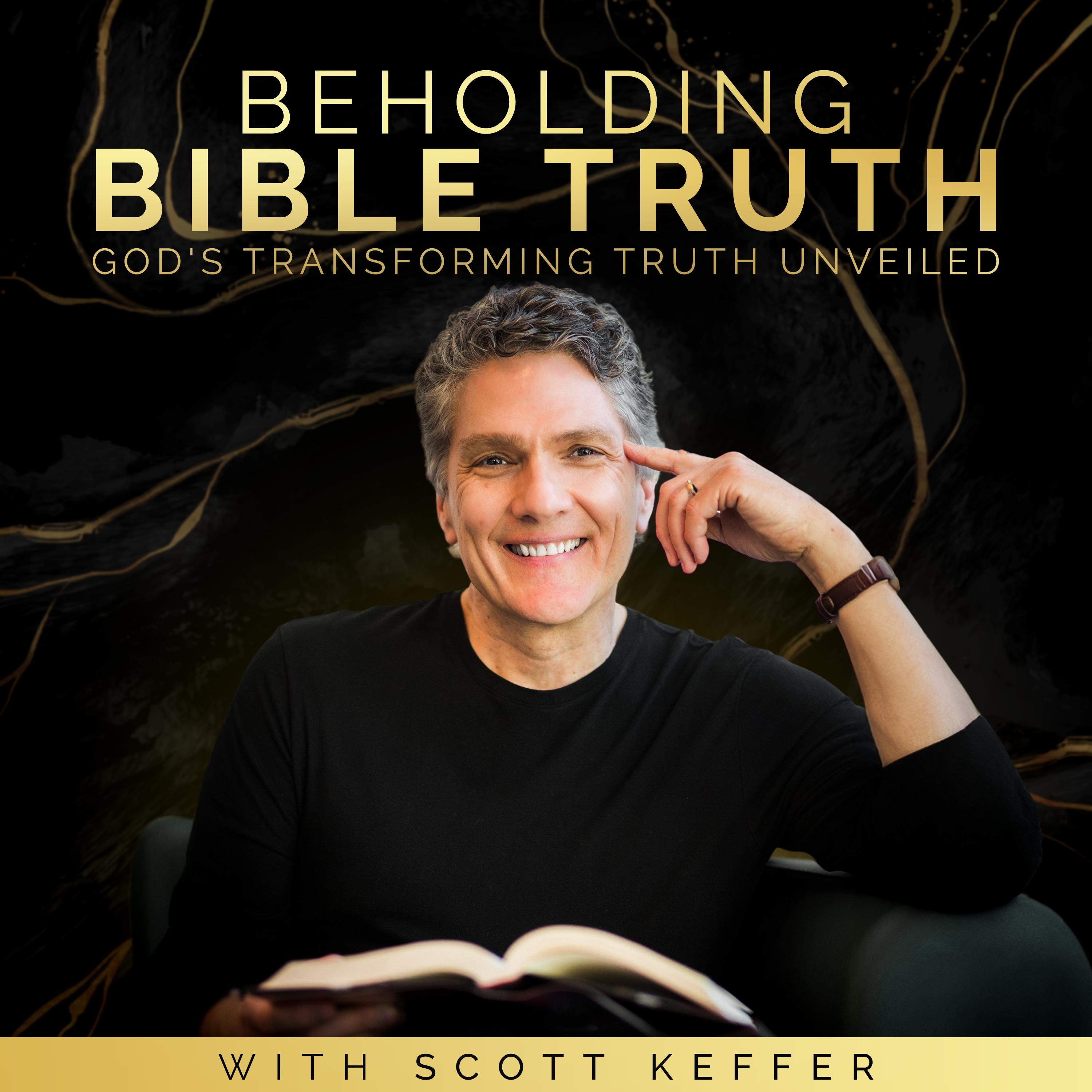
Beholding Bible Truth
by Scott Keffer
A podcast focused on helping you dig deep into the Bible so you can find greater hope, assurance, and confidence through the shifting sands of life. Join us for our weekly lessons.
-
118
Romans 12:3-5 (#46.2026.05.10)
Scott continues studying Romans, focusing on 12:3-5, discussing spiritual surrender and service. He shares personal stories about mentorship and how God surrounds us with the right people and gifts for growth and service. He talks about how all believers are given distinct roles and gifts within the Body of Christ, urging listeners to recognize that their abilities, spiritual capacity, and callings are specific, intentional, and meant to be used actively, rather than hidden or neglected.The discussion moves from the idea of surrendering one’s life to God in response to His mercy to the practical outworking of that surrender through serving others. Scott explains the importance of sober self-assessment, humility, and interdependence within the Christian community. He addresses common struggles such as comparison, pride, distraction, and misconceptions about spiritual versus secular roles, concluding that every believer has a unique purpose, empowered by divine grace, to support and build up others.Download the Insight Sheets Here:Blank Insight Sheet: https://drive.google.com/file/d/12zZwH3eni542oFIUtxZ7xNrp9AKJCg3U/view?usp=sharingInsight Sheets With Answers: https://drive.google.com/file/d/1HbWP9nZDTEzr6_QSfjL-4oC0zH2kpJ0i/view?usp=sharingKey Topics Discussed:Spiritual surrender as a response to God’s mercyDeveloping and using individual gifts within the Body of ChristThe importance of humility and sober self-assessmentInterdependence versus independence in Christian serviceSpecific callings and the “big yes” principleThe stewardship of God-given abilitiesAvoiding comparison and envy among believersUnderstanding that spiritual and secular roles are both valuable in serving GodPractical steps and prayerfully discovering your calling and purpose
-
117
Romans 12:1-2 (#45.2026.05.03)
Scott continues the study of Romans, focusing on chapter 12:1-2 and discussing how foundational Christian doctrine should lead to practical devotion and daily transformation. He reflects on the mercies of God described throughout the first eleven chapters of Romans and explains how they provide believers with security and hope, especially amid uncertainty and suffering. Scott also talks about the move from simply knowing doctrine to responding with devotion, which he describes as a wholehearted, voluntary surrender to God.He explains that true Christian worship is not about external rituals but about presenting oneself as a living sacrifice, surrendering completely without reservation. He emphasizes the importance of an ongoing mind renovation, warning against being shaped by the values of the present age and encouraging listeners to be transformed from the inside out. Download the Insight Sheets Here:Blank Insight Sheet: https://drive.google.com/file/d/16H5q2PBdhTwTbh_QlNtaTkUqDchpkkZA/view?usp=sharingInsight Sheet With Answers:https://drive.google.com/file/d/175-oTsh59CapPgshYjjKUOG6wKbvZfUq/view?usp=sharingKey Topics Discussed:The essential role of doctrine as the foundation of Christian faithThe meaning and impact of God’s mercies—practical and spiritualMoving from knowledge (doctrine) to daily devotion and worshipThe biblical concept of surrender as a living sacrificeThe challenge of not being conformed to the world but being transformedThe process of mind renewal and its necessity for spiritual discernmentObstacles to surrender: trust, self-reliance, and the influence of the present ageDaily and ongoing surrender in the life of a believer
-
116
Romans 11:33-36 (#44.2026.04.26)
Scott continues the study of Romans, focusing on chapter 11:33-36, discussing the themes of God's righteousness, sovereignty, and mercy. He talks about how both Jews and Gentiles are central to God’s redemptive plan, emphasizing that the hardening of Israel was temporary and served a purpose in bringing Gentiles into God's family.Scott explains that the mercy shown to Gentiles is meant to provoke Israel to eventually return to God, pointing to a future restoration for national Israel. Throughout the episode, Scott tackles difficult questions on election, hardening, and human free will, stressing God's ultimate authority and freedom in dispensing mercy. He explores the depth of God’s wisdom and judgments, underscoring that salvation and the process of becoming the righteousness of God are neither accidental nor based on human effort, but are acts of God’s sovereign will and mercy. The episode closes by reflecting on the proper response to God's sovereignty: awe, worship, and gratitude for His mercy.Download the Insight Sheets Here:Blank Insight Sheet: https://drive.google.com/file/d/1vZNoS_jW5K_TOYX_A-jbQhJkLs1-UzE5/view?usp=sharing Insight Sheet With Answers: https://drive.google.com/file/d/1-8oxHYgX0FuyY2DDSeVKUSNI1DnCv4Q8/view?usp=sharingKey Topics Discussed:God’s righteousness and the gospelIsrael’s temporary hardening and Gentile salvationThe sovereignty of God in salvation and judgmentThe purpose and outcome of mercy to GentilesFuture restoration of IsraelElection, free will, and God’s justiceThe right human response to God’s sovereigntyAssurance and security in God’s redemptive plan
-
115
Romans 11:28-34 (#43.2026.04.18)
Scott continues the study of Romans, walking through Romans 11:28-34, which focuses on the themes of God's faithfulness and the mystery of Israel's role in redemptive history. The discussion explores the relationship between God's promises to Israel and the assurance believers have in God's unchanging character. Scott explains that Israel's current unbelief is neither total nor final, but part of God’s sovereign plan, which ultimately highlights His mercy to both Jews and Gentiles.Through biblical illustrations, Scott clarifies concepts like partial hardening, election, and the irrevocable nature of God’s promises. The episode emphasizes that both Jewish and Gentile disobedience are used by God to extend mercy and fulfill His purposes. He encourages us to anchor their hope in God's integrity and the surety of His word, which is rooted in His unchangeable nature and exemplified in the person and work of Jesus Christ.Download the Insight Sheets Here:Blank Insight Sheet: https://drive.google.com/file/d/1X0MDYscX-MdHKOXeYKKLDgS9g20Aicea/view?usp=sharingInsight Sheet With Answers: https://drive.google.com/file/d/15Tfbm0qRuLsugGOsIh4j1369iFRoSyoo/view?usp=sharingKey Topics Discussed:Israel’s unbelief and God’s faithfulnessThe biblical concept of mysteryThe partial hardening of IsraelThe olive tree analogy for Jews and GentilesThe irrevocability of God’s promises and callingGod’s sovereignty and justice in salvationHow God’s plan assures hope for all believersThe enduring significance of God’s promises to Israel
-
114
Romans 11:17-24 (#42.2026.03.29)
Scott continues his story, walking through Romans 11:17-24, and the themes of God's faithfulness, the relationship between Gentiles and Israel, and the assurance of God's promises. He explains Paul’s analogies of the olive tree and first fruits to illustrate how Gentiles, represented as wild olive branches, have been grafted into the blessings and covenants originally made with Israel. Scott Keffer emphasizes that even though much of Israel currently stands in unbelief, God’s promises to them are not broken, and His plan will ultimately be fulfilled.The discussion highlights the importance of humility for Gentile believers, reminding listeners not to be spiritually arrogant but to remember that their inclusion into God’s family is by grace, not by their own merit. Scott Keffer also addresses God’s sovereignty, warning against complacency and stressing that both kindness and severity are attributes of God’s nature. The episode closes with a reassurance that God’s faithfulness to Israel is the foundation for the believer’s own hope and confidence, affirming God’s unchanging commitment to keep His word and accomplish His purposes.Download the Insight Sheets Here:Blank Insight Sheet:https://drive.google.com/file/d/1eQysfO86jFtzZaufn46gURLCGRTv1U5s/view?usp=sharingInsight Sheet With Answers:https://drive.google.com/file/d/1o9JRGko8RG48rMo2ziGjwjmULIm3sF84/view?usp=sharingKey Topics Discussed:The context of Romans 11 and God’s righteousnessPaul’s analogies of first fruits and the olive treeThe difference between ethnic/national Israel and spiritual IsraelThe process and meaning of Gentiles being grafted inGod’s sovereignty and the danger of spiritual arroganceThe future hope for Israel and God’s unbreakable promisesPractical assurance for believers about God’s faithfulnessThe mystery of God’s unfolding plan for Jews and Gentiles
-
113
Romans 11:11-16 (#41.2026.03.22)
Scott continues the study of Romans, walking through Romans 11:11-16 and examining the faithfulness, righteousness, and sovereignty of God amid Israel’s rejection and unbelief. The episode opens with a discussion about trust and reliability, paralleling human experience with the question of God's steadfastness toward His promises to Israel. Scott explores the distinctions within Israel—ethnic, corporate, and the elect remnant—and discusses how God's redemptive plan includes both Jews and Gentiles. He explains that while most ethnic Jews currently remain hardened, God’s promises remain firm, with a remnant preserved as evidence of His faithfulness.He also discusses how Israel’s rejection of Jesus led to the extension of salvation to Gentiles, serving both to fulfill God’s purposes and to provoke Israel to jealousy. Scott emphasizes the unstoppable nature of God’s plans, reassuring listeners that the same sovereignty and reliability shown in His dealings with Israel apply to believers today.Download the Insight Sheets Here:Blank Insight Sheets:https://drive.google.com/file/d/1CIX0_HZfKRerCdgNY3aC8kgYH9E423M7/view?usp=drive_linkInsight Sheet With Answers:https://drive.google.com/file/d/16XS2AX23miORQUrIq_GWl-sjhRGZYV1b/view?usp=sharingKey TopicsGod’s faithfulness, righteousness, and sovereigntyIsrael’s rejection and the existence of a remnantDistinctions within Israel: ethnic, corporate, elect/remnantThe role of Israel’s unbelief in bringing salvation to GentilesGod’s purposes and promises to Israel and their implications for believersOld Testament foundations and New Testament fulfillmentThe future restoration and fulfillment for ethnic IsraelApplication to personal trust in God’s plans and promises
-
112
Romans 11:1-10 (#40.2026.03.15)
Scott continues the discussion of Romans, visiting Romans 11:1-10, focusing on the pivotal question: Has God rejected Israel? The discussion begins with a reflection on God's righteousness, His unchanging faithfulness, and what it means to receive His grace. Using passages from both the Old and New Testaments, Scott explains how Israel's history of disobedience fits into God’s larger plan and why the existence of a faithful remnant is evidence that God’s promises endure.Scott also addresses the tension between God’s sovereign choice and human response, explaining how grace operates apart from works. He also draws analogies from the Old Testament, connects it to the present experience of believers, and answers challenging questions about predestination, hardening of hearts, and God’s ongoing purpose for Israel and all who trust in Him.Download the Insight Sheets Here:Blank Insight Sheet: https://drive.google.com/file/d/1bQcYFLQVJBRp01kor8cFpxSsiOdrIYCv/view?usp=sharingInsight Sheet With Answers:https://drive.google.com/file/d/1N8B7QStQq9_fMRop2-WJ9CTsfSso92J_/view?usp=sharingKey Topics Discussed:God’s righteousness, faithfulness, and justiceThe question of whether God has rejected IsraelIsrael’s disobedience and the concept of the remnantGrace vs. works in salvation and relationship with GodGod’s sovereign choice and the principle of electionHardening of hearts and consequences of persistent unbeliefThe ongoing role and promises for IsraelEncouragement to believers to fulfill their unique ministryThe challenge of enduring in faith within a resistant cultureHow to approach complex theological issues like predestination with humility and context
-
111
Romans 10_16-21 (#39.2026.03.08)
In this episode, Scott walks through Romans 10:16-21, exploring the themes of God's faithfulness, mercy, and sovereignty as they pertain to Israel's unbelief. Josh explains how Paul addresses the dilemma of many Jews rejecting the gospel, despite God’s promises to Israel. The discussion highlights that God’s grace is extended to all who call upon Him, regardless of heritage, and that Jewish rejection of the Messiah was anticipated in Old Testament prophecy. The episode considers the mystery that Gentiles are now included as fellow heirs in Christ, a concept once hidden but revealed in the New Testament.Josh emphasizes the importance of sharing the word of Christ, explaining how faith arises from hearing God’s word. The speakers address common questions about God’s sovereignty and why He cares for humanity, reflecting on His long-suffering patience and mercy even in light of continual resistance and unbelief. Download theInsight Sheets Here:Blank Insight Sheet: https://drive.google.com/file/d/1EoZRFzuQZA8olwdJ-D6o8T5Ofzs9RXS2/view?usp=sharing Insight Sheet With Answers: https://drive.google.com/file/d/1Zq679QPKEyGB9GYMh7QoMU0f9cH2ATQW/view?usp=sharingKey Topics Discussed:God's promises to Abraham and IsraelThe inclusion of Gentiles as heirs in ChristIsrael’s rejection and the fulfillment of prophecyGod’s sovereignty, mercy, and graceThe power of God’s word and preaching faithUnderstanding God’s righteous jealousyCommon questions about evil, belief, and God’s careSharing the gospel and faith’s origin in hearing Christ’s word
-
110
Romans 10:1-15 (#38.2026.02.22)
Scott continues the study of Romans, focusing on 10:1-15, examining questions of salvation, God’s sovereignty, and human responsibility. He explains Paul’s deep concern and prayer for the salvation of the Jewish people, and discusses how zeal and religious works are insufficient apart from genuine faith. Scott Keffer emphasizes the message of the gospel—Christ crucified—and unpacks the spiritual barriers to belief, such as moral resistance and spiritual blindness.He also talks about God’s mercy and sovereignty do not nullify the need for prayer and sharing the gospel. Scott clarifies that salvation is accessible to all, rooted in confessing Jesus as Lord and believing that God raised him from the dead. He encourages listeners to have God's heart for the lost, be prepared to pray and share, and understand that genuine faith brings about a change of allegiance and relationship with God. The episode concludes with reminders of Christ’s dual role as conqueror and sacrificial lamb, and prayers for peace and assurance for listeners.Download the Insight Sheets Here:Blank Insight Sheet: https://drive.google.com/file/d/1_UNZyAxlZo7Mh1HYkm2wA1q4mkS1YvbL/view?usp=sharingInsight Sheet With Answers:https://drive.google.com/file/d/1CruONNTzdXgTf193WbAJzA1ZU3-7o_ON/view?usp=sharingKey Topics Discussed:Romans 10:1-15 and its significanceGod’s sovereignty and mercy in salvationPaul’s heart and prayer for the lostSpiritual barriers to accepting ChristThe insufficiency of religious zeal and worksThe message of the gospel: Christ crucifiedSalvation’s accessibility and overcoming excusesConfession and belief as central to faithPractical responsibility: praying and sharingChrist as both conquering King and sacrificial Lamb
-
109
Romans 9:22-33 (#37.2026.02
Scott, continues the study of Romans, focusing on Romans 9:22-33, addressing questions about God's justice, mercy, and faithfulness. He discusses the misconception that salvation comes through knowledge and emphasizes that true faith rests in trusting God's character and intentions rather than relying on understanding every detail. Scott examines how God's patience and endurance of human unrighteousness reflect His desire for all to turn to Him, while also showing the certainty of both His judgment and His mercy.He also discusses the distinction between vessels of wrath and vessels of mercy, explaining that all humanity deserves justice but God's rich mercy is granted to some. Scott looks at Paul's teaching on the remnant, how the Gentiles were included in God’s promises, and how salvation is not determined by ethnicity or works, but by faith. Download the Insight Sheets Here:Blank Insight Sheet;https://drive.google.com/file/d/1eF8lZRRtMCf2ycTmsyDidEm0-2IKQ54p/view?usp=sharingInsight Sheet With Answers:https://drive.google.com/file/d/1v6AJa9_iYhNWI2LMkXxxRi6xatSvC5sN/view?usp=sharingKey TopicsThe nature of God’s justice and mercyVessels of wrath versus vessels of mercySalvation by faith rather than knowledge or worksThe concept of God’s remnant and the inclusion of GentilesGod’s patience and desire for repentanceAssurance and confidence in God’s faithfulnessPractical encouragement for believers facing difficultie
-
108
Romans 9_14-24 (#36.2026.02)
Scott continues the study of Romans with 9:14–24, addressing some of the most challenging questions about God's justice, mercy, and sovereignty. He discusses the human desire to make sense of life’s complexities, relating this to how we try to understand the nature and workings of God. He encourages listeners to distinguish between seeking understanding of God and learning to trust in His character, especially when faced with truths that seem difficult or unfair.The discussion centers on God's sovereignty in choosing to show mercy and the human tendency to question God's fairness. Scott Keffer explains key concepts such as judicial hardening, the meaning behind God hardening hearts as seen with Pharaoh, and why no one receives injustice from God—rather, everyone deserves justice, and some receive undeserved mercy. He also challenges listeners to consider whether humans have the standing to judge God’s decisions. The episode closes with a call to humility, highlighting that the proper response to God's sovereignty is trust and worship, not full comprehension.Download the Insight Sheets Here:Blank Insight Sheet:https://drive.google.com/file/d/1saJA4lYiq19jQPZk3nqBE_hrvCtr6ngJ/view?usp=sharingInsight Sheet With Answers:https://drive.google.com/file/d/1-PnnA41pWHH2dccia15KW-wBZOx5Fi0E/view?usp=sharing
-
107
Romans 9:6-16 (#35.2026.02.01)
Scott continues the study of Romans in Chapter 9:6–16, addressing some of the deep questions that arise about God’s promises to Israel and to believers more broadly. He draws a sharp distinction between physical and spiritual Israel, pointing out that not all physical descendants of Abraham are considered children of the promise. Using the examples of Abraham, Isaac, and Jacob, Scott demonstrates that God’s promises are grounded in His own sovereign choice and not human effort or lineage. He discusses the complexities of divine election, emphasizing that God’s mercy and grace are freely given according to His will—and are not based on our own logic, emotion, or perceived fairness. Scott Keffer points to God's dealings with people like Abraham and Moses to show both the certainty of God's word and the mystery of His sovereign will. The assurance for listeners is that God's promises remain firm, and all who trust in Christ become heirs to these promises—not because of anything inherent in themselves, but purely out of God's mercy and faithfulness. Download the Insight Sheets Here: Blank Insight Sheet: https://drive.google.com/file/d/1kbOg0nOUPQaEAniXLSog3ilaW6Js_VKt/view?usp=sharing Insight Sheet With Answers: https://drive.google.com/file/d/1J2fWDRXgQK-sbiVK1nKS8X6iYFYtcV6x/view?usp=sharingKey Topics Discussed:God’s promises to Israel: failed or fulfilled?Difference between physical and spiritual IsraelThe covenant promise to Abraham, Isaac, and JacobMiraculous nature of God’s promisesContrast between children of the promise and children of the fleshDivine election and God’s sovereign choiceThe meaning of “Jacob I loved, Esau I hated”God’s justice, mercy, and compassionThe relationship between divine sovereignty and human responsibilityHow believers share in the promises to Abraham through ChristFinding assurance in God’s character and promisesLiving confidently in God's mercy and grace
-
106
Romans 9:1-6 (#34.2026.01.18)
Scott continues the study of Romans, focusing on how believers can find confidence, hope, and assurance despite life's uncertainties. The discussion emphasizes the power of the Gospel for those who are already followers of Christ, clarifying that God's steadfast support extends beyond initial salvation and continues through everyday challenges. He breaks down Paul's rhetorical questions, exploring what it means that God is for us—regardless of enemies, the pressures of the world, strained relationships, or even family divisions. Throughout the episode, Scott examines key concepts like God's provision, justification, and the security of Christ's love. He addresses common doubts and accusations believers face, showing how the verdict has already been rendered by God: justified and secure in Christ. The episode closes by reflecting on the fact that no suffering, accusation, or force can separate us from God's love, encouraging listeners to base their confidence on biblical truth, not feelings or circumstances.Download the Insight Sheets Here:Blank Insight Sheet: https://drive.google.com/file/d/119JzIe6ByJc4aFnpibLSScMUjb44W5-q/view?usp=sharing Insight Sheet With Answers: https://drive.google.com/file/d/1xu-aXRb291ayBTwUTlye6-0QwUopNsAe/view?usp=sharingKey Topics Discussed:Understanding who or what can be against usReal-life sources of opposition: enemies, world system, friends, familyGod's provision and generosityCommon accusations and doubts faced by ChristiansDifference between accusation and convictionThe meaning of being God's electGod’s role as the justifierThe significance of Christ’s advocacy and intercessionAssurance amidst suffering and separationThe limitless nature of Christ's lovePractical perspective for conquering trialsAnswering doubts and accusations with biblical truthEncouragement to rest in God’s unchanging love
-
105
Romans 8:31-39 (#33.2026.01.11)
In this episode, Scott leads listeners through Romans 8:31-39, focusing on the assurance, hope, and confidence believers can have through God’s promises. He explains that the gospel is not only for those coming to faith but remains essential for believers, especially when life’s challenges bring doubt, accusation, or suffering. Using the structure of Paul’s rhetorical questions in Romans, Scott Keffer walks through practical issues like feeling opposed by enemies, the world, friends, or even family, and contrasts these with the unwavering truth that God is on the believer’s side.The episode covers the reality of accusations—both internal and external—and how believers can respond, not with self-effort or emotion, but by resting in the verdict that God has already justified them through Christ. Scott discusses feelings of separation from God’s love during pain and suffering, reminding listeners that nothing can separate those in Christ from His limitless love.Download the Insight Sheets Here:Blank Insight Sheet: https://drive.google.com/file/d/1HrELNppAl5QnwXUnpoowUinzYsCU6nliq/view?usp=sharingInsight Sheet With Answers: https://drive.google.com/file/d/14m_fdFi8pouSVr8zBLjN93qYlSU21jx5/view?usp=sharingKey Topics Discussed:Assurance for believers from Romans 8:31-39The gospel as ongoing truth for ChristiansFacing opposition from people, the world, friends, and familyResponding to accusations and feelings of guilt or unworthinessGod’s provision and the reality of Him giving “all things” freelyThe role of suffering and whether it separates us from God’s loveMeaning of God’s elect and justificationNo condemnation or separation in ChristChrist as advocate and ongoing intercessorEncouragement to answer accusations with biblical truth
-
104
Romans 8:29-32 #32.2025.12.07
Scott continues the study of Romans, exploring Romans 8:29–32 and what it means to be considered "sons of the Most High God" and the concept of inheritance found within the gospel for believers. Scott unpacks key biblical doctrines—foreknowledge, predestination, adoption, calling, justification, and glorification—emphasizing their connection to God’s ultimate purpose: the praise of His glory and the revelation of His grace. He clarifies that salvation encompasses not just a moment of belief, but the entire journey from being called and justified to ultimate glorification and intimate fellowship with God.Throughout the episode, Scott uses examples from scripture to illustrate how believers are adopted into God’s family, marked out for a purpose, and given the promise of transformation into Christ’s image. The discussion addresses common questions and doubts about God’s intentions, reinforcing the assurance that if God is for us, no one can stand against us. Download the Insight Sheets Here:Blank Insight Sheet: https://drive.google.com/file/d/1KenU0oA08p1k9qjoFj9g_SeZwCSX-Kvy/view?usp=sharingInsight Sheet With Answers:https://drive.google.com/file/d/1LjVfVIUoxPBYxVUKAenj20EyOCcHXIh4/view?usp=drive_linkKey Topics Discussed:Biblical inheritance and estate planning as an analogyThe meaning and significance of being sons of GodGod's foreknowledge, predestination, and adoptionUltimate purpose: the praise of God's gloryTransformation into the image of ChristThe security and assurance of believersJustification, calling, and glorificationReceiving and being sealed with the Holy SpiritChallenges, doubts, and assurance in faithReflection on personal relationship with God and gratitude
-
103
Romans 8:28-29 (#31.2025.11.23)
Scott continues the study of Romans 8:28-29, focusing on one of the Bible’s most searched and quoted promises: that God “works all things together for good” for those who love Him. Scott explains that this assurance isn’t just personal but is meant to be shared among all believers as a community. He draws out the context of Romans 8, emphasizing believers’ adoption as children of God and the certainty, through Christ, of future transformation and eternal fellowship with God.The episode goes further to unpack what the “good” actually means according to Scripture, addressing common misunderstandings about comfort and material blessings. Scott highlights God’s sovereignty over every detail, including challenging and evil circumstances, and how this connects to His ultimate purpose: conforming believers to the image of Christ. The podcast also reflects on how truth anchors faith in difficult seasons and gives perspective on suffering, the seeming lack of purpose, and the ordinary moments of life.Download the Insight Sheets Here:Blank Insight Sheet: https://drive.google.com/file/d/1YDfsiM0lpHMxQtZWSDnqEBKQQh8bamYg/view?usp=sharingInsight Sheet With Answers:https://drive.google.com/file/d/1afVMFdeLpi7f7_7xSfM6680F9sjeSFzC/view?usp=sharingKey Topics Discussed:How “all things work together for good” is defined by God’s purpose, not human perspectiveThe believer’s adoption and identity as children of GodGod’s sovereignty over both good and evil circumstancesThe difference between knowing and trusting God’s promisesThe shared and communal nature of faithSuffering, perseverance, and hope in the Christian lifeThe purpose of being conformed to the image of ChristEveryday life as sacred, not divided between “sacred” and “secular”Responding to evil with blessing, following Christ’s exampleThe assurance that God’s definition of good always prevails, even when it isn’t visible
-
102
Romans 8:18-27 (#30.2025.11.16)
Scott continues the study of Romans, in Chapter 8:18-27, focusing on what it means to be adopted as sons and daughters of God. He explains the confidence, assurance, and hope that believers can have because of their spiritual adoption, drawing parallels with Roman adoption practices and the biblical vision of inheritance. He emphasizes that through Christ, believers have the ability to draw near to God, knowing their inheritance is secure and guarded by God's power.The episode also discusses the reality of suffering and trials in life, and how focusing on Christ is essential to not losing heart. Scott shares that the future glory awaiting believers far outweighs present suffering and is of a completely different magnitude. He explores how creation itself waits eagerly for redemption and how prayer—though often done in weakness—is made powerful through the Holy Spirit’s help. The episode ends with reminders to persevere in hope, pray persistently, and rest in the confidence that God hears prayers and guards both believer and inheritance.Download the Insight Sheets Here:Insight Sheet Blank: https://drive.google.com/file/d/1jJwdCBvrEf482o9toOEhpdXEEcn5hyPO/view?usp=sharingInsight Sheet With Answers:https://drive.google.com/file/d/17qx9GKtvtSN5UeYLXdZztUeLNQ059f15/view?usp=sharingKey Topics Discussed:Confidence and assurance as children of GodDrawing near to God through ChristRoman adoption and spiritual adoption parallelsThe security and nature of spiritual inheritanceSuffering, perseverance, and the hope of gloryCreation’s longing for redemptionPrayer in weakness and the Holy Spirit’s intercessionThe importance of persistent prayerGod’s readiness to hear and answer prayersLiving in hope and expectation of Christ’s return
-
101
Romans 8:11-17 (#29.2025.11.09)
Scott continues the study on Romans, visiting Chapter 8:11-17, focusing on the concept of adoption into God’s family. He begins by addressing how our perceptions of God as Father can be influenced by our earthly experiences, and how the gospel speaks to believers with assurances that go far beyond simple forgiveness. Scott explores the deep theological idea that the same Spirit who raised Jesus from the dead dwells within believers, granting new life and a new identity.He highlights the life-changing truth of spiritual adoption, explaining what it means to be adopted as sons and daughters of God. Scott covers topics such as assurance of salvation, the role of the Holy Spirit, and the promises of intimacy, freedom, fellowship, and a future inheritance. He emphasizes that adoption into God's family brings privileges, including security, fellowship, and an eternal inheritance, changing not only our status but also our relationship with God and others. Download the Insight Sheets Here:Blank Insight Sheet: https://drive.google.com/file/d/1yHECzZwl4op2UoREHLZAQ8WznTDOddEy/view?usp=sharingInsight Sheet With Answers:https://drive.google.com/file/d/10HUoEcSWTEuYeOEE-OEvt-7uRgHoLEwF/view?usp=sharingKey Topics Discussed• Adoption as sons and daughters of God• The Holy Spirit’s role in assurance and sanctification• The difference between the heavenly Father and earthly fathers• Security, intimacy, and privileges of spiritual adoption• Freedom from fear and slavery• The concept of spiritual inheritance• Walking by the Spirit and putting to death the deeds of the flesh• Fellowship with God and other believers• The promise of future glory and transformation• Motivations for daily Christian living
-
100
Romans 8:3-11 (#28.2025.11.02)
Scott continues studying Romans, exploring the concepts of hope, assurance, and confidence grounded in the gospel message, focusing primarily on Romans 8 and connecting it to the broader context of Romans 9. Scott Keffer shares his personal journey of coming to faith, the transformative impact of Evangelism Explosion, and the simple yet profound message of the gospel: what we cannot do, God has already done through Jesus Christ. He discusses the law's purpose, God's righteousness, and the essential role of the Holy Spirit as a seal, promise, and pledge in the life of a believer.Scott also unpacks key theological themes, such as justification, the nature of Christ as the fulfillment of the law, and the ongoing process of spiritual renewal despite the decay of the physical body. He emphasizes the assurance that comes from belonging to God and the practical evidence of the Spirit’s work in everyday life, urging listeners to focus on internal renewal and the hope of resurrection, rather than external circumstances. Download the Insight Sheets Here:Blank Insight Sheet:https://drive.google.com/file/d/1IU_j9Gvi2MwgRmRgncV9c6_0cEMH77YB/view?usp=sharingInsight Sheet With Answers: https://drive.google.com/file/d/1oKKs4jXuRra1Oi-V3YJ4BWndTIIKHbO_/view?usp=sharingKey Topics Discussed:The simplicity and power of the gospel messageThe role and limitation of the lawJustification and righteousness through ChristThe Holy Spirit as seal, promise, and pledgeAssurance of salvation and the inward witness of the SpiritThe ongoing renewal of the inner self amid physical declineThe resurrection hope and the future glorification of believersSpiritual fruit and external evidence of faithSurrendering to the Spirit versus striving for more of itLiving with the assurance of God’s presence and work
-
99
Romans 8:1-4 Part2 (#27.2025.10.26)
Scott continues his examination of Romans 8:1-4, focusing on what the gospel means for believers. He opens by reminding listeners of the persistent conflict Christians face with sin, highlighting Paul’s “discovery” that even after coming to faith, the presence of evil remains an ongoing battle. Scott stresses that the gospel is not only for those who have not yet believed, but it is essential for those who already follow Christ, offering relief from ongoing guilt, fear, and shame.He also unpacks the meaning of Paul’s declaration that there is “no condemnation for those in Christ Jesus,” carefully explaining the roles of Jesus as Savior, Messiah, and Lord. He emphasizes the permanence of God’s forgiveness, the futility of self-accusation, and the difference between conviction from the Holy Spirit and accusations from the enemy. The episode also touches on common struggles among believers such as fear of punishment, abandonment by God, and death—contrasting these with the assurance of adoption and eternal security in Christ. Scott encourages listeners to repeatedly remind themselves of the gospel’s truths, not just in moments of initial belief but every day as part of the ongoing Christian life.Download the Insight Sheet:Blank Insight Sheet:https://drive.google.com/file/d/1g4umI0j0pGTyycBxnBO89CwHuKwujkGe/view?usp=sharingInsight Sheet With Answers: https://drive.google.com/file/d/1_LadhdIBLf1dYrXQ9HUmI5heCmD9Elj2/view?usp=sharingKey Topics Discussed:Ongoing presence of sin in the believer’s lifeThe gospel’s role for believers, not just unbelieversExplanation of “no condemnation” in ChristJesus as Savior, Messiah, and LordGod’s forgiveness and the end of guilt and shameThe difference between accusation (from Satan) and conviction (from the Holy Spirit)Assurance against fear of punishment or abandonmentHope in the face of death through Christ’s victoryRepeatedly applying the gospel to daily life
-
98
Finish Strong #5 (1of2.2025.10.19)
Scott continues the study about How to Finish Strong, focusing on the theme of discovering and living out one's purpose. Using biblical passages, he talks about how each person is intentionally designed by God with a unique set of strengths, gifts, and experiences intended for meaningful impact and service. Through examples like buttering toast with a spoon and using the wrong tools for jobs, Scott illustrates that people, like objects, are created with specific purposes in mind. He encourages listeners to reflect on their personality traits, spiritual gifts, core values, passions, and life stories in order to clarify their calling and alignment with God's plan.Scott also addresses the common tendency to feel aimless or make excuses for not living out one's purpose. He draws from biblical figures like Jeremiah, highlighting how God’s appointment and provision override personal limitations. Practical advice is given on using tools such as personality assessments and spiritual gifts inventories. Scott emphasizes that fulfillment comes from employing one’s gifts for the common good, aiming for tangible results, and trusting God’s providence and power. Listeners are guided through a framework for mapping their purpose and encouraged to continually revisit and refine their understanding of their destiny.Download the Insight Sheets Here:Blank Insight Sheethttps://drive.google.com/file/d/1g64OImBwAStM93-ry740PtUwfhgAvcfZ/view?usp=sharingInsight Sheet with Answers: https://drive.google.com/file/d/1ZhApdaTs9I0tq-wDMxWBYBAT_Yoa1B5s/view?usp=sharingKey Topics Discussed:Purpose and design in spiritual lifeBiblical framework for understanding destinyDiscovering and employing spiritual and natural giftsOvercoming excuses and self-doubtPersonal reflection tools (personality, promises, core values, passions)God’s providence in victories and defeatsStewardship of gifts for the common goodPractical guidance for mapping life purposeNavigating technology and staying focused on faithThe importance of continual growth and versioning in self-awareness
-
97
Finish Strong #4 (2025.10.12)
In this episode, Scott discusses what it means to finish strong in life by exploring the biblical basis for living with purpose, confidence, and enduring faith. He addresses common questions of significance, such as "Do I matter?" and "Does my work make a difference?" Using references from Jeremiah, Paul, and King David, Scott emphasizes that everyone is intentionally created by God with a distinct purpose and a specific calling that ties into serving others.Scott breaks down three main ways to approach purposeful living: living with conviction, relying on God's promises, and having the courage to press on despite setbacks or accusations from the past. He encourages listeners to write and regularly update a personal purpose statement, to cling to scriptural promises during times of uncertainty, and to let go of guilt and self-sabotage by trusting in God's forgiveness and continual work. Download the Insight Sheets Here:Blank Insight Sheet:https://drive.google.com/file/d/12rvxWE51S7ZMrea6HU_nVLsQL3qSGvbi/view?usp=sharingInsight Sheet With Answers: https://drive.google.com/file/d/1BvHJDxTNfEYW7UqPibyBZhIAFzc_6xfk/view?usp=sharingKey Topics Discussed:The importance of knowing your purpose and who it servesDrawing clarity from biblical examples like Jeremiah, Paul, and DavidThe value of writing and updating a personal purpose statementRelying on God’s promises and identifying key scriptures for your lifeOvercoming guilt, self-doubt, and the enemy’s accusationsThe need for reflection, intention, and practical daily stepsViewing all of life’s work as sacred, not secularPraying for and receiving steadfastness from GodEncouragement to press on, no matter the past or present challenges
-
96
Finish Strong #3 (2025.10.05)
Scott continues the study of finishing strong by discussing the foundational characteristics of God—His sovereignty and providence—and explores what it means to trust, seek, and come to God, even in the midst of difficult circumstances. He explains how believers now have direct access to God through Jesus Christ, not needing an intermediary or specific rituals, but being able to approach God at any time.Scott outlines a practical routine for daily time alone with God, emphasizing blessing, praising, thanking, confessing, casting burdens, receiving God’s mercies, feeding on the Word, and asking for what is needed. He highlights the difference between corporate worship and personal devotion, and gives detailed suggestions on battling distractions and maintaining consistent routines. The episode closes with a warning about looking to worldly solutions for answers, urging listeners to rely on God for wisdom, comfort, and help.Download the Insight Sheets Here:Blank Insight Sheet:https://drive.google.com/file/d/1J_BZ73L0SEQsAI57xqUvWrmkqosmajLa/view?usp=sharingInsight Sheet With Answers:https://drive.google.com/file/d/1ovXcUgvhK8uPTY5MzMs2glCbVkpuxMHn/view?usp=sharingKey Topics Discussed:God’s sovereignty and providenceThe meaning and practice of daily devotionTrusting, seeking, and coming to GodAccess to God through Jesus ChristRoutine for personal devotional timeConfession and receiving forgivenessCasting cares and burdens upon GodReceiving God’s daily merciesFeeding on the Word of GodDifferences between corporate worship and private devotionThe importance of earnest, persistent prayerWarnings against seeking answers from artificial intelligence or worldly sources
-
95
Finish Strong 2_2025.09.28
Scott continues exploring the importance of trusting God's sovereignty and providence, especially when life seems unpredictable or overwhelming. He highlights how people tend to focus on what isn't working rather than recognizing God's active hand in every aspect of life, from the endless cycles of nature to our individual journeys. Scott also discusses the importance of regularly checking your perspectives by remembering God's power and intimate care, drawing on scriptural examples—such as God’s control over the ocean and the stars—to support this view.Scott talks about the foundation of knowing who God is via the formation of how to live out that knowledge, and the fulfillment of living with purpose. He also addresses common misunderstandings about God's sovereignty—such as ignoring it, trying to master it, or confusing it with fatalism—and explains that while God’s ways are a divine mystery, His providence is both reliable and personal. He urges listeners to respond with trust and surrender, recognizing that God is with, for, and in them. Download the Insight Sheets Here:Blank Insight Sheet:https://drive.google.com/file/d/1LjhZIjRlAlCNCvwiQ8HS0dQdkK-CfjV1/view?usp=sharingInsight Sheet With Answers: https://drive.google.com/file/d/1PKjuuccaxsnRrKDGDdsouP4jsL-N2qTk/view?usp=sharingKey Topics Discussed:Trusting God's sovereignty and providence in every seasonAdjusting perspective: focusing on what God is doing, not just what’s missingThe mystery of God's greatness and His closenessHow to respond to God's providence: trust, surrender, worshipMisunderstandings about sovereignty (ignoring, mastering, fatalism)Responding with gratitude in adversity and prosperityThe assurance that God’s love is unchangeable and He will keep His peopleApproaching doubts and fears by running to God honestlyThe concept of finishing strong by fully trusting God
-
94
Finish_Strong_1.2025.09.21
Scott starts a new series, calling Finishing Strong, where he begins a discussion on how to find hope, assurance, and confidence in uncertain times. Using recent national events, including the assassination of Charlie Kirk, Scott invites listeners to reflect on their emotions and pose challenging questions about trust, grief, and the nature of God’s sovereignty. He emphasizes that moments of tragedy and uncertainty prompt us to consider whether we can truly trust God, especially when we don’t understand His plans.Scott explains the importance of being anchored in the sovereignty and providence of God as the core foundation for "finishing strong" in our own lives. He addresses common misconceptions about God’s character, explores scriptural examples, and provides a framework for understanding God’s control even when facing suffering, evil, or grief. Scott encourages listeners to bring their questions and doubts before God and reminds them that God is always for us and with us, even when we struggle to understand His ways.Download the Insight Sheets Here:Blank Inside Sheet:https://drive.google.com/file/d/1xxeL_9s-9U7UeeoE8-pn2Z7GbK8lSWM_/view?usp=sharingInsight Sheet With Answers: https://drive.google.com/file/d/1aDq46QnPtGPRZy1GykLANUvlo2qOifoF/view?usp=sharingKey Topics Discussed:Processing grief and uncertainty in response to tragedyThe role of emotions and questions in deepening faithAnchoring life in the sovereignty and providence of GodBiblical examples of God’s control over creation, circumstances, rulers, and evilClarification on God’s goodness and human responsibilityEncouragement to bring doubts and questions honestly to GodAssurance of God’s presence and goodness despite confusionThe importance of "finishing strong" in the Christian life
-
93
Abide In Christ #2 (2025.08.24)
Scott continues the Abide in Christ lesson by sharing another discussion by Dr. John MacArthur to explore the biblical meaning of abiding in Christ, focusing primarily on the topic of fruitfulness as the vital second benefit of abiding. Drawing on passages from John 15 and 1 Peter, the discussion explores the metaphor of the vine and branches, the process of spiritual transformation, and the evidence of genuine faith in the life of a believer. The speakers emphasize that true fruitfulness comes from remaining connected to Christ, resulting in both inner changes (such as transformed character) and outer conduct (good works and service).The episode breaks down the difference between inner fruit—changes at the core of a person’s character, and outer fruit—actions and behaviors that stem from that changed core. Listeners are reminded that fruitfulness is not a competition but is ultimately to the glory of God, and that pruning, discipline, and the testing of faith play an important role in deepening fruit. Practical elements such as prayer, praise, giving, and using one's gifts are highlighted as ways Christians can bear fruit daily. Download the Insight Sheets Here:Insight Sheets Blank: https://drive.google.com/file/d/1Cmh2Kpo88WeSsyr-D5hVjaJUhLFf6E-b/view?usp=sharingInsight Sheet With Answers:https://drive.google.com/file/d/1cpaoyQWyIfcJlXOl0BVpYitGQIeu9YmC/view?usp=sharing
-
92
Abide In Christ #1 (2025.08.17)
Scott Keffer shares Dr. John MacArthur's discussion to begin a series on “Abiding in Christ,” focusing on Jesus’ teaching in John 15. The discussion starts with a relatable illustration from a visit to Niagara’s vineyards, connecting the care of vines to the biblical metaphor of Christ as the true vine and believers as branches. Dr. MacArthur describes various biblical analogies for the relationship between Christ and believers—such as sheep and shepherd, child and father, body and head—emphasizing how each one reveals different facets of what it means to truly belong to Christ.The episode clarifies the oft-used phrase “personal relationship with Jesus,” contending that a real relationship with Christ goes beyond superficial attachment, as illustrated by the contrast between Judas and the other apostles during the Last Supper. Abiding in Christ means more than external association; it is defined by God the Father, Son, and Holy Spirit truly dwelling within the believer, a reality supported by numerous scripture references. The speakers also highlight the importance of continuing in faith and obedience, not out of fear of being “cut off,” but recognizing fruitfulness comes from the life of Christ flowing through the believer. Download the Insight Sheets Here:Blank Insight Sheet:https://drive.google.com/file/d/1rC4Z4MxropVDE6zhQBRLwe1DmBjnUFLg/view?usp=sharingInsight Sheet With Answers:https://drive.google.com/file/d/1f5BjiSb9qcLdcpPL4k105rsfJdTP0CcJ/view?usp=sharingKey Topics Discussed:The biblical metaphor of abiding in Christ from John 15Differences between superficial and genuine attachment to ChristScriptural analogies for the believer’s relationship with God (sheep, child, subject, body, branch)The significance of God living within the believerPerseverance and signs of true faithThe role and meaning of fruitfulness in the Christian lifeAssurance of salvation versus anxiety over “falling away”The practical outworking of abiding in everyday living
-
91
Five Solas - Session#6 (2025.0.08.10)
Scott continues to discuss the foundational principles of the Protestant Reformation known as the Five Solas, with a focus on "Scripture Alone" (Sola Scriptura). The episode explores how Scripture, rather than church tradition or authority, became the decisive standard for Christian belief and practice. Scott explains the historical backdrop of the Reformation, emphasizing milestones like the publication of the Greek New Testament and Martin Luther’s stand at the Diet of Worms. The conversation highlights how reformers such as Luther and Calvin shifted the focus back to the authority of the Bible, challenging the power of popes and councils, and arguing that all beliefs must be tested by Scripture.The episode addresses common objections to Sola Scriptura, such as disagreements in interpretation, and reflects on why differences in understanding do not undermine the authority or truth of the Bible. Through biblical references, Scott and the supporting speakers discuss that Scripture is not only the foundation of doctrine but is living and active, judging the thoughts and intentions of the heart. Download the Insight Sheets Here:Blank Insight Sheet:https://drive.google.com/file/d/1JLShGQKEH-0zCA06J9tMkd8ks1kJbI0M/view?usp=sharingInsight Sheet With Answers:https://drive.google.com/file/d/1rjnB_6vkPzyW12advjfF2x_mnKpfZWJp/view?usp=sharingKey Topics Discussed:• The Five Solas and their meaning in both history and today• The central role of Sola Scriptura in Christian belief• Historical events leading up to the Reformation (printing press, Greek New Testament, Luther’s stand)• How reformers argued for the authority of Scripture over church tradition• Key scriptural passages: Galatians 1, 1 Corinthians 14, 2 Timothy, and others• Common objections to biblical authority and interpretations• The relationship between Scripture, tradition, scholarship, and church history• The ongoing importance of returning to the Bible as the final authority• Encouragement to read and trust in the Bible directly
-
90
Five Solas - Session #5 (2025.0.08.03)
Scott continues the exploration of foundational theological concepts and the five solas of the Protestant Reformation. The discussion starts with personal anecdotes and reminders about human imperfection and trust in God’s truth in a world of increasing technological change. They highlight how, as technology like artificial intelligence can mislead the senses, Christians are called to anchor themselves in God’s word and live from the "inside out."Moving through key Reformation principles, the lesson clarifies the meaning and significance of each sola: grace alone, Christ alone, faith alone, scripture alone, and especially the focus of this episode—God’s glory alone (Soli Deo Gloria). Featuring teaching clips and explanations, Scott emphasizes that salvation and all its blessings are ultimately for God’s glory, not for human boasting. The conversation also addresses theological nuances between faith and works, justification, and the implications of God’s ultimate purpose for believers. Download the Insight Sheets:Blank Insight Sheet: https://drive.google.com/file/d/1wrc9QuNlvRo8jZ6h8SsV1k2bqOybZPGQ/view?usp=sharingInsight Sheet With Answers:https://drive.google.com/file/d/1ZM25y3Cxpe0ISWdgdgv6EqLsYYljQEhL/view?usp=sharingKey Topics Discussed:Human imperfection as a reminder of God's perfectionThe impact of technology (especially AI) on perception and truthThe five solas of the Protestant ReformationHistorical context and theological debates around sola fide and sola scripturaDifference between justification by faith and worksThe capstone: Soli Deo Gloria (to the glory of God alone)Biblical passages supporting God's glory as the ultimate goalThe stripping away of human boasting in salvationUnderstanding God’s incomprehensibilityAssurance in adoption and participation in God's gloryPrayer and encouragement for living confident in biblical truth
-
89
Five Solas - Session #4 (2025.07.27)
Scott continues the series on the Five Solas of the Reformation, focusing specifically on Sola Fide or by faith alone. Scott examines the historical and theological foundations of the Five Solas, clarifying that while the language of "sola" was not fully formed during the Reformation, the core concepts were present and are still relevant today. He explains how being made spiritually alive and justified before God comes by grace alone, through Christ alone, and is received by faith alone—not by any works or merit of our own.The episode takes a deep look at the perceived tension between Paul’s and James’ teachings about faith and works in the New Testament. Through exploring key scriptural passages—especially from Romans, Galatians, Ephesians, and James—Scott and additional commentators clarify that while faith alone justifies before God, true saving faith always leads to good works as evidence of new life. They discuss how works do not contribute to justification, but are a necessary result and proof of genuine faith. Download the Insight Sheets Here:Blank Insight Sheet:https://drive.google.com/file/d/1DvxItCqXlJLKsdBkpew2KP3rQ2XvC8IE/view?usp=sharingInsight Sheet With Answers: https://drive.google.com/file/d/1G93dhsEMaIuHu8nSYXoguQrIDw7ZwLkY/view?usp=sharing
-
88
Five Solas - Session3(2025.07.20)
Scott leads a discussion on the Five Solas, fundamental principles that emerged from the Protestant Reformation and continue to shape evangelical theology today. He explains that although the Five Solas—Scripture alone, Christ alone, grace alone, faith alone, and the glory of God alone—are widely recognized within Protestantism, many people may not know their historical context or fully understand their deeper significance. The conversation highlights how these concepts evolved over time, starting as a challenge to certain church practices and later forming the doctrinal backbone of various denominations.He also discusses the Five Solas to key biblical passages, especially the book of Galatians, drawing out their relevance to questions of salvation, authority, and the believer’s relationship with God. He also talks about the implications of these doctrines, addressing topics like assurance of salvation and how the traditions and authority of the historical church interact with Scripture. The episode wraps up with a reflection on the transformative impact of Christ’s work and a blessing for listeners.Download the Insight Sheets Here:Blank Insight Sheet:https://drive.google.com/file/d/100hDS54Gd9vJNYki6-h78gYHm5FGriGS/view?usp=sharingInsight Sheet With Answers:https://drive.google.com/file/d/1UFKz52GT2P71zfTLrJ2sMfyG2MQ9-JEz/view?usp=sharingKey Topics Discussed: The Reformation's influence on modern Protestant beliefs• The meaning and importance of “alone” in each Sola• Scripture and church tradition: sources of authority• Martin Luther’s and John Calvin’s contributions• The Council of Trent and Catholic responses• Divergence within Protestantism and denominational differences• The doctrine of assurance and security of salvation• Biblical foundations for Christ alone and faith alone
-
87
Romans 8:1-4 (#26.2025.06.15)
Scott continues the study of Romans with Romans 8:1-4, focusing on the assurance and confidence that come from understanding there is “no condemnation for those in Christ Jesus.” The discussion addresses common human fears—fear of punishment, shame, abandonment by God, and death—and explains how these fears are answered through the work of Jesus Christ. Scott shares personal stories and practical insights, helping listeners grasp that freedom, assurance, and a close relationship with God are available through faith, rather than adherence to law or performance.He also covers the transformation that occurs for believers: sin and death are rendered powerless, and instead of guilt and shame, God offers forgiveness and acceptance. The difference between earthly consequences for sin and God’s eternal forgiveness is discussed, emphasizing that discipline from God is rooted in love, not wrath. Scott also explains how God’s character guarantees His promises—He will never abandon or forsake those who are His, and His love is immeasurable. Listeners are encouraged to rely on the presence of the Holy Spirit, who assures believers of their status as God’s children.Download the Insight Sheets Here:Insight Sheet Blank: https://drive.google.com/file/d/15d6Aym8GlpZplq0BSg26HvHEPVhVL3kt/view?usp=drive_linkInsight Sheet With Answers: https://drive.google.com/file/d/1ytSoJ9o9RIU2AuA5irIoEZ6HW3Iqq56y/view?usp=sharingKey Topics Discussed:• Romans 8:1-4 explained• The reality of “no condemnation” for believers• Fear of punishment versus God’s discipline• Dealing with guilt, shame, and fear of abandonment• Understanding consequences versus eternal forgiveness• The finished work of Christ: freedom and transformation• Assurance of God’s continual presence• The Holy Spirit’s role in assurance and sonship• The difference between conviction from God and accusation from the enemy• Death’s defeat and eternal life through Christ
-
86
Romans 7:5-13 (#24.2025.06.01)
Scott continues the study of Romans, turning to 7:14–8:1, discussing the Apostle Paul’s struggle with sin and the ongoing internal battle between the flesh and the Spirit. Scott starts by sharing his own story of conversion and the initial enthusiasm to live a perfectly obedient life, only to quickly realize the persistent reality of human weakness and sin. Using Paul’s words, Scott explains the difference between desiring to do good and actually being able to carry it out, highlighting how even after coming to faith, the law of sin remains active in our flesh.Scott addresses the struggle many Christians face as they question if this ongoing battle makes them hypocrites or question their faith. He reassures listeners that this tension is both normal and scripturally grounded, pointing to the experience of Paul himself. Scott emphasizes that victory over sin isn’t found through personal effort or self-improvement but through relying on Jesus Christ, who offers grace, mercy, and no condemnation for those in Him. Download the Insight Sheets Here:Insight Sheet Blank:https://drive.google.com/file/d/1VEud3PECgYaruv-1tyeri9hDlPQQ-ylr/view?usp=drive_linkInsight Sheet With Answers:https://drive.google.com/file/d/1MI1-NsjtGx81utlRagGtCCLaxETcM7jt/view?usp=drive_linkKey Topics Discussed:The struggle with sin even after becoming a ChristianThe meaning of “flesh” and “sin” in Paul’s writingWhy hating sin is evidence of spiritual lifeCommon misconceptions about overcoming sinThe insufficiency of self-effort and the need for a SaviorThe concept of “no condemnation” in Christ (Romans 8:1)The importance of confession and running to God for mercyPractical steps: confession, renewing the mind, praying for helpRemembering one’s identity in Christ and not living in the old selfContinual dependence on God’s grace and Spirit for growth
-
85
Romans 7:5-13 (#24.2025.06.01)
Scott continues the study of Romans, focusing on 7:5-13, exploring the difference between living under the old law and the new covenant of the Spirit. He unpacks Paul's teachings on how the law, while holy and good, reveals the depth of human sin and exposes our inability to achieve righteousness through our own efforts. Scott examines the persistent power of sin and why even God's good commandments can provoke sinful desires within us. He uses relatable examples from literature and daily life to show how our nature rebels when faced with restriction, echoing Paul's struggle with coveting.The discussion highlights the purpose of the Old Testament law—not as a path to righteousness, but as a vital context for understanding God's holiness and our need for Christ. Scott discusses the importance of understanding both the old and new covenants, highlighting that true transformation comes only through the Spirit. He closes with practical encouragement on valuing all of scripture for wisdom, restoration, and insight, reminding believers of the completeness found in Christ’s fulfillment of the law and the gift of new life under the new covenant.Download the Insight Sheets Here:Blank Insight Sheet:https://drive.google.com/file/d/1LkXYbSFoSzJafxu5Mfe1Z7g9erbdO0xr/view?usp=sharingInsight Sheet With Answers: https://drive.google.com/file/d/1mlcFkOCXWhkZF1wpELpjsRxuX48KoK24/view?usp=sharingKey Topics Discussed:The difference between the law and the Spirit in Romans 7Why God’s law reveals and provokes sinThe persistent power and deceitfulness of sinThe purpose of the Old Testament law and its relevanceGod’s holiness and the seriousness of sinThe promise and reality of the new covenantThe fulfillment of the law by Jesus ChristHow scripture brings wisdom, restoration, and joyPractical encouragement for engaging with all of God’s Word
-
84
Romans 6_20-7_4 (#23.2025.05.25)
Scott continues the study of Romans, focusing on 6:20 - 7:4, exploring the contrast between living as a slave to sin and living as a slave to God. Scott explains that our former identity, before Christ, was marked by shame, guilt, and a lack of obligation toward righteousness. He discusses how shame first entered humanity after the fall and how, despite attempts to cover or numb it, only God can truly remove shame through grace and the gift of Jesus Christ.Scott highlights that being united with Christ not only changes our identity but also gives us a new relationship with God. He talks about the difference between displaying spiritual fruit—character shaped by the Holy Spirit—and producing spiritual fruit—outcomes and actions empowered by God’s gifts. Listeners are reminded that their unique gifts and experiences are meant for the common good and should be used to serve others. The episode also emphasizes the assurance found in our transformed identity and relationship with God, calling believers to a life of service, worship, and gratitude.Download the Insight Sheets Here:Blank Inside Sheet:https://drive.google.com/file/d/1LkXYbSFoSzJafxu5Mfe1Z7g9erbdO0xr/view?usp=sharingInsight Sheet With Answers:https://drive.google.com/file/d/1XzR7zSQkI5fjdu6kzcy52RQ8YZ5tozna/view?usp=sharingKey Topics Discussed:Identity before and after ChristThe origin and meaning of shameGod’s grace and the removal of shameThe distinction between being a slave to sin vs. a slave to GodFreedom to pursue righteousness and sanctificationThe roles of spiritual fruit: displaying (character) and producing (actions)The importance of using spiritual gifts for the common goodNo spiritual gift envy—each believer has a unique purposeThe assurance of a new, unbreakable identity in ChristLiving a life of worship, sacrifice, and service
-
83
Romans 6:14-19 (#22.2025.05.18)
Scott continues the study of Romans, focusing on Romans 6:14-19. The conversation starts with Cindy sharing her first experience on a mission trip to Thailand, what led her to go, and the personal growth she experienced through serving girls from challenging backgrounds. Cindy reflects on how being part of a supportive praying community made her journey easier and how witnessing the faith and joy of those she served left a lasting impression on her.He also discusses the broader spiritual insights related to the passage from Romans, exploring the idea of breaking free from the dominance of sin and choosing daily obedience to God. Roger encourages practical steps for spiritual growth, such as establishing daily routines, staying vigilant against "little sins," and prioritizing God's word at the beginning and end of each day. The episode concludes with a reminder of the ongoing spiritual battle and a prayer for strength, consistency, and a deeper reliance on God's grace.Download the Insight Sheets Here:Blank Insight Sheet: https://drive.google.com/file/d/11fZJ0AeuuOTEk3oBDYOO8VnvSERV_rha/view?usp=sharingInsight Sheet With Answers:https://drive.google.com/file/d/1py4mkcIQ4QIPx82t51v0OUZXJGtibWz4/view?usp=sharingKey Topics Discussed:Cindy’s decision to go on her first mission tripThe role of prayer and community supportLessons from mentoring young women and teaching about biblical identitySpiritual transformation and the effect of Christian serviceDependence on God amidst difficult circumstancesPractical needs and ways to support overseas missionsStudy and application of Romans 6:14-19The difference between habitual sin and occasional failuresChoosing between serving sin versus serving GodDaily routines for spiritual growthThe significance of small compromises (“little sins”)Practices for maintaining spiritual focus (first hour/last word routines)The importance of whole-hearted obedienceEncouragement to rely on God’s strength and grace
-
82
Romans 6:8-19 (#21.2025.05.11)
In this episode of Beholding Bible Truth, guest Scott Keffer leads listeners through Romans 6, focusing on the ongoing struggle between the power of sin and the new life offered in Christ. Scott shares personal experiences about the challenge of accepting authority and submission, drawing parallels between American cultural values of independence and the biblical concept of Christ as King. This sets the stage for an exploration of what it means for believers to be "dead to sin but alive to God."Scott unpacks the reality that while believers are freed from sin's penalty and ultimate reign, the power of sin still seeks to influence their daily lives. He discusses the deceptive and progressive nature of sin, the importance of understanding Christ’s sacrificial work, and the ongoing need for confession and reliance on God’s grace. Scott also emphasizes the role of God's Spirit and Word in overcoming temptation and the necessity of surrendering oneself fully to God for true rest and victory over sin.Download the Insight Sheets Here:Insight Sheet Blank:https://drive.google.com/file/d/1rYmXtLmYZ-uMjuXiZcwggFOCBBlsmg9o/view?usp=sharingInsight Sheet With Answers:https://drive.google.com/file/d/1Y09ngKNTRAzpLNiwFn5fYAAW8r2mnigK/view?usp=sharingKey Topics Discussed:Struggles with submission to authority in American ChristianityBiblical teaching from Romans 6 about sin, grace, and Christ's workThe ongoing power and deception of sinJustification, sanctification, and glorification explainedThe role of confession and grace in daily Christian lifeRelying on the Holy Spirit and God’s Word to overcome sinPractical advice for believers on living under Christ’s reignRest and freedom in surrendering fully to God
-
81
Romans 5:20-6:7 (#20.2025.05.04)
Scott continues the study of Romans by looking at the purpose of the Law in Scripture, drawing out how it highlights the depth of human sin and our need for grace. Through practical examples and biblical teaching, he explains Paul’s arguments about law, sin, and the super-abundance of God’s grace. The episode covers how baptism symbolizes believers’ union with Christ in his death, burial, and resurrection, and what it means for day-to-day Christian living—pressing on toward a deeper knowledge and relationship with Christ. Scott wraps up with encouragement for listeners to focus on knowing Christ and living in the freedom and righteousness made possible through Him.Together, we'll journey through the latter part of Romans 5 and the opening of Romans 6, exploring foundational questions like: What is the true purpose of the law? Why does grace increase where sin increases, and does that mean we should keep on sinning? Scott unpacks these rich themes, emphasizing that doctrine isn’t just about head knowledge, but about knowing the very character and nature of God.Scott also reveals the depth of our brokenness and how the super-abundance of God's grace, realized in Jesus Christ, sets us free and calls us into new life. He also reminds us that though we may struggle and feel the tug of our old selves, our true identity is found in being united with Christ—dead to sin, alive in Him, and forever secure in His love.Download the Insight Sheets Here:Insight Sheet Blank - https://drive.google.com/file/d/1JcFAOkLkOAtVkfn623vvPVdU3TRj7bS7/view?usp=sharingInsight Sheet With Answers:https://drive.google.com/file/d/1E6KGpsGdW_Xcmpc6y14l5lJrM_GN13Vz/view?usp=sharingKey Topics Discussed:Experiencing God’s truth during everyday challengesThe role and purpose of the Law in the BibleHow the Law magnifies the reality of sinThe super-abundant nature of God’s graceThe difference between the reign of sin and the reign of graceThe meaning and symbolism of Christian baptismWhat it means to be united with Christ in his death, burial, and resurrectionLiving with a new identity and freedom from sinThe ongoing struggle between the old and new selfEncouragement to seek a deeper relationship with Christ and live in his power
-
80
Romans 5_10-20 (#19.2025.04.27)
Scott continues the study of Romans, focusing on the biblical teaching of original sin and its effects on humanity. He compares major theological views, particularly those of the Catholic tradition and John Calvin, explaining differences in how original sin and human nature are understood within Christianity. The episode clarifies how through Adam’s disobedience, sin and death entered the world for all, and how through Jesus Christ—the "second Adam"—righteousness and eternal life are made available to believers.Scott uses practical examples to unpack complex doctrines and connects the discussion to personal faith and everyday struggles. He addresses common questions and doubts about fairness and personal responsibility in original sin, highlighting how Christ’s victory not only addresses humanity’s loss through Adam but also offers much more in return: hope, assurance, and the promise that God continues to fight our battles. Download the Insight Sheets Here:Insight Sheet Blank: https://drive.google.com/file/d/10pQ5OFXQ0zVY1Ai75EeusGKrmGfmPjSm/view?usp=sharingInsight Sheet With Answers: https://drive.google.com/file/d/197gMYPFiPOAYX_Y7OYnO5qLSjLrbtYtA/view?usp=sharingKey Topics Discussed:• Romans 5 and the principle of original sin• Adam’s role and its impact on all humanity• Catholic and Calvinist perspectives on original sin and baptism• Sin, guilt, and human nature from theological traditions• Jesus Christ as the "second Adam" and what that means for believers• Practical implications for faith, prayer, and facing life’s challenges• Assurance that God fights for His people and offers more than was lost through Adam• Biblical examples of typology (e.g., David and Goliath)• Final encouragement and prayer for hope, peace, and confidence
-
79
Romans 5:6-11 (#18.2025.04.13)
Scott continues the study of Romans as he walks us through the idea that biblical doctrine isn’t meant to weigh us down, but to serve as scaffolding—lifting us up to see God’s character more clearly.Scott explores foundational truths about God’s love, predestination, the timing of Christ’s sacrifice, and how God helps the helpless. He challenges us to think about those we help, and if we're being like Him when it comes to lifting others. He also discusses foundational questions about God's sovereignty—even over evil—and the assurance we have because of Christ’s life, death, and resurrection. Scott reminds us that God’s love isn’t a fleeting feeling but a proven reality, demonstrated in Jesus. You’ll leave not just with answers, but with renewed hope, assurance, and confidence in the rock-solid promises of the God of the Bible.Download the Insight Sheets Here:Blank Insight Sheet: https://drive.google.com/file/d/1tdd43fXw9FWfapl8fQCoXsKunN0rgN19/view?usp=sharingInsight Sheet With Answers: https://drive.google.com/file/d/1SEwwuCE2ZqXyqnWTEuJngsJN_1Ahl8Cu/view?usp=sharingKey Topics Discussed:The function and purpose of biblical doctrineReading and understanding Romans 5:6-11Human helplessness and God’s responseGod’s timing in history and in our livesThe meaning of Christ’s predestined deathHow God uses evil for His purposes without being evilPropitiation: Christ’s work satisfying God’s justiceWho God chooses to save, and why boasting is excludedThe assurance of eternal salvationDistinction between feelings and proven loveRecognizing God’s abundant provisionPractical response: praise and thanksgiving to God
-
78
Romans 5:2-5 (#17.2025.04.06)
Scott continues the study of Romans, by focusing on key passages from Romans 4, discussing the profound concepts of justification by faith, eternal peace and access to God, and the resulting impact on our lives. Scott emphasizes the transformative power of understanding these eternal realities, which grants believers peace with God through faith in Jesus Christ. He challenges listeners to grasp the contrast between finite human understanding and God's infinite, eternal realities.Scott also examines the idea of future hope versus present trials. He highlights how scripture calls us to exalt not only in the hope that lies ahead but also within our current tribulations. By understanding the purpose behind our trials, believers can develop perseverance, proven character, and an unwavering hope that doesn't disappoint. Through candid reflections on both personal and scriptural insights, the episode provides a detailed exploration of how faith transforms daily life.Download the Insight Sheets Here:Blank Insight Sheets:https://drive.google.com/file/d/10gp-uANIiQ8yR7N6XCvBhk5B4dXjsmC6/view?usp=sharingInsight Sheet With Answers:https://drive.google.com/file/d/1Dpf0BKZRJo0o68xFgeDv6S_CRNSxLBa6/view?usp=sharingKey Topics Discussed:Romans 4 and its themesEternal peace and access to GodFuture hope in God’s promisesPresent realities and tribulationsPerseverance and character developmentGrace and truth amidst challengesLove of God through the Holy Spirit
-
77
Every Prayer Matters
Welcome to Beholding Bible Truth, where every prayer matters. In this episode, Scott takes a break from the book of Romans to focus on the book of Revelations and connects the profound impact of prayer and how it's beautifully illustrated in the Bible as incense rising before the Lord. Scott discusses the significance of prayer, even when it feels small or seemingly goes unanswered. Drawing insights from Revelation, Scott explains how our prayers are cherished by God, likening them to a continuous sweet aroma that pleases Him. He also references biblical figures to emphasize the importance of persistent prayer, encouraging us not to give up on those we're praying for. Tune in to discover how prayer is not just a ritual but a vital way to honor and connect with God, bringing comfort and guidance through life's challenges.Key Topics Discussed:Understanding Revelation 5:8The concept of prayers as incenseEffectiveness of prayer in relation to God's sovereigntyImportance of continuous, persistent prayerInfluence of prayer on personal and communal faithEncouragement to pray for others persistently and faithfullyBiblical examples of prayer and intercession
-
76
Romans 4:22-5:2 (#16.2025.03.23)
Scott continues the study of Romans as he discusses the importance of digging deep into scripture, like diving into the ocean or mining for gold, rather than being content with surface-level understanding. He reminds us that Christianity is rooted in historical facts, such as the life, death, and resurrection of Jesus Christ, and encourages believers to seek a deeper relationship with God rather than just knowing about Him. Scott also discusses the concept of righteousness and how it is credited to believers through faith, using Abraham as a pattern to illustrate this principle.Scott also talks about the blessings of being justified by faith, which include having peace with God, access to His presence, standing in grace, and the hope of glorifying God. He explains complex theological concepts such as headship, atonement, and the transformative power of Christ's resurrection. Download the Insight Sheets Here:Insight Sheet Blank:https://drive.google.com/file/d/1nB19PNMCLWxa3gdWqk96bervHyYwkIbf/view?usp=sharingInsight Sheet With Answers:https://drive.google.com/file/d/18FmABKo5R4RahMCh_Nu9ETSvYi3aDxmc/view?usp=sharingKey Topics Discussed:Diving analogy for studying scriptureJustification by faith and righteousnessThe role of Jesus’ sacrificeResurrection and its significancePaul’s prayer for spiritual insightPeace with God through faithAccess to God's presenceStanding in God's graceThe hope of glorification with God
-
75
Romans 4:18-25 (#15.2025.03.16)
Scott continues the study of Romans with a discussion about the depth of faith and what it means to live a life grounded in biblical truths amidst life's unpredictability. The conversation centers around the teachings of the Apostle Paul, exploring both the profound insights in the book of Romans and the practical applications of living a faith-filled life. Scott talks about how Paul's words, although sometimes complex, provide a deep foundation for understanding God's wisdom and the assurance that comes with faith.Scott also invites us to consider our own "hope against hope" moments, reflecting on the promises of God even when circumstances seem impossible. Through examples from Abraham's unwavering belief and reflections on faith-anchored actions, he emphasizes the importance of standing firm in God’s promises. Download the Insight Sheets Here:Insight Sheet Blank:https://drive.google.com/file/d/1lVI7TAKkRgvsftzMnzFsADhgFiG9hW0u/view?usp=sharingInsight Sheet With Answers: https://drive.google.com/file/d/1tQ3_3979kXXMt8LCaDq1q1q8I2TsXxd_/view?usp=sharingKey Topics Discussed:The complexities of the Book of RomansApostle Paul's teachings and their applicationsThe concept of hope against hopeThe importance of faith-filled actionsExamples of biblical figures who demonstrated great faithTrusting in the promises of GodRecognizing God's glory and faithfulnessEncouragement to grow strong in faith
-
74
Romans 4:1-17 (#14.2025.03.09)
Scott continues the study of Romans, focusing on the crucial foundation of faith. Drawing on the analogy of a football, Scott highlights the importance of having strong foundational beliefs, particularly understanding God's sovereignty, as Paul discussed. These foundations are likened to footers upon which the entire faith structure is built. If these footers are out of alignment, everything above them could be at risk.The episode focuses on how Abraham's faith was reckoned to him as righteousness and discusses the implications of God's promise for Jews and Gentiles. Scott emphasizes that the righteousness of God is credited not by works or physical lineage but through faith, which is itself a gift from God. The conversation extends to King David's confirmation of this righteousness apart from works, and the significance of God's promises being guaranteed by His unchanging nature. Scott reflects on the grace of God and the assurance believers can have through faith.Download Your Insight Sheets Here:Insight Sheet Blank: https://drive.google.com/file/d/1XsKK011NKw1m3Bl9cUsb13nCZbp0GcW6/view?usp=sharingInsight Sheet With Answers: Insight Sheet With Answers: https://drive.google.com/file/d/1SNKJ0pn-BRIyMbeyUmjyKmPXz-GNN9e6/view?usp=sharingKey Topics Discussed:Importance of foundational faithUnderstanding the sovereignty of GodAbraham's faith credited as righteousnessDistinction between grace and worksInsights from King David about righteousnessThe significance of God's guaranteed promisesSigns and seals in faithAssurance in the unchangeable nature of God's promises
-
73
Romans 3:21-31 (#13.2025.03.02)
Scott continues the study of Romans with focusing on righteousness and justification. Starting with acknowledging the simplicity often sought in Christian teachings, Scott emphasizes the complexity and depth of the Bible and the importance of engaging with challenging questions about faith. The episode covers the notion that God’s righteousness is beyond human comprehension and can only be understood through faith in Jesus Christ. As he guides listeners through Romans, Scott explains the interconnected concepts of justification, redemption, and propitiation and how they relate to God's righteousness and our relationship with Him.Scott also discusses Paul's teachings regarding the ultimate standard of God's glory and how humanity inevitably falls short. The discussion reveals that through faith, believers receive God's righteousness, made possible by the sacrifice of Jesus. Using metaphors like the sun to illustrate accessibility to God, Scott illustrates the need for righteousness and how it is granted as a gift of grace, independent of human merits.Download the Insight Sheets Here:Insight Sheet Blank: https://drive.google.com/file/d/1rfD7v75LNvoYy5tw7f21ztSHo4oOJiBN/view?usp=sharingInsight Sheet With Answers:https://drive.google.com/file/d/1p853jSnYqO3pD7MU-CdMII2-gx3teqvK/view?usp=sharingKey Topics Discussed:Dangers of oversimplifying scriptureGod’s righteousness versus human understandingJustification, redemption, and propitiation in RomansHistorical significance of biblical sacrificeThe distinction between law and faith in JesusEstablishing the law through faith
-
72
Romans 3:1-20 (#12.2025.02.23)
In this episode, Scott continues the study of Romans by starting in Romans 3:1-20. He begins by discussing the advantages of being Jewish, emphasizing that the true benefit lies not in outward practices but in being entrusted with the oracles of God. He also examines the inherent righteousness of God and the sinfulness of humanity, underscoring that no one is righteous by their deeds but rather through faith. He engages with the difficult questions regarding God's sovereignty over human unrighteousness and man's responsibility, affirming that God's character remains untainted by human disbelief or sinfulness.Scott also talks about the purpose of the law, explaining how it unveils God's holiness, brings awareness of sin, and points us toward the need for a Savior. He stresses that while the law reveals human shortcomings, it ultimately guides believers to salvation through Jesus Christ. The episode concludes with a reminder of God’s unchanging promise to Abraham and His sovereign freedom to choose, assuring listeners that God’s grace and righteousness are central to faith and understanding.Download the Insight Sheets Here:Insight Sheet Blank: https://drive.google.com/file/d/1LhTsVltzwChjuM9sD37H8MSZBAbB7nKG/view?usp=sharingInsight Sheet with Answers:https://drive.google.com/file/d/1Pe7OqcxdWtGA4NTegVAjnFU7RUZzHL-T/view?usp=sharingKey Topics:Jewish Advantage and ResponsibilityGod's Sovereignty and Human UnbeliefHuman Sinfulness and AccountabilityUnderstanding the Purpose of the LawGod's Promises to Abraham and the Coming of ChristHoliness of God and Human Shortcomings
-
71
Romans 2:25-29 (#11.2025.02.16)
cott continues the study of Romans, exploring spiritual superiority and what it means to be in alignment with biblical principles, focusing on the message in Romans 2:25-29. Scott discusses the concept of legacy planning from a biblical perspective, using Warren Buffett's advice on inheritance as a starting point. He relates this to the Jews' perceived spiritual privileges and examines the deeper implications of circumcision as discussed by the Apostle Paul. Scott emphasizes that true identity and privilege come not from outward appearances or heritage but from inward spiritual transformation through Christ.Throughout the episode, Scott discusses how the new covenant is not merely about external rituals, but about an internal change marked by a circumcised heart and a new spirit. He compares the old covenant's fading glory with the unfading glory of the new covenant established through Jesus. Scott also touches on the dangers of spiritual arrogance and the importance of remembering our past state as unsaved individuals, urging listeners to appreciate God's grace in grafting Gentiles into his promises. Through scripture references and analogies, he highlights the importance of pressing deeper into one's faith and recognizing the transformative work of God in our hearts.Download the Insight Sheets Here:Insight Sheet Blank: https://drive.google.com/file/d/1fNAX4fRz8hsJA2dzoOLfTU6EjmxqDMwP/view?usp=sharingInsight Sheet With Answers: https://drive.google.com/file/d/1-fJKZ6PA5a-OtVaHyI-A0aafKRRR47Bb/view?usp=sharingKey Topics Discussed:Legacy planning and spiritual inheritanceThe significance of circumcision in spiritual identityThe comparison between the old and new covenantsInternal spiritual transformation by the Holy SpiritThe dangers of spiritual arroganceThe importance of remembering our past unsaved stateEncouragement to deepen faith and avoid spiritual sluggishness
-
70
Romans 2:11-24 (#10.2025.02.09)
Scott continues the study of Romans, focusing on the themes of impartiality in God's judgment and the concept of conscience. He begins by addressing common questions about the fate of those who have never heard of Jesus, setting the stage for a deep discussion about God's fairness and the standards by which all humanity will be judged. Romans 2 is cited to highlight that God does not show favoritism and that both those with and without the law will be judged according to their actions. He also discusses conscience, explaining how even those who have never directly encountered the law demonstrate its principles through their behavior.Scott also talks about the ways in which people attempt to silence their conscience through distractions, pleasures, and blame, illustrating the universal need for spiritual introspection and accountability. He links the gospel's message to judgment and highlights God's ability to judge both external actions and inner motives. The episode concludes with practical reflections on how believers can honor God in their daily lives by embracing gratitude for salvation and seeking divine guidance to refine their hearts.Download the Insight Sheets Here:Blank Insight Sheet: https://drive.google.com/file/d/1tzvyJHKpp9D6hkwvOIj2CsIDSMxwWwj0/view?usp=sharingInsight Sheet With Answers: https://drive.google.com/file/d/1hk_xXAYReZBdaObaIc1IeXCUWe3E9dmN/view?usp=sharingKey Topics Discussed:Romans 10 and the Gospel's ReachGod's Impartiality in JudgmentThe Role of Conscience in Spiritual AccountabilityTools for Silencing ConscienceThe Judgment of Hearts and SecretsAccountability for Both Jews and GentilesPractical Applications for BelieversGratefulness for Salvation
-
69
Romans 2:6-8 (#9.2025.02.02)
Scott continues the study of Romans as he Chapter 2:5-8, focusing on the themes of God’s wrath, righteous judgment, and the balance between faith and works. He also reflects on the transient nature of time, encouraging listeners to consider how they invest their time and energy in light of eternal judgments and rewards promised in the scriptures. He discusses the inevitability of meeting resistance when pursuing good works and underscores the importance of enduring faithfully.Scott also talks about the nuances of faith and deeds, explaining that while salvation is by grace and not by works, our deeds are nevertheless evaluated as evidence of our faith. He explores the concept of divine rewards for persistent good works, emphasizing the eternal significance of such works. Download the Insight Sheets Here:Insight Sheet Blank:https://drive.google.com/file/d/1zsKP1hbNFK1cpT5AsoTt7I2EMAO7XH8Y/view?usp=sharingInsight Sheet With Answers:https://drive.google.com/file/d/1cZ07Eh8m9VMdfP8CBtQpONp8rlNKIPoj/view?usp=sharingKey Topics Discussed:God's wrath and judgmentFaith versus worksPersistence in good worksEternal rewards and gloryThe significance of seeking God's honorSelf-control in the Christian journeyCustom-designed works by GodGratitude for salvation by grace
We're indexing this podcast's transcripts for the first time — this can take a minute or two. We'll show results as soon as they're ready.
No matches for "" in this podcast's transcripts.
No topics indexed yet for this podcast.
Loading reviews...
ABOUT THIS SHOW
A podcast focused on helping you dig deep into the Bible so you can find greater hope, assurance, and confidence through the shifting sands of life. Join us for our weekly lessons.
HOSTED BY
Scott Keffer
CATEGORIES
Loading similar podcasts...
URL copied to clipboard!