
PODCAST · religion
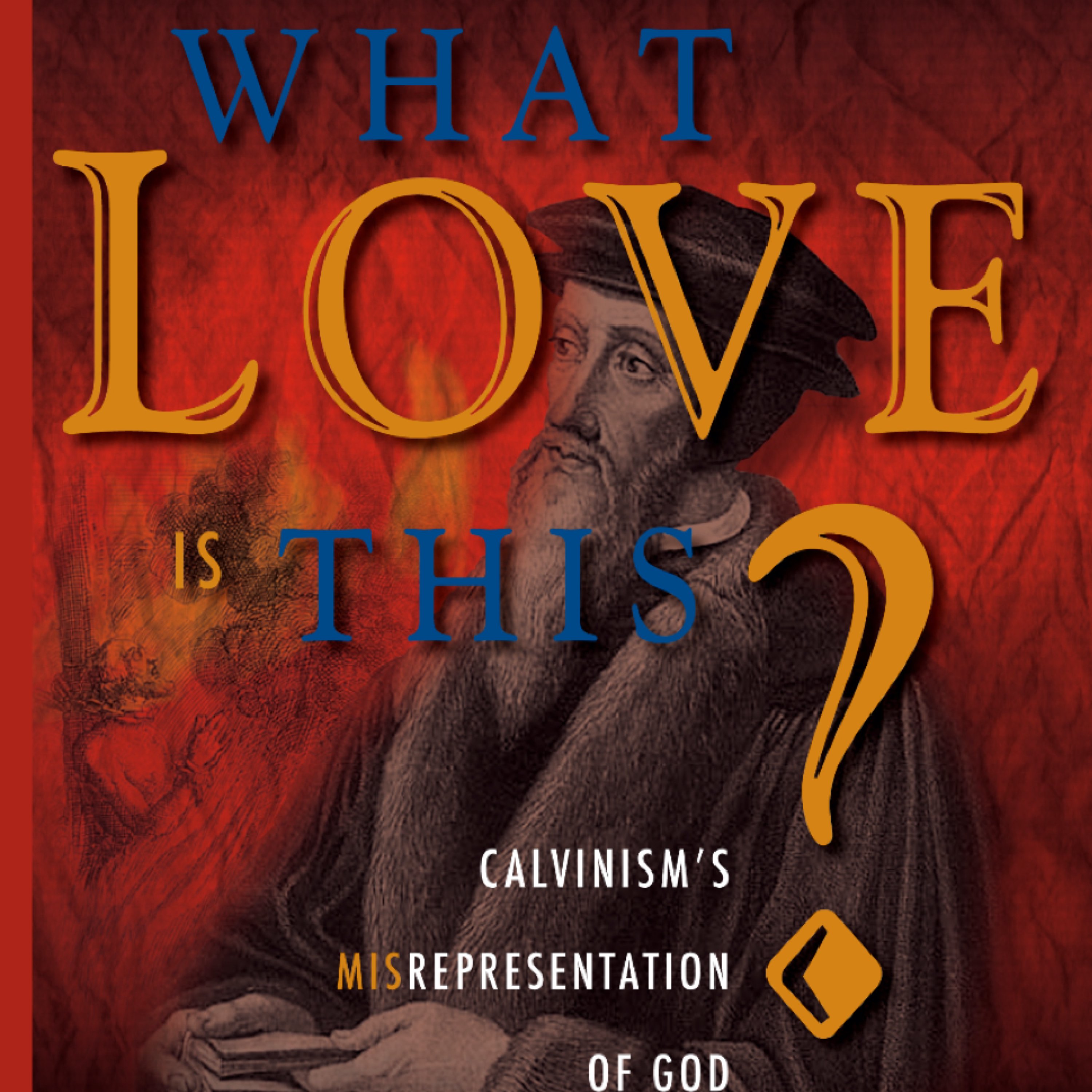
Calvinism: What Love is This? by Dave Hunt
by Dave Hunt
Many sincere, Bible-believing Christians are "Calvinists" only by default. Thinking that the only choice is between Calvinism (with its presumed doctrine of eternal security) and Arminianism (with its teaching that salvation can be lost), and confident of Christ's promise to keep eternally those who believe in Him, they therefore consider themselves to be Calvinists.It takes only a few simple questions to discover that most Christians are largely unaware of what John Calvin and his early followers of the sixteenth and seventeenth centuries actually believed and practiced. Nor do they fully understand what most of today's leading Calvinists believe.Although there are disputed variations of the Calvinist doctrine, among its chief proponents (whom we quote extensively in context) there is general agreement on certain core beliefs. Many evangelicals who think they are Calvinists will be surprised to learn of Calvin’s belief in salvation through infant baptism, and of his grossly un-
-
396
A Calvinist's Honest Doubts
Many sincere, Bible-believing Christians are "Calvinists" only by default. Thinking that the only choice is between Calvinism (with its presumed doctrine of eternal security) and Arminianism (with its teaching that salvation can be lost), and confident of Christ's promise to keep eternally those who believe in Him, they therefore consider themselves to be Calvinists.It takes only a few simple questions to discover that most Christians are largely unaware of what John Calvin and his early followers of the sixteenth and seventeenth centuries actually believed and practiced. Nor do they fully understand what most of today's leading Calvinists believe.Although there are disputed variations of the Calvinist doctrine, among its chief proponents (whom we quote extensively in context) there is general agreement on certain core beliefs. Many evangelicals who think they are Calvinists will be surprised to learn of Calvin’s belief in salvation through infant baptism, and of his grossly un-Christian behavior, at times, as the “Protestant Pope” of Geneva, Switzerland.Most shocking of all, however is Calvinism’s misrepresentation of God who “is love.” It is our prayer that this volume will enable readers to examine more carefully the vital issues involved and to follow God’s Holy Word — not man.
-
395
Perseverance of the Saints
Many sincere, Bible-believing Christians are "Calvinists" only by default. Thinking that the only choice is between Calvinism (with its presumed doctrine of eternal security) and Arminianism (with its teaching that salvation can be lost), and confident of Christ's promise to keep eternally those who believe in Him, they therefore consider themselves to be Calvinists.It takes only a few simple questions to discover that most Christians are largely unaware of what John Calvin and his early followers of the sixteenth and seventeenth centuries actually believed and practiced. Nor do they fully understand what most of today's leading Calvinists believe.Although there are disputed variations of the Calvinist doctrine, among its chief proponents (whom we quote extensively in context) there is general agreement on certain core beliefs. Many evangelicals who think they are Calvinists will be surprised to learn of Calvin’s belief in salvation through infant baptism, and of his grossly un-Christian behavior, at times, as the “Protestant Pope” of Geneva, Switzerland.Most shocking of all, however is Calvinism’s misrepresentation of God who “is love.” It is our prayer that this volume will enable readers to examine more carefully the vital issues involved and to follow God’s Holy Word — not man.
-
394
When is Love not Love?
Many sincere, Bible-believing Christians are "Calvinists" only by default. Thinking that the only choice is between Calvinism (with its presumed doctrine of eternal security) and Arminianism (with its teaching that salvation can be lost), and confident of Christ's promise to keep eternally those who believe in Him, they therefore consider themselves to be Calvinists.It takes only a few simple questions to discover that most Christians are largely unaware of what John Calvin and his early followers of the sixteenth and seventeenth centuries actually believed and practiced. Nor do they fully understand what most of today's leading Calvinists believe.Although there are disputed variations of the Calvinist doctrine, among its chief proponents (whom we quote extensively in context) there is general agreement on certain core beliefs. Many evangelicals who think they are Calvinists will be surprised to learn of Calvin’s belief in salvation through infant baptism, and of his grossly un-Christian behavior, at times, as the “Protestant Pope” of Geneva, Switzerland.Most shocking of all, however is Calvinism’s misrepresentation of God who “is love.” It is our prayer that this volume will enable readers to examine more carefully the vital issues involved and to follow God’s Holy Word — not man.
-
393
Persuasion, The Gospel, and God
Many sincere, Bible-believing Christians are "Calvinists" only by default. Thinking that the only choice is between Calvinism (with its presumed doctrine of eternal security) and Arminianism (with its teaching that salvation can be lost), and confident of Christ's promise to keep eternally those who believe in Him, they therefore consider themselves to be Calvinists.It takes only a few simple questions to discover that most Christians are largely unaware of what John Calvin and his early followers of the sixteenth and seventeenth centuries actually believed and practiced. Nor do they fully understand what most of today's leading Calvinists believe.Although there are disputed variations of the Calvinist doctrine, among its chief proponents (whom we quote extensively in context) there is general agreement on certain core beliefs. Many evangelicals who think they are Calvinists will be surprised to learn of Calvin’s belief in salvation through infant baptism, and of his grossly un-Christian behavior, at times, as the “Protestant Pope” of Geneva, Switzerland.Most shocking of all, however is Calvinism’s misrepresentation of God who “is love.” It is our prayer that this volume will enable readers to examine more carefully the vital issues involved and to follow God’s Holy Word — not man.
-
392
Calvin's Errors Are Serious
Many sincere, Bible-believing Christians are "Calvinists" only by default. Thinking that the only choice is between Calvinism (with its presumed doctrine of eternal security) and Arminianism (with its teaching that salvation can be lost), and confident of Christ's promise to keep eternally those who believe in Him, they therefore consider themselves to be Calvinists.It takes only a few simple questions to discover that most Christians are largely unaware of what John Calvin and his early followers of the sixteenth and seventeenth centuries actually believed and practiced. Nor do they fully understand what most of today's leading Calvinists believe.Although there are disputed variations of the Calvinist doctrine, among its chief proponents (whom we quote extensively in context) there is general agreement on certain core beliefs. Many evangelicals who think they are Calvinists will be surprised to learn of Calvin’s belief in salvation through infant baptism, and of his grossly un-Christian behavior, at times, as the “Protestant Pope” of Geneva, Switzerland.Most shocking of all, however is Calvinism’s misrepresentation of God who “is love.” It is our prayer that this volume will enable readers to examine more carefully the vital issues involved and to follow God’s Holy Word — not man.
-
391
Grace and Human Responsibility
Many sincere, Bible-believing Christians are "Calvinists" only by default. Thinking that the only choice is between Calvinism (with its presumed doctrine of eternal security) and Arminianism (with its teaching that salvation can be lost), and confident of Christ's promise to keep eternally those who believe in Him, they therefore consider themselves to be Calvinists.It takes only a few simple questions to discover that most Christians are largely unaware of what John Calvin and his early followers of the sixteenth and seventeenth centuries actually believed and practiced. Nor do they fully understand what most of today's leading Calvinists believe.Although there are disputed variations of the Calvinist doctrine, among its chief proponents (whom we quote extensively in context) there is general agreement on certain core beliefs. Many evangelicals who think they are Calvinists will be surprised to learn of Calvin’s belief in salvation through infant baptism, and of his grossly un-Christian behavior, at times, as the “Protestant Pope” of Geneva, Switzerland.Most shocking of all, however is Calvinism’s misrepresentation of God who “is love.” It is our prayer that this volume will enable readers to examine more carefully the vital issues involved and to follow God’s Holy Word — not man.
-
390
When Grace Isn't Grace
Many sincere, Bible-believing Christians are "Calvinists" only by default. Thinking that the only choice is between Calvinism (with its presumed doctrine of eternal security) and Arminianism (with its teaching that salvation can be lost), and confident of Christ's promise to keep eternally those who believe in Him, they therefore consider themselves to be Calvinists.It takes only a few simple questions to discover that most Christians are largely unaware of what John Calvin and his early followers of the sixteenth and seventeenth centuries actually believed and practiced. Nor do they fully understand what most of today's leading Calvinists believe.Although there are disputed variations of the Calvinist doctrine, among its chief proponents (whom we quote extensively in context) there is general agreement on certain core beliefs. Many evangelicals who think they are Calvinists will be surprised to learn of Calvin’s belief in salvation through infant baptism, and of his grossly un-Christian behavior, at times, as the “Protestant Pope” of Geneva, Switzerland.Most shocking of all, however is Calvinism’s misrepresentation of God who “is love.” It is our prayer that this volume will enable readers to examine more carefully the vital issues involved and to follow God’s Holy Word — not man.
-
389
The Calvinist's Irresolvable Problem
Many sincere, Bible-believing Christians are "Calvinists" only by default. Thinking that the only choice is between Calvinism (with its presumed doctrine of eternal security) and Arminianism (with its teaching that salvation can be lost), and confident of Christ's promise to keep eternally those who believe in Him, they therefore consider themselves to be Calvinists.It takes only a few simple questions to discover that most Christians are largely unaware of what John Calvin and his early followers of the sixteenth and seventeenth centuries actually believed and practiced. Nor do they fully understand what most of today's leading Calvinists believe.Although there are disputed variations of the Calvinist doctrine, among its chief proponents (whom we quote extensively in context) there is general agreement on certain core beliefs. Many evangelicals who think they are Calvinists will be surprised to learn of Calvin’s belief in salvation through infant baptism, and of his grossly un-Christian behavior, at times, as the “Protestant Pope” of Geneva, Switzerland.Most shocking of all, however is Calvinism’s misrepresentation of God who “is love.” It is our prayer that this volume will enable readers to examine more carefully the vital issues involved and to follow God’s Holy Word — not man.
-
388
Irresistible Grace
Many sincere, Bible-believing Christians are "Calvinists" only by default. Thinking that the only choice is between Calvinism (with its presumed doctrine of eternal security) and Arminianism (with its teaching that salvation can be lost), and confident of Christ's promise to keep eternally those who believe in Him, they therefore consider themselves to be Calvinists.It takes only a few simple questions to discover that most Christians are largely unaware of what John Calvin and his early followers of the sixteenth and seventeenth centuries actually believed and practiced. Nor do they fully understand what most of today's leading Calvinists believe.Although there are disputed variations of the Calvinist doctrine, among its chief proponents (whom we quote extensively in context) there is general agreement on certain core beliefs. Many evangelicals who think they are Calvinists will be surprised to learn of Calvin’s belief in salvation through infant baptism, and of his grossly un-Christian behavior, at times, as the “Protestant Pope” of Geneva, Switzerland.Most shocking of all, however is Calvinism’s misrepresentation of God who “is love.” It is our prayer that this volume will enable readers to examine more carefully the vital issues involved and to follow God’s Holy Word — not man.
-
387
More Pivotal Scriptures
Many sincere, Bible-believing Christians are "Calvinists" only by default. Thinking that the only choice is between Calvinism (with its presumed doctrine of eternal security) and Arminianism (with its teaching that salvation can be lost), and confident of Christ's promise to keep eternally those who believe in Him, they therefore consider themselves to be Calvinists.It takes only a few simple questions to discover that most Christians are largely unaware of what John Calvin and his early followers of the sixteenth and seventeenth centuries actually believed and practiced. Nor do they fully understand what most of today's leading Calvinists believe.Although there are disputed variations of the Calvinist doctrine, among its chief proponents (whom we quote extensively in context) there is general agreement on certain core beliefs. Many evangelicals who think they are Calvinists will be surprised to learn of Calvin’s belief in salvation through infant baptism, and of his grossly un-Christian behavior, at times, as the “Protestant Pope” of Geneva, Switzerland.Most shocking of all, however is Calvinism’s misrepresentation of God who “is love.” It is our prayer that this volume will enable readers to examine more carefully the vital issues involved and to follow God’s Holy Word — not man.
-
386
Understanding Pivotal Scriptures
Many sincere, Bible-believing Christians are "Calvinists" only by default. Thinking that the only choice is between Calvinism (with its presumed doctrine of eternal security) and Arminianism (with its teaching that salvation can be lost), and confident of Christ's promise to keep eternally those who believe in Him, they therefore consider themselves to be Calvinists.It takes only a few simple questions to discover that most Christians are largely unaware of what John Calvin and his early followers of the sixteenth and seventeenth centuries actually believed and practiced. Nor do they fully understand what most of today's leading Calvinists believe.Although there are disputed variations of the Calvinist doctrine, among its chief proponents (whom we quote extensively in context) there is general agreement on certain core beliefs. Many evangelicals who think they are Calvinists will be surprised to learn of Calvin’s belief in salvation through infant baptism, and of his grossly un-Christian behavior, at times, as the “Protestant Pope” of Geneva, Switzerland.Most shocking of all, however is Calvinism’s misrepresentation of God who “is love.” It is our prayer that this volume will enable readers to examine more carefully the vital issues involved and to follow God’s Holy Word — not man.
-
385
Abusing God's Word
Many sincere, Bible-believing Christians are "Calvinists" only by default. Thinking that the only choice is between Calvinism (with its presumed doctrine of eternal security) and Arminianism (with its teaching that salvation can be lost), and confident of Christ's promise to keep eternally those who believe in Him, they therefore consider themselves to be Calvinists.It takes only a few simple questions to discover that most Christians are largely unaware of what John Calvin and his early followers of the sixteenth and seventeenth centuries actually believed and practiced. Nor do they fully understand what most of today's leading Calvinists believe.Although there are disputed variations of the Calvinist doctrine, among its chief proponents (whom we quote extensively in context) there is general agreement on certain core beliefs. Many evangelicals who think they are Calvinists will be surprised to learn of Calvin’s belief in salvation through infant baptism, and of his grossly un-Christian behavior, at times, as the “Protestant Pope” of Geneva, Switzerland.Most shocking of all, however is Calvinism’s misrepresentation of God who “is love.” It is our prayer that this volume will enable readers to examine more carefully the vital issues involved and to follow God’s Holy Word — not man.
-
384
Limited Atonement
Many sincere, Bible-believing Christians are "Calvinists" only by default. Thinking that the only choice is between Calvinism (with its presumed doctrine of eternal security) and Arminianism (with its teaching that salvation can be lost), and confident of Christ's promise to keep eternally those who believe in Him, they therefore consider themselves to be Calvinists.It takes only a few simple questions to discover that most Christians are largely unaware of what John Calvin and his early followers of the sixteenth and seventeenth centuries actually believed and practiced. Nor do they fully understand what most of today's leading Calvinists believe.Although there are disputed variations of the Calvinist doctrine, among its chief proponents (whom we quote extensively in context) there is general agreement on certain core beliefs. Many evangelicals who think they are Calvinists will be surprised to learn of Calvin’s belief in salvation through infant baptism, and of his grossly un-Christian behavior, at times, as the “Protestant Pope” of Geneva, Switzerland.Most shocking of all, however is Calvinism’s misrepresentation of God who “is love.” It is our prayer that this volume will enable readers to examine more carefully the vital issues involved and to follow God’s Holy Word — not man.
-
383
Foreknowledge and Predestination Election
Many sincere, Bible-believing Christians are "Calvinists" only by default. Thinking that the only choice is between Calvinism (with its presumed doctrine of eternal security) and Arminianism (with its teaching that salvation can be lost), and confident of Christ's promise to keep eternally those who believe in Him, they therefore consider themselves to be Calvinists.It takes only a few simple questions to discover that most Christians are largely unaware of what John Calvin and his early followers of the sixteenth and seventeenth centuries actually believed and practiced. Nor do they fully understand what most of today's leading Calvinists believe.Although there are disputed variations of the Calvinist doctrine, among its chief proponents (whom we quote extensively in context) there is general agreement on certain core beliefs. Many evangelicals who think they are Calvinists will be surprised to learn of Calvin’s belief in salvation through infant baptism, and of his grossly un-Christian behavior, at times, as the “Protestant Pope” of Geneva, Switzerland.Most shocking of all, however is Calvinism’s misrepresentation of God who “is love.” It is our prayer that this volume will enable readers to examine more carefully the vital issues involved and to follow God’s Holy Word — not man.
-
382
Is Salvation Available To All?
Many sincere, Bible-believing Christians are "Calvinists" only by default. Thinking that the only choice is between Calvinism (with its presumed doctrine of eternal security) and Arminianism (with its teaching that salvation can be lost), and confident of Christ's promise to keep eternally those who believe in Him, they therefore consider themselves to be Calvinists.It takes only a few simple questions to discover that most Christians are largely unaware of what John Calvin and his early followers of the sixteenth and seventeenth centuries actually believed and practiced. Nor do they fully understand what most of today's leading Calvinists believe.Although there are disputed variations of the Calvinist doctrine, among its chief proponents (whom we quote extensively in context) there is general agreement on certain core beliefs. Many evangelicals who think they are Calvinists will be surprised to learn of Calvin’s belief in salvation through infant baptism, and of his grossly un-Christian behavior, at times, as the “Protestant Pope” of Geneva, Switzerland.Most shocking of all, however is Calvinism’s misrepresentation of God who “is love.” It is our prayer that this volume will enable readers to examine more carefully the vital issues involved and to follow God’s Holy Word — not man.
-
381
Unconditional Election
Many sincere, Bible-believing Christians are "Calvinists" only by default. Thinking that the only choice is between Calvinism (with its presumed doctrine of eternal security) and Arminianism (with its teaching that salvation can be lost), and confident of Christ's promise to keep eternally those who believe in Him, they therefore consider themselves to be Calvinists.It takes only a few simple questions to discover that most Christians are largely unaware of what John Calvin and his early followers of the sixteenth and seventeenth centuries actually believed and practiced. Nor do they fully understand what most of today's leading Calvinists believe.Although there are disputed variations of the Calvinist doctrine, among its chief proponents (whom we quote extensively in context) there is general agreement on certain core beliefs. Many evangelicals who think they are Calvinists will be surprised to learn of Calvin’s belief in salvation through infant baptism, and of his grossly un-Christian behavior, at times, as the “Protestant Pope” of Geneva, Switzerland.Most shocking of all, however is Calvinism’s misrepresentation of God who “is love.” It is our prayer that this volume will enable readers to examine more carefully the vital issues involved and to follow God’s Holy Word — not man.
-
380
The Bondage of the Will?
Many sincere, Bible-believing Christians are "Calvinists" only by default. Thinking that the only choice is between Calvinism (with its presumed doctrine of eternal security) and Arminianism (with its teaching that salvation can be lost), and confident of Christ's promise to keep eternally those who believe in Him, they therefore consider themselves to be Calvinists.It takes only a few simple questions to discover that most Christians are largely unaware of what John Calvin and his early followers of the sixteenth and seventeenth centuries actually believed and practiced. Nor do they fully understand what most of today's leading Calvinists believe.Although there are disputed variations of the Calvinist doctrine, among its chief proponents (whom we quote extensively in context) there is general agreement on certain core beliefs. Many evangelicals who think they are Calvinists will be surprised to learn of Calvin’s belief in salvation through infant baptism, and of his grossly un-Christian behavior, at times, as the “Protestant Pope” of Geneva, Switzerland.Most shocking of all, however is Calvinism’s misrepresentation of God who “is love.” It is our prayer that this volume will enable readers to examine more carefully the vital issues involved and to follow God’s Holy Word — not man.
-
379
Erasmus and Luther in Debate
Many sincere, Bible-believing Christians are "Calvinists" only by default. Thinking that the only choice is between Calvinism (with its presumed doctrine of eternal security) and Arminianism (with its teaching that salvation can be lost), and confident of Christ's promise to keep eternally those who believe in Him, they therefore consider themselves to be Calvinists.It takes only a few simple questions to discover that most Christians are largely unaware of what John Calvin and his early followers of the sixteenth and seventeenth centuries actually believed and practiced. Nor do they fully understand what most of today's leading Calvinists believe.Although there are disputed variations of the Calvinist doctrine, among its chief proponents (whom we quote extensively in context) there is general agreement on certain core beliefs. Many evangelicals who think they are Calvinists will be surprised to learn of Calvin’s belief in salvation through infant baptism, and of his grossly un-Christian behavior, at times, as the “Protestant Pope” of Geneva, Switzerland.Most shocking of all, however is Calvinism’s misrepresentation of God who “is love.” It is our prayer that this volume will enable readers to examine more carefully the vital issues involved and to follow God’s Holy Word — not man.
-
378
Foreknowledge and Man's Will
Many sincere, Bible-believing Christians are "Calvinists" only by default. Thinking that the only choice is between Calvinism (with its presumed doctrine of eternal security) and Arminianism (with its teaching that salvation can be lost), and confident of Christ's promise to keep eternally those who believe in Him, they therefore consider themselves to be Calvinists.It takes only a few simple questions to discover that most Christians are largely unaware of what John Calvin and his early followers of the sixteenth and seventeenth centuries actually believed and practiced. Nor do they fully understand what most of today's leading Calvinists believe.Although there are disputed variations of the Calvinist doctrine, among its chief proponents (whom we quote extensively in context) there is general agreement on certain core beliefs. Many evangelicals who think they are Calvinists will be surprised to learn of Calvin’s belief in salvation through infant baptism, and of his grossly un-Christian behavior, at times, as the “Protestant Pope” of Geneva, Switzerland.Most shocking of all, however is Calvinism’s misrepresentation of God who “is love.” It is our prayer that this volume will enable readers to examine more carefully the vital issues involved and to follow God’s Holy Word — not man.
-
377
Sovereignty and Free Will
Many sincere, Bible-believing Christians are "Calvinists" only by default. Thinking that the only choice is between Calvinism (with its presumed doctrine of eternal security) and Arminianism (with its teaching that salvation can be lost), and confident of Christ's promise to keep eternally those who believe in Him, they therefore consider themselves to be Calvinists.It takes only a few simple questions to discover that most Christians are largely unaware of what John Calvin and his early followers of the sixteenth and seventeenth centuries actually believed and practiced. Nor do they fully understand what most of today's leading Calvinists believe.Although there are disputed variations of the Calvinist doctrine, among its chief proponents (whom we quote extensively in context) there is general agreement on certain core beliefs. Many evangelicals who think they are Calvinists will be surprised to learn of Calvin’s belief in salvation through infant baptism, and of his grossly un-Christian behavior, at times, as the “Protestant Pope” of Geneva, Switzerland.Most shocking of all, however is Calvinism’s misrepresentation of God who “is love.” It is our prayer that this volume will enable readers to examine more carefully the vital issues involved and to follow God’s Holy Word — not man.
-
376
A Distorted Sovereignty
Many sincere, Bible-believing Christians are "Calvinists" only by default. Thinking that the only choice is between Calvinism (with its presumed doctrine of eternal security) and Arminianism (with its teaching that salvation can be lost), and confident of Christ's promise to keep eternally those who believe in Him, they therefore consider themselves to be Calvinists.It takes only a few simple questions to discover that most Christians are largely unaware of what John Calvin and his early followers of the sixteenth and seventeenth centuries actually believed and practiced. Nor do they fully understand what most of today's leading Calvinists believe.Although there are disputed variations of the Calvinist doctrine, among its chief proponents (whom we quote extensively in context) there is general agreement on certain core beliefs. Many evangelicals who think they are Calvinists will be surprised to learn of Calvin’s belief in salvation through infant baptism, and of his grossly un-Christian behavior, at times, as the “Protestant Pope” of Geneva, Switzerland.Most shocking of all, however is Calvinism’s misrepresentation of God who “is love.” It is our prayer that this volume will enable readers to examine more carefully the vital issues involved and to follow God’s Holy Word — not man.
-
375
The Truth About Human Depravity
Many sincere, Bible-believing Christians are "Calvinists" only by default. Thinking that the only choice is between Calvinism (with its presumed doctrine of eternal security) and Arminianism (with its teaching that salvation can be lost), and confident of Christ's promise to keep eternally those who believe in Him, they therefore consider themselves to be Calvinists.It takes only a few simple questions to discover that most Christians are largely unaware of what John Calvin and his early followers of the sixteenth and seventeenth centuries actually believed and practiced. Nor do they fully understand what most of today's leading Calvinists believe.Although there are disputed variations of the Calvinist doctrine, among its chief proponents (whom we quote extensively in context) there is general agreement on certain core beliefs. Many evangelicals who think they are Calvinists will be surprised to learn of Calvin’s belief in salvation through infant baptism, and of his grossly un-Christian behavior, at times, as the “Protestant Pope” of Geneva, Switzerland.Most shocking of all, however is Calvinism’s misrepresentation of God who “is love.” It is our prayer that this volume will enable readers to examine more carefully the vital issues involved and to follow God’s Holy Word — not man.
-
374
The Solemn Issue - God's Character
Many sincere, Bible-believing Christians are "Calvinists" only by default. Thinking that the only choice is between Calvinism (with its presumed doctrine of eternal security) and Arminianism (with its teaching that salvation can be lost), and confident of Christ's promise to keep eternally those who believe in Him, they therefore consider themselves to be Calvinists.It takes only a few simple questions to discover that most Christians are largely unaware of what John Calvin and his early followers of the sixteenth and seventeenth centuries actually believed and practiced. Nor do they fully understand what most of today's leading Calvinists believe.Although there are disputed variations of the Calvinist doctrine, among its chief proponents (whom we quote extensively in context) there is general agreement on certain core beliefs. Many evangelicals who think they are Calvinists will be surprised to learn of Calvin’s belief in salvation through infant baptism, and of his grossly un-Christian behavior, at times, as the “Protestant Pope” of Geneva, Switzerland.Most shocking of all, however is Calvinism’s misrepresentation of God who “is love.” It is our prayer that this volume will enable readers to examine more carefully the vital issues involved and to follow God’s Holy Word — not man.
-
373
Total Depravity
Many sincere, Bible-believing Christians are "Calvinists" only by default. Thinking that the only choice is between Calvinism (with its presumed doctrine of eternal security) and Arminianism (with its teaching that salvation can be lost), and confident of Christ's promise to keep eternally those who believe in Him, they therefore consider themselves to be Calvinists.It takes only a few simple questions to discover that most Christians are largely unaware of what John Calvin and his early followers of the sixteenth and seventeenth centuries actually believed and practiced. Nor do they fully understand what most of today's leading Calvinists believe.Although there are disputed variations of the Calvinist doctrine, among its chief proponents (whom we quote extensively in context) there is general agreement on certain core beliefs. Many evangelicals who think they are Calvinists will be surprised to learn of Calvin’s belief in salvation through infant baptism, and of his grossly un-Christian behavior, at times, as the “Protestant Pope” of Geneva, Switzerland.Most shocking of all, however is Calvinism’s misrepresentation of God who “is love.” It is our prayer that this volume will enable readers to examine more carefully the vital issues involved and to follow God’s Holy Word — not man.
-
372
Arminius, Dort, Westminster, and Five Points
Many sincere, Bible-believing Christians are "Calvinists" only by default. Thinking that the only choice is between Calvinism (with its presumed doctrine of eternal security) and Arminianism (with its teaching that salvation can be lost), and confident of Christ's promise to keep eternally those who believe in Him, they therefore consider themselves to be Calvinists.It takes only a few simple questions to discover that most Christians are largely unaware of what John Calvin and his early followers of the sixteenth and seventeenth centuries actually believed and practiced. Nor do they fully understand what most of today's leading Calvinists believe.Although there are disputed variations of the Calvinist doctrine, among its chief proponents (whom we quote extensively in context) there is general agreement on certain core beliefs. Many evangelicals who think they are Calvinists will be surprised to learn of Calvin’s belief in salvation through infant baptism, and of his grossly un-Christian behavior, at times, as the “Protestant Pope” of Geneva, Switzerland.Most shocking of all, however is Calvinism’s misrepresentation of God who “is love.” It is our prayer that this volume will enable readers to examine more carefully the vital issues involved and to follow God’s Holy Word — not man.
-
371
Irresistibly Imposed Christianity
Many sincere, Bible-believing Christians are "Calvinists" only by default. Thinking that the only choice is between Calvinism (with its presumed doctrine of eternal security) and Arminianism (with its teaching that salvation can be lost), and confident of Christ's promise to keep eternally those who believe in Him, they therefore consider themselves to be Calvinists.It takes only a few simple questions to discover that most Christians are largely unaware of what John Calvin and his early followers of the sixteenth and seventeenth centuries actually believed and practiced. Nor do they fully understand what most of today's leading Calvinists believe.Although there are disputed variations of the Calvinist doctrine, among its chief proponents (whom we quote extensively in context) there is general agreement on certain core beliefs. Many evangelicals who think they are Calvinists will be surprised to learn of Calvin’s belief in salvation through infant baptism, and of his grossly un-Christian behavior, at times, as the “Protestant Pope” of Geneva, Switzerland.Most shocking of all, however is Calvinism’s misrepresentation of God who “is love.” It is our prayer that this volume will enable readers to examine more carefully the vital issues involved and to follow God’s Holy Word — not man.
-
370
Calvinism's Surprising Catholic Connection
Many sincere, Bible-believing Christians are "Calvinists" only by default. Thinking that the only choice is between Calvinism (with its presumed doctrine of eternal security) and Arminianism (with its teaching that salvation can be lost), and confident of Christ's promise to keep eternally those who believe in Him, they therefore consider themselves to be Calvinists.It takes only a few simple questions to discover that most Christians are largely unaware of what John Calvin and his early followers of the sixteenth and seventeenth centuries actually believed and practiced. Nor do they fully understand what most of today's leading Calvinists believe.Although there are disputed variations of the Calvinist doctrine, among its chief proponents (whom we quote extensively in context) there is general agreement on certain core beliefs. Many evangelicals who think they are Calvinists will be surprised to learn of Calvin’s belief in salvation through infant baptism, and of his grossly un-Christian behavior, at times, as the “Protestant Pope” of Geneva, Switzerland.Most shocking of all, however is Calvinism’s misrepresentation of God who “is love.” It is our prayer that this volume will enable readers to examine more carefully the vital issues involved and to follow God’s Holy Word — not man.
-
369
John Calvin and His Institutes
Many sincere, Bible-believing Christians are "Calvinists" only by default. Thinking that the only choice is between Calvinism (with its presumed doctrine of eternal security) and Arminianism (with its teaching that salvation can be lost), and confident of Christ's promise to keep eternally those who believe in Him, they therefore consider themselves to be Calvinists.It takes only a few simple questions to discover that most Christians are largely unaware of what John Calvin and his early followers of the sixteenth and seventeenth centuries actually believed and practiced. Nor do they fully understand what most of today's leading Calvinists believe.Although there are disputed variations of the Calvinist doctrine, among its chief proponents (whom we quote extensively in context) there is general agreement on certain core beliefs. Many evangelicals who think they are Calvinists will be surprised to learn of Calvin’s belief in salvation through infant baptism, and of his grossly un-Christian behavior, at times, as the “Protestant Pope” of Geneva, Switzerland.Most shocking of all, however is Calvinism’s misrepresentation of God who “is love.” It is our prayer that this volume will enable readers to examine more carefully the vital issues involved and to follow God’s Holy Word — not man.
-
368
Is Biblical Understanding for an Elite?
Many sincere, Bible-believing Christians are "Calvinists" only by default. Thinking that the only choice is between Calvinism (with its presumed doctrine of eternal security) and Arminianism (with its teaching that salvation can be lost), and confident of Christ's promise to keep eternally those who believe in Him, they therefore consider themselves to be Calvinists.It takes only a few simple questions to discover that most Christians are largely unaware of what John Calvin and his early followers of the sixteenth and seventeenth centuries actually believed and practiced. Nor do they fully understand what most of today's leading Calvinists believe.Although there are disputed variations of the Calvinist doctrine, among its chief proponents (whom we quote extensively in context) there is general agreement on certain core beliefs. Many evangelicals who think they are Calvinists will be surprised to learn of Calvin’s belief in salvation through infant baptism, and of his grossly un-Christian behavior, at times, as the “Protestant Pope” of Geneva, Switzerland.Most shocking of all, however is Calvinism’s misrepresentation of God who “is love.” It is our prayer that this volume will enable readers to examine more carefully the vital issues involved and to follow God’s Holy Word — not man.
-
367
Why This Book?
Many sincere, Bible-believing Christians are "Calvinists" only by default. Thinking that the only choice is between Calvinism (with its presumed doctrine of eternal security) and Arminianism (with its teaching that salvation can be lost), and confident of Christ's promise to keep eternally those who believe in Him, they therefore consider themselves to be Calvinists.It takes only a few simple questions to discover that most Christians are largely unaware of what John Calvin and his early followers of the sixteenth and seventeenth centuries actually believed and practiced. Nor do they fully understand what most of today's leading Calvinists believe.Although there are disputed variations of the Calvinist doctrine, among its chief proponents (whom we quote extensively in context) there is general agreement on certain core beliefs. Many evangelicals who think they are Calvinists will be surprised to learn of Calvin’s belief in salvation through infant baptism, and of his grossly un-Christian behavior, at times, as the “Protestant Pope” of Geneva, Switzerland.Most shocking of all, however is Calvinism’s misrepresentation of God who “is love.” It is our prayer that this volume will enable readers to examine more carefully the vital issues involved and to follow God’s Holy Word — not man.
-
366
3201 - A Final Word
Many sincere, Bible-believing Christian are "Calvinists" only by default. Thinking that the only choice is between Calvinism (with its presumed doctrine of eternal security) and Arminianism (with its teaching that salvation can be lost), and confident of Christ's promise to keep eternally those who believe in Him, they therefore consider themselves to be Calvinists. It takes only a few simple questions to discover that most Christians are largely unaware of what John Calvin and his early followers of the sixteenth and seventeenth centuries actually believed and practiced. Nor do they fully understand the eternal implications and ramifications of what most of today's leading Calvinists preach and teach.
-
365
Assurance for Eternity
Many sincere, Bible-believing Christian are "Calvinists" only by default. Thinking that the only choice is between Calvinism (with its presumed doctrine of eternal security) and Arminianism (with its teaching that salvation can be lost), and confident of Christ's promise to keep eternally those who believe in Him, they therefore consider themselves to be Calvinists. It takes only a few simple questions to discover that most Christians are largely unaware of what John Calvin and his early followers of the sixteenth and seventeenth centuries actually believed and practiced. Nor do they fully understand the eternal implications and ramifications of what most of today's leading Calvinists preach and teach.
-
364
The Final Question
Many sincere, Bible-believing Christian are "Calvinists" only by default. Thinking that the only choice is between Calvinism (with its presumed doctrine of eternal security) and Arminianism (with its teaching that salvation can be lost), and confident of Christ's promise to keep eternally those who believe in Him, they therefore consider themselves to be Calvinists. It takes only a few simple questions to discover that most Christians are largely unaware of what John Calvin and his early followers of the sixteenth and seventeenth centuries actually believed and practiced. Nor do they fully understand the eternal implications and ramifications of what most of today's leading Calvinists preach and teach.
-
363
Calvinism's Last Stand
Many sincere, Bible-believing Christian are "Calvinists" only by default. Thinking that the only choice is between Calvinism (with its presumed doctrine of eternal security) and Arminianism (with its teaching that salvation can be lost), and confident of Christ's promise to keep eternally those who believe in Him, they therefore consider themselves to be Calvinists. It takes only a few simple questions to discover that most Christians are largely unaware of what John Calvin and his early followers of the sixteenth and seventeenth centuries actually believed and practiced. Nor do they fully understand the eternal implications and ramifications of what most of today's leading Calvinists preach and teach.
-
362
The Turning Point
Many sincere, Bible-believing Christian are "Calvinists" only by default. Thinking that the only choice is between Calvinism (with its presumed doctrine of eternal security) and Arminianism (with its teaching that salvation can be lost), and confident of Christ's promise to keep eternally those who believe in Him, they therefore consider themselves to be Calvinists. It takes only a few simple questions to discover that most Christians are largely unaware of what John Calvin and his early followers of the sixteenth and seventeenth centuries actually believed and practiced. Nor do they fully understand the eternal implications and ramifications of what most of today's leading Calvinists preach and teach.
-
361
A Forgotten Challenge
Many sincere, Bible-believing Christian are "Calvinists" only by default. Thinking that the only choice is between Calvinism (with its presumed doctrine of eternal security) and Arminianism (with its teaching that salvation can be lost), and confident of Christ's promise to keep eternally those who believe in Him, they therefore consider themselves to be Calvinists. It takes only a few simple questions to discover that most Christians are largely unaware of what John Calvin and his early followers of the sixteenth and seventeenth centuries actually believed and practiced. Nor do they fully understand the eternal implications and ramifications of what most of today's leading Calvinists preach and teach.
-
360
Desperation-and Enlightenment
Many sincere, Bible-believing Christian are "Calvinists" only by default. Thinking that the only choice is between Calvinism (with its presumed doctrine of eternal security) and Arminianism (with its teaching that salvation can be lost), and confident of Christ's promise to keep eternally those who believe in Him, they therefore consider themselves to be Calvinists. It takes only a few simple questions to discover that most Christians are largely unaware of what John Calvin and his early followers of the sixteenth and seventeenth centuries actually believed and practiced. Nor do they fully understand the eternal implications and ramifications of what most of today's leading Calvinists preach and teach.
-
359
To God be the Glory
Many sincere, Bible-believing Christian are "Calvinists" only by default. Thinking that the only choice is between Calvinism (with its presumed doctrine of eternal security) and Arminianism (with its teaching that salvation can be lost), and confident of Christ's promise to keep eternally those who believe in Him, they therefore consider themselves to be Calvinists. It takes only a few simple questions to discover that most Christians are largely unaware of what John Calvin and his early followers of the sixteenth and seventeenth centuries actually believed and practiced. Nor do they fully understand the eternal implications and ramifications of what most of today's leading Calvinists preach and teach.
-
358
More and More Unanswered Questions
Many sincere, Bible-believing Christian are "Calvinists" only by default. Thinking that the only choice is between Calvinism (with its presumed doctrine of eternal security) and Arminianism (with its teaching that salvation can be lost), and confident of Christ's promise to keep eternally those who believe in Him, they therefore consider themselves to be Calvinists. It takes only a few simple questions to discover that most Christians are largely unaware of what John Calvin and his early followers of the sixteenth and seventeenth centuries actually believed and practiced. Nor do they fully understand the eternal implications and ramifications of what most of today's leading Calvinists preach and teach.
-
357
Perseverance of the Saints (question)
Many sincere, Bible-believing Christian are "Calvinists" only by default. Thinking that the only choice is between Calvinism (with its presumed doctrine of eternal security) and Arminianism (with its teaching that salvation can be lost), and confident of Christ's promise to keep eternally those who believe in Him, they therefore consider themselves to be Calvinists. It takes only a few simple questions to discover that most Christians are largely unaware of what John Calvin and his early followers of the sixteenth and seventeenth centuries actually believed and practiced. Nor do they fully understand the eternal implications and ramifications of what most of today's leading Calvinists preach and teach.
-
356
Hell - Whose Choice?
Many sincere, Bible-believing Christian are "Calvinists" only by default. Thinking that the only choice is between Calvinism (with its presumed doctrine of eternal security) and Arminianism (with its teaching that salvation can be lost), and confident of Christ's promise to keep eternally those who believe in Him, they therefore consider themselves to be Calvinists. It takes only a few simple questions to discover that most Christians are largely unaware of what John Calvin and his early followers of the sixteenth and seventeenth centuries actually believed and practiced. Nor do they fully understand the eternal implications and ramifications of what most of today's leading Calvinists preach and teach.
-
355
The Central Issue - God's Love
Many sincere, Bible-believing Christian are "Calvinists" only by default. Thinking that the only choice is between Calvinism (with its presumed doctrine of eternal security) and Arminianism (with its teaching that salvation can be lost), and confident of Christ's promise to keep eternally those who believe in Him, they therefore consider themselves to be Calvinists. It takes only a few simple questions to discover that most Christians are largely unaware of what John Calvin and his early followers of the sixteenth and seventeenth centuries actually believed and practiced. Nor do they fully understand the eternal implications and ramifications of what most of today's leading Calvinists preach and teach.
-
354
Resting in God's Love
Many sincere, Bible-believing Christian are "Calvinists" only by default. Thinking that the only choice is between Calvinism (with its presumed doctrine of eternal security) and Arminianism (with its teaching that salvation can be lost), and confident of Christ's promise to keep eternally those who believe in Him, they therefore consider themselves to be Calvinists. It takes only a few simple questions to discover that most Christians are largely unaware of what John Calvin and his early followers of the sixteenth and seventeenth centuries actually believed and practiced. Nor do they fully understand the eternal implications and ramifications of what most of today's leading Calvinists preach and teach.
-
353
Calvin's Weakness as an Apologist
Many sincere, Bible-believing Christian are "Calvinists" only by default. Thinking that the only choice is between Calvinism (with its presumed doctrine of eternal security) and Arminianism (with its teaching that salvation can be lost), and confident of Christ's promise to keep eternally those who believe in Him, they therefore consider themselves to be Calvinists. It takes only a few simple questions to discover that most Christians are largely unaware of what John Calvin and his early followers of the sixteenth and seventeenth centuries actually believed and practiced. Nor do they fully understand the eternal implications and ramifications of what most of today's leading Calvinists preach and teach.
-
352
Stifling a Most Troubling Thought
Many sincere, Bible-believing Christian are "Calvinists" only by default. Thinking that the only choice is between Calvinism (with its presumed doctrine of eternal security) and Arminianism (with its teaching that salvation can be lost), and confident of Christ's promise to keep eternally those who believe in Him, they therefore consider themselves to be Calvinists. It takes only a few simple questions to discover that most Christians are largely unaware of what John Calvin and his early followers of the sixteenth and seventeenth centuries actually believed and practiced. Nor do they fully understand the eternal implications and ramifications of what most of today's leading Calvinists preach and teach.
-
351
Contradictions and Double Talk
Many sincere, Bible-believing Christian are "Calvinists" only by default. Thinking that the only choice is between Calvinism (with its presumed doctrine of eternal security) and Arminianism (with its teaching that salvation can be lost), and confident of Christ's promise to keep eternally those who believe in Him, they therefore consider themselves to be Calvinists. It takes only a few simple questions to discover that most Christians are largely unaware of what John Calvin and his early followers of the sixteenth and seventeenth centuries actually believed and practiced. Nor do they fully understand the eternal implications and ramifications of what most of today's leading Calvinists preach and teach.
-
350
Where's the Difference?
Many sincere, Bible-believing Christian are "Calvinists" only by default. Thinking that the only choice is between Calvinism (with its presumed doctrine of eternal security) and Arminianism (with its teaching that salvation can be lost), and confident of Christ's promise to keep eternally those who believe in Him, they therefore consider themselves to be Calvinists. It takes only a few simple questions to discover that most Christians are largely unaware of what John Calvin and his early followers of the sixteenth and seventeenth centuries actually believed and practiced. Nor do they fully understand the eternal implications and ramifications of what most of today's leading Calvinists preach and teach.
-
349
Hyper Calvinism - What's That?
Many sincere, Bible-believing Christian are "Calvinists" only by default. Thinking that the only choice is between Calvinism (with its presumed doctrine of eternal security) and Arminianism (with its teaching that salvation can be lost), and confident of Christ's promise to keep eternally those who believe in Him, they therefore consider themselves to be Calvinists. It takes only a few simple questions to discover that most Christians are largely unaware of what John Calvin and his early followers of the sixteenth and seventeenth centuries actually believed and practiced. Nor do they fully understand the eternal implications and ramifications of what most of today's leading Calvinists preach and teach.
-
348
Is There No Way of Escape?
Many sincere, Bible-believing Christian are "Calvinists" only by default. Thinking that the only choice is between Calvinism (with its presumed doctrine of eternal security) and Arminianism (with its teaching that salvation can be lost), and confident of Christ's promise to keep eternally those who believe in Him, they therefore consider themselves to be Calvinists. It takes only a few simple questions to discover that most Christians are largely unaware of what John Calvin and his early followers of the sixteenth and seventeenth centuries actually believed and practiced. Nor do they fully understand the eternal implications and ramifications of what most of today's leading Calvinists preach and teach.
-
347
What God is This?
Many sincere, Bible-believing Christian are "Calvinists" only by default. Thinking that the only choice is between Calvinism (with its presumed doctrine of eternal security) and Arminianism (with its teaching that salvation can be lost), and confident of Christ's promise to keep eternally those who believe in Him, they therefore consider themselves to be Calvinists. It takes only a few simple questions to discover that most Christians are largely unaware of what John Calvin and his early followers of the sixteenth and seventeenth centuries actually believed and practiced. Nor do they fully understand the eternal implications and ramifications of what most of today's leading Calvinists preach and teach.
No matches for "" in this podcast's transcripts.
No topics indexed yet for this podcast.
Loading reviews...
ABOUT THIS SHOW
Many sincere, Bible-believing Christians are "Calvinists" only by default. Thinking that the only choice is between Calvinism (with its presumed doctrine of eternal security) and Arminianism (with its teaching that salvation can be lost), and confident of Christ's promise to keep eternally those who believe in Him, they therefore consider themselves to be Calvinists.It takes only a few simple questions to discover that most Christians are largely unaware of what John Calvin and his early followers of the sixteenth and seventeenth centuries actually believed and practiced. Nor do they fully understand what most of today's leading Calvinists believe.Although there are disputed variations of the Calvinist doctrine, among its chief proponents (whom we quote extensively in context) there is general agreement on certain core beliefs. Many evangelicals who think they are Calvinists will be surprised to learn of Calvin’s belief in salvation through infant baptism, and of his grossly un-
HOSTED BY
Dave Hunt
CATEGORIES
Loading similar podcasts...
URL copied to clipboard!