
PODCAST · fiction
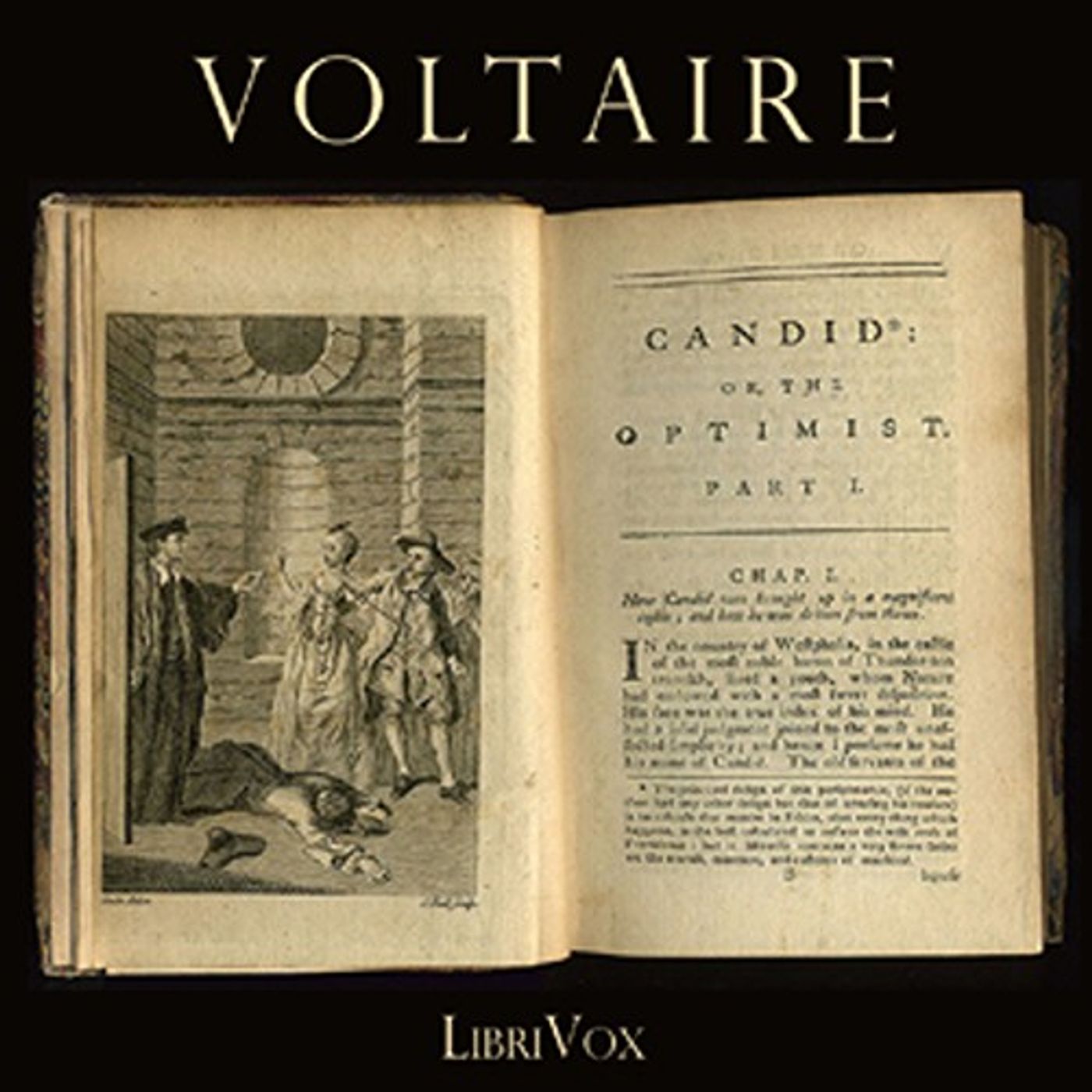
Candide by Voltaire.
by Popular Culture and Religion.
Candide by Voltaire. Candide, by Voltaire, is a satirical novella published in 1759 that critiques philosophical optimism, particularly the idea that "all is for the best in this best of all possible worlds". The story follows the naive protagonist, Candide, as he endures a series of horrific and absurd misfortunes, leading him to reject his tutor Pangloss's optimistic teachings and ultimately conclude that the key to happiness is to "cultivate one's garden". It is a sharp, witty, and often dark satire of religion, government, philosophy, and human nature.
-
31
30 - Chapter 30. Candide by Voltaire.
30 - Chapter 30. Candide by Voltaire. Candide, by Voltaire, is a satirical novella published in 1759 that critiques philosophical optimism, particularly the idea that "all is for the best in this best of all possible worlds". The story follows the naive protagonist, Candide, as he endures a series of horrific and absurd misfortunes, leading him to reject his tutor Pangloss's optimistic teachings and ultimately conclude that the key to happiness is to "cultivate one's garden". It is a sharp, witty, and often dark satire of religion, government, philosophy, and human nature.
-
30
29 - Chapter 29. Candide by Voltaire.
29 - Chapter 29. Candide by Voltaire. Candide, by Voltaire, is a satirical novella published in 1759 that critiques philosophical optimism, particularly the idea that "all is for the best in this best of all possible worlds". The story follows the naive protagonist, Candide, as he endures a series of horrific and absurd misfortunes, leading him to reject his tutor Pangloss's optimistic teachings and ultimately conclude that the key to happiness is to "cultivate one's garden". It is a sharp, witty, and often dark satire of religion, government, philosophy, and human nature.
-
29
28 - Chapter 28. Candide by Voltaire.
28 - Chapter 28. Candide by Voltaire. Candide, by Voltaire, is a satirical novella published in 1759 that critiques philosophical optimism, particularly the idea that "all is for the best in this best of all possible worlds". The story follows the naive protagonist, Candide, as he endures a series of horrific and absurd misfortunes, leading him to reject his tutor Pangloss's optimistic teachings and ultimately conclude that the key to happiness is to "cultivate one's garden". It is a sharp, witty, and often dark satire of religion, government, philosophy, and human nature.
-
28
27 - Chapter 27. Candide by Voltaire.
27 - Chapter 27. Candide by Voltaire. Candide, by Voltaire, is a satirical novella published in 1759 that critiques philosophical optimism, particularly the idea that "all is for the best in this best of all possible worlds". The story follows the naive protagonist, Candide, as he endures a series of horrific and absurd misfortunes, leading him to reject his tutor Pangloss's optimistic teachings and ultimately conclude that the key to happiness is to "cultivate one's garden". It is a sharp, witty, and often dark satire of religion, government, philosophy, and human nature.
-
27
26 - Chapter 26. Candide by Voltaire.
26 - Chapter 26. Candide by Voltaire. Candide, by Voltaire, is a satirical novella published in 1759 that critiques philosophical optimism, particularly the idea that "all is for the best in this best of all possible worlds". The story follows the naive protagonist, Candide, as he endures a series of horrific and absurd misfortunes, leading him to reject his tutor Pangloss's optimistic teachings and ultimately conclude that the key to happiness is to "cultivate one's garden". It is a sharp, witty, and often dark satire of religion, government, philosophy, and human nature.
-
26
25 - Chapter 25. Candide by Voltaire.
25 - Chapter 25. Candide by Voltaire. Candide, by Voltaire, is a satirical novella published in 1759 that critiques philosophical optimism, particularly the idea that "all is for the best in this best of all possible worlds". The story follows the naive protagonist, Candide, as he endures a series of horrific and absurd misfortunes, leading him to reject his tutor Pangloss's optimistic teachings and ultimately conclude that the key to happiness is to "cultivate one's garden". It is a sharp, witty, and often dark satire of religion, government, philosophy, and human nature.
-
25
24 - Chapter 24. Candide by Voltaire.
24 - Chapter 24. Candide by Voltaire. Candide, by Voltaire, is a satirical novella published in 1759 that critiques philosophical optimism, particularly the idea that "all is for the best in this best of all possible worlds". The story follows the naive protagonist, Candide, as he endures a series of horrific and absurd misfortunes, leading him to reject his tutor Pangloss's optimistic teachings and ultimately conclude that the key to happiness is to "cultivate one's garden". It is a sharp, witty, and often dark satire of religion, government, philosophy, and human nature.
-
24
23 - Chapter 23. Candide by Voltaire.
23 - Chapter 23. Candide by Voltaire. Candide, by Voltaire, is a satirical novella published in 1759 that critiques philosophical optimism, particularly the idea that "all is for the best in this best of all possible worlds". The story follows the naive protagonist, Candide, as he endures a series of horrific and absurd misfortunes, leading him to reject his tutor Pangloss's optimistic teachings and ultimately conclude that the key to happiness is to "cultivate one's garden". It is a sharp, witty, and often dark satire of religion, government, philosophy, and human nature.
-
23
22 - Chapter 22. Candide by Voltaire.
22 - Chapter 22. Candide by Voltaire. Candide, by Voltaire, is a satirical novella published in 1759 that critiques philosophical optimism, particularly the idea that "all is for the best in this best of all possible worlds". The story follows the naive protagonist, Candide, as he endures a series of horrific and absurd misfortunes, leading him to reject his tutor Pangloss's optimistic teachings and ultimately conclude that the key to happiness is to "cultivate one's garden". It is a sharp, witty, and often dark satire of religion, government, philosophy, and human nature.
-
22
21 - Chapter 21. Candide by Voltaire.
21 - Chapter 21. Candide by Voltaire. Candide, by Voltaire, is a satirical novella published in 1759 that critiques philosophical optimism, particularly the idea that "all is for the best in this best of all possible worlds". The story follows the naive protagonist, Candide, as he endures a series of horrific and absurd misfortunes, leading him to reject his tutor Pangloss's optimistic teachings and ultimately conclude that the key to happiness is to "cultivate one's garden". It is a sharp, witty, and often dark satire of religion, government, philosophy, and human nature.
-
21
20 - Chapter 20. Candide by Voltaire.
20 - Chapter 20. Candide by Voltaire. Candide, by Voltaire, is a satirical novella published in 1759 that critiques philosophical optimism, particularly the idea that "all is for the best in this best of all possible worlds". The story follows the naive protagonist, Candide, as he endures a series of horrific and absurd misfortunes, leading him to reject his tutor Pangloss's optimistic teachings and ultimately conclude that the key to happiness is to "cultivate one's garden". It is a sharp, witty, and often dark satire of religion, government, philosophy, and human nature.
-
20
19 - Chapter 19. Candide by Voltaire.
19 - Chapter 19. Candide by Voltaire. Candide, by Voltaire, is a satirical novella published in 1759 that critiques philosophical optimism, particularly the idea that "all is for the best in this best of all possible worlds". The story follows the naive protagonist, Candide, as he endures a series of horrific and absurd misfortunes, leading him to reject his tutor Pangloss's optimistic teachings and ultimately conclude that the key to happiness is to "cultivate one's garden". It is a sharp, witty, and often dark satire of religion, government, philosophy, and human nature.
-
19
18 - Chapter 18. Candide by Voltaire.
18 - Chapter 18. Candide by Voltaire. Candide, by Voltaire, is a satirical novella published in 1759 that critiques philosophical optimism, particularly the idea that "all is for the best in this best of all possible worlds". The story follows the naive protagonist, Candide, as he endures a series of horrific and absurd misfortunes, leading him to reject his tutor Pangloss's optimistic teachings and ultimately conclude that the key to happiness is to "cultivate one's garden". It is a sharp, witty, and often dark satire of religion, government, philosophy, and human nature.
-
18
17 - Chapter 17. Candide by Voltaire.
17 - Chapter 17. Candide by Voltaire. Candide, by Voltaire, is a satirical novella published in 1759 that critiques philosophical optimism, particularly the idea that "all is for the best in this best of all possible worlds". The story follows the naive protagonist, Candide, as he endures a series of horrific and absurd misfortunes, leading him to reject his tutor Pangloss's optimistic teachings and ultimately conclude that the key to happiness is to "cultivate one's garden". It is a sharp, witty, and often dark satire of religion, government, philosophy, and human nature.
-
17
16 - Chapter 16. Candide by Voltaire.
16 - Chapter 16. Candide by Voltaire. Candide, by Voltaire, is a satirical novella published in 1759 that critiques philosophical optimism, particularly the idea that "all is for the best in this best of all possible worlds". The story follows the naive protagonist, Candide, as he endures a series of horrific and absurd misfortunes, leading him to reject his tutor Pangloss's optimistic teachings and ultimately conclude that the key to happiness is to "cultivate one's garden". It is a sharp, witty, and often dark satire of religion, government, philosophy, and human nature.
-
16
15 - Chapter 15. Candide by Voltaire.
15 - Chapter 15. Candide by Voltaire. Candide, by Voltaire, is a satirical novella published in 1759 that critiques philosophical optimism, particularly the idea that "all is for the best in this best of all possible worlds". The story follows the naive protagonist, Candide, as he endures a series of horrific and absurd misfortunes, leading him to reject his tutor Pangloss's optimistic teachings and ultimately conclude that the key to happiness is to "cultivate one's garden". It is a sharp, witty, and often dark satire of religion, government, philosophy, and human nature.
-
15
14 - Chapter 14. Candide by Voltaire.
14 - Chapter 14. Candide by Voltaire. Candide, by Voltaire, is a satirical novella published in 1759 that critiques philosophical optimism, particularly the idea that "all is for the best in this best of all possible worlds". The story follows the naive protagonist, Candide, as he endures a series of horrific and absurd misfortunes, leading him to reject his tutor Pangloss's optimistic teachings and ultimately conclude that the key to happiness is to "cultivate one's garden". It is a sharp, witty, and often dark satire of religion, government, philosophy, and human nature.
-
14
13 - Chapter 13. Candide by Voltaire.
13 - Chapter 13. Candide by Voltaire. Candide, by Voltaire, is a satirical novella published in 1759 that critiques philosophical optimism, particularly the idea that "all is for the best in this best of all possible worlds". The story follows the naive protagonist, Candide, as he endures a series of horrific and absurd misfortunes, leading him to reject his tutor Pangloss's optimistic teachings and ultimately conclude that the key to happiness is to "cultivate one's garden". It is a sharp, witty, and often dark satire of religion, government, philosophy, and human nature.
-
13
12 - Chapter 12. Candide by Voltaire.
12 - Chapter 12. Candide by Voltaire. Candide, by Voltaire, is a satirical novella published in 1759 that critiques philosophical optimism, particularly the idea that "all is for the best in this best of all possible worlds". The story follows the naive protagonist, Candide, as he endures a series of horrific and absurd misfortunes, leading him to reject his tutor Pangloss's optimistic teachings and ultimately conclude that the key to happiness is to "cultivate one's garden". It is a sharp, witty, and often dark satire of religion, government, philosophy, and human nature.
-
12
11 - Chapter 11. Candide by Voltaire.
11 - Chapter 11. Candide by Voltaire. Candide, by Voltaire, is a satirical novella published in 1759 that critiques philosophical optimism, particularly the idea that "all is for the best in this best of all possible worlds". The story follows the naive protagonist, Candide, as he endures a series of horrific and absurd misfortunes, leading him to reject his tutor Pangloss's optimistic teachings and ultimately conclude that the key to happiness is to "cultivate one's garden". It is a sharp, witty, and often dark satire of religion, government, philosophy, and human nature.
-
11
10 - Chapter 10. Candide by Voltaire.
10 - Chapter 10. Candide by Voltaire. Candide, by Voltaire, is a satirical novella published in 1759 that critiques philosophical optimism, particularly the idea that "all is for the best in this best of all possible worlds". The story follows the naive protagonist, Candide, as he endures a series of horrific and absurd misfortunes, leading him to reject his tutor Pangloss's optimistic teachings and ultimately conclude that the key to happiness is to "cultivate one's garden". It is a sharp, witty, and often dark satire of religion, government, philosophy, and human nature.
-
10
09 - Chapter 09. Candide by Voltaire.
09 - Chapter 09. Candide by Voltaire. Candide, by Voltaire, is a satirical novella published in 1759 that critiques philosophical optimism, particularly the idea that "all is for the best in this best of all possible worlds". The story follows the naive protagonist, Candide, as he endures a series of horrific and absurd misfortunes, leading him to reject his tutor Pangloss's optimistic teachings and ultimately conclude that the key to happiness is to "cultivate one's garden". It is a sharp, witty, and often dark satire of religion, government, philosophy, and human nature.
-
9
08 - Chapter 08. Candide by Voltaire.
08 - Chapter 08. Candide by Voltaire. Candide, by Voltaire, is a satirical novella published in 1759 that critiques philosophical optimism, particularly the idea that "all is for the best in this best of all possible worlds". The story follows the naive protagonist, Candide, as he endures a series of horrific and absurd misfortunes, leading him to reject his tutor Pangloss's optimistic teachings and ultimately conclude that the key to happiness is to "cultivate one's garden". It is a sharp, witty, and often dark satire of religion, government, philosophy, and human nature.
-
8
07 - Chapter 07. Candide by Voltaire.
07 - Chapter 07. Candide by Voltaire. Candide, by Voltaire, is a satirical novella published in 1759 that critiques philosophical optimism, particularly the idea that "all is for the best in this best of all possible worlds". The story follows the naive protagonist, Candide, as he endures a series of horrific and absurd misfortunes, leading him to reject his tutor Pangloss's optimistic teachings and ultimately conclude that the key to happiness is to "cultivate one's garden". It is a sharp, witty, and often dark satire of religion, government, philosophy, and human nature.
-
7
06 - Chapter 06. Candide by Voltaire.
06 - Chapter 06. Candide by Voltaire. Candide, by Voltaire, is a satirical novella published in 1759 that critiques philosophical optimism, particularly the idea that "all is for the best in this best of all possible worlds". The story follows the naive protagonist, Candide, as he endures a series of horrific and absurd misfortunes, leading him to reject his tutor Pangloss's optimistic teachings and ultimately conclude that the key to happiness is to "cultivate one's garden". It is a sharp, witty, and often dark satire of religion, government, philosophy, and human nature.
-
6
05 - Chapter 05. Candide by Voltaire.
05 - Chapter 05. Candide by Voltaire. Candide, by Voltaire, is a satirical novella published in 1759 that critiques philosophical optimism, particularly the idea that "all is for the best in this best of all possible worlds". The story follows the naive protagonist, Candide, as he endures a series of horrific and absurd misfortunes, leading him to reject his tutor Pangloss's optimistic teachings and ultimately conclude that the key to happiness is to "cultivate one's garden". It is a sharp, witty, and often dark satire of religion, government, philosophy, and human nature.
-
5
04 - Chapter 04. Candide by Voltaire.
04 - Chapter 04. Candide by Voltaire. Candide, by Voltaire, is a satirical novella published in 1759 that critiques philosophical optimism, particularly the idea that "all is for the best in this best of all possible worlds". The story follows the naive protagonist, Candide, as he endures a series of horrific and absurd misfortunes, leading him to reject his tutor Pangloss's optimistic teachings and ultimately conclude that the key to happiness is to "cultivate one's garden". It is a sharp, witty, and often dark satire of religion, government, philosophy, and human nature.
-
4
03 - Chapter 03. Candide by Voltaire.
03 - Chapter 03. Candide by Voltaire. Candide, by Voltaire, is a satirical novella published in 1759 that critiques philosophical optimism, particularly the idea that "all is for the best in this best of all possible worlds". The story follows the naive protagonist, Candide, as he endures a series of horrific and absurd misfortunes, leading him to reject his tutor Pangloss's optimistic teachings and ultimately conclude that the key to happiness is to "cultivate one's garden". It is a sharp, witty, and often dark satire of religion, government, philosophy, and human nature.
-
3
02 - Chapter 02. Candide by Voltaire.
02 - Chapter 02. Candide by Voltaire. Candide, by Voltaire, is a satirical novella published in 1759 that critiques philosophical optimism, particularly the idea that "all is for the best in this best of all possible worlds". The story follows the naive protagonist, Candide, as he endures a series of horrific and absurd misfortunes, leading him to reject his tutor Pangloss's optimistic teachings and ultimately conclude that the key to happiness is to "cultivate one's garden". It is a sharp, witty, and often dark satire of religion, government, philosophy, and human nature.
-
2
01 - Chapter 01. Candide by Voltaire.
01 - Chapter 01. Candide by Voltaire. Candide, by Voltaire, is a satirical novella published in 1759 that critiques philosophical optimism, particularly the idea that "all is for the best in this best of all possible worlds". The story follows the naive protagonist, Candide, as he endures a series of horrific and absurd misfortunes, leading him to reject his tutor Pangloss's optimistic teachings and ultimately conclude that the key to happiness is to "cultivate one's garden". It is a sharp, witty, and often dark satire of religion, government, philosophy, and human nature.
-
1
00 - Chapter 00. Candide by Voltaire.
00 - Chapter 00. Candide by Voltaire. Candide, by Voltaire, is a satirical novella published in 1759 that critiques philosophical optimism, particularly the idea that "all is for the best in this best of all possible worlds". The story follows the naive protagonist, Candide, as he endures a series of horrific and absurd misfortunes, leading him to reject his tutor Pangloss's optimistic teachings and ultimately conclude that the key to happiness is to "cultivate one's garden". It is a sharp, witty, and often dark satire of religion, government, philosophy, and human nature.
We're indexing this podcast's transcripts for the first time — this can take a minute or two. We'll show results as soon as they're ready.
No matches for "" in this podcast's transcripts.
No topics indexed yet for this podcast.
Loading reviews...
ABOUT THIS SHOW
Candide by Voltaire. Candide, by Voltaire, is a satirical novella published in 1759 that critiques philosophical optimism, particularly the idea that "all is for the best in this best of all possible worlds". The story follows the naive protagonist, Candide, as he endures a series of horrific and absurd misfortunes, leading him to reject his tutor Pangloss's optimistic teachings and ultimately conclude that the key to happiness is to "cultivate one's garden". It is a sharp, witty, and often dark satire of religion, government, philosophy, and human nature.
HOSTED BY
Popular Culture and Religion.
CATEGORIES
Loading similar podcasts...
URL copied to clipboard!