
PODCAST · health
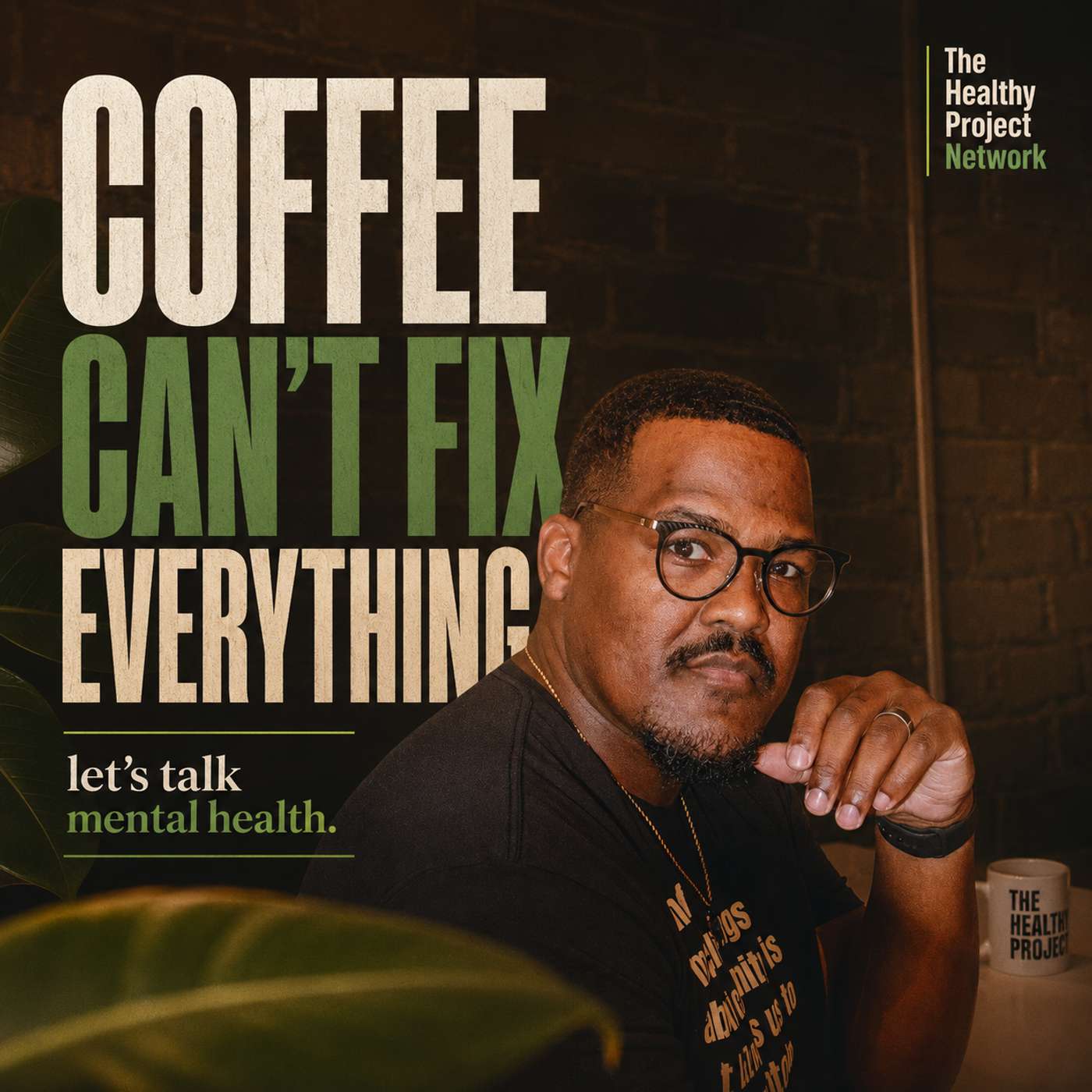
Coffee Can't Fix Everything
by The Healthy Project Media Co
Grab a cup of coffee (or tea) and join Corey Dion Lewis, community health champion and founder of Healthy Project Media, for candid conversations about mental health. On Coffee Can’t Fix Everything, we sit down with guests from the community—leaders, advocates, and everyday people—to have real, unfiltered discussions about mental health, wellness, and the struggles we all face. No scripts. No pre-planned topics. Just open and honest dialogue over a good cup of coffee. Because while coffee helps, it can’t fix everything.
-
23
Ship the Art: Originality, Creative Fear & Showing Up in the Wild
Some conversations start one place and end up somewhere you didn't expect.This one started with a simple question — why are people afraid to be original? — and ended up somewhere much closer to home. About the fear of being seen. The exhaustion of putting something real into the world and waiting to find out if it lands. The quiet courage it takes to keep showing up anyway.Ben is a community builder, author, and one of those people who has spent years doing the work before anyone was watching. He's been showing up to the same community event every single Wednesday for 14 years. He wrote one book about entrepreneurship and connection, then spent three years writing every week until a second one — Brew Within — found its shape. He also ended up with 21 contributing authors, including Corey, whose words live on page 284.This conversation is for anyone who has something brewing inside them and hasn't shipped it yet.What we got into:Ben pushes back on the idea that people are afraid to be original — it's more that the environment changes everything. You can be fully yourself with your people. The wild is where it gets complicated. They talk about what it actually means to show up in community spaces without hiding, without performing, and without leading with "so what do you do?"There's a whole thread about the tension between creating and marketing — that shift from building something in the quiet to having to shout about it every day on LinkedIn. Ben is honest about how that wears on you. About checking pre-orders. About your closest people knowing your book exists and still not clicking the link — and what you do with that feeling.Corey shares what he noticed about Ben from the very first email. How collaboration showed up differently here than it usually does. And why he thinks a lot of people miss that piece when they're building something. They also get into writing as a mental health practice — not journaling in the private sense, but publishing your thinking over time until you have a library to pull from. A digitized version of yourself that can keep showing up even when you're not in the room. And somewhere in the middle of all of it, they land on the real thing: if your work never gets seen, it never gets to help anyone. That's not humility. That's selfishness. Ship the art.A moment worth finding:Ben's final words to the camera. About originality. About belonging. About what happens when you stop waiting for permission and just make the ruckus.About Ben:Author of Brew Within and a community-driven entrepreneur who has spent over a decade building genuine connection through consistency, creativity, and showing up in the wild. His work lives at the intersection of entrepreneurship, community, and the belief that generosity builds trust — and trust caffeinate everything you care about.Brew Within — https://pouroverpublishing.square.site/product/brewed-from-within-softcover/3A5KIYHRMGTZW7MCW5DYXLTH?cs=true&cst=customResources:These resources are for information only and may not replace professional medical advice. If you are in immediate danger, please contact your local emergency number.Crisis support (U.S.)988 Suicide & Crisis Lifeline (call/text/chat 988) – Free, confidential support 24/7 for suicidal thoughts, emotional distress, substance use, or if you’re worried about someone else.988lifeline.orgNAMI HelpLine Phone: 800‑950‑NAMI (6264)Text: “NAMI” to 62640nami.org/helpU.S. mental health information & treatmentSAMHSA Mental Health samhsa.gov/mental-healthCDC Mental Health Resources cdc.gov/mental-healthCulturally responsive & identity‑affirming careTherapy for Black Men therapyforblackmen.orgTherapy for Black Girls therapyforblackgirls.comInclusive Therapistsinclusivetherapists.com
-
22
Everything and Nothing: Rest, Identity, and Shadow Work with Vanessa McNeal
Rest isn’t laziness—it’s required for healing. In this episode, Corey Dion Lewis and Vanessa talk rest, burnout, high‑achiever anxiety, parts work, inner child healing, and learning you’re worthy beyond your roles or productivity.Welcome to Coffee Can’t Fix Everything: mental health over a cup of coffee with host Corey Dion Lewis.Meet Vanessa: speaker and MSW‑trained coach who works with high achievers on rest, regulation, and reclaiming their center.Rest, worth, and burnoutWhy we were taught to “earn” rest by doing everything first—and how that mindset leads to exhaustion and burnout.Rest as prerequisite, not prize: being in your center so you can pour into work, family, and community without self‑betrayal.The difference between real rest and escape (phone scrolling, overworking, procrastination, numbing out).Identity beyond rolesCorey’s struggle with defining himself as “Corey the father, podcaster, community advocate” and how that fuels burnout.Vanessa’s first step: list every role you identify with, then recognize none of them are your core identity.Remembering yourself as a multi‑dimensional being instead of a fixed job title or label.Parts work and inner child“Characters” vs parts: why you feel different in every room and how internal family systems (IFS) explains it.The five‑year‑old, 25‑year‑old, and “last‑year you” that still live inside you—and why none of them need to be deleted.Letting your most aligned, present‑day self “drive the bus” while still honoring younger parts that once protected you.Parenting and breaking cyclesHow Vanessa and her husband intentionally “program” their kids with safety, permission to make mistakes, and unconditional love.The nightly affirmation: “I love you for who you are, not what you do,” and how our voice becomes our children’s inner voice.Corey on raising teens with calm, safety, and openness so his kids know they can always come to Dad, even when they mess up.Failure, crumbling, and new meaningWhen jobs, money, and opportunities fall apart, and how those “crumblings” uncover what can’t be taken from you.Seeing painful seasons as material for awakening to your inherent worth instead of proof that you’re a failure.“Everything is neutral until given meaning”: going back to old memories, feeling the pain, and choosing a new, truer story.Shadow work and sitting in the tensionWhy sitting with your thoughts for 10 minutes can feel like an hour—and why we grab our phones to avoid it.The difference between wallowing in pain and actually digesting, processing, and integrating it.How doing this work lets you help others from a place of truth instead of performance or people‑pleasing.Vanessa’s world nowLiving unapologetically expressed: saying what she wants to say, when she wants to say it, without needing to play a role.A weekly “rest day”: barefoot in nature, blanket by a tree, breathing and remembering she’s part of the world, not just grinding in it.Centering motherhood, marriage, service, and self‑care so her cup is full enough to pour into others.ClosingVanessa’s final message to the listener who needed this conversation today: you already know the one thing you need to do—trust what’s showing up and stop overthinking it.Corey closes with the mission of Coffee Can’t Fix Everything: the more we talk about mental health, the more normal these conversations becomeCrisis support (U.S.)These resources are for information only and may not replace professional medical advice. If you are in immediate danger, please contact your local emergency number.988 Suicide & Crisis Lifeline (call/text/chat 988) – Free, confidential support 24/7 for suicidal thoughts, emotional distress, substance use, or if you’re worried about someone else.Website: 988lifeline.orgNAMI HelpLine – Information, resource referrals, and peer support for individuals, families, and caregivers. Available Monday–Friday, 10 a.m.–10 p.m. ET.Phone: 800‑950‑NAMI (6264)Text: “NAMI” to 62640Website: nami.org/helpU.S. mental health information & treatmentSAMHSA Mental Health – Education on mental health, plus links to treatment locators for substance use and behavioral health.Website: samhsa.gov/mental-healthCDC Mental Health Resources – Overview of hotlines, treatment locators, and basic‑needs support (housing, food, etc.).Website: cdc.gov/mental-healthCulturally responsive & identity‑affirming careTherapy for Black Men – Therapist directory and support specifically for Black men, focused on judgment‑free, culturally competent care.Website: therapyforblackmen.orgTherapy for Black Girls – Directory of Black women therapists, plus a podcast, blog, and community for Black women and girls.Website: therapyforblackgirls.comInclusive Therapists – Therapist directory centering marginalized identities, with filters for race/ethnicity, gender identity, faith, neurodivergence, sliding‑scale fees, and virtual care.Website: inclusivetherapists.com
-
21
Healing-Centered Engagement, Generational Trauma, and the Power of “How Are You?” with Christine Her of ArtForce Iowa
In this episode of Coffee Can’t Fix Everything, Corey sits down with Christine Her, Executive Director of ArtForce Iowa, for a raw conversation about mental health, healing-centered engagement, and what happens when we ask “How are you?” and actually mean it.Christine shares her story as a Hmong American daughter of refugee parents, navigating generational trauma, cultural expectations, and the pressure to “be successful” while knowing art was the one thing that kept her alive. She explains how ArtForce Iowa uses creativity and community to create spaces where young people—especially those from marginalized backgrounds—can see themselves, tell their stories, and transform through art instead of being “fixed” by systems.Corey and Christine talk about the loneliness epidemic, why community care is essential for mental health, and how healing-centered engagement moves beyond trauma-informed care by focusing on identity, hope, and collective healing. They dig into breaking stereotypes about Black men and vulnerability, what it looks like to normalize “I love you” between friends, and why you shouldn’t ask “How are you?” if you’re not ready to hold the truth.If you’ve ever struggled with shame, family wounds, or the fear of being “too much,” this episode is a gentle invitation to stop saying no to yourself, build community, and meet yourself more deeply.Corey is not a therapist; this podcast is for storytelling and stigma-breaking, not medical advice. If you need support, please check the mental health resources linked in the show notes.About today’s guest: Christine Her (Executive Director, ArtForce Iowa)What is ArtForce Iowa and how art becomes a space for youth to be seen, held, and heard.Moving from “transforming youth in need” to “creating opportunities for youth to transform through art” (dropping the savior complex).The “How are you?” PSA during COVID and what it taught Christine about connection, fear, and youth mental health.Breaking stereotypes about Black men, strength, and silence around therapy.Healing-centered engagement vs. trauma-informed care: focusing on identity, hope, and community-based healing.Generational trauma, refugee parents, and learning that “they didn’t know how to love me the way I needed.”Shame, “pitching a tent but not building a house,” and learning not to live where you feel like you’re the worst version of yourself.The powerful reminder: “Don’t say no to yourself—let someone else tell you no.”Links mentionedArtForce Iowa: https://artforceiowa.orgHealing-Centered Engagement (Shawn Ginwright overview): https://www.boardingschoolhealing.org/resource-database/the-future-of-healing-shifting-from-trauma-informed-care-to-healing-centeredMental health resources (with links)https://www.iowahealthieststate.com/back-the-black988 Suicide & Crisis Lifeline – Call or text 988 or chat via 988lifeline.org for free, confidential support 24/7 if you or someone you know is in emotional distress, suicidal crisis, or experiencing a mental health or substance use crisis.Info: https://www.samhsa.gov/mental-health/988Info: https://www.nami.org/advocacy-at-nami/crisis-intervention/988-reimagining-crisis-responseMental Health America – Screening tools, educational resources, and links to local support and immediate help.Resources for immediate response: https://mhanational.org/resources/resources-for-immediate-response/National Alliance on Mental Illness (NAMI) – Education, support groups, and help finding local services for individuals and families.Find support and crisis resources via NAMI: https://www.nami.orgSAMHSA National Helpline – 1-800-662-HELP (4357), a free, confidential, 24/7 treatment referral and information service for individuals and families facing mental and/or substance use disorders in the U.S.https://www.samhsa.gov/find-help/national-helplineCrisis Text Line – Text HOME to 741741 from anywhere in the U.S. to connect with a trained crisis counselor, free and available 24/7.https://www.crisistextline.orgFind a therapist (U.S.) – You can search for licensed mental health professionals by location, insurance, and specialty.Psychology Today therapist directory: https://www.psychologytoday.com/us/therapists
-
20
Navigating Life Transitions with Patricia Barbee
Support the show Help sustain independent mental health conversations https://buymeacoffee.com/coreydionlewisStay connected Sign up for the Healthy Project Media newsletter for new episodes and resources www.healthyprojectmedia.comIn this powerful episode, host Corey Dion Lewis sits down with Patricia Barbee (Patty), Executive Director of Project Bridging and educator, for an honest conversation about navigating life's transitions.From morning routines to major life changes, Patty shares her wisdom on helping youth and adults alike move through difficult transitions with grace and intention. They discuss the importance of mentorship, positive reinforcement, love languages, and why sometimes you just need to "be positive or be quiet."KEY TOPICS:• Understanding transition in childhood and adulthood• The power of mentorship and community• Love languages beyond romantic relationships• Positive consequences and reinforcement• Getting out of your own way• Why asking questions matters• Building routines that support growthABOUT THE GUEST:Patricia Adrienne Barbee is an educator and the Executive Director of Project Bridging, a program focused on middle school students during their critical transition years. With over 20 years in early childhood education, Patty is passionate about advocating for children and helping them navigate life's changes.MEMORABLE QUOTES:"Be positive or be quiet.""If you care, you will learn.""Give yourself time to adjust to things.""You're worth it. Get you some help and get you some people who love you."RESOURCES:Support the show: https://buymeacoffee.com/coreydionlewisNewsletter: www.healthyprojectmedia.comCoffee Can't Fix Everything is a mental health podcast that breaks stigma through authentic conversation. If you or someone you know needs help, please reach out to a mental health professional.CHAPTER MARKERS:00:00 - Introduction & Welcome00:09 - Meet Patricia Barbee: Educator & Advocate01:39 - The Shoe Game & Personal Style02:34 - Corey's Journey: Turning 42 & Transitions03:30 - What Makes Transition So Hard?04:40 - Learning from Early Childhood: Daily Transitions05:55 - The Role of Mentorship in Transition06:36 - Middle School: The Lost Land08:00 - Love Languages & How We Receive Care09:45 - Asking the Right Questions11:27 - "Be Positive or Be Quiet"12:41 - Fighting Through the Quicksand14:53 - From Wasting Time to Investing in Yourself16:41 - It's Okay to Say "This Isn't For Me"18:04 - Consequences: Positive & Negative19:52 - Believing in Yourself More Than Outside Voices20:52 - Patty's Personal Transitions: Loss & Healing22:00 - The Power of Positive Reinforcement23:03 - Every Day is a Fresh Start25:42 - Morning Routines & Self-Care27:38 - Building Your Village29:04 - Learning to Be Yourself30:47 - Not a Morning Person: Embracing Your Process32:26 - Final Advice: Give Yourself Time34:11 - Closing Thoughts: You're Worth ItMental health resourceshttps://www.iowahealthieststate.com/back-the-blackCall or text 988 for the Suicide and Crisis Lifeline (24/7, free, confidential) https://988lifeline.orgNational Alliance on Mental Illness (education and support) https://www.nami.orgMental Health America screening tools and resources https://www.mhanational.orgTherapy for Black Men directory https://therapyforblackmen.orgFind a therapist near you https://www.psychologytoday.com
-
19
I Didn’t Feel Seen Until I Started Podcasting (with Emili Johnson)
In this episode, I’m joined by Emili Johnson, creator of the Black Girl Iowa podcast. Emili shares how starting a podcast became a powerful act of self-love and resistance. We talk about finding your voice when you’ve spent years feeling invisible, navigating mental health as a Black woman in Iowa, and the unexpected burnout that comes with podcasting solo.Emili opens up about her journey with anxiety, depression, and PMDD—and how therapy, journaling, and storytelling helped her reclaim her peace. If you’ve ever questioned your voice, felt unseen, or wondered if your story matters, this episode is for you.Topics covered: • Mental health and healing • Podcasting without a team • DEI rollbacks in Iowa • Black women’s voices and validation • Journaling as self-care • Building creative confidence👉 Stay connected and find mental health resources in the show notes.If You Need Immediate SupportText or Call: In the U.S., you can reach the 988 Suicide & Crisis Lifeline by calling or texting 988.Online Support: Many organizations offer chat support, such as the Crisis Text Line (text HOME to 741741).Support the show - https://buymeacoffee.com/coreydionlewis
-
18
Pressure, Identity & Mental Health as a Creative
Steven Lewis joins the show to talk pressure, identity, and mental health as a creative. From routines to social media stress, we unpack how to stay grounded while building your brand. Mental Health Resources:Therapy for Black Men: https://therapyforblackmen.orgNAMI (National Alliance on Mental Illness): https://nami.orgMental Health America: https://mhanational.orgThe Steve Fund (Supporting the mental health of young people of color): https://www.stevefund.orgCrisis Text Line: Text HOME to 741741 or visit https://www.crisistextline.orgStay connected with host Corey Dion Lewis:https://www.linkedin.com/in/coreydlewis/https://www.instagram.com/coreydionlewis/https://www.tiktok.com/@coreydionlewis Connect with the guesthttps://www.instagram.com/sight_lives/https://www.instagram.com/sightseyephotography/https://www.youtube.com/channel/UCw7f8lKeJMxW9mjvhyczTZA 📬 Join the Mental Health Coffee Club newsletter for real conversations, resources, and weekly check-ins: www.healthyproject.co
-
17
Mental Health, Murals & Representation
What does inclusive public art look like when it comes from lived experience?In this episode of Coffee Can’t Fix Everything, I sit down with Marissa Hernandez—a artist from the Des Moines art scene—to talk about mental health, faceless portraits, and how her murals bring representation and healing to public spaces across Iowa.Topics we cover:Art and identity in the Iowa art communityMental health and creativity as a BIPOC artistWhy faceless portraits create deeper emotional connectionCommunity-driven art and youth collaborationNavigating the art industry and pricing your work fairlyHow murals can empower young artists and change public spacesIf you care about mental health in the arts, representation in public art, or just want a powerful story on how art can be a voice for the voiceless, you need to watch this.💬 Join the conversation in the comments: What kind of representation is missing in your city’s public art?☕ Enjoyed the episode? Support the show: buymeacoffee.com/coreydionlewis Subscribe for more stories blending mental health, culture, and community.#MentalHealthPodcast #BIPOCArtist #DesMoinesArtScene #FacelessPortraits #PublicMurals #ArtAndRepresentation #CoffeeCantFixEverything
-
16
Leading Through Life: Navigating Disappointment, Balance, and Growth
In this episode of Coffee Can’t Fix Everything, we sit down for a raw and insightful conversation on the realities of leadership, parenting, and personal growth. We dive into the mental health challenges that come with leading in both professional and personal spaces, the impact of burnout, and how to develop emotional resilience in the face of setbacks. Our guest shares their journey through leadership challenges, self-doubt, and the lessons they've learned about balancing work, faith, and family. Whether you're a nonprofit leader, entrepreneur, working parent, or someone striving for personal and professional growth, this conversation will leave you with valuable insights on staying grounded, navigating rejection, and leading with authenticity.Show Notes:00:00 - Welcome to Coffee Can’t Fix Everything an introduction to today’s guest02:20 - The realities of leadership: balancing passion with the unexpected challenges07:03 - Burnout and work stress: why setting boundaries is key to long-term success10:37 - Dealing with disappointment and navigating rejection as a leader15:43 - Parenting and leadership: lessons from raising kids while leading a career20:28 - The power of faith and mental health in staying resilient through tough times24:33 - The importance of self-reflection and how to develop a growth mindset28:05 - Emotional intelligence and staying in control of your emotions in high-pressure moments32:00 - The power of mentorship, community leadership, and giving back37:09 - The reality of nonprofit management and work-life balance40:27 - Final thoughts: How to stay anchored in your values and keep moving forwardTune in for this real, unfiltered conversation about leadership, mental health, and the everyday struggles that come with trying to make an impact. If you enjoy the episode, don’t forget to subscribe, leave a review, and share it with someone who needs to hear it!Support the Podcast & Stay Connected:☕ Love the show? Buy me a coffee! → https://buymeacoffee.com/coreydionlewisFollow Coffee Can’t Fix Everything for more real conversations on mental health and leadershipLearn more about our guest and their workConnect with us on social media for updates and behind-the-scenes content🎧 Listen now on Apple Podcasts, Spotify, or wherever you get your podcasts!
-
15
Forgiveness vs. Healing: Overcoming Trauma with Courageous Fire
In this episode of Coffee Can’t Fix Everything, I sit down with Courageous Fire, a survivor, advocate, and author of The Other Child. We unpack the complicated relationship between forgiveness and healing—why they aren’t always the same and why choosing self-compassion over forced forgiveness can be the key to true healing.Courageous shares her journey of surviving domestic violence, breaking free from toxic relationships, and redefining what healing looks like on her terms. We discuss how childhood trauma impacts our ability to forgive, the importance of self-forgiveness, and the first steps to reclaiming our power.If you've ever felt pressured to "just forgive and move on," this episode challenges that mindset and offers a fresh, empowering perspective. Tune in to hear Courageous Fire’s insights and learn how to shift the focus from forgiveness to healing.Episode Highlights:🔹 [00:00] – Welcome to Coffee Can’t Fix Everything + Introducing Courageous Fire🔹 [00:28] – The meaning behind Courageous Fire’s name and her journey🔹 [00:52] – Forgiveness vs. Healing: Why they aren’t the same🔹 [02:08] – The pressure to forgive in religious and societal settings🔹 [03:20] – How forced forgiveness can lead to further trauma🔹 [06:01] – Courageous Fire’s story: Surviving domestic violence🔹 [07:45] – Self-forgiveness: The first step to healing🔹 [08:33] – Why survivors blame themselves and how to shift the perspective🔹 [12:09] – The power of reclaiming your identity after trauma🔹 [16:31] – The “Mufasa Moment” – Recognizing your inner strength🔹 [19:12] – When is the right time to forgive?🔹 [22:06] – How to reframe self-worth to embrace healing🔹 [25:09] – The Other Child: How labels can help identify and process trauma🔹 [30:45] – First steps for people ready to start their healing journey🔹 [32:22] – Where to find Courageous Fire’s book and final words of encouragementKey Takeaways:✅ Forgiveness is often pressured but isn’t always necessary for healing.✅ Self-forgiveness is crucial in overcoming trauma.✅ Trauma survivors often blame themselves for what was done to them.✅ Healing begins when you recognize your worth and reclaim your power.✅ True healing happens on your own timeline—not when others expect it.📩 Enjoyed this episode? Leave a review and share it with a friend!Resources & Links:📖 Get Courageous Fire’s book This Is for the Other ChildNational Mental Health Resources (U.S.)National Alliance on Mental Illness (NAMI) – Free mental health support and education.https://www.nami.org MentalHealth.gov – Government resource for mental health education and support.https://www.mentalhealth.gov Crisis Text Line – Free 24/7 support via text. Text HELLO to 741741https://www.crisistextline.org 988 Suicide & Crisis Lifeline – Free 24/7 support for those in crisis or distress. Call 988https://988lifeline.orgThe Trevor Project – Mental health and crisis support for LGBTQ+ youth. Call 1-866-488-7386 or text START to 678678https://www.thetrevorproject.orgRAINN (Rape, Abuse & Incest National Network) – Support for survivors of sexual violence. Call 800-656-HOPE (4673)https://www.rainn.orgSAMHSA National Helpline – Free and confidential treatment referral and support. Call 1-800-662-HELP (4357)https://www.samhsa.gov/find-help/national-helplineBlack Mental Health & Trauma ResourcesTherapy for Black Girls – Mental health support for Black women & girls.https://www.therapyforblackgirls.comTherapy for Black Men – Directory of therapists specializing in Black men’s mental health.https://www.therapyforblackmen.orgThe Loveland Foundation – Mental health resources & therapy funds for Black women & girls.https://thelovelandfoundation.orgBlack Mental Health Alliance – Free resources & support for the Black community.https://blackmentalhealth.comDomestic Violence & Trauma SupportNational Domestic Violence Hotline – Free, 24/7 support for domestic abuse survivors. Call 800-799-7233 or text START to 88788https://www.thehotline.orgNational Resource Center on Domestic Violence – Education & support for domestic violence survivors.https://www.nrcdv.orgResilience (Sexual Assault Services) – Trauma-informed support for sexual violence survivors.https://www.ourresilience.orgFind a TherapistPsychology Today – Therapist Directoryhttps://www.psychologytoday.com/us/therapistsOpen Path Collective – Affordable Therapyhttps://openpathcollective.orgInclusive Therapists – Culturally responsive therapy resourceshttps://www.inclusivetherapists.com
-
14
Asking for help isn’t failure—it’s survival.
In this heartfelt episode of Coffee Can't Fix Everything, we sit down with Max to have an open conversation about mental health, the challenges of asking for help, and the barriers many face in seeking therapy. From breaking the stigma around mental health in the LGBTQ+ and Black communities to discussing communal burnout, Max shares their insights as a mental health advocate, executive director, and gender doula. We explore why seeking help can feel so difficult, the impact of inclusive mental health care, and how community support plays a vital role in healing. This episode is a must-listen for anyone navigating their mental health journey or supporting others through theirs.Show Notes:0:00 - Introduction to Season 2 and welcoming Max to the show1:27 - The host’s personal journey to therapy and confronting the fear of asking for help3:17 - Max’s experience with therapy and its transformative impact5:18 - LGBTQ+ mental health advocacy and addressing barriers to care7:40 - Cultural challenges in accessing mental health support in marginalized communities10:28 - What authentic allyship looks like in action15:21 - The power of pronouns and small gestures in creating safe spaces18:23 - The stark difference in mental health resources between urban and rural areas20:45 - How leaders and advocates can balance busy lives with seeking help26:33 - Unlearning toxic masculinity and embracing vulnerability as a strength28:13 - Building community support to normalize mental health care32:53 - Max’s advice to those hesitant to ask for helpMental Health Resources:National Alliance on Mental Illness (NAMI): www.nami.orgCrisis Text Line: Text HOME to 741741 for free, 24/7 crisis supportTherapy for Black Men: www.therapyforblackmen.orgThe Trevor Project (LGBTQ+ Youth): www.thetrevorproject.orgOne Iowa (LGBTQ+ Resources): www.oneiowa.orgPsychology Today’s Therapist Finder: www.psychologytoday.comRemember, you are not alone, and help is available. Let’s break the stigma one conversation at a time.
-
13
Jill 2.0: Embracing Change and Finding Resilience
In this Coffee Can't Fix Everything episode, Corey sits down with Jill, who shares her transformative journey of becoming "Jill 2.0." From dealing with the unexpected loss of her father to navigating a rare kidney disease, Jill opens up about the challenges and changes she faced in her life. Together, they discuss the power of resilience, the importance of prioritizing family, and the courage it takes to redefine oneself in the face of adversity. Jill offers insights into how embracing change, even when difficult, can lead to growth and a more fulfilling life.Chapter Markers:00:00 - Introduction and Welcome01:23 - The Power of Change: Jill's Early Life and Resilience03:29 - Coping with Loss and Health Challenges07:47 - Redefining Identity and Prioritizing Family13:31 - The Importance of Vulnerability and Accountability16:54 - Moving Beyond Comfort: Advice for Those Stuck in Their "Crap"20:28 - Empowering Change and Reclaiming Control24:29 - The Fluidity of Change and Embracing Imperfection28:06 - Advice for the Future Self: Speaking Truth to Power30:51 - Closing Thoughts and Upcoming My City My Health EventMental Health Resources: If you or someone you know is struggling with mental health, please consider reaching out to the following resources:National Alliance on Mental Illness (NAMI)Mental Health AmericaSubstance Abuse and Mental Health Services Administration (SAMHSA)Crisis Text Line - Text "HELLO" to 741741Therapy for Black GirlsRemember, coffee can't fix everything, but talking about mental health is a great start. Join us for more conversations like this by subscribing to our channel and sharing this episode with someone who might need it. See you next time!
-
12
The Hidden Dangers of Pornography Addiction
In this powerful episode of Coffee Can't Fix Everything, Corey Lewis sits down with licensed mental health therapist Caleb Thomas to tackle a topic many shy away from—pornography addiction. This candid conversation explores the psychological, physiological, and spiritual impacts of pornography, shedding light on why it's more than just a personal vice. Caleb shares his journey from recognizing the problem in his clients to becoming a certified sex and porn addiction recovery coach. Discover the hidden struggles many face and learn how to overcome this widespread issue with practical advice, group therapy options, and a deep dive into Caleb’s upcoming book, Be Porn Free.Don't forget to check the links at the end of the video for mental health services and resources.Chapters:0:00 - Introduction to Coffee Can't Fix Everything 1:08 - The Taboo Topic: Why Pornography is Hard to Discuss 2:48 - Mental Health Impacts of Pornography 5:44 - The Spiritual Battle Behind Pornography Addiction 8:20 - Writing "Be Porn Free": Caleb's Journey and Discoveries 11:42 - The Importance of Group Therapy and Online Courses 14:21 - Breaking the Habit: Steps to Recovery 17:02 - The Enemy We All Face: Spiritual Perspectives 18:27 - The Effects of Pornography on Relationships and Families 19:50 - Desensitization and Escalation in Porn Consumption 21:27 - How Long Does it Take to Be Porn Free? 22:55 - Pre-Order Details for "Be Porn Free" 23:45 - Final Thoughts and Closing RemarksMental Health Resources:National Suicide Prevention Lifeline: 1-800-273-TALK (8255) - WebsiteNational Alliance on Mental Illness (NAMI): For support and education on mental health issues. WebsiteSAMHSA’s National Helpline: 1-800-662-HELP (4357) - Free, confidential, 24/7 treatment referral and information service for individuals and families facing mental and/or substance use disorders. WebsitePsychology Today Therapist Finder: A comprehensive directory to find mental health professionals in your area. WebsiteCrisis Text Line: Text HOME to 741741 for free, 24/7 crisis counseling via text.Headspace: A mindfulness and meditation app for mental health management. WebsiteBetterHelp: Online therapy services connecting individuals with licensed therapists. WebsiteThese resources can provide support, guidance, and therapy options if you or someone you know is struggling with mental health challenges.
-
11
Finding Happiness & Identity
In this enlightening episode of Coffee Can't Fix Everything, host Corey Dion Lewis sits down with the inspiring Dr. Erlin Kakkanad to discuss the complexities of cultural identity, the science of happiness, and how to navigate the pressures of fitting in while staying true to oneself.Dr. Erlin Kakkanad, an award-winning children's book author and positive psychology enthusiast, shares her journey from India to the U.S., the challenges of maintaining cultural identity, and the impact of her children's questions on her writing. She also gets into her professional mission of creating meaningful work environments and the importance of flow in achieving workplace happiness.About the Guest:Dr. Erlin Kakkanad’s experiences have shaped her into a problem-solver. In 2022, she debuted as a children's book author and is now the author of two award-winning bestsellers, "Happy in Your Skin" and "I Love Curry and I’m Not Sorry.” Her inspiration to publish these books came from the realization that there was a lack of children's literature catering to Asian Indian children’s curiosity about their cultural backgrounds.Dr. Kakkanad is an international speaker and positive psychology enthusiast. She holds a BS in Computer Engineering and Application, a double Master’s in Human Resources and Total Quality Management - The Deming Way®, and a Doctorate in Philosophy and Education from Drake University, where her dissertation made significant contributions to the field of meaningful work. She is the Director of Operations Excellence at Principal Financial Group and serves as the Human Rights Commissioner for West Des Moines, Board Director for the American Red Cross - Central Iowa Chapter, and Board of Advisory Trustees for the Jacobson Institute at Grand View University.Chapter Markers:0:00 - Introduction 1:04 - Cultural Identity and Its Complexities 2:17 - The Moment of Realization: Helping My Son Understand 5:07 - Writing Children's Books: "Happy in Your Skin" and "I Love Curry and I'm Not Sorry" 8:36 - Navigating Cultural Curiosities 10:28 - Explaining Childhood Experiences to My Kids 13:37 - Defining Happiness and the Concept of "Happier" 17:45 - Faith, Friends, Family: The Pillars of Happiness 20:28 - Solitude and Community: Finding Balance 23:04 - Achieving Flow in Work 27:07 - Recharging: Family, Reading, and Travel 32:23 - Digital Detox: Finding Peace Away from Screens 36:55 - Maintaining Focus and Reducing Anxiety at Work 39:11 - Ending on a Positive Note: Tips for Presentations and Workdays 40:07 - Connecting with Dr. Erlin KakkanadMental Health Resources:If you or someone you know is struggling with mental health, please reach out for support:National Suicide Prevention Lifeline: 1-800-273-TALK (8255)Crisis Text Line: Text HOME to 741741SAMHSA’s National Helpline: 1-800-662-HELP (4357)NAMI HelpLine: 1-800-950-NAMI (6264)Remember, coffee can't fix everything, but having these important conversations is a step in the right direction. Let's talk one coffee cup at a time. See you next time!
-
10
We Heal in Connection with Other People
Join Corey Dion Lewis on "Coffee Can't Fix Everything" as he engages in a profound conversation with mental health advocate Kayla Bell-Consolver. In this episode, they delve into the significance of community healing, the impact of ancestral practices, and the challenges of navigating mental wellness in various communities. Kayla shares her journey, offering valuable insights on building and sustaining supportive environments both online and offline. Don't miss this enlightening discussion that underscores the power of collective healing and the role of community in mental health.Chapters: 0:00 - Introduction 1:04 - Meet Kayla Bell-Consolver 2:02 - The Essence of Community Healing 3:52 - Ancestral Practices in Modern Healing 5:52 - Evidence-Based vs. Lived Experience 7:52 - Healing While Helping Others 10:07 - Cultivating Online Communities 13:32 - Navigating Multi-Generational Relationships 17:42 - Managing Negativity in Online Communities 21:57 - Evolving Communities Over Time 25:16 - Investment in Community Relationships 26:44 - My City My Health and Community Healing 29:08 - Importance of Community in Healthcare 30:38 - ConclusionLinks to Mental Health Resources:National Alliance on Mental Illness (NAMI)Mental Health America (MHA)Substance Abuse and Mental Health Services Administration (SAMHSA)Therapy for Black GirlsBlack Mental Health AllianceDon't forget to like, comment, and subscribe for more inspiring conversations on mental health and wellness!
-
9
How Therapy Saved My Career
In this episode of Coffee Can't Fix Everything, host Corey Dion Lewis sits down with Leah Lint to discuss the intricacies of maintaining mental health in the workplace. Leah shares her personal journey, the importance of supportive leadership, and how therapy played a crucial role in her mental wellness. From finding the right therapist to balancing personal and professional life, this conversation provides valuable insights for anyone navigating mental health challenges. Tune in for a candid and inspiring discussion emphasizing the significance of mental well-being in our daily lives.Topics Covered:Introduction and welcoming Leah LintLeah's mental health journeyThe impact of supportive leadershipFinding the right therapistBalancing personal and professional lifeAdvice for those seeking mental health supportChapter Markers: 0:00 - Introduction and Welcome 0:28 - Leah's Current State and Busy Week 1:10 - Mental Health Journey and Challenges 2:49 - Supportive Leadership Experience 4:34 - The Importance of Caring Leaders 5:31 - Therapy Process and Finding the Right Fit 7:17 - Personal Style and Comfort in Therapy 9:08 - Challenges in Finding the Right Therapist 10:29 - Referral Networks and Recommendations 11:29 - Indirect Leadership and Employee Support 12:54 - Efficiency of Supporting Employees14:08 - Blending Personal and Professional Life 15:29 - Therapy Milestones and Celebrations 16:34 - Mental Health Days and Workplace Acceptance 17:29 - Recognizing and Celebrating Progress 18:36 - Consistency in Mental Health Practices 20:02 - Journaling and Identifying Triggers 21:24 - Managing Stress and Anxiety at Work 21:54 - Advice for Mental Wellness Journey 23:37 - Closing Remarks and Encouragement 24:27 - Conclusion and Call to Action Mental Health Resources:988 Suicide & Crisis Lifeline: Call or text 988 for free and confidential support.National Alliance on Mental Illness (NAMI): Visit www.nami.org or call the NAMI Helpline at 1-800-950-NAMI (6264).Substance Abuse and Mental Health Services Administration (SAMHSA): Visit www.samhsa.gov or call the SAMHSA National Helpline at 1-800-662-HELP (4357).Mental Health America (MHA): Visit www.mhanational.org for resources and support.Crisis Text Line: Text HOME to 741741 for free, 24/7 crisis counseling.
-
8
Mentorship for Mental Wellness with Bridget Cravens-Neely
In this episode of Coffee Can't Fix Everything, host Corey Dion Lewis sits down with Bridget Cravens-Neely, CEO of Big Brothers Big Sisters of Central Iowa. They talk about the profound mental health benefits of mentorship, exploring how these relationships foster emotional growth and support for both mentors and mentees. Bridget shares her personal and professional insights, emphasizing the importance of mental health awareness.What You'll Learn:The reciprocal benefits of mentorship on mental well-being.The impact of consistent, supportive relationships on personal development.Strategies for effective mentoring and building strong connections.Bridget's personal journey with mentorship and leadership.Featured Guest: Bridget Cravens-Neely, MBA, AFISLearn more about Bridget's work and connect with her on LinkedIn: Bridget Cravens-NeelyImportant Resources:Big Brothers Big Sisters of Central Iowa - Learn how you can make a difference in a young person's life.Mental Health Support: If you're in need of mental health support, connect with help at 988.Listen, Learn, Connect:Join us in this heartfelt discussion that not only highlights the transformative power of mentorship but also reinforces the critical need for mental health support within our communities. Whether you're a mentor, a mentee, or someone interested in the benefits of supportive relationships, this episode offers valuable insights and practical advice for nurturing your mental health and that of others.Remember, mental health is crucial—support is available through 988 if you or someone you know needs assistance.
-
7
Reshaping Identity: Life After Stroke
In this inspiring episode of "The Coffee Can't Fix Everything Podcast," I sit down with Dr. Pat Ford, a physical therapist with a remarkable story of resilience, recovery, and rediscovery. At the young age of 30, Pat experienced a life-altering stroke during a CrossFit workout, an event that not only challenged his physical capabilities but also his mental fortitude and identity. From navigating the complexities of rehabilitation to confronting the mental struggles of adapting to a new normal, Pat shares his candid journey towards self-acceptance, love, and the unyielding pursuit of health. This conversation delves into the themes of gratitude, the impact of sudden health crises on one's life and family, and the crucial importance of support systems and self-compassion in the healing process.Show Notes:[00:50] Introduction to Dr. Pat Ford, his background, and the day his life changed.[01:56] Pat recounts the onset of his stroke, highlighting the unexpected nature of health crises and the immediate aftermath.[04:29] The drastic shift from being a physically active individual to facing the realities of recovery and rehabilitation.[06:18] Discussion on the financial fears and relief provided by health insurance, reflecting on the broader issues of healthcare accessibility.[08:31] The role of gratitude in Pat’s recovery process, acknowledging his privileged position in contrast to others’ experiences.[11:32] Exploring the psychological impact of the stroke on Pat’s identity and the process of adapting to a "new" version of oneself.[16:36] Pat shares the ongoing challenges in his recovery, including dealing with weight gain and the frustration of not being able to return to previous levels of fitness.[19:56] Addressing the importance of accepting change, setting realistic goals, and the concept of self-improvement.[25:11] An emotional revelation about self-love, family, and confronting the deep-seated issues that hinder personal happiness.[30:40] Concluding thoughts on making healthier choices, managing emotional responses, and the importance of support from loved ones.[34:19] How to connect with Dr. Pat Ford for those inspired by his story.Listeners are encouraged to seek support and engage in open discussions about mental health, reinforcing the podcast's mission to de-stigmatize mental health issues one conversation at a time.
-
6
Navigating Mental Health with Compassion and Community: Insights from Breanne Ward
In this enlightening episode of Coffee Can't Fix Everything, we're joined by the remarkable Breanne Ward, a founder therapist and a beacon of wisdom in the mental health community. We talk about the complexities of supporting friends and loved ones through mental health challenges, the importance of setting boundaries, and the power of vulnerability within the African American community. Breanne illuminates the conversation with her AAA policy – Acknowledge, be Aware, and be Accessible, providing actionable advice on how to initiate conversations about mental health with compassion and understanding. We also explore the significance of community in healing and the transformative potential of creating spaces for authentic connection and mutual support.Show Notes:Introduction to Breanne Ward: Learn about the insights and experiences that Breanne brings to the table as a seasoned mental health professional.The AAA Policy: Discover the three crucial steps to approach someone dealing with mental health issues: Acknowledge their feelings, be Aware of the situation, and make yourself Accessible.Setting Healthy Boundaries: Understand why it's essential to check your capacity and set boundaries when supporting someone, ensuring you don't compromise your own mental health.Navigating Vulnerability: Breanne discusses the historical and societal challenges of vulnerability in the African American community and the strides being made towards openness and acceptance.The Importance of Community: A deep dive into how building a supportive community can significantly impact mental health recovery and maintenance.Practical Advice for Parents: Tips on how to discuss mental health with children, highlighting the importance of acknowledging and naming emotions within the family.Creating Spaces for Healing: Learn about the upcoming social connected group aimed at fostering authentic selves and leadership among individuals post-healing.Breanne's Contact Information: Ways to connect with Breanne Ward for further professional advice or personal support.If you or someone you know is struggling with mental health, it's crucial to seek professional help. In the United States, you can call the 988 Suicide & Crisis Lifeline for support. Remember, it's okay not to be okay, and reaching out for help is a sign of strength.
-
5
Finding Identity and Purpose in Service
In this deeply inspiring episode of "Coffee Can't Fix Everything," we sit down with the remarkable Austin Neal, who shares his transformative journey from an aspiring baseball player to a devoted servant of youth in need. Battling his own identity crisis after a life-altering diagnosis, Austin found solace and purpose in serving others. Through his work with the youth recovery program at Lutheran Church of Hope and his experiences with Joppa and the Boys and Girls Club, Austin sheds light on the profound impact of mentorship, the power of listening, and the importance of building trust. Join us as we explore how shifting focus from self to service can unveil the path to true identity and fulfillment.Shownotes:[00:26] Introduction to Austin Neal and the theme of the episode: mental health from the perspective of serving youth.[01:26] Austin's background and how he got involved in serving youth, influenced by his mother's in-home daycare.[02:25] The turning point in Austin's life: his struggle with identity and ulcerative colitis, leading to a significant change in direction.[03:12] Advice from Pastor Jeremy: the transformative power of serving others.[04:30] Austin's involvement with The Landing recovery program for teenagers and his role as a volunteer.[05:00] Addressing deeper issues beyond substance abuse in youth recovery.[06:07] The non-pushy approach to discussing faith within the recovery program.[07:17] Austin's broader engagement with youth: working with the Joppa organization and the Boys and Girls Club.[08:02] The common thread of losing identity among athletes and finding new purpose.[09:23] The importance of genuinely listening and being present for the youth.[14:12] Building trust and rapport with the youth, and the variable timeline it entails.[17:36] Sharing personal struggles and lessons with the youth, fostering mutual understanding and respect.[20:18] The challenge of not carrying home the trauma of the youth served.[23:45] The struggle and necessity of finding enough people to serve the needs of youth facing mental health and trauma issues.[31:47] Austin's personal practices for managing his mental health, including the role of cycling and prayer.[35:36] Closing remarks and encouragement for listeners to seek help for mental health concerns.This episode not only highlights the critical importance of mentorship and support for youth struggling with various challenges but also offers a poignant reminder of the healing power of service and the search for identity beyond one's accomplishments or failures.
-
4
Stress and Sneakers: Navigating Authenticity and Ambition with Marcela
Dive into the heart of authenticity and stress management with Marcela on Coffee Can't Fix Everything. This episode explores how to navigate life's pressures while staying true to oneself, the importance of mental health awareness, and the art of achieving work-life balance. Marcela shares insights from her journey as an HR professional, business owner, and mother, offering valuable lessons on handling stress, embracing authenticity, and the power of strategic 'no's.Show Notes:Introduction to Marcela's multifaceted life and her approach to stress management.The importance of journaling and yoga in Marcela's routine.Insights into narrative psychology and the impact of self-narrative on stress.Discussing the role of authenticity in professional growth and personal satisfaction.Marcela's tips on setting boundaries and prioritizing goals.Addressing the fear of success and imposter syndrome.The significance of being one's authentic self in all aspects of life.Marcela's perspective on culture, mentorship, and continuous improvement in the workplace.Encouraging mental health conversations to break the stigma.Remember to subscribe for more episodes where we tackle mental health over a cup of coffee and work together to break the stigma.
-
3
How to Overcome Fear and Step Into Your Power
Join Corey Dion Lewis on the "Coffee Can't Fix Everything Podcast" for a compelling conversation with Dwana Bradley, a beacon of hope and inspiration. In this episode, Dwana opens up about her transformative journey from a life dominated by fear to one of remarkable freedom and strength. Through her deep faith and commitment to community empowerment, Dwana shares how she overcame her anxieties to become a powerful voice in media and advocacy.Show Notes:Introduction to Dwana Bradley: Des Moines' own legend-in-the-making discusses her path from intense fear and anxiety to becoming a fearless leader and speaker.Overcoming Fear: Dwana delves into how her faith, daily Bible readings, and meditation have been pivotal in transforming her relationship with fear.Empowering Others: Insights into Dwana's approach to encouraging those around her to face their fears and embrace their potential.Creating Safe Spaces: The importance of fostering environments where people feel secure to share their fears and dreams, especially within the Black community.Entrepreneurial Spirit: A look into how faith drove Dwana to launch her media company, overcoming initial fears and challenges to celebrate a decade of success.Identity and Purpose: Dwana's personal reflection on identity, success, and the liberating power of knowing and embracing who you are beyond societal roles and expectations.Advice for Navigating Fear and Pursuing Dreams: Dwana offers sage advice for anyone standing at the crossroads of fear and their dreams, emphasizing the role of faith, community, and self-belief in overcoming obstacles.
-
2
Embracing Identity, Acceptance, and Advocacy
In this profound episode of Coffee Can't Fix Everything we speak with Therapist and mental health content creator Kayla Bell-Consolver. Kayla opens up about her journey of self-discovery, the challenges of being a young black LGBTQ leader, and the importance of mental health and inner healing. From confronting lesbianophobia to embracing her true self, Kayla's narrative is a powerful testimony to courage, resilience, and the transformative power of therapy. Join us as we explore the complexities of identity, acceptance, and the vital role of allies in the LGBTQ community.Shownotes:Introduction to Kayla: A brief overview of Kayla's role as a leader in the mental health space and the LGBTQ community.The Early Struggles: Kayla discusses her initial challenges with coming out, facing societal pressures, and finding her voice.Inner Child Healing: Insights into Kayla's therapeutic journey, focusing on confronting internalized lesbianophobia and embracing her true identity.Leadership and Isolation: Kayla reflects on the responsibilities and challenges of being a young leader and the feeling of isolation that often accompanies it.The Importance of Allies: Discussion on the role of allies in the LGBTQ community, how to be supportive, and the importance of genuine engagement.Navigating Multiple Identities: Kayla shares her experiences with balancing her racial and sexual identities, and the impact on her mental health.Advocacy and Visibility: A conversation on the importance of representation, advocacy, and creating safe spaces for marginalized communities.Kayla's Advice: Key takeaways and advice from Kayla for those struggling with their identity and for allies looking to support the LGBTQ community.Closing Thoughts: Reflecting on the importance of the conversation and expressing gratitude to Kayla for her openness and insights.Remember to subscribe and leave a review if you enjoyed this episode, and don't forget to share it with someone who might find Kayla's story inspiring.
-
1
Navigating Emotions: The Unspoken Journey of Black Men
In this empowering first episode of "Coffee Can't Fix Everything," we delve deep into the rarely discussed terrains of mental health, emotional vulnerability, and societal expectations within the Black community. Our hosts engage in a candid conversation about the complexities of being a Black man in modern society, touching on topics like mental health stigma, the pressure to conform to traditional masculinity, and the journey toward emotional honesty and vulnerability. This episode offers a safe space for reflection, understanding, and growth, inviting listeners to join in on a crucial conversation that's long overdue.Shownotes:Introduction (00:10 - 00:52)Overview of the show's theme: Discussing mental health over a cup of coffee.The significance of mental health conversations, especially among Black men.The Stigma Around Men's Mental Health (00:52 - 03:00)Discussing the recent passing of Twitch and the impact on mental health discussions.Exploring why men, particularly Black men, struggle with expressing emotions and seeking help.Cultural Expectations and Emotional Suppression (03:00 - 06:19)The cultural upbringing of Black men and the taboo surrounding showing emotions.Personal anecdotes on the challenges of being emotionally open and the consequences of emotional suppression.The Role of Upbringing in Emotional Development (06:19 - 09:55)How early childhood experiences shape emotional expression in adulthood.The challenge of teaching children, especially sons, to express their emotions healthily.Confronting and Understanding Emotions (09:55 - 13:35)The importance of understanding and articulating emotions like embarrassment and hurt.Strategies for helping children express and deal with their emotions.Mental Health and Community Support (13:35 - 17:29)The role of community and friendships in supporting mental health.The need for authentic, non-transactional relationships and the power of vulnerability.Impact of Societal Roles on Mental Health (17:29 - 21:59)The pressures of being a provider and the impact on mental health and self-worth.The struggle with identity beyond societal roles and expectations.Personal Stories of Struggle and Growth (21:59 - 26:44)Sharing personal experiences with mental health challenges.The journey towards understanding and embracing vulnerability.The Importance of Positive Relationships (26:44 - 31:47)Emphasizing the value of relationships in personal growth and mental well-being.Encouraging open and honest communication in relationships.Mentorship and Advice for Young Men (31:47 - 38:03)The importance of mentorship in guiding young men through their struggles.Advice for young men on dealing with challenges and finding their purpose.Listen, learn, and be a part of this essential conversation that's not just about coffee, but about life, emotions, and the journey towards a better understanding of ourselves and each other.
We're indexing this podcast's transcripts for the first time — this can take a minute or two. We'll show results as soon as they're ready.
No matches for "" in this podcast's transcripts.
No topics indexed yet for this podcast.
Loading reviews...
ABOUT THIS SHOW
Grab a cup of coffee (or tea) and join Corey Dion Lewis, community health champion and founder of Healthy Project Media, for candid conversations about mental health. On Coffee Can’t Fix Everything, we sit down with guests from the community—leaders, advocates, and everyday people—to have real, unfiltered discussions about mental health, wellness, and the struggles we all face. No scripts. No pre-planned topics. Just open and honest dialogue over a good cup of coffee. Because while coffee helps, it can’t fix everything.
HOSTED BY
The Healthy Project Media Co
Loading similar podcasts...
URL copied to clipboard!