
PODCAST · health
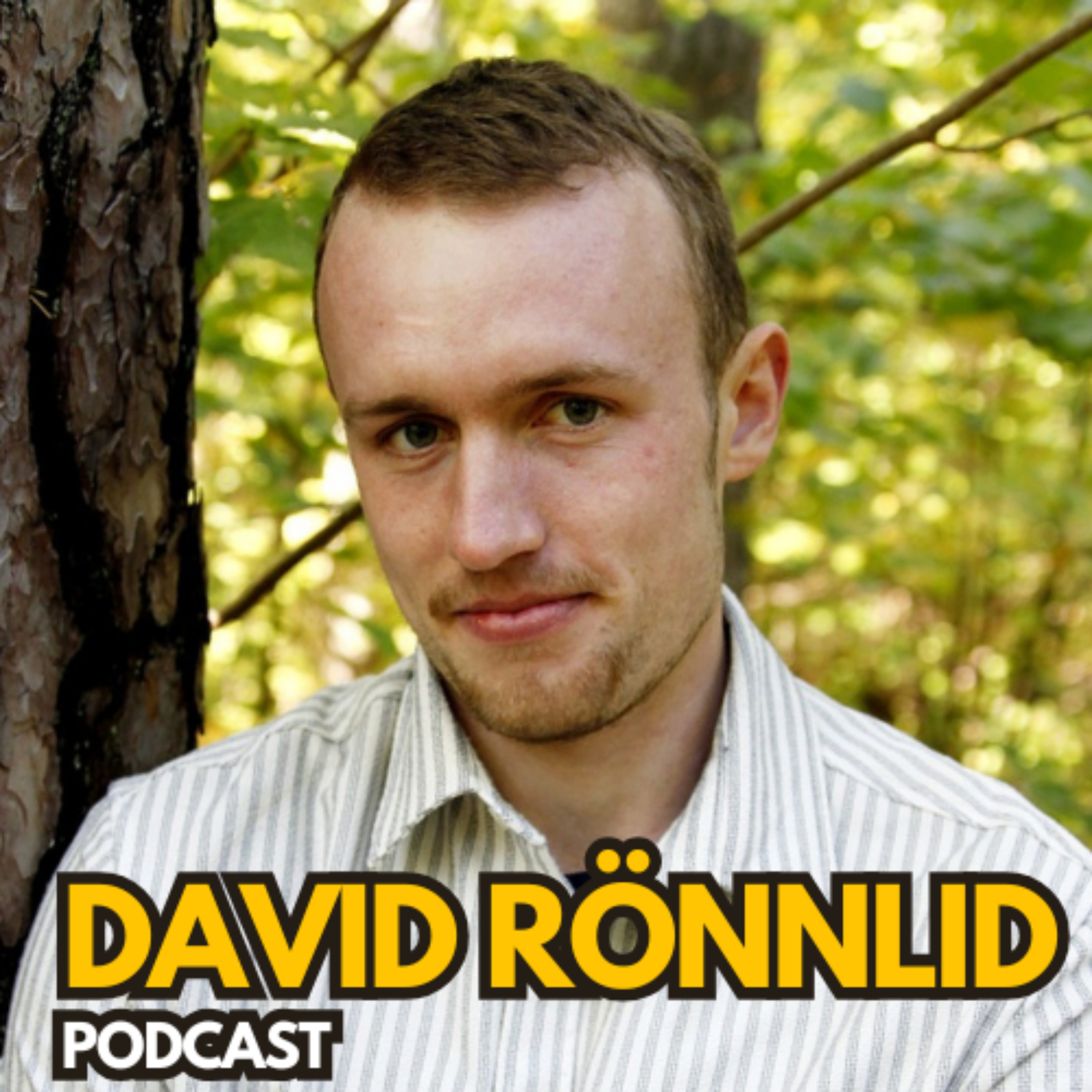
David Rönnlid Podcast
by David Rönnlid
Hi! I am David Rönnlid, a med student from Uppsala, Sweden.I am exploring the ins and outs of health and medicine and would love to have you with me on this journey! From this podcast, you can expect conversations with researchers, clinicians, and other experts in health and medicine. Welcome!(The content provided on this page is for informational purposes only and is not intended as a substitute for professional medical advice, diagnosis, or treatment.)
-
23
Jonathan Cedernaes: Circadian Health from Molecular Clocks to Public Policy - David Rönnlid Podcast #14
🌍 How can we align our lives — and our societies — with our body clocks?Poor sleep and circadian misalignment don’t just make us tired — they impair several aspects of our metabolic health. I sat down with Jonathan Cedernaes, M.D., Ph.D., and explored what we can do about it: from personal daily habits to systemic policy reforms. Sleep quality and quantity isn’t just about recovery — it’s a public health issue.We dive deep into:✅ Daily habits that keep your circadian rhythm aligned✅ Why sleep timing is as important as sleep duration✅ How late nights and irregular schedules impair metabolism and long-term health✅ Policy changes that could protect circadian health at a population level — from school start times to shift work regulations✅ The promise of circadian science for future treatments and prevention strategies💡 What do you think matters more for our collective health: better personal habits or policy reforms?#SleepScience #CircadianHealth #Metabolism #PublicHealthSleep science group: https://www.facebook.com/groups/495466987134152/Connect with Jonathan on social media:X: https://x.com/jcedernaesIG: https://www.instagram.com/sleepydrcedernaesclocks/Episode chapters:00:00:00 Introduction00:02:05 Sleep as a Driver of Motivation and Healthy Habits00:04:15 Weekend Catch-Up Sleep: Benefits and Limits00:07:50 Sleep, Metabolic Health, and Obesity Links00:10:13 Sleep Disruption and Neurodegenerative Disease00:12:53 Mechanisms: How Neurodegeneration Impairs Sleep00:18:30 Supplements, Exam Stress, and Slow-Wave Sleep00:20:01 The Body's Master Clock in the Brain: The Suprachiasmatic Nucleus00:23:20 Light, Retina, and the Body’s Internal Timekeeping00:43:16 Late-Night Eating and Sleep Quality00:46:00 Heart Rate Variability: What It Really Tells Us00:52:10 Short Sleepers, Long Sleepers, and Individual Needs01:05:22 Circadian Misalignment: Jet Lag and Shift Work01:19:44 Sleep and Mental Health Connection01:33:11 Diet Timing, Fasting, and Circadian Rhythm01:43:52 Exercise After Sleep Loss: Helpful or Harmful?01:56:20 MicroRNAs, Sleep Loss, and Neurodegeneration Risk02:14:36 AI, Research, and Sleep Science in the Future02:22:06 Summary of most important takeaways from the conversation
-
22
Daniel Elias-López: Heart Disease Prevention Beyond “Good” and “Bad” Cholesterol - David Rönnlid Podcast #13
Most of us think of different types of cholesterol as either “good” or “bad.” But the reality is more complex.Daniel Elías-López, Endocrinologist, Ph.D, is a Mexican endocrinologist and researcher whose work spans both clinical care and public health. After years of treating patients with obesity, diabetes, and lipid disorders, he saw a limit to what could be achieved in the clinic alone. That realization led him toward research—with work aimed at generating knowledge that could inform prevention and treatment strategies for millions.In this episode, we discuss:- Why LDL is only part of the picture- How elevated cholesterol can remain asymptomatic for years, and why early measurement is important for timely risk detection- Practical, evidence-based strategies that can help lower risk for cardiovascular eventsRather than claiming to have all the answers, Dr. Daniel Elías-López shares his insights from clinical experience and research —highlighting what’s known, what’s emerging, and why prevention matters.You can connect with Dr. Daniel Elías-López on LinkedIn: https://www.linkedin.com/in/danieleliasl/ and listen to his podcast in Spanish: https://open.spotify.com/show/31RDgmiIWXQHyHNjgBxeNe?si=6bdf7f42589f4af6Episode chapters:00:00:00 - Why lipoproteins are essential for human health 00:07:14 - Research motivation behind studying cholesterol particles 00:14:53 - How lipoprotein particle size affects heart risk 00:22:00 - The main types of cholesterol in the body 00:29:40 - Understanding non-HDL cholesterol and health impacts 00:36:50 - Genetics and their influence on lipid metabolism 00:44:02 - Strategies to improve current cholesterol guidelines 00:51:41 - How cholesterol knowledge translates to clinical practice 00:58:49 - Fasting versus non-fasting lipid blood testing 01:06:29 - What cholesterol levels really tell about health 01:13:40 - Additional lipid markers for cardiovascular assessment 01:20:55 - Current debates in cholesterol research and policy 01:28:30 - Impact of diet on lipid profile and heart health 01:36:10 - Future directions in lipid research and prevention 01:43:55 - Key takeaways and summary of cholesterol insights
-
21
Ray Dorsey: Environmental Toxins and Parkinson’s Disease - David Rönnlid Podcast #12
Parkinson’s disease is now the fastest-growing neurological disorder in the world — and according to Dr. Ray Dorsey, it’s not just about aging or genetics. Dr. Dorsey argues that environmental toxins — including certain pesticides, industrial chemicals, and air pollutants — are significant, modifiable risk factors for developing Parkinson’s disease. In this podcast episode, we discuss:🔬 The evidence linking environmental toxins to Parkinson’s disease💡 What individuals can do today to reduce their exposure to environmental toxins that research has shown are associated with increased risk for developing Parkinson's disease🏛 The public health policy changes Dr. Dorsey advocates to address the rapid rise of Parkinson’s disease in today’s society.Dr. Dorsey's book "The Parkinson's Plan": https://www.amazon.com/Parkinsons-Plan-Path-Prevention-Treatment/dp/1541705386Episode chapters:00:00:00 Episode highlight reel00:02:11 Introducing Dr. Ray Dorsey, Parkinson’s Disease Researcher00:04:43 Evidence Linking Long-Term Exposure to Trichloroethylene to Neurological Decline 00:08:10 Environmental Contributions to Parkinson’s Beyond Genetics 00:12:37 Communicating Risks Without Overstating the Evidence 00:16:47 Historical Use and Persistence of Paraquat in Agriculture 00:19:20 Testing Options for Potential Parkinson’s-Related Risk Factors 00:21:48 Why Parkinson’s Risk Reduction Remains a Global Challenge 00:24:51 Practical Measures to Limit Environmental Neurotoxins 00:30:40 The Role of Policy in Reducing Harm 00:33:05 How Public Awareness Can Drive Change in Exposure
-
20
Louise Hecker: Psilocybin Improves Survival in Aged Mice - David Rönnlid Podcast #11
Louise Hecker, PhD, is a scientist of the cellular mechanisms of aging, such as oxidative stress and endogenous antioxidant enzymes in lung tissue and how such mechanisms influence development of fibrotic lung tissue. During the early phases of this study on the effects of psilocbin on aging in human cells and mice, she was an Associate Professor at Emory University, whereas toward the final data analysis and manuscript preparation, she held the same position at Baylor College of Medicine.The study discussed in this episode investigated psilocybin’s ability to prolong cellular lifespan and reduce oxidative stress in human fibroblasts, and it reported that higher doses extended cellular lifespan dose-dependently by up to 57 %. In aged mice, monthly psilocybin dosing markedly improved survival and even restored fur color and hair growth. Both the cell study and the mouse study suggest that psilocybin targets multiple hallmarks of aging, possibly even reversing some age-related processes.The study, "Psilocybin treatment extends cellular lifespan and improves survival of aged mice": https://www.nature.com/articles/s41514-025-00244-xYou can connect with Dr. Hecker on LinkedIn: https://www.linkedin.com/in/louise-hecker-69ba1915/ and on X: https://x.com/heckerlouise.Episode chapters:00:00:00 Can psilocybin slow cellular aging?00:03:29 Introducing aging researcher Dr. Louise Hecker00:08:24 The psilocybin-telomere hypothesis explained00:10:18 What telomeres are & why they shorten with age00:17:14 Psilocybin makes old cells "behave" like young cells00:23:23 Regulatory hurdles of psilocybin research00:25:54 Checking cancer risk & cell division results00:30:12 Measuring life extension in cells00:36:34 Scar tissue, fibroblasts & aging00:42:25 When to start treatment & dosing of psilocybin for maximum anti-aging effects?00:46:38 Designing the psilocybin mouse study00:57:28 Mice live longer & look younger after monthly psilocybin dosing01:07:44 Unanswered questions & follow-up studies01:27:44 Implications for chronic diseases
-
19
Alberto Espay: Precision Medicine for Neurodegenerative Diseases - David Rönnlid Podcast #10
In this episode, neurologist Dr. Alberto Espay shares a bold new vision for treating Alzheimer's—beyond plaques and toward personalized care. We discuss limitations of current drug strategies and the potential of the Cincinnati Cohort Biomarker Program to individualize treatments for patients with neurodegenerative disease. Find his book Brain Fables here: https://www.amazon.com/Brain-Fables-Neurodegenerative-Diseases-Blueprint/dp/1108744621References:#1: β-Amyloid accumulation in the human brain after onenight of sleep deprivation: https://pubmed.ncbi.nlm.nih.gov/29632177/Episode chapters:00:00:00 Introduction & Dr. Espay's Neurology Speciality00:01:05 Cincinnati Cohort Biomarker Program (CCBP) Goal00:02:04 Placeholder Diagnoses: How we Choose Clinical Labels for Diagnoses00:05:28 Precision Medicine Goal: Individualized Diagnostics and Treatments00:08:27 Dr. Espay's Critique of the Amyloid Hypothesis00:11:42 Lecanemab: Validation of the Amyloid Hypothesis?00:13:56 On the Toxicity of Amyloid Plaques00:18:05 Monoclonal Antibody Issues: ARIA, Swelling & Bleeding00:20:18 Data Presentation vs Manipulation: Relative vs. Absolute Risk Reduction00:27:52 Interpreting Research Data: Sleep Deprivation & Amyloid Example00:30:23 Amyloid Structure and Toxicity00:32:27 Preclinical Anti-Amyloid Trials (4 Studies)00:36:40 CCBP: A Precision Medicine Research Programme00:39:06 Developing Divergent & Therapy-Linked Biomarkers00:43:02 Focus on Biological Subtypes, Not Clinical Diagnoses00:48:03 CCBP as Exploratory Research: A 'Fishing Expedition'00:50:50 Identifying Outliers (Uric Acid Example)00:54:28 Skepticism in Medical Research00:55:40 About the Book 'Brain Fables'
-
18
#9: Aware and Intentful Phone Use with Richard Cytowic
Richard E. Cytowic, M.D., is a neurologist and author renowned for revitalizing the scientific study of synesthesia. His influential works, such as "Synesthesia: A Union of the Senses" and "The Man Who Tasted Shapes," have significantly contributed to our understanding of this perceptual phenomenon.His latest book, "Your Stone Age Brain in the Screen Age: Coping with Digital Distraction and Sensory Overload", explains how our relatively unchanged Stone Age brains struggle to adapt to the rapid advancements of the digital era. From this conversation, you can expect insights into the effects of excessive screen exposure and phone use on the brain and the mind, as well as methods for intentful phone use.The book: Your Stone Age Brain in the Screen Age: https://www.amazon.com/Your-Stone-Age-Brain-Screen/dp/0262049007Richard's website: https://cytowic.net/00:00 - Introduction by Richard Cytowic on Screens and the Brain.01:06 - The reel scroll social media feature is likened to a slot machine, exploiting our reward system.04:32 - Unlike eating, screens offer no natural cue to cease engagement08:34 - Screens Distractions in Everyday Situations and Public Spaces.14:50 - Negative Impact of Screens On Young People, Including Social Isolation.18:50 - Parental Screen Use to Pacify Children May Cause Developmental Issues?27:50 - Passive Screen Use VS Active Engagement in Learning Material for Developing Skills and Knowledge?35:50 - Brain Regions Involved in Phone Use.43:86 - Attention Problems and Reduced Socializing as a Result Of Excessive Screen Time.52:30 - Awareness of the Problem is the First Step to Managing Screen Dependence.01:04 - Excessive Screen Use Decreases Empathy?01:12 - Invasive Advertising on Public Screens Forces Visual Attentional Shifts?01:19 - Our Brains Are Evolved in a Stone Age Environment and Struggle with Today's Stimuli.01:32 - The Value of Silence in a World of Constant Stimulation.01:39 - Taking Walks Without a Phone to Enhance Creativity.
-
17
#8: The Future of Telemedicine: AI, VR and Certified Examination Assistants with Ilya Bragin
Ilya Bragin, M.D., is a double board-certified Neurologist and Interventional Pain Specialist focused on expanding neurological care and brain longevity. He specializes in stroke care, telemedicine, and neurodegenerative diseases.Connect with Ilya on LinkedIn: https://www.linkedin.com/in/ilya-bragin-b8698b49/Episode chapters:00:00 - Introduction & Definition of Telemedicine03:36 - Important Factors for Effective Telemedicine & Suitable Specialties06:45 - The Concept of Certified Examination Assistants in Telemedicine14:53 - Who Can Become a Certified Examination Assistant?17:42 - AI and Computer Vision in Telemedicine20:49 - Cost Aspects of Training Examination Assistants34:12 - Home Monitoring and Wearable Technology for Early Detection and Prevention of Diseases39:47 - Telemedicine in Underserved Areas41:41 - Impact of the COVID-19 Pandemic on Telemedicine50:43 - Telemedicine in Stroke Care56:26 - Other Neurological Conditions and Telemedicine01:07:25 - Distance-Based Preventive Medicine
-
16
#7: How Psilocybin and Other Psychedelics Reshape Brain Networks with Matthew Wall
In this conversation, I speak with Matthew Wall, PhD, about the effects of psilocybin and other classic psychedelics on the human brain.Matthew Wall is a psychologist specializing in psychedelics and functional MRI (fMRI) neuroimaging. He earned his PhD in Cognitive and Brain Sciences from the University of Cambridge. Currently, he leads MRI Applications at Perceptive London and serves as an Honorary Senior Lecturer at Imperial College London.Learn more about Matthew Wall's work: https://profiles.imperial.ac.uk/matthew.wallEpisode chapters:00:00:00 Defining "Classic" Psychedelics: Psilocybin, LSD, DMT, and Mescaline00:02:47 How Matthew Wall Got Involved in Psychedelic Research and His Motivations00:09:00 Effectiveness of Psilocybin for Treatment-Resistant Depression00:16:40 Insights from Larger Clinical Trials on Psilocybin's Effect on Depressive Symptoms00:22:32 Comparing the Acute and Sustained Effects of Psychedelics vs. SSRIs for Depression00:32:12 Understanding fMRI, Resting State Functional Connectivity (RSFC), and Arterial Spin Labeling00:39:59 The Acute Effects of Classic Psychedelics on Global and Modular Brain Network Integration00:47:57 Potential Risks, the Importance of Psychotherapy in Psychedelic Treatment, and Reopening Critical Learning Periods01:07:48 Effects of Psychedelics on the Default Mode Network (DMN) and Other Key Brain Areas Like the Amygdala01:33:36 Long-Term Effects of Psilocybin on Personality and The Future of Psychedelic Therapy
-
15
#6: How Lecanemab Slows the Clock on Alzheimer’s Disease with Dag Sehlin
Dag Sehlin, PhD, is an Associate Professor of Neurobiology at Uppsala University. His research focuses on Alzheimer’s disease, developing therapeutic and diagnostic tools, including engineered antibodies targeting amyloid-betaDag has played an important role in the research behind the development of Lecanemab, an amyloid-beta antibody recently approved for Alzheimer's treatment by both the FDA in the U.S. and the EMA in Europe.Episode timestamps:00:00 - Guest Introduction: Dag Sehlin, Associate Professor of Neurobiology 03:25 - Progression of Alzheimer's Disease in the Brain 05:48 - Comorbidities and Challenges in Diagnosing Alzheimer's 12:54 - Tau and Amyloid Beta Markers in Cerebrospinal Fluid 17:00 - Future Potential of Blood Tau for Early Alzheimer's Detection 24:01 - FDA & EMA Approval of Lecanemab for Alzheimer's Treatment 25:27 - Lecanemab: First Disease-Modifying Alzheimer's Treatment 35:23 - Clinical Benefits of Lecanemab Beyond Cognitive Function (Quality of Life, Hospitalization Rates and More) 58:39 - Dose-Dependent Side Effects and Future Improvements 01:00:54 - Transferrin Receptor "Trojan Horse" Mechanism for Blood-Brain Barrier Penetration 01:15:16 - Neuroinflammation: Beneficial vs. Harmful Effects and Possible Solutions01:39:37 - AI and Brain Imaging: Enhancing Precision01:42:04 - Enhancing Collaboration Between Academia and Big Pharma Companies
-
14
#5: How to Recover from Exercise Efficiently with Mathieu Nedelec
Dr. Mathieu Nedelec, who holds a PhD in sports science, is a researcher specializing in recovery and sleep at the French Institute of Sport (INSEP). His primary research focuses on fatigue, recovery, and evidence-based recovery strategies such as sleep, cold water immersion, and nutrition. He also offers sports science support to elite athletes across various disciplines. Link to Mathieu's book (available in French). Episode chapters: 00:00 Introduction 00:25 Why Recovery from Exercise is Important 02:10 Ways to Measure Recovery Including Heart Rate Variability (HRV) 06:02 Consumer Devices and Apps for Sleep Tracking 08:48 How Mathieu Measures Sleep in Elite Athletes 21:00 The Recovery Pyramid: A Hierarchy of Recovery Strategies: Sleep, Nutrition, and Cold Water Immersion as the Foundation 26:30 Key evidence-based nutritional strategies for enhancing recovery: Tryptophan, Gut Microbiome, High Glycemic Index Foods 38:40 Personality Traits and Sleep in Athletes - Neuroticism, Conscientiousness, and Sleep Quality 44:42 How to Use Cold Water Immersion to Enhance Recovery from Exercise
-
13
#4: How the Gut Microbiome Impacts Human Health with Gabriel Baldanzi and Koen Dekkers
In this episode, I talk with Gabriel Baldanzi, PhD, M.D., and Koen Dekkers, Research Assistant, who work in the same research group at Uppsala University. They are both actively researching the role of the gut microbiome in human health and chronic disease.Studies discussed in this episode: Dekkers, K.F., Sayols-Baixeras, S., Baldanzi, G. et al. An online atlas of human plasma metabolite signatures of gut microbiome composition. Nature Communications 13, 5370 (2022).Baldanzi, Gabriel et al. Accelerometer-based physical activity is associated with the gut microbiota in 8416 individuals in SCAPIS. eBioMedicine, Volume 100, 104989.Baldanzi, Gabriel et al., OSA Is Associated With the Human Gut Microbiota Composition and Functional Potential in the Population-Based Swedish CardioPulmonary bioImage Study. CHEST, Volume 164, Issue 2, 503 - 516.Gutsy atlas link.Episode chapters:00:00 Introduction to the episode and guest researchers, discussing the role of the gut microbiome in chronic diseases.06:00 Overview of how bacteria in the gut impact health, immune response, and metabolism.09:24 Methods used in the study, focusing on shotgun metagenomics and its advantages.10:01 The relationship between gut microbiota-derived metabolites like TMAO and cardiovascular risk.12:11 Explanation of metagenomics methods used in the study to measure gut microbiome.18:09 Overview of the study’s large sample size and its unique approach.20:44 Health Implications of Butyrate21:37 Fiber’s Role in Butyrate Production 23:32 Diet and Gut Microbiome Diversity27:18 Fiber Intake and Gut Health30:19 Alpha Diversity in the Gut Microbiome 37:05 Microbiome Diversity and Type 2 Diabetes44:00 Future of Microbiome Sampling Techniques: Capsule Innovations 45:04 Exploring Rare and Uncatalogued Species 47:02 The Role of AI in Gut Microbiome Research 50:00 Selecting Metabolites for Research Focus & Gutsy Atlas01:00:11 Coffee Metabolites and Their Variance01:00:40 Interpreting Associations between Coffee Metabolites and Gut Microbiota Variety and Specific Species01:06:27 Streptococcus salivarius and Coffee Metabolites01:10:31 Plasma Nucleotides and Gut Microbiome01:12:12 Physical Activity and Gut Microbiome Diversity01:14:55 Dietary Fiber and Gut Microbiome Diversity01:15:53 Physical Activity and Its Impact on Gut Health01:16:46 Physical Activity, Adiposity, and Microbiome Diversity01:19:25:12 Genetic Predisposition and Physical Activity Effects01:22:14 Gut Microbiota and Exercise Enjoyment01:22:55 Gut-Brain Axis and Exercise01:23:43 Lactate-consuming Bacteria in Marathon Runners01:25:23 Gut Microbiota and Physical Activity Habits01:25:51 Sedentary Behavior and GABA-producing E. coli Abundance01:27:36 Gut Microbiota’s Effect on Behavior01:28:40 Vagus Nerve and Gut Microbiota Influence01:30:07 Fecal Transplants and Mood Enhancement01:32:47 Colonization Resistance and Probiotics, The Long-Term Effects of Supplementing Gut Bacteria 01:37:28 Factors Influencing Probiotic Retention01:38:47 Risks of Probiotics Competing with Native Species01:43:36 What Diet is Best for Promoting a Healthy Gut Microbiome01:45:30 Obstructive Sleep Apnea and the Gut Microbiome01:47:58 Hypoxia and its Impact on the Gut Microbiome, Including by Altering Lactate and Propionate Metabolism02:00:07 Cognitive Performance and the Gut Microbiome02:00:31 Upcoming Large Microbiome Studies02:01:08 Preliminary Findings in Microbiome and Cognition02:06:45 Current Microbiome Tests for Consumers on the Commercial Market02:10:50 Antibiotic Use and Its Long-Term Effects on the Microbiome02:13:22 Conclusion and Thanks
-
12
Does skin exposure to UVA light increase serum serotonin and improve mood? | Health study of the week #9
Please beware of the risks of exposing your skin to sunlight in general and UVA light in particular. A large body of evidence suggests that UVA light exposure on the skin can increase risk for various skin cancers. This podcast episode is not intended as a recommendation to increase your personal amount of time spent in the sun. The decision of how much sunlight to expose your skin to is yours to make. This podcast episode is intended to raise awareness of only some of the effects of UVA in order to help you make that decision an informed decision. So, in the name of increasing awareness of all of the effects of sunlight on human health, please take into consideration not only the potential positive psychological effects that were mentioned in this episode, but also some established harmful somatic effects of UVA light:https://www.skincancer.org/risk-factors/uv-radiation/Study link: https://pmc.ncbi.nlm.nih.gov/articles/PMC113771/Study reference: Gambichler T, et al. Impact of UVA exposure on psychological parameters and circulating serotonin and melatonin. BMC Dermatol. 2002 Apr 12;2:6. doi: 10.1186/1471-5945-2-6. PMID: 11952999; PMCID: PMC113771.
-
11
Do barbell or cable bicep curls yield more strength and muscle gains? | Health study of the week #8
Study link: https://www.mdpi.com/1660-4601/17/16/5859Study reference:Nunes, J.P., et al.Placing Greater Torque at Shorter or Longer Muscle Lengths? Effects of Cable vs. Barbell Preacher Curl Training on Muscular Strength and Hypertrophy in Young Adults. Int. J. Environ. Res. Public Health 2020, 17, 5859. https://doi.org/10.3390/ijerph17165859
-
10
Do cold baths improve sleep and recovery after HIIT? | Health study of the week #7
Study link: https://www.frontiersin.org/journals/sports-and-active-living/articles/10.3389/fspor.2021.659990 Study reference: Chauvineau Maxime , et al. Effect of the Depth of Cold Water Immersion on Sleep Architecture and Recovery Among Well-Trained Male Endurance Runners Frontiers in Sports and Active Living. Volume 3. 2021. https://doi.org/10.3389/fspor.2021.659990 Related episodes from the Exploring Health and Medicine podcast: #1: Christian Benedict - How to measure and improve your sleep Does ambient temperature impact sleep quantity or quality? | Mental health monologue #6
-
9
#3: Breast cancer prevention and screening - Per Hall
Per Hall is a professor at the Department of Medical Epidemiology and Biostatistics at Karolinska Institute in Stockholm. He is also a senior physician at Södersjukhuset.His breast cancer research is focused on prevention and early detection.Timestamps:00:00 Why breast cancer prevention is important01:35 Breast Cancer Statistics in Sweden and Worldwide 03:01 Breast Cancer in Males and Age-Related Incidence 05:17 Breast Cancer Screening Programs 07:20 Risk-Based Screening vs. Age-Based Screening 12:21 AI and Machine Learning in Breast Cancer Detection 22:36 Contrast-Enhanced Mammography 29:30 Tamoxifen and Endoxifen for Breast Cancer Prevention 31:07 Tamoxifen's Side Effects and Patient Compliance 31:55 Testing Lower Doses of Tamoxifen33:27 Endoxifen: A Promising Alternative 34:55 Study Results and Side Effects 37:34 Future Screening Programs and Endoxifen 41:27 Modifiable Risk Factors for Breast Cancer 53:39 Self-Examination and Screening Importance 57:48 How to Properly Self-Examine Your Breasts
-
8
Does ambient temperature impact sleep quantity or quality? | Health study of the week #6
Practical takeaways from the study are summarized at the beginning of the episode (00:00 - 04:30). Study link: https://www.sciencedirect.com/science/article/pii/S1087079224000194 Study reference: Guillaume Chevance, et al. A systematic review of ambient heat and sleep in a warming climate, Sleep Medicine Reviews, Volume 75, 2024, 101915, ISSN 1087-0792, https://doi.org/10.1016/j.smrv.2024.101915.
-
7
#2: How to relate to people with schizophrenia - Lena Flyckt
Lena Flyckt is an associate professor at the Department of Clinical Neuroscience at Karolinska Institutet in Stockholm, Sweden. She is recognized for her research in psychiatry, including on schizophrenia and the effects of the condition on caregivers surrounding the patient. Lena also has more than 30 years of experience working clinically as a psychiatrist, including with many people who have schizophrenia.
-
6
#1: How to measure and improve your sleep - Christian Benedict
Christian Benedict, PhD, is a sleep researcher at Uppsala University in Sweden.He is known for his ability to communicate the importance of sleep in both academic and public settings, advocating for sleep as a key factor in maintaining health and productivity.Follow Christian on InstaGram: https://www.instagram.com/sleep_advocate/Buy Christians book (Swedish version): https://www.bokus.com/bok/9789178876402/sov-dig-till-ett-battre-liv-vad-andning-sex-melatonin-tyngdtacke-fullmane-och-kiwi-kan-gora-for-din-somn/?fbclid=PAZXh0bgNhZW0CMTEAAaZwBdKTFb1SZhUgw7jfrZvADGzF67tcfJqQJVDi5b6OOXr8xt3Nv-dMLac_aem_ef109znbPXFYsN2nMw8UYQ
-
5
Does recurrent sleep deprivation impair spatial or procedural learning? | Health study of the week #5
Jonathan Cedernaes, et al.Learning and sleep-dependent consolidation of spatial and procedural memories are unaltered in young men under a fixed short sleep schedule,Neurobiology of Learning and Memory,Volume 131, 2016, Pages 87-94, ISSN 1074-7427,https://doi.org/10.1016/j.nlm.2016.03.012.
-
4
Does small talk or deep talk bring more happiness? | Health study of the week #4
Study reference: Mehl MR, Vazire S, Holleran SE, Clark CS. Eavesdropping on happiness: well-being is related to having less small talk and more substantive conversations. Psychol Sci. 2010 Apr;21(4):539-41. doi: 10.1177/0956797610362675. Epub 2010 Feb 18. PMID: 20424097; PMCID: PMC2861779.
-
3
Does mindfulness meditation increase heart rate variability during wakefulness and sleep? | Health study of the week #3
Article Source: Heart rate variability is enhanced during mindfulness practice: A randomized controlled trial involving a 10-day online-based mindfulness intervention Kirk U, Axelsen JL (2020) Heart rate variability is enhanced during mindfulness practice: A randomized controlled trial involving a 10-day online-based mindfulness intervention. PLOS ONE 15(12): e0243488. https://doi.org/10.1371/journal.pone.0243488
-
2
Does having plants in the office improve focus? | Health study of the week #2
Ruth K. Raanaas, et al. Benefits of indoor plants on attention capacity in an office setting, Journal of Environmental Psychology, Volume 31, Issue 1, 2011, Pages 99-105, ISSN 0272-4944,https://doi.org/10.1016/j.jenvp.2010.11.005.
-
1
Will climbing the stairs give you a creativity boost? | Health study of the week #1
"Subjects on average generated 61% more original uses after stair-climbing."Study reference:Matsumoto K, et al. The Effect of Brief Stair-Climbing on Divergent and Convergent Thinking. Front Behav Neurosci. 2022 Jan 28;15:834097. doi: 10.3389/fnbeh.2021.834097. PMID: 35153696; PMCID: PMC8831728.
We're indexing this podcast's transcripts for the first time — this can take a minute or two. We'll show results as soon as they're ready.
No matches for "" in this podcast's transcripts.
No topics indexed yet for this podcast.
Loading reviews...
ABOUT THIS SHOW
Hi! I am David Rönnlid, a med student from Uppsala, Sweden.I am exploring the ins and outs of health and medicine and would love to have you with me on this journey! From this podcast, you can expect conversations with researchers, clinicians, and other experts in health and medicine. Welcome!(The content provided on this page is for informational purposes only and is not intended as a substitute for professional medical advice, diagnosis, or treatment.)
HOSTED BY
David Rönnlid
Loading similar podcasts...
Frequently Asked Questions
How many episodes does David Rönnlid Podcast have?
David Rönnlid Podcast currently has 23 episodes available on PodParley. New episodes are automatically indexed when they're published to the podcast feed.
What is David Rönnlid Podcast about?
Hi! I am David Rönnlid, a med student from Uppsala, Sweden.I am exploring the ins and outs of health and medicine and would love to have you with me on this journey! From this podcast, you can expect conversations with researchers, clinicians, and other experts in health and medicine. Welcome!(The...
How often does David Rönnlid Podcast release new episodes?
David Rönnlid Podcast has 23 episodes. Check the episode list to see recent publication dates and frequency.
Where can I listen to David Rönnlid Podcast?
You can listen to David Rönnlid Podcast on PodParley by clicking any episode. We provide an embedded audio player for direct listening, and you can also subscribe via your preferred podcast app using the RSS feed.
Who hosts David Rönnlid Podcast?
David Rönnlid Podcast is created and hosted by David Rönnlid.
URL copied to clipboard!