
PODCAST · health
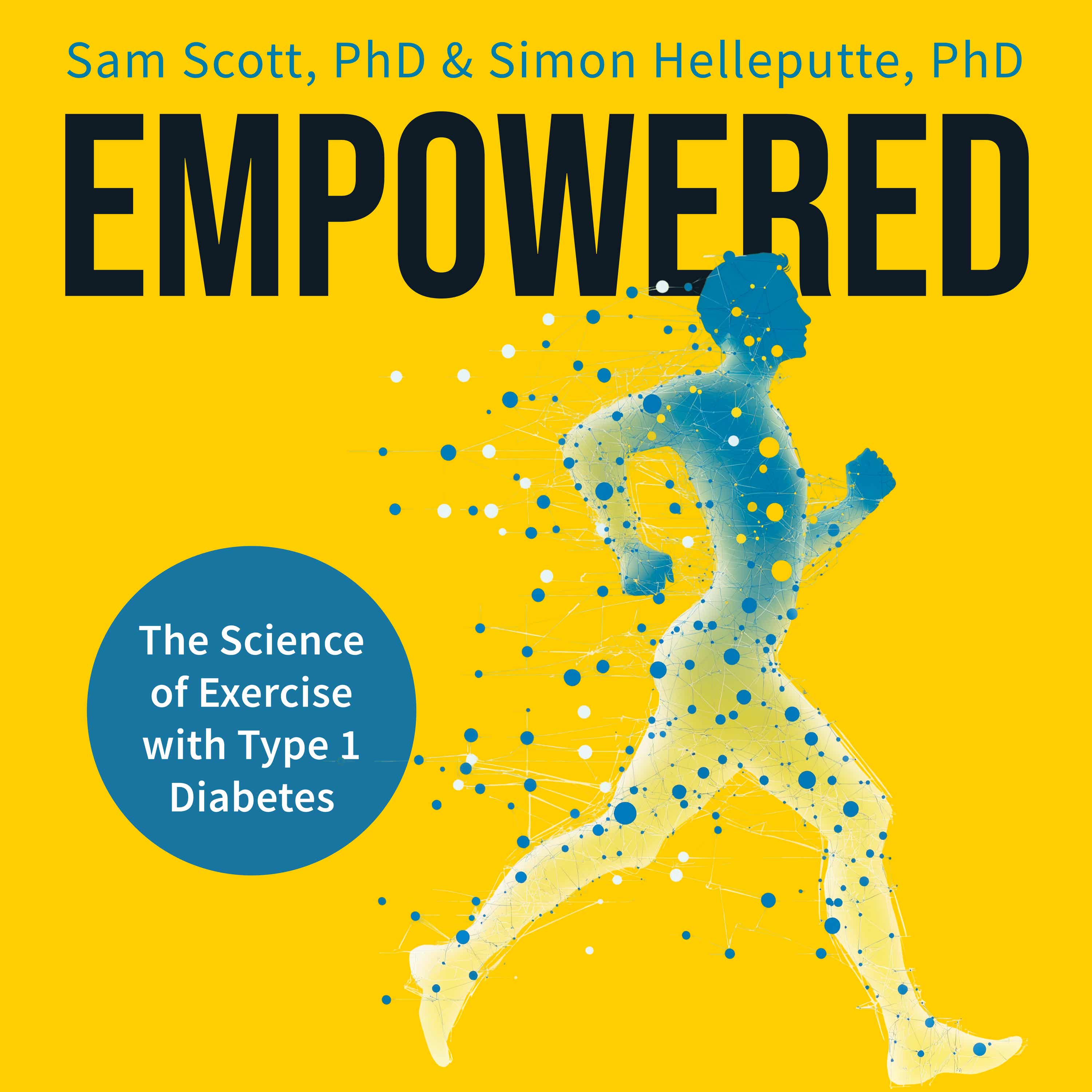
Empowered: The Science of Exercise with Type 1 Diabetes
by by Sam Scott and Simon Helleputte
"Empowered: The Science of Exercise with Type 1 Diabetes" explores the intersection of exercise and type 1 diabetes, offering insights and practical strategies for managing blood glucose levels during physical activity.Full book and audiobook links: https://www.enhance-d.com/book samscottphd.substack.com
-
9
Chapter 9. Exercise with Type 1 Diabetes Under Challenging or Variable Conditions
Sport can be unpredictable. Factors such as competition stress or changes in environmental conditions can significantly impact glucose management. Even if you are not a competitive athlete, numerous scenarios can dramatically affect your glucose levels or require additional considerations. These may include changes in altitude or a drop in temperature during winter sports, variables related to playing Sunday league football, or scuba diving while on holiday.When exercise conditions vary, it is essential to be strategic and consider specific factors to manage glucose levels effectively, whether training or competing. This chapter will delve into more advanced topics related to exercise and type 1 diabetes (T1D). This includes team sports (both contact and non-contact), pre-competition stress, swimming and diving, and how to handle environmental extremes such as variations in temperature and altitude. We’ll finish by offering some insights into how exercise guidelines are developed and why accounting for every environment or scenario remains such a huge challenge.Hit play to hear more.Full book and audiobook links: https://www.enhance-d.com/book Get full access to Sam’s Substack at samscottphd.substack.com/subscribe
-
8
Chapter 7. Exploring the Impact of Low Carbohydrate Strategies on Glycaemic Management and Training Adaptations in People with Type 1 Diabetes
In the previous chapter, we explored the general landscape of low-carbohydrate diets and their potential benefits for people living with type 1 diabetes. Now, we will delve deeper into the specific applications of low-carbohydrate diets in the context of exercise performance and adaptation. This is an incredibly captivating topic (in our opinion!), as striking the right balance could enhance training adaptations and aid in glucose management for elite and recreational athletes with type 1 diabetes.Hit PLAY to hear more.Full book and audiobook links: https://www.enhance-d.com/book Get full access to Sam’s Substack at samscottphd.substack.com/subscribe
-
7
Chapter 6. Low Carbohydrate Diets and Carbohydrate Restriction in Type 1 Diabetes
This chapter examines the known pros and cons of low-carbohydrate diets for people with type 1 diabetes. We aim to provide a neutral overview of the literature and empower you, whether you’re living with diabetes or are a healthcare provider, to make better-informed, evidence-based decisions about the suitability of low-carbohydrate diets while being mindful of the potential risks and limitations.Hit play to hear more.Full book and audiobook links: https://www.enhance-d.com/book Get full access to Sam’s Substack at samscottphd.substack.com/subscribe
-
6
Chapter 5. Applying Sports Science Principles to Training and Competition for Endurance Athletes with Type 1 Diabetes
For endurance sports athletes with type 1 diabetes, managing blood glucose levels is an extra challenge compared to those without the condition. To optimise performance and recovery during key training sessions and competitions, they must contend with many factors, including hydration, electrolyte imbalances, glycogen depletion, gastrointestinal discomfort, disturbances in acid-base balance, and glucose management. They must precisely navigate a complex interplay of variables to compete and win.This chapter explores how sports science principles might be applied to enhance training adaptations, performance, competition strategies, and recovery for endurance athletes living with type 1 diabetes while managing glucose levels. By leveraging the latest research and insights and personalised glucose management, athletes living with type 1 diabetes can push the boundaries of what is possible in sports. We will first discuss some key principles related to fuel metabolism and sports nutrition, followed by fluid management, diabetes technology, and other considerations such as safe weight management and travel.Hit play to hear more.Full book and audiobook links: https://www.enhance-d.com/book Get full access to Sam’s Substack at samscottphd.substack.com/subscribe
-
5
Chapter 4. Planning and Management of Exercise in Individuals with Type 1 Diabetes
Many people with type 1 diabetes wish to be physically active and exercise regularly. However, exercising adds complexities to the already challenging task of daily glucose management. Chief among these considerations are insulin dose adjustments and the effects of meals surrounding exercise. Monitoring blood glucose levels during these times and establishing ideal glucose targets for safe and effective exercise is very important. This chapter addresses the unique challenges of managing blood glucose levels before, during, and after exercise, offering general tips and advice for exercise and glucose management.Hit play to hear more.Full book and audiobook links: https://www.enhance-d.com/book Get full access to Sam’s Substack at samscottphd.substack.com/subscribe
-
4
Chapter 3. The Hormonal and Metabolic Response to Exercise in People with Type 1 Diabetes
Exercise is arguably one of the most challenging aspects of managing type 1 diabetes. Depending on various factors, it can substantially increase the risk of both hyper- and hypoglycaemia, which can be discouraging, to say the least. Understanding the body’s hormonal responses to different forms of exercise is essential for people living with type 1 diabetes as it enables the individual to better understand why glucose responds as it does. This chapter aims to explain how exercise-related metabolism changes in people living with type 1 diabetes and how blood glucose tends to respond depending on the type and intensity of the exercise.Hit play to hear more.Full book and audiobook links: https://www.enhance-d.com/book Get full access to Sam’s Substack at samscottphd.substack.com/subscribe
-
3
Chapter 2. Why Physical Activity and Exercise are Important for People with Type 1 Diabetes
Get full access to Sam’s Substack at samscottphd.substack.com/subscribe
-
2
Chapter 1. General Introduction and Overview of Type 1 Diabetes
Type 1 diabetes (T1D) is a chronic autoimmune condition that targets and destroys β-cells in the pancreas. Under normal circumstances, β-cells produce insulin, an essential hormone for several metabolic processes, with one of the main ones being the regulation of blood glucose levels. Without insulin, the body cannot effectively regulate glucose levels, leading to hyperglycaemia (high blood glucose concentration). As a result, for people living with T1D, every day is a constant challenge to keep blood glucose levels within a target range (typically between 3.9 and 10 mmol/L or 70 and 180 mg/dL). Deviations from this range can lead to serious health consequences.The challenges associated with T1D are substantial and can negatively impact the quality of life. The necessity for constant monitoring of blood glucose levels, insulin administration, and the fear of potential complications such as vision impairment, nerve damage, kidney failure, and heart attack can significantly strain both physical and mental well-being.Despite the challenges, there is hope. Advances in medical technology and a deeper understanding of the condition enable many people with T1D to lead fulfilling and healthy lives. In this first chapter, we will delve into the intricacies of blood glucose regulation and explore how T1D disrupts this delicate balance. We will also provide an overview of key concepts in T1D management, including insulin therapy, blood glucose management, and continuous glucose monitoring (CGM). This chapter will serve as the foundation for the rest of the book, where we will focus more heavily on exercise and sport.Hit play to hear more.Full book and audiobook links: https://www.enhance-d.com/book Get full access to Sam’s Substack at samscottphd.substack.com/subscribe
-
1
Chapter 8. Could There Ever Be a Performance Advantage for an Athlete with Type 1 Diabetes?
“Could athletes with type 1 diabetes actually have an edge?”A bold question — and one we explore in our latest book, Empowered: The Science of Exercise with Type 1 DiabetesFrom differences in metabolism to data-driven training, managing type 1 diabetes might just unlock unexpected advantages in sport. 💥📈To structure this exploration, Chapter 8 of Empowered aims to explore four key questions:* Question 1: Can Taking Insulin Boost Muscle Size and Endurance?* Question 2: Is Exercising at a Higher Blood Glucose and/or Insulin Concentration Beneficial for Performance?* Question 3: Does Taking Insulin Affect How Quickly Muscles Build Up and Store Glycogen During Recovery?* Question 4: How Does T1D Affect Exercise Performance or Capacity?Hit play to hear more.Full book and audiobook links: https://www.enhance-d.com/book Get full access to Sam’s Substack at samscottphd.substack.com/subscribe
We're indexing this podcast's transcripts for the first time — this can take a minute or two. We'll show results as soon as they're ready.
No matches for "" in this podcast's transcripts.
No topics indexed yet for this podcast.
Loading reviews...
ABOUT THIS SHOW
"Empowered: The Science of Exercise with Type 1 Diabetes" explores the intersection of exercise and type 1 diabetes, offering insights and practical strategies for managing blood glucose levels during physical activity.Full book and audiobook links: https://www.enhance-d.com/book samscottphd.substack.com
HOSTED BY
by Sam Scott and Simon Helleputte
Loading similar podcasts...
Frequently Asked Questions
How many episodes does Empowered: The Science of Exercise with Type 1 Diabetes have?
Empowered: The Science of Exercise with Type 1 Diabetes currently has 9 episodes available on PodParley. New episodes are automatically indexed when they're published to the podcast feed.
What is Empowered: The Science of Exercise with Type 1 Diabetes about?
"Empowered: The Science of Exercise with Type 1 Diabetes" explores the intersection of exercise and type 1 diabetes, offering insights and practical strategies for managing blood glucose levels during physical activity.Full book and audiobook links: https://www.enhance-d.com/book...
How often does Empowered: The Science of Exercise with Type 1 Diabetes release new episodes?
Empowered: The Science of Exercise with Type 1 Diabetes has 9 episodes. Check the episode list to see recent publication dates and frequency.
Where can I listen to Empowered: The Science of Exercise with Type 1 Diabetes?
You can listen to Empowered: The Science of Exercise with Type 1 Diabetes on PodParley by clicking any episode. We provide an embedded audio player for direct listening, and you can also subscribe via your preferred podcast app using the RSS feed.
Who hosts Empowered: The Science of Exercise with Type 1 Diabetes?
Empowered: The Science of Exercise with Type 1 Diabetes is created and hosted by by Sam Scott and Simon Helleputte.
URL copied to clipboard!