
PODCAST · society
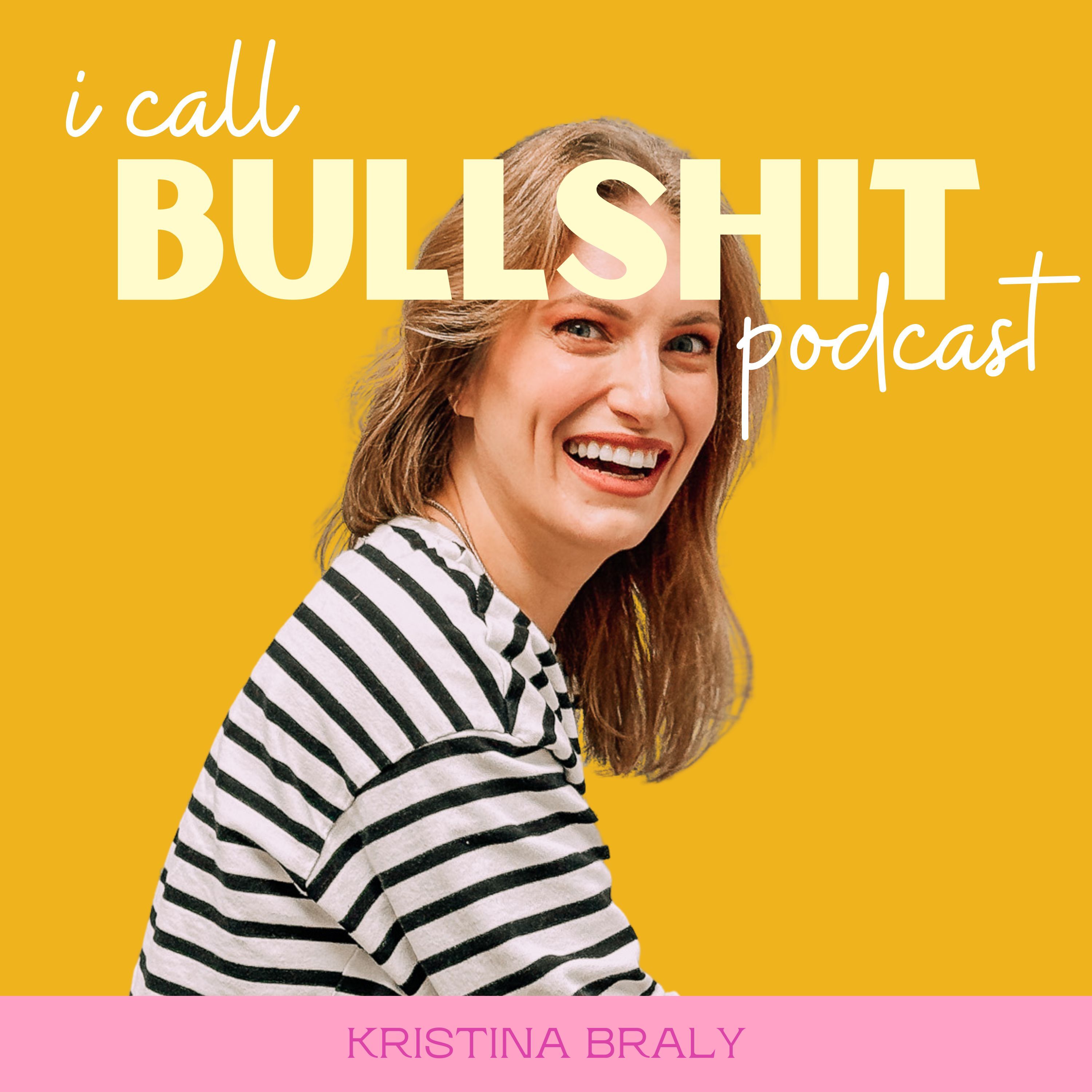
I Call Bullsh*t with Kristina Braly
by Kristina Braly
I Call Bullshit with Kristina Braly is a no-nonsense podcast that unravels the tangled web of corporate greed, exposes scams hiding in plain sight, and challenges the narratives we’ve been force-fed for generations. Each episode is a dogged pursuit of truth—no politics, no partisanship, just cold, hard facts. Host Kristina Braly—physician, mom, and straight-shooting skeptic—doesn’t pull punches: she’ll rant, rave, and call out bullshit wherever she sees it, all with her trademark wit and colorful commentary. Guests range from average working Americans—UPS drivers, ranch hands, school teachers—to celebrities & industry experts, dropping insight on what’s real and what’s nonsense. Buckle up for an unapologetically raw ride into the heart of the biggest stories nobody else wants to tell you straight.
-
18
017: Stop Doing That! 30 Everyday Health Myths DEBUNKED!
Think you need 8 glasses of water a day? That microwaving kills nutrients? Or that juice cleanses help your liver? Bullshit. In this rapid-fire, no-nonsense episode, Dr. Kristina Braly shreds 30 of the most common health myths we’ve been force-fed by corporations, influencers, and even grandma. From hydration lies to cold myths and bogus wellness trends, this episode is your antidote to everyday misinformation. Key Talking Points: Why you can stop counting glasses of water The truth about carbs, fats, and frozen foods Detox myths and why your liver doesn’t need help Debunking myths about microwaves, MSG, and body temperature Why “natural” doesn’t always mean “safe” Listener Takeaways: Hydrate based on your needs, not rules Eat balanced meals, not “fat-free” sugar bombs Trust science, not marketing hype Question every label—even if it says “natural” Know when you’re being sold wellness woo Citations: Mayo Clinic – “Water: How much should you drink every day?” https://www.mayoclinic.org/healthy-lifestyle/nutrition-and-healthy-eating/in-depth/water/art-20044256 Harvard T.H. Chan School of Public Health – “Detox Diets: Do They Work?” https://www.hsph.harvard.edu/nutritionsource/healthy-weight/detox-diets/ NIH – “Microwave Cooking and Nutrition” https://www.ncbi.nlm.nih.gov/pmc/articles/PMC3849900/ Cleveland Clinic – “Debunking the Egg Cholesterol Myth” https://health.clevelandclinic.org/are-eggs-bad-for-your-cholesterol/ FDA – “Questions and Answers on Monosodium Glutamate (MSG)” https://www.fda.gov/food/food-additives-petitions/questions-and-answers-monosodium-glutamate-msg Harvard Health Publishing – “Why alkaline diets are bogus” https://www.health.harvard.edu/blog/alkaline-diet-a-scientific-deception-201511168427 CDC – “Antibiotic Use Questions & Answers” https://www.cdc.gov/antibiotic-use/q-a.html Cleveland Clinic – “Shaving Myths Debunked” https://health.clevelandclinic.org/does-shaving-make-your-hair-grow-back-thicker/ Johns Hopkins Medicine – “The Truth About the Common Cold” https://www.hopkinsmedicine.org/health/conditions-and-diseases/common-cold American Council on Exercise – “Stretching and Soreness” https://www.acefitness.org/education-and-resources/lifestyle/blog/6650/does-stretching-prevent-soreness/ U.S. National Library of Medicine – “Is Gum Really Stuck in Your Stomach for 7 Years?” https://medlineplus.gov/magazine/issues/winter09/articles/winter09pg12.html Contact Info: Email: [email protected] Instagram: @icallbswithkb
-
17
016: Why Female Friendships Feel So Damn Hard (and How to Fix It)
Is it just us, or does maintaining adult friendships—especially the female ones—feel harder than ever? In this candid episode of I Call Bullshit, Kristina Braly peels back the layers of why sisterhood often gets sidelined, why it's not your fault, and how to bring those vital relationships back from the brink. From emotional labor to social media envy, we're breaking down the unspoken struggles of modern friendship with real talk, relatable moments, and a big ol' permission slip to reach out and reconnect. Key Talking Points: Why the “low-maintenance friend” trope is total bullshit How emotional burnout affects your ability to show up for your friends The illusion of connection on social media vs. the reality of loneliness The quiet jealousy nobody wants to admit—and why it’s normal The invisible labor of friendship (and how to share the load) Scripts and ideas for rekindling old friendships without the cringe Why female friendships deserve as much care as romantic ones
-
16
015: The Problem with Masculinity Rooted in Modern Feminism and How It's Taking Advantage of You
Modern feminism is everywhere—on T-shirts, in ad campaigns, and on your favorite influencer’s feed. But has the movement lost its way? In this episode of I Call Bullshit, Kristina Braly, MD takes a scalpel to the shiny surface of modern feminism and reveals a movement that’s been co-opted, commodified, and in some ways, masculinized. From power suits and “boss babe” energy to a dangerous lack of inclusivity, we explore how modern feminism often bypasses the collective fight for systemic change in favor of individual empowerment—and why that’s a damn problem. Key Talking Points The history and evolution of feminism across four major waves How brands have hijacked feminist messaging for profit Why modern feminism is failing women of color, trans women, and the working class The irony of embracing masculine ideals in the name of female empowerment How a return to grassroots organizing and feminine leadership traits could revitalize the movement Citations Equal Pay Act of 1963 – https://www.theguardian.com/world/2013/oct/14/laura-bates-everyday-sexism-feminism Harvard Business Review: Why We Need to Rethink “Power Suits” – https://hbr.org/2019/10/why-we-need-to-rethink-power-suits NPR: Feminism is Not a Brand – https://www.npr.org/sections/codeswitch/2017/01/24/511047775/feminism-is-not-a-brand Listener Takeaways Don’t fall for feminist branding without investigating corporate practices. Feminine traits like empathy and collaboration are not just valuable—they’re necessary. True feminism is collective, not just individualistic. Start or support local, intersectional grassroots efforts in your community. Contact Info Email: [email protected] Instagram: @icallbswithkb
-
15
014: Modern Healthcare is a Cult: Change My Mind
In this episode of I Call Bullshit, Dr. Kristina Braly delves into the unsettling parallels between the medical profession and cult dynamics. From the grueling demands of residency programs to the crushing weight of student debt and declining reimbursement rates, the healthcare system appears to exploit the altruism of aspiring physicians. By examining the characteristics of cults, Dr. Braly sheds light on how the medical field may be entrapping its members in a cycle of exploitation under the guise of nobility. Key Talking Points: Definition and characteristics of cults Comparison of medical training and practice to cult behaviors Exploitation through excessive work hours and low pay during residency Impact of substantial student debt on medical graduates Declining reimbursement rates and their effect on primary care physicians Systemic issues perpetuating the cycle of exploitation in healthcare Citations: Verywell Mind. "What Is a Cult? 10 Warning Signs." https://www.verywellmind.com/what-is-a-cult-5078234 Wikipedia. "Medical resident work hours." https://en.wikipedia.org/wiki/Medical_resident_work_hours Education Data Initiative. "Average Medical School Debt [2024]: Student Loan Statistics." https://educationdata.org/average-medical-school-debt KFF. "What to Know About How Medicare Pays Physicians." https://www.kff.org/other/issue-brief/what-to-know-about-how-medicare-pays-physicians/Verywell MindWikipediaEducation Data Initiative+1AP News+1KFF Listener Takeaways: Awareness of the systemic issues within the medical profession that mirror cult-like exploitation Understanding the financial and emotional toll of medical training and practice Encouragement to advocate for systemic reforms in healthcare education and compensation Contact Info: Email: @icallbswithkb
-
14
013: THEY'RE LYING TO YOU! The Hidden World of Fake Reviews and the BILLIONS Being Made From Your Deception
In this conversation, Kristina Braly delves into the troubling world of fake online reviews, exploring how they manipulate consumer trust and the integrity of the marketplace. She discusses the rise of review farms, the impact of fake reviews on honest businesses, and offers strategies for consumers to navigate this deceptive landscape. The conversation emphasizes the importance of critical thinking and consumer empowerment in combating the prevalence of fake reviews. Producer & Host: Kristina Braly, MD contact[at]kristinabraly.com instagram: @icallbswithkb website: icallbullshit.co keywords online reviews, fake reviews, consumer trust, review farms, business integrity, digital deception, consumer empowerment, review manipulation, marketplace integrity, honest feedback Key Takeaways Online reviews can be manipulated and are often not genuine. Fake reviews create a false sense of trust in the marketplace. Small businesses struggle against larger companies that use fake reviews. Review farms employ organized operations to generate fake feedback. Consumers need to be critical and discerning when reading reviews. Incentivized reviews can lead to biased feedback. Platforms must invest in better detection of fake reviews. The integrity of the online marketplace is at stake. Consumers have the power to demand transparency from businesses. Honest feedback is essential for improving products and services. Unmasking the Illusion of Online Reviews The Dark Side of Digital Testimonials "This really chaps my ass." "It's a pay to play system." "Stay vigilant, stay critical." "We can refuse to be manipulated." Chapters 00:00 The Illusion of Online Reviews 06:15 The Dark Side of Review Farms 12:05 The Impact of Fake Reviews on Consumers 17:51 Navigating the Review Landscape 20:38 Empowering Consumers Against Deception Citations: Luca, M., & Zervas, G. (2016). Fake It Till You Make It: Reputation, Competition, and Yelp Review Fraud.Management Science, 62(12), 3412-3431. https://doi.org/10.1287/mnsc.2015.2307 Mayzlin, D., Dover, Y., & Chevalier, J. A. (2014). Promotional Reviews: An Empirical Investigation.American Economic Review, 104(8), 2421-2455. https://doi.org/10.1257/aer.104.8.2421 Hu, N., Pavlou, P. A., & Zhang, J. (2012). Overcoming the J-Shaped Distribution of Product Reviews: The Role of Review Informativeness and Variance. Information Systems Research, 23(4), 1243-1261. https://doi.org/10.1287/isre.1120.0420 Chevalier, J. A., & Mayzlin, D. (2006). The Effect of Word of Mouth Versus Traditional Marketing: Evidence from Online Book Reviews. Journal of Marketing Research, 43(3), 345-354. https://doi.org/10.1509/jmkr.43.3.345 Forman, C., Ghose, A., & Wiesenfeld, B. (2008). Examining the Relationship Between Online Reviews and Product Sales: The Contingent Role of Product and Consumer Characteristics. Journal of Interactive Marketing, 22(1), 23-39. https://doi.org/10.1002/dir.20113
-
13
012: AI IS SPYING ON YOU: The Data Theft You Didn't See Coming
This episode of I Call Bullshit examines the widespread data collection practices of AI-powered devices and platforms, exploring the implications for consumer privacy, the potential for data misuse, and the current state of regulations, while also addressing the often misleading claims of data anonymization and providing specific advice for using AI tools like ChatGPT. Key Topics Discussed: Understanding AI Data Collection: How AI assistants (Alexa, Siri, ChatGPT, Google Assistant) collect user data through voice recordings, text inputs, and usage patterns. [1] Amazon. "Alexa and Your Privacy." Amazon.com. https://www.amazon.com/alexaprivacysettings/ (Note: Specific details about data storage and usage are often updated; refer to the latest policy). [3] OpenAI. "How Your Data is Used to Improve Models." OpenAI Help Center. https://www.google.com/search?q=https://help.openai.com/en/articles/6345527-how-your-data-is-used-to-improve-models (Note: OpenAI's data usage policies are subject to change; refer to the latest documentation). The role of smart devices (smart speakers, thermostats, doorbells, TVs) in continuous data gathering, including environmental data, usage patterns, and even biometric information. [2] Consumer Reports. "Smart TVs Are Watching You." ConsumerReports.org. https://www.consumerreports.org/privacy/smart-tvs-are-watching-you/ (Note: Specific functionalities and privacy implications vary by manufacturer and model). Data Usage and Misuse: How collected data is used to train AI models, personalize user experiences, and target advertising. [5] O'Neil, Cathy. Weapons of Math Destruction: How Big Data Increases Inequality and Threatens Democracy. Crown, 2016. (Discusses the broader implications of data-driven algorithms and their potential for bias and manipulation). The potential for data breaches and misuse, referencing incidents like the DeepSeek data leak. [6] Wikipedia. "DeepSeek." https://en.wikipedia.org/wiki/DeepSeek (Search for information regarding any reported data leaks or security incidents associated with DeepSeek or similar AI companies). Note: Specific details and sources regarding data leaks should be verified with reputable cybersecurity news outlets and reports. The risk of bias in AI algorithms due to biased training data, leading to discriminatory outcomes. [7] Noble, Safiya Umoja. Algorithms of Oppression: How Search Engines Reinforce Racism. New York University Press, 2018. (Examines how search engine algorithms can perpetuate and amplify racial bias). [8] Zuboff, Shoshana. The Age of Surveillance Capitalism: The Fight for a Human Future at the New Frontier of Power. PublicAffairs, 2019. (A comprehensive analysis of the economic and social implications of surveillance capitalism). The ChatGPT Black Box: Analysis of OpenAI's privacy policy regarding data collection, usage, and sharing. [26] OpenAI. "Privacy Policy." https://openai.com/policies/privacy-policy (Refer to the latest version of OpenAI's privacy policy for the most up-to-date information). [27] OpenAI. "Privacy Policy." https://openai.com/policies/privacy-policy (Refer to the latest version of OpenAI's privacy policy for the most up-to-date information). [28] OpenAI. "Privacy Policy." https://openai.com/policies/privacy-policy (Refer to the latest version of OpenAI's privacy policy for the most up-to-date information). [29] OpenAI. "Privacy Policy." https://openai.com/policies/privacy-policy (Refer to the latest version of OpenAI's privacy policy for the most up-to-date information). [30] OpenAI. "Privacy Policy." https://openai.com/policies/privacy-policy (Refer to the latest version of OpenAI's privacy policy for the most up-to-date information). Discussion on whether user data is sold and how it is used for model training and service improvement. Advice for consumers on how to use AI tools like ChatGPT while minimizing privacy risks. [31] OpenAI. "How Your Data is Used to Improve Models." OpenAI Help Center. https://help.openai.com/en/articles/6345527-how-your-data-is-used-to-improve-models (Refer to the latest guidance from OpenAI on data usage controls). The Illusion of Anonymity: The concept of the "data mosaic effect" and how seemingly anonymous data points can be aggregated to re-identify individuals. [22] Ohm, Paul. "Broken Promises of Privacy: Responding to the Surprising Failure of Anonymization." UCLA Law Review, Vol. 57, 2010, pp. 1701-1777. Producer & Host: Kristina Braly contact[at]kristinabraly.com instagram: @icallbswithkb website: icallbullshit.co
-
12
011: Tariffs Unmasked: How Trade Wars Punch Your Wallet & Portfolio
Episode 011: Tariffs Unmasked – How Trade Wars Punch Your Wallet & Portfolio Host: Kristina Braly, M.D. Episode Description In today’s episode, Kristina dives deeper into the controversial world of tariffs, breaking down exactly how these international trade taxes trickle down directly into your everyday expenses and personal financial plans. Joined by an anonymous financial expert with over 40 years of wealth management experience, the discussion unpacks how tariffs quietly raise prices at the grocery store, fuel inflation, and rattle financial markets—affecting your retirement savings and investments. With the latest policy shifts from early April 2025—including President Trump’s unprecedented tariff escalation and subsequent 90-day pause—Kristina and her guest reveal the hidden realities and myths of tariffs. Are tariffs truly beneficial to the American economy, or are they just another stealth tax burdening consumers and investors? Listen in as they uncover the truth behind the political spin and provide actionable advice for navigating turbulent economic times. Key Topics Discussed The direct impact of tariffs on consumer goods like groceries, clothing, electronics, and vehicles. How tariffs contribute to inflation and erode your purchasing power. The immediate and long-term effects of tariffs on your investment portfolios and retirement accounts. An inside look at the market turmoil triggered by recent tariff announcements and subsequent policy reversals. Strategies from a seasoned financial advisor on protecting yourself from tariff-driven market volatility. A breakdown of the recent tariff policy shifts (up to April 16, 2025), including Trump’s 90-day pause and the significant escalation on imports from China. Featured Guest An anonymous financial expert (Certified Financial Planner and wealth manager with over four decades of experience) Referenced Material & Further Reading Tax Foundation Analysis – How Tariffs Raise U.S. Consumer Prices Council on Foreign Relations – 2025 U.S.-China Trade War Escalation Federal Reserve Research – Tariffs and Their Inflationary Impact Reuters – Market Turmoil Amid Trump Tariff Announcements Bloomberg – How 2025 Tariff Policies Shook Global Financial Markets New York Times – Consumers Brace for Price Hikes Amid Tariff Wars CNBC – Investor Reactions to Latest U.S.-China Tariffs Richmond Federal Reserve – Economic Brief on Tariff-Driven Job Losses Congressional Research Service – U.S.-China Tariff Actions Overview Listener Takeaways & Action Items Understand how tariffs directly translate into higher prices for everyday goods and services. Prepare financially for price fluctuations and inflation triggered by tariffs. Learn practical tips to protect and optimize your investment portfolio amid tariff-related market volatility. Stay informed about evolving tariff policies to better navigate economic uncertainty. Stay Connected If you enjoyed this episode, please subscribe, rate, and leave a review on your favorite podcast platform! Get in touch: Instagram: @icallbswithkb Email: [email protected] Thanks for listening to "I Call Bullshit with Kristina Braly"! Takeaways Many people don't connect tariffs with their own wallet. A tariff is a tax and you pay it. Expect a ripple effect on everyday products. Tariffs can nudge inflation upward. Consumers pay higher prices and might have less variety. Don't panic during market volatility. Tariffs act like a regressive tax on Americans. Stay informed about tariff news and its implications. Plan ahead for big purchases when tariffs are announced. Diversification is key to protecting investments from tariff impacts. Chapters 00:00 Introduction to Tariffs and Their Impact 02:40 Understanding Tariffs as a Hidden Tax 10:22 Tariffs and Inflation: A Vicious Cycle 20:55 Market Reactions: Tariffs and Stock Volatility 31:48 Recent Policy Changes and Their Implications 40:41 Navigating the Future: Consumer and Investor Strategies 49:49 Outro track (1).mp3 Titles The Hidden Costs of Tariffs How Tariffs Affect Your Wallet Keywords tariffs, inflation, consumer prices, stock market, economic impact, financial planning, trade policy, market volatility, consumer awareness, economic recession
-
11
010: Tariff Wars: How You're Secretly Paying the Price for International Drama
Tariff Wars: How You're Secretly Paying the Price for International Drama Host: Kristina Braly, M.D. “I Call Bullshit with Kristina Braly” Episode Description In this explosive episode, Kristina dives deep into the controversial world of tariffs, the taxes on imports that quietly raise prices on everyday products. From Alexander Hamilton’s original tariffs that funded early America to the disastrous Smoot-Hawley Act, and the modern tariff wars of Trump and Biden, we uncover the truth behind this contentious economic weapon. You’ll learn why countries use tariffs, how America has both suffered and retaliated, and why these trade battles ultimately hit your wallet the hardest. Are tariffs genuinely protecting American jobs, or are they just another political game costing consumers billions? Listen now and decide for yourself! Key Talking Points What tariffs are and how they've historically been used to fund governments and protect industries. The devastating economic backlash from the 1930 Smoot-Hawley tariff. Why other countries’ tariffs often place U.S. products at a severe disadvantage. The rationale behind Trump’s aggressive tariffs aimed at reducing trade deficits and boosting manufacturing jobs. President Biden’s targeted approach to tariffs on clean energy, steel, aluminum, and critical technology imports. Real-world impacts of tariffs—higher consumer costs, lost jobs, and economic trade-offs. Recent April 2025 developments: escalating tariff tensions between the U.S., China, and Europe. References & Links Commerce Department: Biden Administration Tariff Actions (May 2024) International Trade Insights: Biden’s 2024 Aluminum & Steel Tariff Hikes USTR: September 2024 China Tariff Updates Utility Dive: Biden's Solar Energy Tariffs (December 2024) Congressional Research Service: U.S.-China Tariff Actions Overview Richmond Fed: Economic Impact of Tariffs (March 2025) Cato Institute: History of Tariffs in American Economic Policy US International Trade Commission: Tariff Act of 1789 White House (Trump Administration): Reciprocal Tariff Announcement (April 2025) White House (Trump Administration): Section 232 Tariff Restoration (Feb 2025) White House: America First Trade Policy Report (April 2025) Reuters: China's Response to Trump's 2025 Tariff Proposals Listener Takeaways Understand that tariffs are not just economic policy but powerful political tools. Recognize that tariffs primarily impact consumers and everyday products.
-
10
009: Bots, Lies & Billions: Inside the Great Social Media Scam (with Guest Sarah Perkins)
Bots, Lies & Billions: Inside the Great Social Media Scam (with Guest Sarah Perkins) Host: Kristina Braly – physician, skeptic, and unfiltered guide through the world of corporate scams and social media illusions. Guest: Sarah Perkins - Talent Manager at Dulcedo Episode Summary In this episode, we tackle the “Fake Follower Epidemic” gripping the social media influencer world. From bots and pod engagements to shell accounts, we expose how influencers inflate their metrics while misleading brands and audiences. We also explore how brands lose over $1.3 billion annually to fraudulent social media engagements, and why many say the problem is only getting worse. Key Topics & Stats 55% of Instagram influencers have allegedly engaged in some form of follower or engagement fraud, making it a majority behavior rather than a fringe practice. Brands reportedly waste $1.3 billion a year on phony influencer deals with fabricated or bot-driven metrics. We discuss bot comments, suspicious spikes in follower counts, and how unscrupulous influencers trick brands into believing they have massive “reach.” Real Consequences: Eroded consumer trust, wasted marketing budgets, and a backlash from regulators and social platforms cracking down. References & Links Influencer Marketing Hub – Research on influencer fraud, reporting that 55% of Instagram influencers engaged in deceptive tactics. CHEQ: Influencer Fraud Report – Noted that brands lose over $1.3 billion annually to fake followers and bot engagements in influencer campaigns. Listener Takeaways Brands: Scrutinize influencer metrics – watch for unnatural spikes, questionable engagement ratios, or identical comments. Consumers: Understand that not all big “followings” are real; be skeptical of perfect sponsor promos. Influencers: Authentic growth may be slower, but it builds genuine credibility that “bot illusions” can’t replicate. Stay Connected If you loved (or hated) hearing about the underbelly of influencer marketing, drop us a 5-star review, or let’s chat: Email: [email protected] Instagram: @icallbswithkb Thanks for listening to “I Call Bullshit” with Kristina Braly.
-
9
008: Big Pharma vs. Low-Cost Cures: Evidence Behind the Claims that Suppression Exists
In this episode, we call B.S. on Big Pharma’s profit motives and explore how cheap or off-patent drugs often get sidelined – not by a grand conspiracy, but by a system that simply doesn’t reward low-margin cures. We discuss: Opioid Crisis Lawsuits: How Purdue Pharma and others downplayed risks and triggered a national epidemic. The Ivermectin Saga: Why a generic anti-parasitic got dismissed for COVID-19, stoking theories about suppressing cheap treatments. Cannabis & Psychedelics: Once deemed “no medical value,” now shown to help PTSD, depression, and more, but suppressed for decades. Real Influence on Research: Pharma funds trials, buries negative results, and fosters publication bias. Minor Mention of LDN: Low Dose Naltrexone as an example of an under-researched, generic therapy that might have big potential. Key Points & Discussion Opioid Crisis Lawsuits: Purdue Pharma’s role in pushing OxyContin, concealing addictive potential. Billions in settlements; internal memos showed profit-first tactics. Demonstrates Big Pharma’s willingness to prioritize sales over safety. WHO & Ivermectin Saga: Early COVID-19 hype vs. mainstream dismissal, fueling “suppression” talk. No major RCT funding from big sponsors – no profits to be made. Shows how “lack of data” can be a result of zero corporate interest. Cannabis & Psychedelics: They were Schedule I (“no medical value”) for decades, but new studies show clear benefits (pain, depression, etc.). Pharma’s disinterest in non-patentable compounds – overshadowed by new psych meds. Now a resurgence of research as big companies eye synthetic/novel forms for profit. Real Influence on Research: Evidence of publication bias; negative or unflattering results get hidden. Synthroid fiasco (study suppressed for 7 years), paying doctors, lobbying regulators. Reinforces that “profit over science” can hamper cheap, off-label therapies. LDN (Low Dose Naltrexone) Mention: Potential uses (fibromyalgia, Crohn’s), minimal side effects, but no big trials = less adoption. Symbolizes how unpatented therapies languish in R&D purgatory. References Opioid Crisis Lawsuits: US DOJ Opioid Settlement with Purdue Ivermectin & COVID-19: WHO Advice on Ivermectin Cannabis & Psychedelic Studies: Nature: Psilocybin for Depression RCT Influence on Research: BMJ: Publication bias in industry-funded trials LDN Trials Info: Penn State Crohn's LDN Study Listener Action Items Scrutinize Pharma Claims: Always ask who funds the trials, check for negative or missing data. Support Independent Research: Encourage public funding for generics & natural therapies so they're properly studied. Stay Skeptical: Don't dismiss everything mainstream, but remember profit motives shape the narrative. Connect & Subscribe If you enjoyed this episode, please leave a 5-star review on your favorite podcast platform! Questions or comments? Email [email protected] or DM us on IG: @icallbswithkb. Stay tuned for our next episode where we investigate more suspicious BS in the world of medicine, marketing, and beyond!
-
8
007: Investigating Privacy in Period Tracking Apps: Who’s Protecting Your Data?
Episode 7: Menstruation & Period Apps - Privacy Deep Dive Welcome back to I Call B******t! In this special investigative episode, we dive into the complex world of period tracking apps and wearables in a post-Roe v. Wade landscape. We examine how popular trackers handle user data, whether they share it with advertisers or law enforcement, and what steps each is taking to safeguard our most intimate information. We’ll also rank these apps from best to worst in terms of privacy, so you can make an informed decision about how to monitor your menstrual cycle safely and securely. Episode Highlights: Post-Roe Concerns: Why users fear their reproductive data could be used against them in states with restrictive laws. App-by-App Analysis: A deep look at Apple Health, Oura, Flo, Clue, Stardust, and more — from encryption practices to data-sharing controversies. Legal & Enforcement Issues: How prosecutors could theoretically subpoena app logs, and which companies vow to fight back. Privacy Rankings: Our top picks (and the worst offenders) based on encryption, anonymous modes, and third-party data sharing policies. Actionable Tips: Protect yourself with device-level encryption, “anonymous” features, and by choosing apps that won’t compromise your privacy. Chapters 00:00 Introduction to Privacy in Period Tracking Apps 01:06 The Impact of Dobbs Decision on Privacy Concerns 03:17 Understanding the Sensitivity of Period Tracker Data 06:20 Evaluating Popular Period Tracking Apps 08:02 Apple Health: A Leader in Privacy 11:10 Oura Ring: A Commitment to User Privacy 15:14 Flo: A Cautionary Tale of Privacy Missteps 21:52 Clue: The Privacy-First Approach 25:38 P Tracker 29:29 Stardust: The Cautionary Tale of Privacy Claims 35:12 Legal Landscape: The Risks of Period App Data 40:15 Ranking Period Apps: Privacy and Security Insights 47:13 Conclusion: Empowering Choices for Privacy Protection 49:54 Outro track (1).mp3 References & Show Links: Mozilla “Privacy Not Included” Report - https://foundation.mozilla.org/en/privacynotincluded/ FTC Settlement with Flo (TechCrunch coverage) - https://techcrunch.com/2021/01/13/flo-health-privacy-case/ Clue’s GDPR Statement & Post-Roe Policy - https://helloclue.com/articles/about-clue/data-privacy Oura’s Commitment to Reproductive Data Privacy - https://ouraring.com/blog/ouras-commitment-to-data-privacy EFF Guidance on Period App Privacy - https://www.eff.org/deeplinks/2022/07/so-you-want-delete-period-tracking-app Stardust & Encryption Claims (Vice & TechCrunch) - https://www.vice.com/en/article/akv5p8/stardust-period-tracking-app-roe-v-wade Listener Action Items: Choose Your App Wisely: Consider Apple Health, Clue, Euki, or Oura for stronger data protections. Use pseudonyms or “anonymous modes” where possible. Secure Your Device: Enable passcodes or biometrics, encrypt backups, and turn on two-factor authentication. Stay Informed: Check apps’ privacy policies periodically — they change quickly under public pressure. Minimize Sensitive Logs: Think twice before recording every detail of your cycle or sex life if you live in a legally risky state. Contact & Community: Have a personal story about using period trackers? Or found an app with awesome (or terrible) privacy features? We want to hear it! Email us at [email protected] or DM us on Instagram at @icallbswithkb. Subscribe & Leave a Review – If you learned something new, help us out by giving a 5-star rating, and share this episode with a friend worried about period-tracking privacy. Keywords period tracking, privacy, reproductive health, data security, menstrual apps, Roe v. Wade, user data, encryption, legal implications, health technology #ICallBS #MenstruationApps #PostRoePrivacy #AppleHealth #ClueApp #Flo #Stardust #OuraRing
-
7
006: The College Degree Scam – Why College Isn’t Always the Best Investment
Welcome back to I Call B****t, the show where we expose the fine print, the hidden catches, and the systemic nonsense designed to keep you broke. In today’s episode, we’re diving into one of the biggest financial traps in modern America: the college degree. ** What We Cover in This Episode: 🎓 The Inflation of College Costs – Why tuition prices have skyrocketed far beyond inflation. 📉 The Degree-Job Disconnect – Why a diploma no longer guarantees a well-paying job. 💸 The Student Loan Trap – How student loans have become a modern form of financial servitude. 🔨 The Skilled Trade Shortage – How high-paying careers in trades are in greater demand than ever. 📖 Alternative Education Paths – Microdegrees, apprenticeships, and vocational training as viable (and often superior) options. 📜 Real Stories – True accounts of people drowning in student debt despite doing "everything right." Sources & Citations: 📚 Read more about the research and data cited in this episode: Federal Reserve Student Loan Report U.S. Bureau of Labor Statistics – Job Outlook & Salaries TIME: The Truth About Degree Inflation Consumer Financial Protection Bureau: Student Loan Crisis News.com.au: Why Young Australians Are Moving Away from Traditional Universities NY Post: Women Skipping College and Earning Six Figures in Trades Listener Action Items: ✅ Consider alternative education paths – Vocational schools, apprenticeships, and trade certifications can be better investments than a traditional degree. ✅ Advocate for skills-based hiring – Encourage companies to value real-world experience over credentials. ✅ Support financial education in schools – The next generation needs to understand student loans before they sign up for them. Connect With Us: 📩 Have a story about your college experience? Email us at [[email protected]] or DM us on Instagram @ICallBSPodcast! 🎙 Next Episode: The 8 Glasses of Water Myth – Hydration & The Bottled Water Scam – Are we really supposed to drink that much water? And is bottled water actually cleaner than tap? (Spoiler: NO.) 🔔 Subscribe & Follow so you don’t miss it! #ICallBS #CollegeDegreeScam #StudentLoans #TradeSchools #AlternativeEducation #DebtCrisis #HigherEdScam
-
6
005: The Secret Fees Ripping You Off Every Day
In this episode of I Call B*****t*, Kristina Braly exposes the hidden fees that are quietly draining your bank account—from bank overdraft fees, credit card surcharges, airline add-ons, and concert ticket fees to the sneaky concept of shrinkflation. These small, sneaky charges seem harmless at first glance, but collectively, they cost Americans billions of dollars every year. If you’ve ever looked at a bill and wondered, “What the heck is this $5.95 service fee?!”, or found yourself paying an extra $35 because your account was $1 short, this episode will validate your rage. We’ll expose why corporations are getting more creative in ripping us off—and most importantly, what you can do to fight back. What We Cover in This Episode: Banking Fees That Should Be Illegal: Overdraft charges, “maintenance fees,” and why big banks make billions off of people who can’t afford them. Credit Card Transaction Fees: How businesses pass processing fees onto you, and when you can demand they waive them. Airline Junk Fees: Seat selection, baggage fees, and fuel surcharges—why are we paying extra to bring our own bags? Concert & Event Ticket Fees: How Live Nation and Ticketmaster created a monopoly that charges you extra for everything (including printing your own ticket). Shrinkflation & Corporate Greed: Why your chips, cereal, and ice cream are getting smaller while the prices stay the same (or even go up). How to Fight Back: Practical ways to avoid or challenge these fees—because companies don’t want you to know that many of these charges can be removed if you push back. Credits: Host: Kristina Braly Research & Fact-Checking: Kristina Braly LLC Production & Editing: Kristina Braly, Kristina Braly LLC Music & Sound Design: Epidemic Sound Sources & Citations: (All links formatted to be clickable on Apple Podcasts, Spotify, and other platforms.) Bank & Credit Card Fees Consumer Financial Protection Bureau (CFPB). “Big Banks Collected Over $15 Billion in Overdraft Fees in 2022.” 🔗 https://www.consumerfinance.gov/about-us/newsroom/cfpb-report-bank-overdraft-fees/ NerdWallet. “The Hidden Costs of Using Credit Cards—And How to Avoid Them.” 🔗 https://www.nerdwallet.com/article/finance/credit-card-fees Airline Junk Fees & Extra Charges U.S. Department of Transportation (2023). “New Regulations on Unfair Airline Fees.” 🔗 https://www.transportation.gov/briefing-room/biden-harris-administration-takes-action-against-junk-fees The Points Guy. “What Fees Airlines Are Charging Now—And How to Avoid Them.” 🔗 https://thepointsguy.com/news/airline-fees-how-to-avoid/ Ticket Fees & Monopolies U.S. Senate Judiciary Committee (2023). “Live Nation and Ticketmaster Under Investigation for Anti-Competitive Practices.” 🔗 https://www.judiciary.senate.gov/press/rep/releases/senate-hearing-live-nation-ticketmaster-monopoly NPR. “Why Concert Ticket Fees Are So High—And What’s Being Done About It.” 🔗 https://www.npr.org/2023/04/25/why-ticketmaster-fees-are-so-high Shrinkflation & Hidden Price Hikes The Guardian. “Shrinkflation: Why Everything Is Getting Smaller But More Expensive.” 🔗 https://www.theguardian.com/business/shrinkflation-2023 Consumer Reports. “Which Brands Are Shrinking Their Products Without Lowering Prices?” 🔗 https://www.consumerreports.org/food-packaging/shrinkflation-brands-to-watch-a1204867786/ U.S. Bureau of Labor Statistics. “How Shrinkflation Affects Inflation Rates and Consumer Purchasing Power.” 🔗 https://www.bls.gov/news.release/cpi.nr0.htm Listener Action Items: ✅ Call Your Bank & Challenge Fees: Many overdraft and account maintenance fees can be waived if you call and push back. ✅ Avoid Airline Fees: Choose airlines that don’t nickel-and-dime you—or use airline credit cards that cover baggage fees. ✅ Demand Fee Transparency: When purchasing tickets, check if there’s a venue box office that sells without fees. ✅ Use Apps Like “Shrinkflation Tracker”: Avoid brands that reduce product size without reducing price. ✅ Subscribe & Review: If this episode helped you save money, leave a 5-star review to help others get smarter about hidden fees. 📩 Have a horror story about hidden fees? Send it to us on Instagram @icallbswithkb or email us —we might feature it in a future episode! 🎙 Next Episode Teaser: Next week, we’re tackling The College Degree Scam—why student loan debt is designed to trap you in financial servitude, and why a degree isn’t worth what they told you it was. 🔔 Subscribe & Follow so you don’t miss it!
-
5
004: The MLM Cult You Didn’t Know You Were In
In this episode of I Call B*****t*, Kristina Braly exposes the Multi-Level Marketing (MLM) industry, a $35 billion empire built on false promises, manipulation, and financial ruin for most participants. These “business opportunities” masquerade as female empowerment, side hustles, or easy passive income, but the reality is only 1% of participants ever make a profit—and many go into serious debt instead. What We Cover in This Episode: What Is an MLM? The key differences between MLMs and pyramid schemes (spoiler: they’re nearly identical). Why 99% of Participants Lose Money: FTC data on income disclosure statements proves these businesses are set up to fail. Manipulation Tactics: Love bombing, toxic positivity, shaming quitters, and weaponized female empowerment. MLM Horror Stories: People losing their homes, maxing out credit cards, and destroying friendships for the “dream.” The Cult-Like Mentality: Why MLMs mirror religious cults, and how they brainwash members into staying. Red Flags to Spot an MLM: From Facebook DMs to overpriced starter kits, how to recognize a scam before you get sucked in. Credits: Host: Kristina Braly Research & Fact-Checking: Kristina Braly LLC Production & Editing: Kristina M Braly, M.D. Music & Sound Design: Epidemic Sound, Kristina Braly LLC Special Thanks To: Riverside FM MLMs and Financial Losses Federal Trade Commission (FTC). “Consumer Awareness on MLMs.” 🔗 https://www.ftc.gov/news-events/press-releases/2023/02/mlm-income-disclosure-warning Jon M. Taylor, PhD. (2011). The Case (For and) Against Multi-Level Marketing. 🔗 http://www.ftc.gov/sites/default/files/documents/public_comments/16-cfr-part-437-business-opportunity-rule-536058-00014%C2%A0/536058-00014-54741.pdf AARP Foundation. (2018). “AARP Study: The Truth About MLMs and Older Adults.” 🔗 https://www.aarp.org/content/dam/aarp/research/surveys_statistics/econ/2018/mlm-schemes-older-adults.doi.10.26419-2Fres.00259.001.pdf MLM Failure Rates & Pyramid Structure Federal Trade Commission (FTC). “The 99% Failure Rate in MLMs.” 🔗 https://www.ftc.gov/system/files/documents/reports/federal-trade-commission-staff-advisory-opinion-multi-level-marketing-compensation-plan/ftc_advisory_opinion_mlm.pdf Robert FitzPatrick. Ponzinomics: The Untold Story of Multi-Level Marketing. 🔗 https://www.amazon.com/Ponzinomics-Untold-Story-Multi-Level-Marketing/dp/1734501605 Psychological Manipulation & MLM Tactics The Dream Podcast (2018). Behind the MLM facade. 🔗 https://podcasts.apple.com/us/podcast/the-dream/id1435743296 Cult Education Institute: “MLMs and Cult-Like Behavior.” 🔗 https://culteducation.com/group/1260-multi-level-marketing.html MLM Horror Stories & Real-Life Impact Vice News. (2022). “I Lost $30,000 to an MLM—And I'm Not Alone.” 🔗 https://www.vice.com/en/article/7kbznd/mlm-pyramid-scheme-victims-stories New York Times. (2021). “When an MLM Takes Over Your Life.” 🔗 https://www.nytimes.com/2021/06/08/style/multi-level-marketing-moms.html Listener Action Items: ✅ Recognize the Red Flags: If an opportunity requires you to buy a starter kit, recruit others, or promises ‘unlimited’ income, it’s likely an MLM scam. ✅ Spread Awareness: Send this episode to someone considering joining an MLM—it might save them thousands of dollars and years of regret. ✅ Report MLM Scams: If you've been scammed by an MLM, file a complaint with the FTC at https://reportfraud.ftc.gov/. ✅ Subscribe & Review: If this episode saved you from an MLM, leave a 5-star review and help others avoid the trap. 📩 Have an MLM horror story? DM us on Instagram @ICallBSPodcast or email [email protected] —we may feature your story in a future episode! 🎙 Next Episode Teaser: Next week, we’re exposing the hidden fees secretly draining your wallet—from airline seat selection to credit card charges, you’re paying WAY more than you think. 🔔 Subscribe & Follow so you don’t get ripped off again! #ICallBS #MLMScams #PyramidSchemes #BossBabeLies #AntiMLM
-
4
003: The Dairy Lobby’s Lies – The Great Milk Myth
We’ve been told our whole lives that milk is essential for strong bones and that we need 3 servings of dairy a day for good health. Well, today, we’re calling bullshit on Big Dairy. The dairy industry has spent billions to convince us that we need milk, even though the majority of the world is lactose intolerant and science has repeatedly debunked the “strong bones” myth. In this episode, we’re exposing how the dairy lobby hijacked U.S. nutrition policy, the real science behind dairy and bone health, and why you don’t actually need cow’s milk to be healthy. Key Topics Covered in This Episode: ✅ The “Got Milk?” campaign and how government-funded marketing pushed dairy into every household. ✅ How the USDA and Big Dairy worked together to keep milk in school lunch programs and dietary guidelines. ✅ The truth about lactose intolerance – over 65% of humans struggle to digest milk. ✅ The bone health myth – why milk is not the key to preventing osteoporosis. ✅ The alternative sources of calcium that are just as effective (or better) than dairy. ✅ The environmental and ethical concerns surrounding dairy production. ✅ Why Big Dairy is panicking as plant-based milk sales skyrocket. Sources & Citations: Harvard T.H. Chan School of Public Health (2018). Milk and Health: What the Science Says. Harvard’s assessment of milk’s role in nutrition, debunking myths around calcium and bone health. BMJ (2014). Milk intake and risk of mortality and fractures in women and men: cohort studies. Landmark Swedish study that found higher milk consumption was associated with MORE fractures, not fewer. National Institute of Health (NIH) (2021). Global Lactose Intolerance Rates: A Review of Digestive Health. Reports that 65% of adults worldwide are lactose intolerant, with rates exceeding 90% in East Asia. USDA Checkoff Program Report (2020). Details how dairy farmers’ money is pooled to fund massive milk advertising campaigns with government backing. American Journal of Clinical Nutrition (2019). Calcium Intake and Fracture Risk: A Comprehensive Meta-Analysis. Found no strong evidence that high dairy intake reduces fracture risk. PETA Report on USDA Dairy Lobbying (2020). Investigation into how dairy lobbying influences school lunch programs and national nutrition policies. Journal of Nutrition (2021). Comparing Dairy and Plant-Based Calcium Absorption in Human Diets. Found that calcium from leafy greens, tofu, and fortified plant milks is absorbed just as well (if not better) than dairy-based calcium. Want to Learn More? 📌 Harvard’s Milk & Bone Health Report: https://www.hsph.harvard.edu/nutritionsource/milk/ 📌 USDA Dairy Industry Reports: https://www.usda.gov/topics/food-and-nutrition 📌 Lactose Intolerance Research: https://www.niddk.nih.gov/ 💬 Were you raised to believe milk was essential? Have you ditched dairy, or do you still enjoy it? Hit me up on Instagram (@kristinabraly) and let me know what you think! 📢 Spread the truth! Share this episode with someone who still thinks they need milk to be healthy. And if you’re enjoying the show, leave a review on Apple Podcasts – it helps a lot!
-
3
002: The Food Pyramid: A Nationwide Nutrition Scam Unveiled
In today’s episode of I Call Bullshit, we’re exposing one of the biggest nutritional cons of all time: The Food Pyramid. If you grew up in the ’90s, you probably remember that colorful USDA poster telling us to eat 6-11 servings of grains per day and to avoid fats like they were poison. Turns out, this wasn’t about health – it was about big money and lobbying. The grain, dairy, and meat industries had their hands all over this, and we’re still feeling the effects today. Tune in to find out how corporate interests shaped decades of bad dietary advice, why obesity skyrocketed after its introduction, and what you can do instead. Chapters 00:00 Unveiling the Food Pyramid Scam 07:34 Consequences of the Food Pyramid 10:06 The Shift in Dietary Guidelines 11:22 Lessons from the Food Pyramid Saga 12:27 Outro Key Topics Covered in This Episode: ✅ The real origins of the Food Pyramid and how the USDA’s original version was manipulated by lobbyists. ✅ How Big Wheat, Big Dairy, and Big Meat made sure their products were featured prominently in U.S. dietary guidelines. ✅ The scientific inaccuracies of the pyramid – including how it pushed refined carbs and demonized fats, leading to an obesity crisis. ✅ How the sugar industry ensured that “eat less sugar” never made it onto the Pyramid. ✅ The political conflicts of interest that continue to shape U.S. nutrition policies today. ✅ What updated science says about proper nutrition, and why not all fats are bad. ✅ Actionable tips for building a balanced, evidence-based diet that isn’t influenced by industry lies. Want to Learn More? 📌 Harvard’s Nutrition Source: https://www.hsph.harvard.edu/nutritionsource/ 📌 USDA Dietary Guidelines Archive: https://www.dietaryguidelines.gov/ 📌 Marion Nestle’s Blog on Food Politics: https://www.foodpolitics.com/ 💬 What do you think? Did you grow up following the Food Pyramid? Have you changed the way you eat since learning how it was influenced by lobbying? Drop your thoughts in the comments, or DM me on Instagram (@icallbswithkb). 📢 Help spread the truth! If you enjoyed this episode, leave a review on Apple Podcasts and share it with someone who still thinks eating white bread every day is a good idea. Sources & Citations: Nestle, Marion (2002). Food Politics: How the Food Industry Influences Nutrition and Health. University of California Press. Comprehensive breakdown of how food lobbying impacts U.S. dietary guidelines. Light, L. (2004). Fat Politics: The Real Story Behind America’s Obesity Epidemic. Oxford University Press. Luise Light was a former USDA nutritionist who revealed how the original pyramid was altered to favor industry interests. USDA Dietary Guidelines Reports (1992, 2005, 2011). Official government dietary recommendations, including revisions and political influences. Harvard T.H. Chan School of Public Health (2020). The truth about fats and dietary guidelines. Analysis of how fats were misrepresented in early guidelines and how new research contradicts prior claims. National Institute of Health (NIH) Study on Obesity Trends (2021). Examines the link between USDA dietary guidelines and rising obesity rates in the U.S. Wall Street Journal (1995). Did the USDA Pyramid Make Us Fat? Investigative journalism on the fallout from the Food Pyramid’s flawed advice. Journal of the American Medical Association (JAMA) (2010). Saturated Fat, Sugar, and the Health Crisis: A Reassessment of Dietary Guidelines. Landmark meta-analysis questioning early dietary guidelines that demonized fat while ignoring sugar. Keywords food pyramid, nutrition scams, USDA, dietary guidelines, public health, obesity, big food, corporate influence, dietary recommendations, health education
-
2
001: Fragrances & Calling Bull on ‘Everyday Toxins’: Exposing PFAS & Phthalates in Our Lives
In this episode, Kristina Braly discusses the pervasive presence of PFAS and phthalates in everyday products, their health implications, and the lack of regulation surrounding these chemicals. She shares her personal journey of awareness and the steps she has taken to create a toxin-free brand. The conversation emphasizes the importance of consumer awareness and advocacy in driving change in the industry. More on phthalates: https://aembr.co/blogs/clean/the-hidden-dangers-understanding-the-harmful-effects-of-phthalates-and-parabens-in-home-scents Non-toxic stain-resistant coating: https://amzn.to/3EVU2gS Key Takeaways PFAS are known as forever chemicals due to their persistence in the environment. Phthalates are often hidden in fragrances and plastics, affecting health. Consumer advocacy is crucial for pushing companies towards transparency. Health risks associated with PFAS include immune system impairment and cancer. Phthalates can disrupt hormones and affect reproductive health. Regulations on these chemicals are minimal in the US compared to the EU. Awareness of these toxins can lead to better consumer choices. Small incremental changes can significantly reduce exposure to harmful chemicals. Major retailers are beginning to phase out harmful substances from their products. Knowledge about these chemicals empowers consumers to make informed decisions. REFERENCES U.S. Environmental Protection Agency (EPA) – PFAS EPA PFAS Website Comprehensive overview of PFAS, proposed regulations, and health advisories. Food and Drug Administration (FDA) – Phthalates FDA Phthalates Q&A Explains which phthalates are used in cosmetics, safety reviews, and regulations. Agency for Toxic Substances and Disease Registry (ATSDR) – PFAS ATSDR PFAS Toxicological Profile Toxicity data, health effects, and exposure pathways for PFAS. Centers for Disease Control and Prevention (CDC) – Phthalates Factsheet CDC Factsheet on Phthalates Summaries of biomonitoring studies and health impact research. Grandjean, P., & Clapp, R. (2021). Changing interpretation of human health risks from perfluorinated compounds. Public Health Reports. Highlights evolving science on PFAS toxicity and lower safety thresholds. Schaider, L.A., et al. (2021). Fluorinated compounds in U.S. cosmetics. Environmental Science & Technology Letters, 8(7). Study revealing PFAS in a majority of sampled cosmetics, prompting consumer concern. Zota, A.R., & Shamasunder, B. (2017). The environmental injustice of beauty: Fragrance, talc, and chemical exposures. American Journal of Obstetrics & Gynecology. Discusses disproportionate phthalate exposure among women of color via beauty products. Bach, C. C., et al. (2016). Perfluoroalkyl and polyfluoroalkyl substances and human health: Epidemiological evidence for association. International Journal of Environmental Research and Public Health. Reviews epidemiological data on PFAS link to fertility, metabolic disorders, and cancer risk. Trasande, L., et al. (2021). Phthalates and attributable mortality: A population-based longitudinal study. Environmental Pollution, 283. Estimated thousands of premature deaths linked to phthalate exposure in U.S. adults. Consumer Product Safety Commission (CPSC) – Phthalates in Toys CPSC Guidance Bans and limits for various phthalates in children’s products.
-
1
I Call Bullshit Trailer
I Call Bullshit with Kristina Braly is a no-nonsense podcast that unravels the tangled web of corporate greed, exposes scams hiding in plain sight, and challenges the narratives we’ve been force-fed for generations. Buckle up for an unapologetically raw ride into the heart of the biggest stories nobody else wants to tell you straight.
We're indexing this podcast's transcripts for the first time — this can take a minute or two. We'll show results as soon as they're ready.
No matches for "" in this podcast's transcripts.
No topics indexed yet for this podcast.
Loading reviews...
ABOUT THIS SHOW
I Call Bullshit with Kristina Braly is a no-nonsense podcast that unravels the tangled web of corporate greed, exposes scams hiding in plain sight, and challenges the narratives we’ve been force-fed for generations. Each episode is a dogged pursuit of truth—no politics, no partisanship, just cold, hard facts. Host Kristina Braly—physician, mom, and straight-shooting skeptic—doesn’t pull punches: she’ll rant, rave, and call out bullshit wherever she sees it, all with her trademark wit and colorful commentary. Guests range from average working Americans—UPS drivers, ranch hands, school teachers—to celebrities & industry experts, dropping insight on what’s real and what’s nonsense. Buckle up for an unapologetically raw ride into the heart of the biggest stories nobody else wants to tell you straight.
HOSTED BY
Kristina Braly
CATEGORIES
Loading similar podcasts...
Frequently Asked Questions
How many episodes does I Call Bullsh*t with Kristina Braly have?
I Call Bullsh*t with Kristina Braly currently has 18 episodes available on PodParley. New episodes are automatically indexed when they're published to the podcast feed.
What is I Call Bullsh*t with Kristina Braly about?
I Call Bullshit with Kristina Braly is a no-nonsense podcast that unravels the tangled web of corporate greed, exposes scams hiding in plain sight, and challenges the narratives we’ve been force-fed for generations. Each episode is a dogged pursuit of truth—no politics, no partisanship, just cold,...
How often does I Call Bullsh*t with Kristina Braly release new episodes?
I Call Bullsh*t with Kristina Braly has 18 episodes. Check the episode list to see recent publication dates and frequency.
Where can I listen to I Call Bullsh*t with Kristina Braly?
You can listen to I Call Bullsh*t with Kristina Braly on PodParley by clicking any episode. We provide an embedded audio player for direct listening, and you can also subscribe via your preferred podcast app using the RSS feed.
Who hosts I Call Bullsh*t with Kristina Braly?
I Call Bullsh*t with Kristina Braly is created and hosted by Kristina Braly.
URL copied to clipboard!