
PODCAST · society
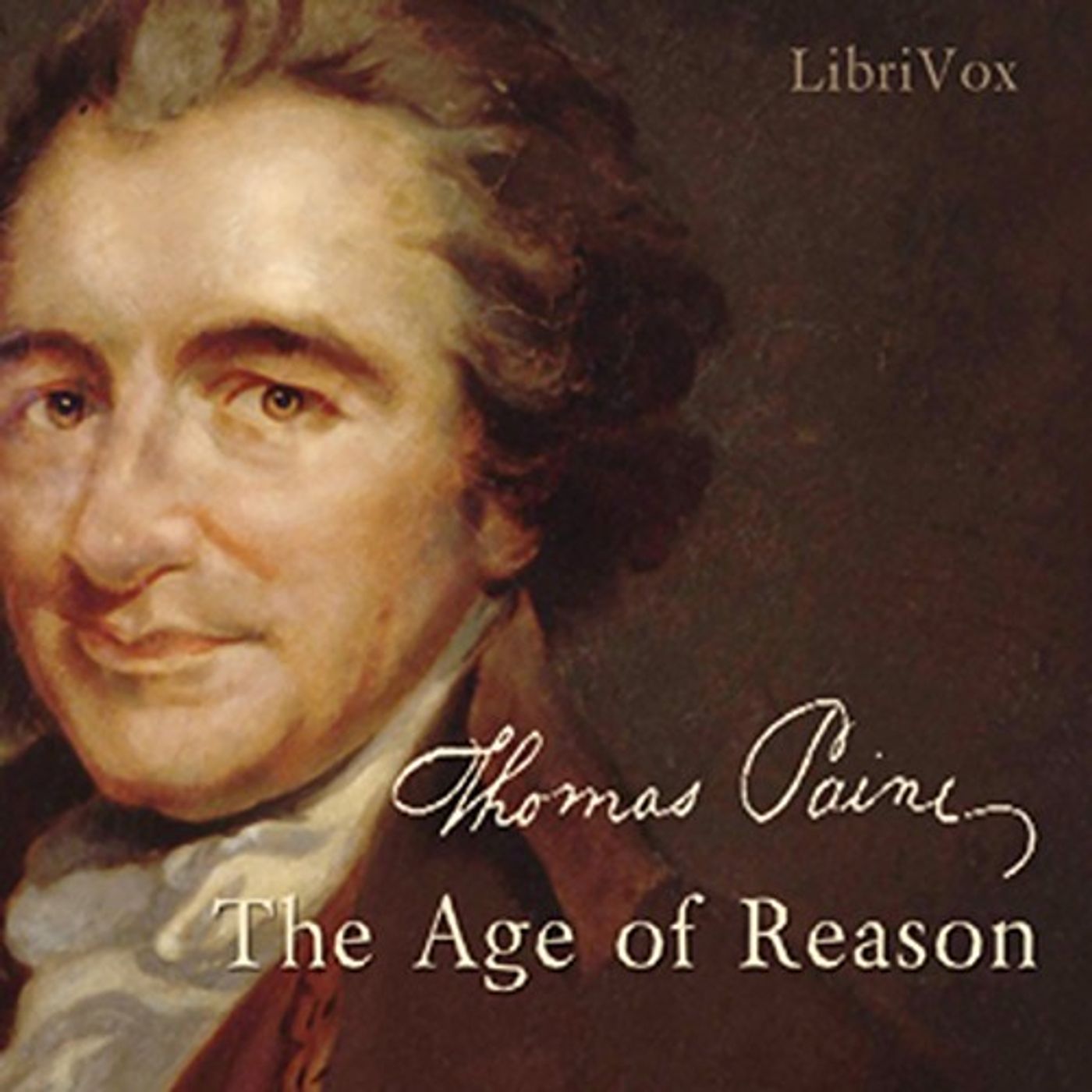
The Age of Reason by Thomas Paine.
by Popular Culture and Religion.
The Age of Reason by Thomas Paine. The Age of Reason; Being an Investigation of True and Fabulous Theology is a pamphlet, written by a British and American revolutionary Thomas Paine. The Age of Reason challenges institutionalized religion and challenges the legitimacy of the Bible, the central sacred text of Christianity. Published in three parts in 1794, 1795, and 1807, it was a bestseller in the United States, where it caused a short-lived deistic revival. Part 1 was written sometime in 1793, and attacks the concepts of divine revelation and inspiration. He urged his readers to employ reason over revelation. Part 2 was written either during or shortly after his confinement in a French prison in 1794. In Part 2, Paine attacks the reliability of the Bible and points out numerous absurdities and contradictions. Part 3 was written in the United States sometime around 1800 but he delayed publication until 1807 for fears of violent backlash. Part 3 is an examination and reje
-
48
48 - Part Third, Appendix - My Private Thoughts on a Future State. The Age of Reason by Thomas Paine.
48 - Part Third, Appendix - My Private Thoughts on a Future State. The Age of Reason by Thomas Paine. The Age of Reason; Being an Investigation of True and Fabulous Theology is a pamphlet, written by a British and American revolutionary Thomas Paine. The Age of Reason challenges institutionalized religion and challenges the legitimacy of the Bible, the central sacred text of Christianity. Published in three parts in 1794, 1795, and 1807, it was a bestseller in the United States, where it caused a short-lived deistic revival. Part 1 was written sometime in 1793, and attacks the concepts of divine revelation and inspiration. He urged his readers to employ reason over revelation. Part 2 was written either during or shortly after his confinement in a French prison in 1794. In Part 2, Paine attacks the reliability of the Bible and points out numerous absurdities and contradictions. Part 3 was written in the United States sometime around 1800 but he delayed publication until 1807 for fears of violent backlash. Part 3 is an examination and rejection of the claims of prophecies concerning Jesus Christ. Although these arguments were commonly known amongst the educated elite, Paine wrote in simple and irreverent prose that was easily accessible to a mass audience. Paine argued against religion as it is revealed in the Bible, but he argued just as strongly for a Deistic religion and a Creator of Reason. This LibriVox recording of The Age of Reason is taken from Richard Carlile’s anthology of Paine’s writings, published in 1818. Carlile charged one shilling and sixpence for the work, and the first run of 1,000 copies sold out in a month. He immediately published a second edition of 3,000 copies. In 1819, Carlile was found guilty of blasphemy and seditious libel and sentenced to three years in Dorchester Gaol with a fine of £1,500. The prosecutions surrounding the printing of The Age of Reason in Britain continued for thirty years after its initial release and encompassed numerous publishers as well as over a hundred booksellers.
-
47
47 - Part Third, Appendix - Contradictory Doctrines in the New Testament, Between Matthew And Mark. The Age of Reason by Thomas Paine.
47 - Part Third, Appendix - Contradictory Doctrines in the New Testament, Between Matthew And Mark. The Age of Reason by Thomas Paine. The Age of Reason; Being an Investigation of True and Fabulous Theology is a pamphlet, written by a British and American revolutionary Thomas Paine. The Age of Reason challenges institutionalized religion and challenges the legitimacy of the Bible, the central sacred text of Christianity. Published in three parts in 1794, 1795, and 1807, it was a bestseller in the United States, where it caused a short-lived deistic revival. Part 1 was written sometime in 1793, and attacks the concepts of divine revelation and inspiration. He urged his readers to employ reason over revelation. Part 2 was written either during or shortly after his confinement in a French prison in 1794. In Part 2, Paine attacks the reliability of the Bible and points out numerous absurdities and contradictions. Part 3 was written in the United States sometime around 1800 but he delayed publication until 1807 for fears of violent backlash. Part 3 is an examination and rejection of the claims of prophecies concerning Jesus Christ. Although these arguments were commonly known amongst the educated elite, Paine wrote in simple and irreverent prose that was easily accessible to a mass audience. Paine argued against religion as it is revealed in the Bible, but he argued just as strongly for a Deistic religion and a Creator of Reason. This LibriVox recording of The Age of Reason is taken from Richard Carlile’s anthology of Paine’s writings, published in 1818. Carlile charged one shilling and sixpence for the work, and the first run of 1,000 copies sold out in a month. He immediately published a second edition of 3,000 copies. In 1819, Carlile was found guilty of blasphemy and seditious libel and sentenced to three years in Dorchester Gaol with a fine of £1,500. The prosecutions surrounding the printing of The Age of Reason in Britain continued for thirty years after its initial release and encompassed numerous publishers as well as over a hundred booksellers.
-
46
46 - Part Third, Section 8. The Age of Reason by Thomas Paine.
46 - Part Third, Section 8. The Age of Reason by Thomas Paine. The Age of Reason; Being an Investigation of True and Fabulous Theology is a pamphlet, written by a British and American revolutionary Thomas Paine. The Age of Reason challenges institutionalized religion and challenges the legitimacy of the Bible, the central sacred text of Christianity. Published in three parts in 1794, 1795, and 1807, it was a bestseller in the United States, where it caused a short-lived deistic revival. Part 1 was written sometime in 1793, and attacks the concepts of divine revelation and inspiration. He urged his readers to employ reason over revelation. Part 2 was written either during or shortly after his confinement in a French prison in 1794. In Part 2, Paine attacks the reliability of the Bible and points out numerous absurdities and contradictions. Part 3 was written in the United States sometime around 1800 but he delayed publication until 1807 for fears of violent backlash. Part 3 is an examination and rejection of the claims of prophecies concerning Jesus Christ. Although these arguments were commonly known amongst the educated elite, Paine wrote in simple and irreverent prose that was easily accessible to a mass audience. Paine argued against religion as it is revealed in the Bible, but he argued just as strongly for a Deistic religion and a Creator of Reason. This LibriVox recording of The Age of Reason is taken from Richard Carlile’s anthology of Paine’s writings, published in 1818. Carlile charged one shilling and sixpence for the work, and the first run of 1,000 copies sold out in a month. He immediately published a second edition of 3,000 copies. In 1819, Carlile was found guilty of blasphemy and seditious libel and sentenced to three years in Dorchester Gaol with a fine of £1,500. The prosecutions surrounding the printing of The Age of Reason in Britain continued for thirty years after its initial release and encompassed numerous publishers as well as over a hundred booksellers.
-
45
45 - Part Third, Section 7. The Age of Reason by Thomas Paine.
45 - Part Third, Section 7. The Age of Reason by Thomas Paine. The Age of Reason; Being an Investigation of True and Fabulous Theology is a pamphlet, written by a British and American revolutionary Thomas Paine. The Age of Reason challenges institutionalized religion and challenges the legitimacy of the Bible, the central sacred text of Christianity. Published in three parts in 1794, 1795, and 1807, it was a bestseller in the United States, where it caused a short-lived deistic revival. Part 1 was written sometime in 1793, and attacks the concepts of divine revelation and inspiration. He urged his readers to employ reason over revelation. Part 2 was written either during or shortly after his confinement in a French prison in 1794. In Part 2, Paine attacks the reliability of the Bible and points out numerous absurdities and contradictions. Part 3 was written in the United States sometime around 1800 but he delayed publication until 1807 for fears of violent backlash. Part 3 is an examination and rejection of the claims of prophecies concerning Jesus Christ. Although these arguments were commonly known amongst the educated elite, Paine wrote in simple and irreverent prose that was easily accessible to a mass audience. Paine argued against religion as it is revealed in the Bible, but he argued just as strongly for a Deistic religion and a Creator of Reason. This LibriVox recording of The Age of Reason is taken from Richard Carlile’s anthology of Paine’s writings, published in 1818. Carlile charged one shilling and sixpence for the work, and the first run of 1,000 copies sold out in a month. He immediately published a second edition of 3,000 copies. In 1819, Carlile was found guilty of blasphemy and seditious libel and sentenced to three years in Dorchester Gaol with a fine of £1,500. The prosecutions surrounding the printing of The Age of Reason in Britain continued for thirty years after its initial release and encompassed numerous publishers as well as over a hundred booksellers.
-
44
44 - Part Third, Section 6. The Age of Reason by Thomas Paine.
44 - Part Third, Section 6. The Age of Reason by Thomas Paine. The Age of Reason; Being an Investigation of True and Fabulous Theology is a pamphlet, written by a British and American revolutionary Thomas Paine. The Age of Reason challenges institutionalized religion and challenges the legitimacy of the Bible, the central sacred text of Christianity. Published in three parts in 1794, 1795, and 1807, it was a bestseller in the United States, where it caused a short-lived deistic revival. Part 1 was written sometime in 1793, and attacks the concepts of divine revelation and inspiration. He urged his readers to employ reason over revelation. Part 2 was written either during or shortly after his confinement in a French prison in 1794. In Part 2, Paine attacks the reliability of the Bible and points out numerous absurdities and contradictions. Part 3 was written in the United States sometime around 1800 but he delayed publication until 1807 for fears of violent backlash. Part 3 is an examination and rejection of the claims of prophecies concerning Jesus Christ. Although these arguments were commonly known amongst the educated elite, Paine wrote in simple and irreverent prose that was easily accessible to a mass audience. Paine argued against religion as it is revealed in the Bible, but he argued just as strongly for a Deistic religion and a Creator of Reason. This LibriVox recording of The Age of Reason is taken from Richard Carlile’s anthology of Paine’s writings, published in 1818. Carlile charged one shilling and sixpence for the work, and the first run of 1,000 copies sold out in a month. He immediately published a second edition of 3,000 copies. In 1819, Carlile was found guilty of blasphemy and seditious libel and sentenced to three years in Dorchester Gaol with a fine of £1,500. The prosecutions surrounding the printing of The Age of Reason in Britain continued for thirty years after its initial release and encompassed numerous publishers as well as over a hundred booksellers.
-
43
43 - Part Third, Section 5. The Age of Reason by Thomas Paine.
43 - Part Third, Section 5. The Age of Reason by Thomas Paine. The Age of Reason; Being an Investigation of True and Fabulous Theology is a pamphlet, written by a British and American revolutionary Thomas Paine. The Age of Reason challenges institutionalized religion and challenges the legitimacy of the Bible, the central sacred text of Christianity. Published in three parts in 1794, 1795, and 1807, it was a bestseller in the United States, where it caused a short-lived deistic revival. Part 1 was written sometime in 1793, and attacks the concepts of divine revelation and inspiration. He urged his readers to employ reason over revelation. Part 2 was written either during or shortly after his confinement in a French prison in 1794. In Part 2, Paine attacks the reliability of the Bible and points out numerous absurdities and contradictions. Part 3 was written in the United States sometime around 1800 but he delayed publication until 1807 for fears of violent backlash. Part 3 is an examination and rejection of the claims of prophecies concerning Jesus Christ. Although these arguments were commonly known amongst the educated elite, Paine wrote in simple and irreverent prose that was easily accessible to a mass audience. Paine argued against religion as it is revealed in the Bible, but he argued just as strongly for a Deistic religion and a Creator of Reason. This LibriVox recording of The Age of Reason is taken from Richard Carlile’s anthology of Paine’s writings, published in 1818. Carlile charged one shilling and sixpence for the work, and the first run of 1,000 copies sold out in a month. He immediately published a second edition of 3,000 copies. In 1819, Carlile was found guilty of blasphemy and seditious libel and sentenced to three years in Dorchester Gaol with a fine of £1,500. The prosecutions surrounding the printing of The Age of Reason in Britain continued for thirty years after its initial release and encompassed numerous publishers as well as over a hundred booksellers.
-
42
42 - Part Third, Section 4. The Age of Reason by Thomas Paine.
42 - Part Third, Section 4. The Age of Reason by Thomas Paine. The Age of Reason; Being an Investigation of True and Fabulous Theology is a pamphlet, written by a British and American revolutionary Thomas Paine. The Age of Reason challenges institutionalized religion and challenges the legitimacy of the Bible, the central sacred text of Christianity. Published in three parts in 1794, 1795, and 1807, it was a bestseller in the United States, where it caused a short-lived deistic revival. Part 1 was written sometime in 1793, and attacks the concepts of divine revelation and inspiration. He urged his readers to employ reason over revelation. Part 2 was written either during or shortly after his confinement in a French prison in 1794. In Part 2, Paine attacks the reliability of the Bible and points out numerous absurdities and contradictions. Part 3 was written in the United States sometime around 1800 but he delayed publication until 1807 for fears of violent backlash. Part 3 is an examination and rejection of the claims of prophecies concerning Jesus Christ. Although these arguments were commonly known amongst the educated elite, Paine wrote in simple and irreverent prose that was easily accessible to a mass audience. Paine argued against religion as it is revealed in the Bible, but he argued just as strongly for a Deistic religion and a Creator of Reason. This LibriVox recording of The Age of Reason is taken from Richard Carlile’s anthology of Paine’s writings, published in 1818. Carlile charged one shilling and sixpence for the work, and the first run of 1,000 copies sold out in a month. He immediately published a second edition of 3,000 copies. In 1819, Carlile was found guilty of blasphemy and seditious libel and sentenced to three years in Dorchester Gaol with a fine of £1,500. The prosecutions surrounding the printing of The Age of Reason in Britain continued for thirty years after its initial release and encompassed numerous publishers as well as over a hundred booksellers.
-
41
41 - Part Third, Section 3. The Age of Reason by Thomas Paine.
41 - Part Third, Section 3. The Age of Reason by Thomas Paine. The Age of Reason; Being an Investigation of True and Fabulous Theology is a pamphlet, written by a British and American revolutionary Thomas Paine. The Age of Reason challenges institutionalized religion and challenges the legitimacy of the Bible, the central sacred text of Christianity. Published in three parts in 1794, 1795, and 1807, it was a bestseller in the United States, where it caused a short-lived deistic revival. Part 1 was written sometime in 1793, and attacks the concepts of divine revelation and inspiration. He urged his readers to employ reason over revelation. Part 2 was written either during or shortly after his confinement in a French prison in 1794. In Part 2, Paine attacks the reliability of the Bible and points out numerous absurdities and contradictions. Part 3 was written in the United States sometime around 1800 but he delayed publication until 1807 for fears of violent backlash. Part 3 is an examination and rejection of the claims of prophecies concerning Jesus Christ. Although these arguments were commonly known amongst the educated elite, Paine wrote in simple and irreverent prose that was easily accessible to a mass audience. Paine argued against religion as it is revealed in the Bible, but he argued just as strongly for a Deistic religion and a Creator of Reason. This LibriVox recording of The Age of Reason is taken from Richard Carlile’s anthology of Paine’s writings, published in 1818. Carlile charged one shilling and sixpence for the work, and the first run of 1,000 copies sold out in a month. He immediately published a second edition of 3,000 copies. In 1819, Carlile was found guilty of blasphemy and seditious libel and sentenced to three years in Dorchester Gaol with a fine of £1,500. The prosecutions surrounding the printing of The Age of Reason in Britain continued for thirty years after its initial release and encompassed numerous publishers as well as over a hundred booksellers.
-
40
40 - Part Third, Section 2. The Age of Reason by Thomas Paine.
40 - Part Third, Section 2. The Age of Reason by Thomas Paine. The Age of Reason; Being an Investigation of True and Fabulous Theology is a pamphlet, written by a British and American revolutionary Thomas Paine. The Age of Reason challenges institutionalized religion and challenges the legitimacy of the Bible, the central sacred text of Christianity. Published in three parts in 1794, 1795, and 1807, it was a bestseller in the United States, where it caused a short-lived deistic revival. Part 1 was written sometime in 1793, and attacks the concepts of divine revelation and inspiration. He urged his readers to employ reason over revelation. Part 2 was written either during or shortly after his confinement in a French prison in 1794. In Part 2, Paine attacks the reliability of the Bible and points out numerous absurdities and contradictions. Part 3 was written in the United States sometime around 1800 but he delayed publication until 1807 for fears of violent backlash. Part 3 is an examination and rejection of the claims of prophecies concerning Jesus Christ. Although these arguments were commonly known amongst the educated elite, Paine wrote in simple and irreverent prose that was easily accessible to a mass audience. Paine argued against religion as it is revealed in the Bible, but he argued just as strongly for a Deistic religion and a Creator of Reason. This LibriVox recording of The Age of Reason is taken from Richard Carlile’s anthology of Paine’s writings, published in 1818. Carlile charged one shilling and sixpence for the work, and the first run of 1,000 copies sold out in a month. He immediately published a second edition of 3,000 copies. In 1819, Carlile was found guilty of blasphemy and seditious libel and sentenced to three years in Dorchester Gaol with a fine of £1,500. The prosecutions surrounding the printing of The Age of Reason in Britain continued for thirty years after its initial release and encompassed numerous publishers as well as over a hundred booksellers.
-
39
39 - Part Third, Section 1. The Age of Reason by Thomas Paine.
39 - Part Third, Section 1. The Age of Reason by Thomas Paine. The Age of Reason; Being an Investigation of True and Fabulous Theology is a pamphlet, written by a British and American revolutionary Thomas Paine. The Age of Reason challenges institutionalized religion and challenges the legitimacy of the Bible, the central sacred text of Christianity. Published in three parts in 1794, 1795, and 1807, it was a bestseller in the United States, where it caused a short-lived deistic revival. Part 1 was written sometime in 1793, and attacks the concepts of divine revelation and inspiration. He urged his readers to employ reason over revelation. Part 2 was written either during or shortly after his confinement in a French prison in 1794. In Part 2, Paine attacks the reliability of the Bible and points out numerous absurdities and contradictions. Part 3 was written in the United States sometime around 1800 but he delayed publication until 1807 for fears of violent backlash. Part 3 is an examination and rejection of the claims of prophecies concerning Jesus Christ. Although these arguments were commonly known amongst the educated elite, Paine wrote in simple and irreverent prose that was easily accessible to a mass audience. Paine argued against religion as it is revealed in the Bible, but he argued just as strongly for a Deistic religion and a Creator of Reason. This LibriVox recording of The Age of Reason is taken from Richard Carlile’s anthology of Paine’s writings, published in 1818. Carlile charged one shilling and sixpence for the work, and the first run of 1,000 copies sold out in a month. He immediately published a second edition of 3,000 copies. In 1819, Carlile was found guilty of blasphemy and seditious libel and sentenced to three years in Dorchester Gaol with a fine of £1,500. The prosecutions surrounding the printing of The Age of Reason in Britain continued for thirty years after its initial release and encompassed numerous publishers as well as over a hundred booksellers.
-
38
38 - Part Third, An Essay on Dreams. The Age of Reason by Thomas Paine.
38 - Part Third, An Essay on Dreams. The Age of Reason by Thomas Paine. The Age of Reason; Being an Investigation of True and Fabulous Theology is a pamphlet, written by a British and American revolutionary Thomas Paine. The Age of Reason challenges institutionalized religion and challenges the legitimacy of the Bible, the central sacred text of Christianity. Published in three parts in 1794, 1795, and 1807, it was a bestseller in the United States, where it caused a short-lived deistic revival. Part 1 was written sometime in 1793, and attacks the concepts of divine revelation and inspiration. He urged his readers to employ reason over revelation. Part 2 was written either during or shortly after his confinement in a French prison in 1794. In Part 2, Paine attacks the reliability of the Bible and points out numerous absurdities and contradictions. Part 3 was written in the United States sometime around 1800 but he delayed publication until 1807 for fears of violent backlash. Part 3 is an examination and rejection of the claims of prophecies concerning Jesus Christ. Although these arguments were commonly known amongst the educated elite, Paine wrote in simple and irreverent prose that was easily accessible to a mass audience. Paine argued against religion as it is revealed in the Bible, but he argued just as strongly for a Deistic religion and a Creator of Reason. This LibriVox recording of The Age of Reason is taken from Richard Carlile’s anthology of Paine’s writings, published in 1818. Carlile charged one shilling and sixpence for the work, and the first run of 1,000 copies sold out in a month. He immediately published a second edition of 3,000 copies. In 1819, Carlile was found guilty of blasphemy and seditious libel and sentenced to three years in Dorchester Gaol with a fine of £1,500. The prosecutions surrounding the printing of The Age of Reason in Britain continued for thirty years after its initial release and encompassed numerous publishers as well as over a hundred booksellers.
-
37
37 - Part Third, Preface and Introduction. The Age of Reason by Thomas Paine.
37 - Part Third, Preface and Introduction. The Age of Reason by Thomas Paine. The Age of Reason; Being an Investigation of True and Fabulous Theology is a pamphlet, written by a British and American revolutionary Thomas Paine. The Age of Reason challenges institutionalized religion and challenges the legitimacy of the Bible, the central sacred text of Christianity. Published in three parts in 1794, 1795, and 1807, it was a bestseller in the United States, where it caused a short-lived deistic revival. Part 1 was written sometime in 1793, and attacks the concepts of divine revelation and inspiration. He urged his readers to employ reason over revelation. Part 2 was written either during or shortly after his confinement in a French prison in 1794. In Part 2, Paine attacks the reliability of the Bible and points out numerous absurdities and contradictions. Part 3 was written in the United States sometime around 1800 but he delayed publication until 1807 for fears of violent backlash. Part 3 is an examination and rejection of the claims of prophecies concerning Jesus Christ. Although these arguments were commonly known amongst the educated elite, Paine wrote in simple and irreverent prose that was easily accessible to a mass audience. Paine argued against religion as it is revealed in the Bible, but he argued just as strongly for a Deistic religion and a Creator of Reason. This LibriVox recording of The Age of Reason is taken from Richard Carlile’s anthology of Paine’s writings, published in 1818. Carlile charged one shilling and sixpence for the work, and the first run of 1,000 copies sold out in a month. He immediately published a second edition of 3,000 copies. In 1819, Carlile was found guilty of blasphemy and seditious libel and sentenced to three years in Dorchester Gaol with a fine of £1,500. The prosecutions surrounding the printing of The Age of Reason in Britain continued for thirty years after its initial release and encompassed numerous publishers as well as over a hundred booksellers.
-
36
36 - Part Second, Section 20. The Age of Reason by Thomas Paine.
36 - Part Second, Section 20. The Age of Reason by Thomas Paine. The Age of Reason; Being an Investigation of True and Fabulous Theology is a pamphlet, written by a British and American revolutionary Thomas Paine. The Age of Reason challenges institutionalized religion and challenges the legitimacy of the Bible, the central sacred text of Christianity. Published in three parts in 1794, 1795, and 1807, it was a bestseller in the United States, where it caused a short-lived deistic revival. Part 1 was written sometime in 1793, and attacks the concepts of divine revelation and inspiration. He urged his readers to employ reason over revelation. Part 2 was written either during or shortly after his confinement in a French prison in 1794. In Part 2, Paine attacks the reliability of the Bible and points out numerous absurdities and contradictions. Part 3 was written in the United States sometime around 1800 but he delayed publication until 1807 for fears of violent backlash. Part 3 is an examination and rejection of the claims of prophecies concerning Jesus Christ. Although these arguments were commonly known amongst the educated elite, Paine wrote in simple and irreverent prose that was easily accessible to a mass audience. Paine argued against religion as it is revealed in the Bible, but he argued just as strongly for a Deistic religion and a Creator of Reason. This LibriVox recording of The Age of Reason is taken from Richard Carlile’s anthology of Paine’s writings, published in 1818. Carlile charged one shilling and sixpence for the work, and the first run of 1,000 copies sold out in a month. He immediately published a second edition of 3,000 copies. In 1819, Carlile was found guilty of blasphemy and seditious libel and sentenced to three years in Dorchester Gaol with a fine of £1,500. The prosecutions surrounding the printing of The Age of Reason in Britain continued for thirty years after its initial release and encompassed numerous publishers as well as over a hundred booksellers.
-
35
35 - Part Second, Section 19. The Age of Reason by Thomas Paine.
35 - Part Second, Section 19. The Age of Reason by Thomas Paine. The Age of Reason; Being an Investigation of True and Fabulous Theology is a pamphlet, written by a British and American revolutionary Thomas Paine. The Age of Reason challenges institutionalized religion and challenges the legitimacy of the Bible, the central sacred text of Christianity. Published in three parts in 1794, 1795, and 1807, it was a bestseller in the United States, where it caused a short-lived deistic revival. Part 1 was written sometime in 1793, and attacks the concepts of divine revelation and inspiration. He urged his readers to employ reason over revelation. Part 2 was written either during or shortly after his confinement in a French prison in 1794. In Part 2, Paine attacks the reliability of the Bible and points out numerous absurdities and contradictions. Part 3 was written in the United States sometime around 1800 but he delayed publication until 1807 for fears of violent backlash. Part 3 is an examination and rejection of the claims of prophecies concerning Jesus Christ. Although these arguments were commonly known amongst the educated elite, Paine wrote in simple and irreverent prose that was easily accessible to a mass audience. Paine argued against religion as it is revealed in the Bible, but he argued just as strongly for a Deistic religion and a Creator of Reason. This LibriVox recording of The Age of Reason is taken from Richard Carlile’s anthology of Paine’s writings, published in 1818. Carlile charged one shilling and sixpence for the work, and the first run of 1,000 copies sold out in a month. He immediately published a second edition of 3,000 copies. In 1819, Carlile was found guilty of blasphemy and seditious libel and sentenced to three years in Dorchester Gaol with a fine of £1,500. The prosecutions surrounding the printing of The Age of Reason in Britain continued for thirty years after its initial release and encompassed numerous publishers as well as over a hundred booksellers.
-
34
34 - Part Second, Section 18. The Age of Reason by Thomas Paine.
34 - Part Second, Section 18. The Age of Reason by Thomas Paine. The Age of Reason; Being an Investigation of True and Fabulous Theology is a pamphlet, written by a British and American revolutionary Thomas Paine. The Age of Reason challenges institutionalized religion and challenges the legitimacy of the Bible, the central sacred text of Christianity. Published in three parts in 1794, 1795, and 1807, it was a bestseller in the United States, where it caused a short-lived deistic revival. Part 1 was written sometime in 1793, and attacks the concepts of divine revelation and inspiration. He urged his readers to employ reason over revelation. Part 2 was written either during or shortly after his confinement in a French prison in 1794. In Part 2, Paine attacks the reliability of the Bible and points out numerous absurdities and contradictions. Part 3 was written in the United States sometime around 1800 but he delayed publication until 1807 for fears of violent backlash. Part 3 is an examination and rejection of the claims of prophecies concerning Jesus Christ. Although these arguments were commonly known amongst the educated elite, Paine wrote in simple and irreverent prose that was easily accessible to a mass audience. Paine argued against religion as it is revealed in the Bible, but he argued just as strongly for a Deistic religion and a Creator of Reason. This LibriVox recording of The Age of Reason is taken from Richard Carlile’s anthology of Paine’s writings, published in 1818. Carlile charged one shilling and sixpence for the work, and the first run of 1,000 copies sold out in a month. He immediately published a second edition of 3,000 copies. In 1819, Carlile was found guilty of blasphemy and seditious libel and sentenced to three years in Dorchester Gaol with a fine of £1,500. The prosecutions surrounding the printing of The Age of Reason in Britain continued for thirty years after its initial release and encompassed numerous publishers as well as over a hundred booksellers.
-
33
33 - Part Second, Section 17. The Age of Reason by Thomas Paine.
33 - Part Second, Section 17. The Age of Reason by Thomas Paine. The Age of Reason; Being an Investigation of True and Fabulous Theology is a pamphlet, written by a British and American revolutionary Thomas Paine. The Age of Reason challenges institutionalized religion and challenges the legitimacy of the Bible, the central sacred text of Christianity. Published in three parts in 1794, 1795, and 1807, it was a bestseller in the United States, where it caused a short-lived deistic revival. Part 1 was written sometime in 1793, and attacks the concepts of divine revelation and inspiration. He urged his readers to employ reason over revelation. Part 2 was written either during or shortly after his confinement in a French prison in 1794. In Part 2, Paine attacks the reliability of the Bible and points out numerous absurdities and contradictions. Part 3 was written in the United States sometime around 1800 but he delayed publication until 1807 for fears of violent backlash. Part 3 is an examination and rejection of the claims of prophecies concerning Jesus Christ. Although these arguments were commonly known amongst the educated elite, Paine wrote in simple and irreverent prose that was easily accessible to a mass audience. Paine argued against religion as it is revealed in the Bible, but he argued just as strongly for a Deistic religion and a Creator of Reason. This LibriVox recording of The Age of Reason is taken from Richard Carlile’s anthology of Paine’s writings, published in 1818. Carlile charged one shilling and sixpence for the work, and the first run of 1,000 copies sold out in a month. He immediately published a second edition of 3,000 copies. In 1819, Carlile was found guilty of blasphemy and seditious libel and sentenced to three years in Dorchester Gaol with a fine of £1,500. The prosecutions surrounding the printing of The Age of Reason in Britain continued for thirty years after its initial release and encompassed numerous publishers as well as over a hundred booksellers.
-
32
32 - Part Second, Section 16. The Age of Reason by Thomas Paine.
32 - Part Second, Section 16. The Age of Reason by Thomas Paine. The Age of Reason; Being an Investigation of True and Fabulous Theology is a pamphlet, written by a British and American revolutionary Thomas Paine. The Age of Reason challenges institutionalized religion and challenges the legitimacy of the Bible, the central sacred text of Christianity. Published in three parts in 1794, 1795, and 1807, it was a bestseller in the United States, where it caused a short-lived deistic revival. Part 1 was written sometime in 1793, and attacks the concepts of divine revelation and inspiration. He urged his readers to employ reason over revelation. Part 2 was written either during or shortly after his confinement in a French prison in 1794. In Part 2, Paine attacks the reliability of the Bible and points out numerous absurdities and contradictions. Part 3 was written in the United States sometime around 1800 but he delayed publication until 1807 for fears of violent backlash. Part 3 is an examination and rejection of the claims of prophecies concerning Jesus Christ. Although these arguments were commonly known amongst the educated elite, Paine wrote in simple and irreverent prose that was easily accessible to a mass audience. Paine argued against religion as it is revealed in the Bible, but he argued just as strongly for a Deistic religion and a Creator of Reason. This LibriVox recording of The Age of Reason is taken from Richard Carlile’s anthology of Paine’s writings, published in 1818. Carlile charged one shilling and sixpence for the work, and the first run of 1,000 copies sold out in a month. He immediately published a second edition of 3,000 copies. In 1819, Carlile was found guilty of blasphemy and seditious libel and sentenced to three years in Dorchester Gaol with a fine of £1,500. The prosecutions surrounding the printing of The Age of Reason in Britain continued for thirty years after its initial release and encompassed numerous publishers as well as over a hundred booksellers.
-
31
31 - Part Second, Section 15. The Age of Reason by Thomas Paine.
31 - Part Second, Section 15. The Age of Reason by Thomas Paine. The Age of Reason; Being an Investigation of True and Fabulous Theology is a pamphlet, written by a British and American revolutionary Thomas Paine. The Age of Reason challenges institutionalized religion and challenges the legitimacy of the Bible, the central sacred text of Christianity. Published in three parts in 1794, 1795, and 1807, it was a bestseller in the United States, where it caused a short-lived deistic revival. Part 1 was written sometime in 1793, and attacks the concepts of divine revelation and inspiration. He urged his readers to employ reason over revelation. Part 2 was written either during or shortly after his confinement in a French prison in 1794. In Part 2, Paine attacks the reliability of the Bible and points out numerous absurdities and contradictions. Part 3 was written in the United States sometime around 1800 but he delayed publication until 1807 for fears of violent backlash. Part 3 is an examination and rejection of the claims of prophecies concerning Jesus Christ. Although these arguments were commonly known amongst the educated elite, Paine wrote in simple and irreverent prose that was easily accessible to a mass audience. Paine argued against religion as it is revealed in the Bible, but he argued just as strongly for a Deistic religion and a Creator of Reason. This LibriVox recording of The Age of Reason is taken from Richard Carlile’s anthology of Paine’s writings, published in 1818. Carlile charged one shilling and sixpence for the work, and the first run of 1,000 copies sold out in a month. He immediately published a second edition of 3,000 copies. In 1819, Carlile was found guilty of blasphemy and seditious libel and sentenced to three years in Dorchester Gaol with a fine of £1,500. The prosecutions surrounding the printing of The Age of Reason in Britain continued for thirty years after its initial release and encompassed numerous publishers as well as over a hundred booksellers.
-
30
30 - Part Second, Section 14. The Age of Reason by Thomas Paine.
30 - Part Second, Section 14. The Age of Reason by Thomas Paine. The Age of Reason; Being an Investigation of True and Fabulous Theology is a pamphlet, written by a British and American revolutionary Thomas Paine. The Age of Reason challenges institutionalized religion and challenges the legitimacy of the Bible, the central sacred text of Christianity. Published in three parts in 1794, 1795, and 1807, it was a bestseller in the United States, where it caused a short-lived deistic revival. Part 1 was written sometime in 1793, and attacks the concepts of divine revelation and inspiration. He urged his readers to employ reason over revelation. Part 2 was written either during or shortly after his confinement in a French prison in 1794. In Part 2, Paine attacks the reliability of the Bible and points out numerous absurdities and contradictions. Part 3 was written in the United States sometime around 1800 but he delayed publication until 1807 for fears of violent backlash. Part 3 is an examination and rejection of the claims of prophecies concerning Jesus Christ. Although these arguments were commonly known amongst the educated elite, Paine wrote in simple and irreverent prose that was easily accessible to a mass audience. Paine argued against religion as it is revealed in the Bible, but he argued just as strongly for a Deistic religion and a Creator of Reason. This LibriVox recording of The Age of Reason is taken from Richard Carlile’s anthology of Paine’s writings, published in 1818. Carlile charged one shilling and sixpence for the work, and the first run of 1,000 copies sold out in a month. He immediately published a second edition of 3,000 copies. In 1819, Carlile was found guilty of blasphemy and seditious libel and sentenced to three years in Dorchester Gaol with a fine of £1,500. The prosecutions surrounding the printing of The Age of Reason in Britain continued for thirty years after its initial release and encompassed numerous publishers as well as over a hundred booksellers.
-
29
29 - Part Second, Section 13. The Age of Reason by Thomas Paine.
29 - Part Second, Section 13. The Age of Reason by Thomas Paine. The Age of Reason; Being an Investigation of True and Fabulous Theology is a pamphlet, written by a British and American revolutionary Thomas Paine. The Age of Reason challenges institutionalized religion and challenges the legitimacy of the Bible, the central sacred text of Christianity. Published in three parts in 1794, 1795, and 1807, it was a bestseller in the United States, where it caused a short-lived deistic revival. Part 1 was written sometime in 1793, and attacks the concepts of divine revelation and inspiration. He urged his readers to employ reason over revelation. Part 2 was written either during or shortly after his confinement in a French prison in 1794. In Part 2, Paine attacks the reliability of the Bible and points out numerous absurdities and contradictions. Part 3 was written in the United States sometime around 1800 but he delayed publication until 1807 for fears of violent backlash. Part 3 is an examination and rejection of the claims of prophecies concerning Jesus Christ. Although these arguments were commonly known amongst the educated elite, Paine wrote in simple and irreverent prose that was easily accessible to a mass audience. Paine argued against religion as it is revealed in the Bible, but he argued just as strongly for a Deistic religion and a Creator of Reason. This LibriVox recording of The Age of Reason is taken from Richard Carlile’s anthology of Paine’s writings, published in 1818. Carlile charged one shilling and sixpence for the work, and the first run of 1,000 copies sold out in a month. He immediately published a second edition of 3,000 copies. In 1819, Carlile was found guilty of blasphemy and seditious libel and sentenced to three years in Dorchester Gaol with a fine of £1,500. The prosecutions surrounding the printing of The Age of Reason in Britain continued for thirty years after its initial release and encompassed numerous publishers as well as over a hundred booksellers.
-
28
28 - Part Second, Section 12. The Age of Reason by Thomas Paine.
28 - Part Second, Section 12. The Age of Reason by Thomas Paine. The Age of Reason; Being an Investigation of True and Fabulous Theology is a pamphlet, written by a British and American revolutionary Thomas Paine. The Age of Reason challenges institutionalized religion and challenges the legitimacy of the Bible, the central sacred text of Christianity. Published in three parts in 1794, 1795, and 1807, it was a bestseller in the United States, where it caused a short-lived deistic revival. Part 1 was written sometime in 1793, and attacks the concepts of divine revelation and inspiration. He urged his readers to employ reason over revelation. Part 2 was written either during or shortly after his confinement in a French prison in 1794. In Part 2, Paine attacks the reliability of the Bible and points out numerous absurdities and contradictions. Part 3 was written in the United States sometime around 1800 but he delayed publication until 1807 for fears of violent backlash. Part 3 is an examination and rejection of the claims of prophecies concerning Jesus Christ. Although these arguments were commonly known amongst the educated elite, Paine wrote in simple and irreverent prose that was easily accessible to a mass audience. Paine argued against religion as it is revealed in the Bible, but he argued just as strongly for a Deistic religion and a Creator of Reason. This LibriVox recording of The Age of Reason is taken from Richard Carlile’s anthology of Paine’s writings, published in 1818. Carlile charged one shilling and sixpence for the work, and the first run of 1,000 copies sold out in a month. He immediately published a second edition of 3,000 copies. In 1819, Carlile was found guilty of blasphemy and seditious libel and sentenced to three years in Dorchester Gaol with a fine of £1,500. The prosecutions surrounding the printing of The Age of Reason in Britain continued for thirty years after its initial release and encompassed numerous publishers as well as over a hundred booksellers.
-
27
27 - Part Second, Section 11. The Age of Reason by Thomas Paine.
27 - Part Second, Section 11. The Age of Reason by Thomas Paine. The Age of Reason; Being an Investigation of True and Fabulous Theology is a pamphlet, written by a British and American revolutionary Thomas Paine. The Age of Reason challenges institutionalized religion and challenges the legitimacy of the Bible, the central sacred text of Christianity. Published in three parts in 1794, 1795, and 1807, it was a bestseller in the United States, where it caused a short-lived deistic revival. Part 1 was written sometime in 1793, and attacks the concepts of divine revelation and inspiration. He urged his readers to employ reason over revelation. Part 2 was written either during or shortly after his confinement in a French prison in 1794. In Part 2, Paine attacks the reliability of the Bible and points out numerous absurdities and contradictions. Part 3 was written in the United States sometime around 1800 but he delayed publication until 1807 for fears of violent backlash. Part 3 is an examination and rejection of the claims of prophecies concerning Jesus Christ. Although these arguments were commonly known amongst the educated elite, Paine wrote in simple and irreverent prose that was easily accessible to a mass audience. Paine argued against religion as it is revealed in the Bible, but he argued just as strongly for a Deistic religion and a Creator of Reason. This LibriVox recording of The Age of Reason is taken from Richard Carlile’s anthology of Paine’s writings, published in 1818. Carlile charged one shilling and sixpence for the work, and the first run of 1,000 copies sold out in a month. He immediately published a second edition of 3,000 copies. In 1819, Carlile was found guilty of blasphemy and seditious libel and sentenced to three years in Dorchester Gaol with a fine of £1,500. The prosecutions surrounding the printing of The Age of Reason in Britain continued for thirty years after its initial release and encompassed numerous publishers as well as over a hundred booksellers.
-
26
26 - Part Second, Section 10. The Age of Reason by Thomas Paine.
26 - Part Second, Section 10. The Age of Reason by Thomas Paine. The Age of Reason; Being an Investigation of True and Fabulous Theology is a pamphlet, written by a British and American revolutionary Thomas Paine. The Age of Reason challenges institutionalized religion and challenges the legitimacy of the Bible, the central sacred text of Christianity. Published in three parts in 1794, 1795, and 1807, it was a bestseller in the United States, where it caused a short-lived deistic revival. Part 1 was written sometime in 1793, and attacks the concepts of divine revelation and inspiration. He urged his readers to employ reason over revelation. Part 2 was written either during or shortly after his confinement in a French prison in 1794. In Part 2, Paine attacks the reliability of the Bible and points out numerous absurdities and contradictions. Part 3 was written in the United States sometime around 1800 but he delayed publication until 1807 for fears of violent backlash. Part 3 is an examination and rejection of the claims of prophecies concerning Jesus Christ. Although these arguments were commonly known amongst the educated elite, Paine wrote in simple and irreverent prose that was easily accessible to a mass audience. Paine argued against religion as it is revealed in the Bible, but he argued just as strongly for a Deistic religion and a Creator of Reason. This LibriVox recording of The Age of Reason is taken from Richard Carlile’s anthology of Paine’s writings, published in 1818. Carlile charged one shilling and sixpence for the work, and the first run of 1,000 copies sold out in a month. He immediately published a second edition of 3,000 copies. In 1819, Carlile was found guilty of blasphemy and seditious libel and sentenced to three years in Dorchester Gaol with a fine of £1,500. The prosecutions surrounding the printing of The Age of Reason in Britain continued for thirty years after its initial release and encompassed numerous publishers as well as over a hundred booksellers.
-
25
25 - Part Second, Section 9. The Age of Reason by Thomas Paine.
25 - Part Second, Section 9. The Age of Reason by Thomas Paine. The Age of Reason; Being an Investigation of True and Fabulous Theology is a pamphlet, written by a British and American revolutionary Thomas Paine. The Age of Reason challenges institutionalized religion and challenges the legitimacy of the Bible, the central sacred text of Christianity. Published in three parts in 1794, 1795, and 1807, it was a bestseller in the United States, where it caused a short-lived deistic revival. Part 1 was written sometime in 1793, and attacks the concepts of divine revelation and inspiration. He urged his readers to employ reason over revelation. Part 2 was written either during or shortly after his confinement in a French prison in 1794. In Part 2, Paine attacks the reliability of the Bible and points out numerous absurdities and contradictions. Part 3 was written in the United States sometime around 1800 but he delayed publication until 1807 for fears of violent backlash. Part 3 is an examination and rejection of the claims of prophecies concerning Jesus Christ. Although these arguments were commonly known amongst the educated elite, Paine wrote in simple and irreverent prose that was easily accessible to a mass audience. Paine argued against religion as it is revealed in the Bible, but he argued just as strongly for a Deistic religion and a Creator of Reason. This LibriVox recording of The Age of Reason is taken from Richard Carlile’s anthology of Paine’s writings, published in 1818. Carlile charged one shilling and sixpence for the work, and the first run of 1,000 copies sold out in a month. He immediately published a second edition of 3,000 copies. In 1819, Carlile was found guilty of blasphemy and seditious libel and sentenced to three years in Dorchester Gaol with a fine of £1,500. The prosecutions surrounding the printing of The Age of Reason in Britain continued for thirty years after its initial release and encompassed numerous publishers as well as over a hundred booksellers.
-
24
24 - Part Second, Section 8. The Age of Reason by Thomas Paine.
24 - Part Second, Section 8. The Age of Reason by Thomas Paine. The Age of Reason; Being an Investigation of True and Fabulous Theology is a pamphlet, written by a British and American revolutionary Thomas Paine. The Age of Reason challenges institutionalized religion and challenges the legitimacy of the Bible, the central sacred text of Christianity. Published in three parts in 1794, 1795, and 1807, it was a bestseller in the United States, where it caused a short-lived deistic revival. Part 1 was written sometime in 1793, and attacks the concepts of divine revelation and inspiration. He urged his readers to employ reason over revelation. Part 2 was written either during or shortly after his confinement in a French prison in 1794. In Part 2, Paine attacks the reliability of the Bible and points out numerous absurdities and contradictions. Part 3 was written in the United States sometime around 1800 but he delayed publication until 1807 for fears of violent backlash. Part 3 is an examination and rejection of the claims of prophecies concerning Jesus Christ. Although these arguments were commonly known amongst the educated elite, Paine wrote in simple and irreverent prose that was easily accessible to a mass audience. Paine argued against religion as it is revealed in the Bible, but he argued just as strongly for a Deistic religion and a Creator of Reason. This LibriVox recording of The Age of Reason is taken from Richard Carlile’s anthology of Paine’s writings, published in 1818. Carlile charged one shilling and sixpence for the work, and the first run of 1,000 copies sold out in a month. He immediately published a second edition of 3,000 copies. In 1819, Carlile was found guilty of blasphemy and seditious libel and sentenced to three years in Dorchester Gaol with a fine of £1,500. The prosecutions surrounding the printing of The Age of Reason in Britain continued for thirty years after its initial release and encompassed numerous publishers as well as over a hundred booksellers.
-
23
23 - Part Second, Section 7. The Age of Reason by Thomas Paine.
23 - Part Second, Section 7. The Age of Reason by Thomas Paine. The Age of Reason; Being an Investigation of True and Fabulous Theology is a pamphlet, written by a British and American revolutionary Thomas Paine. The Age of Reason challenges institutionalized religion and challenges the legitimacy of the Bible, the central sacred text of Christianity. Published in three parts in 1794, 1795, and 1807, it was a bestseller in the United States, where it caused a short-lived deistic revival. Part 1 was written sometime in 1793, and attacks the concepts of divine revelation and inspiration. He urged his readers to employ reason over revelation. Part 2 was written either during or shortly after his confinement in a French prison in 1794. In Part 2, Paine attacks the reliability of the Bible and points out numerous absurdities and contradictions. Part 3 was written in the United States sometime around 1800 but he delayed publication until 1807 for fears of violent backlash. Part 3 is an examination and rejection of the claims of prophecies concerning Jesus Christ. Although these arguments were commonly known amongst the educated elite, Paine wrote in simple and irreverent prose that was easily accessible to a mass audience. Paine argued against religion as it is revealed in the Bible, but he argued just as strongly for a Deistic religion and a Creator of Reason. This LibriVox recording of The Age of Reason is taken from Richard Carlile’s anthology of Paine’s writings, published in 1818. Carlile charged one shilling and sixpence for the work, and the first run of 1,000 copies sold out in a month. He immediately published a second edition of 3,000 copies. In 1819, Carlile was found guilty of blasphemy and seditious libel and sentenced to three years in Dorchester Gaol with a fine of £1,500. The prosecutions surrounding the printing of The Age of Reason in Britain continued for thirty years after its initial release and encompassed numerous publishers as well as over a hundred booksellers.
-
22
22 - Part Second, Section 6. The Age of Reason by Thomas Paine.
22 - Part Second, Section 6. The Age of Reason by Thomas Paine. The Age of Reason; Being an Investigation of True and Fabulous Theology is a pamphlet, written by a British and American revolutionary Thomas Paine. The Age of Reason challenges institutionalized religion and challenges the legitimacy of the Bible, the central sacred text of Christianity. Published in three parts in 1794, 1795, and 1807, it was a bestseller in the United States, where it caused a short-lived deistic revival. Part 1 was written sometime in 1793, and attacks the concepts of divine revelation and inspiration. He urged his readers to employ reason over revelation. Part 2 was written either during or shortly after his confinement in a French prison in 1794. In Part 2, Paine attacks the reliability of the Bible and points out numerous absurdities and contradictions. Part 3 was written in the United States sometime around 1800 but he delayed publication until 1807 for fears of violent backlash. Part 3 is an examination and rejection of the claims of prophecies concerning Jesus Christ. Although these arguments were commonly known amongst the educated elite, Paine wrote in simple and irreverent prose that was easily accessible to a mass audience. Paine argued against religion as it is revealed in the Bible, but he argued just as strongly for a Deistic religion and a Creator of Reason. This LibriVox recording of The Age of Reason is taken from Richard Carlile’s anthology of Paine’s writings, published in 1818. Carlile charged one shilling and sixpence for the work, and the first run of 1,000 copies sold out in a month. He immediately published a second edition of 3,000 copies. In 1819, Carlile was found guilty of blasphemy and seditious libel and sentenced to three years in Dorchester Gaol with a fine of £1,500. The prosecutions surrounding the printing of The Age of Reason in Britain continued for thirty years after its initial release and encompassed numerous publishers as well as over a hundred booksellers.
-
21
21 - Part Second, Section 5. The Age of Reason by Thomas Paine.
21 - Part Second, Section 5. The Age of Reason by Thomas Paine. The Age of Reason; Being an Investigation of True and Fabulous Theology is a pamphlet, written by a British and American revolutionary Thomas Paine. The Age of Reason challenges institutionalized religion and challenges the legitimacy of the Bible, the central sacred text of Christianity. Published in three parts in 1794, 1795, and 1807, it was a bestseller in the United States, where it caused a short-lived deistic revival. Part 1 was written sometime in 1793, and attacks the concepts of divine revelation and inspiration. He urged his readers to employ reason over revelation. Part 2 was written either during or shortly after his confinement in a French prison in 1794. In Part 2, Paine attacks the reliability of the Bible and points out numerous absurdities and contradictions. Part 3 was written in the United States sometime around 1800 but he delayed publication until 1807 for fears of violent backlash. Part 3 is an examination and rejection of the claims of prophecies concerning Jesus Christ. Although these arguments were commonly known amongst the educated elite, Paine wrote in simple and irreverent prose that was easily accessible to a mass audience. Paine argued against religion as it is revealed in the Bible, but he argued just as strongly for a Deistic religion and a Creator of Reason. This LibriVox recording of The Age of Reason is taken from Richard Carlile’s anthology of Paine’s writings, published in 1818. Carlile charged one shilling and sixpence for the work, and the first run of 1,000 copies sold out in a month. He immediately published a second edition of 3,000 copies. In 1819, Carlile was found guilty of blasphemy and seditious libel and sentenced to three years in Dorchester Gaol with a fine of £1,500. The prosecutions surrounding the printing of The Age of Reason in Britain continued for thirty years after its initial release and encompassed numerous publishers as well as over a hundred booksellers.
-
20
20 - Part Second, Section 4. The Age of Reason by Thomas Paine.
20 - Part Second, Section 4. The Age of Reason by Thomas Paine. The Age of Reason; Being an Investigation of True and Fabulous Theology is a pamphlet, written by a British and American revolutionary Thomas Paine. The Age of Reason challenges institutionalized religion and challenges the legitimacy of the Bible, the central sacred text of Christianity. Published in three parts in 1794, 1795, and 1807, it was a bestseller in the United States, where it caused a short-lived deistic revival. Part 1 was written sometime in 1793, and attacks the concepts of divine revelation and inspiration. He urged his readers to employ reason over revelation. Part 2 was written either during or shortly after his confinement in a French prison in 1794. In Part 2, Paine attacks the reliability of the Bible and points out numerous absurdities and contradictions. Part 3 was written in the United States sometime around 1800 but he delayed publication until 1807 for fears of violent backlash. Part 3 is an examination and rejection of the claims of prophecies concerning Jesus Christ. Although these arguments were commonly known amongst the educated elite, Paine wrote in simple and irreverent prose that was easily accessible to a mass audience. Paine argued against religion as it is revealed in the Bible, but he argued just as strongly for a Deistic religion and a Creator of Reason. This LibriVox recording of The Age of Reason is taken from Richard Carlile’s anthology of Paine’s writings, published in 1818. Carlile charged one shilling and sixpence for the work, and the first run of 1,000 copies sold out in a month. He immediately published a second edition of 3,000 copies. In 1819, Carlile was found guilty of blasphemy and seditious libel and sentenced to three years in Dorchester Gaol with a fine of £1,500. The prosecutions surrounding the printing of The Age of Reason in Britain continued for thirty years after its initial release and encompassed numerous publishers as well as over a hundred booksellers.
-
19
19 - Part Second, Section 3. The Age of Reason by Thomas Paine.
19 - Part Second, Section 3. The Age of Reason by Thomas Paine. The Age of Reason; Being an Investigation of True and Fabulous Theology is a pamphlet, written by a British and American revolutionary Thomas Paine. The Age of Reason challenges institutionalized religion and challenges the legitimacy of the Bible, the central sacred text of Christianity. Published in three parts in 1794, 1795, and 1807, it was a bestseller in the United States, where it caused a short-lived deistic revival. Part 1 was written sometime in 1793, and attacks the concepts of divine revelation and inspiration. He urged his readers to employ reason over revelation. Part 2 was written either during or shortly after his confinement in a French prison in 1794. In Part 2, Paine attacks the reliability of the Bible and points out numerous absurdities and contradictions. Part 3 was written in the United States sometime around 1800 but he delayed publication until 1807 for fears of violent backlash. Part 3 is an examination and rejection of the claims of prophecies concerning Jesus Christ. Although these arguments were commonly known amongst the educated elite, Paine wrote in simple and irreverent prose that was easily accessible to a mass audience. Paine argued against religion as it is revealed in the Bible, but he argued just as strongly for a Deistic religion and a Creator of Reason. This LibriVox recording of The Age of Reason is taken from Richard Carlile’s anthology of Paine’s writings, published in 1818. Carlile charged one shilling and sixpence for the work, and the first run of 1,000 copies sold out in a month. He immediately published a second edition of 3,000 copies. In 1819, Carlile was found guilty of blasphemy and seditious libel and sentenced to three years in Dorchester Gaol with a fine of £1,500. The prosecutions surrounding the printing of The Age of Reason in Britain continued for thirty years after its initial release and encompassed numerous publishers as well as over a hundred booksellers.
-
18
18 - Part Second, Section 2. The Age of Reason by Thomas Paine.
18 - Part Second, Section 2. The Age of Reason by Thomas Paine. The Age of Reason; Being an Investigation of True and Fabulous Theology is a pamphlet, written by a British and American revolutionary Thomas Paine. The Age of Reason challenges institutionalized religion and challenges the legitimacy of the Bible, the central sacred text of Christianity. Published in three parts in 1794, 1795, and 1807, it was a bestseller in the United States, where it caused a short-lived deistic revival. Part 1 was written sometime in 1793, and attacks the concepts of divine revelation and inspiration. He urged his readers to employ reason over revelation. Part 2 was written either during or shortly after his confinement in a French prison in 1794. In Part 2, Paine attacks the reliability of the Bible and points out numerous absurdities and contradictions. Part 3 was written in the United States sometime around 1800 but he delayed publication until 1807 for fears of violent backlash. Part 3 is an examination and rejection of the claims of prophecies concerning Jesus Christ. Although these arguments were commonly known amongst the educated elite, Paine wrote in simple and irreverent prose that was easily accessible to a mass audience. Paine argued against religion as it is revealed in the Bible, but he argued just as strongly for a Deistic religion and a Creator of Reason. This LibriVox recording of The Age of Reason is taken from Richard Carlile’s anthology of Paine’s writings, published in 1818. Carlile charged one shilling and sixpence for the work, and the first run of 1,000 copies sold out in a month. He immediately published a second edition of 3,000 copies. In 1819, Carlile was found guilty of blasphemy and seditious libel and sentenced to three years in Dorchester Gaol with a fine of £1,500. The prosecutions surrounding the printing of The Age of Reason in Britain continued for thirty years after its initial release and encompassed numerous publishers as well as over a hundred booksellers.
-
17
17 - Part Second, Section 1. The Age of Reason by Thomas Paine.
17 - Part Second, Section 1. The Age of Reason by Thomas Paine. The Age of Reason; Being an Investigation of True and Fabulous Theology is a pamphlet, written by a British and American revolutionary Thomas Paine. The Age of Reason challenges institutionalized religion and challenges the legitimacy of the Bible, the central sacred text of Christianity. Published in three parts in 1794, 1795, and 1807, it was a bestseller in the United States, where it caused a short-lived deistic revival. Part 1 was written sometime in 1793, and attacks the concepts of divine revelation and inspiration. He urged his readers to employ reason over revelation. Part 2 was written either during or shortly after his confinement in a French prison in 1794. In Part 2, Paine attacks the reliability of the Bible and points out numerous absurdities and contradictions. Part 3 was written in the United States sometime around 1800 but he delayed publication until 1807 for fears of violent backlash. Part 3 is an examination and rejection of the claims of prophecies concerning Jesus Christ. Although these arguments were commonly known amongst the educated elite, Paine wrote in simple and irreverent prose that was easily accessible to a mass audience. Paine argued against religion as it is revealed in the Bible, but he argued just as strongly for a Deistic religion and a Creator of Reason. This LibriVox recording of The Age of Reason is taken from Richard Carlile’s anthology of Paine’s writings, published in 1818. Carlile charged one shilling and sixpence for the work, and the first run of 1,000 copies sold out in a month. He immediately published a second edition of 3,000 copies. In 1819, Carlile was found guilty of blasphemy and seditious libel and sentenced to three years in Dorchester Gaol with a fine of £1,500. The prosecutions surrounding the printing of The Age of Reason in Britain continued for thirty years after its initial release and encompassed numerous publishers as well as over a hundred booksellers.
-
16
16 - Part Second, Preface. The Age of Reason by Thomas Paine.
16 - Part Second, Preface. The Age of Reason by Thomas Paine. The Age of Reason; Being an Investigation of True and Fabulous Theology is a pamphlet, written by a British and American revolutionary Thomas Paine. The Age of Reason challenges institutionalized religion and challenges the legitimacy of the Bible, the central sacred text of Christianity. Published in three parts in 1794, 1795, and 1807, it was a bestseller in the United States, where it caused a short-lived deistic revival. Part 1 was written sometime in 1793, and attacks the concepts of divine revelation and inspiration. He urged his readers to employ reason over revelation. Part 2 was written either during or shortly after his confinement in a French prison in 1794. In Part 2, Paine attacks the reliability of the Bible and points out numerous absurdities and contradictions. Part 3 was written in the United States sometime around 1800 but he delayed publication until 1807 for fears of violent backlash. Part 3 is an examination and rejection of the claims of prophecies concerning Jesus Christ. Although these arguments were commonly known amongst the educated elite, Paine wrote in simple and irreverent prose that was easily accessible to a mass audience. Paine argued against religion as it is revealed in the Bible, but he argued just as strongly for a Deistic religion and a Creator of Reason. This LibriVox recording of The Age of Reason is taken from Richard Carlile’s anthology of Paine’s writings, published in 1818. Carlile charged one shilling and sixpence for the work, and the first run of 1,000 copies sold out in a month. He immediately published a second edition of 3,000 copies. In 1819, Carlile was found guilty of blasphemy and seditious libel and sentenced to three years in Dorchester Gaol with a fine of £1,500. The prosecutions surrounding the printing of The Age of Reason in Britain continued for thirty years after its initial release and encompassed numerous publishers as well as over a hundred booksellers.
-
15
15 - Part First, Section 15. The Age of Reason by Thomas Paine.
15 - Part First, Section 15. The Age of Reason by Thomas Paine. The Age of Reason; Being an Investigation of True and Fabulous Theology is a pamphlet, written by a British and American revolutionary Thomas Paine. The Age of Reason challenges institutionalized religion and challenges the legitimacy of the Bible, the central sacred text of Christianity. Published in three parts in 1794, 1795, and 1807, it was a bestseller in the United States, where it caused a short-lived deistic revival. Part 1 was written sometime in 1793, and attacks the concepts of divine revelation and inspiration. He urged his readers to employ reason over revelation. Part 2 was written either during or shortly after his confinement in a French prison in 1794. In Part 2, Paine attacks the reliability of the Bible and points out numerous absurdities and contradictions. Part 3 was written in the United States sometime around 1800 but he delayed publication until 1807 for fears of violent backlash. Part 3 is an examination and rejection of the claims of prophecies concerning Jesus Christ. Although these arguments were commonly known amongst the educated elite, Paine wrote in simple and irreverent prose that was easily accessible to a mass audience. Paine argued against religion as it is revealed in the Bible, but he argued just as strongly for a Deistic religion and a Creator of Reason. This LibriVox recording of The Age of Reason is taken from Richard Carlile’s anthology of Paine’s writings, published in 1818. Carlile charged one shilling and sixpence for the work, and the first run of 1,000 copies sold out in a month. He immediately published a second edition of 3,000 copies. In 1819, Carlile was found guilty of blasphemy and seditious libel and sentenced to three years in Dorchester Gaol with a fine of £1,500. The prosecutions surrounding the printing of The Age of Reason in Britain continued for thirty years after its initial release and encompassed numerous publishers as well as over a hundred booksellers.
-
14
14 - Part First, Section 14. The Age of Reason by Thomas Paine.
14 - Part First, Section 14. The Age of Reason by Thomas Paine. The Age of Reason; Being an Investigation of True and Fabulous Theology is a pamphlet, written by a British and American revolutionary Thomas Paine. The Age of Reason challenges institutionalized religion and challenges the legitimacy of the Bible, the central sacred text of Christianity. Published in three parts in 1794, 1795, and 1807, it was a bestseller in the United States, where it caused a short-lived deistic revival. Part 1 was written sometime in 1793, and attacks the concepts of divine revelation and inspiration. He urged his readers to employ reason over revelation. Part 2 was written either during or shortly after his confinement in a French prison in 1794. In Part 2, Paine attacks the reliability of the Bible and points out numerous absurdities and contradictions. Part 3 was written in the United States sometime around 1800 but he delayed publication until 1807 for fears of violent backlash. Part 3 is an examination and rejection of the claims of prophecies concerning Jesus Christ. Although these arguments were commonly known amongst the educated elite, Paine wrote in simple and irreverent prose that was easily accessible to a mass audience. Paine argued against religion as it is revealed in the Bible, but he argued just as strongly for a Deistic religion and a Creator of Reason. This LibriVox recording of The Age of Reason is taken from Richard Carlile’s anthology of Paine’s writings, published in 1818. Carlile charged one shilling and sixpence for the work, and the first run of 1,000 copies sold out in a month. He immediately published a second edition of 3,000 copies. In 1819, Carlile was found guilty of blasphemy and seditious libel and sentenced to three years in Dorchester Gaol with a fine of £1,500. The prosecutions surrounding the printing of The Age of Reason in Britain continued for thirty years after its initial release and encompassed numerous publishers as well as over a hundred booksellers.
-
13
13 - Part First, Section 13. The Age of Reason by Thomas Paine.
13 - Part First, Section 13. The Age of Reason by Thomas Paine. The Age of Reason; Being an Investigation of True and Fabulous Theology is a pamphlet, written by a British and American revolutionary Thomas Paine. The Age of Reason challenges institutionalized religion and challenges the legitimacy of the Bible, the central sacred text of Christianity. Published in three parts in 1794, 1795, and 1807, it was a bestseller in the United States, where it caused a short-lived deistic revival. Part 1 was written sometime in 1793, and attacks the concepts of divine revelation and inspiration. He urged his readers to employ reason over revelation. Part 2 was written either during or shortly after his confinement in a French prison in 1794. In Part 2, Paine attacks the reliability of the Bible and points out numerous absurdities and contradictions. Part 3 was written in the United States sometime around 1800 but he delayed publication until 1807 for fears of violent backlash. Part 3 is an examination and rejection of the claims of prophecies concerning Jesus Christ. Although these arguments were commonly known amongst the educated elite, Paine wrote in simple and irreverent prose that was easily accessible to a mass audience. Paine argued against religion as it is revealed in the Bible, but he argued just as strongly for a Deistic religion and a Creator of Reason. This LibriVox recording of The Age of Reason is taken from Richard Carlile’s anthology of Paine’s writings, published in 1818. Carlile charged one shilling and sixpence for the work, and the first run of 1,000 copies sold out in a month. He immediately published a second edition of 3,000 copies. In 1819, Carlile was found guilty of blasphemy and seditious libel and sentenced to three years in Dorchester Gaol with a fine of £1,500. The prosecutions surrounding the printing of The Age of Reason in Britain continued for thirty years after its initial release and encompassed numerous publishers as well as over a hundred booksellers.
-
12
12 - Part First, Section 12. The Age of Reason by Thomas Paine.
12 - Part First, Section 12. The Age of Reason by Thomas Paine. The Age of Reason; Being an Investigation of True and Fabulous Theology is a pamphlet, written by a British and American revolutionary Thomas Paine. The Age of Reason challenges institutionalized religion and challenges the legitimacy of the Bible, the central sacred text of Christianity. Published in three parts in 1794, 1795, and 1807, it was a bestseller in the United States, where it caused a short-lived deistic revival. Part 1 was written sometime in 1793, and attacks the concepts of divine revelation and inspiration. He urged his readers to employ reason over revelation. Part 2 was written either during or shortly after his confinement in a French prison in 1794. In Part 2, Paine attacks the reliability of the Bible and points out numerous absurdities and contradictions. Part 3 was written in the United States sometime around 1800 but he delayed publication until 1807 for fears of violent backlash. Part 3 is an examination and rejection of the claims of prophecies concerning Jesus Christ. Although these arguments were commonly known amongst the educated elite, Paine wrote in simple and irreverent prose that was easily accessible to a mass audience. Paine argued against religion as it is revealed in the Bible, but he argued just as strongly for a Deistic religion and a Creator of Reason. This LibriVox recording of The Age of Reason is taken from Richard Carlile’s anthology of Paine’s writings, published in 1818. Carlile charged one shilling and sixpence for the work, and the first run of 1,000 copies sold out in a month. He immediately published a second edition of 3,000 copies. In 1819, Carlile was found guilty of blasphemy and seditious libel and sentenced to three years in Dorchester Gaol with a fine of £1,500. The prosecutions surrounding the printing of The Age of Reason in Britain continued for thirty years after its initial release and encompassed numerous publishers as well as over a hundred booksellers.
-
11
11 - Part First, Section 11. The Age of Reason by Thomas Paine.
11 - Part First, Section 11. The Age of Reason by Thomas Paine. The Age of Reason; Being an Investigation of True and Fabulous Theology is a pamphlet, written by a British and American revolutionary Thomas Paine. The Age of Reason challenges institutionalized religion and challenges the legitimacy of the Bible, the central sacred text of Christianity. Published in three parts in 1794, 1795, and 1807, it was a bestseller in the United States, where it caused a short-lived deistic revival. Part 1 was written sometime in 1793, and attacks the concepts of divine revelation and inspiration. He urged his readers to employ reason over revelation. Part 2 was written either during or shortly after his confinement in a French prison in 1794. In Part 2, Paine attacks the reliability of the Bible and points out numerous absurdities and contradictions. Part 3 was written in the United States sometime around 1800 but he delayed publication until 1807 for fears of violent backlash. Part 3 is an examination and rejection of the claims of prophecies concerning Jesus Christ. Although these arguments were commonly known amongst the educated elite, Paine wrote in simple and irreverent prose that was easily accessible to a mass audience. Paine argued against religion as it is revealed in the Bible, but he argued just as strongly for a Deistic religion and a Creator of Reason. This LibriVox recording of The Age of Reason is taken from Richard Carlile’s anthology of Paine’s writings, published in 1818. Carlile charged one shilling and sixpence for the work, and the first run of 1,000 copies sold out in a month. He immediately published a second edition of 3,000 copies. In 1819, Carlile was found guilty of blasphemy and seditious libel and sentenced to three years in Dorchester Gaol with a fine of £1,500. The prosecutions surrounding the printing of The Age of Reason in Britain continued for thirty years after its initial release and encompassed numerous publishers as well as over a hundred booksellers.
-
10
10 - Part First, Section 10. The Age of Reason by Thomas Paine.
10 - Part First, Section 10. The Age of Reason by Thomas Paine. The Age of Reason; Being an Investigation of True and Fabulous Theology is a pamphlet, written by a British and American revolutionary Thomas Paine. The Age of Reason challenges institutionalized religion and challenges the legitimacy of the Bible, the central sacred text of Christianity. Published in three parts in 1794, 1795, and 1807, it was a bestseller in the United States, where it caused a short-lived deistic revival. Part 1 was written sometime in 1793, and attacks the concepts of divine revelation and inspiration. He urged his readers to employ reason over revelation. Part 2 was written either during or shortly after his confinement in a French prison in 1794. In Part 2, Paine attacks the reliability of the Bible and points out numerous absurdities and contradictions. Part 3 was written in the United States sometime around 1800 but he delayed publication until 1807 for fears of violent backlash. Part 3 is an examination and rejection of the claims of prophecies concerning Jesus Christ. Although these arguments were commonly known amongst the educated elite, Paine wrote in simple and irreverent prose that was easily accessible to a mass audience. Paine argued against religion as it is revealed in the Bible, but he argued just as strongly for a Deistic religion and a Creator of Reason. This LibriVox recording of The Age of Reason is taken from Richard Carlile’s anthology of Paine’s writings, published in 1818. Carlile charged one shilling and sixpence for the work, and the first run of 1,000 copies sold out in a month. He immediately published a second edition of 3,000 copies. In 1819, Carlile was found guilty of blasphemy and seditious libel and sentenced to three years in Dorchester Gaol with a fine of £1,500. The prosecutions surrounding the printing of The Age of Reason in Britain continued for thirty years after its initial release and encompassed numerous publishers as well as over a hundred booksellers.
-
9
09 - Part First, Section 9. The Age of Reason by Thomas Paine.
09 - Part First, Section 9. The Age of Reason by Thomas Paine. The Age of Reason; Being an Investigation of True and Fabulous Theology is a pamphlet, written by a British and American revolutionary Thomas Paine. The Age of Reason challenges institutionalized religion and challenges the legitimacy of the Bible, the central sacred text of Christianity. Published in three parts in 1794, 1795, and 1807, it was a bestseller in the United States, where it caused a short-lived deistic revival. Part 1 was written sometime in 1793, and attacks the concepts of divine revelation and inspiration. He urged his readers to employ reason over revelation. Part 2 was written either during or shortly after his confinement in a French prison in 1794. In Part 2, Paine attacks the reliability of the Bible and points out numerous absurdities and contradictions. Part 3 was written in the United States sometime around 1800 but he delayed publication until 1807 for fears of violent backlash. Part 3 is an examination and rejection of the claims of prophecies concerning Jesus Christ. Although these arguments were commonly known amongst the educated elite, Paine wrote in simple and irreverent prose that was easily accessible to a mass audience. Paine argued against religion as it is revealed in the Bible, but he argued just as strongly for a Deistic religion and a Creator of Reason. This LibriVox recording of The Age of Reason is taken from Richard Carlile’s anthology of Paine’s writings, published in 1818. Carlile charged one shilling and sixpence for the work, and the first run of 1,000 copies sold out in a month. He immediately published a second edition of 3,000 copies. In 1819, Carlile was found guilty of blasphemy and seditious libel and sentenced to three years in Dorchester Gaol with a fine of £1,500. The prosecutions surrounding the printing of The Age of Reason in Britain continued for thirty years after its initial release and encompassed numerous publishers as well as over a hundred booksellers.
-
8
08 - Part First, Section 8. The Age of Reason by Thomas Paine.
08 - Part First, Section 8. The Age of Reason by Thomas Paine. The Age of Reason; Being an Investigation of True and Fabulous Theology is a pamphlet, written by a British and American revolutionary Thomas Paine. The Age of Reason challenges institutionalized religion and challenges the legitimacy of the Bible, the central sacred text of Christianity. Published in three parts in 1794, 1795, and 1807, it was a bestseller in the United States, where it caused a short-lived deistic revival. Part 1 was written sometime in 1793, and attacks the concepts of divine revelation and inspiration. He urged his readers to employ reason over revelation. Part 2 was written either during or shortly after his confinement in a French prison in 1794. In Part 2, Paine attacks the reliability of the Bible and points out numerous absurdities and contradictions. Part 3 was written in the United States sometime around 1800 but he delayed publication until 1807 for fears of violent backlash. Part 3 is an examination and rejection of the claims of prophecies concerning Jesus Christ. Although these arguments were commonly known amongst the educated elite, Paine wrote in simple and irreverent prose that was easily accessible to a mass audience. Paine argued against religion as it is revealed in the Bible, but he argued just as strongly for a Deistic religion and a Creator of Reason. This LibriVox recording of The Age of Reason is taken from Richard Carlile’s anthology of Paine’s writings, published in 1818. Carlile charged one shilling and sixpence for the work, and the first run of 1,000 copies sold out in a month. He immediately published a second edition of 3,000 copies. In 1819, Carlile was found guilty of blasphemy and seditious libel and sentenced to three years in Dorchester Gaol with a fine of £1,500. The prosecutions surrounding the printing of The Age of Reason in Britain continued for thirty years after its initial release and encompassed numerous publishers as well as over a hundred booksellers.
-
7
07 - Part First, Section 7. The Age of Reason by Thomas Paine.
07 - Part First, Section 7. The Age of Reason by Thomas Paine. The Age of Reason; Being an Investigation of True and Fabulous Theology is a pamphlet, written by a British and American revolutionary Thomas Paine. The Age of Reason challenges institutionalized religion and challenges the legitimacy of the Bible, the central sacred text of Christianity. Published in three parts in 1794, 1795, and 1807, it was a bestseller in the United States, where it caused a short-lived deistic revival. Part 1 was written sometime in 1793, and attacks the concepts of divine revelation and inspiration. He urged his readers to employ reason over revelation. Part 2 was written either during or shortly after his confinement in a French prison in 1794. In Part 2, Paine attacks the reliability of the Bible and points out numerous absurdities and contradictions. Part 3 was written in the United States sometime around 1800 but he delayed publication until 1807 for fears of violent backlash. Part 3 is an examination and rejection of the claims of prophecies concerning Jesus Christ. Although these arguments were commonly known amongst the educated elite, Paine wrote in simple and irreverent prose that was easily accessible to a mass audience. Paine argued against religion as it is revealed in the Bible, but he argued just as strongly for a Deistic religion and a Creator of Reason. This LibriVox recording of The Age of Reason is taken from Richard Carlile’s anthology of Paine’s writings, published in 1818. Carlile charged one shilling and sixpence for the work, and the first run of 1,000 copies sold out in a month. He immediately published a second edition of 3,000 copies. In 1819, Carlile was found guilty of blasphemy and seditious libel and sentenced to three years in Dorchester Gaol with a fine of £1,500. The prosecutions surrounding the printing of The Age of Reason in Britain continued for thirty years after its initial release and encompassed numerous publishers as well as over a hundred booksellers.
-
6
06 - Part First, Section 6. The Age of Reason by Thomas Paine.
06 - Part First, Section 6. The Age of Reason by Thomas Paine. The Age of Reason; Being an Investigation of True and Fabulous Theology is a pamphlet, written by a British and American revolutionary Thomas Paine. The Age of Reason challenges institutionalized religion and challenges the legitimacy of the Bible, the central sacred text of Christianity. Published in three parts in 1794, 1795, and 1807, it was a bestseller in the United States, where it caused a short-lived deistic revival. Part 1 was written sometime in 1793, and attacks the concepts of divine revelation and inspiration. He urged his readers to employ reason over revelation. Part 2 was written either during or shortly after his confinement in a French prison in 1794. In Part 2, Paine attacks the reliability of the Bible and points out numerous absurdities and contradictions. Part 3 was written in the United States sometime around 1800 but he delayed publication until 1807 for fears of violent backlash. Part 3 is an examination and rejection of the claims of prophecies concerning Jesus Christ. Although these arguments were commonly known amongst the educated elite, Paine wrote in simple and irreverent prose that was easily accessible to a mass audience. Paine argued against religion as it is revealed in the Bible, but he argued just as strongly for a Deistic religion and a Creator of Reason. This LibriVox recording of The Age of Reason is taken from Richard Carlile’s anthology of Paine’s writings, published in 1818. Carlile charged one shilling and sixpence for the work, and the first run of 1,000 copies sold out in a month. He immediately published a second edition of 3,000 copies. In 1819, Carlile was found guilty of blasphemy and seditious libel and sentenced to three years in Dorchester Gaol with a fine of £1,500. The prosecutions surrounding the printing of The Age of Reason in Britain continued for thirty years after its initial release and encompassed numerous publishers as well as over a hundred booksellers.
-
5
05 - Part First, Section 5. The Age of Reason by Thomas Paine.
05 - Part First, Section 5. The Age of Reason by Thomas Paine. The Age of Reason; Being an Investigation of True and Fabulous Theology is a pamphlet, written by a British and American revolutionary Thomas Paine. The Age of Reason challenges institutionalized religion and challenges the legitimacy of the Bible, the central sacred text of Christianity. Published in three parts in 1794, 1795, and 1807, it was a bestseller in the United States, where it caused a short-lived deistic revival. Part 1 was written sometime in 1793, and attacks the concepts of divine revelation and inspiration. He urged his readers to employ reason over revelation. Part 2 was written either during or shortly after his confinement in a French prison in 1794. In Part 2, Paine attacks the reliability of the Bible and points out numerous absurdities and contradictions. Part 3 was written in the United States sometime around 1800 but he delayed publication until 1807 for fears of violent backlash. Part 3 is an examination and rejection of the claims of prophecies concerning Jesus Christ. Although these arguments were commonly known amongst the educated elite, Paine wrote in simple and irreverent prose that was easily accessible to a mass audience. Paine argued against religion as it is revealed in the Bible, but he argued just as strongly for a Deistic religion and a Creator of Reason. This LibriVox recording of The Age of Reason is taken from Richard Carlile’s anthology of Paine’s writings, published in 1818. Carlile charged one shilling and sixpence for the work, and the first run of 1,000 copies sold out in a month. He immediately published a second edition of 3,000 copies. In 1819, Carlile was found guilty of blasphemy and seditious libel and sentenced to three years in Dorchester Gaol with a fine of £1,500. The prosecutions surrounding the printing of The Age of Reason in Britain continued for thirty years after its initial release and encompassed numerous publishers as well as over a hundred booksellers.
-
4
04 - Part First, Section 4. The Age of Reason by Thomas Paine.
04 - Part First, Section 4. The Age of Reason by Thomas Paine. The Age of Reason; Being an Investigation of True and Fabulous Theology is a pamphlet, written by a British and American revolutionary Thomas Paine. The Age of Reason challenges institutionalized religion and challenges the legitimacy of the Bible, the central sacred text of Christianity. Published in three parts in 1794, 1795, and 1807, it was a bestseller in the United States, where it caused a short-lived deistic revival. Part 1 was written sometime in 1793, and attacks the concepts of divine revelation and inspiration. He urged his readers to employ reason over revelation. Part 2 was written either during or shortly after his confinement in a French prison in 1794. In Part 2, Paine attacks the reliability of the Bible and points out numerous absurdities and contradictions. Part 3 was written in the United States sometime around 1800 but he delayed publication until 1807 for fears of violent backlash. Part 3 is an examination and rejection of the claims of prophecies concerning Jesus Christ. Although these arguments were commonly known amongst the educated elite, Paine wrote in simple and irreverent prose that was easily accessible to a mass audience. Paine argued against religion as it is revealed in the Bible, but he argued just as strongly for a Deistic religion and a Creator of Reason. This LibriVox recording of The Age of Reason is taken from Richard Carlile’s anthology of Paine’s writings, published in 1818. Carlile charged one shilling and sixpence for the work, and the first run of 1,000 copies sold out in a month. He immediately published a second edition of 3,000 copies. In 1819, Carlile was found guilty of blasphemy and seditious libel and sentenced to three years in Dorchester Gaol with a fine of £1,500. The prosecutions surrounding the printing of The Age of Reason in Britain continued for thirty years after its initial release and encompassed numerous publishers as well as over a hundred booksellers.
-
3
03 - Part First, Section 3. The Age of Reason by Thomas Paine.
03 - Part First, Section 3. The Age of Reason by Thomas Paine. The Age of Reason; Being an Investigation of True and Fabulous Theology is a pamphlet, written by a British and American revolutionary Thomas Paine. The Age of Reason challenges institutionalized religion and challenges the legitimacy of the Bible, the central sacred text of Christianity. Published in three parts in 1794, 1795, and 1807, it was a bestseller in the United States, where it caused a short-lived deistic revival. Part 1 was written sometime in 1793, and attacks the concepts of divine revelation and inspiration. He urged his readers to employ reason over revelation. Part 2 was written either during or shortly after his confinement in a French prison in 1794. In Part 2, Paine attacks the reliability of the Bible and points out numerous absurdities and contradictions. Part 3 was written in the United States sometime around 1800 but he delayed publication until 1807 for fears of violent backlash. Part 3 is an examination and rejection of the claims of prophecies concerning Jesus Christ. Although these arguments were commonly known amongst the educated elite, Paine wrote in simple and irreverent prose that was easily accessible to a mass audience. Paine argued against religion as it is revealed in the Bible, but he argued just as strongly for a Deistic religion and a Creator of Reason. This LibriVox recording of The Age of Reason is taken from Richard Carlile’s anthology of Paine’s writings, published in 1818. Carlile charged one shilling and sixpence for the work, and the first run of 1,000 copies sold out in a month. He immediately published a second edition of 3,000 copies. In 1819, Carlile was found guilty of blasphemy and seditious libel and sentenced to three years in Dorchester Gaol with a fine of £1,500. The prosecutions surrounding the printing of The Age of Reason in Britain continued for thirty years after its initial release and encompassed numerous publishers as well as over a hundred booksellers.
-
2
02 - Part First, Section 2. The Age of Reason by Thomas Paine.
02 - Part First, Section 2. The Age of Reason by Thomas Paine. The Age of Reason; Being an Investigation of True and Fabulous Theology is a pamphlet, written by a British and American revolutionary Thomas Paine. The Age of Reason challenges institutionalized religion and challenges the legitimacy of the Bible, the central sacred text of Christianity. Published in three parts in 1794, 1795, and 1807, it was a bestseller in the United States, where it caused a short-lived deistic revival. Part 1 was written sometime in 1793, and attacks the concepts of divine revelation and inspiration. He urged his readers to employ reason over revelation. Part 2 was written either during or shortly after his confinement in a French prison in 1794. In Part 2, Paine attacks the reliability of the Bible and points out numerous absurdities and contradictions. Part 3 was written in the United States sometime around 1800 but he delayed publication until 1807 for fears of violent backlash. Part 3 is an examination and rejection of the claims of prophecies concerning Jesus Christ. Although these arguments were commonly known amongst the educated elite, Paine wrote in simple and irreverent prose that was easily accessible to a mass audience. Paine argued against religion as it is revealed in the Bible, but he argued just as strongly for a Deistic religion and a Creator of Reason. This LibriVox recording of The Age of Reason is taken from Richard Carlile’s anthology of Paine’s writings, published in 1818. Carlile charged one shilling and sixpence for the work, and the first run of 1,000 copies sold out in a month. He immediately published a second edition of 3,000 copies. In 1819, Carlile was found guilty of blasphemy and seditious libel and sentenced to three years in Dorchester Gaol with a fine of £1,500. The prosecutions surrounding the printing of The Age of Reason in Britain continued for thirty years after its initial release and encompassed numerous publishers as well as over a hundred booksellers.
-
1
01 - Part First, Section 1. The Age of Reason by Thomas Paine.
01 - Part First, Section 1. The Age of Reason by Thomas Paine. The Age of Reason; Being an Investigation of True and Fabulous Theology is a pamphlet, written by a British and American revolutionary Thomas Paine. The Age of Reason challenges institutionalized religion and challenges the legitimacy of the Bible, the central sacred text of Christianity. Published in three parts in 1794, 1795, and 1807, it was a bestseller in the United States, where it caused a short-lived deistic revival. Part 1 was written sometime in 1793, and attacks the concepts of divine revelation and inspiration. He urged his readers to employ reason over revelation. Part 2 was written either during or shortly after his confinement in a French prison in 1794. In Part 2, Paine attacks the reliability of the Bible and points out numerous absurdities and contradictions. Part 3 was written in the United States sometime around 1800 but he delayed publication until 1807 for fears of violent backlash. Part 3 is an examination and rejection of the claims of prophecies concerning Jesus Christ. Although these arguments were commonly known amongst the educated elite, Paine wrote in simple and irreverent prose that was easily accessible to a mass audience. Paine argued against religion as it is revealed in the Bible, but he argued just as strongly for a Deistic religion and a Creator of Reason. This LibriVox recording of The Age of Reason is taken from Richard Carlile’s anthology of Paine’s writings, published in 1818. Carlile charged one shilling and sixpence for the work, and the first run of 1,000 copies sold out in a month. He immediately published a second edition of 3,000 copies. In 1819, Carlile was found guilty of blasphemy and seditious libel and sentenced to three years in Dorchester Gaol with a fine of £1,500. The prosecutions surrounding the printing of The Age of Reason in Britain continued for thirty years after its initial release and encompassed numerous publishers as well as over a hundred booksellers.
No matches for "" in this podcast's transcripts.
No topics indexed yet for this podcast.
Loading reviews...
ABOUT THIS SHOW
The Age of Reason by Thomas Paine. The Age of Reason; Being an Investigation of True and Fabulous Theology is a pamphlet, written by a British and American revolutionary Thomas Paine. The Age of Reason challenges institutionalized religion and challenges the legitimacy of the Bible, the central sacred text of Christianity. Published in three parts in 1794, 1795, and 1807, it was a bestseller in the United States, where it caused a short-lived deistic revival. Part 1 was written sometime in 1793, and attacks the concepts of divine revelation and inspiration. He urged his readers to employ reason over revelation. Part 2 was written either during or shortly after his confinement in a French prison in 1794. In Part 2, Paine attacks the reliability of the Bible and points out numerous absurdities and contradictions. Part 3 was written in the United States sometime around 1800 but he delayed publication until 1807 for fears of violent backlash. Part 3 is an examination and reje
HOSTED BY
Popular Culture and Religion.
CATEGORIES
Loading similar podcasts...
URL copied to clipboard!