
PODCAST · society
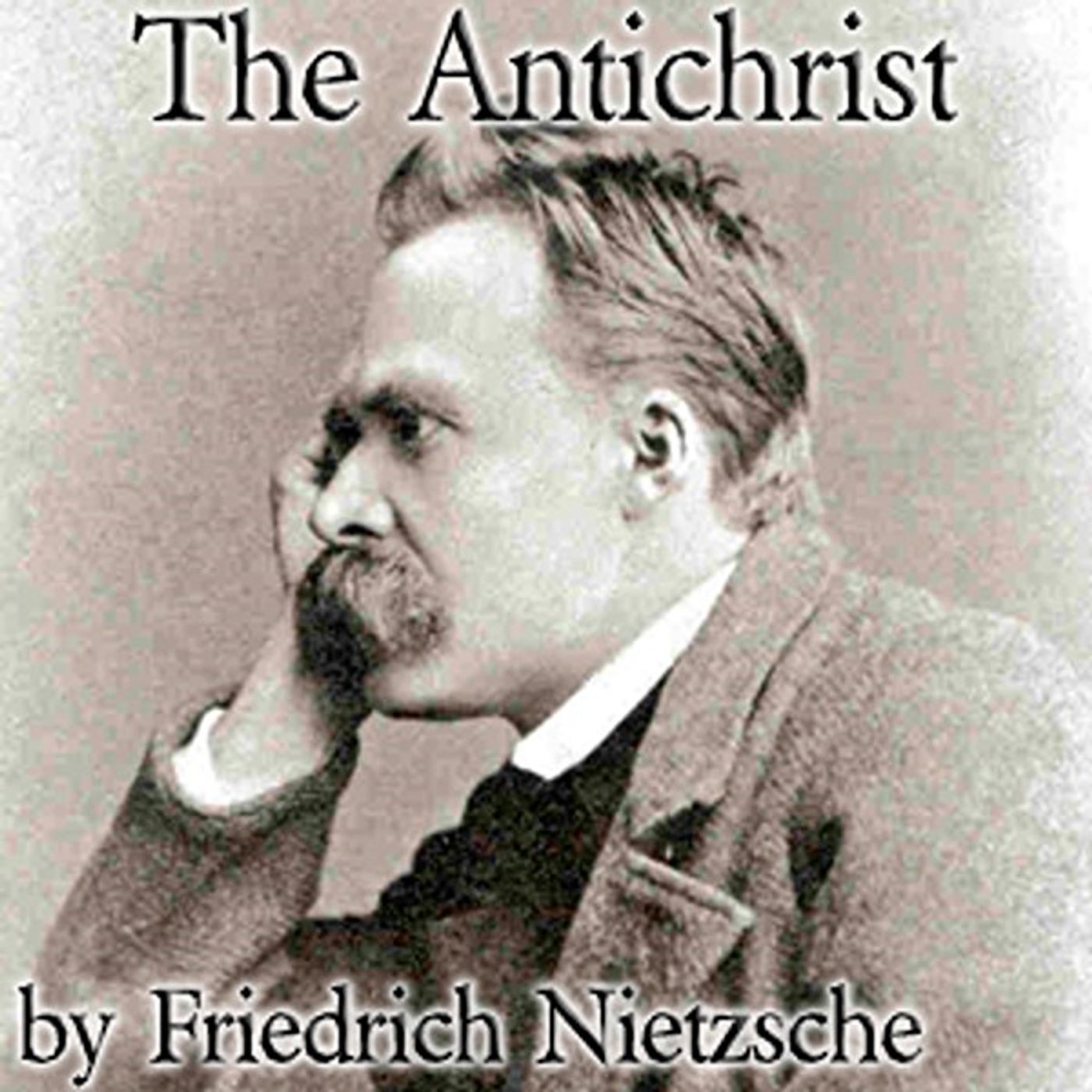
The Antichrist by Friedrich Nietzsche.
by Popular Culture and Religion.
The Antichrist by Friedrich Nietzsche. A work of Nietzsche's later years, The Antichrist was written after Thus Spoke Zarathustra and shortly before the mental collapse that incapacitated him for the rest of his life. The work is both an unrestrained attack on Christianity and a further exposition of Nietzsche's will-to-power philosophy so dramatically presented in Zarathustra.Christianity, says Nietzsche, represents "everything weak, low, and botched; it has made an ideal out of antagonism towards all the self-preservative instincts of strong life." By contrast, Nietzsche defines good as: "All that enhances the feeling of power, the Will to Power, and power itself in man. What is bad? -- All that proceeds from weakness. What is happiness? -- The feeling that power is increasing, that resistance has been overcome."In attempting to redefine the basis of Western values by demolishing the formative influence of the Judeo-Christian tradition, The Antichrist has proved to be highly c
-
8
08 - 54-62 (Final rant). The Antichrist by Friedrich Nietzsche.
08 - 54-62 (Final rant). The Antichrist by Friedrich Nietzsche. Save for his raucous, rhapsodical autobiography, Ecce Homo, The Antichrist is the last thing that Nietzsche ever wrote, and so it may be accepted as a statement of some of his most salient ideas in their final form. Of all Nietzsche’s books, The Antichrist comes nearest to conventionality in form. It presents a connected argument with very few interludes, and has a beginning, a middle and an end. The reason to listen to this version is that H.L. Mencken, the famous journalist, turned Nietzsche's German into such direct, plain-spoken American English that it puts the haranguing philosopher right up in your face.
-
7
07 - 48-53 (Old Testament). The Antichrist by Friedrich Nietzsche.
07 - 48-53 (Old Testament). The Antichrist by Friedrich Nietzsche. Save for his raucous, rhapsodical autobiography, Ecce Homo, The Antichrist is the last thing that Nietzsche ever wrote, and so it may be accepted as a statement of some of his most salient ideas in their final form. Of all Nietzsche’s books, The Antichrist comes nearest to conventionality in form. It presents a connected argument with very few interludes, and has a beginning, a middle and an end. The reason to listen to this version is that H.L. Mencken, the famous journalist, turned Nietzsche's German into such direct, plain-spoken American English that it puts the haranguing philosopher right up in your face.
-
6
06 - 43-47 (New Testament). The Antichrist by Friedrich Nietzsche.
06 - 43-47 (New Testament). The Antichrist by Friedrich Nietzsche. Save for his raucous, rhapsodical autobiography, Ecce Homo, The Antichrist is the last thing that Nietzsche ever wrote, and so it may be accepted as a statement of some of his most salient ideas in their final form. Of all Nietzsche’s books, The Antichrist comes nearest to conventionality in form. It presents a connected argument with very few interludes, and has a beginning, a middle and an end. The reason to listen to this version is that H.L. Mencken, the famous journalist, turned Nietzsche's German into such direct, plain-spoken American English that it puts the haranguing philosopher right up in your face.
-
5
05 - 27-42 (Jesus). The Antichrist by Friedrich Nietzsche.
05 - 27-42 (Jesus). The Antichrist by Friedrich Nietzsche. Save for his raucous, rhapsodical autobiography, Ecce Homo, The Antichrist is the last thing that Nietzsche ever wrote, and so it may be accepted as a statement of some of his most salient ideas in their final form. Of all Nietzsche’s books, The Antichrist comes nearest to conventionality in form. It presents a connected argument with very few interludes, and has a beginning, a middle and an end. The reason to listen to this version is that H.L. Mencken, the famous journalist, turned Nietzsche's German into such direct, plain-spoken American English that it puts the haranguing philosopher right up in your face.
-
4
04 - 20-26 (Buddhism, Jews). The Antichrist by Friedrich Nietzsche.
04 - 20-26 (Buddhism, Jews). The Antichrist by Friedrich Nietzsche. Save for his raucous, rhapsodical autobiography, Ecce Homo, The Antichrist is the last thing that Nietzsche ever wrote, and so it may be accepted as a statement of some of his most salient ideas in their final form. Of all Nietzsche’s books, The Antichrist comes nearest to conventionality in form. It presents a connected argument with very few interludes, and has a beginning, a middle and an end. The reason to listen to this version is that H.L. Mencken, the famous journalist, turned Nietzsche's German into such direct, plain-spoken American English that it puts the haranguing philosopher right up in your face.
-
3
03 - 1-19 (Christianity, Theology, Kant). The Antichrist by Friedrich Nietzsche.
03 - 1-19 (Christianity, Theology, Kant). The Antichrist by Friedrich Nietzsche. Save for his raucous, rhapsodical autobiography, Ecce Homo, The Antichrist is the last thing that Nietzsche ever wrote, and so it may be accepted as a statement of some of his most salient ideas in their final form. Of all Nietzsche’s books, The Antichrist comes nearest to conventionality in form. It presents a connected argument with very few interludes, and has a beginning, a middle and an end. The reason to listen to this version is that H.L. Mencken, the famous journalist, turned Nietzsche's German into such direct, plain-spoken American English that it puts the haranguing philosopher right up in your face.
-
2
02 - Author's Preface. The Antichrist by Friedrich Nietzsche.
02 - Author's Preface. The Antichrist by Friedrich Nietzsche. Save for his raucous, rhapsodical autobiography, Ecce Homo, The Antichrist is the last thing that Nietzsche ever wrote, and so it may be accepted as a statement of some of his most salient ideas in their final form. Of all Nietzsche’s books, The Antichrist comes nearest to conventionality in form. It presents a connected argument with very few interludes, and has a beginning, a middle and an end. The reason to listen to this version is that H.L. Mencken, the famous journalist, turned Nietzsche's German into such direct, plain-spoken American English that it puts the haranguing philosopher right up in your face.
-
1
01 - Introduction by HL Mencken. The Antichrist by Friedrich Nietzsche.
01 - Introduction by HL Mencken. The Antichrist by Friedrich Nietzsche. Save for his raucous, rhapsodical autobiography, Ecce Homo, The Antichrist is the last thing that Nietzsche ever wrote, and so it may be accepted as a statement of some of his most salient ideas in their final form. Of all Nietzsche’s books, The Antichrist comes nearest to conventionality in form. It presents a connected argument with very few interludes, and has a beginning, a middle and an end. The reason to listen to this version is that H.L. Mencken, the famous journalist, turned Nietzsche's German into such direct, plain-spoken American English that it puts the haranguing philosopher right up in your face.
We're indexing this podcast's transcripts for the first time — this can take a minute or two. We'll show results as soon as they're ready.
No matches for "" in this podcast's transcripts.
No topics indexed yet for this podcast.
Loading reviews...
ABOUT THIS SHOW
The Antichrist by Friedrich Nietzsche. A work of Nietzsche's later years, The Antichrist was written after Thus Spoke Zarathustra and shortly before the mental collapse that incapacitated him for the rest of his life. The work is both an unrestrained attack on Christianity and a further exposition of Nietzsche's will-to-power philosophy so dramatically presented in Zarathustra.Christianity, says Nietzsche, represents "everything weak, low, and botched; it has made an ideal out of antagonism towards all the self-preservative instincts of strong life." By contrast, Nietzsche defines good as: "All that enhances the feeling of power, the Will to Power, and power itself in man. What is bad? -- All that proceeds from weakness. What is happiness? -- The feeling that power is increasing, that resistance has been overcome."In attempting to redefine the basis of Western values by demolishing the formative influence of the Judeo-Christian tradition, The Antichrist has proved to be highly c
HOSTED BY
Popular Culture and Religion.
CATEGORIES
Loading similar podcasts...
Frequently Asked Questions
How many episodes does The Antichrist by Friedrich Nietzsche. have?
The Antichrist by Friedrich Nietzsche. currently has 8 episodes available on PodParley. New episodes are automatically indexed when they're published to the podcast feed.
What is The Antichrist by Friedrich Nietzsche. about?
The Antichrist by Friedrich Nietzsche. A work of Nietzsche's later years, The Antichrist was written after Thus Spoke Zarathustra and shortly before the mental collapse that incapacitated him for the rest of his life. The work is both an unrestrained attack on Christianity and a further exposition...
How often does The Antichrist by Friedrich Nietzsche. release new episodes?
The Antichrist by Friedrich Nietzsche. has 8 episodes. Check the episode list to see recent publication dates and frequency.
Where can I listen to The Antichrist by Friedrich Nietzsche.?
You can listen to The Antichrist by Friedrich Nietzsche. on PodParley by clicking any episode. We provide an embedded audio player for direct listening, and you can also subscribe via your preferred podcast app using the RSS feed.
Who hosts The Antichrist by Friedrich Nietzsche.?
The Antichrist by Friedrich Nietzsche. is created and hosted by Popular Culture and Religion..
URL copied to clipboard!