
PODCAST · arts
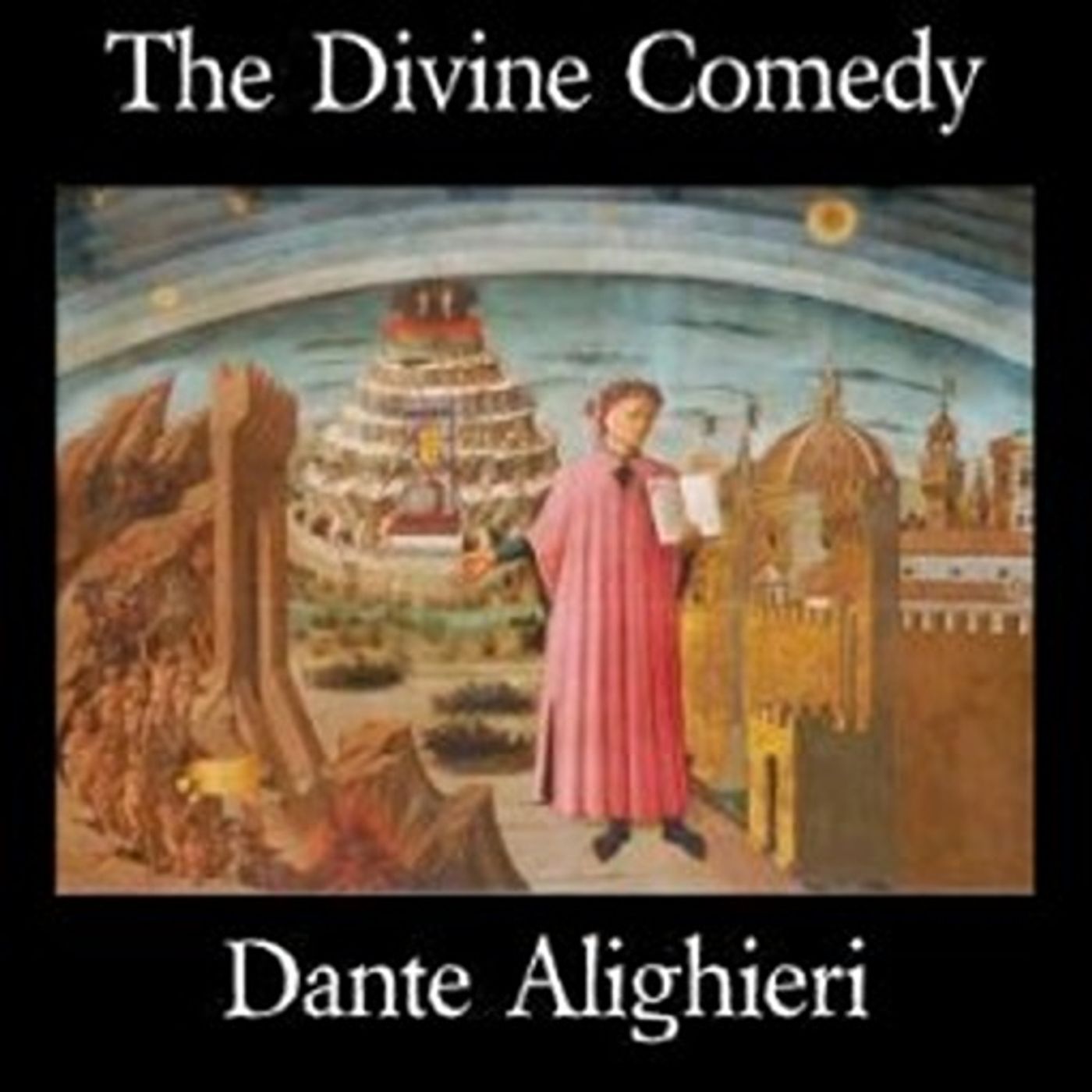
The Divine Comedy by Dante Alighieri.
by Popular Culture and Religion.
The Divine Comedy by Dante Alighieri. The Divine Comedy (Italian: Commedia, later christened “Divina” by Giovanni Boccaccio), written by Dante Alighieri between 1308 and his death in 1321, is widely considered the central epic poem of Italian literature, the last great work of literature of the Middle Ages and the first great work of the Renaissance. A culmination of the medieval world-view of the afterlife, it establishes the Tuscan dialect in which it is written as the Italian standard, and is seen as one of the greatest works of world literature. The Divine Comedy is composed of three canticas (or “cantiche”) — Inferno (Hell), Purgatorio (Purgatory), and Paradiso (Paradise) — composed each of 33 cantos (or “canti”). The very first canto serves as an introduction to the poem and is generally not considered to be part of the first cantica, bringing the total number of cantos to 100. The poet tells in the first person his travel through the three realms of the dead
-
19
19 - Bk 3, Paradise: Canto XXVIII - Canto XXXIII. The Divine Comedy by Dante Alighieri.
19 - Bk 3, Paradise: Canto XXVIII - Canto XXXIII. The Divine Comedy by Dante Alighieri. The Divine Comedy (Italian: Commedia, later christened “Divina” by Giovanni Boccaccio), written by Dante Alighieri between 1308 and his death in 1321, is widely considered the central epic poem of Italian literature, the last great work of literature of the Middle Ages and the first great work of the Renaissance. A culmination of the medieval world-view of the afterlife, it establishes the Tuscan dialect in which it is written as the Italian standard, and is seen as one of the greatest works of world literature. The Divine Comedy is composed of three canticas (or “cantiche”) — Inferno (Hell), Purgatorio (Purgatory), and Paradiso (Paradise) — composed each of 33 cantos (or “canti”). The very first canto serves as an introduction to the poem and is generally not considered to be part of the first cantica, bringing the total number of cantos to 100.The poet tells in the first person his travel through the three realms of the dead, lasting during the Easter Triduum in the spring of 1300.
-
18
18 - Bk 3, Paradise: Canto XXII - Canto XXVII. The Divine Comedy by Dante Alighieri.
18 - Bk 3, Paradise: Canto XXII - Canto XXVII. The Divine Comedy by Dante Alighieri. The Divine Comedy (Italian: Commedia, later christened “Divina” by Giovanni Boccaccio), written by Dante Alighieri between 1308 and his death in 1321, is widely considered the central epic poem of Italian literature, the last great work of literature of the Middle Ages and the first great work of the Renaissance. A culmination of the medieval world-view of the afterlife, it establishes the Tuscan dialect in which it is written as the Italian standard, and is seen as one of the greatest works of world literature. The Divine Comedy is composed of three canticas (or “cantiche”) — Inferno (Hell), Purgatorio (Purgatory), and Paradiso (Paradise) — composed each of 33 cantos (or “canti”). The very first canto serves as an introduction to the poem and is generally not considered to be part of the first cantica, bringing the total number of cantos to 100.The poet tells in the first person his travel through the three realms of the dead, lasting during the Easter Triduum in the spring of 1300.
-
17
17 - Bk 3, Paradise: Canto XVII - Canto XXI. The Divine Comedy by Dante Alighieri.
17 - Bk 3, Paradise: Canto XVII - Canto XXI. The Divine Comedy by Dante Alighieri. The Divine Comedy (Italian: Commedia, later christened “Divina” by Giovanni Boccaccio), written by Dante Alighieri between 1308 and his death in 1321, is widely considered the central epic poem of Italian literature, the last great work of literature of the Middle Ages and the first great work of the Renaissance. A culmination of the medieval world-view of the afterlife, it establishes the Tuscan dialect in which it is written as the Italian standard, and is seen as one of the greatest works of world literature. The Divine Comedy is composed of three canticas (or “cantiche”) — Inferno (Hell), Purgatorio (Purgatory), and Paradiso (Paradise) — composed each of 33 cantos (or “canti”). The very first canto serves as an introduction to the poem and is generally not considered to be part of the first cantica, bringing the total number of cantos to 100.The poet tells in the first person his travel through the three realms of the dead, lasting during the Easter Triduum in the spring of 1300.
-
16
16 - Bk 3, Paradise: Canto XII - Canto XVI. The Divine Comedy by Dante Alighieri.
16 - Bk 3, Paradise: Canto XII - Canto XVI. The Divine Comedy by Dante Alighieri. The Divine Comedy (Italian: Commedia, later christened “Divina” by Giovanni Boccaccio), written by Dante Alighieri between 1308 and his death in 1321, is widely considered the central epic poem of Italian literature, the last great work of literature of the Middle Ages and the first great work of the Renaissance. A culmination of the medieval world-view of the afterlife, it establishes the Tuscan dialect in which it is written as the Italian standard, and is seen as one of the greatest works of world literature. The Divine Comedy is composed of three canticas (or “cantiche”) — Inferno (Hell), Purgatorio (Purgatory), and Paradiso (Paradise) — composed each of 33 cantos (or “canti”). The very first canto serves as an introduction to the poem and is generally not considered to be part of the first cantica, bringing the total number of cantos to 100.The poet tells in the first person his travel through the three realms of the dead, lasting during the Easter Triduum in the spring of 1300.
-
15
15 - Bk 3, Paradise: Canto VI - Canto XI. The Divine Comedy by Dante Alighieri.
15 - Bk 3, Paradise: Canto VI - Canto XI. The Divine Comedy by Dante Alighieri. The Divine Comedy (Italian: Commedia, later christened “Divina” by Giovanni Boccaccio), written by Dante Alighieri between 1308 and his death in 1321, is widely considered the central epic poem of Italian literature, the last great work of literature of the Middle Ages and the first great work of the Renaissance. A culmination of the medieval world-view of the afterlife, it establishes the Tuscan dialect in which it is written as the Italian standard, and is seen as one of the greatest works of world literature. The Divine Comedy is composed of three canticas (or “cantiche”) — Inferno (Hell), Purgatorio (Purgatory), and Paradiso (Paradise) — composed each of 33 cantos (or “canti”). The very first canto serves as an introduction to the poem and is generally not considered to be part of the first cantica, bringing the total number of cantos to 100.The poet tells in the first person his travel through the three realms of the dead, lasting during the Easter Triduum in the spring of 1300.
-
14
14 - Bk 3, Paradise: Canto I - Canto V. The Divine Comedy by Dante Alighieri.
14 - Bk 3, Paradise: Canto I - Canto V. The Divine Comedy by Dante Alighieri. The Divine Comedy (Italian: Commedia, later christened “Divina” by Giovanni Boccaccio), written by Dante Alighieri between 1308 and his death in 1321, is widely considered the central epic poem of Italian literature, the last great work of literature of the Middle Ages and the first great work of the Renaissance. A culmination of the medieval world-view of the afterlife, it establishes the Tuscan dialect in which it is written as the Italian standard, and is seen as one of the greatest works of world literature. The Divine Comedy is composed of three canticas (or “cantiche”) — Inferno (Hell), Purgatorio (Purgatory), and Paradiso (Paradise) — composed each of 33 cantos (or “canti”). The very first canto serves as an introduction to the poem and is generally not considered to be part of the first cantica, bringing the total number of cantos to 100.The poet tells in the first person his travel through the three realms of the dead, lasting during the Easter Triduum in the spring of 1300.
-
13
13 - Bk 2, Purgatory: Canto XXVIII - Canto XXXIII. The Divine Comedy by Dante Alighieri.
13 - Bk 2, Purgatory: Canto XXVIII - Canto XXXIII. The Divine Comedy by Dante Alighieri. The Divine Comedy (Italian: Commedia, later christened “Divina” by Giovanni Boccaccio), written by Dante Alighieri between 1308 and his death in 1321, is widely considered the central epic poem of Italian literature, the last great work of literature of the Middle Ages and the first great work of the Renaissance. A culmination of the medieval world-view of the afterlife, it establishes the Tuscan dialect in which it is written as the Italian standard, and is seen as one of the greatest works of world literature. The Divine Comedy is composed of three canticas (or “cantiche”) — Inferno (Hell), Purgatorio (Purgatory), and Paradiso (Paradise) — composed each of 33 cantos (or “canti”). The very first canto serves as an introduction to the poem and is generally not considered to be part of the first cantica, bringing the total number of cantos to 100.The poet tells in the first person his travel through the three realms of the dead, lasting during the Easter Triduum in the spring of 1300.
-
12
12 - Bk 2, Purgatory: Canto XXII - Canto XXVII. The Divine Comedy by Dante Alighieri.
12 - Bk 2, Purgatory: Canto XXII - Canto XXVII. The Divine Comedy by Dante Alighieri. The Divine Comedy (Italian: Commedia, later christened “Divina” by Giovanni Boccaccio), written by Dante Alighieri between 1308 and his death in 1321, is widely considered the central epic poem of Italian literature, the last great work of literature of the Middle Ages and the first great work of the Renaissance. A culmination of the medieval world-view of the afterlife, it establishes the Tuscan dialect in which it is written as the Italian standard, and is seen as one of the greatest works of world literature. The Divine Comedy is composed of three canticas (or “cantiche”) — Inferno (Hell), Purgatorio (Purgatory), and Paradiso (Paradise) — composed each of 33 cantos (or “canti”). The very first canto serves as an introduction to the poem and is generally not considered to be part of the first cantica, bringing the total number of cantos to 100.The poet tells in the first person his travel through the three realms of the dead, lasting during the Easter Triduum in the spring of 1300.
-
11
11 - Bk 2, Purgatory: Canto XVII - Canto XXI. The Divine Comedy by Dante Alighieri.
11 - Bk 2, Purgatory: Canto XVII - Canto XXI. The Divine Comedy by Dante Alighieri. The Divine Comedy (Italian: Commedia, later christened “Divina” by Giovanni Boccaccio), written by Dante Alighieri between 1308 and his death in 1321, is widely considered the central epic poem of Italian literature, the last great work of literature of the Middle Ages and the first great work of the Renaissance. A culmination of the medieval world-view of the afterlife, it establishes the Tuscan dialect in which it is written as the Italian standard, and is seen as one of the greatest works of world literature. The Divine Comedy is composed of three canticas (or “cantiche”) — Inferno (Hell), Purgatorio (Purgatory), and Paradiso (Paradise) — composed each of 33 cantos (or “canti”). The very first canto serves as an introduction to the poem and is generally not considered to be part of the first cantica, bringing the total number of cantos to 100.The poet tells in the first person his travel through the three realms of the dead, lasting during the Easter Triduum in the spring of 1300.
-
10
10 - Bk 2, Purgatory: Canto XII - Canto XVI. The Divine Comedy by Dante Alighieri.
10 - Bk 2, Purgatory: Canto XII - Canto XVI. The Divine Comedy by Dante Alighieri. The Divine Comedy (Italian: Commedia, later christened “Divina” by Giovanni Boccaccio), written by Dante Alighieri between 1308 and his death in 1321, is widely considered the central epic poem of Italian literature, the last great work of literature of the Middle Ages and the first great work of the Renaissance. A culmination of the medieval world-view of the afterlife, it establishes the Tuscan dialect in which it is written as the Italian standard, and is seen as one of the greatest works of world literature. The Divine Comedy is composed of three canticas (or “cantiche”) — Inferno (Hell), Purgatorio (Purgatory), and Paradiso (Paradise) — composed each of 33 cantos (or “canti”). The very first canto serves as an introduction to the poem and is generally not considered to be part of the first cantica, bringing the total number of cantos to 100.The poet tells in the first person his travel through the three realms of the dead, lasting during the Easter Triduum in the spring of 1300.
-
9
09 - Bk 2, Purgatory: Canto VI - Canto XI. The Divine Comedy by Dante Alighieri.
09 - Bk 2, Purgatory: Canto VI - Canto XI. The Divine Comedy by Dante Alighieri. The Divine Comedy (Italian: Commedia, later christened “Divina” by Giovanni Boccaccio), written by Dante Alighieri between 1308 and his death in 1321, is widely considered the central epic poem of Italian literature, the last great work of literature of the Middle Ages and the first great work of the Renaissance. A culmination of the medieval world-view of the afterlife, it establishes the Tuscan dialect in which it is written as the Italian standard, and is seen as one of the greatest works of world literature. The Divine Comedy is composed of three canticas (or “cantiche”) — Inferno (Hell), Purgatorio (Purgatory), and Paradiso (Paradise) — composed each of 33 cantos (or “canti”). The very first canto serves as an introduction to the poem and is generally not considered to be part of the first cantica, bringing the total number of cantos to 100.The poet tells in the first person his travel through the three realms of the dead, lasting during the Easter Triduum in the spring of 1300.
-
8
08 - Bk 2, Purgatory: Canto I - Canto V. The Divine Comedy by Dante Alighieri.
08 - Bk 2, Purgatory: Canto I - Canto V. The Divine Comedy by Dante Alighieri. The Divine Comedy (Italian: Commedia, later christened “Divina” by Giovanni Boccaccio), written by Dante Alighieri between 1308 and his death in 1321, is widely considered the central epic poem of Italian literature, the last great work of literature of the Middle Ages and the first great work of the Renaissance. A culmination of the medieval world-view of the afterlife, it establishes the Tuscan dialect in which it is written as the Italian standard, and is seen as one of the greatest works of world literature. The Divine Comedy is composed of three canticas (or “cantiche”) — Inferno (Hell), Purgatorio (Purgatory), and Paradiso (Paradise) — composed each of 33 cantos (or “canti”). The very first canto serves as an introduction to the poem and is generally not considered to be part of the first cantica, bringing the total number of cantos to 100.The poet tells in the first person his travel through the three realms of the dead, lasting during the Easter Triduum in the spring of 1300.
-
7
07 - Bk 1, Inferno: Canto XXXI - Canto XXXIV. The Divine Comedy by Dante Alighieri.
07 - Bk 1, Inferno: Canto XXXI - Canto XXXIV. The Divine Comedy by Dante Alighieri. The Divine Comedy (Italian: Commedia, later christened “Divina” by Giovanni Boccaccio), written by Dante Alighieri between 1308 and his death in 1321, is widely considered the central epic poem of Italian literature, the last great work of literature of the Middle Ages and the first great work of the Renaissance. A culmination of the medieval world-view of the afterlife, it establishes the Tuscan dialect in which it is written as the Italian standard, and is seen as one of the greatest works of world literature. The Divine Comedy is composed of three canticas (or “cantiche”) — Inferno (Hell), Purgatorio (Purgatory), and Paradiso (Paradise) — composed each of 33 cantos (or “canti”). The very first canto serves as an introduction to the poem and is generally not considered to be part of the first cantica, bringing the total number of cantos to 100.The poet tells in the first person his travel through the three realms of the dead, lasting during the Easter Triduum in the spring of 1300.
-
6
06 - Bk 1, Inferno: Canto XXVI - Canto XXX. The Divine Comedy by Dante Alighieri.
06 - Bk 1, Inferno: Canto XXVI - Canto XXX. The Divine Comedy by Dante Alighieri. The Divine Comedy (Italian: Commedia, later christened “Divina” by Giovanni Boccaccio), written by Dante Alighieri between 1308 and his death in 1321, is widely considered the central epic poem of Italian literature, the last great work of literature of the Middle Ages and the first great work of the Renaissance. A culmination of the medieval world-view of the afterlife, it establishes the Tuscan dialect in which it is written as the Italian standard, and is seen as one of the greatest works of world literature. The Divine Comedy is composed of three canticas (or “cantiche”) — Inferno (Hell), Purgatorio (Purgatory), and Paradiso (Paradise) — composed each of 33 cantos (or “canti”). The very first canto serves as an introduction to the poem and is generally not considered to be part of the first cantica, bringing the total number of cantos to 100.The poet tells in the first person his travel through the three realms of the dead, lasting during the Easter Triduum in the spring of 1300.
-
5
05 - Bk 1, Inferno: Canto XXI - Canto XXV. The Divine Comedy by Dante Alighieri.
05 - Bk 1, Inferno: Canto XXI - Canto XXV. The Divine Comedy by Dante Alighieri. The Divine Comedy (Italian: Commedia, later christened “Divina” by Giovanni Boccaccio), written by Dante Alighieri between 1308 and his death in 1321, is widely considered the central epic poem of Italian literature, the last great work of literature of the Middle Ages and the first great work of the Renaissance. A culmination of the medieval world-view of the afterlife, it establishes the Tuscan dialect in which it is written as the Italian standard, and is seen as one of the greatest works of world literature. The Divine Comedy is composed of three canticas (or “cantiche”) — Inferno (Hell), Purgatorio (Purgatory), and Paradiso (Paradise) — composed each of 33 cantos (or “canti”). The very first canto serves as an introduction to the poem and is generally not considered to be part of the first cantica, bringing the total number of cantos to 100.The poet tells in the first person his travel through the three realms of the dead, lasting during the Easter Triduum in the spring of 1300.
-
4
04 - Bk 1, Inferno: Canto XVI - Canto XX. The Divine Comedy by Dante Alighieri.
04 - Bk 1, Inferno: Canto XVI - Canto XX. The Divine Comedy by Dante Alighieri. The Divine Comedy (Italian: Commedia, later christened “Divina” by Giovanni Boccaccio), written by Dante Alighieri between 1308 and his death in 1321, is widely considered the central epic poem of Italian literature, the last great work of literature of the Middle Ages and the first great work of the Renaissance. A culmination of the medieval world-view of the afterlife, it establishes the Tuscan dialect in which it is written as the Italian standard, and is seen as one of the greatest works of world literature. The Divine Comedy is composed of three canticas (or “cantiche”) — Inferno (Hell), Purgatorio (Purgatory), and Paradiso (Paradise) — composed each of 33 cantos (or “canti”). The very first canto serves as an introduction to the poem and is generally not considered to be part of the first cantica, bringing the total number of cantos to 100.The poet tells in the first person his travel through the three realms of the dead, lasting during the Easter Triduum in the spring of 1300.
-
3
03 - Bk 1, Inferno: Canto XI - Canto XV. The Divine Comedy by Dante Alighieri.
03 - Bk 1, Inferno: Canto XI - Canto XV. The Divine Comedy by Dante Alighieri. The Divine Comedy (Italian: Commedia, later christened “Divina” by Giovanni Boccaccio), written by Dante Alighieri between 1308 and his death in 1321, is widely considered the central epic poem of Italian literature, the last great work of literature of the Middle Ages and the first great work of the Renaissance. A culmination of the medieval world-view of the afterlife, it establishes the Tuscan dialect in which it is written as the Italian standard, and is seen as one of the greatest works of world literature. The Divine Comedy is composed of three canticas (or “cantiche”) — Inferno (Hell), Purgatorio (Purgatory), and Paradiso (Paradise) — composed each of 33 cantos (or “canti”). The very first canto serves as an introduction to the poem and is generally not considered to be part of the first cantica, bringing the total number of cantos to 100.The poet tells in the first person his travel through the three realms of the dead, lasting during the Easter Triduum in the spring of 1300.
-
2
02 - Bk 1, Inferno: Canto VI - Canto X. The Divine Comedy by Dante Alighieri.
02 - Bk 1, Inferno: Canto VI - Canto X. The Divine Comedy by Dante Alighieri. The Divine Comedy (Italian: Commedia, later christened “Divina” by Giovanni Boccaccio), written by Dante Alighieri between 1308 and his death in 1321, is widely considered the central epic poem of Italian literature, the last great work of literature of the Middle Ages and the first great work of the Renaissance. A culmination of the medieval world-view of the afterlife, it establishes the Tuscan dialect in which it is written as the Italian standard, and is seen as one of the greatest works of world literature. The Divine Comedy is composed of three canticas (or “cantiche”) — Inferno (Hell), Purgatorio (Purgatory), and Paradiso (Paradise) — composed each of 33 cantos (or “canti”). The very first canto serves as an introduction to the poem and is generally not considered to be part of the first cantica, bringing the total number of cantos to 100.The poet tells in the first person his travel through the three realms of the dead, lasting during the Easter Triduum in the spring of 1300.
-
1
01 - Bk 1, Inferno: Canto I - Canto V. The Divine Comedy by Dante Alighieri.
01 - Bk 1, Inferno: Canto I - Canto V. The Divine Comedy by Dante Alighieri. The Divine Comedy (Italian: Commedia, later christened “Divina” by Giovanni Boccaccio), written by Dante Alighieri between 1308 and his death in 1321, is widely considered the central epic poem of Italian literature, the last great work of literature of the Middle Ages and the first great work of the Renaissance. A culmination of the medieval world-view of the afterlife, it establishes the Tuscan dialect in which it is written as the Italian standard, and is seen as one of the greatest works of world literature. The Divine Comedy is composed of three canticas (or “cantiche”) — Inferno (Hell), Purgatorio (Purgatory), and Paradiso (Paradise) — composed each of 33 cantos (or “canti”). The very first canto serves as an introduction to the poem and is generally not considered to be part of the first cantica, bringing the total number of cantos to 100.The poet tells in the first person his travel through the three realms of the dead, lasting during the Easter Triduum in the spring of 1300.
We're indexing this podcast's transcripts for the first time — this can take a minute or two. We'll show results as soon as they're ready.
No matches for "" in this podcast's transcripts.
No topics indexed yet for this podcast.
Loading reviews...
ABOUT THIS SHOW
The Divine Comedy by Dante Alighieri. The Divine Comedy (Italian: Commedia, later christened “Divina” by Giovanni Boccaccio), written by Dante Alighieri between 1308 and his death in 1321, is widely considered the central epic poem of Italian literature, the last great work of literature of the Middle Ages and the first great work of the Renaissance. A culmination of the medieval world-view of the afterlife, it establishes the Tuscan dialect in which it is written as the Italian standard, and is seen as one of the greatest works of world literature. The Divine Comedy is composed of three canticas (or “cantiche”) — Inferno (Hell), Purgatorio (Purgatory), and Paradiso (Paradise) — composed each of 33 cantos (or “canti”). The very first canto serves as an introduction to the poem and is generally not considered to be part of the first cantica, bringing the total number of cantos to 100. The poet tells in the first person his travel through the three realms of the dead
HOSTED BY
Popular Culture and Religion.
CATEGORIES
Loading similar podcasts...
Frequently Asked Questions
How many episodes does The Divine Comedy by Dante Alighieri. have?
The Divine Comedy by Dante Alighieri. currently has 19 episodes available on PodParley. New episodes are automatically indexed when they're published to the podcast feed.
What is The Divine Comedy by Dante Alighieri. about?
The Divine Comedy by Dante Alighieri. The Divine Comedy (Italian: Commedia, later christened “Divina” by Giovanni Boccaccio), written by Dante Alighieri between 1308 and his death in 1321, is widely considered the central epic poem of Italian literature, the last great work of literature of the...
How often does The Divine Comedy by Dante Alighieri. release new episodes?
The Divine Comedy by Dante Alighieri. has 19 episodes. Check the episode list to see recent publication dates and frequency.
Where can I listen to The Divine Comedy by Dante Alighieri.?
You can listen to The Divine Comedy by Dante Alighieri. on PodParley by clicking any episode. We provide an embedded audio player for direct listening, and you can also subscribe via your preferred podcast app using the RSS feed.
Who hosts The Divine Comedy by Dante Alighieri.?
The Divine Comedy by Dante Alighieri. is created and hosted by Popular Culture and Religion..
URL copied to clipboard!