
PODCAST · health
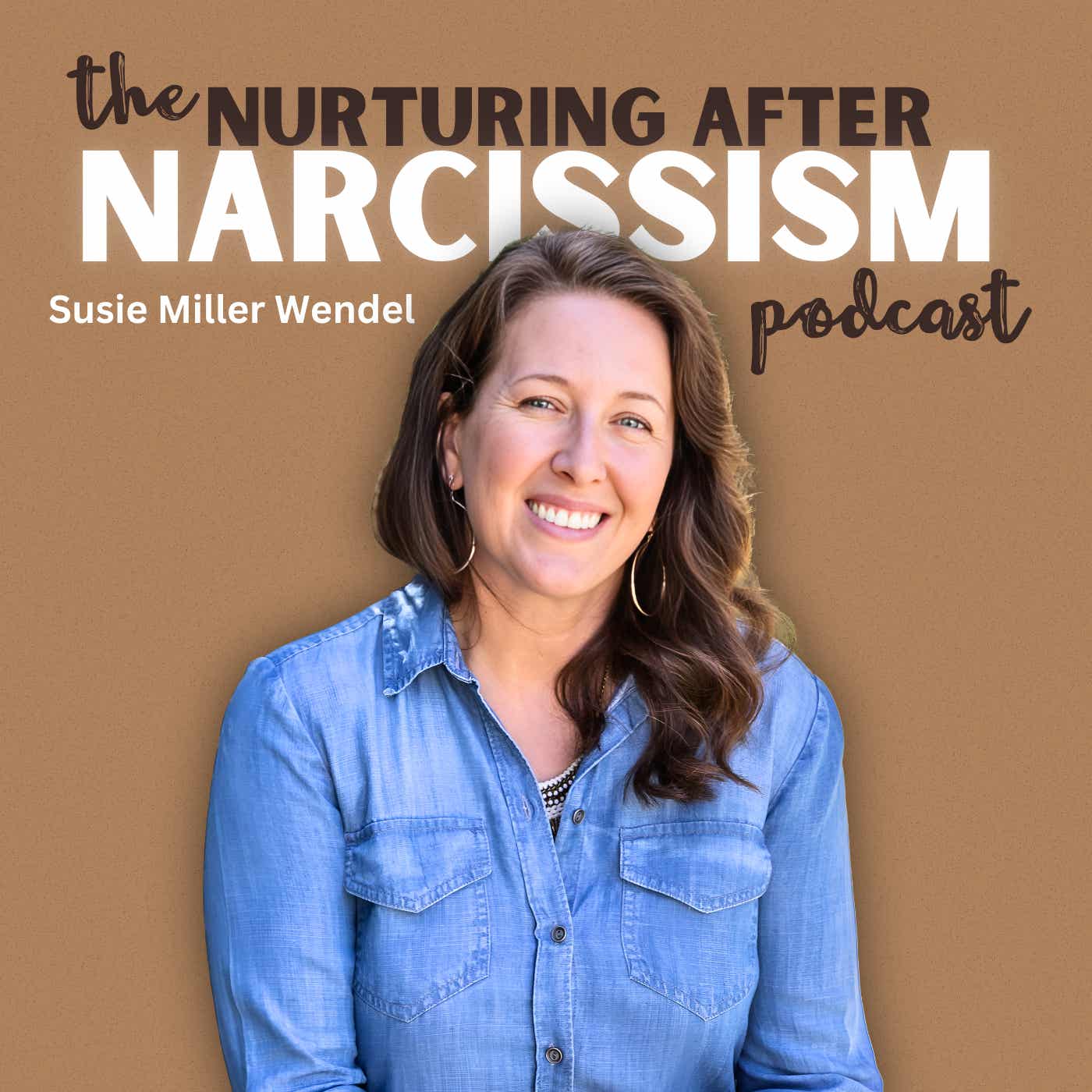
The Nurturing After Narcissism Podcast
by Susie Miller Wendel
Welcome to Nurturing After Narcissism, the podcast where healing begins and hope thrives. Hosted by Susie Miller Wendel—certified trauma recovery coach, survivor of narcissistic abuse, domestic violence, and a devoted single mom—this show is your safe space for navigating life after narcissistic abuse.Join Susie as she shares compassionate guidance, expert insights, and real-world strategies to help you reclaim your peace, rebuild your confidence, and create a future filled with possibility. Each episode explores critical topics like high-conflict co-parenting, the challenges (and joys!) of single motherhood, and the road to narcissistic abuse recovery. Whether you’re still in a toxic situation or finding your way out, this podcast offers the tools, resources, and encouragement you need to heal and thrive.Your journey to empowerment starts here. Visit susiemillerwendel.com for additional support and resources. swend
-
21
Are You Missing These 10 Red Flags in Your Relationship?
We all deserve relationships that uplift us, where we feel safe, respected, and cherished. But sometimes, in the everyday currents of life, it can be incredibly hard to spot the subtle, insidious patterns that signal something is deeply wrong. You might feel a persistent unease, a sense that something isn't quite right, but you can't put your finger on it.If you've been feeling this way, you're not alone. Many individuals find themselves in relationships where their emotional well-being is slowly eroded, often by behaviors that are difficult to identify as abusive. Today, I want to shine a light on 10 common warning signs that could indicate you're experiencing emotional or even narcissistic abuse. These aren't always obvious; they can be disguised, normalized, or simply dismissed as "just how they are."Let's dive into these red flags. See if any of them resonate with you.The 10 Warning Signs You Need to Watch For:* Walking on Eggshells: Do you ever feel like you have to be super careful around your partner, watching everything you say or do just to avoid triggering an argument or a bad mood? One woman I worked with even spent hours rehearsing how to bring up a simple topic without setting her partner off. That's a huge red flag.* Constant Criticism: Does your partner criticize or belittle you, sometimes disguised as jokes or concern? Perhaps they tell you you're "too sensitive" or "not good enough." These constant put-downs slowly chip away at your self-confidence.* Isolation from Friends and Family: Maybe you've noticed you don't see your friends or family as much as you used to. Or your partner gets upset when you want to spend time with them. I had a client who hadn't talked to her sister in months because her partner made her feel guilty for doing so.* Financial Control: Does your partner control the money, monitor your spending, or even prevent you from working? This type of abuse keeps you trapped, severely limiting your independence.* The Silent Treatment: When things go wrong, does your partner give you the cold shoulder for hours, or even days? This is a form of emotional punishment that leaves you feeling confused and desperate to "fix things."* Gaslighting: This is the classic "that never happened." Has your partner ever made you question your memory or reality by denying things that actually occurred? Gaslighting is a common manipulation tactic in narcissistic abuse.* Love Bombing Followed by Devaluation: Does your partner shower you with affection and attention one day, only to withdraw or criticize you the next? This push and pull keeps you emotionally off-balance.* Blame Shifting: When something goes wrong, are you always the one who's blamed? You might hear things like, "Well, if you hadn't done that, I wouldn't have had to get so angry."* Monitoring Your Whereabouts: Does your partner check in excessively or get upset when you don't immediately answer texts or calls? That controlling behavior is a major red flag.* Feeling Like Nothing You Ever Do Is Enough: Do you ever feel like no matter how hard you try, your partner is never satisfied? That constant feeling of failure is emotionally exhausting.Is It Time for Your "Reality Check"?If any of these warning signs resonated with you, it's crucial to acknowledge those feelings and explore them further. Understanding these patterns is the first step toward reclaiming your peace and well-being.For those who want to dive deeper, I’ve created a free, private quiz called Reality Check: Are you experiencing emotional or narcissistic abuse? It can help you identify patterns you might be missing and give you that "aha" moment you've been searching for.Find it here: https://mycoachsusie1.outgrow.us/mycoachsusie1-3Take the Next Step Towards Healing and ThrivingRecognizing these signs can be incredibly validating, but it's just the beginning. Healing from emotional or narcissistic abuse requires ongoing support, guidance, and a safe space to process your experiences.If this resonated, take the next step with me. ❤️ My Rise and Thrive Women membership is a private, off-social media community for healing and support. Get live coaching, workshops, and more.This is a space dedicated to supporting survivors of narcissistic abuse, high-conflict co-parenting, single motherhood, and trauma recovery. As a survivor of narcissistic abuse and domestic violence, and a certified trauma recovery coach, I am deeply committed to sharing helpful information, tools, and resources for those navigating these challenges.Try it free for 7 days! Join here: https://www.skool.com/rise-thrive-women-8662/about?ref=6b0458e8645641b2973eb5e132c8eb7bYou deserve to live a life free from emotional distress and to build relationships that truly nourish you. Let's Rise and Thrive together. This is a public episode. If you would like to discuss this with other subscribers or get access to bonus episodes, visit swendel.substack.com
-
20
Is a Narcissist Sabotaging Your Career? Here's How to Fight Back
It's a startling truth: approximately one in ten people exhibit narcissistic personality traits. And while we often think of the chaos they cause in personal relationships, these traits can silently, and powerfully, destroy your career. You might not see it at first, but over time, you'll notice the tell-tale signs: missed opportunities, damaged relationships, and a creeping self-doubt that leaves you second-guessing everything.The workplace is fertile ground for narcissists to thrive. With its inherent hierarchies, competitive nature, and power dynamics, it's an environment ripe for exploitation. To a narcissist, colleagues aren't teammates; they're either competitors to be vanquished or tools to be manipulated on their climb up the corporate ladder. If you've ever felt like you're caught in an invisible game of survival at work, where the rules constantly shift and the goalposts keep moving, you might be dealing with a narcissist.Here are six subtle, yet seriously damaging, ways narcissists can sabotage you at work, and more importantly, how you can protect your reputation and your peace of mind.Understanding the Narcissistic Playbook in the WorkplaceBefore we dive into their tactics, let's quickly refresh on what narcissistic traits look like in a professional setting. We're talking about individuals who:* Lack empathy: They struggle to understand or share the feelings of others.* Constantly crave recognition and admiration: Their self-worth is often tied to external validation.* Manipulate situations and people: They orchestrate events and relationships to serve their own agenda.Now, let's explore their go-to sabotage strategies:1. Taking Credit for Your Work: The Classic Power GrabThis is a quintessential narcissistic move. You pour your time and energy into a project, staying late, problem-solving, and driving it forward. Then, in a team meeting, the narcissist swoops in at precisely the right moment – usually when leadership is present – positioning themselves as the driving force. They'll make it appear as if they were the mastermind, leaving you feeling invisible and your contributions overlooked.2. Spreading Subtle Smear Campaigns: The Whisper NetworkThis tactic is incredibly insidious. Narcissists rarely outright trash you in an obvious way. Instead, they resort to passive-aggressive comments in meetings or little digs behind your back. They might say, "I'm a little concerned about how reliable she's been lately," or "I've noticed she's been really stressed; I hope everything's okay at home." These seemingly innocuous comments plant seeds of doubt about your character and competence without them appearing to be the bad guy.3. Gaslighting Your Performance: Making You Question Reality"You're overreacting." "That's not how I remember it." "You're being too sensitive." Sound familiar? Narcissists will twist facts, rewrite conversations, or outright deny things they clearly said. This leaves you questioning your own memory, perception, and even sanity. Over time, you start to wonder, "Am I actually the problem?" (Spoiler alert: You're not.)4. Strategic Exclusion: The Isolation TacticSuddenly, you're left off important emails, find out about key meetings after they've happened, or are mysteriously not invited to social gatherings where networking naturally occurs. When you bring it up, you might hear a dismissive, "Oh, I thought you got the invite," or "It was just a last-minute thing, sorry." The goal here is clear: to isolate you and limit your access to crucial information or potential allies.5. Playing the Victim: Flipping the ScriptWhen you finally try to set a boundary or call them out on their behavior, they immediately flip the script. Suddenly, you're being mean, not a team player, or making them feel "unsafe." They'll complain to leadership about your "unfair" treatment, conveniently ignoring the months of manipulation that led to that confrontation.6. Sabotaging Growth Opportunities: Keeping You DownYou mention applying for a promotion, and suddenly, they're offering backhanded advice like, "I just don't want you to set yourself up for disappointment." Or, they'll subtly undermine you in front of decision-makers, making you seem unprepared, overly emotional, or difficult. Their objective? To keep you small and out of their way, ensuring you don't climb past them.Rise and Thrive Women membership. It’s a private, off-social media community built for high-achieving and heart-centered women just like you. We offer support, resources, live coaching, and workshops to help you heal and rise. You can try it free for 7 days.Join here: https://www.skool.com/rise-thrive-women-8662/about?ref=6b0458e8645641b2973eb5e132c8eb7bHow to Protect Yourself and Your CareerSo, what can you do when faced with these damaging tactics?* Document Everything: Start keeping meticulous written records. Save emails, write summaries of important conversations, and maintain a private log of specific incidents with dates and details. This documentation is your strongest defense if things escalate.* Stay Emotionally Neutral: This is tough, but crucial. Do not take the bait. Narcissists thrive on emotional reactions. Respond with calm, fact-based communication. Think professional, unemotional bullet points.* Build Allies at Work: Find people you trust, especially co-workers who may have witnessed similar patterns. Having allies not only validates your experience but also creates a vital support system. When you need to raise concerns, you won't be standing alone.* Speak Up Strategically: If the situation becomes serious, escalate carefully. Go to HR with clear documentation, sticking strictly to facts and avoiding emotional language. Frame your concerns in terms of how the narcissist's behavior negatively impacts team morale, productivity, or the overall company culture.Remember: Your Intuition Isn't WrongIf something feels off, it probably is. You are not imagining the sabotage. You are not being too sensitive, and you are definitely not alone. Narcissists frequently operate behind the scenes, tearing people down while skillfully portraying themselves as the hero.But now, you have the language to identify these behaviors, and you have the tools to protect yourself.Reality Check: Are You Experiencing Emotional or Narcissistic Abuse?If you’ve been second-guessing yourself, wondering if what you’re going through is normal—or if it’s something more harmful—you’re not alone.This quick, confidential quiz will help you identify some common signs of emotional, narcissistic, or coercive control abuse in relationships.Take the Free "Reality Check" Quiz Now: https://mycoachsusie1.outgrow.us/mycoachsusie1-3Have you ever experienced these dynamics at work? How did you handle it? Share your experiences in the comments below – let's start a conversation and support each other. This is a public episode. If you would like to discuss this with other subscribers or get access to bonus episodes, visit swendel.substack.com
-
19
Is It Really Abuse? 10 Warning Signs You Might Be Missing
Is It Really Abuse? 10 Warning Signs You Might Be MissingIt can be sneaky. Sometimes, it’s so hard to realize what’s even happening. You find yourself wondering, "Is it really that bad?" or second-guessing if what you feel is real.I’m not just talking about physical abuse. Emotional and narcissistic abuse often don't leave visible scars, making them difficult to pinpoint. One client told me, "He never laid a hand on me, but I feel like I'm disappearing inside of this relationship". That slow erosion of self-esteem is the reality for so many.If you feel confused, please know your feelings are valid. To help bring some clarity, I want to walk you through 10 specific warning signs that you might be experiencing abuse in your relationship.(For those who want to dive deeper, I’ve created a free, private quiz called Reality Check: Are you experiencing emotional or narcissistic abuse? It can help you identify patterns you might be missing and give you that "aha" moment you've been searching for. Find it here:https://mycoachsusie1.outgrow.us/mycoachsusie1-3)Here are 10 warning signs to look out for:1. Walking on Eggshells Do you feel like you have to be incredibly careful around your partner?. This often looks like watching every single thing you say or do just to avoid setting off an argument or a bad mood. One woman I worked with even spent hours rehearsing how she would bring up a simple topic to avoid setting her partner off. That is a huge red flag.2. Constant Criticism Does your partner belittle or criticize you, sometimes disguising it as a "joke" or "concern"?. These constant put-downs, like being told you're "too sensitive," slowly chip away at your self-confidence.3. Isolation from Friends and Family Abusers often try to cut you off from your support system. You might notice that you don't see your friends or family as much as you used to. Your partner may get upset when you want to spend time with others or make you feel guilty for doing so.4. Financial Control This is a powerful way to keep you trapped and limit your independence. It can look like your partner controlling all the money, preventing you from working, or monitoring your spending.5. The Silent Treatment When something goes wrong, does your partner give you the cold shoulder for hours or even days?. This isn't just a need for space; it's a form of emotional punishment that leaves you feeling confused and desperate to fix things.6. Gaslighting Gaslighting is a classic manipulation tactic where your partner denies things that actually happened to make you question your own memory and reality. You’ll hear the classic phrase, "That never happened".7. Love Bombing Followed by Devaluation This is an emotional push-and-pull that keeps you off balance. One day your partner might shower you with intense affection and attention, and the next, they withdraw or criticize you.8. Blame Shifting When something goes wrong, are you always the one who gets blamed?. An abuser will flip the script to make you feel responsible for their anger or actions, saying things like, "Well, if you hadn’t have done that, I wouldn’t have had to get so angry".9. Monitoring Your Whereabouts This controlling behavior is a major red flag. It includes your partner checking in on you excessively or getting upset when you don't answer calls or texts immediately.10. Feeling Like Nothing You Do Is Ever Enough Do you constantly feel like no matter how hard you try, your partner is never satisfied?. That persistent feeling of failure is emotionally exhausting.If any of these signs resonated with you, I want you to know you're not crazy and you're not alone. Recognizing these patterns is the first step toward clarity.If this resonated, take the next step with me. ❤️ My Rise and Thrive Women membership is a private, off-social media community for healing and support. Get live coaching, workshops, and more.Try it free for 7 days! Join here: https://www.skool.com/rise-thrive-women-8662/about?ref=6b0458e8645641b2973eb5e132c8eb7bWhich one of these signs stood out to you the most? Let me know by dropping a number in the comments. I read every single one. This is a public episode. If you would like to discuss this with other subscribers or get access to bonus episodes, visit swendel.substack.com
-
18
Is Your Colleague a Narcissist? 5 Red Flags and How to Protect Your Peace
Do you feel drained or even doubt your own memory after meetings? Does your job sometimes feel like an emotional battlefield? If this sounds familiar, I want you to know that you are not imagining it , and you are definitely not alone.As a certified trauma recovery coach and a survivor of narcissistic abuse myself, I've dedicated my work to helping people heal, rebuild, and thrive after toxic relationships. Dealing with a narcissistic colleague can be one of the most confusing and emotionally taxing experiences, but once you see the patterns, you can start protecting your peace.When I talk about narcissism, I'm not referring to a clinical diagnosis. I’m talking about recognizing behavioral patterns that are toxic, manipulative, and emotionally harmful. There's a huge difference between a confident colleague and a narcissistic one. Confidence builds people up; narcissism tears them down.Overt vs. Covert: The Two Faces of Workplace NarcissismIt’s crucial to understand that workplace narcissism can show up in two very different ways.* The Overt Narcissist: This is the one you can spot easily. They are loud, arrogant, and always seeking attention.* The Covert Narcissist: This type is much sneakier. They might play the victim, use guilt-tripping to manipulate you , or even come across as shy and soft-spoken. But underneath that facade, the manipulation is still there.The 5 Red Flags You Can't IgnoreSo, what does this actually look like on the job? Here are the five key signs I want you to watch for.1. They Steal Credit for Your Work Have you ever completed a big project, only to hear a colleague casually present your idea as their own? Narcissists love the spotlight and rarely share it.2. They Manipulate Through Charm, Guilt, or Gaslighting They often start out being incredibly friendly and complimentary to make you feel important. But if you confront them about a mistake, you might suddenly be accused of being "too sensitive" or "overreacting". If you've ever heard the phrase, "I was just joking. You take everything so seriously," you've experienced classic gaslighting.3. They Show a Shocking Lack of Empathy A narcissistic colleague doesn't care that you're overwhelmed or that you stayed late all week. If you bring up feeling stressed or burnt out, they will almost always pivot the conversation back to themselves with comments like, "Well, I'm under a lot of pressure too, you know".4. They Thrive on Gossip and Triangulation Narcissists love to create chaos by pitting people against each other. They might complain to you about a coworker, then go to that same coworker and say something negative about you. This keeps everyone off-balance and allows them to feel in control.5. They React Terribly to Feedback Trying to give a narcissistic colleague constructive criticism is often met with defensiveness, stonewalling, or even retaliation. They might respond with sarcasm or exclude you from important meetings. Don't be fooled by the non-apology, "I'm sorry you feel that way." That isn't a real apology; it's deflection.Your Toolkit for Taking Back ControlNow for the empowering part: you have tools to handle this. You don’t have to feel powerless at work.* Set Emotional Boundaries. You are not required to get pulled into their drama. If they start gossiping, practice saying, "I'm focused on my work right now, I can't get into this".* Keep Written Records. If you're dealing with missed deadlines or unfair blame, keep a paper trail. Follow up important conversations with an email summary. This protects you and creates documentation if you ever need to escalate the situation.* Use the "Gray Rock" Method. This technique is about being boring. Give short, uninteresting answers with no emotional reaction. Narcissists feed on your energy, and when you don't provide it, they lose interest. A simple, "Oh, hmm," before turning back to your work can be incredibly effective.* Know When to Report It. If the behavior crosses into bullying, harassment, or discrimination, document it and escalate the issue to HR or a trusted supervisor.* Focus on Your Well-Being. Your self-worth does not depend on how a narcissistic coworker treats you. Prioritize your mental health by leaning on trusted friends, therapy, or coaching to stay grounded.If any of this resonated with you, please know that you are not crazy, you're not overreacting, and you are most definitely not alone. Recognizing these toxic patterns is the first, most crucial step toward protecting your peace and reclaiming your life. You deserve happiness and peace.P.S. If this post felt like you were reading your own story, I want to remind you that you are not alone. If you're looking for a safe place to navigate this, I invite you to check out ourRise and Thrive Women membership. It’s a private, off-social media community built for high-achieving and heart-centered women just like you. We offer support, resources, live coaching, and workshops to help you heal and rise. You can try it free for 7 days.Join here: https://www.skool.com/rise-thrive-women-8662/about?ref=6b0458e8645641b2973eb5e132c8eb7b This is a public episode. If you would like to discuss this with other subscribers or get access to bonus episodes, visit swendel.substack.com
-
17
It's Not Burnout. It's Survival Mode.
If you've built what appears to be a beautiful and amazing life on the outside, the job, the home, the image of success but behind the scenes you're miserable, second-guessing everything, and emotionally drained, this is for you. Today, we're talking about the silent struggle many successful women face: emotional abuse that hides behind a mask of perfection.One of the biggest myths about emotional abuse is that it only happens in chaotic or visibly dysfunctional households. The reality is that many of the most emotionally abused women I've worked with are also the most successful. They are lawyers, doctors, CEOs, teachers, and entrepreneurs, women who lead teams and raise families, yet feel like they are failing in their personal lives.Abusers often target successful women because they benefit from your image and accomplishments. But behind closed doors, it's a totally different story.What Hidden Abuse Actually Looks LikeWhen you are living under constant emotional stress, your nervous system never really gets to shut down. You're constantly bracing for the next outburst or manipulation tactic. This can look like:* Being accused of cheating for simply working with male colleagues.* Your partner texting you constantly while you're at work, not out of love, but out of a need for control.* Being told you're "too sensitive" or "overreacting" every time you try to set a boundary or express a feeling.* Receiving the silent treatment for days while still being expected to keep the household running perfectly.* Having affection or finances withheld if you don't agree with them or do what they want.How It's Affecting Your CareerThis constant state of high alert inevitably shows up at work. It’s not a lack of ambition or a sudden case of burnout; it is your mind and body operating in survival mode.You might find yourself:* Forgetting things, even though you were previously razor-sharp.* Feeling foggy, anxious, or perpetually distracted.* Over-apologizing in meetings and second-guessing your own ideas.* Avoiding networking or social events because you're either too drained or afraid of your partner's reaction.* Acting awkwardly around male colleagues because a seed of doubt has been planted in your mind that you're doing something wrong.As one of my clients put it, "I used to be a top performer, but now I can't even send an email without reading it 10 times over".Why Smart, Capable Women StayIf this resonates, you might be asking yourself, "How could someone like me end up here?". Please know that abuse isn't about intelligence, and trauma doesn't respond to logic. Capable women stay for complex reasons:* Fear of Judgment: "If I leave, will people think I'm overreacting or losing my credibility?".* Trauma Bonding: The cycle of intense highs and devastating lows can create a powerful, addictive bond.* Guilt: You might tell yourself, "He's a good provider. Maybe I'm just hard to love".* Shame: The isolating feeling of being a capable woman in a situation you feel you should have avoided.Your First Steps Toward HealingPlease hear this: You're not broken, you're just exhausted. If you're ready to explore what's next, here are a few things you can focus on.* Educate Yourself. Start learning about the dynamics of emotional abuse, narcissistic abuse, and coercive control. Gaining clarity is the first step to identifying the abuse for what it is.* Document the Abuse. Start a private journal to reconnect with your own thoughts and stay grounded in your truth. In the days following an abusive incident, it's easy to minimize what happened. Writing it down keeps the reality clear.* Build Your Support System. Seek out a trauma-informed therapist or coach who can help you see the patterns more clearly. If you can, start opening up to a few trusted family members or friends. Just telling one person can be an incredibly empowering step.You deserve peace, not just productivity. You are allowed to have both success and safety.P.S. If this post felt like you were reading your own story, I want to remind you that you are not alone. If you're looking for a safe place to navigate this, I invite you to check out ourRise and Thrive Women membership. It’s a private, off-social media community built for high-achieving and heart-centered women just like you. We offer support, resources, live coaching, and workshops to help you heal and rise. You can try it free for 7 days.Join here: https://www.skool.com/rise-thrive-women-8662/about?ref=6b0458e8645641b2973eb5e132c8eb7b This is a public episode. If you would like to discuss this with other subscribers or get access to bonus episodes, visit swendel.substack.com
-
16
You're Not Crazy, You're Burnt Out: 5 Reasons Narcissistic Relationships Are So Exhausting
It’s not just tiring; it’s a constant state of mental and emotional aerobics just to keep the peace. It feels like you're juggling flaming swords while balancing on a tightrope, all while pretending to everyone else that everything is fine. You show up to work, help the kids with homework, and reply to texts, all while managing an internal storm that no one else can see.If this sounds familiar, please know you are not crazy. You're just really, deeply burnt out.Here are 5 reasons why narcissistic relationships are so exhausting.1. It's Like Living With an Adult-Sized ToddlerThe emotional maturity of a narcissist is often at a toddler level. You find yourself constantly managing their unpredictable moods and tantrums. One moment they might be screaming, and the next they're pouting because you didn't use the right tone of voice. You end up parenting them, constantly walking on eggshells just to prevent them from blowing up.2. The Constant Mental FalloutEven when you're not in an active argument, your mind is still racing. You're replaying conversations, second-guessing your own gut feelings, and feeling anxious and foggy. This is the direct result of gaslighting, a tactic that hijacks your inner compass. Your brain is in a constant state of stress, trying to determine what's real and what's not.3. You've Had to Suppress Your True SelfTo survive, you become performative. You smile when you're breaking inside, stay quiet to avoid conflict, and say what they want to hear instead of what you truly feel. Over time, this causes you to lose touch with who you really are. As one of my clients once told me, "I don't even know what I like anymore. I've been catering to his needs for so long, I forgot that I actually even have needs of my own".4. The Confusion of "Good Moments"Here’s the twist: when they are actually kind or there’s a rare day of calm, it doesn’t feel good. It feels confusing. This is cognitive dissonance, where your brain can't reconcile two conflicting truths: the deep hurt you've experienced and the sudden hope you feel. Resisting these "good moments" becomes its own form of exhaustion because now you're fighting yourself.5. The Pain of Giving InSometimes, just to survive, you give in. You agree with their twisted version of events and let the lie stand because it feels easier in the moment. But this only resets the cycle of gaslighting and invalidation, leaving you to beat yourself up for falling for it again. Whether you resist or give in, it's all exhausting.How to Cope When You're Still In ItIf you're still in the relationship, please know that staying does not mean you are weak. It can be due to trauma bonding, fear of change, or simply holding on to hope. Here are a few ways to cope in the meantime:* Choose Your Battles: Not every argument is worth your precious peace and energy.* Recognize the Cycle: Understand that you are stuck in a pattern, not just a "phase.". This helps you anticipate what's coming and lessens the burden of uncertainty.* Don't Personalize Their Chaos: Their dysregulation is not your fault.* Surround Yourself with Sanity: Intentionally carve out time to be with healthy, regulated people.* Give Yourself Grace: You have stayed because you are hopeful, and hope is a sign of strength, not a flaw.You are not broken; you are just tired. But there is incredible strength in starting to see the patterns and power in knowing what's really going on. You deserve rest, peace, and to feel like yourself again.Feeling alone on your healing journey? You don't have to be. The Rise and Thrive women's membership is a private, off-social media community for survivors ready to take their lives back. Get the support you need with:* Live group coaching* Monthly expert sessions* A real sisterhood that understands💗 All this for just $19/month after a 7-day free trial 👉https://www.skool.com/rise-thrive-women-8662/about?ref=6b0458e8645641b2973eb5e132c8eb7b This is a public episode. If you would like to discuss this with other subscribers or get access to bonus episodes, visit swendel.substack.com
-
15
Am I the Narcissist?” The Question That Haunts Survivors
If you've ever found yourself lying awake at night wondering, "What if I’m the problem?", you’re not alone. In fact, it’s one of the most common and painful questions I hear from survivors of narcissistic abuse.And let me say this clearly: the fact that you're even asking this question is often the biggest sign that you are not the narcissist.In this post, I want to unpack 7 reasons survivors start doubting themselves, how narcissistic abuse can distort your self-image, and why your self-reflection is actually proof of your humanity, not pathology.Why Survivors Think They're the NarcissistSurvivors often carry the weight of misplaced blame, even long after the relationship ends. Maybe you yelled during an argument, shut down emotionally, or sought support outside the relationship and now you're spiraling in guilt. I get it. Here’s why this happens:* You were told you were the narcissist. Over and over, your abuser may have labeled you as selfish, dramatic, or manipulative.* You were gaslit into doubting your own emotional needs. Being called “too much” or “too sensitive” slowly chips away at your truth.* You acted out in dysregulation. Slamming a door, snapping, or breaking down in tears isn’t narcissism, it’s survival.* You shut down to protect yourself. That’s not silent treatment, it’s a trauma response.* You confided in someone else. That’s not betrayal. That’s seeking safety and clarity.* You became isolated. Not out of ego but to manage the chaos.* You became reactive or suspicious. Hypervigilance isn't paranoia when you're constantly gaslit.The Truth About Narcissism vs. ReactivityHere’s the difference: narcissists don’t reflect, they don’t feel shame, and they don’t change. You, on the other hand, probably overthink, journal, apologize, and do everything in your power to be better.That’s not narcissism, that’s empathy in motion.If you’ve ever cried in the shower after an argument, questioned your tone, or apologized because you wanted to repair—not control—that’s growth. That’s healing. That’s proof that you're not the narcissist.What Real Accountability Sounds LikeYou’ve likely heard fake apologies like:* “I’m sorry you feel that way.”* “That wasn’t my intention.”* “I said sorry, what more do you want?”But a real apology sounds like: "I hurt you. I take responsibility. I’m committed to doing better."If you crave that kind of apology—or offer it yourself—you are not the narcissist. You are the one trying to heal.Final WordsIf you reflect on your actions, feel shame when you cause harm, and show up differently next time—you’re not the narcissist. You're human. You’re healing. You’re growing.Your ability to reflect, repair, and rise again is the clearest proof that you are not broken. You are brave.💗 You are not alone.⚡ Join the Rise and Thrive Women Membership—a sacred space for healing, personal growth, and community. Gain access to:✨ Over $3,000 in past trauma healing workshops✨ Live group coaching✨ Monthly expert sessions💗 All this for just $19/month after a 7-day free trial👉 https://www.skool.com/rise-thrive-women-8662/about?ref=6b0458e8645641b2973eb5e132c8eb7b This is a public episode. If you would like to discuss this with other subscribers or get access to bonus episodes, visit swendel.substack.com
-
14
Can You Heal While You're Still in an Abusive Relationship?
Welcome back, friends. In my coaching work and live Q&A sessions, I’m often asked a question that weighs heavily on many hearts:“Can I begin to heal even if I’m still in the abusive relationship?”It’s a brave question. And if you’re asking it, I want you to know—it means that some deep part of you already knows something isn’t right. That inner voice is powerful. Let’s listen to it.Now here’s the hard truth:No, you cannot fully heal while you’re still in an environment that is actively harming you.I know how painful it is to hear that. But I also know how freeing it can be. Because clarity is the first step toward reclaiming your life.Why Healing Inside Abuse Doesn’t WorkThink of healing like recovering from a deep wound. If someone kept reopening it every single day, could it ever really scab over? Emotional and psychological wounds work the same way.Here are three core reasons healing isn’t possible while the abuse continues:* You’re in constant survival mode.Your nervous system is stuck in fight or flight. You’re walking on eggshells, managing someone else’s emotions instead of your own. There’s no room for rest, repair, or reflection.* You’re being re-traumatized.Even if you journal, go to therapy, or try self-help tools—those efforts are constantly undermined by the daily harm. It’s like trying to build a house during a tornado.* You can’t find your true self.Healing is about reconnecting with who you are. But if you’re constantly being told who you’re allowed to be, feel, or believe, that self gets buried.What You Can Do If You’re Still In ItEven if you can’t fully heal yet, you are not powerless. You can start planting seeds that will grow once you’re in safer soil.Here are a few practical, powerful steps:* Anchor in the truth.Start documenting your experiences. Use a private journal or an app like MyPlan. This helps protect your reality from gaslighting and self-doubt.* Feed your mind.Watch videos, read books, listen to podcasts. One I always recommend is Why Does He Do That? by Lundy Bancroft. Repetition of truth helps counteract the lies you've been told.* Strengthen your support system.Reach out—to hotlines, therapists, online forums, or survivor groups. * Start an exit plan.Ask yourself: Where would I go? What documents do I need? Can I start saving a little bit at a time? There’s no shame in planning quietly and safely.Let me share a story…“Samantha” was in an abusive relationship with two kids and no job. Every day, she was blamed, belittled, and broken down. One night, she found my videos. She began journaling, saving change, and writing herself notes after fights.One year later, she had a plan. She found a shelter, built support, and made her move. She told me:“I didn’t heal inside the abuse, but I began remembering who I was. And that gave me the power to leave.”That’s what I want for you. 💛You Deserve MoreIf you’re not ready to leave yet, that’s okay. Fear doesn’t make you weak—it makes you human. But don’t forget:You were not made to live your one precious life inside a war zone.You deserve peace. You deserve safety. You deserve love that doesn’t hurt.And while you prepare for the next chapter, I’m here with you. Every step of the way.👉 If you’re quietly preparing to leave and need more support:🔗 Book a free 30-minute coaching call: https://www.susiemillerwendel.com/contact📱 Download the MyPlan App to document and create a safe exit strategyYou’re not alone. You’re not crazy. You’re not stuck.You’re beginning.With care and solidarity,Susie This is a public episode. If you would like to discuss this with other subscribers or get access to bonus episodes, visit swendel.substack.com
-
13
The Diddy Trial & Cassie’s Testimony — A Survivor’s Perspective
Hello, beautiful souls.Welcome back to this space where we walk the path from surviving to thriving after narcissistic abuse and domestic violence.Today, I want to speak to something heavy, timely, and deeply personal for many in our community — the federal trial of Sean "Diddy" Combs, and the powerful, heartbreaking testimony of Cassie Ventura.Whether you’re still in the thick of survival or miles into your healing, I believe this will resonate with you. The Trial at a GlanceLet’s start with the facts.Sean Combs is currently facing multiple federal charges:* Racketeering Conspiracy* Sex Trafficking by Force, Fraud, or Coercion* Transportation for ProstitutionThe trial began on May 5th, 2025, in New York. He has pleaded not guilty, and the proceedings are expected to last several weeks. But beyond the legal jargon, what’s striking the deepest chord is not just the charges — it’s the testimonies. Especially Cassie’s. Cassie’s StoryCassie Ventura, a singer and model who was in a relationship with Combs from 2007 to 2018, has shared deeply disturbing allegations of abuse:* A 2016 hotel surveillance video capturing a violent incident.* “Freak-offs” — drug-fueled, coerced sex acts, often involving male escorts.* Psychological, emotional, and financial control that left her isolated and dependent.Her mother, Regina, and best friend also testified, describing times Cassie returned home bruised and broken. At one point, Regina was so desperate she took out a $20,000 loan just to appease Combs’ rage.These are not isolated events. They reveal a pattern of prolonged coercive control — one far too many survivors will recognize. Understanding Coercive ControlHere, we call it what it is: coercive control.This is abuse that isn’t always physical. It can look like:* Monitoring your every move* Financial manipulation* Isolation from support systems* Threats, shame, and emotional degradationIt’s slow. It’s insidious. And often invisible to outsiders.Yet tragically, U.S. federal law still doesn’t recognize coercive control as a standalone crime. While states like California and Hawaii are beginning to change this, many survivors are left telling their stories without the language or legal recognition they deserve.Expert Insight: Reframing the NarrativeForensic psychologist Dr. Dawn Hughes, a familiar name in intimate partner violence cases, took the stand to offer expert insight.She explained:* Why survivors don’t “just leave”* How trauma bonds form and deepen* The impact of fear, shame, and financial dependenceHer testimony reminded everyone: staying is not weakness — it’s survival. Believe SurvivorsI want to say this from my heart: We must believe survivors.The defense is working overtime to frame Cassie as complicit — that she stayed for fame or participated willingly.But ask yourself:Who chooses to live in fear? To be drugged, degraded, and controlled?Survivors don’t “benefit” from speaking out — they’re often blamed, shamed, and retraumatized, especially in high-profile cases like this.Cassie is not complicit. She is courageous. Celebrating Her CourageCassie, what you are doing is bigger than you.You are:* Shining a light on power-based abuse* Giving survivors a voice* Naming the pattern so many recognize but couldn’t explainTo any woman (or man) reading this and seeing themselves in Cassie’s story:👉 You are not alone.👉 You are not crazy.👉 You are not to blame. You Deserve SupportIf you or someone you love is experiencing abuse, please know there is help:* National Domestic Violence Hotline: 1-800-799-SAFE | thehotline.org* StrongHearts Native Helpline: 1-844-762-8483 | strongheartshelpline.org* RAINN (Sexual Assault): 1-800-656-HOPE | rainn.org* MyPlan App: myplanapp.orgYou deserve safety, peace, and the chance to thrive — not just survive.💖 Final ThoughtsThank you for taking the time to read this. Let’s continue standing together, speaking truth, and holding space for one another.And Cassie — in the rare chance these words find their way to you:Thank you.Your bravery is helping thousands of survivors feel seen and validated.Until next time, take care of your heart — and never stop rising and thriving. This is a public episode. If you would like to discuss this with other subscribers or get access to bonus episodes, visit swendel.substack.com
-
12
💌 What Would Your 80-Year-Old Self Say? A Reflection for Women at a Crossroads
Hey friend,If you’ve found yourself stuck in a loop — one day ready to walk away, the next day paralyzed by guilt, fear, and the ripple effect of it all — I want you to know you're not alone.This week, I shared a deeply personal and gentle reflection exercise that I recently walked through with a client. She was in the painful space between staying and leaving an abusive marriage. The emotional tug-of-war was exhausting — one minute she was ready to choose herself and her children, the next she was overwhelmed by fear, grief, and the weight of “what if.”Sound familiar?So many women carry this silent struggle. There's no easy answer, no perfect solution, and certainly no judgment here. But there is something I’ve found that helps bring clarity and inner knowing back to the surface when everything feels foggy. It’s something I call:✨ Letters From Your 80-Year-Old SelfThis reflection isn’t about solving the problem overnight or forcing a choice. It’s about stepping out of the chaos of right now and stepping into the wisdom of your future self — the version of you who has lived through it all and has a broader, more loving perspective.Here’s how it works:📝 Step 1: Create StillnessFind a quiet, comfortable place. Breathe deeply. Let yourself land in the moment. This isn't about rushing; it's about reconnecting.📝 Step 2: Write Two LettersNow, imagine yourself at 80 years old. You’re near the end of your life, looking back. Your children are grown. You have the gift of hindsight, clarity, and peace.📩 Letter One:Imagine you left the abusive relationship. What did life look like after that decision? What were the challenges — and how did you rise through them? What healing came in time? What do your grown children remember now? And does your older self regret the decision… or feel relief?📩 Letter Two:Now imagine you stayed. What does your life look like now, from the eyes of your 80-year-old self? How were your mind, body, and relationships impacted? What messages would she want you to hear today? Does she hold regret or understanding?This practice isn't about getting the “right” answer. It’s about tuning out the noise and tuning in to the voice of your inner knowing — the one that’s still there, beneath all the fear, pressure, and outside opinions.And friend, I want you to hear this loud and clear:🌿 You are not crazy.🌿 You are not weak.🌿 You are navigating something incredibly hard, and you're doing the best you can with what you have.📄 Want to try this practice?I've created a free printable prompt that guides you through this reflection in your own time and space.👉 Download the prompt here:Download "Letters From Your 80-Year-Old Self"And if this stirred something in you, and you feel ready to explore more deeply with support, I’d be honored to walk alongside you. You can book a free 30-minute discovery call with me to talk through your specific story and get clarity on next steps.🗓️ Book a free discovery call hereYou are worthy of peace.You are allowed to pause.And you deserve a future you can feel proud of.With you,Susie This is a public episode. If you would like to discuss this with other subscribers or get access to bonus episodes, visit swendel.substack.com
-
11
🧠 When Love Hurts: 5 Hidden Signs of Emotional Abuse
Too many people are suffering in silence—confused, heartbroken, and wondering if it’s really them that’s the problem.In this week’s episode, we uncover the hidden signs of emotional abuse that are often brushed off, romanticized, or completely misunderstood. Emotional abuse doesn’t always scream. Sometimes, it whispers, jokes, or wraps itself in concern.Here’s what we talk about:* The shocking truth that nearly 1 in 2 women and 1 in 3 men in the U.S. experience psychological aggression by an intimate partner* How emotional abuse can look like concern, charm, or even romance at first* The mind-warping impact of gaslighting—and how it erodes your confidence and memory* The difference between helpful feedback and constant criticism* How control often shows up disguised as love or protection* Why so many survivors say they feel like ghosts in their own livesI’ve worked with countless women who didn’t even realize what was happening until they were deeply entangled—questioning everything from their worth to their sanity.Here are the 5 key signs we unpack in this episode:* Gaslighting* Constant criticism* Control disguised as concern* Emotional withholding* Walking on eggshellsThese are more than just red flags. They are signs that your emotional safety is at risk.Whether you’re in a relationship now or still healing from a past one, this episode is a must-listen. It’s time to reclaim your voice, your truth, and your power.🔗 Book a free 30-minute call if you’re ready to explore your next steps toward healing.💜 Book a Free Discovery Call: https://www.susiemillerwendel.com/coaching-services/book-a-sessionWith care,Susie This is a public episode. If you would like to discuss this with other subscribers or get access to bonus episodes, visit swendel.substack.com
-
10
🧠 6 Signs of Coercive Control You Should Never Ignore
“It wasn’t just the physical abuse. It was the control. It was feeling like I wasn’t allowed to be myself.”If you've ever been in a relationship that looked fine from the outside, but inside felt like walking on eggshells… this is for you.We don’t talk enough about coercive control—the invisible abuse that erodes your identity, your confidence, and your freedom. It doesn’t always leave bruises. But it leaves scars.In this week’s episode, I break down what coercive control really is, where the term came from, and—most importantly—how to spot it in your life (or in someone you love).🚨 What Is Coercive Control?Coined by Dr. Evan Stark, coercive control refers to a pattern of domination—where someone uses fear, manipulation, and isolation to strip away your independence and autonomy. It’s not about one argument or even one blow-up. It’s about making you feel small, scared, and dependent… every day.🔍 6 Signs of Coercive Control You Need to Know:1. GaslightingYou’re made to question your memory, instincts, and even your sanity.“That never happened. You’re being dramatic again.”2. Monitoring and SurveillanceThey track your location, check your phone, or monitor your social media.“Why were you by Target for 15 minutes?”3. IsolationThey chip away at your support system—family, friends, even co-workers.“Your best friend’s a bad influence. I don’t want you talking to her anymore.”4. Financial AbuseYou’re denied access to money or accounts, or made to feel irresponsible for wanting independence.“You don’t need your own bank account—I’ll take care of everything.”5. Micro-RegulationFrom your clothes to how you parent, they control the details of your life.“Don’t wear that—it’s too revealing.”6. Threats and IntimidationThey may never lay a hand on you—but they use fear as leverage.“If you leave me, you’ll never see the kids again.”💔 Why This MattersCoercive control is especially dangerous because it's often overlooked—even by the victim. You start to think maybe you are overreacting. Maybe it is your fault. Maybe you should just try harder.But friend, abuse doesn't always come with bruises. And if any of these signs hit home, you're not alone—and you're not crazy. You're recognizing what your nervous system has been trying to tell you.🛠 What You Can Do:* Educate Yourself — Start learning the language of emotional abuse so you can reclaim your power.* Document Everything — Save texts, write down incidents, and keep a timeline.* Use Parallel Parenting Tools — Apps like OurFamilyWizard can protect your peace in co-parenting situations.* Seek Trauma-Informed Support — Not all therapy is created equal. Find someone who understands emotional abuse.* Rebuild Internal Safety — Healing starts inside. Nervous system regulation, community support, and creativity are key.💬 From Me to YouJust watching the episode—or reading this post—is a step toward freedom. Healing doesn’t start with leaving. It starts with believing yourself again.So if no one’s told you lately:I’m proud of you. You’re not broken. You’re rising.🎧 Watch The Episode On Youtube:Ready to go deeper?Book a 1:1 trauma recovery session with me » This is a public episode. If you would like to discuss this with other subscribers or get access to bonus episodes, visit swendel.substack.com
-
9
What Gabby Petito’s Story Teaches Us About Protecting Our Daughters From Covert Abuse
When I watched the Gabby Petito documentary with my teenage daughter, one moment shattered me:Gabby, sobbing to police, taking full blame for her fiancé’s rage.Brian, calm and smirking, the picture of innocence.This wasn’t just a true crime story. It was a masterclass in how covert abuse disguises itself as love—and why so many girls miss the warning signs until it’s too late.Here’s what every parent must teach their daughters about the abuse that leaves no bruises… but destroys souls.The Invisible Weapon: Covert Abuse ExplainedUnlike physical violence, covert abuse works like emotional radiation—invisible, cumulative, and deadly. It includes:🔹 Gaslighting 101* "You’re remembering wrong."* "I was joking—you’re so sensitive."* Effect: She questions her own mind before trusting her gut.🔹 The Silent Treatment Torture* Not space—punishment. Days of icy silence until she apologizes for being hurt.🔹 ‘Helpful’ Criticism* "You’d be prettier if…"* "Don’t aim so high—be realistic."* Tactic: Erodes confidence under the guise of "care."🔹 The Victim Flip (DARVO)* DENY: "I never said that!"* ATTACK: "You’re so controlling!"* REVERSE: "Now I’m the bad guy?"Gabby’s Case: A Textbook ExampleThe bodycam footage revealed every red flag:🚩 The Hysterical Woman/Calm Man Trope* Abusers stay composed in public; victims look "crazy."* Why it works: Outsiders assume she’s the problem.🚩 Self-Blame Programming* Gabby: "I was being mean to him!"* Reality: She’d been trained to take accountability for his abuse.🚩 Isolation Blueprint* Their cross-country trip wasn’t romantic—it cut her off from her support system.5 Non-Negotiables to Teach Your Daughter1️⃣ "If you feel confused more than cherished, it’s not love."* Covert abuse feels like walking through fog—you can’t see the danger, but your body knows.2️⃣ "Watch how they fight."* Healthy conflict: "I’m upset about X. Can we talk?"* Toxic conflict: "You’re the reason I’m like this!"3️⃣ "Love shouldn’t require earning."* If she’s constantly "proving" her worth or walking on eggshells, it’s control—not connection.4️⃣ "Isolation is the first step."* Beware partners who subtly distance her from friends, hobbies, or dreams.5️⃣ "Leaving isn’t failure—it’s survival."* Teach her: It’s better to be ‘alone’ than ‘owned.’The Conversation Starter Kit📺 Watch together: The Gabby Petito doc (for teens 15+)* Pause to ask: "What do you think Gabby was feeling here?"📱 Role-play texts:* "If a guy says ‘You’d be perfect if…’, what’s your reply?"* Strong response: "I’m already perfect. Bye."📖 Assign ‘homework’:* Have her list 5 things she won’t tolerate in relationships (e.g., silent treatment, name-calling).Love shouldn’t cost you your sanity.If you’re parenting a teen girl:💜 Book a free call to learn how I help moms build their daughter’s resilience: https://www.susiemillerwendel.com/coaching-services/book-a-session💜 Join my support community for moms raising teens: https://www.susiemillerwendel.com/contactP.S. What’s the first covert abuse red flag you wish you’d known? Comment below—your insight could save a girl’s life. This is a public episode. If you would like to discuss this with other subscribers or get access to bonus episodes, visit swendel.substack.com
-
8
The Lie Keeping You Trapped in Toxic Relationships
That voice whispering "If I leave, I've failed"?It's not your conscience.It's the last thread of control your toxic partner clings to.As a trauma recovery coach, I've watched brilliant, capable women stay in soul-crushing relationships for one devastating reason: They'd rather endure abuse than face the shame of a "failed" marriage.Let's dismantle this lie together.The "Failure" Myth That Hurts MostWe're taught:✔ "Quitters never win"✔ "Marriage is forever"✔ "Love means sacrifice"But here's what no one tells you:Staying in toxicity isn't commitment—it's self-betrayal wearing a mask of loyalty.5 Ways You're Actually Failing By Staying1️⃣ Failing Yourself* Would you let a friend live with constant criticism, control, or walking on eggshells?* Staying teaches your nervous system: "Your pain doesn't matter."2️⃣ Failing Your Children (If You Have Them)* Kids learn relationships by watching yours* Toxic lesson: "Love = enduring disrespect"* Healthy lesson: "Self-respect is non-negotiable"3️⃣ Failing Your Partner* Enabling abuse prevents their rock-bottom moment* Sometimes the most loving act? Letting consequences happen4️⃣ Failing Your Future* Imagine 5 years from now:* Staying: Same exhaustion, deeper despair* Leaving: New hobbies, healthy love, peace5️⃣ Failing Your Potential* Toxic relationships consume the energy you could pour into:* Your career* Your passions* Your joyThe Truth About "Failure"Leaving isn't giving up—it's leveling up.Think of it like:* Quitting a job that pays in misery* Returning spoiled food to the grocery store* Canceling a gym membership that only offers broken equipmentYou wouldn't call those failures.Why label self-liberation as one?Your Freedom Toolkit🔨 Reframe the Narrative* Old belief: "Divorce = I'm unlovable"* New truth: "Choosing myself = My first act of real love"📝 Write a Letter from Your Future Self* "Dear [Your Name],Thank you for leaving on [date]. Because you did, I now..."👯 Build Your Exit Team* Therapist* Divorce coach (like me!)* The friend who always believed in you💸 Calculate the Cost of Staying* Literally. Add up:* Therapy bills from stress* Lost work opportunities* The life you're not livingYou're not losing a marriage.You're gaining:☀️ Mornings without dread🤝 Relationships that fill your cup🧠 Space to rediscover who you really are💜 Ready to rewrite your definition of "failure"?Book a free discovery call with me: https://www.susiemillerwendel.com/coaching-services/book-a-sessionP.S. Which of the "5 failures" hit hardest? Comment below—your courage helps others see their worth. This is a public episode. If you would like to discuss this with other subscribers or get access to bonus episodes, visit swendel.substack.com
-
7
5 Undeniable Signs You're Dating a Toxic Partner
That gut feeling something's "off" in your relationship? It's trying to save you.After working with hundreds of survivors, I've found toxic partners follow the same predictable patterns—patterns designed to keep you doubting yourself while they maintain control.Here are the 5 most dangerous red flags you must recognize:🚩1. The "Death by a Thousand Cuts" EffectThey don't need to scream to break you down. Watch for:✔ Backhanded "compliments" ("You're pretty for your age")✔ Jokes at your expense ("It's just teasing!")✔ Dismissing your hurt ("You're too sensitive")Why it works: Micro-criticisms slowly rewrite your self-image until you believe you're the problem.🚩2. The Puppet Master PlaybookTheir favorite phrases all mean the same thing: "Do what I want."✔ "I guess I'll just be alone again..." (guilt)✔ "If you really loved me..." (obligation)✔ "You're making me angry!" (blame-shifting)Real talk: Healthy partners ask—they don't manipulate.🚩3. Boundary BonfiresToxic partners treat your limits like personal challenges:✖ Going through your phone✖ Mocking your appearance/clothes✖ Pushing sexual limits ("Don't you trust me?")Remember: "No" is a complete sentence.🚩4. Possession Disguised as PassionTheir "jealousy" isn't love—it's ownership:✔ Interrogating harmless interactions✔ Isolating you from friends/family✔ Tracking your movementsThe truth: Real love wants you to thrive—not just survive on their terms.🚩5. The Accountability VacuumNotice how every conflict somehow becomes your fault?✔ "You made me do this!"✔ "I wouldn't yell if you listened!"✔ "Now you've upset me!" (when you're crying)This is gaslighting 101: Making you responsible for their abuse.Why This Feels So ConfusingToxic relationships don't start toxic. They use:💔 Intermittent reinforcement (just enough "good" to keep you hooked)💔 Trauma bonding (confusing drama for passion)💔 Erosion tactics (making you doubt your own memory)Your Escape Plan Starts Here1️⃣ Rebuild Your Inner Compass* Daily affirmations: "My feelings are valid. My needs matter."* Keep an "evidence log" of their behavior (gaslighting-proof)2️⃣ Set Unbreakable Boundaries* Script: "If you ___, I will ___" (Example: "If you call me names, I'm leaving the room.")3️⃣ Create Your Support Squad* Reconnect with 1 trusted person this week* Join my free Rise & Thrive survivor community here4️⃣ Safety First* If in danger, contact the National Domestic Violence Hotline: 800-799-7233You deserve more than survival mode.💜 Ready to heal? Book a free discovery call with me hereP.S. Which red flag resonated most? Comment below—your insight could help another woman trust her gut. This is a public episode. If you would like to discuss this with other subscribers or get access to bonus episodes, visit swendel.substack.com
-
6
When Therapy Becomes a Weapon: How Narcissists Manipulate Couples Counseling
If you've ever left a couples therapy session feeling more confused, guilty, or controlled than when you walked in, you're not imagining things.Narcissistic abusers don't just manipulate relationships—they manipulate the entire therapeutic process. What should be a safe space for healing often becomes another arena for their psychological warfare.Here's what every survivor needs to know about the dangers of couples therapy with an abuser—and how to find real support.6 Ways Narcissists Weaponize Therapy1️⃣ The Victim Reversal* They arrive prepped with a sob story about your "irrational behavior"* Suddenly, their abuse becomes your "anger issues" or "trust problems"2️⃣ Therapeutic Gaslighting* "Even the therapist thinks you're overreacting!" (Spoiler: They never said that)* Cherry-picks therapist comments to reinforce control3️⃣ The Credibility Con* Charming performance for the therapist = "See? I'm trying!"* Behind closed doors? Zero actual change4️⃣ The Obligation Trap* Frames therapy as "proof" you must stay: "We're working on it!"* Labels your boundaries as "giving up"5️⃣ Vulnerability Mining* Uses your session disclosures as future ammunition* That childhood trauma you shared? Now a punchline during fights6️⃣ The Silent Treatment Tax* Punishes you post-session for speaking truth* Teaches you: Stay quiet next timeWhy Traditional Couples Therapy Fails Abuse Victims✖ Assumes mutual responsibility (Abuse isn't a "communication problem")✖ Neutrality helps the abuser (Therapists shouldn't mediate between predator and prey)✖ Focuses on "fixing" the relationship (Rather than protecting the victim)"In abusive dynamics, therapy often becomes just another control tactic—not a path to healing."How to Find Actually Safe Support🟢 Green Flags in a Trauma-Informed Therapist/Coach:* Validates your reality without interrogation* Understands power dynamics (Not "both sides" rhetoric)* Focuses on your autonomy (Not reconciliation)* Never blames you for the abuse🔴 Red Flags to Run From:* Pushes joint sessions despite abuse* Says "It takes two to tango" about violence* Excuses harm: "They had a tough childhood"* More invested in "saving the relationship" than your safetyYour Next Right Step1️⃣ Seek individual support from a trauma-informed professional (therapist OR coach)2️⃣ Join a survivor group (Isolation is the abuser's ally)3️⃣ Safety plan (Whether staying or leaving)💜 Free Resource: Join my Rise & Thrive support group for women here💜 Need 1:1 guidance? Book a free discovery call hereP.S. Have you experienced therapy manipulation? What warning signs did you notice? Share in the comments—your story could protect someone else. This is a public episode. If you would like to discuss this with other subscribers or get access to bonus episodes, visit swendel.substack.com
-
5
The Surprising Truth About Women Who Experience Narcissistic Abuse
If you've ever blamed yourself for "falling for" a narcissist's manipulation, I need you to hear this:It wasn't your weakness that made you vulnerable.It was your strength.For years, we've been fed a dangerous myth that only "broken" women with low self-esteem and poor boundaries end up in narcissistic relationships. But groundbreaking research reveals a very different truth—one that might change how you see your entire experience.The Myth We Need to BuryThe outdated stereotype claims narcissistic abuse victims:✖ Came from troubled homes✖ Have a history of bad relationships✖ Lack self-worth or boundaries✖ Are codependent "people-pleasers"But Sandra Brown's landmark 2014 study of 600 survivors at Purdue University found:✅ 60% came from stable backgrounds✅ Had no significant childhood trauma✅ Were high-functioning in careers and relationshipsSo why did these capable, successful women stay?The Two "Super Traits" That Actually Make You a Target1️⃣ High Agreeableness* You believe in people's capacity to change* You assume good intentions (until proven otherwise)* You're cooperative, empathetic, and solution-focused2️⃣ High Conscientiousness* You honor commitments (even when others don't)* You take responsibility seriously* You persist through challengesIn other words: You possess exactly the qualities we admire in partners, friends, and colleagues. But narcissists weaponize these strengths against you.How Narcissists Exploit Your Best Qualities🔹 Your optimism becomes proof you'll "stick it out" through their bad behavior🔹 Your loyalty gets twisted into tolerating the intolerable🔹 Your problem-solving gets redirected into fixing their manufactured crisesThe cruel irony? Over time, the very traits that made you amazing get eroded by:➔ Gaslighting ("You're too sensitive")➔ Love-bombing (rewarding your patience)➔ Intermittent reinforcement (keeping you hooked on potential)If You're Feeling Stupid or Ashamed...Please know:💡 Narcissists don't target "weak" people—they target exceptional ones💡 The fact you blame yourself proves your conscience (something they lack)💡 Your ability to love deeply isn't a flaw—it's your superpowerReclaiming Your StrengthHealing begins when you:* Reframe your story: You weren't "fooled"—you were hunted by a skilled predator* Protect your gifts: Learn how to armor your empathy with boundaries* Rebuild discernment: Spot red flags earlier without losing your open heartYou deserve support that honors your resilience. If you're ready to:➔ Transform shame into strength➔ Rewire relationship patterns➔ Reclaim your confidence💜 Join my email list for free trauma recovery tools: https://www.susiemillerwendel.com/contact💜 Book a free discovery call to explore 1:1 coaching: https://www.susiemillerwendel.com/coaching-services/book-a-sessionP.S. Which of these "super traits" do you recognize in yourself? Comment below—I'd love to celebrate your strength with you. Remember: What made you vulnerable also makes you extraordinary. This is a public episode. If you would like to discuss this with other subscribers or get access to bonus episodes, visit swendel.substack.com
-
4
The Link Between Trauma, Domestic Violence, and Substance Use—And How to Heal
If you’ve survived domestic violence or narcissistic abuse, you know the aftermath isn’t just about physical scars. The emotional pain—the shame, the anxiety, the relentless self-doubt—can feel unbearable. And for many of us, substances (whether alcohol, drugs, food, or even behaviors like gambling) become a way to numb that pain.But here’s what you need to know: This isn’t a moral failing. It’s a trauma response. And healing is possible.Why Trauma Leads to Substance UseDomestic violence—whether physical, emotional, or psychological—rewires our nervous system. We’re left in a constant state of hypervigilance, drowning in feelings of worthlessness or fear. Substances offer a temporary escape, a way to quiet the chaos. But there’s a cruel irony:Addiction mirrors the abuse cycle itself.* The "high" of substances mimics the love-bombing phase (temporary relief, false comfort).* The crash or withdrawal mirrors the despair of the abuse’s "low" phases.* The cycle repeats, keeping you trapped in the same rollercoaster you’re trying to escape.Studies show survivors of intimate partner violence are three times more likely to develop substance use disorders. When your reality has been controlled by an abuser, turning to something that you control (even destructively) can feel like agency—until it becomes another prison.Breaking the Cycle: Healthier Coping Strategies* Seek Professional Support* Trauma therapy (CBT, DBT, EMDR) helps rewire your nervous system.* Coaching (like my work with survivors) focuses on rebuilding self-trust and agency.* Note: I always recommend a combo of therapy + coaching for deep healing.* Build Your Support System* Connect with survivor groups (you’re not alone).* Lean on trusted friends or family—even one person who "gets it" can be lifeline.* Practice Mindfulness & Nervous System Regulation* Yoga, meditation, or somatic experiencing helps ground you in your body again.* Deep breathing isn’t "woo-woo"—it’s science. It signals safety to your brain.* Find Healthy Emotional Outlets* Journaling, art, or screaming into a pillow (no judgment here).* Physical activity (running, dancing, Taekwondo—I became a black belt post-abuse!) releases trapped stress.* Create New Coping Mechanisms* Replace the bottle (or other vices) with hobbies that light you up: hiking, volunteering, learning something new.* Example: One client took up pottery—the tactile focus became her meditation.* Set Boundaries—Including With Yourself* Say no to people or situations that trigger old patterns.* Replace shame with curiosity: "What am I feeling right now? What do I really need?"You Deserve More Than Survival ModeHealing isn’t about perfection. It’s about progress—tiny steps toward reclaiming your life. If you’re struggling with substance use, please know: This doesn’t make you ‘broken.’ It makes you human.For deeper insights, check out my conversation with Janet Fugate, author of Bliss Beyond the Buzz, on how she moved from abuse and alcohol to sobriety and serenity ([watch here](insert link)).Your turn: Have you noticed this link in your own healing journey? What’s one small step you can take today to replace a harmful coping mechanism with something nourishing? Drop a comment or reply—I read every one.💜 SusieP.S. Need personalized support? Book a free discovery call or join my email list for trauma recovery tools. This is a public episode. If you would like to discuss this with other subscribers or get access to bonus episodes, visit swendel.substack.com
-
3
How Narcissistic Parents Sabotage Their Children’s Growth (And How to Counteract It)
If you’re co-parenting with a narcissist, you’ve likely noticed: The damage doesn’t stop at divorce. While we talk endlessly about protecting ourselves (parallel parenting, gray rocking, etc.), we rarely discuss the specific ways narcissists sabotage their children’s development—and what we can actually do to reverse the harm during our parenting time.Here’s the hard truth: Your ex may never change. But you have FAR more power than you realize.9 Ways Narcissistic Parents Sabotage Their Kids(And why it’s NOT just "bad parenting"—it’s calculated control.)1️⃣ They punish emotions* Label tears as "manipulation," anger as "disrespect."* Result: Kids learn feelings = danger → people-pleasing or explosive outbursts.2️⃣ Normalize rage and shame* Explosive anger or silent treatments keep everyone walking on eggshells.* Result: Nervous system dysregulation, chronic anxiety.3️⃣ Destroy sibling bonds* Triangulate, compare, crown a "golden child," scapegoat another.* Result: Lifelong sibling rivalry, inability to trust peers.4️⃣ Love = compliance* Gifts/praise for obedience, harsh punishment for independence.* Result: Kids associate mistakes with worthlessness.5️⃣ Gaslight their reality* "That never happened," "You’re too sensitive," "Your mom poisoned you."* Result: Crippling self-doubt, shaky sense of reality.6️⃣ Infantilize OR parentify* Keep teens dependent or force them into adult roles (confidant, caretaker).* Result: Stunted identity or burnout by adolescence.7️⃣ Abandon them in crisis* Ignore medical needs, skip games/recitals, dismiss bullying.* Result: Core belief: "I don’t matter."8️⃣ Bail out the golden child* Excuse their behavior, blame others, buy their way out of consequences.* Result: Entitlement, lack of accountability.9️⃣ Weaponize secrets* "Don’t tell your mom about this gift/trip/conversation."* Result: Guilt, loyalty conflicts, fractured trust.Your Power Move: The "Safe Haven Home" FrameworkScience shows kids need just one secure adult to thrive. Here’s how to be that anchor:🔑 10 Commandments for Counteracting Narcissistic Damage* "Feelings are data, not drama"* Instead of: "Don’t cry."* Say: "I hear how upset you are. Tell me more." (Empathy = antidote to gaslighting.)* Be interruptible* Put down your phone. Light up when they enter the room. They’re starving for unconditional attention.* Teach "boundary scripts"* Role-play: "Dad, I don’t like being yelled at. I’ll talk when we’re calm."* Routines = safety* Post schedules, chore charts, consequences. Predictability heals chaos.* "Mistakes are how we learn"* Share your failures at dinner. Normalize imperfection.* Apologize authentically* "I lost my temper earlier. That wasn’t okay. How can I make it right?"* Squash sibling competition* "In this house, we build each other up." Refuse to referee petty fights.* Transition gently* Keep duplicates of favorite items. Never punish forgotten homework/toys.* Spotlight strengths* "You’re so persistent at coding!" (Narcs focus only on their image.)* Foster independence* Let them pick outfits, pack lunches, solve minor disputes. Control heals control.The Lifeline They’ll RememberYour home isn’t just a refuge—it’s a rewiring lab. Every time you:* Mirror their emotions without judgment…* Keep promises (unlike the narcissist)…* Celebrate their identity (not your ego)…You’re installing the software their narcissistic parent deleted.💡 Want the full playbook?Grab my book Nurturing After Narcissism: https://www.amazon.com/Nurturing-After-Narcissism-Resilient-Narcissist/dp/B0D7162429💜 Need support?* Book a free discovery call to discuss 1:1 coaching here.P.S. Which sabotage tactic hurts your child most? Comment below—let’s brainstorm solutions together. You’re never powerless. This is a public episode. If you would like to discuss this with other subscribers or get access to bonus episodes, visit swendel.substack.com
-
2
Raising Thriving Kids After Divorcing a Narcissist: Start With YOU
If you’re co-parenting with a narcissist, you already know: The abuse doesn’t end at divorce. The manipulation, gaslighting, and control tactics often escalate—especially when children are involved.But here’s the truth I learned the hard way (and now teach as a trauma recovery coach):Your children’s ability to thrive starts with your healing first.Why "Selfish" Parenting Isn’t Selfish At AllWe instinctively focus on our kids’ needs, but you are the cornerstone of their stability. Narcissistic abuse leaves scars—PTSD, hypervigilance, eroded self-trust—that directly impact your parenting.Healing yourself isn’t optional. It’s how you:* Model healthy emotional regulation for your kids.* Break the cycle of reactivity (so you don’t unintentionally mirror the narcissist’s chaos).* Create a safe, predictable home—especially when the other household feels unstable.Step 1: Protect Your Peace (So You Can Protect Theirs)Post-divorce narcissists thrive on drama. Parallel parenting—not co-parenting—is your lifeline.How to set up boundaries that stick:✔ Use a third-party app (like OurFamilyWizard) for all communication.* Court-admissible, uneditable records protect you from false accusations.* No more verbal abuse via phone calls or in-person drop-offs.✔ Keep communication BRIEF and boring:* Respond only to child-related logistics (health, school, schedules).* Ignore personal attacks. (“That’s untrue” → end conversation.)✔ Never deviate from the parenting plan.* Narcissists exploit flexibility. Stick to the agreement like glue.* Document every violation (you’ll need it).Why Co-Parenting Fails With a NarcissistCo-parenting requires empathy, compromise, and mutual respect—traits narcissists lack.What to expect instead:* Provocations to get a reaction (then weaponizing your response in court).* Sudden schedule changes to disrupt your life (even at the kids’ expense).* Triangulation (using the kids as messengers or spies).Parallel parenting works because it accepts reality:You’ll never have a cooperative relationship. Stop trying.Practical Parallel Parenting Strategies* Let go of “fairness” in both homes.* Bedtimes, diets, rules don’t need to align (unless safety’s at risk).* Say: “At Mom’s house, we ___. At Dad’s, they do it differently. Both are okay.”* Never interrogate kids about the other home.* Instead: “Did you have fun? I’m glad!” (Neutral = less pressure on them.)* Block FaceTime calls during your parenting time (unless emergencies).* Narcissists use “check-ins” to surveil you, not connect with kids.* Keep a running log of:* Missed visitations.* Verbal abuse via text/email.* Medical/school interference.The Hardest (and Most Liberating) BoundaryStop explaining yourself.Narcissists don’t want solutions—they want control.Scripts that shut down drama:* “That’s not what our parenting plan states. I’ll follow the agreement.”* “I won’t discuss this further. Email me through OFW if it’s child-related.”* “No.” (Full sentence.)You’re Not Just Surviving—You’re Breaking Generational ChainsThe narcissist may never change. But you already have.Every time you:* Choose calm over reactivity…* Prioritize your kids’ emotional safety over “winning”…* Model self-respect by enforcing boundaries…You’re teaching them what healthy love looks like.💜 Need support?* Book a free discovery call to discuss 1:1 coaching here.P.S. If you’re thinking, “But what about when they___?”—Drop a comment. Let’s problem-solve together. You’re not alone in this. This is a public episode. If you would like to discuss this with other subscribers or get access to bonus episodes, visit swendel.substack.com
-
1
“You’re Better for It” — Why This Phrase Hurts Abuse Survivors
A well-meaning person recently said to me, “You’re better for it,” while I shared the ongoing challenges of my abusive marriage—even a decade after leaving. My gut reaction? I certainly don’t feel better for it.I know they meant to highlight my resilience. But here’s the truth: Survivors don’t owe their strength to their trauma. And phrases like this, however kindly intended, can erase the raw, nonlinear reality of healing.Why “You’re Better for It” Misses the MarkWe don’t feel “better for it” when:* PTSD symptoms hijack our bodies years later.* Betrayal wounds make trust feel impossible.* Triggers turn mundane moments into minefields.* Self-doubt lingers like a toxic ghost.* Guilt sticks, even when we know we did nothing wrong.* Flashbacks ambush us in broad daylight.* Anxiety convinces us the progress was a lie.Healing isn’t a trade-off (“suffering for wisdom”). It’s a daily reckoning with scars that don’t disappear—scars we learn to live alongside.What Is True About Post-Trauma GrowthI won’t deny the ways my life has expanded despite the abuse: leaving corporate America, becoming a trauma coach, earning my master’s in social work, building a healthy relationship, traveling freely, raising kids with fierce love.But these victories aren’t because of the abuse. They’re in spite of it—fueled by my own grit, support systems, and privilege. The abuse didn’t make me stronger; I chose to rebuild.What to Say Instead (If You Want to Support a Survivor)Replace “You’re better for it” with:* “I see your strength.” (Acknowledge the fight, not the fallout.)* “Healing isn’t linear—I’m here for wherever you’re at today.” (Validate the messy process.)* “You’ve survived so much. That’s not fair, and I’m proud of you.” (No silver linings required.)To My Fellow SurvivorsYou don’t have to be “better” for what happened to you. Your worth isn’t tied to your growth. Some days, just getting through is enough.Your pain matters. Your anger matters. Your exhaustion matters. And so does your joy—when it comes.This isn’t about staying stuck. It’s about refusing to let anyone else define what “better” looks like for you.💜 Need support?* Join my email list for trauma recovery tools.* Explore 1:1 coaching: Book a free discovery call.* Watch my interview with Janet Fugate on overcoming abuse and addiction: [Bliss Beyond the Buzz](insert YouTube link here).P.S. If this resonated, you’re not alone. Drop a comment or reply—what’s one phrase you wish people wouldn’t say about your healing? Let’s rewrite the script together. This is a public episode. If you would like to discuss this with other subscribers or get access to bonus episodes, visit swendel.substack.com
We're indexing this podcast's transcripts for the first time — this can take a minute or two. We'll show results as soon as they're ready.
No matches for "" in this podcast's transcripts.
No topics indexed yet for this podcast.
Loading reviews...
ABOUT THIS SHOW
Welcome to Nurturing After Narcissism, the podcast where healing begins and hope thrives. Hosted by Susie Miller Wendel—certified trauma recovery coach, survivor of narcissistic abuse, domestic violence, and a devoted single mom—this show is your safe space for navigating life after narcissistic abuse.Join Susie as she shares compassionate guidance, expert insights, and real-world strategies to help you reclaim your peace, rebuild your confidence, and create a future filled with possibility. Each episode explores critical topics like high-conflict co-parenting, the challenges (and joys!) of single motherhood, and the road to narcissistic abuse recovery. Whether you’re still in a toxic situation or finding your way out, this podcast offers the tools, resources, and encouragement you need to heal and thrive.Your journey to empowerment starts here. Visit susiemillerwendel.com for additional support and resources. swend
HOSTED BY
Susie Miller Wendel
Loading similar podcasts...
Frequently Asked Questions
How many episodes does The Nurturing After Narcissism Podcast have?
The Nurturing After Narcissism Podcast currently has 21 episodes available on PodParley. New episodes are automatically indexed when they're published to the podcast feed.
What is The Nurturing After Narcissism Podcast about?
Welcome to Nurturing After Narcissism, the podcast where healing begins and hope thrives. Hosted by Susie Miller Wendel—certified trauma recovery coach, survivor of narcissistic abuse, domestic violence, and a devoted single mom—this show is your safe space for navigating life after narcissistic...
How often does The Nurturing After Narcissism Podcast release new episodes?
The Nurturing After Narcissism Podcast has 21 episodes. Check the episode list to see recent publication dates and frequency.
Where can I listen to The Nurturing After Narcissism Podcast?
You can listen to The Nurturing After Narcissism Podcast on PodParley by clicking any episode. We provide an embedded audio player for direct listening, and you can also subscribe via your preferred podcast app using the RSS feed.
Who hosts The Nurturing After Narcissism Podcast?
The Nurturing After Narcissism Podcast is created and hosted by Susie Miller Wendel.
URL copied to clipboard!