
PODCAST · society
The Seamus Evans Show
by TheSeamusEvansShow
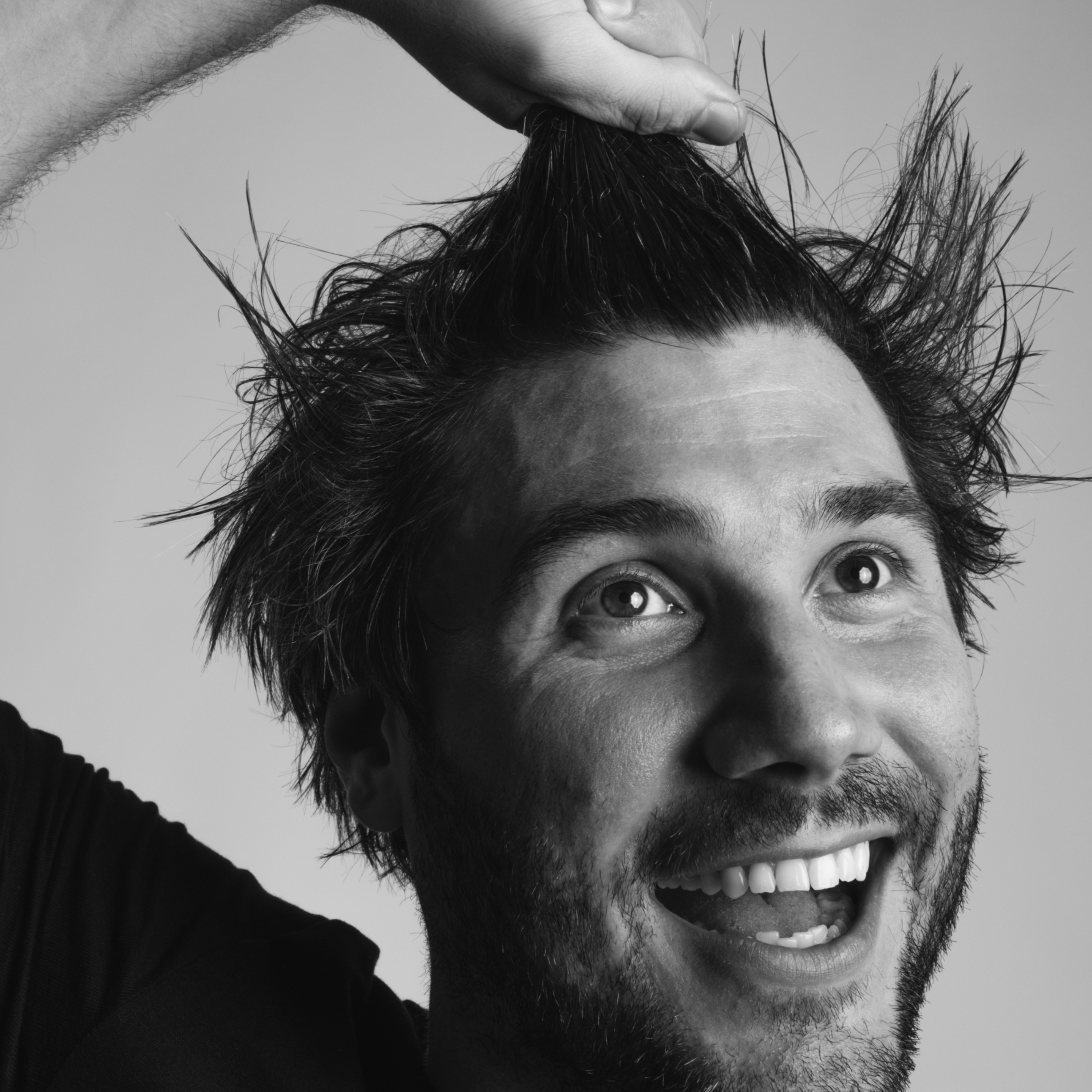
I used to be famous here in Australia hosting kids TV, Breakfast Radio and performing stand up comedy. One day I decided I wanted to inspire people instead of being famous, so I called 1687 schools around the country and asked to speak at their assembly sharing my journey living with Tourette Syndrome, ADHD and failing school and encouraging students to follow their dreams just as I did. Five years later, I am a full time motivational speaker travelling the country speaking in schools and conferences with one goal in mind, to turn 'flaws' into SUPERPOWERS!'You are NOT in control of what life throws at you, but you ARE in control of how you chose to handle it. Sometimes I am funny, sometimes I am silly and sometimes I am serious. This is my podcast. *DUNN DUNNNN* INSTAGRAM - https://www.instagram.com/theseamusevanssho
-
38
My Boss Called Tourette's a "Disease" and Tried to Fire Me 1st Week Of My Dream Job
In this episode of The Seamus Evans Show, Seamus shares the raw and unfiltered story of how he almost lost his dream television job just two days after starting, because of his Tourette Syndrome diagnosis.At 18 years old, fresh out of high school, Seamus landed an audition for a national kids' TV show in Australia and got the job on his first ever audition. But within days, his boss noticed his tics on camera, researched Tourette Syndrome, called it a "disease," and told Seamus that if his condition was a problem, he wouldn't pass probation.Instead of quitting, Seamus taught himself how to redirect his tics on camera, a technique he later discovered was a recognised method called CBIT (Comprehensive Behavioural Intervention for Tics). That decision launched a 17-year career across television, breakfast radio, stand-up comedy, and the keynote stage.In this episode you'll hear:→ The exact conversation Seamus had with his boss on day two→ Why Seamus chose not to disclose his Tourette Syndrome diagnosis during the audition process→ The difference between suppressing tics and redirecting tics, and why suppression doesn't work long term→ How Seamus went from washing cars during a drought to hosting national television→ Why Seamus refuses to identify as disabled despite living with Tourette Syndrome and ADHD→ His perspective on labels, diagnosis, and why a title doesn't have to define your future→ Practical advice on advocating for yourself in the workplace, especially during probation→ Why Seamus believes everyone is neurodiverse and the concept of "neurotypical" is flawedSeamus Evans is a motivational speaker, Tourette Syndrome ambassador for Tourette Syndrome Association Australia, former TV and radio host, and stand-up comedian based in Brisbane, Australia. He is on a mission to inspire one million lives by 2030.If this episode resonated with you, share it with someone who has been told they can't pursue their dream because of a diagnosis, a label, or a limitation placed on them by someone else.CONNECT WITH SEAMUS:🌐 Website: seamusevans.com📧 Email: [email protected]📱 Instagram: @theseamusevansshow🎵 TikTok: @seamusevans💼 LinkedIn: Seamus Evans📘 Facebook: @mrseamusevans_______________________________________________________________KEYWORDS: Tourette Syndrome, Tourette's, living with Tourette Syndrome, Tourette Syndrome awareness, tics, CBIT, ADHD, neurodiversity, neurodiverse, disability, invisible disability, motivational speaker, overcoming adversity, resilience, dream job, fired from job, workplace discrimination, disability discrimination, mental health, self advocacy, Tourette Syndrome Association Australia, motivational podcast, inspirational podcast, Seamus Evans, The Seamus Evans Show
-
37
What waking up at 4am for 100 days taught me
For the last 100 days, I've been waking up at 4am — and it's changed everything. In this episode, I break down the full journey: the excitement of week one, the zombie phase that followed, the habit-forming grind after the novelty wore off, and the lessons I wish I'd known from day one.I talk about what actually worked (moving my alarm to the kitchen, getting to bed by 8:30, giving myself permission to do nothing in the mornings), what surprised me (how much I missed it on days I slept in), and the real turning point — when it stopped being a goal and became just something I do.If you're thinking about joining the 4am club or you're struggling to stick with an early morning routine, this one's for you.In this episode: → Why the first month is tough, the second month is fun, and month three is where the real work begins → The sleep-in rule that kept me from breaking the habit → How I stopped cramming my mornings and started actually enjoying them → Manifesting — what it actually is and how I use it → Practical tips for making 4am sustainable long-termConnect with me: 🌐 seamusevans.com 📧 [email protected] 📱 Follow me on all socials
-
36
Goldman Sachs: 25 Million Jobs Lost to AI in 2026. Here’s How You Survive.
"ChatGPT is lying to you."In 2026 alone, Goldman Sachs estimates that 25 million jobs are under threat from AI. Accountants, lawyers, doctors—no one is safe from the algorithm. But while the world is spiraling into a fear-based "traffic jam" of thoughts, Seamus Evans is here to tell you why being "imperfect" is your ultimate competitive advantage.In this raw, backyard session, Seamus breaks down:The 90% Displacement Reality: What happens to the 3.15 billion people left jobless in an AI-dominated world?Why HR is Failing: How AI is hiring "boring" humans and destroying workplace culture.The "Mona Lisa" Fallacy: Why a perfect replica lacks the soul of the original, and how your trauma and quirks are your "Mona Lisa" cracks.Thinking Mind vs. Observational Mind: A masterclass in unhooking from the "thought highway" to end anxiety and depression.The Law of Self-Image: Why you don't live the life you want—you live the life that matches who you believe you are.Stop living in the fear-loop of the future. It’s time to stop thinking, start doing, and embrace the glitch that makes you irreplaceable."You can have our jobs, AI... we're too busy being human."Show Notes & Timestamps:0:00 – Why ChatGPT is lying to you.2:15 – The Goldman Sachs 2026 Job Report: 25 Million at risk.5:30 – My "rocky relationship" with OpenAI and Gemini.9:12 – Why "perfect" AI hires are ruining company culture.12:45 – The Global Identity Crisis: 3.15 Billion jobless?16:20 – The Mona Lisa Secret: Why the "real thing" always wins.19:40 – The "Thought Traffic Jam" and how to clear it.23:15 – Being Brave: Doing the things you don’t want to do.27:00 – Forge your persona: The Law of Self-Image.https://seamusevans.com/https://www.goldmansachs.com/insights/articles/how-will-ai-affect-the-us-labor-markethttps://economictimes.indiatimes.com/tech/artificial-intelligence/ai-disruption-could-displace-300-million-jobs-globally-over-the-next-decade-goldman-sachs/articleshow/129692947.cms?from=mdr
-
35
Should NETFLIX Be in the Oscars?
Did the Academy get it right, or is the whole thing rigged? In this episode of the Seamus Evans Show, we are diving headfirst into the fallout of the 2026 Academy Awards. While the world is buzzing about Michael B. Jordan’s Best Actor win for Sinners and Paul Thomas Anderson finally taking home Best Director, Seamus is asking the real questions: Why are we handing out trophies for movies that most people haven't even had the chance to see yet?Seamus breaks down the big winners of the 98th Oscars, including Jesse Buckley’s Best Actress win and the sweep of Best Picture winner One Battle After Another starring Sean Penn. But beyond the glitz and glamour, there’s a massive frustration shared by audiences everywhere: the "Oscar-bait" gatekeeping.In this episode, we explore:The "Sinners" vs. "One Battle After Another" Showdown: Was Michael B. Jordan’s performance in Ryan Coogler’s horror epic truly the best of the year, or did the horror genre finally just get its due?The Oscars Accessibility Crisis: Why does the Academy demand we vote and care about films that aren't available on Netflix, Apple TV, or Disney+ until after the ceremony?Should Netflix Be Banned? We tackle the ongoing debate of whether streaming giants belong in the same category as traditional Hollywood cinema.Hollywood vs. Reality: Seamus shares a hilarious (and slightly gritty) throwback story to his time at Paramount Studios in LA, uncovering the truth behind the "glamour" of Sunset Boulevard and why Hollywood is actually the most "boring, gross, and rough" city he’s ever visited.From the "upside-down trolleys" of Los Angeles to the fatherhood reality of never having time to watch a 3-hour Best Picture winner, this is the Oscars recap for the rest of us.[00:45] Michael B. Jordan and the Sinners Sweep: Breaking down the Best Actor win.[02:15] Jesse Buckley & Paul Thomas Anderson: Finally, the Academy catches up to the talent.[04:30] The Streaming Dilemma: Why can't we watch these movies before they win?[07:15] "Hollywood is a Dump": Seamus’s unfiltered review of LA and Paramount Studios.[12:40] Stand-up Gigs and Gangsters: A 15-year throwback to a scary night on Sunset Boulevard.[15:50] The "Rigged" Academy: Are the Oscars still relevant to the average viewer?Who won Best Actor at the 2026 Oscars? Michael B. Jordan won for his dual role in the horror-thriller Sinners.What movie won Best Picture 2026? One Battle After Another, directed by Paul Thomas Anderson, took home the top prize.Is Sinners on Netflix? While discussed in the streaming debate, Sinners is a Warner Bros. theatrical release that moved to Max.Why did Sean Penn win an Oscar in 2026? He won Best Supporting Actor for One Battle After Another, though he famously skipped the ceremony to visit Ukraine.What do you think? Was the 98th Academy Awards a win for cinema or a loss for the fans? Leave a comment below or find me at SeamusEvans.com
-
34
Toxic Masculinity, The Manosphere, what it means to be a man and Louis Theroux's Netflix doco!
In this episode, Seamus Evans takes us from the high-intensity world of the Brazilian Jiu-Jitsu (BJJ) mats to the complex digital landscape of the "Manosphere."Seamus opens with a candid recap of his first-ever BJJ competition. After a year of training, he stepped into a new "gear" of intensity—and while he walked away with a 1-6 record, he shares why the sting of defeat has only fueled his fire to compete again. He explores the difficult lesson of physical recovery, the "DIY Leadership" mindset, and how to "turn on" confidence even when you aren't feeling it inside.The core of the episode is a deep dive into Louis Theroux’s Netflix documentary on the Manosphere. Drawing on his own background in broadcast media and a career spent studying communication, Seamus breaks down:The Facade of the Manosphere: Why influencers like HS Tiki-Toki, Justin Waller, and Fresh & Fit often appear insecure under the surface, and how their "toxic" content is often a calculated financial brand.The Power of the Interview: Why Louis Theroux is a master at dismantling narcissism through simple, veteran conversation skills.A New Definition of Masculinity: Seamus shares his personal take on what it actually means to be a man today—shifting the focus from bravado and anger to sacrifice, responsibility, and the courage to put yourself second.Managing the "Toddler" Within: A vulnerable look at managing anger and testosterone, and the importance of separating strong emotions from violent actions.Whether you are looking for a lesson in resilience after a loss or a grounded perspective on the battle of the sexes, this episode is about staying in your lane while understanding the "multi-lane road" of modern life.Highlights from this episode:[00:01] The BJJ Tournament Recap: Learning to find "Gear 7."[05:30] DIY Leadership: Why you shouldn't wait for a promotion to lead.[09:15] Louis Theroux vs. The Manosphere: Analyzing the "Hubris Effect" and the contradiction of digital influencers.[18:00] Motivation vs. Radicalization: Where self-help becomes dangerous.[25:40] The Three Pillars of Manhood: Suck it up, sacrifice, and provide.[32:10] Masculinity and Feminism: Why they aren't mutually exclusive.Connect with Seamus: Visit SeamusEvans.com for keynotes, workshops, and more on building confidence and leadership.NETFLIX TRAILER - https://www.youtube.com/watch?v=Ms23FeJWvKULouis Self help IMDB - https://www.imdb.com/title/tt1039569/Full episode on Apple - https://tv.apple.com/au/episode/self-fulfillment/umc.cmc.26wy89qdp60vyn9pchk91zxkl?showId=umc.cmc.1fujlj3xkbu70iu0kh0fmwgd0
-
33
Building Unshakeable Confidence
In this raw and honest episode of The Seamus Evans Show, I open up about stepping onto the mats for my very first Brazilian Jiu-Jitsu (BJJ) competition as a white belt after over a year of intense training at One Purpose BJJ.From getting my ass kicked repeatedly to learning how to stay calm when choked out and panicking, jujitsu has been a brutal but transformative teacher. I share the harsh truths it's revealed: you're not the invincible hero in your own story, "use it or lose it" applies to skills and mindset, excuses keep you stagnant, and real growth comes from showing up consistently—even when the odds are stacked against you.We dive deep into mindset lessons that apply to life, business, relationships, and personal development:How accepting harsh realities (you're not as tough as you think) builds genuine confidence.Staying calm under pressure: training your brain to separate thoughts from reality (especially with Tourette's and intrusive thoughts).The power of small, incremental gains over flashy success stories.Why pressure (like a looming competition) lights a fire under you—and how to create that in everyday life.Fake it till you make it? No, humble yourself, observe your thoughts (thinking mind vs. observing mind), and keep fighting through discomfort.I also reflect on my frustrations with slow progress, the end of long careers (RIP Kyle & Jackie O), and why the journey—not the destination—is what matters. Plus, updates on my podcast challenge (100 episodes in 100 days?) and why showing weakness on the mat (or in life) gets exploited.Whether you're into BJJ, building mental toughness, overcoming fear, managing neurodivergence like Tourette's/ADHD, or just need motivation to keep showing up, this episode is for you.Tune in for the full story, and stick around—I'll drop a follow-up episode with the competition results, footage if I get it, and what actually happened in those 7 matches!If this resonates, hit subscribe for more real-talk on confidence, mindset shifts, personal growth, and turning challenges into superpowers. Drop a comment: What's one lesson jujitsu (or life) has taught you about staying calm under pressure?Watch/listen now on YouTube/Spotify/Apple Podcasts.New episodes drop regularly—don't miss the next one!#BrazilianJiuJitsu #BJJ #JiuJitsuMindset #MentalToughness #BuildingConfidence #OvercomingFear #PersonalDevelopment #MindsetShift #TourettesSyndrome #MotivationalPodcast #SeamusEvans
-
32
Is this World War 3? Don't Panic, Prepare!
BREAKING NEWS! AMERICA AND ISRAEL HAVE BOMBED IRAN AND KILLED ALI KHAMENEI! Everyday it seems there is a scary world news story with doomsday looming over our heads inciting fear across the world. Yes this is a bad thing that has happened, but we cannot allow fear to ruin our lives (especially if we live on the other side of the world)In this episode, I am not giving you a rundown of what happened in Iran, instead I am sharing with you how I handle these horrible world events... not by 'sticking my head in the sand' but by keeping order of what is in my control. Don't let things steel your peace!Fear is an infectious disease, if you let it in it will ruin you! Don't let it scare you, let it prepare you! Come and join me as I go for a bush walk and speak openly about the US, Israel and Iran going at each other. Also, I do invite keyboard warriors to have a crack at me during this episode, so feel free to drop your comments in the comment section.https://www.news.com.au/world/middle-east/israel-launches-attack-on-iran/live-coverage/4457dcff4404c954a0fdc25a02b45259https://www.reddit.com/r/worldnews/comments/1rh9jdm/rworldnews_discussion_thread_us_and_israel_launch/https://www.bbc.com/news/live/cn5ge95q6y7thttps://www.nbcnews.com/world/iran/live-blog/israel-iran-live-updates-rcna261099https://www.bushheritage.org.au/species/goannas?srsltid=AfmBOorCuIxTqoQZPkgwwqICCQM8r_k7HgYQ6pwC72xtYqQa_-6O_Wqihttps://www.youtube.com/playlist?list=PLsWB6qdKSlDcfdxhrBpJUznfxVME5iaxB
-
31
Why Great Leaders Fail: Hubris Syndrome, Ego & The Downfall of Power
“All I do is win, win, win…” — DJ Khaled.But here’s the truth nobody talks about:When all you do is win… eventually, you lose.In this episode of The Seamus Evans Show, I break down why great leaders fail, using one of history’s most powerful examples, Alexander the Great. He never lost a battle during his 13-year reign. Conquered nations. Built an empire. Became a legend.So what brought him undone?Hubris Syndrome.The psychological trap of power.The moment a leader starts believing their own mythology.TakeawaysPodcasting success on multiple platforms requires effort and understanding of the platform landscape.Great leaders are not born, but can improve their leadership skills over time through continuous effort and self-awareness.The hubris syndrome, characterized by a belief in one's own myth, can lead to the downfall of great leaders.During my research, I had a confronting realisation — I’ve felt glimpses of it myself. Not empire-level. But enough to recognise how easy it is to drift.That’s why the company you keep matters.Real friends don’t just hype you up, they pull you down when your head gets too big for your own postcode.We also touch on modern examples of fame, influence and ego, including Jerry Seinfeld, Michael Richards, Mike Tyson and Donald Trump, and what happens when public success collides with personal blind spots.Leadership is a serious interest of mine. I’ve been deep in the research. And let’s be honest, we’ve all worked under a boss with a massive ego.Here’s the uncomfortable truth:The very traits that help leaders rise, confidence, dominance, certainty, are often the same traits that destroy them.This episode is about power, psychology, ego, toxic leadership, and how to avoid becoming the cautionary tale.If you lead a team, want to lead one, or don’t want to become “that boss”… this one’s for you.Entrances and Exits - Michael Richards https://www.audible.com.au/pd/Entrances-and-Exits-Audiobook/B0D42GGQL9 Seinfeld - https://www.imdb.com/title/tt0098904/Mike Tyson With Graham Bensinger on Money - https://www.youtube.com/watch?v=6VtSrG1hs9UInstagram - https://www.instagram.com/theseamusevansshowfacebook - https://www.facebook.com/mrseamusevansTikTok - https://www.tiktok.com/@seamusevansLinkedIn - https://www.linkedin.com/in/seamus-evansWebsite - https://seamusevans.com/
-
30
The 100 day Rule. Consistency over Quality
If you want to change your life and I mean really undo some bad habits and design the lifestyle you say you want, the first 100 days are the hardest.Not 7 days.Not 21 days.Not when it’s still exciting.Research from University College London found it takes an average of 66 days for a behaviour to become automatic, and in some cases up to 254 days depending on the habit. (Lally et al., 2009, European Journal of Social Psychology).That means most people quit before the brain even rewires.The early phase is where friction lives.The motivation fades.The novelty disappears.And discipline has to take over.And here’s something else: studies on behaviour change consistently show high dropout rates in self-directed challenges. The majority of people who start structured transformation programs don’t complete them, not because they’re incapable, but because consistency exposes who’s serious.So ask yourself "How serious am I?"Most people like the idea of change.They dream about the body.The business.The discipline.The success.But they don’t want the repetition.Neuroscience tells us habits are built in the basal ganglia, the automation centre of the brain. Repetition strengthens neural pathways. Consistency reduces cognitive load. By the time you pass 90 days, the behaviour requires significantly less willpower.But you have to survive long enough to get there.We’re always looking for the shortcut.The secret.The magic pill.The hardest pill to swallow is this:There isn’t one.The path to success isn’t glamorous. It isn’t cinematic. It isn’t a Hollywood montage with music and highlights.It’s boring.It’s repetitive.It’s consistent.And that’s exactly why it separates people.The first 100 days aren’t about perfection. Research even shows missing one day doesn’t destroy habit formation, what matters is returning to the behaviour quickly.The first 100 days are about identity.You stop saying “I’m trying.”You start becoming “I am.”That’s the real shift.Youtube - https://www.youtube.com/@SeamusEvansSpotify - https://open.spotify.com/show/1evDNNUyxPwB6bJBRj90Vp?si=93a7f893f8084194Instagram - https://www.instagram.com/theseamusevansshowfacebook - https://www.facebook.com/mrseamusevansTikTok - https://www.tiktok.com/@seamusevansLinkedIn - https://www.linkedin.com/in/seamus-evansWebsite - https://seamusevans.com/
-
29
3 tips for GREAT leadership
Leaderships is a word that large corporate figures throw around without actually knowing how to lead.Leadership is not about whipping your underlings into line, and punishing them if they don't listen.In this episode, I share the 3 elements that make a great leader.Everyone has to be on the same page heading in the same direction. Understanding the values, mission and goal of the group.Empower and Autonomy: You must have the courage to be vulnerable enough to champion your team on a human level, give compliments where due and encourage them to push themselves. Giving them Autonomy to complete tasks on their own accord will pay off in droves. Micro managers are useless.Give respect and get respect. There are many ways you can get respect, one of those ways is to treat everyone with respect and show your team you are strong. I don't mean angry, or an enforcer, I mean self assured and confident in your decision making.If you're team are treading through rough water and you show fear... the game is over you have lost your team. Strength is confidence and holding fast in your decisions.In this episode I expand on those three points with both personal experience and references.If you're in a leadership role or have horrible boss... watch/listen to this episode.Here are some studies and sites that reinforce these 3 points.https://pmc.ncbi.nlm.nih.gov/articles/PMC6133074/https://pmc.ncbi.nlm.nih.gov/articles/PMC9303621/https://www.researchgate.net/publication/384545507_Exploring_the_Relationship_Between_Leadership_Styles_and_Employee_Motivation_in_the_Context_of_Contemporary_Managementhttps://pmc.ncbi.nlm.nih.gov/articles/PMC9303621/INSTA - https://www.instagram.com/theseamusevansshowFACEBOOK - https://www.facebook.com/mrseamusevansTIKTOK - https://www.tiktok.com/@seamusevans?is_from_webapp=1&sender_device=pcWEBSITE - https://seamusevans.com/LINKEDIN - https://www.linkedin.com/in/seamus-evans/YOUTUBE - https://www.youtube.com/@SeamusEvans
-
28
3 SECRETS TO CONFIDENCE!
We all want to be more confident, but how can we? Confidence is one of the most important skills for personal growth, leadership, and long-term success. In this episode, Seamus Evans breaks down what confidence really is, why so many people struggle with self-belief, and how confidence is built through action, not motivation. Drawing on lived experience and practical psychology, this conversation explores how developing confidence improves decision-making, communication, resilience, and performance in both life and leadership. Whether you’re a leader, parent, or professional, learning how to build confidence is a game-changer.
-
27
Parenting 'Neuro-Spicy' Kids!
Is your child Neuro-Spicy??? Whether diagnosed or undiagnosed that doesn't matter! In this episode, I share some hard questions asked by parents during my 'Naughty or Neurodiverse?' parent/teacher workshop. All questions have the same undertone at my events "Am I being a good parent?" What a difficlt on to tackle, but I am not one to shy away from a hard conversation, so I recorded an episode where I share all. Parenting a Neurodiverse child who has either, Autism, ADHD, Tourettes, Dyslexia, Dysgraphia, Coprolalia, OCD, ODD, Anxiety, Depression or is just straight up difficult, us as parents are struggling. I'd love to hear from you and what your tips and tricks have been when it comes to being a SUPER-PARENT! with you neurospicy kid. Chapters00:00 Introduction and Conference Highlights02:40 Parenting Neurodivergent Children04:53 The Role of Parents in Neurodiversity07:40 Building Self-Esteem and Resilience10:24 Navigating Meltdowns and Anxiety13:26 Empowering Children Through Exposure Therapy15:52 The Importance of Choice and Self-Reflection18:22 Conclusion and Community EngagementThemesparenting, neurodiversity, self-esteem, resilience, empowerment, challenges, support, growth, ADHD, autismTakeawaysParenting is inherently challenging, especially with neurodiverse children.Empower children by giving them ownership of their experiences.Building self-esteem is crucial for children to face the world confidently.Parents should create a supportive environment for their children to grow.Mistakes are part of parenting; it's important to learn from them.Encouraging children to express themselves helps build resilience.Preparation for social situations can reduce anxiety in children.Self-care for parents is essential to provide the best support for their children.Open discussions about challenges can lead to collective problem-solving.Sharing experiences can benefit the wider community and foster learning.
-
26
4am wake ups!
One of my New Year’s resolutions is to train my body clock to jolt awake at 4am. Why? Because I want more hours in the day, and truth be told, it’s the only uninterrupted time I get to myself.Any man in his mid-30s working for himself knows the hustle is real, especially when you have a family depending on you.“How will I pay the mortgage? What school will I send my kids to? How will I grow my business this year?”Heavy, life-altering questions swirl through my head as I stand in the kitchen in nothing but my underwear shovelling boiled eggs into my mouth.But how does waking at 4am actually help? I’m exhausted and my brain isn’t firing properly. Should I rest so I can operate at 100 percent, or stay the course? Does this work? Or am I wasting precious sleep hours? I did some research and found out that, yes it does work and is alarmingly affective.Here are three reasons waking up at 4am is changing my life1. The early bird catches the wormResearch suggests people who wake early are more likely to anticipate problems and take proactive steps to solve them. Why? Because morning people tackle high-priority tasks first.I read a book years ago called ‘Eat That Frog’, which uses the metaphor that if you eat a frog first thing in the morning, everything else that day tastes better. It’s the same idea as ripping off the Band-Aid. Deal with the hard thing early and free up mental space for everything else.In short, morning people tend to be more productive.2. Clearing the runwayI need time for my brain and body to switch on before life pulls me in every direction. If I don’t get that space, I get frustrated.For the two hours before my Brazilian Jiu-Jitsu class, I slow things down. I read, meditate, practice gratitude, pray, and visualise what I want in life. I have a very active imagination, and I need to take it for a spin so it doesn’t hijack my focus later. Like walking your dog so it doesn’t destroy the furniture.If I don’t allocate this time, my brain feels like a messy closet that’s always sitting in the background waiting to be cleaned. Those quiet two hours feel like clearing the runway so the rest of the day can actually take off like a Qantas Boeing 747.3. DisciplineIf you’re anything like me and spent your 20s partying, avoiding accountability, eating cake for breakfast, and doing whatever you felt like, you probably lack discipline.I was a TV presenter, radio host, and comedian living solo around the country for many years. I didn’t need discipline, so I never built it. It was fun. I lived in the moment and indulged in all of the fast-release dopamine behaviours that only feel good short term. But my health paid the price. I got miserable, depressed and developed a wicked dadbod (before being a dad)I drank too much, ate whatever I wanted, and worked out every other day to think I looked good on the dance floor. What an idiot.Like many people, I get addicted easily. Recently, I became obsessed with a game on my phone called Eatventure. It’s a kids’ game where you start with a lemonade stand and reinvest until you’re running a fast-food empire.I had to delete it. It was taking up way too much time. But it taught me something important.Invest in the product.
-
25
Day 1
It’s 2026, and New Year’s resolutions are being written on crisp notepads around the world. But how close will most of them actually get to the finish line?Why do we humans have a tendency to self-sabotage? Why does “Day 1” feel so much better to say than “Day 100”?At what point in the year do these bursts of inspiration quietly fade away?Is the real secret to New Year’s resolutions found in small, consistent habits, or in bold, ambitious goals?Many of you reading this probably received James Clear’s Atomic Habits and felt inspired to take a leap by setting a huge goal to achieve this year.This very podcast is in fact a New Years Resolution. Will I get to 100 episodes? Or will life get in the way?Here are three reasons humans fail at New Year’s resolutions.*1. We’re high on motivation*Most resolutions are born from a motivation spike. After weeks of indulgence, we crave routine, fitness, clean living, and more money. Motivation feels powerful, but it fades fast. While motivation starts goals, structure sustains them. Most people don’t fail from lack of desire. They fail because they lack systems that hold them steady once emotion disappears.*2. Vague plus extreme equals failure*“Get fit” or “make more money” sound good but lack clarity. More specific goals like “run three times a week” or “increase income by 10 percent” are better, but often demand drastic lifestyle changes. These ideas feel exciting at Christmas, but as time passes and discomfort appears, commitment slips.*3. All or nothing thinking*When progress is viewed as success or failure, one missed action feels like total defeat. “I missed a run, so I’ve failed.” That mindset kills goals faster than poor discipline ever could.*One change that changes everything*Think big, but act small. Keep ambitious goals, but attach simple, repeatable actions that compound over time.If your goal is to double your income, focus on becoming more valuable. Ask how you can contribute directly to growth. Compensation follows value.If your goal is running, start once a week. Build consistency first, then increase gradually.The key is this: don’t quit when you slip. Everyone slips. Pick it up immediately and move on.Progress isn’t built on perfection.It’s built on persistence.*My goals for 2026:*Wake at 4amEnter one Brazilian Jiu Jitsu tournamentRead books instead of scrollingRecord 100 solo podcast episodes*My plan:*Sleep at 9pm, phone outside the bedroomActually sign upKeep books nearbyRelease this episode... 'Day 1'
-
24
How is TV MADE?
In this conversation, Seamus Evans and Adam Cox explore the evolution of television viewing habits, the impact of content overload, and the shift from family-oriented programming to individual consumption. They discuss the formula for successful television, the challenges faced by the Australian television industry, and the importance of storytelling in content creation. The conversation also touches on the future of AI in television and what defines the greatest TV shows of all time.Chapters00:00 The Evolution of Television Consumption02:46 The Impact of Streaming on Family Viewing05:27 The Formula for Engaging Content08:11 The Role of Reality TV and Observational Documentaries11:02 Challenges in Australian Television Production13:55 The Future of Australian Content Creation25:11 The Essence of Storytelling27:04 The Impact of AI on Content Creation31:51 Defining the Greatest TV Shows35:48 The Evolution of Family Dynamics in Television
-
23
***WARNING!*** ADULT CONTENT - Ped*phile in music
PLEASE LISTEN WITH CAUTION - MANY ADULT THEMES MENTIONED IN THIS PODCAST!What started out as a horrible fact finding for some of out favourite musicians that will turn you off their music evolved into an insightful chat around the music GOATS! In this conversation, Seamus Evans and music expert JT delve into the complex relationship between music icons and their controversial pasts. They explore the impact of scandals on public perception, the question of cancel culture, and the challenge of separating an artist's work from their personal actions. The discussion also touches on the influence of fame, the evolution of music trends, and the role of drugs in shaping musical history. They reflect on the cosmic connection to musical success and the changing landscape of popular music, ultimately questioning the future of music and its icons.Chapters00:00 The Legacy of Music Icons and Their Controversies02:49 The Impact of Cancel Culture on Music Legends05:21 Navigating the Dark Side of Music History08:06 Separating the Artist from the Art11:03 The Evolution of Music and Its Cultural Relevance13:30 The Science Behind Music Popularity16:22 The Role of Marketing in Music Success18:55 The Changing Landscape of Music Consumption21:43 The Influence of Youth Culture on Music Trends29:21 The Power of Youth in Popular Culture30:26 Elvis Presley: A Cultural Phenomenon33:14 The Tragic Fate of Musical Icons39:50 Conspiracy Theories and the Price of Fame45:42 Women in Music: Breaking Barriers50:16 The Influence of Drugs on Music Trends51:54 Eminem: A Modern Musical Great54:45 Defining the Greatest of All Time____________________________________________________________TakeawaysMichael Jackson's legacy is complicated by allegations of abuse.Elvis Presley married a 14-year-old, raising questions about societal norms.Cancel culture today is powerful, but some icons remain untouchable.Separating the artist from their art is a personal choice.Fame can lead to destructive behaviors and tragic outcomes.Music trends often reflect the drug culture of the time.The public's mood influences what music becomes popular.Nostalgia plays a significant role in music appreciation.The music industry has changed drastically with technology.The future of music may be shaped by past icons and their legacies.Keywordsmusic, Michael Jackson, Elvis, cancel culture, art vs artist, fame, drug influence, music trends, nostalgia, pop culture
-
22
Is global warming a MYTH? Guru tells all!
Climate change, global worming, ice melting, is it turth or all bull SH*T!??In this conversation, Seamus Evans and climate change expert Sean Kennedy delve into the complexities of climate change, discussing its scientific basis, the political landscape surrounding it, and the role of individuals and corporations in addressing the crisis. They explore the resilience of nature, the importance of renewable energy, and the challenges of effective communication in the media. The discussion emphasizes the urgency of climate action and the need for systemic change to mitigate the impacts of global warming.Chapters00:00 Introduction to Climate Change and Its Importance02:36 Sean Kennedy's Journey into Climate Science05:15 Understanding Climate Change: The Science Behind It08:16 The Politics of Climate Change11:04 The Catastrophic Nature of Climate Change13:46 The Resilience of Nature vs. Human Impact16:43 The Role of Individuals in Climate Action19:34 Economic Systems and Climate Change Solutions31:51 Global Population and Environmental Impact32:51 The Role of Trees in Carbon Sequestration34:11 Exploring Carbon Sink Solutions36:46 Innovative Approaches to Climate Change37:40 The Influence of Wealthy Innovators39:57 The Shift Towards Renewable Energy42:36 The Business of Renewable Energy44:43 The Current State of Energy Production46:34 Media's Role in Climate Change Awareness48:36 The Challenge of Science Communication50:13 The Importance of Trusting Science53:24 The Consequences of Ignoring Scientific Truth55:16 The Future of Global Civilization and Climate Change
-
21
How I got SOBER!
In this episode, Seamus Evans shares his personal journey of sobriety and the complexities surrounding addiction. He reflects on his experiences with alcohol, the psychological aspects of addiction, and the societal pressures that come with drinking culture. Seamus discusses the challenges he faced during his sobriety journey, including the impact on his mental health, the role of social circles, and the importance of building resilience. He emphasizes the significance of identity in relation to sobriety and shares insights on how he navigated his path to a healthier lifestyle without alcohol.Chapters00:00 Introduction to Sobriety and Addiction01:48 The Journey to Sobriety05:26 Challenges of Early Sobriety08:44 Understanding the Cravings and Mental Health12:03 The Shift in Identity and Social Dynamics15:39 Reflections on the Past and Future of Sobriety
-
20
5 things I have learnt from getting my ASS KICKED in BJJ!
What Brazilian Jiu-Jitsu Taught Me About Business, Life, and Getting My Ass Kicked.What happens when a professional speaker, former TV presenter, and radio host becomes obsessed with Brazilian Jiu-Jitsu? You get bruises, humility, discipline, and a surprising set of life and business lessons that go way beyond the mats.My name is Seamus Evans, and for the past year I’ve been hooked on Brazilian Jiu-Jitsu (BJJ). My whole life I wanted to do martial arts, but growing up my mum thought it would make me more violent. What she didn’t realise was that a thrill-seeking, ADHD, high-energy kid like me desperately needed the discipline and focus martial arts brings.At 35, I finally stepped into my first BJJ class. What started as a casual two-times-a-week hobby quickly spiraled into a full-blown obsession — now I train five days a week and still try to squeeze in weight sessions. Balance? Still figuring it out. But obsession? Guilty as charged.What surprised me most wasn’t just the physical training, but how much BJJ has taught me about resilience, mindset, and leadership. These lessons apply as much to business, career, and personal growth as they do to rolling around on the mats. In this episode, I break down the five biggest lessons that BJJ has drilled into me.Lesson 1: Calm the F*ck DownWhen you’re pinned, crushed, or gasping for air in jiu-jitsu, the instinct is to panic. But panic never helps. Staying calm is everything. Even when you’re in control, rushing can flip the tables against you. The same rule applies to business and life. Chaos hits all of us — the key is to breathe, slow down, and make small, smart moves forward.Lesson 2: Always Be on the AttackIn BJJ, even when you’re defending, you should be searching for opportunities to advance. If you sit back and only defend, you’re playing someone else’s game. In life and business, it’s the same. Protect yourself, but never stop creating opportunities, moving forward, and pushing the attack. Leaders act. Followers react.Lesson 3: Time Is Your Best FriendYou don’t become fit after one workout or successful after one idea. You don’t earn a black belt in six months. Progress comes from time on the mats — showing up, over and over again. Business, relationships, fitness, happiness… all of it comes down to consistency. Intensity fades. Discipline builds success.Lesson 4: Live in the NowNearly a year in, I’m so much better than when I started, but it still feels like day one. That’s because improvement becomes your new normal. In business, we often miss how much we’ve grown because we’re too busy comparing ourselves to others. Celebrate your progress. Appreciate the wins. Be your own cheer squad. The journey is the reward.Lesson 5: The Journey Is the Best PartAnyone can buy a black belt online, but that doesn’t mean they’ve earned the skill. The same goes for flashy houses, cars, or watches. Success isn’t about symbols. It’s about the grind. The setbacks. The small daily wins. Earning it feels ten times better than buying it.Lately, I’ve even been thinking about death — not in a dark way, but as a reminder. One day we’re here, one day we’re not. So I ask myself: if today were my last day, would I be happy? If the answer is no, something needs to change. That’s the art of the hustle: enjoying every single day of the journey.Brazilian Jiu-Jitsu is more than a martial art. It’s discipline disguised as chaos, humility disguised as struggle, and wisdom disguised as bruises.In business and in life, the lessons are the same:Stay calm when things get tough.Always keep moving forward.Real growth takes time.Celebrate progress, even when you don’t feel it.Earn your success , don’t shortcut it.If BJJ has taught me this much about resilience and business, maybe we all need to spend more time learning how to get beaten up.Listen now to this episode of The Seamus Evans Show for practical lessons in resilience, mindset, and business — all learned the hard way on the mats.
-
19
WARNING!!! Controversial topic - Charlie Kirk and Jimmy Kimmel... WTF!?
Charlie Kirk and Jimmy Kimmel have been silenced with extreme measures... not cool man! What world are we living in? I am not a 'political' guy, but this weeks news has shocked me. Why? Because people need to have tougher skin. You can't go around shooting people, you can't go around firing people because you don't like what someone said who has a different opinion to you. Learn how to debate, learn how to listen and learn how to tune people out. Don't be the bad guy to another bad guy. It doesn't make you a hero, it makes you worse than who you have imposed as the villain. "Sticks and stones will break my bones but words will never hurt me" Modern psychology has taught us that this is wrong. But we do know how to heal our wounds after a stone is thrown at us. And we also know how to heal our wounds have words have made an impact on us. Even better, we now know how to protect ourselves from words... So don't play the blame game if you get offended. Learn how to manage your offence. You don't have to 'right' every wrong you perceive in the world. Focus on you. You have a voice. USE IT!
-
18
How to BREAKTHROUGH those pain points in life!
SummaryIn this episode, Seamus Evans discusses the concept of breakthrough moments in life and business. He shares his personal experiences of feeling stagnant and how he rediscovered his passion for speaking by changing his routine and perspective. Seamus emphasizes the importance of perseverance, mindset shifts, and the necessity of breaking out of stagnation to achieve success. He encourages listeners to keep pushing through difficult times, reminding them that breakthroughs are often just around the corner.Chapters00:00 The Struggle Before the Breakthrough02:55 Rediscovering Passion Through Change06:08 The Importance of Perspective in Growth08:30 Embracing Challenges for Breakthroughs11:04 The Power of Innovation and Change14:02 Finding Your Place in the Work Environment17:08 Encouragement to Keep Pushing Forward
-
17
How to FIX your ADHD!
With ADHD diagnosis on the rise more and more of us are struggling to concentrate. Especially with Social Media usage skyrocketing and steeling our attention it feels impossible to get through any workload. Living with ADHD I have had to teach myself how to concentrate, sit still to achieve what I need to get done. You'll kick yourself when you find out what my technique is... it's no magic wand, no special spell... I bet you have even thought of it yourself. ____________________________________________________________Episode Summary: ADHD, Awareness, and Turning Flaws into FocusIn this episode of The Seamus Evans Show, I dive into the rising wave of ADHD diagnoses across Australia and explore how social media has played a surprising role in spreading awareness, reducing stigma, and helping thousands of people seek answers.I open up about my own journey living with ADHD — from being labelled the “class clown” and struggling to read in primary school, to failing academically but finding ways to redirect my restless energy into creativity, humour, and eventually a career in national television.I share vivid stories from my childhood, like the moment in Grade One when I realised I couldn’t focus like the other kids, or how I used humour as a shield against bullying. I talk about the discipline struggles, the detentions, and even the tricks I used to avoid getting caught while wandering outside during class.But this episode is about more than just challenges. It’s about transformation. I explain how I forced myself to learn — reading the same sentence 20 times until it stuck, journaling about movies to practise storytelling, and working with a mentor at Channel 10 who helped me sharpen my writing. That painful, deliberate practice turned me from someone labelled “illiterate” into a professional broadcaster, published author, and keynote speaker.You’ll also hear about the mechanics of ADHD itself: emotional dysregulation, the rollercoaster between hyper and hypo activity, the lure of dopamine from screens, and why discipline and structure are critical for managing symptoms. I explain ADHD in simple terms — like a traffic jam in the brain that slows the journey of information from A to B — and why distraction takes over in that gap.Most importantly, I share the formula I developed to teach myself focus. It started with two minutes of concentration on a timer, then slowly increasing to five, ten, thirty, and eventually 50 minutes of pure focus followed by a short break. Over time, this discipline unlocked my ability to enter “hyperfocus” — a state where distraction disappears and productivity skyrockets.This isn’t just theory. I’ve lived it. Whether recording audiobooks for hours at a time or pushing through tough projects, I’ve learned that ADHD brains are capable of extraordinary focus once we push past that initial barrier. It’s like running a marathon — painful at first, but once you break through, you unlock a new level.This episode is both a story and a toolkit. If you’ve ever struggled with ADHD, focus, or self-discipline, you’ll hear strategies you can apply immediately:Use strict timers and short bursts of effort to build stamina.Anchor every effort to a “carrot” (your big goal or dream).Catch yourself in moments of distraction and redirect instantly.Push through the pain barrier to unlock hyperfocus.I wrap up by reminding listeners that ADHD can be a superpower. Many world leaders, entrepreneurs, and creators are neurodivergent. They thrive not because they eliminated their differences, but because they learned to channel them.If you live with ADHD, you’re not broken. You’re wired for creativity, resilience, and risk-taking. With discipline and the right mindset, you can turn your flaw into your SUPERPOWER.
-
16
How to control Tourette Syndrome!
In this episode of the Seamus Evans Show, Seamus discusses his personal journey with Tourette syndrome, focusing on how he has learned to redirect his tics through various techniques, including cognitive behavioral intervention therapy. He emphasizes the importance of understanding the nature of tics, the process of redirecting them, and the necessity of acceptance in managing Tourette's. Seamus shares insights on how to take control of one's tics and the significance of being in the driver's seat of one's own narrative.00:00 Introduction to the Seamus Evans Show00:30 Understanding Tourette Syndrome01:11 Redirecting Tics: The Journey Begins03:08 The Nature of Tourette's: A Neurological Condition05:37 The Concept of Suppression vs. Redirection07:05 Cognitive Behavioral Intervention Therapy Explained10:27 The Sticky Nature of Tics11:58 Contagious Tics and Mimicking Behavior14:24 Channeling Tics: Creating New Movements16:21 The Importance of Control and Experimentation20:34 Taking Charge of Your Narrative23:01 Acceptance and the Journey Forward____________________________________________________________(TRANSCRIPT)Welcome to yet again another episode of the Seamus Evans show. Now this podcast has only just started. I've only done probably 15 episodes. So in terms of podcasting, I am brand new. This is a little baby, just a little seed about to spurt into a giant tree. So if you've followed along and listened to some of these episodes, thank you so much. Thank you so much for supporting.I wish you could like subscribe, comment, et cetera, et cetera, et cetera. I know with podcasting, takes a very long time to build up an audience. Consistency is the key. So here I am today. We are going to be talking about my Tourette syndrome and my ticks and how I redirect them. So my keynote talk, super power, it's called my keynote presentation. What I travel all over Australia for.delivering to primary schools all the way up to corporate conferences and corporate teams for team building and et cetera, et cetera.The crux of it is the ability that I developed to redirect my ticks. So they weren't noticeable when I started my television career, I didn't want them to be seen on screen. So I had to do everything in my power to redirect them. So they weren't noticed. That was a lot of trial and error. I put in so much effort on a day to day basis and I really tried to control them.because I made a decision, I'll never let my Tourette's control me, I'll always control my Tourette's and that kind of transpired into my future, my journey, my life. I'm always in control, I'm in the driver's seat. ⁓ You know, I make all the decisions. ⁓ For a very long time when I was in radio and even television, I thought to myself, I'm waiting for someone to tap me on the shoulder so I can have a great opportunity to work in a bigger.better job, right? ⁓ But I kind of had to change that mindset and be like, no, no, no, no, I don't have to wait on anyone. I'm in control. I'm in the driver's seat. I get to control my future. And that mindset came from my Tourette's understanding, hey, I've got these ticks, my brain sends messages to my body that are unwanted, they slip through the gate that everybody has. And I tick, I make these twitches, I make these movements, these sounds.
-
15
Why motivational speakers a W*NKERS! (But I am one)
In this episode, Seamus Evans explores his complex relationship with the title of motivational speaker, expressing his reluctance to embrace it due to the negative connotations associated with the motivational speaking industry. He discusses the importance of authenticity, the ethics of life coaching, and the responsibility that comes with influence. Seamus emphasises the need for genuine connection and the dangers of exploiting vulnerable individuals for profit. Ultimately, he reflects on his mission to inspire and empower others while navigating his professional identity.Chapters00:00 Embracing the Title of Motivational Speaker11:02 The Journey of Pursuing Dreams14:02 Authenticity and Vulnerability in Speaking16:54 Skepticism Towards Motivational Speaking19:52 The Dangers of Influence and Power22:21 The Conflict of Money and Mission25:08 Accepting One's Role in Society
-
14
Bullying: Why it happens and how to STOP IT!
In this episode, Seamus Evans delves into the complex topic of bullying, exploring its roots in power dynamics and the psychological factors that drive individuals to bully others. He shares personal anecdotes and insights from his research, emphasising the importance of setting boundaries and developing emotional intelligence to navigate bullying situations effectively. Seamus encourages listeners to reflect on their own experiences with bullying and to adopt proactive strategies for self-advocacy and boundary-setting.00:00 Understanding Bullying: A Personal Journey10:06 The Nature of Power in Bullying19:55 Setting Boundaries: The Key to Prevention28:51 Navigating Emotional Responses to Bullying
-
13
Public Speaking EXPERT Shares Secrets! (EP 013)
75% of the worlds population are more scared of speaking in public than they are of DYING!!!! Remember the Jerry Seinfeld joke? "That means they would prefer to be in the casket rather than deliver the eulogy at their own funeral"?If you are able to jump over that hurdle, you are in the top 25% of people with a powerful skill. How do you make that jump? In this episode, I share my secrets I have learned in almost 20 years of performing on stages. Whether it was in play's stand up comedy, television, radio or the corporate conference stage, I have developed a routine that will crush any self doubt before grabbing the mic. If you ever have an opportunity to get on stage to deliver a keynote TAKE IT!!!!!! You only grow when you push your limits. I know, it's scary, it's a genuine phobia. It's called 'Glossophobia' but there is a cure. No, it's not medication, not religion and certainly not hypnotism... Wanna take a guess? I bet your gut has already given you the answer. That's right, it's exposure therapy! Chapters00:00 The Journey of a Professional Speaker03:09 Overcoming the Fear of Public Speaking06:00 The Art of Presentation and Crowd Management08:52 Techniques for Handling Nerves on Stage11:42 The Psychology Behind Public Speaking14:33 Manifestation and Positive Thinking17:51 The Importance of Silence in Delivery20:31 Learning from Experience and Audience Engagement23:48 Practical Tips for Aspiring Speakers
-
12
Does TikTok cause ADHD? (EP 012)
In this conversation, Seamus Evans shares his personal journey with neurodiversity, particularly focusing on ADHD and Tourette's syndrome. He discusses the importance of embracing one's differences, the impact of social media on awareness and diagnosis, and the common emotional struggles faced by individuals with neurodiverse conditions. Seamus emphasizes the need for self-acceptance, the role of environment in shaping behavior, and practical techniques for improving focus and emotional regulation. He concludes with insights on the power of positive affirmations and body language in building confidence and achieving personal goals.Chapters00:00 Embracing Neurodiversity in Education13:34 The Commonality of Human Experience16:33 Rethinking Neurodiversity: Beyond Labels18:56 The Impact of Social Media on Diagnoses22:04 Understanding ADHD and Trauma24:59 The Evolution of ADHD Diagnoses28:13 The Role of Positive Affirmations31:10 Harnessing Hyper-Focus and Emotional Regulation34:08 Neuroplasticity and Changing Thought Patterns36:57 The Power of Self-Perception and Confidence39:49 Concluding Thoughts on ADHD and Neurodiversity#ahdh #audhd #autistic #autism #tourettes #ASD #TouretteSyndrome #syndrome #Diagnosis #adultadhd #brain #podcast #science #podcasting #helpmemakethismakesense #comedy #mentalhealth #funny #manifesting #manifest #affirmation #drugs #ceo #business #sportstar #entrepreneur #addict #criminal #psychiatrist #psychiatry #psychology #psychologist #therapy #mensmentalhealth #menshealth #teachers #educators #ocd #health #happy #motivation #motivational #speaker #keynote #onstage #personality #newyorkyankees #doomscrolling #tiktok #instagram #facebook #youtube #linkedin #twitter #x #socialmedia #shorts #fyp #foryoupage #Foryou #viral
-
11
The 3 legged LION with Dr. Alex Braczkowski
Working on Totally Wild, I fell in love with wildlife, ecosystems and the animal kingdom. And obviously growing up I binge watched the Lion King a million times. It was such an honour to have Dr. Alex Braczowski on the show to share his studies on all things lions and the African wilderness. In this episode, we chat about their recent discovery of a leopard who eats bats in a cave which can lead to a new deadly virus. Never before has this behaviour been caught on camera. Dr. Alex also has a documentary out on Disney + called 'Tree Climbing Lions' which features Jacob the three legged lion who survives through immense struggles, lives to tell the tail and also has to relearn how to hunt. I think there is a lot we can learn from the animal kingdom and apply to our own lives. Sometimes we don't give ourselves credit enough for how well we can adapt in difficult situations. We are too quick to blame or give up. In the wild you have no choice. You have to survive. Human beings are very resilient creatures, we have just been to comfortable in recent years and aren't pushed to our limits. Here is a link to the Disney + Documentary https://www.disneyplus.com/en-au/browse/entity-1619d007-67ac-415c-bab7-fd0260cf6d77Alex's Website - https://www.alexanderbraczkowski.com/Instagram - https://www.instagram.com/alexbraczkowskiLinkedIn - https://www.linkedin.com/in/alexander-braczkowski-61010b42/
-
10
What ai looks like in 100 years!
Last week I went to an AI conference and met this guy called Scott. I decided to get him on The Seamus Evans Show to find out just how powerful AI is and what path we're heading down. We covered sex dolls, attacking robots, intelligent software and what the future holds. After this chat, I am not as scared as what I was due to some answers Scott gave me. You'll have to have a listen for yourself and see what you think. 00:00Introduction to AI Fears in Australia02:52Understanding AI: Intelligence vs. Fast Search Engine05:36AI in Video Creation: The Role of Human Input08:38The Relationship Between Humans and AI11:15The Future of Robotics and AI Integration20:50The Dual Nature of Humanity and Robots23:25AI as Companions: The Future of Relationships26:12The Philosophical Implications of AI28:26AI and Job Displacement: A New Era of Work31:27Content Creation in the Age of AI34:10Understanding AI: How Does It Work?39:11The Future of AI: Where Are We Headed?_____Humans have a dual nature: fighters or lovers.Fear of AI is prevalent, especially in Australia.AI can assist in emotional healing and relationships.AI is often misunderstood and feared due to lack of knowledge.The quality of AI output depends on the quality of input data.AI's evolution raises philosophical questions about humanity.Creativity is becoming more accessible due to AI tools.AI's impact on jobs may lead to new roles rather than job loss.The future of AI includes understanding and processing multiple modalities.AI's development is a reflection of human creativity and potential.SummaryIn this conversation, Seamus Evans and Scotty Ma delve into the complexities of artificial intelligence (AI) and its implications for humanity. They explore the duality of human reactions to AI, the philosophical questions surrounding its existence, and the potential impact on jobs and creativity. The discussion also touches on the mechanics of AI, its evolution, and the future trajectory of technology in our lives.KeywordsAI, artificial intelligence human, relationships, job impact, creativity, technology, fear of AI, future of work, philosophical implications, AI mechanicshttps://www.economist.com/finance-and-economics/2023/06/15/ai-is-not-yet-killing-jobs?utm_medium=cpc.adword.pd&utm_source=google&ppccampaignID=22628386695&ppcadID=&utm_campaign=a.22brand_pmax&utm_content=conversion.direct-response.anonymous&gad_source=1&gad_campaignid=22634604197&gbraid=0AAAAADBuq3KRd9MLKcHYKryeYnwsqf87D&gclid=CjwKCAjw9anCBhAWEiwAqBJ-c82CTLUXpB44lPbIfXP6RIE9goneYawK47gVz-Y6gV4oZaOrS7vdeRoC4t0QAvD_BwE&gclsrc=aw.ds
-
9
Real life behind Steve Irwin
In this engaging conversation, Seamus Evans and Dave Matthews explore a variety of topics ranging from their experiences with the Irwin family to the impact of streaming services and AI on modern life. They discuss the legacy of Steve Irwin, the evolution of fame in the digital age, and the importance of resilience in education. The dialogue is filled with humor and personal anecdotes, making it a relatable and insightful discussion about the intersection of technology, media, and human connection.Dave Matthews shares his unique experience as a party planner for the Irwin family.The conversation highlights the challenges and frustrations of modern streaming services.Subtitles are increasingly becoming a necessity for viewers to understand content.Navigating conversations in noisy environments can be challenging, especially as we age.The legacy of Steve Irwin continues to impact Australia Zoo and its identity.Fame has evolved significantly with the rise of digital media and social platforms.AI is seen as both a threat and an opportunity for the future of work.The importance of human connection in an increasingly tech-driven world is emphasized.Resilience and life skills are becoming more crucial in education as technology advances.The humorous take on societal issues, like the concept of 'Karen', adds a light-hearted touch to serious discussions.00:00 Introduction and Background of Dave Matthews02:59 The Evolution of Television and Streaming Services06:03 The Role of Subtitles in Modern Viewing09:06 Memories of the Irwin Family and Australia Zoo11:58 Creative Freedom in Party Planning for the Irwins14:45 Reflections on Steve Irwin's Legacy18:58 The Nature of Fame in Today's World23:56 Fashion Trends and Generational Perspectives31:27 The Origins of Timekeeping36:27 Privacy in the Digital Age42:59 The Future of AI and Its Impact54:54 Human Connection in a Tech-Heavy World01:01:02 The Importance of Struggle and Resilience#KeywordsSteve Irwin, Australia Zoo, streaming services, AI, fame, resilience, media, party planning, human connection, education#KeywordsSteve Irwin, Australia Zoo, streaming services, AI, fame, resilience, media, party planning, human connection, educationKeywordsSteve Irwin, Australia Zoo, streaming services, AI, fame, resilience, media, party planning, human connection, education#SteveIrwin #AustraliaZoo #streamingservices #AI #fame, #resilience #media #partyplanning #humanconnection, #education
-
8
How to get motivated when you're not feeling it
In this episode, Seamus Evans delves into the complexities of motivation, sharing his personal struggles and insights. He discusses the challenges of maintaining motivation in a world filled with high expectations and social media influences. Seamus emphasizes the importance of taking action, building habits, and celebrating small wins rather than fixating on lofty goals. He also highlights the necessity of sacrifice in achieving meaningful change and encourages listeners to appreciate the journey of self-improvement.Motivational speakers often have a negative connotation.Everyone struggles with motivation at times.Action is the key to sparking motivation.Small tasks can lead to a sense of achievement.Building habits is more effective than setting goals.Celebrate the journey rather than just the destination.Life is filled with challenges and struggles.Sacrifice is necessary for achieving big goals.Appreciate the small wins in life.Finding motivation is a personal journey.The Realities of MotivationOvercoming the Motivation Struggle"I don't want to do life.""Action sparks motivation.""I've got my mojo back."s#motivation #personaldevelopment #mentalhealth #action, #habits #success #journey #sacrifice #selfimprovement, #inspiration
-
7
We all have flaws
In this conversation, Seamus Evans shares his inspiring journey of overcoming challenges associated with Tourette's syndrome and ADHD. He emphasizes the importance of self-acceptance, resilience, and the ability to transform setbacks into strengths. Through personal anecdotes and insights, Seamus illustrates how small changes in perspective can lead to significant life transformations, encouraging listeners to embrace their unique challenges and pursue their dreams with confidence.If I can impact one person in that audience and encourage them to think about themselves differently.NASA changes the course of a comet by one degree to save the world.I had to learn to redirect these ticks instead of suppressing them.Acceptance of my challenges was crucial to my journey.Persistence pays and consistency compounds.Everybody has their comet coming towards earth.You can turn something that could have been a setback into a strength.The hardest part is accepting who you are and what you've been dealt.You are perfect how you are; you are enough.Failure is not even trying.00:00 Embracing Challenges and Potential06:10 Navigating Life with Tourette's Syndrome11:46 Acceptance and Self-Discovery18:01 Transforming Setbacks into Strengths23:50 The Power of Perspective and Action#Tourettesyndrome #personalgrowth #overcoming #challenges #resilience #publicspeaking #mentalhealth, #selfacceptance #motivation #ADHD #lifelessons
-
6
White belt to Black belt... Grasshopper learns from the master!
In this conversation, the host and guest explore the profound lessons learned through martial arts, particularly Brazilian jiu-jitsu. They discuss the importance of resilience, the journey to achieving black belts, and how martial arts can help individuals cope with bullying and life's challenges. The guest shares personal experiences and insights on the philosophy of martial arts, emphasizing the significance of technique over brute strength, and offers practical advice for beginners. The discussion highlights the transformative power of martial arts in fostering self-awareness, confidence, and personal growth.takeawaysMartial arts teaches resilience and the ability to overcome adversity.The journey in martial arts is as important as the destination.Jiu-Jitsu is particularly effective for self-defense and building confidence in children.Understanding the capacity for violence can lead to greater empathy and control.The hardest martial art to achieve a black belt in is Brazilian jiu-jitsu due to its complexity.It's essential to focus on technique rather than strength in martial arts.The first six months of training can be the most challenging but are crucial for growth.Self-awareness is key in martial arts and life; one must fix themselves before helping others.Learning to wrestle with your legs is fundamental in grappling arts.Martial arts can provide a sense of community and support, especially for those facing personal challenges.00:00Introduction to Martial Arts Journey03:00The Debate: Which Martial Art is Superior?05:53The Importance of Self-Defense in Martial Arts08:44Resilience and Grit in Martial Arts Training11:42The Journey to Black Belt: Time and Challenges14:57The Addictive Nature of Jiu-Jitsu17:47The Humbling Experience of Learning Jiu-Jitsu19:34Lessons from the Mat: Life Skills through Martial Arts22:32The Impact of Martial Arts on Personal Development25:28Building Confidence: Overcoming Bullying through Martial Arts28:34Navigating Conflict: The Role of Martial Arts in Real-Life Situations31:30The Journey of Learning: Starting Jiu Jitsu34:19Techniques and Strategies for Beginners in Jiu Jitsu
-
5
How to get the BEST night sleep!
Dayne Barkley is one of those rare people you meet who gets obsessed and becomes an expert in a quirky behaviour we wish we were good at. Sleep. We do it every night, yet we don't know what we're doing. Dayne joins me on the show to share the bet hacks so we can all get some well deserved shuteye. If you're struggling to get to sleep, maybe you have recently been diagnosed with ADHD and have realised your sleeping patterns have been one of the key defining elements for your diagnosis. Then listed to this episode. We dive into the world of health, bulls testicles, cows vaginas, clean eating and how to get the perfect night sleep. Here is Dayne's website for his blue blocker glasses.https://barkleysau.com/?ref=EryNuJmELK1fld0&gad_source=1&gclid=Cj0KCQjwtJ6_BhDWARIsAGanmKen9C3ooEGK_qKPsKvnoJWJpV12MUxJWyS-vqGH3fr_Jk0ekF_GeXQaAjb3EALw_wcB_______#Sleepright #sleephacks #lifehacks #agoodnightsleep #icantsleep #howtosleep #theartofsleeping #wholistichealth #heathlyeating #eatright #superfoods #superhealth #liveforever #brianjohnston #joerogan #theovon #diaryofaceo #stevenbartlett #smartless #comedy #haha #funny #drama #inciteful #information #adultlearning #hustle #happiness #business #success
-
4
The Art of Gaslighting
Have you ever been in a relationship and made to feel crazy? Gaslighting has been around for years, but has only recently become trending in the dating world. In this episode, we interview Nathan Aherne, the author of the book, "Art of gaslighting" and discuss life's big questions, business and why our brains are our best friends and worst enemies. https://artofgaslighting.com/_______________________________________________________________Gaslighting is a form of psychological manipulation where one person causes another to question their own reality, memory, or perceptions. It often involves denial, lying, or twisting facts to make someone feel confused or doubtful about what they know to be true. Over time, gaslighting can erode a person’s confidence and sense of self, making them more dependent on the manipulator. It’s a common tactic in abusive relationships and can be subtle or overt, but the goal is always control. Recognizing the signs—like constantly second-guessing yourself or apologizing when you’ve done nothing wrong—is key to breaking free from its effects.
-
3
Is Social Media Good or Bad?
Social media is dominating our lives all over the world. It started as a way to connect people, but has quickly evolved into business plans, doom scrolling and overnight fame of everyday people. Is this powerful medium damaging? Or is it a powerful vessel flipping the script on powerful media conglomerates making information free, readily available and spreading untruths? Like anything powerful it comes with responsibility, yet who that responsibility falls on seems to be up for contention. In this episode, I share my thoughts on it affects it's had on me, the potential it has on peoples rise to success and fall to their demise. Enjoy
-
2
NICOTINE THAT SWEET EVIL DRUG... Yummy!
Have you ever been bitten by the nicotine bug? I have, we all know it's bad for you so why do we do it? In this episode, I share my journey with nicotine products, how I manage cravings and why I think humans do it to ourselves. Nicotine is a highly addictive chemical found in tobacco and is the primary reason people become dependent on smoking and vaping. It acts as a stimulant and a depressant, affecting the brain in multiple ways. When inhaled, nicotine rapidly enters the bloodstream and reaches the brain within seconds, triggering the release of neurotransmitters like dopamine, which creates feelings of pleasure and reward. This process reinforces the habit, making it difficult to quit.One of nicotine’s key effects on the brain is its impact on the dopaminergic system, which is associated with addiction. Over time, regular nicotine use alters brain chemistry, leading to increased tolerance and dependency. The brain starts to rely on nicotine to release dopamine, reducing its ability to generate these feelings naturally. This leads to withdrawal symptoms such as irritability, anxiety, difficulty concentrating, and cravings when nicotine levels drop.Nicotine also affects cognitive function. Some studies suggest short-term improvements in attention and memory, but long-term use can contribute to cognitive decline and an increased risk of neurodegenerative diseases like Alzheimer’s. Young people and adolescents are particularly vulnerable since nicotine can disrupt brain development, impacting impulse control and increasing the risk of future substance abuse.Statistics on Nicotine Use and Effects • According to the World Health Organization (WHO), tobacco use kills more than 8 million people annually, including 1.3 million non-smokers exposed to secondhand smoke. • The Centers for Disease Control and Prevention (CDC) states that around 90% of adult smokers started smoking before age 18. • A 2021 study found that over 20% of high school students in the U.S. reported using e-cigarettes, highlighting the rise of nicotine addiction among youth. • Studies show that nicotine withdrawal symptoms peak within the first 1-3 days of quitting and can last for weeks, making quitting challenging.While nicotine provides temporary stimulation, its long-term effects on the brain and overall health make it a significant public health concern.How did you get off nicotine?
-
1
My first professional keynote fell FLAT!
My very first professional keynote at a school here in Brisbane was by far the worst one I have ever delivered. Now, 4 years on and hundreds of keynotes later, I can share my abysmal performance. 75% of the worlds population are terrified of speaking in public, in fact they would prefer to DIE instead of being up on that stage. However, with such a powerful skill, it can unlock opportunities that can change your life. If you've ever wanted to take up public speaking, you NEED TO DO IT! There is no greater rush than standing on that stage while crowds of thousands clap and whistle after pouring your life story out. Everyone has a story worth sharing, even you! I hope you enjoy my first episode and tune in for many to come. Seamus
We're indexing this podcast's transcripts for the first time — this can take a minute or two. We'll show results as soon as they're ready.
No matches for "" in this podcast's transcripts.
No topics indexed yet for this podcast.
Loading reviews...
ABOUT THIS SHOW
I used to be famous here in Australia hosting kids TV, Breakfast Radio and performing stand up comedy. One day I decided I wanted to inspire people instead of being famous, so I called 1687 schools around the country and asked to speak at their assembly sharing my journey living with Tourette Syndrome, ADHD and failing school and encouraging students to follow their dreams just as I did. Five years later, I am a full time motivational speaker travelling the country speaking in schools and conferences with one goal in mind, to turn 'flaws' into SUPERPOWERS!'You are NOT in control of what life throws at you, but you ARE in control of how you chose to handle it. Sometimes I am funny, sometimes I am silly and sometimes I am serious. This is my podcast. *DUNN DUNNNN* INSTAGRAM - https://www.instagram.com/theseamusevanssho
HOSTED BY
TheSeamusEvansShow
Loading similar podcasts...
Frequently Asked Questions
How many episodes does The Seamus Evans Show have?
The Seamus Evans Show currently has 38 episodes available on PodParley. New episodes are automatically indexed when they're published to the podcast feed.
What is The Seamus Evans Show about?
I used to be famous here in Australia hosting kids TV, Breakfast Radio and performing stand up comedy. One day I decided I wanted to inspire people instead of being famous, so I called 1687 schools around the country and asked to speak at their assembly sharing my journey living with Tourette...
How often does The Seamus Evans Show release new episodes?
The Seamus Evans Show has 38 episodes. Check the episode list to see recent publication dates and frequency.
Where can I listen to The Seamus Evans Show?
You can listen to The Seamus Evans Show on PodParley by clicking any episode. We provide an embedded audio player for direct listening, and you can also subscribe via your preferred podcast app using the RSS feed.
Who hosts The Seamus Evans Show?
The Seamus Evans Show is created and hosted by TheSeamusEvansShow.
URL copied to clipboard!