
PODCAST · education
EnviroPhys: Navigating Human Limits
by Dr. Jim Davis
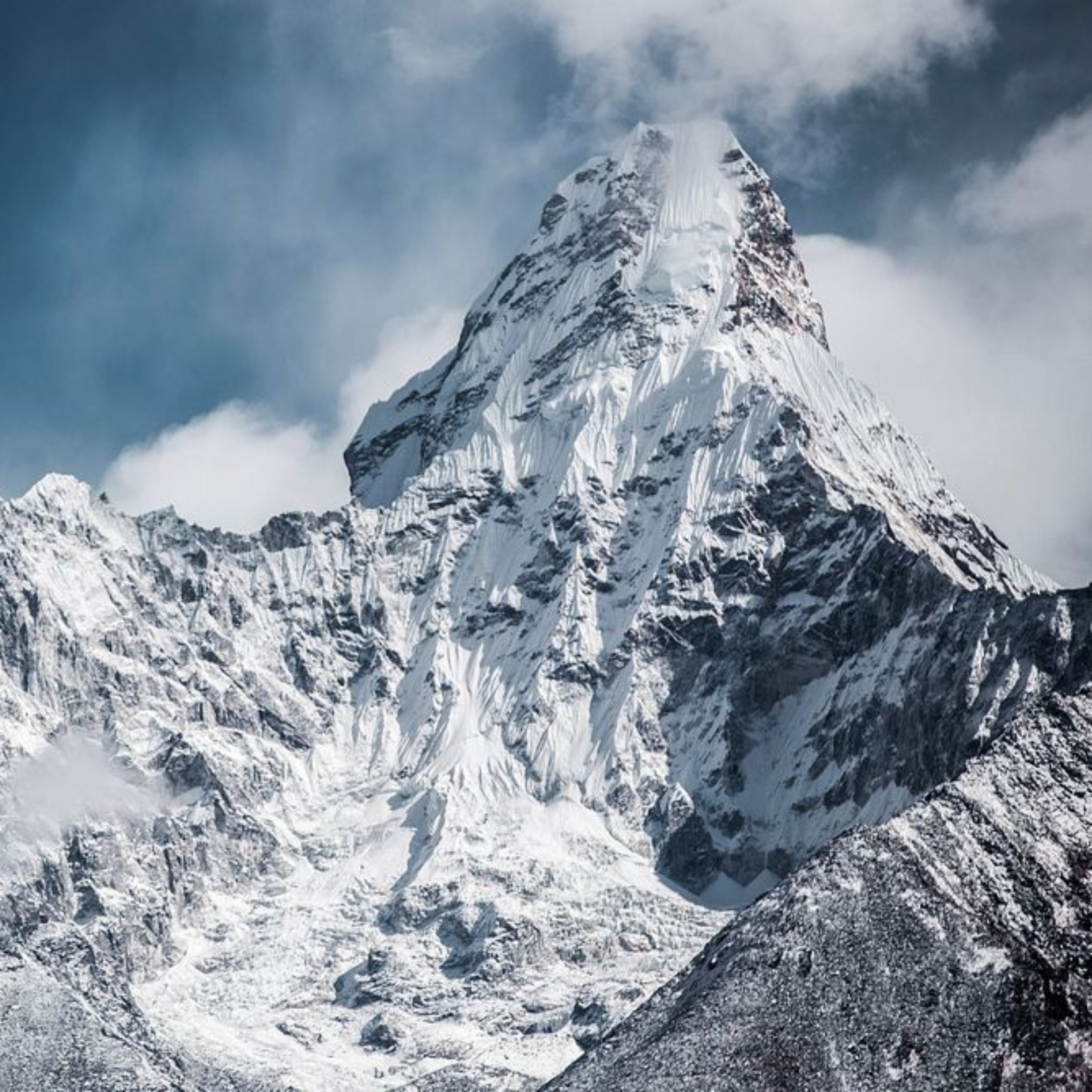
EnviroPhys: Navigating Human Limits explores how the human body adapts to extreme environments. Hosted by Dr. Jim Davis, this podcast delves into the physiological responses to heat, cold, altitude, and weather stressors. Each episode highlights the integration of systems like the nervous, cardiovascular, and respiratory to maintain homeostasis. Whether you’re a student or curious learner, discover how the body rises to environmental challenges and thrives in demanding conditions.
-
37
Episode 37 - Microgravity - Part 3
We wrap up the microgravity series by focusing on the countermeasures used to fight physiological decline in space. These include treadmill harnesses, cycling, resistive training, and pharmacological strategies like calcium, vitamin D, and bisphosphonates. We also discuss the challenges of returning to gravity, including orthostatic hypotension, weakness, and vestibular disorientation, as well as the long-term risks of extended missions. Finally, we explore future solutions, such as artificial gravity and gene-based therapies.
-
36
Episode 36 - Microgravity - Part 2
In this episode, we explore the long-term physiological effects of microgravity, focusing on the musculoskeletal, cardiovascular, and vestibular systems, as well as cognitive and psychological challenges. We discuss bone loss, muscle atrophy, reduced VO₂ max, and how the vestibular system malfunctions in space. The episode also touches on the impact of disrupted circadian rhythms, sensory overload, and emotional strain during long-duration missions.
-
35
Episode 35 - Microgravity - Part 1
This episode kicks off our discussion of space physiology, focusing on the body’s initial responses to microgravity. We examine the headward fluid shift, changes in cardiovascular dynamics, and the impact on the vestibular system, which contributes to motion sickness and sensory disorientation. We also touch on how plasma volume reduction and cardiac remodeling affect astronaut performance and challenges upon re-entry to gravity.
-
34
Episode 34 - SCUBA - Part 3
In the final diving episode, we explore thermal challenges in the underwater environment. Water conducts heat 25 times faster than air, increasing the risk of hypothermia. We cover mechanisms of heat loss, physiological responses to cold water, and protective gear like wetsuits and drysuits. We also discuss how cold affects dexterity, decision-making, and safety, and highlight strategies for heat retention and safe diving practices in cold environments.
-
33
Episode 33 - SCUBA - Part 2
This episode dives into the effects of gas exchange under pressure. We explain Dalton’s Law, the causes and symptoms of nitrogen narcosis, and the risks of oxygen toxicity at depth. We also introduce Henry’s Law, explaining how nitrogen dissolves into tissues and leads to decompression sickness (DCS) if ascent is too rapid. We discuss prevention strategies such as slow ascent, safety stops, and treatment with hyperbaric oxygen therapy.
-
32
Episode 32 - SCUBA - Part 1
In this episode, we introduce the physics and mechanics of SCUBA diving, focusing on how pressure increases with depth and how this affects gas volume, lung function, and breathing. We cover Boyle’s Law, SCUBA equipment basics, and the increased work of breathing underwater. Topics also include hydrostatic pressure's impact on cardiovascular function and how immersion causes fluid shifts and reflexive changes in heart rate and stroke volume.
-
31
Episode 31 - Comparative physiology and altitude
In this episode, we explore how animals and high-altitude human populations have evolved to thrive in low-oxygen environments. We highlight the bar-headed goose’s efficient oxygen transport, the yak’s and Andean camelids’ cardiovascular adaptations, and the diverse genetic strategies of Tibetans, Andeans, and Ethiopians. We also examine the crucian carp’s metabolic flexibility—surviving without oxygen by producing ethanol instead of lactate—and the snow leopard’s and Tibetan fox’s adaptations to cold and hypoxia. These natural strategies offer insight into human high-altitude performance, medical treatment for hypoxia, and resilience in extreme environments.
-
30
Episode 30 - High-altitude cerebral edema (HACE)
HACE is the most severe altitude illness, caused by hypoxia-induced cerebral swelling. Disruption of the blood-brain barrier leads to fluid leakage into brain tissue, increasing intracranial pressure. Symptoms include severe headache, confusion, ataxia, and coma. Immediate descent, oxygen, and corticosteroids are essential treatments, and prevention relies on gradual ascent, acclimatization, and avoiding alcohol or sedatives.
-
29
Episode 29 - High-altitude pulmonary edema (HAPE)
HAPE is a severe and potentially fatal altitude illness caused by exaggerated hypoxic pulmonary vasoconstriction. This increases pulmonary artery pressure, leading to capillary stress failure and fluid leakage into the lungs. Symptoms include persistent cough, breathlessness, and cyanosis. Immediate descent, oxygen therapy, and medications like nifedipine are critical treatments, while gradual ascent and avoiding overexertion are key prevention strategies.
-
28
Episode 28 - Acute mountain sickness (AMS)
This episode covers AMS, the most common altitude illness caused by insufficient acclimatization to hypoxia above 2,500 meters. Symptoms include headache, nausea, dizziness, fatigue, and insomnia. We examine the role of mild cerebral edema, how patent foramen ovale (PFO) increases risk, and how prevention focuses on gradual ascent, hydration, and medications like acetazolamide. Treatment includes rest, oxygen, and descent if symptoms worsen.
-
27
Episode 27 - Chronic responses to altitude - Part 2
Continuing the discussion, we focus on cellular and metabolic adaptations, including increased capillary density, higher myoglobin concentrations, and more efficient mitochondrial function. We also explore genetic adaptations in high-altitude populations like Tibetans, Andeans, and Ethiopians, as well as how chronic hypoxia suppresses immune function. Finally, we discuss altitude training, highlighting the benefits of the “Live High, Train Low” method for endurance athletes.
-
26
Episode 26 - Chronic responses to altitude - Part 1
In this episode, we begin exploring how the body adapts to prolonged hypoxia. Key topics include renal compensation for respiratory alkalosis, increased ventilation, and early changes in red blood cell production. We highlight the role of erythropoietin (EPO) in stimulating new red blood cells, and how increased hemoglobin concentration improves oxygen transport. However, polycythemia (increased red blood cell count) also raises blood viscosity, increasing cardiovascular strain.
-
25
Episode 25 - Acute responses to altitude - Part 2
In Part 2, we expand on the acute responses to altitude, focusing on sympathetic activation, which raises catecholamine levels, heart rate, and blood pressure. We also examine altitude diuresis—the increase in urine output triggered by respiratory alkalosis—which reduces plasma volume and elevates dehydration risk. The episode highlights the early rise in erythropoietin (EPO) and greater reliance on carbohydrate metabolism due to limited oxygen availability. Finally, we discuss cognitive and sleep disturbances, as well as the impact of altitude on aerobic and anaerobic performance, including insights from the 1968 Mexico City Olympics.
-
24
Episode 24 - Acute responses to altitude - Part 1
This episode introduces the concept of hypobaria—the reduction in barometric pressure at altitude—and explains how it lowers partial pressure of oxygen (PO₂), creating hypoxia. We review the alveolar gas equation to show how lower barometric pressure reduces alveolar oxygen and how hyperventilation is the body’s first acute response. We also explore how hyperventilation triggers respiratory alkalosis, shifting the oxygen-hemoglobin dissociation curve to the left, improving oxygen loading in the lungs. Lastly, we touch on initial cardiovascular changes, including increased heart rate and submaximal cardiac output.
-
23
Episode 23 - Case studies in cold physiology
This episode applies everything we’ve learned about cold physiology to real-world case studies, exploring how acute and chronic cold responses play out in practice. We discuss: Cold shock response during sudden immersion in icy water. Shivering thermogenesis in a stranded mountaineer. Chronic adaptations seen in Arctic Indigenous populations. Cold acclimatization in winter swimmers. Severe hypothermia management for a lost hiker.These cases illustrate how vasoconstriction, thermogenesis, metabolic shifts, and cold acclimatization all contribute to survival—or failure—when exposed to extreme cold.
-
22
Episode 22 - Cold-related illnesses
This episode covers hypothermia, cold shock, and non-freezing cold injuries (NFCI). We break down the three stages of hypothermia (mild, moderate, severe), detailing symptoms and treatment strategies, including passive and active rewarming techniques. The cold shock response and its dangerous physiological effects in water immersion scenarios are also discussed. Lastly, we examine risk factors and prevention strategies, such as layering, limiting exposure, and recognizing early signs of cold-related illness.
-
21
Episode 21 - Frostbite & Peripheral Cold Injuries
Frostbite is a serious cold-induced injury caused by prolonged exposure to freezing temperatures, leading to ice crystal formation in tissues. We discuss the four degrees of frostbite severity, from mild frostnip to full-thickness necrosis requiring amputation. Additional peripheral cold injuries, such as chilblains, trench foot, and non-freezing cold injuries, are examined. Treatment focuses on controlled rewarming, pain management, and preventing further tissue damage, while prevention strategies emphasize proper clothing, hydration, and environmental awareness.
-
20
Episode 20 - Chronic Adaptations to Cold
Long-term exposure to cold results in chronic physiological adaptations that improve thermoregulation and energy efficiency. We explore three types of cold acclimatization: Cold habituation – Reduced physiological response to cold over time. Metabolic acclimatization – Increased BAT activity and reliance on fat metabolism for sustained heat production. Insulative acclimatization – Enhanced vasoconstriction and subcutaneous fat to improve heat retention.We also highlight cold adaptation in Arctic populations, its impact on endurance performance, and its practical applications for athletes and military personnel.
-
19
Episode 19 - Behavioral & Physiological Acclimatization
This episode explores behavioral and physiological strategies that help humans cope with cold stress. We discuss immediate behavioral adjustments like clothing, shelter, and activity modification, as well as short-term physiological acclimatization, including vasoconstriction, shivering, and increased brown adipose tissue (BAT) activity. We also examine how different populations and trained individuals (e.g., Arctic Indigenous groups, athletes, and divers) adapt to repeated cold exposure.
-
18
Episode 18 - Thermogenesis & Cold-Induced Metabolism
This episode dives deeper into the metabolic adaptations to cold stress, highlighting shivering and non-shivering thermogenesis (NST). We examine the role of brown adipose tissue (BAT) and how it generates heat via uncoupling protein-1 (UCP-1). Cold exposure increases reliance on glycolysis, favoring carbohydrates over fats, leading to higher lactate production and oxygen consumption. We also discuss how cold conditions alter endurance performance, hydration needs, and energy expenditure, emphasizing the importance of maintaining core temperature and fluid balance in extreme cold environments.
-
17
Episode 17 - Acute responses to cold
In this episode, we explore the body's immediate physiological responses to cold exposure, focusing on mechanisms that limit heat loss and generate heat to maintain core temperature. We discuss vasoconstriction, blood redistribution, and the impact of wind chill on heat loss. The episode also covers thermogenesis, including shivering and non-shivering mechanisms, metabolic shifts toward carbohydrate utilization, and the effects of cold stress on cardiovascular function, hydration, and endurance. We highlight the Lewis-Hunting reflex as a critical adaptation for preventing frostbite while conserving heat.
-
16
Episode 16 – Synthesis and Integration- Heat Stress, Acclimatization, and Safety
In this episode, we integrate key concepts from Unit 2, covering heat stress, acclimatization, and safety strategies. We discuss the mechanisms of heat exchange, physiological responses to acute heat stress, and the benefits of gradual acclimatization for improving thermoregulation and performance. Real-world scenarios, like athletes training in heat, illustrate the importance of hydration protocols, workload adjustments, and early recognition of heat-related illnesses. Emphasizing prevention and proactive planning, we highlight how to reduce risks and optimize safety in hot environments.
-
15
Episode 15 - Heat illnesses
Episode 15 delves into the spectrum of heat-related illnesses, from mild conditions like heat cramps and syncope to life-threatening heatstroke. We detail the mechanisms, symptoms, and prevention strategies for each category. Mild conditions are reversible with rest and hydration, while severe conditions like heatstroke require rapid cooling and advanced medical care. The systemic effects of heatstroke, including cardiovascular strain, organ dysfunction, and systemic inflammation, are thoroughly examined. Prevention strategies, including hydration, heat acclimatization, and workplace policies, are outlined to minimize risks in vulnerable populations.
-
14
Episode 14 - Rehydration strategies and optimizing heat adaptation
This episode highlights the critical role of rehydration in heat adaptation, focusing on how water, electrolytes, and carbohydrates support thermoregulation and performance. We discuss specific hydration strategies, including pre-, during-, and post-exposure protocols, and address challenges such as environmental and behavioral factors. The role of the kidneys, mediated by hormones like ADH and aldosterone, is explained in maintaining fluid balance. Tailored approaches for special populations, such as athletes, older adults, and children, are emphasized, alongside practical applications for sports, occupational settings, and recreational activities.
-
13
Episode 13 - Heat acclimatization and sweat gland adaptations
In this episode, we explore the physiological changes that occur during heat acclimatization, a process that develops over 3–14 days of repeated heat exposure. We discuss the benefits, including improved thermoregulation, increased plasma volume, and enhanced exercise performance. Key adaptations include increased sweat rate, earlier onset of sweating, and reduced sodium loss, all supported by the hormone aldosterone. These changes help individuals tolerate prolonged heat exposure, reducing the risk of heat-related illnesses. Applications for athletes, workers, and general populations emphasize the importance of hydration and consistent heat exposure.
-
12
Episode 12 – Physiological responses to acute heat stress
Episode 12 focuses on the body’s immediate responses to acute heat stress, triggered by high temperatures, physical exertion, or inadequate cooling mechanisms. We delve into the roles of the nervous, cardiovascular, respiratory, and endocrine systems in thermoregulation. Key topics include the importance of sweating and vasodilation, the impact of fluid loss and dehydration, and the hormonal adjustments required to maintain balance. Real-world examples illustrate the challenges faced by workers, athletes, and vulnerable populations during heat stress.
-
11
Episode 11 – Mechanisms of heat exchange
In Episode 11, we explore the key mechanisms of heat exchange—conduction, convection, radiation, evaporation, and metabolism—that allow the body to regulate temperature under various environmental conditions. We discuss how factors like humidity, airflow, and temperature gradients impact heat balance and highlight practical applications, such as managing heat stress during urban heat waves or outdoor activities. This episode emphasizes the importance of maintaining thermal balance for survival and performance.
-
10
Episode 10 - Integration and comparisons
This episode focuses on how the body responds to combined weather stressors, such as heat with humidity or cold with wind. We detail the integration of the nervous, cardiovascular, respiratory, and endocrine systems to maintain homeostasis under extreme conditions. Case studies illustrate responses to challenging scenarios like exercising in a hot, humid environment or climbing in a cold, windy climate. We also compare physiological adaptations to tropical versus Arctic conditions and emphasize the importance of preparation and acclimatization. Future episodes will dive deeper into heat stress, including acute and chronic responses and heat illnesses.
-
9
Episode 9 - Measurements, gas laws and adaptation
n this episode, we explore the tools and principles essential for understanding environmental physiology. Starting with how latitude impacts barometric pressure, we discuss key measurement tools like WBGT, barometers, pulse oximeters, and metabolic carts. We explain the relevance of gas laws—Boyle’s, Dalton’s, and Henry’s—to environmental challenges such as altitude and heat stress. Finally, we compare acclimatization and acclimation, outlining how these processes enable the body to adapt to extreme environments by coordinating cardiovascular, respiratory, and metabolic systems
-
8
Episode 8 - Environmental measurements
We explore the tools and indices used to assess weather stressors, such as the Wet Bulb Globe Temperature (WBGT), barometric pressure, humidity, and wind chill. These measurements help quantify environmental risks and predict physiological responses. Integrated indices like WBGT consider combined stressors, enabling effective planning for safety and performance in extreme environments.
-
7
Episode 7 - Weather and environmental stressors
This episode discusses the impact of weather factors like heat, cold, wind, and humidity on the body. Heat stress relies on sweating and vasodilation, while cold stress activates shivering and vasoconstriction. Wind amplifies heat loss through convection, and combined stressors, like heat with high humidity or cold with wind chill, present unique challenges. Integrated physiological responses help the body adapt and maintain balance.
-
6
Episode 6 - Environmental stress and metabolism
In this episode, we examine how heat, cold, and altitude influence energy transfer and metabolism. Heat stress increases metabolic rates to support cooling mechanisms, while cold stress requires energy for heat production through shivering and non-shivering thermogenesis. At high altitudes, reduced oxygen availability shifts the body toward anaerobic metabolism. Integration of nervous, cardiovascular, and endocrine systems ensures homeostasis under these stressors.
-
5
Episode 5 - Energy transfer and metabolism basics
This episode introduces energy transfer and metabolism, detailing how the body converts chemical energy into mechanical and thermal energy. We explain the role of ATP as the "energy currency" of the cell, and the differences between anaerobic and aerobic metabolism. Anaerobic metabolism provides quick energy but produces lactate, while aerobic metabolism is more efficient for sustained activities. Heat production as a byproduct of metabolism is also discussed.
-
4
Episode 4 - Respiratory and renal systems in homeostasis
We explore the roles of the respiratory and renal systems in maintaining gas exchange, fluid balance, and pH stability. The respiratory system regulates oxygen and carbon dioxide levels, crucial for aerobic metabolism and pH balance. The renal system complements this by conserving water, managing electrolytes, and excreting hydrogen ions. Integration of these systems ensures efficient homeostasis, especially in challenging environments like high altitudes or extreme temperatures.
-
3
Episode 3 - Nervous and cardiovascular systems in homeostasis
Focusing on the nervous and cardiovascular systems, this episode explains how these systems regulate thermoregulation, fluid balance, and blood flow. The hypothalamus acts as a control center, initiating responses like sweating, vasodilation, shivering, and vasoconstriction. The cardiovascular system adjusts blood flow to meet metabolic demands and thermoregulation. Together, these systems maintain homeostasis during heat and cold stress.
-
2
Episode 2 - Supporting homeostasis
This episode examines how the body’s systems, including the thermoregulatory, cardiovascular, respiratory, and nervous systems, support homeostasis. We explain how heat transfer mechanisms (conduction, convection, radiation, and evaporation) function in thermoregulation, describe the cardiovascular system's role in oxygen delivery, and highlight the respiratory system's contributions to gas exchange and pH balance. Integration of these systems ensures the body adapts to environmental challenges.
-
1
Episode 1 - Homeostasis and feedback loops
In this episode, we introduce the concept of homeostasis—the body’s ability to maintain a stable internal environment despite external changes. We explore the components of feedback loops: receptors, control centers, and effectors. Negative feedback is discussed as a key mechanism for maintaining stability, while positive feedback is shown to amplify changes in specific cases like childbirth. Examples such as thermoregulation and blood glucose regulation illustrate these principles.
We're indexing this podcast's transcripts for the first time — this can take a minute or two. We'll show results as soon as they're ready.
No matches for "" in this podcast's transcripts.
No topics indexed yet for this podcast.
Loading reviews...
ABOUT THIS SHOW
EnviroPhys: Navigating Human Limits explores how the human body adapts to extreme environments. Hosted by Dr. Jim Davis, this podcast delves into the physiological responses to heat, cold, altitude, and weather stressors. Each episode highlights the integration of systems like the nervous, cardiovascular, and respiratory to maintain homeostasis. Whether you’re a student or curious learner, discover how the body rises to environmental challenges and thrives in demanding conditions.
HOSTED BY
Dr. Jim Davis
CATEGORIES
Loading similar podcasts...
URL copied to clipboard!