
PODCAST · religion
Gaia House: Ajahn Amaro's most recent Dharma talks
by via dharmaseed.org
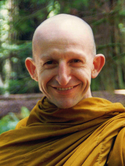
I think of myself primarily as a monk who occasionally teaches, who strives to convey the spirit and the letter of Buddhism through my lifestyle, through explanation, and through the imagery of storytelling in order to bring Buddhism to life for people who are seeking truth and freedom.As co-abbot of Abhayagiri Monastery, I am deeply involved with forming a monastic community that can serve as a guiding spirit for Buddhist practice in the world. The traditional, renunciate form of the practice is the embodiment of simplicity, strength and resiliency for anyone who seeks classical training in the monastic life. It is also a hand extended to the lay community that says: come, experience the life of the forest, the chanting, the bowing, the serenity of meditation, the robes, the peacefulness of celibacy. Draw from our well and bring this spiritual nourishment back into your everyday life.The outward structure of traditional Buddhism supports a form of spiritual living that is grou
-
144
Ajahn Amaro: Four qualities inducive to stream entry
(London Insight Meditation)
-
143
Ajahn Amaro: Drawing upon our own wisdom
(London Insight Meditation)
-
142
Ajahn Amaro, Ajahn Nyaniko, Jill Satterfield, Ralph Steele: Closing Session (Retreat at Spirit Rock)
(Spirit Rock Meditation Center)
-
141
Ajahn Amaro: Evening Puja, Meditation and Dhamma Teaching (Retreat at Spirit Rock)
(Spirit Rock Meditation Center)
-
140
Ajahn Amaro: Sitting with Dhamma Instructions (Retreat at Spirit Rock)
(Spirit Rock Meditation Center)
-
139
Ajahn Amaro: Morning Puja and Meditation (Retreat at Spirit Rock)
(Spirit Rock Meditation Center)
-
138
Ajahn Amaro: Morning Puja and Meditation (Retreat at Spirit Rock)
(Spirit Rock Meditation Center)
-
137
Ajahn Amaro: Evening Puja, Meditation and Dhamma Teaching (Retreat at Spirit Rock)
(Spirit Rock Meditation Center)
-
136
Ajahn Amaro: Sitting with Dhamma Instructions (Retreat at Spirit Rock)
(Spirit Rock Meditation Center)
-
135
Ajahn Amaro, Ajahn Nyaniko, Jill Satterfield, Ralph Steele: Opening Night Session (Retreat at Spirit Rock)
(Spirit Rock Meditation Center)
-
134
Ajahn Amaro: Metta chant in English
(Insight Meditation Society - Retreat Center)
-
133
Ajahn Amaro: Dharma Talk
(Insight Meditation Society - Retreat Center)
-
132
Ajahn Amaro: Chanting In Pali
(Insight Meditation Society - Retreat Center)
-
131
Ajahn Amaro: Evening guided meditation
(Insight Meditation Society - Retreat Center)
-
130
Ajahn Amaro: Evening Dharma Talk
(Insight Meditation Society - Retreat Center)
-
129
Ajahn Amaro: Evening chanting in Pali
(Insight Meditation Society - Retreat Center)
-
128
Ajahn Amaro: Morning reflection and reflection
(Insight Meditation Society - Retreat Center)
-
127
Ajahn Amaro, Ayya Khemakā: Evening, chanting and dharma talk by Ayya Khemaka
(Insight Meditation Society - Retreat Center)
-
126
Ajahn Amaro: Continuity in Formal and Informal Practice
(Insight Meditation Society - Retreat Center)
-
125
Ajahn Amaro: Guided Meditation
(Insight Meditation Society - Retreat Center)
-
124
Ajahn Amaro: Unentangled participation
(Insight Meditation Society - Retreat Center) Evening puja with chanting followed by a dharma talk
-
123
Ajahn Amaro, Ayya Khemakā: Meditation instructions – sitting and walking
(Insight Meditation Society - Retreat Center)
-
122
Ajahn Amaro, Ayya Khemakā, Greg Scharf: Retreat Opening - reflections
(Insight Meditation Society - Retreat Center)
-
121
Ajahn Amaro: Retreat Opening - chanting
(Insight Meditation Society - Retreat Center)
-
120
Ajahn Amaro: Closing blessings
(London Insight Meditation)
-
119
Ajahn Amaro: Establishing harmony in a community
(London Insight Meditation)
-
118
Ajahn Amaro: The power of awareness when practising loving-kindness
(London Insight Meditation)
-
117
Ajahn Amaro: Guided meditation
(London Insight Meditation)
-
116
Ajahn Amaro: Togetherness and Individuality
(London Insight Meditation)
-
115
Ajahn Amaro: Q&A
(Deer Park Institute) Questions are précised - 00:08 Q1 You said arahants can feel happiness without attachment, also that happiness is a suffering in disguise, and that it also comes from giving. Are these all different forms of happiness? 05:47 Q2 I’ve read a lot of Persian poetry especially Attar of Nishapur and Rumi. There, I read that “desire” for union pushes you forward and is actually the path to liberation. But the Second Noble Truth says that we have to get rid of desire / craving. Can you speak to this please? 15:01 Q3 Frequently I find that some annoying behavior by friends that I think I have processed and let go of returns if, for example, they renew their teasing at a future meeting. 19:18 Q4 Whatever we see or experience has happened sometime back. It seems we don’t partake of anything that happens around us. This is discomforting. Can you comment please? 27:13 Q5 Can you speak about how Mahayana and Theravada look at the idea of the second turning of the wheel. 34:00 Q6 What is the difference between the two types of concentration the Buddha had, one when he was studying with his two teachers and his experience under the tree watching his father?
-
114
Ajahn Amaro: Closing Reflections
(Deer Park Institute)
-
113
Ajahn Amaro: Reflections on Death
(Deer Park Institute)
-
112
Ajahn Amaro: Q&A
(Deer Park Institute) Questions are précised - 00:12 Q1 My practice of forgiveness turns into shame when I consider how I ever did that to that person. 08:58 Q2 I have had a health ailment for about a decade and there are moments of deep pain. I’ve gone past “Why me?” but I find I am very angry. I also find I easily dismiss other people’s pain. 20:51 Q3 Can you explain more about the difference between Dhammaniyāmatā and the Idappaccayatā? 29:27 Q4 What’s your view on euthanasia? Also – how can we plan to live in a commune rather than a hospice as we age? 40:05 Q5 What about organ donation? 43:40 Q6 What is euthanasia and what is taking active steps to expedite death? And what about people who decide not to continue treatment that prolongs life? 47:28 Q7 What about palliative care? 49:00 Q8 Are there any residential retreat places for parents with their children? I struggle with leaving my child alone and the problem of child care. 50:34 Q9 Regarding the old lady who came to Ajahn Chah for advice, [it seems like she was advised to practice] anatta. 55:34 Q10 That which is observing the five khandas, is that called dhamma itself?
-
111
Ajahn Amaro: Aspects of Death Contemplation
(Deer Park Institute)
-
110
Ajahn Amaro: Guided Meditation - Death Contemplation (Ajahn Jivako)
(Deer Park Institute) Led by Ajahn Jivako
-
109
Ajahn Amaro: Q&A with Ajahn Jivako
(Deer Park Institute) 00:34 Q1 Can you give some examples of non-formal practice through the day. 06:23 Q2 What is helpful in practicing walking meditation? 11:40 Q3 Why do we practice walking when we have sitting meditation? 12:46 Q4 Why is it that the object of meditation has to be something of the body? Could it be a rock for example? 13:37 Q5 When I meditate I hear a loud inner sound, the breathing, heat beat and blood pumping and body movements. It’s difficult to concentrate on any one thing. 16:03 Q6 Is stream entry a deeper flow state or something completely different? 16:23 Q7 How can we differentiate between skilful and unskilful doubt. 19:00 Q8 In the guided meditation you led us inside where we were resting somewhere. Are there any creative techniques to access that? 20:21 Q9 When you asked us to look for the person /that who is aware. Commonly this is supposed to be usually in the head right? Can it be outside the body and are there ways to access that? 21:36 Q10 You mentioned you were from New Hampshire. Is that attached to Ajahn Amaro?
-
108
Ajahn Amaro: Some Ways of Playing with Practice
(Deer Park Institute) Talk by Ajahn Jiviko
-
107
Ajahn Amaro: Guided Meditation with Ajahn Jivako
(Deer Park Institute) Led by Ajahn Jiviko
-
106
Ajahn Amaro: The Nine Eyes of Insight
(Deer Park Institute)
-
105
Ajahn Amaro: Q&A
(Deer Park Institute) Questions précised - 00:10 Q1 When we take refuge, what are we taking refuge from? 00:48 Q2 The path is to end suffering. Why don’t we look at suffering and enquire what it is. Perhaps we will see it is our own creation and this may be easier than the longer way. 05:30 Q3 Is all sadness, all anger suffering or is suffering the feeling of being pulled down … into an ocean for example? 07:37 Q4 I am a retired solider and I don’t this this kind of self-actualization, “who am I”, I don’t think we can ask in our profession. What advice can you give? 17:25 Q5 In Mahayana very often liberation is spoken of as a state of painlessness, fearlessness and “one taste”. What does the Pali tradition say about this apparent 24-7 blissful state? 24:32 Q6 What does it say in the Pali canon about Ananda giving Buddha this food? How is it interpreted in the Southern tradition? 27:30 Q7 You mentioned Ajahn Sumedho dealing with anger. When we deal with intense emotions is it a good way to exercise patience endurance and use whatever practice works so you can skilfully navigate the situation? 29:56 Q8 I need a little clarity about consciousness beyond the simple meaning of awareness. Particularly in jhana practice, how does one understand infinite consciousness? 31:59 Q9 Regarding meditating on compassion, we are advised to expand it to all living beings. Do you have any advice? I find it difficult to engage with people I have never met. 36:32 Q10 Could you elaborate about the liberative relationships you spoke of? Put simply, my kids and grandchildren are overseas and I miss them. How can I deal with this better?
-
104
Ajahn Amaro: Guided Meditation
(Deer Park Institute)
-
103
Ajahn Amaro: Q&A
(Deer Park Institute) Questions are précised - 00:09 Q1 - Can you clarify more about compassion. It seems quite dark in English. And does karuna also have some suffering in it? 04:28 Q2 - What are the training steps in the Thai Forest tradition? Also what is spoken about full buddhahood in the southern tradition? 21:41 Q3 – You said not to be carried away with rupa, form and perception and you also mentioned discriminating consciousness. I have trouble with this last one. Can you elaborate? 27:43 Q4 – What does the word ajahn mean? 28:21 Q5 – Did you say that you could not lie down to sleep? 26:30 Q6 – We are an outcome of our relationships and programmes formed over a long period. Is it possible to re-programme ourselves, even while staying in the same environment? 43:34 Q7 – Why is meditation the primary means of insight or analysis. What about writing? Or talking to others?
-
102
Ajahn Amaro: Getting to Know Emotions
(Deer Park Institute)
-
101
Ajahn Amaro: Emotions and Relationships
(Deer Park Institute)
-
100
Ajahn Amaro: Guided Meditation - Sound of Silence
(Deer Park Institute)
-
99
Ajahn Amaro: What is the World?
(Deer Park Institute)
-
98
Ajahn Amaro: Guided Meditation - Who am I?
(Deer Park Institute)
-
97
Ajahn Amaro: Morning Reflection
(Deer Park Institute)
-
96
Ajahn Amaro: Q&A
(Deer Park Institute) Questions are précised - 00:10 Q1 Can the question you referred to (Who am I?), could be asked during infinite space or nothingness, the 5th jhana? 01:22 Q2 How does this practice help in the extreme scenarios we face in life – like in war - or day to day activities? 12:09 Q3 I really found the receptive aspect of loving kindness helpful and I’m wondering if the other three immeasurables also have this receptive quality? 20:29 Q4 You spoke about the 3 kinds of desire. In my study, I’ve heard that self-grasping / ignorance is the root of all these. Does that idea line up with the three types of desire you speak of? 25:23 Q5 Mingyur Rinchope speaks of a vertical and horizontal “gap” from the stream of thoughts. Does the Thai Forest tradition speak about this gap? 24:16 Q6 Is there much spoken about the “subjective clear, light mind” and “rigpa” in the Southern tradition? 28:48 Q6 What is the state of dreaming and where is consciousness at that time? 34:53 Q7 When ”I” consciousness dissolves, what is that expresses this experience? We have to make a temporary or onlooker self even if there is no self. 42:04 Q8 Don’t you think that organized religions/ traditions fossilize the “I” rather than dissolve it?
-
95
Ajahn Amaro: Using Ch'an and Zen Methods
(Deer Park Institute)
No matches for "" in this podcast's transcripts.
No topics indexed yet for this podcast.
Loading reviews...
ABOUT THIS SHOW
I think of myself primarily as a monk who occasionally teaches, who strives to convey the spirit and the letter of Buddhism through my lifestyle, through explanation, and through the imagery of storytelling in order to bring Buddhism to life for people who are seeking truth and freedom.As co-abbot of Abhayagiri Monastery, I am deeply involved with forming a monastic community that can serve as a guiding spirit for Buddhist practice in the world. The traditional, renunciate form of the practice is the embodiment of simplicity, strength and resiliency for anyone who seeks classical training in the monastic life. It is also a hand extended to the lay community that says: come, experience the life of the forest, the chanting, the bowing, the serenity of meditation, the robes, the peacefulness of celibacy. Draw from our well and bring this spiritual nourishment back into your everyday life.The outward structure of traditional Buddhism supports a form of spiritual living that is grou
HOSTED BY
via dharmaseed.org
CATEGORIES
Loading similar podcasts...
URL copied to clipboard!