
PODCAST · religion
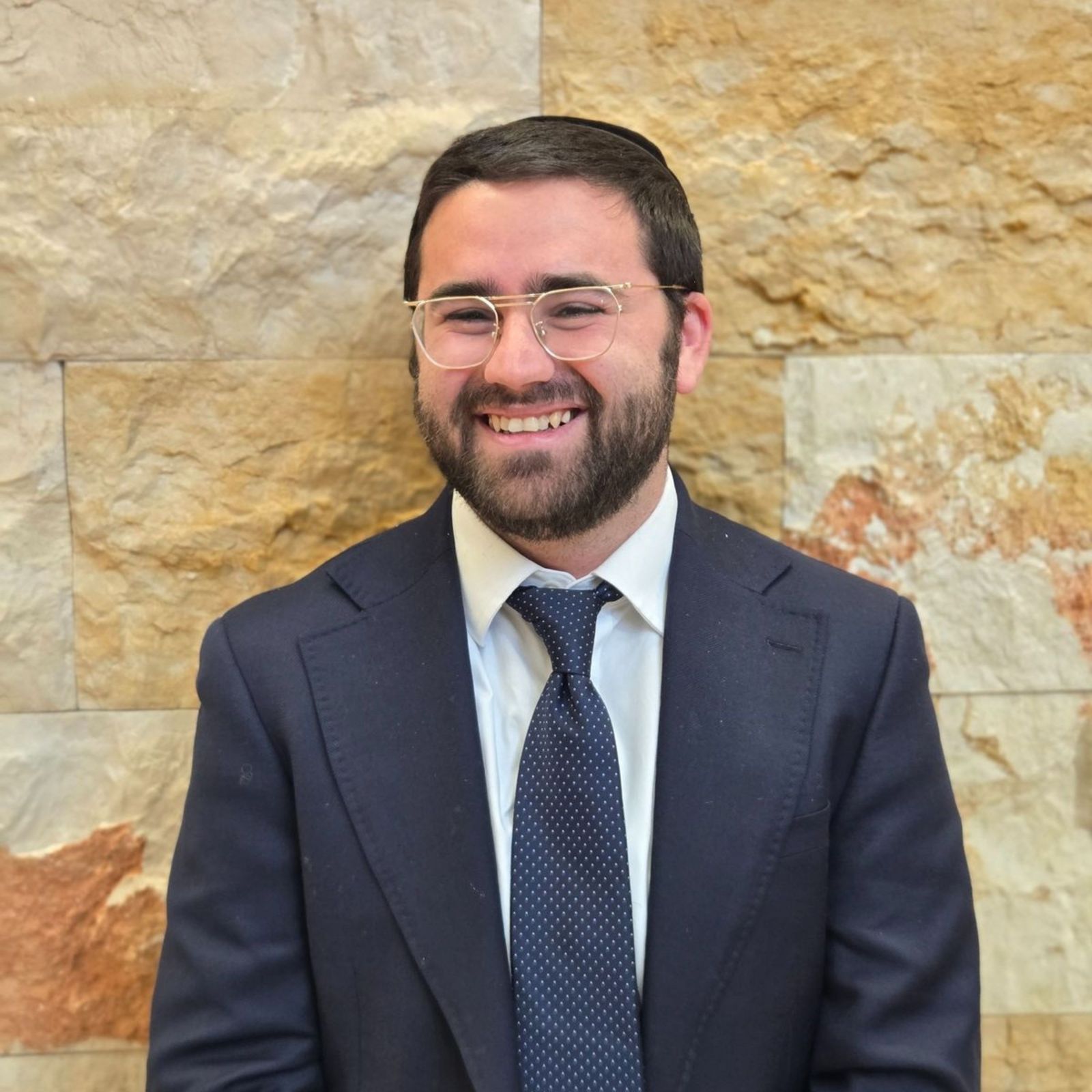
Parsha Messages with Rabbi Yochanan David
by Rabbi Yochanan David
Torah From The Rockies podcast focuses on finding intuitive ways to create a closer connection to G-D. Please reach out with any questions or feedback [email protected] project of denverkollel.org
-
16
Restrictions Apply
Restrictions don't just have to be stifling they can also be dignifying.Most of us associate prohibitions as something which deprives us of a life of freedom. Like, why cant I just do what i want?!If you were to observe the lifestyle of King Charles , it will appear to you as if the king has no freedom. He cant bring muddy boots into the palace, He always has to dress perfectly. Such a lifestyle seems unbreathable.But you know that the King's life is far from a stifling life, so how do you make sense of your observation?The answer is, royalty demands higher standards. When the Royal Family avoids junk foods its not because they're depriving themselves , its because they appreciate living a more aristocratic lifeSame with our spirituality, we are choosing to live a regal life by staying away from spiritually harmful behaviors. We are a higher class and appreciate finer things. We realize who we are.With this perspective in mind, the next time we encounter a prohibition in our life ,instead of focusing on how annoying it is that I can't engage in the behavior we can instead see it as an opportunity to recognize my inner royalty.Idea based on Ohr HaChaim on Parshas Emor
-
15
G-D Looks at The Whole Picture
There are 2 prohibitions in the Torah that both talk about making changes to the body yet are written differently.When the Torah prohibits cutting your body in agony over the loss of a relative it says "you shall not make a cut in your "flesh""(Leviticus 19-28)In the same verse when it prohibits tattooing oneself it says "a tattoo you shall not place on yourselves"" .It does not say on your "flesh"Why the different wording ?The Ohr HaChaim explains, the Creator in his great compassion takes into account the mourner's distress and lessens the spiritual damage that this sin causes. The word "flesh" implies the effect of the sin is only external.Whereas by tattoo a person usually not under distress so the Torah says ,don't cause damage to "yourselves". By doing the sin with full composure one's sin is causing damage to "yourselves" - your inner essence. 2 things that I took out of this Ohr HaChaim:#1: We see that if the Creator takes into account our pain and distress and lessens the spiritual damage that it causes , then surely if we don't give into the urge and pass the test or we do Mitzvos even when we are in distress than surely we get tremendous reward. As our Sages tell us "depending on the pain/effort that's how much reward". And "One act in pain is better than 100 acts without".#2: If the Creator takes into consideration our full picture ,then we should do that for our friends. When our friend wrongs us instead of writing him off as an evil, insensitive person, we could look at his full picture and realize he might be going through something difficult right now.
-
14
Take the Next Step
When faced with a big challenge we are only expected to confront the obstacle that's right in front of us. Put your next foot forward.One day we decide we no longer want to speak gossip. Inspired to become a person who only speaks positively about others, we promise to never speak negatively again. Not realizing how ingrained the habit of gossip is within us ,we start slipping up. Feeling like a failure we give up and just go back to our old ways.Well, what if the secret to becoming more spiritual is taking small steps and not big ones?
-
13
Reflect on Past Successes
We are told that it's unhelpful to harp on our past. Reminding ourselves of our mistakes isn't conducive for growth.On the other hand reminding ourselves of our past successes can give us strength to take on new challenges.As we see in the Torah the Creator tells the Jewish people that "you" can take on a life of morality and holiness because in the past "you" lived holy and pure lives. The Creator was reminding them of their past success of a time while they were in Egypt and the jews on their own decided to lead holy and moral lives.The Creator was telling them "I know living a clean life is an almost an impossible goal ,at the same time you have this very special strength which you attained while pursuing holiness in Egypt ". Basically, you have it in you!
-
12
Is Imagination Helpful or Harmful?
If we harness our imagination properly we can become spiritualty elevated.Idea from The Piaseczna Z''ya & the Sefer Hachinuch on Parshas Metzora
-
11
How Your Weakness is Meaningful to G-D
There's a silver lining in your weakness.It's embarrassing when you're less than average in your self-control. No matter how hard you try you keep on losing to your urges. You look around and it seems as if your friends don't share the same impulses as you. You start feeling ashamed for who you are and see no good in your "weak" nature.Well, what if this nature of yours is precisely the thing that is bringing you closer to G-D.Moses wasn't able to donate to the tabernacle because he had no issue departing from his money, so it wouldn't be meaningful to G-D. It was only the regular Jew who struggled to give from his money that the Creator saw his sacrifice and cherished the donation.So, in our lives when we notice that we're weaker than the rest and we struggle mightily to pass our tests, the Creator is noticing our efforts. It's more meaningful to Him.The person to whom it comes easy to isn't sacrificing anything to pass this test, so he isn't showing as much dedication as the to one who it comes hard toIdea from Shem M'Shmuel
-
10
Passover-2 reasons to share YOUR ideas at the seder this year
Reason #1: When we share ideas of faith, it deepens our own faith.Idea from The Lechovitcher Zy"a.Reason #2: We each have our own perception of things and our point of view can be inspiring to others.Idea from Beis Avrohom of Slomin Zy"a.
-
9
Passover- Get Back Up Again
We are never too far to reconnect with God.Idea from Beis Avrohom Of Slomin Zy"a.
-
8
Words Create Experiences
Our words have the power to uplift. Use your words to paint a picture of the beauty you see in your friend, and change the way they experience themselves for the better.Idea from Ohr Hachaim and Imrei Emes
-
7
Shabbos & Co-regulation
your inner rhythm effects your surroundingshttps://www.traumatherapistinstitute.com/blog/Co-Regulation-of-the-Autonomic-Nervous-SystemIdea from the Imrei Emes For Parshas Mishpatim
-
6
There's No Dopamine There!
Major value in the simple and small actionsIdea from Rav Dessler For Parshas Shemos
-
5
Rabbi Yosef Melamed-Unintentionally wearing Shatnez # 5
wearing shatnez unintentionally. Can I try something on that might have shatnez.”
-
4
Checking for Shatnez: Rabbi Yosef Melamed # 4
When is it necessary to check for Shatnez?Can I wear my suit before it’s been checked?
-
3
Rabbi Yosef Melamed-Recycled Fibers: Shatnez # 3
Recycled Fibers and the laws of Shatnez
-
2
Rabbi Yosef Melamed-The Forbidden Hat: The Laws of Shatnez # 2
Can a black hat be shatnez?We discussed the materials. But how do the wool and linen need to be combined to be problematic?Is it Sewing, twisting or weaving that creates the Shatnez?
-
1
Rabbi Yosef Melamed-The Case of the Cashmere Coat — the Laws of Shatnez # 1
The Torah forbids wearing a garment mixed with wool and linen.The Halachos are very relevant, but also very obscure.The very first question to address is, which materials consist of Shatnez? Is it only wool and linen, or is it broader?Join R’ Melamed as he explores and elucidates these Halachos.
We're indexing this podcast's transcripts for the first time — this can take a minute or two. We'll show results as soon as they're ready.
No matches for "" in this podcast's transcripts.
No topics indexed yet for this podcast.
Loading reviews...
ABOUT THIS SHOW
Torah From The Rockies podcast focuses on finding intuitive ways to create a closer connection to G-D. Please reach out with any questions or feedback [email protected] project of denverkollel.org
HOSTED BY
Rabbi Yochanan David
CATEGORIES
Loading similar podcasts...
URL copied to clipboard!