
PODCAST · society
Perspectives
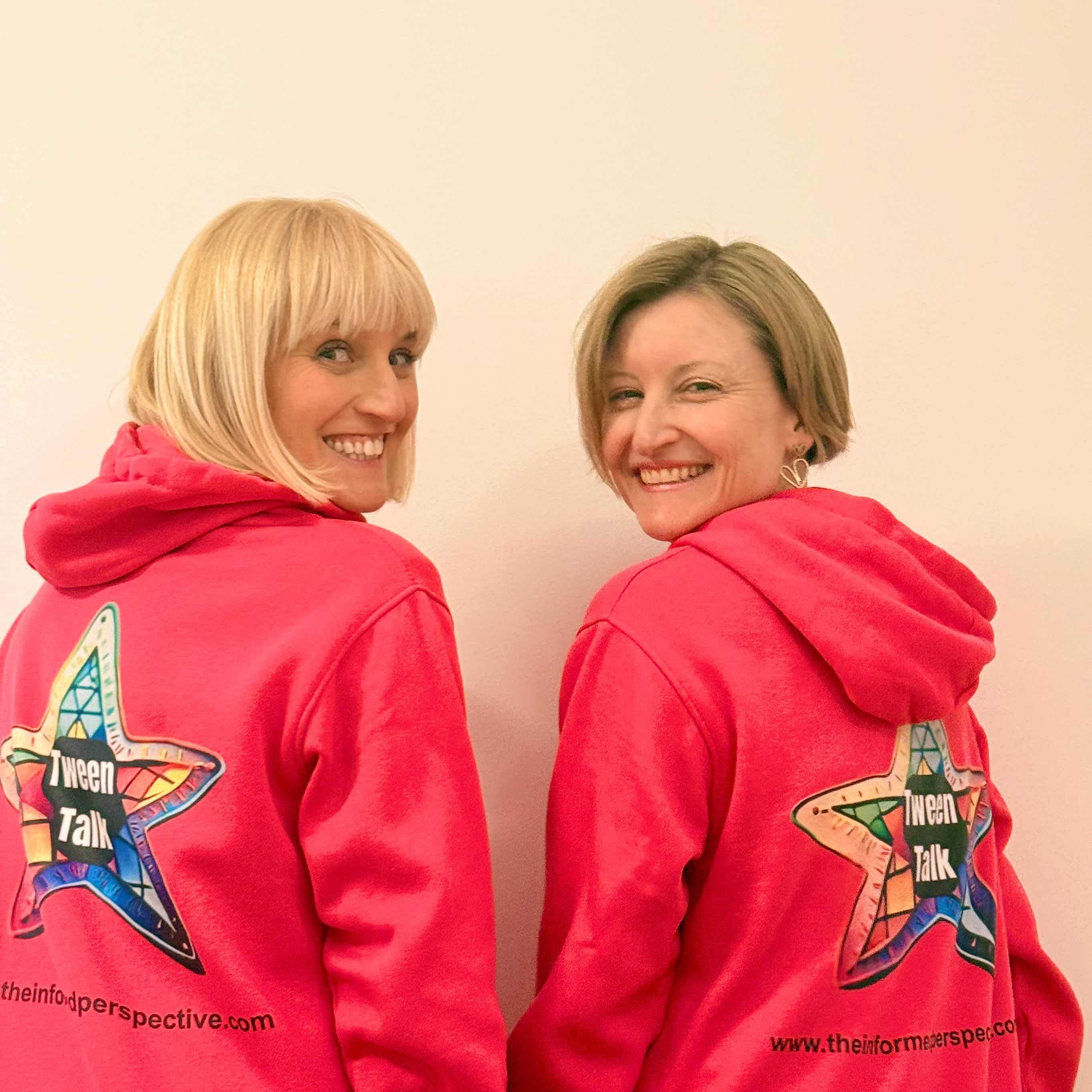
by With Penny & Jennie from The Informed Perspective
In today’s fast-moving world, it’s easy to feel disconnected, from our communities, from other generations, and even from ourselves. The Informed Perspective exists to pause that rush, to listen more carefully, and to create space for meaningful reflection and dialogue.We believe that when people share their experiences—across generations, cultures, and backgrounds—they offer insights that strengthen the communities we live in. Conversations that begin locally can be enriched by broader voices, bringing fresh context, challenges, and inspiration that help us grow together.Each episode of our podcast also includes input from tween contributors, whose questions and reflections often open up new ways of thinking. Their contributions add richness to the conversation and create opportunities for learning and connection across all ages.This platform is about imagining better communities: by listening more closely, learning from each other, and finding new ways to reconnect with what matte
-
42
Perspectives: Tweens
In our latest Perspectives podcast we consider the wonderful tween!This episode is close to our hearts because supporting tweens and young people sits right at the centre of what we do. It’s why we founded Tween Talk, our dedicated third space for this age group. We kept seeing the same thing: tweens slipping through the cracks. Not quite children, not yet teenagers — and somehow, that in-between place means they’re often the least supported of all.“I don’t want to be angry all the time. I just don’t know how to let it out.”That’s a real question from a real tween in this episode — and it captures exactly why this age matters so much.Mark Yeowell and family counsellor Jenny Warwick talk about the years we tend to rush past — ages 8/9 to 13 — and why they matter more than we think. The smartphone arrives and digital puberty begins. The friendship drama intensifies. The school transition hits. All at once. But here’s the important part: tweens are still reachable. Still curious about what you think. We can prepare them better for what’s coming. We can include them in the conversation. We just have to show up before the window of opportunity closes.🎧 Listen in to find out more about the challenging yet exciting tween years and how we can support and prepare them best. Get full access to The Informed Perspective at theinformedperspective.substack.com/subscribe
-
41
Perspectives: Parenting in Digital Times
Our latest Perspectives Podcast is out! We’re pulling back the curtain on the “Digital Wild West” of parenting. This isn’t a lecture on screen time, it’s a candid conversation about the challenges of life today, the stats that keep us up at night, and how we actually bridge the gap with our kids.Who Joined the Conversation?* Parven Kaur (Founder of Kids and Clicks): A cybersecurity award nominee and mother who is a leading expert in online safety and digital parenting. She’s on a mission to move parents from “panic mode” to “proactive mode.”* Chris & Lily Perkins: A Gen X dad and his Gen Z daughter, who together host The Gen X/Z Exchange podcast. We often talk about tech as a tool, but for Lily’s generation, it was an unregulated social experiment. She and Chris get incredibly honest about the ‘guinea pig’ years, opening up about the missing conversations and the hidden hazards they didn't see coming. The Heart of the Episode* It’s a staggering figure: 90% of UK 11-year-olds own a smartphone. We accept that the digital world is here to stay, but we challenge the idea that parents have to be left in the dark. It’s time to trade "cluelessness" for "conscious awareness."* We dive into the gap between parental trust and digital reality. Chris shares his honest reflections on missing the signs of the “influencer comparison” trap when Lily was 11. We discuss how that lack of awareness back then is exactly why we need proactive, child-led conversations today.* App Vetting 101: Parven suggests a strategic framework for handling app requests. Instead of a flat “No,” learn how to make your kids research the pros, cons, and privacy settings themselves.* Safety as a Life Skill: Parven explains why we should treat the internet like road safety. You wouldn’t give a kid car keys without a lesson; why give them an unregulated portal to the world?* The Power of the “Micro-Chat”: Why the best digital parenting happens while you’re cooking dinner or walking the dog, not in a formal, scary “Big Talk.”The TakeawayWe’re exploring the shift from control to collaboration. Ultimately, it’s about being the person your child runs to when things go wrong online, not the person they hide from. Success isn’t about the perfect filter; it’s about the depth of the trust you build today.Listen In & share your thoughts and experience of parenting in digital times! Get full access to The Informed Perspective at theinformedperspective.substack.com/subscribe
-
40
Perspectives: Third Spaces
Across every generation, we’re more connected than ever, through screens, networks, and constant communication and yet, in countless ways, we’re more alone.In this episode of Perspectives, we consider a question (actually one that came from one of our tweens!):What happened to the spaces where young people could just… hang out?Not structured.Not constantly supervised.Not needing to be productive or “on”.Just… space to be.We’re joined by Paul Billingsley, co-founder of Moot, rethinking where teenagers can actually spend time together; Janeane Bernstein, founder of the Outside the Box Institute, creating gentle, tech-free spaces for creativity and connection; and Sophia Kaur Badhan, bringing a young person’s perspective into policy, advocacy, and real-world change.We find ourselves talking about everything from teenage loneliness and social anxiety to the quieter disappearance of places where young people can just go to decompress.And we keep coming back to a few things:* why “designing for young people” doesn’t always land the way we think it will* how creativity and play can open the door to real connection* and why some of the smallest moments, a conversation, a shared activity, even something as simple as a free flower, can matter far more than we realiseThis conversation isn’t really about nostalgia. It’s more a gentle nudge to rethink how we’re creating connection in a world that’s increasingly lived online. And considering ways in which we can get involved, no matter how small.Have a listen if you’re thinking about young people, community, intergenerational cooperation and ways in which we can connect better. Get full access to The Informed Perspective at theinformedperspective.substack.com/subscribe
-
39
Perspectives: Digital Balance
In our latest podcast, we explore one of the defining challenges of modern life: balancing our time online and offline. At the same time, we ask a pressing question for families today, how do we raise children in a digital world that is designed to capture and compete for their attention?Yes, this is a topic that’s being talked about a lot, but it’s clear we still need to speak—and more importantly, listen—more. The struggle is real, and each of us can benefit from being more mindful and curious about how we interact online, and how much of our time it consumes.Joined by digital wellbeing educator Amit Kalley and psychology researcher Alex Sharpe, we examine the forces shaping our relationship with technology, from the rise of doomscrolling to the growing pressures parents face when navigating screens, smartphones, and social media.Alex explains how behaviours like doomscrolling are often driven by uncertainty, anxiety, and our natural negativity bias, while Amit highlights the realities families face when children are handed access to vast digital ecosystems without adequate safeguards or guidance.Together, we discuss the urgent need for greater digital literacy, stronger safeguarding, and open conversations between parents and children about the online world they are growing up in.These conversations are precisely what inspired us to create The Informed Perspective and Tween Talk. Our goal is not to dictate what families should do, but to gather diverse perspectives, explore the evidence, and empower parents to make informed choices that are right for their own families.We also reflect on the importance of creating more “third spaces,” community environments beyond home and school where young people and adults alike can connect, socialise, and spend meaningful time together away from screens.Ultimately achieving digital balance is not simple but it matters for all of us. There are no quick fixes, but mindful choices and family support can make a real difference. Listen In! Get full access to The Informed Perspective at theinformedperspective.substack.com/subscribe
-
38
Perspectives: Menopause
In our latest Perspectives Podcast, we bring together three remarkable women whose work explores menopause from very different but deeply complementary angles: psychology, physiology, and the workplace.Together they help us understand menopause not simply as a hormonal event, but as a profound life transition affecting identity, brain function, energy, relationships, wellbeing, and even professional life.Different perspectives, one complex transitionDr Rachel Moseley, Principal Academic in Psychology at Bournemouth University and co-author of Autistic Menopause, brings a powerful and often overlooked perspective: how menopause can uniquely affect autistic and neurodivergent women.Many autistic women report that sensory sensitivities intensify, emotional regulation becomes more challenging, and coping strategies that worked earlier in life may suddenly feel insufficient. Yet research and awareness in this area are still emerging.Rachel explains why menopause can feel like an entirely new terrain for neurodivergent women, and why understanding these experiences is essential if we are to create truly supportive healthcare conversations.Michelle Saba Corpuz, Chief of Staff at the Menopause Education Center, explores menopause through another critical lens: the workplace.Drawing on her experience leading wellness and benefits strategy in the Bay Area tech sector, Michelle highlights the often-overlooked economic and organisational impact of menopause. Research suggests menopause contributes to an estimated $26.6 billion productivity gap in the United States, driven by factors such as presenteeism, missed work, healthcare visits, and women leaving senior roles they worked years to achieve.Her work focuses on helping organisations integrate menopause education into workplace wellness strategies, transforming what has long been a private and often stigmatised experience into a conversation about leadership, retention, and organisational culture.And Fitness and wellness coach Mila Apostolovic brings a complementary lens: how movement, nutrition, and daily habits can support women through the physical and psychological changes of menopause.With over thirty years of international experience and drawing on her own perimenopause journey, Mila explains how hormonal shifts affect muscle mass, metabolism, mood, sleep, and long-term health — and why strength training, nutrition, and small consistent habits can make an enormous difference.A transition that affects everyoneWhat emerges from this conversation is that menopause is not simply a women’s issue. It is a societal one.Partners, families, workplaces and healthcare systems all play a role in shaping how supported women feel during this transition.And perhaps the most important takeaway is this: empathy, understanding and informed conversations can transform the experience.Menopause may be challenging, but with knowledge, support and community, women do come out the other side and maybe all the stronger!🎧 Listen to the full conversation on the Perspectives Podcast. Get full access to The Informed Perspective at theinformedperspective.substack.com/subscribe
-
37
Tools That Helped When Everything Felt Overwhelming
Alongside the powerful reflections Ben shared on our chronic pain episode, he also speaks candidly about the practical tools that carried him through his darkest period.When pain, panic, insomnia, medication withdrawal, and depression collided, even forming a rational thought felt impossible to him. So during brief windows of clarity, he began recording and writing down his thoughts, not just to vent, but to challenge them.Using techniques rooted in CBT and ACT (Cognitive Behavioural Therapy and Acceptance & Commitment Therapy), he created “thought challenges” — rational responses to catastrophic thinking, black-and-white beliefs, and the sense of impending doom that can accompany chronic pain and major depressive episodes.He also shares:* How writing during clearer moments helped him later during spirals* Action-based challenges (like breathing techniques and biofeedback)* Recognising early warning signs of relapse* Narrowing down tools to the ones with the biggest “effect size”* The power of very small wins (chai in the morning, pairing music with chores, movement, connection)* Why discovering your own “gold nuggets” can be part of recoveryIt’s raw personal struggle and yet it offers something many people need in the middle of a dark period: practical anchors.If you or someone you support is navigating chronic pain or mental health struggles, this may resonate. Get full access to The Informed Perspective at theinformedperspective.substack.com/subscribe
-
36
Hope Versus Acceptance in The Context of Chronic Pain
In our recent Perspectives Podcast episode on chronic pain, we touched on a question:When you’re living with constant pain, is it better to hold onto hope — or to lean into acceptance?After we finished recording, Ben Taylor shared an additional video clip going deeper into this exact tension. It felt worth sharing on its own.How do we hold hope without denying reality?How do we accept reality without shrinking possibility?If you’re living with chronic pain, or supporting someone who is, this short clip might resonate.Where do you land on this question? Get full access to The Informed Perspective at theinformedperspective.substack.com/subscribe
-
35
Perspectives: Chronic Pain
We thought it would feel overwhelmingly heavy. And yes, it was deep, sad, and incredibly moving. But what surprised us most was the power that surfaced alongside the pain.Both of our guests — Breanna Tory, who began living with chronic pain in her teens, and Ben Taylor, who experienced it from age 21, faced the challenge of identity, independence, and body image being disrupted by a body that betrayed them.And yet.They spoke not only about suffering, but about resilience, endurance, and perspective. Strength wasn’t defined by physical capability, but by the adaptation required to live fully despite limitations.We heard honest moments about suicidal thoughts, heavy medication, and the difficulty of tapering. This is the subsequent battle many face when managing pain pharmacologically. Key takeaways from the conversation:* Hope & Acceptance: Holding hope while learning to accept limitations prevents stagnation and boom-bust cycles, enabling meaningful progress.* Pacing & Flare-Ups: Gradual exposure and pacing help manage pain, avoiding physical crashes and fostering steady recovery.* Identity & Self-Discovery: Chronic pain shifts identity from what you can do → who you are; focusing on values, strengths, and personal growth builds resilience.* Comparison & Jealousy: Comparing oneself to others or a past self fuels frustration; celebrating personal progress matters more.* Resilience & Strengths: Tenacity, curiosity, and self-awareness grow through navigating chronic pain; small improvements are always possible.* Community & Support: Sharing experiences reduces isolation; empathy, listening, and understanding are powerful tools.* Mindset Shift: Balancing self-focus with attention to others, letting go of past identities, and embracing the “better version” of today supports healing.What stood out most was advocacy: chronic pain is often invisible, misdiagnosed, and poorly understood. Education in schools, teaching both young and old alike about chronic vs. acute pain, can foster empathy for others quietly carrying invisible burdens.Today left us reflecting deeply on awareness, empathy, and the strength that can coexist with suffering, and on the importance of broadening this conversation far beyond those living with chronic pain. Ultimately listening fosters understanding and changes how we show up for one another.Take a Listen.And watch out for further insight from Ben here- coming soon. Get full access to The Informed Perspective at theinformedperspective.substack.com/subscribe
-
34
Perspectives: Ageism
Ageism is subtle, woven into assumptions about slowing down, about “not being that age anymore,” about what older or younger people can or can’t do. Often, it even shapes how we see ourselves.In this episode of Perspectives, we are joined by Carol Bates, founder of Crawley Old Girls and Old Girls Play Too, and Kerry Hardey, physiotherapist and co-founder of The Intergenerational Project. Together, we explore intergenerational learning, confidence, physical activity, and body respect.One theme keeps emerging: connection changes perception.Through sport, creativity, and shared experiences, older adults rediscover confidence in their bodies and abilities. They connect with others, and that sense of belonging strengthens both mental and physical health.Time spent with different generations shifts perspective. That older neighbour or grandparent isn’t simply “old,” they’re a potential mentor, friend or teammate. And that teenager might surprise you, too.Together with our guests, we explore valuing our bodies, not for youth or appearance, but for the lives they’ve lived, the kindness they’ve shown, and the wisdom they possess, lessons the younger generation can only benefit from.Even the smallest moments, kicking a ball, sharing a story, or just really listening, can shift how we see each other. These aren’t just pleasant extras; they quietly break down ageist assumptions and remind us that every stage of life matters.Highlights:* The transformative power of shared experiences* How empathy and curiosity bridge age gaps* Why age is a bridge, not a barrierLet this episode inspire your next connection! Get full access to The Informed Perspective at theinformedperspective.substack.com/subscribe
-
33
Perspectives: Trauma
What happens when resilience becomes a mask?When success hides exhaustion?When survival mode quietly shapes identity without us even noticing?In our latest Perspectives Podcast, we sat down with three remarkable guests — Ian Sneeth, Uchenna Eneke, and Leticia Francis, for an honest and deeply human conversation about trauma, survival, and transformation.Together we explored:* how trauma can influence behaviour, leadership, and relationships* why high achievement can sometimes be a survival strategy* how vulnerability, mindfulness, faith, and community create pathways to healing* and how sharing lived stories helps people feel less alone.In this conversation we consider the difference between simply functioning and truly living, reminding us that healing begins with awareness, safe spaces, and honest dialogue.You’ll also hear practical reflections on supporting young people through trauma, recognising emotional overwhelm, and taking small steps toward regulation, connection, and self-understanding.Take a listen because healing isn’t linear & and none of us should have to struggle alone. Get full access to The Informed Perspective at theinformedperspective.substack.com/subscribe
-
32
Perspectives: Midlife
In our latest podcast episode, we sat down to talk about midlife, not as a crisis, but as a moment of reckoning, reflection, and possibility.We spoke to Kenny Mammarella-D’Cruz, best-selling author and men’s wellbeing coach, and Sonya Rose, ICF-accredited coach for women in business, about the shared emotional landscape of this stage of life, even when it shows up differently for men and women. What unfolded was a conversation that surprised us. Not because men and women experience midlife in the same way — they don’t — but because beneath those differences, the emotional questions were strikingly similar.We explored how midlife often brings similar emotional questions for women and men, even when they’re expressed differently. Doubt, hesitation, and the sense of being overlooked can sit alongside a loosening of identity, as emotions such as anger, grief, and sadness surface, not as problems to fix, but as signals asking to be felt.We discussed aging and value, perimenopause, masculinity, and the stories society tells us about who we’re allowed to be as we get older. And again and again, the conversation came back to the same questions: Do I still matter? Can I trust myself? Who am I now?What stayed with us most was the sense that midlife, though experienced differently by men and women, is ultimately a shared transition, one that calls for honesty, self-acceptance, and the courage to feel what we may not have allowed ourselves to before.If you’re in midlife, or approaching it, we hope this episode helps you feel less alone, and perhaps sparks a little curiosity about what this stage of life is inviting you into — and what you might make of it!🎧 Listen In. Get full access to The Informed Perspective at theinformedperspective.substack.com/subscribe
-
31
Perspectives: Respect in Gender Equality
In this episode of Perspectives, we invited a mixed-gender panel to explore respect, safety, and gender equality through the lens of education, parenting, and creating safe spaces for honest dialogue.We dive deep into how schools and communities can foster environments where children and young people feel safe to question, reflect, and grow beyond rigid gender norms. At the same time, we recognize how vital parents are to this conversation, yet how often they are left out of gender equality discussions and support structures.Rather than framing gender equality as a competition or a battle of extremes, this episode invites you to listen deeply, slow down, and rethink how we teach respect — together. By moving beyond blame, creating open spaces for dialogue, and supporting families and educators alike, we can build a culture where equality is learned early and reinforced every day.This is not about having the “right” answers but about staying in the room long enough to hear one another.🎧 Listen now and keep informing those perspectives!Guest Line UpLewis Wedlock – Masculinities educator and author of Masculinities in Schools (Sage, 2025). Lewis works with young men and educators across the UK to explore feminism, allyship, and gender equality, transforming school cultures around masculinity.Carolina Hinojosa – Project coordinator and lead facilitator at Salford Foundation. Carolina develops gender-based violence prevention programs for schools, helping boys aged 9–13 recognise and challenge harmful gender attitudes.Francois Viljoen – Founder of Sport Equity Collective, Francois works at the intersection of sport, youth development, and equity. He coaches and mentors to create environments where girls and boys can lead, learn, and grow beyond stereotypes.Sophie Mukwana – Forensic scientist, consultant, and researcher based in Nairobi. Sophie combines professional expertise with personal experience to explore gender equality, work-life balance, and family dynamics in real-world contexts. Get full access to The Informed Perspective at theinformedperspective.substack.com/subscribe
-
30
Perspectives: Neurodiversity
This week’s episode… whew. Neurodiversity is a conversation we’ve wanted to have for a long time. We knew it wouldn’t be an easy one, but our incredible panel were tremendously generous in sharing their own lived experiences, challenges, and perspectives. It’s emotional, illuminating, and — by far — the largest panel we’ve hosted to date. (Spoiler: this will not be the last episode on this subject. Listen in to hear why!)We didn’t just “talk about neurodiversity,” we explored the lived experience of being misunderstood: as a child, as a student, as an adult, as an employee, and as a friend.We talked about growing up thinking you’re the “problem.” About masking for survival. About being told you’re less intelligent. About carrying shame you didn’t earn. About finally getting a diagnosis and feeling the puzzle pieces click together. About the freedom, and complexity, of unmasking and embracing who you truly are.And the guests? Each of their stories could be a book.🟦 Odera Macfoy Akachukwu * Nigerian-born entrepreneur, speaker, and transformation strategist* Founder & CEO of StayLyte Inc. * Turned dyslexia into a strategic advantage in systems thinking and creativity🟧 Dr. Maja Czarzasty-Zybert * Lawyer, energy expert, and diversity advocate in STEM and motorsport* Founder of Minds on Track, supporting neuro-inclusive performance teams🟩 Marcus Cecil de Vasconcelos * Neurodiversity coach and organisational culture consultant* 20+ years of global business leadership* Diagnosed autistic in his late 40s after decades of masking🟪 Pilar Ibanez Ruiz* Social services leader, writer, and trauma-informed practitioner* Background in Social Pedagogy with 30 years across frontline & leadership roles* Diagnosed autistic and gifted in her 40s after years navigating bipolar disorder and exclusion🟨 Lara Rodwell — Autism* Journalist and founder of The Lonely Club * Creates safe meet-ups for young people to talk, connect, and feel less alone. Champion for stigma-free, youth-led, inclusive social spaces* Focuses on the link between neurodivergence and lonelinessFive wildly different lives that somehow harmonised into one truth:our systems are not designed for different kinds of minds and it doesn’t have to be this way. Advocacy is essential but not easy.Some of the moments that stayed with us:💬 “Many young people are masking and don’t know they’re doing it… this becomes trauma later.” — Pilar💬 “The day I was diagnosed was the most beautiful day of my life.” — Maja💬 “I masked for close to 40 years.” — Marcus💬 “I wasn’t dumb. I was reborn.” — Odera💬 “There aren’t enough safe spaces for young people to feel accepted.” 💬 “ I was always labeled as too sensitive, too emotional, I lost my voice, I couldn’t speak and that led to shutdowns and it’s led to me having to do a lot of work to regain power over using my voice and sharing my opinion and sharing my insights because that was always shut down.”— LaraThis is a conversation for anyone who believes in an inclusive world. It’s about celebrating differences, developing empathy, and understanding people who are not like us , which, let’s face it, applies to everyone.So join us. Listen. Learn. Let’s talk about neurodiversity until we all get it and until we can help build a world that truly works for many kinds of minds. Get full access to The Informed Perspective at theinformedperspective.substack.com/subscribe
-
29
Follow Up Chat: After The Are You REALLY Listening? Event
In this in-person recording, we explore the transformative power of open dialogue with Jeremy Indika. The morning after the debut of our workshop event, “Are You REALLY Listening?”, Jennie, Jeremy, and I sat down over a cup of coffee to reflect on how it had gone.The event was designed to bring parents and teenagers together in a world full of distractions, creating space for real connection and communication. Through stories shared by Jeremy and Matt Smith from Smashlife UK workshops, along with music and poetry, we explored the courage it takes to bridge generational gaps and uncovered practical insights that can enhance everyday relationships.Listen in to hear how it all unfolded and the challenges we came up against. Get full access to The Informed Perspective at theinformedperspective.substack.com/subscribe
-
28
Perspectives: Environment
If you’re a parent who’s ever caved and bought the toy you didn’t want to buy, or felt guilty for throwing away something that should be recyclable, you’re in very good company. The truth is, even when we try our best, the whole system makes “doing the right thing” (if we even know what that might be) incredibly difficult. Even when we try to make responsible choices, the system is stacked against us.So in this week’s episode of Perspectives, we stop pretending the answers are simple. Instead, we talk honestly with three people who work with young people, communities, and ecosystems every single day. They’re not offering perfection. They’re offering possibility.This is a conversation about shifting habits, building community, modelling the behaviours we hope our children will carry forward, and keeping hope alive, without ignoring the sober reality we’re in. It’s grounded, honest, and it gently nudges you to consider your own role in the bigger picture.Because every conscious choice, every conversation, every shared moment of awareness matters. This episode certainly got us thinking. There are no easy answers, and that’s exactly why awareness is so important. With a bit more understanding, each of us is better equipped to take our own small, meaningful steps.The guests:🌍 Hugo Valdes-Vera — Founder of Think Ocean CIC🌊 Linus K. Owino — Founder & CEO, Mariners for Action, Kenya🌱 Mlibo Tyala — Environmental educator and founder of the ECO–Community Project, South AfricaListen in and keep Informing Those Perspectives. Get full access to The Informed Perspective at theinformedperspective.substack.com/subscribe
-
27
Perspectives: Respect
Respect feels like one of those timeless values, we all say it matters, we all believe people deserve it, and yet… many of us sense that something is shifting. In a world of fast communication, quick reactions, and increasing pressure, respect can feel harder to find and even harder to sustain.In our latest episode of Perspectives from the Informed Perspective, we explore what’s really going on with respect today:What does it actually mean?What effect does it have on the brain and our performance when we are treated with respect?Why does it break down so easily?And how can we practice it, not as a slogan, but as a daily lived behaviour?To help us dive deeper, we’re joined by three incredible guests:* Julie Pham, who reveals how curiosity and a willingness to learn transform communication* Paul Meshanko, who explains the brain science of respect, why it calms us, connects us, and supports our health and also talks about respect in the workplace* Claudia Hackman, who shows how self-respect, boundaries, and cross-cultural etiquette can make everyday interactions kinder and more intentionalWe explore:* How respect is a behaviour, not just a belief* Why self-respect and healthy boundaries are essential starting points* How digital spaces and cultural differences create misunderstandings* The power of small gestures, like eye contact, a smile, or thoughtful language* Why leaders must model respect if they want it to thrive in their organisationsThis episode invites you to slow down, reflect, and reconsider how we show up for one another, at home, at work, online, and in our communities. Get full access to The Informed Perspective at theinformedperspective.substack.com/subscribe
-
26
Perspectives: Care as Connection
Care is everywhere, in the quiet acts that hold families together, in the advocacy that challenges broken systems, and in the resilience of those who show up, again and again, for others.In this week’s Perspectives Podcast, we explore the many layers of caregiving, personal, professional, and systemic. Our guests, Rachell Dumas, and Kristi Horner, bring deeply human stories of loss, advocacy, and renewal.Rachell opens up about her journey through multiple pregnancy losses and the creation of a nonprofit supporting mothers. Her courage shows how storytelling can become a form of healing. She shares her dual experience as a nurse and patient, offering insight into healthcare trauma and the importance of self-advocacy and doula support.Kristi, through Courage to Caregivers, reminds us that caregiving begins with self-care, that to sustain others, we must also sustain ourselves.The conversation touches on maternal health, mental wellness, and the power of community in transforming care systems. Above all, it reminds us that care is not just what we do — it’s who we are.Listen In to the full conversation. Get full access to The Informed Perspective at theinformedperspective.substack.com/subscribe
-
25
Perspectives: On Identity
In our latest Perspectives episode, we dive into how creative practices, from photography to fashion psychology to improvisation, help us understand, express, and experiment with who we are.Meet the Guests:* Adam Isfendiyar, photographer: Explores belonging across cultures and captures human connection through his lens.* Jennifer Heinen, fashion psychologist: Shares how clothing influences mood, confidence, and self-expression.* Piotr Baranski, actor and improviser: Uses improvisation to embrace multiple selves and explore authenticity.We began with Adam, who has spent years exploring identity through photography. From documenting the Ainu people in Japan to reflecting on his own Cypriot, Jewish, and British heritage, Adam reminded us that photography is as much about empathy and connection as it is about the final image.Jennifer then joined the conversation to unpack fashion psychology. She showed how the clothes we wear aren’t just about style, they shape how we feel, focus, and interact with the world. Her insights on “enclothed cognition” and her “Style Mind Shift” framework reveal how dressing intentionally can support confidence, identity, and emotional wellbeing.Piotr brought a playful and thoughtful perspective on improvisation. Whether on stage or in everyday life, he highlighted how experimenting with different versions of ourselves isn’t just okay, it’s necessary. Improvisation teaches presence, adaptability, and reminds us that we can be “enough” just as we are.✨ Key takeaways to carry with you:* Identity evolves, it’s never just one fixed label.* Self-expression is an act of courage at any age.* Creativity, clothing, and improvisation are tools for exploring who you are.* Safe spaces and self-awareness give you the freedom to experiment and grow.* Emotional intelligence—being “better with feelings”—is a superpower for authenticity.If you’ve ever wondered how to navigate identity, try on new ways of self-expression, or just feel a little freer in your day-to-day, then give this episode a listen. Get full access to The Informed Perspective at theinformedperspective.substack.com/subscribe
-
24
Perspectives: On Disability
What comes to mind when you think of “accessibility”? A ramp? A disabled parking spot? Maybe an elevator?Now ask yourself is that enough? In our latest Perspectives Podcast episode, “Disability” we talk real life. With guests Dave Walsh, Lori Renna Linton, Peter Torres Fremlin, and Wioleta Jóźwiak, we dive into real stories and experiences.🔹 Key Topics Include:* Why accessibility is more than just ramps and elevators* How everyday oversights (like inadequate toilet facilities or service desks that are too high) still exclude people* What real allyship looks like and how you can practice it today* Why empathy requires imagination or lived experience — and how to build it* The tension between good intent and impact when talking about disability* How media can stop sensationalising and start listeningGuest Panel:Peter Torres Fremlin , creator of Disability Debrief, a global newsletter exploring disability through lived experience and international perspectives.Wioleta Jóźwiak, Chief Accessibility Specialist for Poland’s National Centre for Culture, leading inclusive design in museums and public spaces.Dave Walsh, former soldier turned multiple-time World’s Strongest Disabled Man, now a speaker on resilience, disability awareness, and mental health.Lori Renna Linton , patient advocate for Hereditary Spastic Paraplegia (HSP), teacher, and creator of the empathy-building project Potato Pants.Standout Moments:* Dave shares how becoming disabled gave him permission to be vulnerable, something he never allowed himself before.* Lori tells us all about “Potato Pants,” a race she created to build empathy through experience.* Peter explains how global storytelling can shift the disability narrative.* Wioleta reframes universal design as something that should be joyful, not clinical.Why Listen?Because 1 in 6 people globally live with a disability and most of our systems are still designed for the other five.Because your language, your design choices, your curiosity, and your allyship all matter. This conversation will definitely give you lots to think about. Get full access to The Informed Perspective at theinformedperspective.substack.com/subscribe
-
23
Perspectives: Cultural Fluency in Education
In this episode of Perspectives, we explore the vital role of cultural fluency in today’s diverse educational settings. We go beyond buzzwords to uncover what it really means to raise culturally fluent young people in a world that’s more interconnected, yet possibly more divided, than ever. We discuss how building thoughtful communities through understanding diverse perspectives can spark meaningful change in schools and beyond.We also highlight the importance of social-emotional skills like resilience, adaptability, and constructive thinking, which support both academic success and mental health. Integrating these skills through social-emotional learning (SEL), character education, and learning from action helps students become well-rounded global citizens. Conversation, reflection, and curiosity are key tools in equipping young people to engage thoughtfully with the world around them.Join us to hear insights and practical strategies from our expert guests:🌍 Catharina Gress-Wright, OECD researcher and global educator with experience in Senegal, Denmark, the U.S., and the UK, shares insights on empathy, third-culture identity, and how storytelling fosters real connection in classrooms.📘 Dr. Charles Margerison, founder of Amazing People Schools and pioneer in character education, explores how conversation, role models, and curiosity equip students to thrive in diverse and changing environments.This episode covers:* Cultural fluency as a way of being, not just a curriculum unit* SEL, character development, and the power of storytelling* Practical ways to create inclusive, emotionally intelligent schools* What gives us hope for the future of educationWe’re not just talking diversity, we’re talking depth, belonging, and human connection.Listen now and explore. Get full access to The Informed Perspective at theinformedperspective.substack.com/subscribe
-
22
Perspectives: On Body Image Part 2
In this episode, we explore the critical conversation around body image and its deep impact on mental wellbeing. Guests Molly Forbes, founder of The Body Happy Organisation and Mel Ciavucco, an integrative counsellor specialising in eating disorders and body image, share insights on body diversity and the pressures that shape how we see ourselves.We discuss the intricate ties between body image and mental health. We delve into the societal pressures that shape our perceptions from a young age and the critical role of education in promoting body diversity. Our conversation covers the impact of cultural ideals, the rise of weight loss drugs, and the importance of fostering a supportive environment for young people. Whether you’re a parent, educator, or simply curious about body positivity, this episode offers valuable insights and practical advice for embracing a more inclusive and compassionate view of body image. Tune in as we challenge narrow beauty standards and call for a more inclusive, compassionate approach to self-acceptance. Get full access to The Informed Perspective at theinformedperspective.substack.com/subscribe
-
21
Perspectives: On Doctor Advocacy Continued...
Our latest episode of the Perspectives Podcast dives deep into what it really means to support doctors in today’s healthcare systems.We’re joined by four guests bringing powerful perspectives on physician well-being: Kim Downey, PT, cancer survivor and founder of Stand Up (for) Doctors!; Dr. Kieran Allen, an Australian psychiatry trainee advocating for compassionate, stigma-free mental health; Dr. Jonathon Block, urologist, healthcare leader, and founder of Pierhead Lighthouse; and Dr. Fey Mendes, UK GP, innovator, and founder of Beyond the Bleep, reimagining careers that don’t burn clinicians out.They share with us their journeys through burnout, moral injury, training pressures, and system challenges. They don’t just highlight the struggles, but they also highlight the charge that needs to happen, from structural reform to cultural change.As always, we posed a question from one of our tweens: What would you say to a young person who wants to become a doctor, but is already worried about burnout and responsibility?This conversation really makes you remember that behind every statistic, there’s a human being. And if we don’t care for the carers, the system fails all of us. Get full access to The Informed Perspective at theinformedperspective.substack.com/subscribe
-
20
Perspectives: On Education Strategy
In our latest episode, we dive into the pressing challenges facing education today and why it's time to rethink traditional boundaries. From outdated curricula to the need for deeper collaboration across sectors, we ask:Have the lines between first, second, and third spaces (home, school and community) become blurred? And how can we come together to build a better future for our children?Joining us are expert guests: Phil Hart, Head of School; Anand Krishnaswamy, Chief Education Officer; and James Clanfield, Education Marketer. They bring diverse perspectives on integrating technology, supporting emotional well-being, and fostering genuinely collaborative learning environments.Tune in for a thought-provoking conversation that explores what education needs now, and what it could look like next. Explore the barriers to effective collaboration in education. Hear firsthand accounts of the struggles within the system and thought-provoking discussions on bridging educational spaces. Tune in now and join the conversation. Get full access to The Informed Perspective at theinformedperspective.substack.com/subscribe
-
19
Perspectives: On Employability
The transition from education to employment is one of the toughest challenges young people face today. In our newest Perspectives Podcast episode, we unpack this complex issue with three experts who bring powerful insights and lived experience from around the globe, from the UK, Lebanon and the US.Meet our guests:* Mel Simmons, a dedicated UK educator and advocate for students with special educational needs and disabilities (SEND).* Donna Kargel, a neurodivergent career coach and educator, passionate about creating supportive and authentic career pathways.* Aya Barakat, a lifelong learning consultant based in the Middle East, focusing on adaptability and growth in an ever-changing job market.We discuss:* The real skills and attitudes young people need to succeed beyond school walls* Why emotional wellbeing and feedback matter just as much as grades* How workplaces can become more inclusive and supportive for neurodivergent talent* The critical role of educators, parents, and communities in preparing youth for the futureIf you care about education that truly prepares young people for what’s next, this episode offers interesting perspectives and food for thought. Get full access to The Informed Perspective at theinformedperspective.substack.com/subscribe
-
18
Perspectives: On Beyond the Curriculum
In our latest episode of The Perspectives Podcast, we ask: What if education focused on more than just grades? Join us for an inspiring discussion with experts on outdoor education, youth mentoring, and real-world learning.Learn how nature-based education, mentorship, and a focus on community can empower young people to grow into resilient, creative individuals, ready to thrive in all areas of life.Guests include:* Matthew Barnsley (Polaris Outdoor)* Tristian Griffiths (YEMPact)* Claudia Slattery (Outdoor Educator)* Saul Simpson (Forest School Leader)Listen now to rethink education and how we can better support our youth’s journey to self-discovery and success. Get full access to The Informed Perspective at theinformedperspective.substack.com/subscribe
-
17
Perspectives: On Doctor Advocacy
In this episode, we explore the often hidden struggles of healthcare professionals.Dr. Dhaval Desai and Dr. Jamie Gross share candid stories of burnout, bureaucracy, and the search to reconnect with medicine’s true purpose, reminding us that what affects clinicians ultimately affects patients and the entire system.Dhaval challenges the myth that Direct Primary Care is only for the wealthy, explaining how it “fosters deeper, more meaningful patient-doctor relationships, free from the administrative burdens that often stifle care.”“I need somewhere where I can have meaningful relationships with patients without being dictated what I can do, how I can do it, and when I can do it.” — Dr. Dhaval DesaiJamie and Dhaval reflect on how rigid systems erode clinician morale:“You didn’t do medicine for the politics… you did medicine because you wanted to make a difference to patients.” — Dr. Jamie Gross“Lack of autonomy and the disconnection from purpose… [are] one of the biggest drivers for burnout in medicine.” — Dr. Jamie GrossThey also speak to the urgent need for mental health support:“Every physician should have a therapist… one they can’t outsmart.” — Dr. Dhaval DesaiDespite the challenges, both offer hope — through innovation, authenticity, and reconnecting with purpose:“What innovations will give me more time back at the bedside — that gives me hope.” — Dr. Dhaval Desai“Once you start doing what you’re passionate about, that’s where the breakthroughs really happen.” — Dr. Jamie GrossHealthcare affects us all. Behind the white coats are people juggling families, finances, and emotional strain. Understanding their lived experiences and listening to their voices can inspire better care models, more compassionate policies, and a healthier, more sustainable future for healthcare.🎧 Press play to hear their stories — and inform your own perspective. Get full access to The Informed Perspective at theinformedperspective.substack.com/subscribe
-
16
Perspectives: On Motivation
This episode, we’re digging into motivation, what it really means, where it comes from, and how we keep it alive when things get tough.Joining us are three incredible guests:Emily Hatton, who helps female founders build their businesses from the ground up with focus and accountability.Sharon Gandy, who shows how creating calm, organised spaces can anchor our motivation and well-being.Marnie Nash, who champions women who don’t fit society’s usual mould, especially those who are child-free by choice or circumstance.We talk about:* Different types of motivation * Practical tips like “eat the frog” (tackling the hardest task first)* Why community and teamwork make such a difference* How to start your day with gratitude and positivity* And more…Plus, our Tween Talk segment tackles the powerful question: “How do you keep going when everything feels hopeless?”If you want fresh perspectives on motivation that connect global insights with local experience, this episode is for you. Get full access to The Informed Perspective at theinformedperspective.substack.com/subscribe
-
15
Perspectives on Masculinity
One thing we’ve often reflected on is how many of our podcast conversations feature women’s voices. This time, we wanted to change that.So we invited three men, Mike Nicholson, Matt Smith, and James Yates, to share both their personal and professional insight, for our first-ever all-male panel to explore masculinity.From our perspective, this was an important and overdue conversation. We talked about:* Why it’s so difficult to get men to take part in these spaces* The value of safe spaces and role models for boys and young men* How performative masculinity affects mental health and relationships* What happens when vulnerability is seen as mastery instead of weakness* How pornography is shaping young people’s views of sex and masculinity* Parenting stereotypes that still give boys more freedom than girls* And even how The Lord of the Rings offers surprising lessons about masculinity!It was open, honest, and at times raw, but exactly the kind of conversation we believe is needed. Get full access to The Informed Perspective at theinformedperspective.substack.com/subscribe
-
14
Perspectives on Inclusivity in Urban Planning Part 2
Have you ever wondered what it really means for a city to be inclusive?When you think of inclusive urban design, what comes to mind?In our latest episode of The Informed Perspective, we sat down with three guests — Carolina Nery, Lesley Mashiri, and Ewelina Jaskulska — to unpack what makes a city truly inclusive, and how small shifts in urban design can lead to deep transformation in people's lives.Key Takeaways from the Episode:Carolina Nery highlights how young people, especially teens, often have nowhere safe to go after school. They get pushed out of commercial spaces, not because they're doing anything wrong — but because the city hasn’t made room for them. She calls for spaces for and by youth, where they can imprint their identity, feel seen, and just be.Lesley Mashiri challenges us to think not just about walkability and safety — but about economic and emotional proximity. In his words:“It's how many jobs, schools and services can I reach in 30 mins, if that number goes up, the total living costs go down.”He also shares how fatherhood has shifted his perspective: what does it mean for a girl — or anyone — to feel safe walking down their own street?Ewelina provokes reflection on gender and space: who gets to be visible, whose comfort is prioritized in public design, and how we must de-gender our spaces if we want a future that welcomes everyone.Why It MattersThis isn’t about idealism — it’s about urgency. We’re facing a time when community disconnection, spatial injustice, and structural inequality are leaving people behind — especially youth, women, migrants, and low-income families.A better city isn’t just “nicer.” It’s safer. It’s closer. It’s more human.A Call to Action: #justgivenanhourOur challenge to you :Give an hour to notice who your city includes — and who it leaves out.Give an hour to really listen to a teen, a parent, a neighbour.Give an hour (in whatever form your skills, means and time allow) to support a local community project or initiative.We all want to feel safe. We all want our kids to thrive. Sometimes change begins not with sweeping reforms — but with one hour of care, curiosity, or action.Let’s keep the conversation alive — in your inbox, in your neighbourhood, and on your block.Forward this to someone who needs to hear it. Awareness is contagious — and when more of us care, more of us act.Keep Informing those Perspectives! Get full access to The Informed Perspective at theinformedperspective.substack.com/subscribe
-
13
Perspectives on Body Image
This week, we’re diving into a subject that affects nearly all of us—quietly, profoundly, and often painfully: body image.Whether we talk about it openly or carry it silently, our relationships with our bodies are deeply personal—and often shaped by forces far beyond our control. From social media and advertising to peer pressure, gender norms, and even medical systems, the way we come to see ourselves is influenced from every direction.And for many—especially young people—those messages are doing real harm.We’re joined by two incredible guests who bring not just deep professional expertise, but also lived experience and heartfelt insight into what it really means to live in a body that’s constantly scrutinized—and how we can heal.Together, we explore:* The role of media, gender and family in shaping self-worth* How shame and appearance-based judgment are embedded in everyday life and how limiting beliefs can really do us damage* What recovery and healing can look like—and how we can build more compassionate culturesJenny bravely shares her own experience of living with anorexia—how it shaped her physically, emotionally, and psychologically, and how those effects still linger. Her story is a powerful reminder that recovery is possible (rarely simple), but that real healing comes from being heard, understood, and supported.But this episode isn’t just for those struggling with body image or eating disorders.It’s for everyone.Because body image isn’t just a “personal problem.”It’s a social, cultural, and public health issue.It’s about who gets to feel at home in their body—and who doesn’t.Isn’t it time we changed the narrative?To let go of shame, comparison, and the impossible standards we’ve inherited? To start seeing ourselves and each other with more compassion and curiosity? To finally value our original, unfiltered, unedited worth—the kind that can’t be sold, scaled, or measured?This episode is an invitation:To consider what we believe about ourselves and one another.To listen with empathy.To stand beside one another.To imagine a world where everyone feels safe, seen, and truly at home in their own skin.We hope you’ll join us.Meet Our Guests:Thomas Midgley – Psychotherapist, Eating Disorder Specialist Dietitian, and Founding Director of the Body Image Treatment Clinic on Harley Street, London. Jenny Tomei - Eating Disorder Therapist, Nutritional Therapist, Personal Trainer, and founder of JenUp, a nonprofit dedicated to early intervention and education around eating disorders. Get full access to The Informed Perspective at theinformedperspective.substack.com/subscribe
-
12
Perspectives on Patient Advocacy
Being a patient can sometimes feel isolating — like you’re shouting into a void. The fear, confusion, and overwhelm can make it all feel too much. That’s exactly where patient advocacy steps in: as a voice, a guide, and a lifeline when you need it most.In our latest podcast episode, we speak with Christine von Raesfeld, a rare disease advocate, and Shona Dors, a breast cancer survivor. Their stories reveal the harsh realities of dealing with pain, misdiagnosis, medical gaslighting, and the emotional toll of navigating complex healthcare systems.They share practical advice on how to advocate for yourself: asking questions, keeping thorough records, seeking second opinions, and understanding your unique health data.Together, we explore:* The emotional toll of misdiagnosis and medical gaslighting* Why genetic testing and personalized medicine are lifesaving, not luxury* The role of patient data, and why consent and equity are critical* The trauma of not being believed — and how advocacy rebuilds dignity* How to prepare for appointments, track care, and know your rights* What real informed consent and patient-centered care should look likeWe also discuss how patients, caregivers, and even young people can support one another — and what needs to change in our healthcare systems to make care more human, inclusive, and just.Whether you're navigating illness, supporting a loved one, or working in healthcare, this episode will leave you informed, empowered, and inspired to speak up — and support others in doing the same.This conversation is a reminder that your voice matters — and you deserve to be seen, heard, and empowered. Get full access to The Informed Perspective at theinformedperspective.substack.com/subscribe
-
11
Perspectives on Inclusivity
In today’s episode of Perspectives Post, we’re joined by three incredible guests who invite us to rethink what it means to truly belong. Together, we explore masculinity, radical inclusion, and the often-unspoken power of storytelling to heal, connect, and transform.We explore the emotions behind inclusion—shame, guilt, fear—and the freeing permission to show up as your full self. We keep coming back to the power of storytelling: how sharing lived experiences breaks stigma and builds deeper human connection.Our panel of incredible guests:* Kosta Michalopoulos – Men’s coach, registered nurse, and founder of The Men Spirit | IG: @themenspirit* Nicole Bonnah – Journalist, filmmaker, and founder of Tap In Think Tank | IG: @tapinthinktank / @tapintotalks* Jerry Okiki – Disability rights advocate, youth leader, and storyteller living with a stammer—speaking with courage and authenticity to inspire others.We look at:* Redefining masculinity and emotional expression* Creating safe, inclusive spaces for men and boys* Quiet allyship: the unseen actions that create real impact * The discomfort of courageous conversations—and why that’s where growth begins* Disability, representation, and reclaiming your voice * The role of intersectionality and psychological safety in belonging“I never had anyone to look up to.” – Jerry Okiki“Simply, it starts with you – the little conversations, calling people out in love and kindness.” – Nicole Bonnah“It’s in the discomfort that transformation can come.” – Nicole Bonnah“We are the sum of our stories.”Bonus Advice for our Tweens:“Difference is a chance to stand out.” 💫If you’re committed to building a more inclusive world—whether you’re a parent, educator, ally, or change-maker—this episode is for you.Join the conversation using #justgiveanhourWant to share your story or connect with us? We’d love to hear from you. Get full access to The Informed Perspective at theinformedperspective.substack.com/subscribe
-
10
Perspectives on Overcoming Adversity
Part of our Month of Inclusivity – The Informed Perspective PodcastIn this deeply human & humbling episode, we hear from three remarkable individuals who’ve faced extraordinary challenges:* Greg, who overcame bullying, dyslexia, and two open-heart surgeries* Larissa, a survivor of rape and substance abuse* Kerri, who spent her youth and early adulthood living on the streetsTogether, we explore the weight of shame, the invisibility of trauma, and how connection, not judgment, helps us survive and grow.👉 A key takeaway? Adversity doesn’t discriminate—and we all need spaces where we’re simply allowed to be."Your life changes, you have more chapters to write." – Greg, Little Optimist Trust Get full access to The Informed Perspective at theinformedperspective.substack.com/subscribe
-
9
Perspectives on Self-Discovery
In this episode, we ask a powerful question:Is self-discovery a luxury—or is it essential for a fulfilling life?Together with a panel of speakers who have each walked unique paths of growth and transformation, we explore what it really means to reconnect with ourselves. Whether you're navigating change, questioning old beliefs, or just starting to explore who you truly are—this conversation offers grounded wisdom, lived experience, and practical tools for the journey.In this episode, we explore:* Letting go of limiting beliefs and inherited narratives* How journaling, breath work, meditation, and cold exposure help us reconnect* Why community and connection are vital to discovering who we are* The importance of curiosity, courage, and joyful exploration* Addressing trauma as part of reclaiming our identity* And what it means to consciously shape your own story* Plus BONUS insight for Tweens on self-discoveryA few insights that stood out:“I don’t know what I don’t know.” — A reminder to stay open and humble in our growth.“Follow the joy.” — Because what excites you often leads you to who you are.“You are totally 100% responsible for everything that shows up in your world.” — A bold invitation to take back your power.“The biggest act of self-love is discipline.” — A reframing of discipline as something that serves freedom and clarity.Meet Our Guests:* Priya Nair – Certified Life & Brain Coach | @withpriyanair | liveinmindfulness.com* Chantelle Botha – Identity Architect, Founder of Dragonfly | dragonflyccc.com* Darren Timms – Therapist, Author of The Journey Back to Self | darrenjontimms.com* Macaulay Sutton – Founder of Arctic Alchemy, Wim Hof Instructor | @arctic.alchemy | arcticalchemy.co.ukThis episode invites you to slow down, tune in, and trust that your uniqueness matters.If it resonates, please share with someone who might need to hear it today. Get full access to The Informed Perspective at theinformedperspective.substack.com/subscribe
-
8
Perspectives on Inclusive Urban Planning & Building Stronger Communities
What makes a neighbourhood feel connected, safe, and alive?In this episode, we talk with Seth Kaplan and Eric Sandelands about how inclusive urban planning can build stronger, more resilient communities. We explore what makes a community fragile (hint: it’s not just economics), the importance of local schools, and how trust between neighbours impacts everything—from children’s independence to a sense of belonging.“Having local schools where kids can walk back and forth, where they know each other and can visit each other’s homes—that’s really important.”We also touch on how technology can either support or erode local connection—and why community voices must guide urban development from the start.Including bonus advice for our Tweens! Listen now and let’s reimagine what local connection can look like! Get full access to The Informed Perspective at theinformedperspective.substack.com/subscribe
-
7
Perspectives on AI
In this episode, a diverse panel of experts discuss AI’s impact on workplaces, education, and society. Dr. Stephanie Fitzgerald stresses the importance of ethical, human-centered AI development. Hammed Kayode Alabi shares how Rafiki AI supports underserved youth with career advice across multiple countries. Patsy Stevenson highlights the need to address bias and amplify marginalized voices. Nicki Watts focuses on AI literacy and protecting young people from digital risks.They also answer a thoughtful question from a tween, offering fresh perspectives on AI’s role in their futures. The conversation closes with ideas on making AI more transparent, fair, and supportive of human wellbeing, alongside plans to develop AI tools and enhance AI education for youth. Get full access to The Informed Perspective at theinformedperspective.substack.com/subscribe
-
6
Perspectives on Navigating Loss & Transition
Whether you're facing your own turning point or simply asking big questions about life, mortality, and what truly counts, this conversation will resonate.It’s raw, reflective, and ultimately hopeful—touching on:* What it means to live with grief (and not "get over" it)* How illness can reshape our priorities* The emotional truth we carry, and how it affects our bodies* The unexpected clarity loss can bring✨ A meaningful listen for anyone rethinking what matters most. Get full access to The Informed Perspective at theinformedperspective.substack.com/subscribe
-
5
Perspectives on Sleep!
It’s Penny & Jennie again from The Informed Perspective, and today’s podcast was a deep (and much-needed) dive into why sleep matters more than we think.We were joined by three incredible women:🍼 Sinead Davin – newborn care specialist🧠 Tracy Hannigan – sleep therapist for adults🌿 Janie Perry – naturopath and nutrition expertTogether, we unpacked:* Why sleep deprivation can increase the risk of Alzheimer’s* How new parents (yes, dads too!) are deeply affected by sleep loss* What “hyperarousal” is and how it keeps us wired at night* Why blood sugar, caffeine, and magnesium matter for quality sleep* Tools like breathwork, tapping, and screen-free wind-downs🌙 Top tips from our guests:* Sinead: Get daytime feeding right (for baby sleep!)* Janie: Balance your blood sugar* Tracy: Don’t check the clock at 3 a.m.Sleep isn’t a luxury — it’s your foundation.🎧 Tune in now & let's rest smarter. Get full access to The Informed Perspective at theinformedperspective.substack.com/subscribe
-
4
Perspectives on Discovery & Exploration!
From the icy plains of Antarctica to the vast expanse of space! 🚀This week's podcast features two incredible women: Dr. Megan Christian, European Space Agency reserve astronaut, and Sue Stockdale, the first British woman to reach the magnetic North Pole. Their journeys are a testament to courage, purpose and perseverance.Listen now! Get full access to The Informed Perspective at theinformedperspective.substack.com/subscribe
-
3
Perspectives on Online Community & More
In this episode we explore the evolving role of community—both online and offline—and why it’s more important than ever for our mental well-being and sense of connection.We’re joined by:Jacky Power – Addiction specialist, therapist, performance poet, and founder of Feeling Freedom, a space supporting those impacted by a loved one’s addiction. Jacky shares her deeply personal journey of navigating isolation, stigma, and healing, and how her creative and therapeutic work now helps others feel seen, safe, and supported.Navine Eldesouki – Founder of Coffee With An Expat, a global community empowering expat women through meaningful, in-person and online connections. Navine speaks candidly about the often-hidden loneliness of expat life, the misconceptions surrounding it, and the balance between growing a purpose-driven community and building a sustainable business.Key topics include:* How online communities can bridge gaps for isolated or niche groups* The importance of in-person connection for creating meaningful friendships* Navigating challenges of social media, self-promotion, and group dynamics* Why consistency and change are both vital in growing community* The need for spaces that normalize discomfort and encourage curiosity* How individuals can still make a difference—starting locally🔁 “Be the community you want to have.” – Darren RoseWhether you're creating a space, seeking one, or figuring out where you belong—this episode is for you. Get full access to The Informed Perspective at theinformedperspective.substack.com/subscribe
-
2
Perspectives on Shyness
As individuals who wouldn’t typically be described as shy, Jennie & I were curious to explore what it truly means to experience shyness.We were joined by Nadia Finer, the UK’s leading Shyness Coach, host of the Shy and Mighty podcast, and author of two books on shyness, along with Laura Horton, a multi-award-winning writer and Plymouth’s first playwright Laureate (2020-23). Together, we delved into the often-overlooked topic of shyness, highlighting the importance of listening more attentively and being more observant of others' needs. Get full access to The Informed Perspective at theinformedperspective.substack.com/subscribe
-
1
Perspectives on the Importance of Community
In this podcast, we hear from Faye, a Health and Wellbeing Coach at movemindset.com, Melissa, a psychologist specializing in adults and multicultural couples (mhernandez-jaczewska.com), and Loraine, a life and workplace coach with an Advanced Diploma in Counselling and Psychology.We discuss the importance of having space in the community to share both challenges and joys, the difficulties of stepping out of your comfort zone to join a community, why community is crucial when moving to a new country, and how we might encourage more intergenerational contact. Get full access to The Informed Perspective at theinformedperspective.substack.com/subscribe
No matches for "" in this podcast's transcripts.
No topics indexed yet for this podcast.
Loading reviews...
ABOUT THIS SHOW
In today’s fast-moving world, it’s easy to feel disconnected, from our communities, from other generations, and even from ourselves. The Informed Perspective exists to pause that rush, to listen more carefully, and to create space for meaningful reflection and dialogue.We believe that when people share their experiences—across generations, cultures, and backgrounds—they offer insights that strengthen the communities we live in. Conversations that begin locally can be enriched by broader voices, bringing fresh context, challenges, and inspiration that help us grow together.Each episode of our podcast also includes input from tween contributors, whose questions and reflections often open up new ways of thinking. Their contributions add richness to the conversation and create opportunities for learning and connection across all ages.This platform is about imagining better communities: by listening more closely, learning from each other, and finding new ways to reconnect with what matte
HOSTED BY
With Penny & Jennie from The Informed Perspective
CATEGORIES
Loading similar podcasts...
URL copied to clipboard!