
PODCAST · religion
Talking John
by Talking John
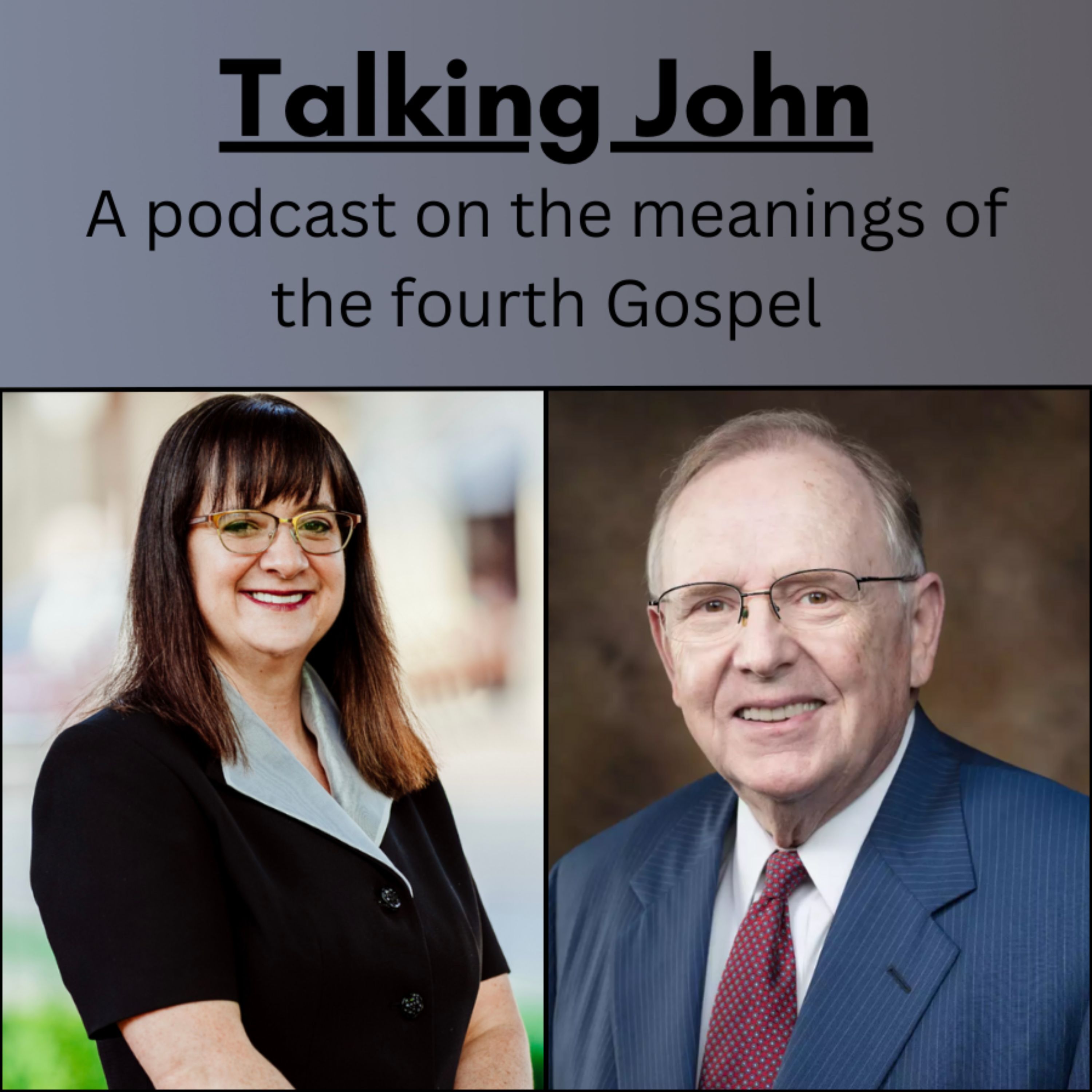
”Talking John” is a series of podcasts featuring Dr. John White Jr., Chancellor Emeritus for the University of Arkansas, and Rev. Dr. Michelle J. Morris, Lead Pastor of First United Methodist Church of Bentonville, as they discuss their personal and professional connections to the Gospel of John and offer their scholarly and personal reflections.
-
42
Talking John - Episode 2: I Am Bread and True Vine
Season 2, Episode 2: I AM Bread and True Vine Scripture: John 6:26-70 and 15:1-8 Description: As we dive into two images that are so central to John White’s faith, we hope that you will find a way of understanding community and connection to Christ. Questions to consider if you are using this podcast for study: How does knowing the context of a teaching (like the feeding of the 5,000 before “I am the bread of life”) change the way you understand it? Where do you see God meeting both physical and spiritual needs in your life or community? Why do you think we often default to “doing” instead of “believing”? What does it look like to truly trust instead of striving? What memories or experiences shape your understanding of communion or “bread” in your faith journey? What practices help you stay connected (abide) in Christ? What tends to pull you away? What might God be “pruning” in your life right now? How do you discern what to release and what to keep? What does it look like for a church or group to truly carry one another’s burdens? Where do you see this happening—or missing?
-
41
Talking John - Season 2, Episode 1 - "I Am: The Good Shepherd and the Gate"
"I Am: The Good Shepherd and the Gate" Scripture: John 10:1-18 Description: Welcome to our next group of podcasts here in Talking John, where we will be discussing the “I Am” statements from the Fourth Gospel. We start with I am the Good Shepherd and the Gate from Chapter 10. Questions to consider if you are using this podcast for study: How does it change your understanding of Jesus to hear that “I Am” echoes the divine name (the God of “being” itself)? What difference does it make to you that Jesus uses that holy phrase and then attaches such everyday images to it (bread, light, gate, shepherd, vine, etc.)? When you hear Jesus say, “I am the gate” and “I am the good shepherd,” what kind of protection or security do you long for most right now? Where in your life have you experienced God’s protection—not that trouble disappeared, but that you were held in the middle of it? The group mentioned that in Psalm 23, “follow” can be better translated as “pursue.” How does it change things to imagine goodness and mercy actively chasing after you? Can you name a time when it felt like God’s goodness “caught up” with you even when you weren’t looking for it? Jesus says his sheep know his voice and will not follow a stranger. In our noisy world, what helps you discern Jesus’ voice from all the other “thieves and robbers”? Are there particular messages, movements, or “Christian” voices you now recognize as a stranger’s voice rather than the Shepherd’s? What tipped you off? The conversation named how anxious and divided our country feels right now, and how many people are scared. What does it look like, very practically, to “lean on the Good Shepherd” in a season of fear or confusion—personally, and as a church? They talked about people who have deconstructed harmful forms of Christianity and feel like their faith is gone, when maybe it has actually grown. If you’ve questioned or taken apart parts of your faith, where do you sense Jesus as the gate—inviting you into a truer, healthier pasture rather than out of faith altogether? Michelle described herself not as the shepherd, but as the sheepdog—barking, nudging, and helping the flock stay close to Jesus.In your own context (home, work, church, community), where might God be calling you to be a “sheepdog”—not the Savior, but someone who helps people stay close to the Good Shepherd?
-
40
Talking John - Episode 39: "This Testimony Is True"
Scripture: John 21:20-25 Description: We have come to the end of the Gospel, when we will reflect on God’s individual call on the life of Peter, and John, and Paul, and YOU! Also, just when you thought we were at the end, a surprise awaits… Questions to consider if you are using this podcast for study: Reflecting on the phrase, “Walk your talk,” where in your life do your actions already line up well with your love for Jesus? Where might there be a gap between what you say you believe and what you actually do? The conversation mentioned Peter’s initial focus on Jews and God pushing him toward Gentiles as well. Who are the “Gentiles” in your world—the people we don’t naturally think of as “ours”—and what would it mean to include them in our ministry? Peter’s “Lord, what about him?” feels very human. How do you see comparison or rivalry show up among Christians today (or in your own heart)? What might it look like to hear Jesus say to you personally, “What is that to you? You must follow me”? Peter and John both follow Jesus but in very different ways and with different missions. How does it change your view of discipleship to remember that not everyone is called to serve or grow in the same way you are? John identifies himself as the disciple who “testifies to these things” and whose testimony is true. If you were to name your own primary role in the story (like “witness,” “encourager,” “teacher,” “servant,” etc.), what might it be right now? Why? The podcast talks about both “mission accomplished” and still having more layers to peel in John’s Gospel. Where in your spiritual life do you sense something has been completed—and where do you sense there are still layers Jesus wants to keep working on with you?
-
39
Talking John - Episode 38: "Swimming With the Lambs"
Episode 38 - Swimming With the Lambs Scripture: John 21:1-19 Description: Well, we have made it to Chapter 21. Even though we will discuss the haul of fish and the threefold confession of love, we still won’t make it to the end. But that is because there is so much left to say. Enjoy this extra long episode! What does the vague timing (“afterward”) tell us about the disciples’ waiting season? How do we handle our own “what now?” moments after spiritual highs? Do you read Peter’s return to fishing as backsliding, prudent waiting, or seeking comfort after shame? Where do you tend to “snap back” when life is uncertain? Why might John leave two disciples unnamed? How does that narrative choice invite us into the story? John notes a charcoal fire both at Peter’s denial (18:18) and at breakfast with Jesus (21:9). How might smell/memory set the stage for Peter’s restoration? Where have you experienced God redeeming a place of failure? Whether symbolic or literal, what could the large number and un-torn net suggest about the scope and resilience of the Church’s mission? What do you think “these” refers to (work, friends, others’ devotion)? How does each reading challenge our priorities? And how do you hear the shift from feed my lambs → take care of my sheep → feed my sheep? The chapter seems to hold space for different styles of discipleship (John and Peter). How do diverse gifts and callings coexist in a healthy church today—and what guardrails keep those differences from becoming divisions?
-
38
Talking John - Episode 37: "In Praise of Being Late"
Episode 37 - In Praise of Being Late Scripture: John 20:19-31 Description: In this episode, we consider whether Thomas may be the disciple with the deepest faith. Doubt often leads to deep faith. Questions to consider if you are using this podcast for study: How can doubt be an essential part of a deeper faith, as the conversation suggests? Have you ever experienced doubt that ultimately strengthened your belief? Thomas was absent when Jesus first appeared to the disciples. What might his absence (and later presence) teach us about the role of timing, community, and personal encounter in faith? The Gospel contrasts those who see and believe with those who believe without seeing. How does this tension speak to modern faith, where we rely on testimony and tradition rather than physical presence? The hosts highlight that Jesus’ encounters often restore people to community (e.g., Samanda, the Samaritan woman). When have you experienced this kind of restoration through faith? Instead of condemning Thomas, Jesus meets him where he is and offers him proof. What does this reveal about Jesus’ approach to our questions and hesitations? How does Thomas’ “second chance” encounter with Jesus encourage us in our own spiritual lives when we feel like we’ve missed out or failed? The tradition that Thomas went to India and was martyred suggests his faith grew strong despite, or perhaps because of, his initial doubt. How does this shape the way we interpret his story beyond the “Doubting Thomas” label?
-
37
Talking John - Episode 36: "Darkness Turns to Light"
Episode 36 - Darkness Turns to Light Scripture: John 20:1-18 Description: As the dawn breaks on the morning the disciples discover Jesus is gone from the tomb, the truth of the resurrection is also revealed. But the new light of understanding still has to drive away some of the darkness of their misunderstanding as well. So it is also with us. Questions to consider if you are using this podcast for study: The speakers note the differences between John's resurrection account and the Synoptics. What stood out to you about John's telling of the resurrection? How do these differences affect your understanding of the resurrection story? Reflect on Mary Magdalene’s role in this chapter. Why do you think she is the first to encounter the risen Jesus? How might her grief, courage, and recognition of Jesus speak to our own experiences of loss and hope? The podcast discusses a possible scribal error that could change Jesus’ words from “Do not touch me” to “Do not be afraid.” How does each version shape your understanding of Jesus' interaction with Mary? Which interpretation resonates more with you and why? The theme of “seeing is believing” versus “believing is seeing” comes up repeatedly. How do you interpret John’s statement that he “saw and believed” yet still “did not understand from Scripture”? What does this say about the process of coming to faith? The podcast highlights the central role of women as the first witnesses to the resurrection. Why is this significant, especially in the cultural context of the time? What message might this hold for the church today? The speakers draw parallels between the Garden of Eden, the garden of Jesus’ resurrection, and the garden of Gethsemane. How does this garden imagery shape your understanding of God’s work in creation, redemption, and restoration? The conversation reflects on the very human, sometimes hesitant, reactions of the disciples to the resurrection. How do these portrayals encourage or challenge you in your own journey of faith?
-
36
Talking John - Episode 35: "Nic at Nearly Night"
Episode 35 - Nic at Nearly Night Scripture: John 19:1-42 Description: The crucifixion is upon us, and it is the world’s great tragedy. But in the Gospel of John, it is also an exaltation, and the birth of something new. What kind of faith will it birth? We debate that reality around the character of Nicodemus yet again. Questions to consider if you are using this podcast for study: How do we hold the tension between honoring the reality of Jesus’ suffering on the cross and avoiding either sanitizing it or sensationalizing it? In what ways do different portrayals (like The Passion of the Christ or the example from Glory) help or hinder our understanding of the crucifixion? Why do you think the Gospel of John gives fewer physical details about the crucifixion than the synoptic Gospels? How does this emphasis on Jesus’ divinity shape our interpretation of his death? The podcast describes the moment Jesus entrusts his mother to the beloved disciple as the 'birth of the Church.' How does this moment reflect the formation of spiritual family, and what implications does it have for how we understand community in the church today? What does Pilate’s role in Jesus’ death teach us about moral responsibility in the face of public or political pressure? Nicodemus’ presence at the burial reignites the question of whether he truly believed in Jesus. What can Nicodemus’ ambiguous faith journey teach us about the process of belief, doubt, and transformation? Joseph of Arimathea and Nicodemus take bold steps to care for Jesus’ body, despite religious and political risks. When have you seen someone in your life—or in history—take a risky, compassionate stand, and what did that teach you about faith in action? The absence of most disciples at the crucifixion contrasts with the faithfulness of the women and John. What does this moment say about fear, loyalty, and second chances in the life of faith?
-
35
Talking John - Episode 34: "What Is Truth?"
Episode 34 - What Is Truth? Scripture: John 18:1-40 Description: This chapter is filled with failures of leadership.In some instances, it seems as though people are making decisions to preserve their own power. In others, it may be to keep those with more power than them from crushing down upon them. What do you think is behind the actions of Annas, Caiaphas, and Pilate? Are they after truth or just privilege? Questions to consider if you are using this podcast for study: “What is truth?” Pilate’s question echoes through history. Do you hear it as cynical, confused, or sincere? How do you personally wrestle with defining or discerning truth in your life? In this chapter, Jesus seems to assert control even in the face of arrest and judgment. How does John's portrayal of Jesus as calm and commanding shape your understanding of divine power? When Jesus says “I am he” and the crowd falls back, it is seen as a culmination of all the “I am” statements in John. What does this moment tell you about Jesus' identity and mission? Peter’s denials are presented without mention of his weeping in John’s Gospel. Do you see this as an omission of mercy, or as a critique? How do we hold space for both failure and grace in our own lives? Much of the narrative focuses on people trying to avoid responsibility (Pilate, Peter, the crowd). Where are we tempted to do the same today? How can we recognize and resist those moments? The podcast contrasts the Synoptics’ portrayal of Jesus’ agony with John’s portrayal of exaltation. How do both perspectives deepen your understanding of Jesus’ humanity and divinity? Even amid betrayal, denial, and political games, Jesus chooses the path of sacrificial love. How does this challenge or inspire your own capacity to love, forgive, and serve?
-
34
Talking John - Episode 33: "The Lord's Prayer"
Episode 33 - The Lord’s Prayer Scripture: John 17:1-26 Description: This chapter is the Lord’s prayer. Not the one you are used to hearing or can possibly recite, but the prayer Jesus has for himself, for the disciples, and for all of us. What if we knew these words by heart too? Would it change how we treat one another? Questions to consider if you are using this podcast for study: How does it impact your understanding of Jesus to realize that he specifically prayed for you in John 17? What does it mean to you that Christ was thinking of future believers—us—in his final hours? Jesus prayed that all believers “may be one,” not that we would be the same. How do you personally navigate differences in belief, practice, or politics within the Church? What does unity in Christ look like to you? Jesus asks that his followers be sanctified in truth. What role does Scripture, prayer, or community play in helping you stay grounded in truth? How is God continuing to sanctify you? Jesus says the disciples “have obeyed your word,” even though we know they falter. How does this give you hope in your own imperfect journey of faith? Where do you sense God naming your progress rather than your failures? Jesus prays for himself, then his disciples, then future believers. How might this order reshape your own prayer life? Who are the “future believers” you could be praying for right now? In a culture full of conflict, how do you hold on to the “joy, joy, joy down in your heart”? What are practical ways to stay centered in Christ while surrounded by division, frustration, or fear?
-
33
Talking John - Episode 32: "Just a Little While"
Episode 32 - Just a Little While Scripture: John 16:1-33 Description: There are so many things to think about in this chapter: how the Trinity works, is the Holy Spirit also available to nonbelievers, is Jesus speaking plainly or not? All these things to think about, and just a little while to do it. Uh oh. Questions to consider if you are using this podcast for study: How do you think about time in your relationship with God? What does “a little while” mean when seen through an eternal perspective—and how might that change how you live or wait in your current season? What does it mean to you that the Holy Spirit convicts “the world”? Do you believe the Spirit works in non-believers too? How have you seen or experienced the Spirit working in unexpected people or places? Jesus promises to speak more plainly—but often still uses metaphor and mystery. Why do you think Jesus sometimes spoke in ways that were hard to understand? How do you respond when Scripture feels unclear or challenging? John 16 offers a rare, rich glimpse of the Trinity. How does your understanding of God deepen when you reflect on the unity of Father, Son, and Holy Spirit? What role does each person of the Trinity play in your faith life? The disciples say, “Now we believe!”—right before they scatter in fear. When have you felt strong in your faith one moment, only to feel unsure or shaken shortly after? How does Jesus’ response offer grace in those moments? The podcast discusses how Methodists (and many Christians) struggle to talk about their faith. What holds you back from sharing your beliefs more openly? What might make that easier or more natural? Jesus leaves so the Spirit can come. Have you ever experienced a loss or change that, in hindsight, made room for something better or more lasting? How do you recognize God’s gifts in those transitions?
-
32
Talking John - Episode 31: "In or Of"
Episode 31 - In or Of Scripture: John 15:18-27 Description: In this episode, we consider the age old question of what it means to be in the world, not of the world, using our own struggles with wanting to be popular as the lens through which we view this tension. Questions to consider if you are using this podcast for study: “If the world hates you…” Jesus begins this passage with if, not when. What difference does that wording make to you? Do you interpret it as a warning, a comfort, or something else? The hosts talk about wearing "in the world" versus "of the world" glasses. How do you personally recognize which lens you're using in daily life? What helps you reframe your perspective? Have you ever felt tension between following your faith and being accepted or “popular” in your community, workplace, or social circle? How did you handle that? The contrast between Jesus’ love-driven leadership and Machiavelli’s fear-driven approach raises deep questions about how we influence others. In your life or leadership, do you find yourself leaning more toward control or love? Verses 26–27 emphasize the Holy Spirit’s role in testifying about Jesus—and the call for us to do the same. What does “testifying” look like in your life right now? Are there ways you feel called to speak or live more boldly? The conversation touches on how people in relatively safe contexts sometimes claim persecution for minor inconveniences. How do we differentiate between real persecution for our faith and discomfort that simply comes from living in a diverse society? Toward the end, they talk about the disciples eventually going “all in.” Where in your own faith journey are you holding back? What would it mean for you to push all your chips to the center of the table?
-
31
Talking John - Episode 30: "Fully Present"
Episode 30 - Fully Present Scripture: John 15:9-17 Description: Jesus calls us friends. Friends! What does it mean to truly think of Jesus as a friend? Perhaps our own good friendships can help us understand how to love Jesus better. Questions to consider if you are using this podcast for study: What “pruning” might be necessary in your life or ministry right now? Are there good and even fruitful things that may need to be cut back so that more meaningful fruit can grow? What practices or activities most connect you to God? Are those prioritized in your life, or have they been crowded out by other responsibilities? How do you distinguish between acquaintances and true friends? How do Jesus' words in John 15 reshape your understanding of friendship? Jesus says, “I no longer call you servants... I have called you friends.” What does it mean to imagine yourself as a friend of Jesus? How does that change your relationship with him? How might the church better create spaces for authentic connection and holy friendship? In what ways can your faith community be a remedy for loneliness? What brings you lasting joy? How is that joy different from temporary happiness or pleasure? How do you cultivate that kind of joy?
-
30
Talking John - Episode 29: "Fruit of the Vine"
Episode 29 - Fruit of the Vine Scripture: John 15:1-8 Description: Jesus is the vine and we are the branches. But what if we are struggling to bear fruit? We will look at the discipline of pruning today, noting that sometimes we have to give up something to experience the fullness of God’s abundance. Questions to consider if you are using this podcast for study: What does “remaining” or “abiding” in Christ mean to you personally? How does that look in your daily life, and what helps or hinders that connection? Have you ever experienced a “pruning” season in your life? How did God use that experience to help you grow or bear more fruit? John White talked about being “busy but not productive.” Where in your life do you see busyness that might not be bearing spiritual fruit? What’s in your “paper bag”? What are the things you might be holding onto that keep you from fully embracing what God is offering? The interpretation of the word as “lifts up” instead of “cuts off” gives a different picture of God’s character. How does this alternative understanding affect your view of God’s grace and the church’s role in lifting others up? The imagery of the banquet table vs. the bologna sandwich was powerful. Why do you think it's hard for people to let go of what’s familiar—even if it’s meager—in order to receive God’s abundance? John White mentioned how abiding in Christ changed both his faith and his professional life. How might your relationship with Christ transform areas of your life beyond just the “spiritual”?
-
29
Talking John - Episode 28: "Peace Out!"
Episode 28 - Peace Out! Scripture: John 14:27-31 Description: Jesus promises to give us peace not as the world gives. What does that mean? We reflect on that question and look back on John 14 as we prepare to move into John White’s favorite chapter. Questions to consider if you are using this podcast for study: What’s the difference between the peace the world offers and the peace Jesus offers? Have you ever experienced that kind of peace that “passes understanding”? What was it like? Jesus says, “Do not let your hearts be troubled and do not be afraid.” What troubles your heart most these days? How might Jesus' words speak into those areas? Where do you notice the influence of the world's version of peace, success, or love in your own life or community? How can you reorient your thinking to align with Jesus' way? The story of the professor who always answered “lousy” illustrates the need to listen closely. In your own relationships, are there people you need to listen to more intentionally? How can we cultivate a deeper kind of listening as disciples? How do you personally understand the cost of Christ’s love? How does that shape the way you live, pray, or serve others?
-
28
Talking John - Episode 27: "The Faith of Judas Not Iscariot"
Episode 27- The Faith of Judas Not Iscariot Scripture: John 14:18-26 Description: Faith can sometimes be a confusing journey. In this episode we remember the promise that Jesus won’t leave us alone in that journey. The Holy Spirit will continue to be with us. Even if we don’t fully understand what that means. Questions to consider if you are using this podcast for study: “I will not leave you as orphans” — When in your life have you most needed to hear that promise from Jesus? How did you experience God’s presence during that time? What does it mean to you that God chooses to "make a home" with us? Can you recall a time when you felt God’s presence dwelling with you in an ordinary or unexpected place? The Holy Spirit is described as Advocate, Teacher, and Reminder. Which of these roles feels most relevant to your life right now, and why? Judas (not Iscariot) asks a question that shows he still doesn’t fully understand. Have you ever had a similar moment where something finally “clicked” in your faith after a long time of not getting it? What helped? The podcast names how hard the doctrine of the Trinity can be to grasp. How do you personally relate to the idea of God as Father, Son, and Holy Spirit? Which person of the Trinity feels most central to your faith journey right now? Michelle and John emphasize that we don’t always need full understanding— only trust. Where in your life are you being invited to trust God more deeply, even without all the answers?
-
27
Talking John - Episode 26: "Talking John Live!"
Episode 26 - Talking John Live! Scripture: John 4:4-42 Description: In this special episode, we are joined by Rev. Jonathan Tompkins, Senior Pastor of St. Andrew-by-the-Sea in Hilton Head, SC. His church is making its way through the Gospel of John during Lent and using this podcast to help guide the conversation. We return to Samanda, the Woman at the Well in John 4, to share what this passage means to us. Questions to consider if you are using this podcast for study: Have you ever deliberately avoided community? Why? What adjustments to your life have you had to do to avoid people? Lots of people make assumptions about Samanda. When have your seen people made assumptions without knowing the whole story? What damage was done when that happened? Do you find comfort in the disciples not always getting it? Why or why not? When do you remember having a really good drink of water? How does that experience help you understand the power of the living water that Jesus offers us? What about this story in John 4 moves you or gives you hope?
-
26
Talking John - Episode 25: "Greater Things?"
Episode 25 - Greater Things? Scripture: John 14:12-17 Description: More tough, somewhat unbelievable teaching from Jesus, including the promise that we will do greater things than he does. What?!?! How is that even possible?!?! Listen, and learn even more about the joy and challenge of following Christ. Questions to consider if you are using this podcast for study: Jesus tells the disciples they will do greater things than He did. How do you interpret that promise in your own life? What might "greater things" look like for you in terms of faith and service? How does it help you to understand “greater things” as helping to bring people to Jesus? When have you been part of such an experience? Has anyone ever spoken in your name by crediting something to you that you never said? Or has anyone tried to protect you by not sharing all the information with you that they could? How did that impact your relationship with that person? Have you ever struggled with understanding why certain prayers weren’t answered the way you hoped? How did that experience impact your relationship with God? How does obedience to God reflect your love for God? Are there any commands or teachings that you find particularly challenging to follow? How does this command to love influence your daily interactions with others, especially when it's difficult to show love? How have you experienced the presence of the Holy Spirit in your life? In what ways has the Spirit taught or reminded you of God's truth? Have you experienced healing in a way that wasn’t necessarily physical? How does your understanding of healing shape your prayers and expectations? The disciples likely felt confused and uncertain after hearing Jesus' words. Have you ever faced a time of doubt or uncertainty in your faith? How did you handle it, and where did you see God at work during that time?
-
25
Talking John - Episode 24: "Department of Redundancy Department"
Episode 24: "Department of Redundancy Department" Scripture: John 14:7-11 Description: No matter how many times Jesus tries to teach the disciples who he is, they just don’t seem to understand. But we acknowledge, as frustrating as it is for teachers, sometimes repetition is needed to truly allow learning to take hold. Questions to consider if you are using this podcast for study: What does it mean to you to really know someone? Who really knows you? Whom do you really know? What are some of the things you do to know Jesus better? When have you been frustrated by someone with “instant forget”? Do you understand things better with concrete examples or symbolic metaphors? Which helps you to better understand God? What are some words you know by heart that you rely on? How has repetition helped you learn something? Which of the people from the Gospel of John that John White has named feel more real to you now? Why?
-
24
Talking John - Episode 23: "A House With Many Rooms"
Episode 23: "A House with Many Rooms" Scripture: John 14:1-6 Description: As we ponder what troubles hearts, we also imagine what it will be like when we are beyond trouble in the Father’s house of many rooms. Questions to consider if you are using this podcast for study: What troubles your heart today? How have you seen fear and misunderstanding collide recently? What issues did it create? If it was overcome, how did that happen? What does heaven look like to you? What room are you headed for? Can you think of a situation that required assent from everyone in the group in order for it to come out well? What happened? When have you seen someone go from a question mark to an exclamation mark? How do you understand Jesus’ words, “I am the way, the truth, and the life. No one comes to the Father except through me”?
-
23
Talking John - Episode 22: "They'll Know We Are Christians"
Episode 22 - "They’ll Know We Are Christians" Scripture: John 13:31-38 Description: We look at the actions of Judas and Peter at the end of this chapter, anc consider what each of them tell us about following Jesus, especially when it gets tough. Questions to consider if you are using this podcast for study: When have you seen a pastor who is too trusted take advantage of that trust, or seen a pastor not trusted enough face unfair critique in your experience in church? When have you wanted the Bible to include more detail than it does? What are some details you imagine or would like to know about this passage? What words of Jesus do you think are too often misunderstood? What does it take for you to really hear Jesus? When do we do well at loving one another? When do we fail at it? When have you, like Peter, made a promise to God that you didn’t keep, at least initially?
-
22
Talking John - Episode 21: "Pay Attention"
Scripture: John 13:1-30 Description: We have entered the Farewell Discourse, where Jesus is sharing his last words with the Disciples. We look at the significance of last words and actions, and the consequences of not paying close enough attention, especially to the people in our lives. Note: We will discuss a suicide in this episode. Please take care as you listen, and if you are considering suicide, reach out to someone who loves you or call the suicide hotline - 988. Questions to consider if you are using this podcast for study: What words do you most want to share with the ones you love? What is keeping you from sharing them? Have you ever been part of a foot washing? If so, what was the experience like? What does it mean to you that Judas is seated in the position of honor? Do you think Judas had a choice? Why or why not? Has someone ever sold you out? How did you navigate that situation? When have you not paid attention and regretted it later?
-
21
Talking John - Episode 20: "A Donkey's Path or a Purposeful Path"
Scripture: John 12:12-50 Description: We talk about the short shrift John gives to the Palm Sunday entry, and learn about the role donkeys played in building roads. We also consider what it means to follow Jesus, and to follow a God who is so purposeful in all God does. Questions to consider if you are using this podcast for study: What does the phrase “The Lord works in purposeful ways” mean to you? How does it differ from the usual expression that “The Lord works in mysterious ways”? When in your life has it been important to pay attention to each step you take, either literally or figuratively? When have you taken the easy path as opposed to the more difficult path? What was a result? What does the verse, “Those who love their lives will lose them, and those who hate their lives in this world will keep them forever” mean to you? When have you had to give up something that was deeply precious to you for the benefit of someone else? How did that feel? What do you think is good about our focus on the individual over the collective in this culture? How do you think we suffer because of that perspective?
-
20
Talking John - Episode 19: "There's Something About Mary"
Episode 19: There’s Something About Mary Scripture: John 12:1-11 Description: The anointing of Jesus takes place in all four Gospels, one of the few scenes to show up in all of them. What was so significant about this story? Is it the action taken, or the woman who cares for Jesus in such a tender and profound way? Questions to consider if you are using this podcast for study: How many anointings do you think took place in Jesus’ lifetime? Why do you think that? Does it significantly change the story if there are one, two, or three? Why do you think this story is remembered in all four Gospels? What is significant about how it is remembered (ie what details are remembered and what are left out)? When have you been displaced in your life? How did you find ways to serve the people who were helping you? Have you ever felt disregarded? How does your faith strengthen you in those moments? What did you learn about the biblical Marys in this episode? When you think about these Marys, what is most meaningful to you about them?
-
19
Talking John - Episode 18: "Thomas, Tombs, Tattletales, and Time"
Episode 18 - "Thomas, Tombs, Tattletales, and Time" Scripture: John 11:1-57 Description: This episode covers the raising of Lazarus. We start out considering whether Thomas is unfairly maligned and end knowing that Jesus definitely is. In the middle we consider how to understand the miracle and to remember to include Jesus’ humanity as we think of him. Questions to consider if you are using this podcast for study: Thomas gets associated with the adjective doubting, but we see Thomas behave other ways, like in this passage. When have you or someone you have known been incompletely characterized by one moment? How does a relationship with Jesus expand who we can be? Martha takes a few steps forward in faith, and then slides a bit back. How has your journey of faith proceeded? Like Martha’s or some other way? What does it mean to you to know that Jesus wept? What helps you connect with Jesus’ humanity? Why is it meaningful to see the humanity of Jesus?
-
18
Talking John - Episode 17: "Counting Sheep and Penguins"
Episode 17 - Counting Sheep and Penguins Scripture: John 10:1-42 Description: In this episode, we account for sheep and penguins. It turns out, they both need to hear the voice of the one who loves them. We do too. Questions to consider if you are using this podcast for study: Whose voice would you recognize in any time or place? Why is that voice meaningful or noticeable to you? What was something new or interesting you learned about sheep in this episode? How will it inform your understanding of faith? What is an experience you have had in nature that has taught you something about God and God’s love for us? Shepherd is used to describe Jesus for the people of the first century, and it would have had real meaning for them. Shepherds were everywhere, and it is likely that people knew the difference between a good and a bad one. What would be a meaningful image for us today in place of shepherd? Have you ever carried around metaphorical rocks to throw at someone in your life? How did that feel? Why did you feel like you needed them? What is a biblical passage that has meaning for you (whether you could remember the chapter and verse or not)?
-
17
Talking John - Episode 16: "I Once Was Blind"
Episode 16 - I Once Was Blind Scripture: John 9:1-41 Description: In this Chapter, a favorite of John White’s, we look at the healing of the blind man, and the subsequent negative reaction that occurs all around him. We then ask questions about who was really blind in this story. Questions to consider if you are using this podcast for study: Why do you think there was so little celebration for this man who was healed of his blindness? When have you felt treated like just an object and not a person, or when have you realized you treated someone else that way? How did it feel? What do you wish had been done differently? When has someone you didn’t expect brought wisdom or talents or understanding? How did you respond? Who was blind in this story for you? What does it take to change someone’s perspective? Why do people resist such change?
-
16
Talking John - Episode 15: "The Darkness Will Not Overwhelm"
Episode 15 - The Darkness Will Not Overwhelm Scripture: John 8:12-59 Description: We discuss the rising conflict between Jesus and the Jewish Leaders. We also address how Chapter 8 has falsely and tragically been used to justify anti-semitism. And we will close out this chapter reflecting on damaging theologies around suicide. If you or someone you love is considering suicide, call or text the suicide emergency number at 988. Questions to consider if you are using this podcast for study: Why do you think it is nearly impossible for some people to choose to follow Jesus? When have you had to change your perspective on something? How did you go about making that change? What is a belief or perspective that you have that you would never give up? Why would you not give it up? When have you seen the Bible used to justify perspectives that seem contradictory to what God wants for us? What does it mean to you to realize that the church no longer condemns those who die by suicide?
-
15
Talking John - Episode 14: "Stoned"
Episode 14 - Stoned Scripture: John 8:1-11 Description: We stay focused on the story of the woman caught in adultery, who John White names Sindy. We recognize that all of us at one time or another have picked up a stone to hurl at others, and we name some of those stones that we hurl. Questions to consider if you are using this podcast for study: What do you love about this story, and what bothers you about it? Do you think it is authentic to the Gospel of John or not? What do we lose if it is not included? What color of metaphorical stone(s) have you picked up in your lifetime to throw at someone else? How have you learned to deal with this kind of judgment? What color of stones have been thrown at you? What was the impact on your life? What color stones are you holding in your hands right now? What would it take to drop them?
-
14
Talking John - Episode 13: "Water Thicker Than Blood"
Episode 13 - Water Thicker than Blood Scripture: John 7:1-53 Description: In this episode, we learn some background on the Festival of Tabernacles (aka the Festival of Booths). We also discuss the potential sibling rivalry between Jesus and his brothers. Then we consider how we all judge one another on external conditions - where we grew up, what our schooling level is, etc. and challenge us all to see more clearly - with the eyes of Jesus. Questions to consider if you are using this podcast for study: What did you learn that was interesting about the Festival of Tabernacles? How in your family have you seen sibling rivalry at work? What is good about sibling rivalry, and what can be disastrous? Have you ever been judged unfairly because of something in your background or your current condition? How did you respond? When have you judged someone else unfairly, and what did you learn from that experience? What is special about you that you think God sees, even if no one else sees it?
-
13
Talking John - Episode 12: "The Chosen"
Episode 12 - The Chosen Scripture: John 6:26-70 Description: We are still in these same verses, but didn’t I mention last week that these were difficult teachings? We can’t just fly past them. In this episode, we will dip our toe into the debate around chosenness: are all people chosen by God, or just some? And does the chosen include Judas? Questions to consider if you are using this podcast for study: What does the word “chosen” mean to you? What emotions does it evoke? What memories do you recall when you hear that word? Protestantism is broken into 2 camps around election/chosenness: Arminians who believe all are chosen, and Calvinists who believe that only a select few are elected for salvation. Which perspective do you choose to believe, and why? Having studied the Gospel of John so far, which perspective do you think matches up with this Gospel more, and why? What does it mean to you to think about Judas as chosen by God? When does the church need to practice disruption? Which attitude do you think is more harmful to the church: “We’ve always done it this way,” or “What does church do for me?” What damage does each one do? Is there anything helpful about those perspectives?
-
12
Talking John - Episode 11: "Vampires and Cannibals"
Episode 11 - Vampires and Cannibals Scripture: John 6:26-70 Description: Jesus is hitting the people with a hard teaching - eat his flesh and drink his blood. Many will turn away because of this teaching, but it will also give theological backbone to a central practice of the church: communion. Questions to consider if you are using this podcast for study: If you were in a crowd and had come to hear an acclaimed speaker, and that speaker started telling everyone to eat their flesh and drink their blood, what would you think of that speaker? If you have never been part of a communion service before, look up online a communion liturgy, and if you have, recall the words of the liturgy. How does it feel to experience those words for the first time? What questions does it raise for you? Where is it strange and where is it powerful? What teachings of Jesus do you find it hard to live with? Why? What kind of teaching/learning is more meaningful for you: concrete, practical teaching or metaphorical, poetic teaching? Why do you think you resonate with that type more? For you, what is the difference between believing and believing in?
-
11
Talking John - Episode 10: "Bread and Water"
Episode 10 - Bread and Water Scripture: John 6:1-21 Description: We look at two miracles (feeding 5000 and walking on water) and recognize that how you describe them matters - and reflects your own point-of-view, whether you are a Gospel writer or reader. So what do you think: was the feeding of the 5000 a miracle of creation or a miracle of generosity, and why? What “regular things” have taken on great meaning and power for you? Why do they have that meaning? Think about your last few weeks and any challenges or opportunities that have been put before you. Have you reacted more like Philip (doubted it was possible), Andrew (willing to think of ideas but wanted to lay out practical steps), or the little lad (bringing what you had, trusting you could make something of it)? What would it take for you to react like the little lad if you didn’t? When have you thought God was crazy for believing in you? Or if not God, someone else? If you have ever had a rival, how would you describe a success they had, especially if it was a time when you did not shine as brightly? What are some other differences you have noticed in the Gospels? What do those differences tell you?
-
10
Talking John - Episode 9: "Do You Want to Get Well?"
Scripture: John 5:1-18 Description: We look now at the healing of the man at the pool of Bethsaida. Does the man want to get well or not? Questions to consider if you are using this podcast for study: We all have struggles in our lives, physical and mental, and we sometimes deal with them in very different ways. During times of struggle, when have you been receptive to healing, and when have you resisted healing, and why? Do you think Jesus honors the man’s choices or do you think Jesus takes away the man’s agency in this story? Why do you think what you do? Where are some places that people do not choose to or like to go that you can still find Jesus? Have you ever felt like you were treated like an object more than a person? How did that feel? Have you encountered someone who could not take yes for an answer? How did that approach impact their relationship with other people? How do you explain your belief in Christ to others?
-
9
Talking John - Episode 8: "Live the Difference"
Episode 8- Live the Difference Scripture: John 4:1-42 Description: We continue our discussion of the Woman at the Well, this time reflecting on what difference Jesus makes in our lives. How are we changed, and how do we live differently? Questions to consider if you are using this podcast for study: What do you think happened to Samanda after Jesus left? Why do you think that? What constitutes “successful” evangelism? When has the Holy Spirit revealed something new to you? What effect did that revelation have? How can you live like Scripture makes a difference in your life? What would change, if anything?
-
8
Talking John - Episode 7: "A Woman of Good Repute"
Episode 7 - A Woman of Good Repute Scripture: John 4:1-42 Description: In this first of two episodes on the Woman at the Well, we correct some mischaracterizations of this woman. How did we get these assumptions? They have more to do with our own judgments than with her. Questions to consider if you are using this podcast for study: What name would you choose for the Woman at the Well, and why? When have you or someone you love been mischaracterized? What happened as a result of that mischaracterization? What is some physical aspect of you that tells people something about you? Who has surprised you with knowledge or a background or life story that you didn’t expect them to have? What did you learn? How can being honest about who we are set us free? How does Jesus restore us to community?
-
7
Talking John - Episode 6: "Nic at Night (Part 2)"
Scripture: John 3:1-36 Description: We continue our consideration of Nicodemus, and specifically look at what his story means to us. Then we turn to John the Baptist, and look at how we do leadership transitions in a healthy way. Questions to consider if you are using this podcast for study: If you or someone you know is wrestling with whether or not to be a follower of Jesus, how can Nicodemus’ story be helpful in that journey? What do you think is more important in faith, doing or being? Why do you feel that way? How does your Bible translation punctuate the conversation between Jesus and Nicodemus? What difference does the punctuation make? When have you seen a healthy transition of leadership? What made it healthy? When have you seen a terrible transition of leadership? What made it difficult?
-
6
Talking John - Episode 5: "Nic at Night (Part 1)"
Scripture: John 3:1-21 Description: We look at a character that only appears in John’s Gospel, Nicodemus, who turns out to be important to us both and important as we consider the journey of unfolding faith. We begin by considering whether we think Nicodemus ever actually became a true follower of Christ, and then make our way through implications for others in their faith. (Note: This episode is two parts. Look for the next one to release in a week). Questions to consider if you are using this podcast for study: Do you think Nicodemus becomes a follower of Jesus? Why or why not? What is the difference among being an admirer of Jesus, a good practitioner of ritual, and a follower of Christ? Where would you put yourself on this spectrum of faith right now? John Wesley, the founder of Methodism, called us to unite knowledge and vital piety - for our intellectual faith to be connected to our heart. Jesus is in some ways putting the same challenge before Nicodemus. How do we find balance in mind and heart in faith? When do we let the concerns of keeping things the same keep us from stepping into the vision God has for us? How do we overcome that challenge? What adjustments have you had to make for Jesus?
-
5
Talking John - Episode 4: ”Peeling Onions and Flipping Tables”
Scripture: John 2:13-25 Description: In this episode, we take a moment to think about the limits of interpretation of the Bible, and we discuss how John puts the flipping over table moment at the beginning of the story instead of at the end of the story like the Synoptics. We also wonder where the line is on making the church a business. Questions to consider if you are using this podcast for study: When have you had a new understanding of Scripture, particularly a Scripture you have read before? Where do you think that new understanding came from? When have you heard an interpretation of Scripture that you think exceeds the possibility of meaning? If you are part of a church, how is your building used, especially during the week? It we think of ourselves as God’s Temple, what are the implications for how we care for ourselves and each other?
-
4
Talking John - Episode 3: ”Big Giant Party”
Scripture: John 2:1-12 Description: Jesus’ first miracle in the Gospel of John was turning water into wine in Cana, a miracle that he might not have even done without the urging of his mother. We look at the practical reality of Jesus through this moment, and also imagine the Eternal Banquet that is yet to come. Questions to consider if you are using this podcast for study: When have you found yourself turning to God because you were in trouble? When have you done something for God that didn’t make sense? What do you think the Eternal Banquet will be like? Who will you be happily surprised to see if they are there?
-
3
Talking John - Episode 2: ”Called Out”
Scripture: John 1:19-51 Description: Jesus has the ability to see and know us beyond external appearances. We look at the call of the disciples in this first Chapter of John and what it means for us to be seen like this. We also lift up some aspects of servant leadership, particularly the willingness to let others shine. Questions to consider if you are using this podcast for study: What are your best gifts, talents, or characteristics? If Jesus was meeting you like he met Nathaniel, what would he say in celebration of you? When have you looked back on your life and noticed God at work in a moment when you didn’t see it at the time? How are you called to serve God? If you don’t know, how could you learn? What makes a great servant leader?
-
2
Talking John - Episode 1: ”Our Prologues”
In this first episode, Dr. John White Jr., Chancellor Emeritus for the University of Arkansas, and Rev. Dr. Michelle J. Morris, Lead Pastor of First United Methodist Church of Bentonville, discuss the personal and professional connections they both have to the Gospel of John, before then diving into the Prologue of the Fourth Gospel, John 1:1-18. Questions to consider if you are using this podcast for study: What is your own experience or personal connection to the Gospel of John? Have you ever read one of the Gospels in one sitting? If so, how did it change your understanding of the story? If you haven’t, consider this your invitation to try. What difference does faith make in your quality and duration of life?
We're indexing this podcast's transcripts for the first time — this can take a minute or two. We'll show results as soon as they're ready.
No matches for "" in this podcast's transcripts.
No topics indexed yet for this podcast.
Loading reviews...
ABOUT THIS SHOW
”Talking John” is a series of podcasts featuring Dr. John White Jr., Chancellor Emeritus for the University of Arkansas, and Rev. Dr. Michelle J. Morris, Lead Pastor of First United Methodist Church of Bentonville, as they discuss their personal and professional connections to the Gospel of John and offer their scholarly and personal reflections.
HOSTED BY
Talking John
CATEGORIES
Loading similar podcasts...
URL copied to clipboard!