
EPISODE · May 25, 2026 · 1H 57M
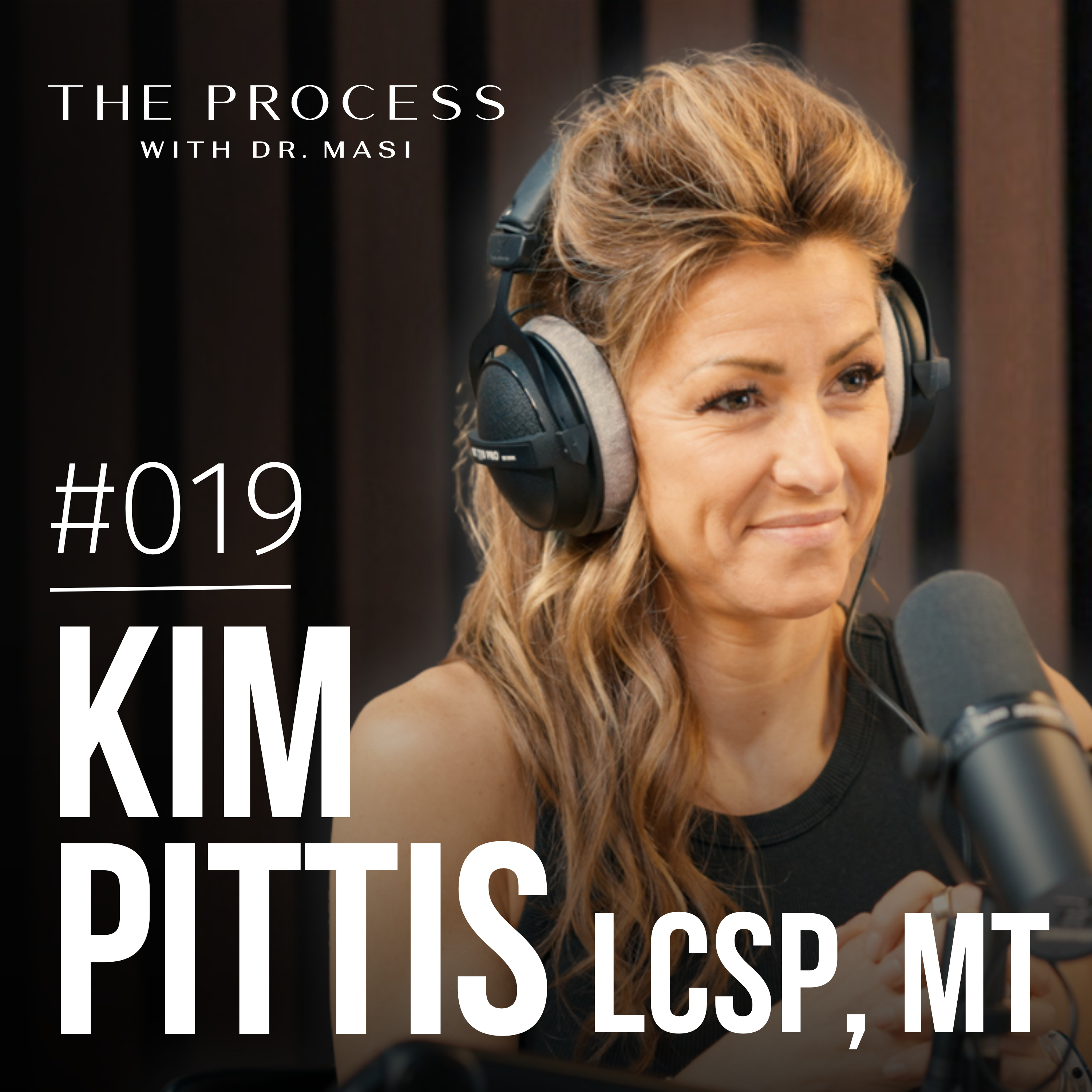
#019 - Kim Pittis LCSP, MT - Frequency Specific Microcurrent Explained
from The Process with Dr. Masi · host Dr. Masi Reynolds
Kim Pittis has spent more than two decades helping athletes and patients understand pain, recover from injury, and return to the things they love.As the Director and Lead Instructor of FSM Sports, Kim teaches Frequency Specific Microcurrent to practitioners around the world, blending manual therapy, biomechanics, osteopathic principles, and a deep understanding of how the body responds to injury.In this episode, Kim joins Dr. MASI for an accessible conversation on what Frequency Specific Microcurrent is, why it has become such an important tool in her practice, and how it may support healing, recovery, and better patient outcomes.They discuss the difference between microcurrent and TENS, the role of ATP and inflammation, why pain is often more complex than we think, and how the story a patient carries about their injury can shape the way they heal.Kim also shares her approach to working with athletes — not by telling them to stop doing what they love, but by helping them understand their body, build the right team, and find a path forward.This episode is for anyone curious about Frequency Specific Microcurrent, pain, healing, athlete identity, and the kind of care that helps people return to the lives they love.Expect to learn:• What Frequency Specific Microcurrent is• How Kim discovered FSM through sports therapy• Why microcurrent is different from TENS• How FSM may support ATP, inflammation, tissue pliability, and recovery• Why pain is not always a straightforward signal• How imaging can change the way patients relate to their injuries• Why athletes need practitioners who understand identity, fear, and purpose• How collaboration can improve outcomes in injury recovery• Why building the right team matters as much as finding the right treatmentChapters:00:00 — Intro01:56 — Kim’s Path to Frequency Specific Microcurrent06:46 — Working With Athletes and Building Trust17:05 — What Is Frequency Specific Microcurrent?23:31 — Resonance, Tissue Change, and the Science of Healing33:12 — Pain, Fear, and the Story We Build Around Injury40:28 — Acute Injury vs. Chronic Pain50:28 — FSM and Surgical Recovery01:05:45 — Building the Right Recovery Team01:51:06 — Closing ThoughtsHow to find Kim Pittis:Instagram:https://www.instagram.com/fsmsports365/FSM Sports:https://fsmsports365.com/Frequency Specific Microcurrent:https://frequencyspecific.com/faculty/kim-pittis-lcsp-mt/Follow Dr. MASI:Instagram:https://www.instagram.com/doctor.masi/MASI Clinic:https://masiclinic.com/Follow The Process:Instagram:https://www.instagram.com/_theprocesspodcast/Disclaimer:This episode is for informational and educational purposes only and is not intended as medical advice. Always seek the guidance of a qualified healthcare professional regarding any medical condition, injury, or treatment.The Process with Dr. MASI is not a substitute for professional medical evaluation, diagnosis, or treatment. Listening to this content does not create a doctor–patient relationship. The views expressed are the opinions of the hosts and guests and may not reflect the views of any affiliated institutions.
Embed this episode
NOW PLAYING
#019 - Kim Pittis LCSP, MT - Frequency Specific Microcurrent Explained
No transcript for this episode yet
Similar Episodes
No similar episodes found.
Similar Podcasts
No similar podcasts found.