Good evening everybody. My name is Shmai Lenny. I'm owner of Shmai's model health and I'm a fitness and nutrition expert So happy fourth of July and a very happy fourth of July to my American friends and family I hope you're having a fantastic day and my fellow Albertans if that's what I'd call you. I hope you're enjoying this weather.
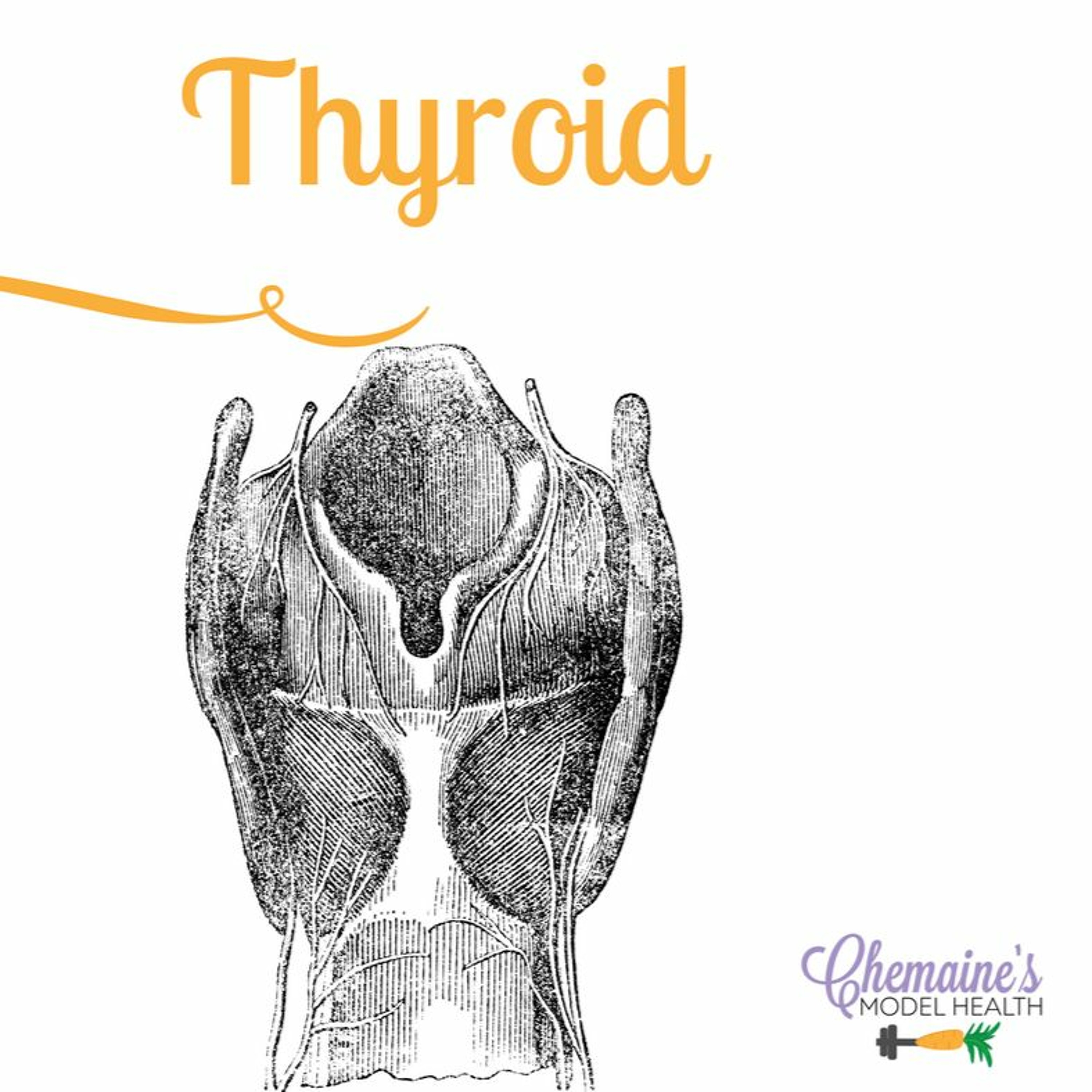
It's incredible So this weekend I have a big event coming up on a very very important topic on thyroid health So it's a live event and I'm excited for it So naturally I wanted to talk about the pyroids this week in this week's podcast And this will probably be a two or three part series because tonight I'm just going to talk about what the thyroid is and how the hormones are produced with Ben in future podcasts I will discuss more along the lines of testing and Protocols if that's what people would like to hear if you don't want to hear anything Let me know and I won't do it. All right, so moving on. What is the thyroid? Well, the thyroid gland is a butterfly shaped organ located in your neck below your Adam's apple So if you were to put your fingers in that kind of cavity at the bottom of your neck just before your chest That is where your thyroid gland sits.
So it's kind of like a bow tie around your neck It produces thyroid hormones which affect the function of just about every organ system in the human body Thyroid hormones are responsible for the crucial tasks of stimulating your metabolism of course And the metabolism of foods for extracting and absorbing vitamins minerals Nutrients from your foods and also breaking down proteins and carbohydrates And the production then of energy from that food They're also vital to the production of other hormones as well as to the growth and development of your nervous system and brain Which is very important The thyroid has been called the thermostat of the body as it maintains our temperature So indirectly the thyroid function affects every reaction in the human body in one form Or another since the thyroid has or the temperature and your body has to be just right for certain reactions to take place properly So let's look at how hormones are produced then the thyroid gland has multiple small narrow cavities and these are called follicles Filled with a clear material known as thyroid globulin so you may have heard of that and which is produced This is produced by a layer of thyroid epithelial cells known as tyrosites This material contains tyrosine which is an amino acid that is basically the starting material used for thyroid hormone synthesis So thyroid Tyrobulin functions like a reservoir for materials kind of like a little garage that holds all the materials that needs to be used in thyroid production Including the storage of iodine or iodine whatever you want to say I say I don't but I think Americans say different anyway So I died absorbed from food circulates in our blood and is absorbed into the thyroid gland where it has to be converted into a usable form by the body Which is iodine so this is done through an oxidation process and it's oxidized our iodide is converted into iodine True an enzyme known as thyroid peroxidase TPO so you may have heard of TPO Well, if you ever got your thyroid antibodies tested you may have heard your GP mentioned TPO numbers mean fine or whatever so Eventually with the enzyme and the iodine ideination and the oxygenation and all that we end up then with T1 T2 T3 T3 and 3 4 T4 but only T3 and T4 are biologically active in the body so then T3 and T4 are Storage and thyroid follicles until they are then needed so 20% of T3 hormone comes from thyroid secretion While the other 80% comes from T4 when T4 is converted to T3 through The ionized Asian process so if you have thyroid issues you may have heard that your T3 levels are low that your T4 is not converting into T3 enough for normal thyroid function so Just a side note here as well that one mineral that is essential to help T4 convert into T3 is zinc So keep that in mind when you're putting together meals or if you know anything about nutrition or working with a nutritionist of some sort Just mention am I getting enough zinc here for my thyroid or blah blah blah anyway So low levels then of T3 and T4 This would signal a release of TSH now TSH is thyroid stimulating hormone This is one of the tests your GP will deal with you if you ask for thyroid testing and just another side note here that TSH numbers can stay normal or even low for up to 10 years before thyroid issues have been detected So it is not ideal to only look at TSH numbers if you feel you have a thyroid issue You should be looking at some other tests and some other numbers instead So while high levels of circulating T3 and T4 stop the release of TSH There may or may not be an issue there. So when people with normal thyroid function TSH levels May fluctuate in times of like stress or illness or lack of sleep or pregnancy or low temperatures So again the TSH numbers Probably not the best number to go by I've spoke to many many women whose TSH numbers are Average or even low but yet they have all the other symptoms so Another test that you can do yourself is just listen to your body and look out for these symptoms And then look is there a history of thyroid in your family And look at other stuff like that and sometimes that can be a better indicator on if there is an issue or not So I hope that clarified what the thyroid is and how it produces the hormones and what hormones If I do a follow up one, I will talk a little bit more in detail about how it goes wrong what testing to do and what kind of protocols you can Do to address that but in the meanwhile, I'll be going into full detail this Saturday in air Dree If you're interested in joining, please do I think we've got maybe three or four tickets left So it's a two-hour live event and of course then you can hit me with any questions too About what may be helpful and maybe not and we're going to cover supplements and a few other hacks there so Of course, you're welcome along you can private message me or reach out to me whatever you like But have a great week everyone please share this with anyone that you think may just need a little bit more understanding on what the thyroid is Because people talk about thyroid all the time, but I wonder do they actually know what it is and Even if they have thyroid disease, how does it work? So in it's in my opinion, it's better to be well informed than to be not if that makes sense Okay, well have a safe happy week and I will chat to you guys soon. Bye