
EPISODE · May 15, 2026 · 2 MIN
05 - Debt bondage, History.
from Slavery. · host Popular Culture and Religion.
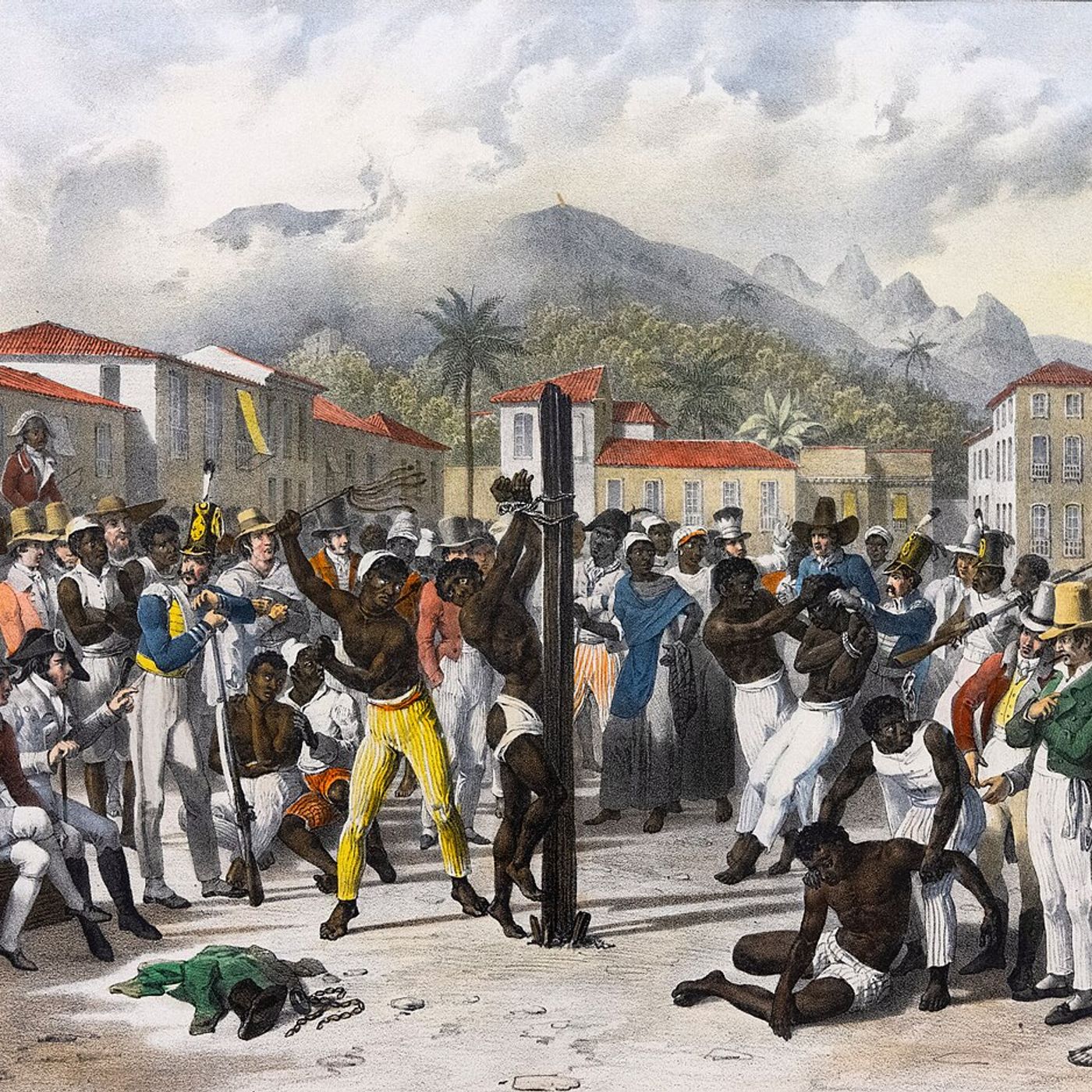
Debt bondage, History. Africa. Important to both East and West Africa, pawnship, defined by Wilks as "the use of people in transferring their rights for settlement of debt," was common during the 17th century. The system of pawnship occurred simultaneously with the slave trade in Africa. Though the export of slaves from Africa to the Americas is often analyzed, slavery was rampant internally as well. Development of plantations like those in Zanzibar in East Africa reflected the need for internal slaves. Furthermore, many of the slaves that were exported were male as brutal and labor-intensive conditions favored the male body build. This created gender implications for individuals in the pawnship system as more women were pawned than men and often sexually exploited. After the abolition of slavery in many countries in the 19th century, Europeans still needed laborers. Moreover, conditions for emancipated slaves were harsh. Discrimination was rampant within the labor market, making attainment of a sustainable income for former slaves tough. Because of these conditions, many freed slaves lived through slavery-like contracts with their masters in a manner parallel to debt bondage. Americas. During the colonial history of the United States, persons bonded themselves to an owner who paid their passage to the New World. They worked until the debt of passage was paid off, often for years. Debt peonage was practiced as "an illegal form of contemporary slavery... well into the 1950s" in "Florida, Georgia, Alabama, and other parts of the Deep South." Civil authorities would arrest "colored men off the street and in their homes if they were caught not working," charge them with vagrancy, assess fines equal to several weeks of pickers' pay, and compel them "to pick fruit or cut sugarcane to work off the debt.... Those captured were hauled to remote plantations ..., held by force, and beaten or shot if they tried to escape." In Peru, a peonage system existed from the 16th century until land reform in the 1950s. One estate in Peru that existed from the late 16th century until it ended had up to 1,700 people employed and had a prison. They were expected to work for their landlord a minimum of three days a week and more if necessary to complete assigned work. Workers were paid a symbolic two cents per year. Workers were unable to travel outside their assigned lands without permission and were not allowed to organise any independent community activity. In the Peruvian Amazon, debt peonage is an important aspect of contemporary Urarina society. Wikipedia: Creative Commons Attribution-ShareAlike 4.0 License.This episode includes AI-generated content.
Embed this episode
Ready to play
05 - Debt bondage, History.
No transcript for this episode yet
Similar Episodes
No similar episodes found.