
Good afternoon everybody and welcome to Shameen's mental health podcast for those wishing to optimize their long-term health and weight loss goals. I am Shameen Lenny. I am your host. I am a fitness and nutrition expert and I'm very grateful to have you here with me today.
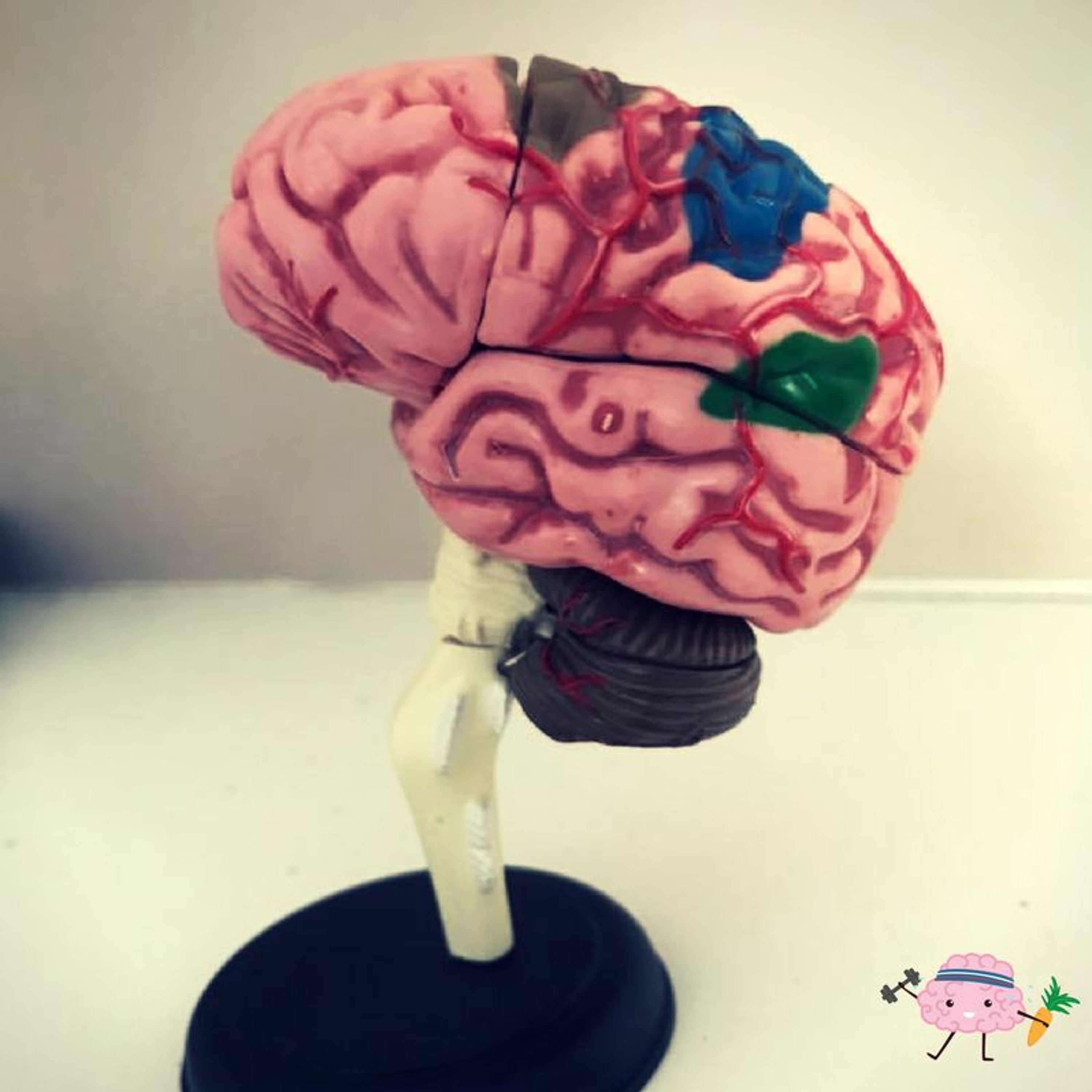
I hope you're having a wonderful week so far and enjoying the fresh air and dryer warmer weather while you can. So this week we're going to continue on with our brain podcast. So emphasizing on the brain because like I mentioned last week, I am a keynote speaker on brain health in the next two weeks. In the Mount Royal University.
So I wanted to do a series of podcasts on how we can optimize your brain health before I step on stage. So this week's podcast is something I talk about and have talked about a lot, which is sleep in relation to your brain health, which in turn of course relates to your health and then your weight goals and any other goals really that you may have in your life whether or not you're building a business, whether or not you're building a relationship, but your brain is one of the key components in that. And one of the key components in taking care of your brain is you guessed it sleep and sleep is so so important for your brain for so many reasons. One of the best ways to improve your memory and cognitive performance and for that ability to make good appropriate choices that get you closer to your goals throughout the day is by getting a good night's sleep.
And the most important I suppose area of sleep for optimizing your brain and your life and your goals would be REM sleeps, which is the critical area for your memory because that's when you basically retain or store or file away any of the information that you have learned during the day happens when you're in your REM cycle. So when we sleep our brain, believe it or not, shrinks up to 60%, which is amazing. And our brain shrinks to the size so that it can do a bit of housekeeping, it can clean itself off our glympathetic system, which is the detoxification system in our brain can pretty much send out its little workers to clean in between the cells and clean up all those neurotransmitters and just get rid of any toxins that may have, unfortunately, cross the blood brain barrier and maybe floating around. So that's why your brain shrinks.
So it allows your glympathetic system to do a clean up and just get rid of anything that may cause damage or be slowing down your cognitive performance. And in this state, we go through many cycles. So while our brain is doing its repairs and cleaning up and regrowing new brain cells and filing away information and getting rid of useless stuff that you may have learned during the day, like those Facebook ads or maybe pop up ads on TV, just useless information. We get rid of all of that stuff when we sleep as well.
And when your brain is sleeping or when you're sleeping, you go through many cycles. Now, we have two sleep systems. Okay, keyword being there is systems. So sleep drive is number one and that's your desire to sleep.
That's when you're like, oh, I'm exhausted. I need to go to bed. That's what your sleep drive is. Sleep drive kind of works like hunger and occurs over a certain amount of time.
So the same way you'll be hungry every couple of hours, kind of after a certain amount of hours, your sleep drive is going to kick in. And for most people, it's usually around 10, 11 p.m. At night is when our sleep desire kicks in, we're like, right, I'm not going to go to bed now. So when we're looking at our second system, this one is called your sleep rhythm.
And this is the natural time you go to sleep. And this is where our bodies will tell us it's time for bed now, but it'll be the same time every day generally. We rotate it around the same hours. So that's what your sleep rhythm is.
Then balancing your sleep drive and your sleep rhythm is very important to get a good sleep. So if you've ever been exhausted and gone to bed early, but couldn't sleep, you had lots of drive, but you didn't have that rhythm that your body's telling you it's time to sleep. So your drive is like, I'm going to bed at 10, but your body is like, tends to early for me. I'd rather 11 kind of thing.
So you're lying there staring at the ceiling for an hour. And then of course, the opposite is if you've ever fallen asleep early at 6 or 7 p.m. After dinner, unintentionally, and woke up and then went to bed at your normal time. At that stage, you had too much rhythm and not enough drive.
Does that make sense? I hope so. So then next, we look at the stages of sleep. So these are your different sleep cycles.
So stage one and two make up about 50% of your sleep. And scientists aren't too clear what it is. I'm thinking again, it's more along the lines of refilling those energy stores maybe. Then stage three and four sleep are your delta sleep.
And this is where you're actually these are physically restorative. So you're repairing tissues and any damaged cells or regrowing bone or whatever it may be. So this occurs during the first turn of the night. And this is also the stage that you filter out on your that useless information like the Facebook ads.
So then the next, I think, is one of the most important we mentioned above or earlier is REM sleep. And this occurs during the last third of the night. And it's at this stage that your brain files away information from your short term to your long term memory. So anything important you have learned that day, then this is the cycle that that all gets filed away for you to be able to access at a later stage.
Your brain also creates organizational structures in your head that attach to new information. They attach new information to information that you may already know. And this is called a form of recall. And by attaching new information to information you already know, you can improve recall.
So let's say, for example, I learned about the brain 15 years ago. And now in those 15 years, new information has come out about the brain. And I learned something that really interests me. Then at night, I'm going to attach that new information to what I already knew about the brain.
So this then kind of freshens up what I already knew and improves memory recall. And then it's taught that in this REM cycle that dreaming happens as well. So it's super important to make sure that you are getting enough sleep and listening to your sleep drive and sleep rhythm as well. So that one, you don't incur brain fog the next day, because this will happen with lack of sleep.
Your brain won't be as sharp. It won't be as fast. You won't be able to make the best decisions that you could. If you had a good night's sleep, you will also struggle to recall that information that maybe you learned over the last week, you'll have issues you're calling that.
You will also experience a higher amount of cravings, especially for sugar when you are sleep deprived, because your brain is a very primal organ. And it's constantly looking for an energy source. So if your brain is low on energy due to lack of sleep, then it's going to send out signals to you saying, I need to go and eat sugar, I need sugar. And this is where subconsciously you're going for sugar without realizing it because of your lack of sleep.
It also, when we are sleep deprived, our metabolism will slow down as it tries to conserve energy. We move at a lower pace because your brain is priority when it comes to energy, not everything else. So if you're sleep deprived and your brain is looking for glucose for energy to run and function, then your metabolism is going to slow down. Everything's just going to be on a go slow that day.
So making sure that you prioritize sleep is one of these key components and getting to your goals, whatever they may be. It helps keep your brain running optimally at its highest performance level. I'm pumping out that content at a nice speed as you need it. So there are many, many steps to getting a good sleep.
I have my own, I know a lot of different doctors out there have their own. And there's one thing that I will emphasize on is a good sleep to start in the morning, as strange as it may sound, how you start your day off, that will determine how you will sleep that night because of your circadian rhythm and how your body aligns with the Earth's clock. This is very important that you're starting your day off properly so that you can get that circadian rhythm in line with the Earth and then have all your hormones released at the proper amount of time so that you are ready for a good night's sleep at the correct time too. So some ways to get a good night's sleep is try to wake up at the same time every day.
This is including on weekends and I know how hard this can be because we want a rest on the weekend. We might stay up later on the weekend. We might be partying so tired of to get up at the same time. But where you can, sticking to one sleep schedule can improve your memory, your sleep and your focus.
So try to wake up at the same time every day. This is a general rule for all steps. Two is there are exceptions, but stop drinking caffeine by 2pm. If you are really sensitive to caffeine, then I'm going to recommend 12pm.
And if you've got a adrenal fatigue, we're looking at something totally different. There there are exceptions. I can drink caffeine right up to 15 minutes before bed and I'll still fall asleep and I'll still go through all my cycles and feel great. Different people may capitalize caffeine at different speeds.
So you should know how you respond. But the general rule is 2pm, no caffeine after that. So this then will allow again those hormones to just keep running properly and it'll give your body enough time to eliminate caffeine by bed. This one a little bit more trickier.
Step three is going to be stop drinking alcohol three hours before bedtime. Realistically, that doesn't happen for most people. If you're having a glass of wine after the kids go to bed, you're going to have that glass of wine at about 8, 9pm and then bed by 10, 11. So it's just something to bear in mind.
Two glasses of wine at dinner will help you fall asleep, but whether or not it gets gets you into restorative sleep is another question. Generally, as a rule of thumb, alcohol does affect your ability to get into the restorative sleep. Step four, and I say this all the time, and people are so surprised when I say this. Don't exercise in the evening, especially not high intensity exercise, like some light stretching, some mobility, a walk is fine.
But exercising in the evening is not a good idea because it's going to keep your stress hormones elevated and it's going to interrupt your sleep. So even if you fall asleep, you're not going to get into quality sleep. Then I like to say keep your room nice and cool. This is important to make sure that your core temperature drops right to where we want it for you to get a good night's sleep.
I also like people to keep green leafy plants in their room so that they can keep recycling air throughout the night as they sleep. So obviously, your plant is going to keep producing oxygen. So you're still getting somewhat new oxygen while you sleep and not to steal oxygen and carbon dioxide all night. So it's a good idea to keep a green plant in your room.
Then the next step, and I think we'll leave it here, is try keep your room as dark as possible. And that even means LED lights, any little red or blue spots anywhere in your room off TVs or laptops or anything. They should be covered off completely or plug all electronics out of the wall. Your room should be as black as possible.
Any tiny interruption or bit of light that gets on your skin, wherever it may be on your skin is going to interfere with your sleep. You might think it does, but it does. But right now, that is enough to not overwhelm you. But there's some great steps that you can take to improve your sleep, which in turn will improve your cognitive performance, which in turn will get you to your goals a lot quicker.
So I hope you found that helpful. And we will chat soon. And of course, please share with anyone that you feel made benefit. And have a great safe week, everyone.
Bye.