
EPISODE · Jun 9, 2026 · 1 MIN
10. Cloister
from Church of San Francesco. Gerace · host eArs
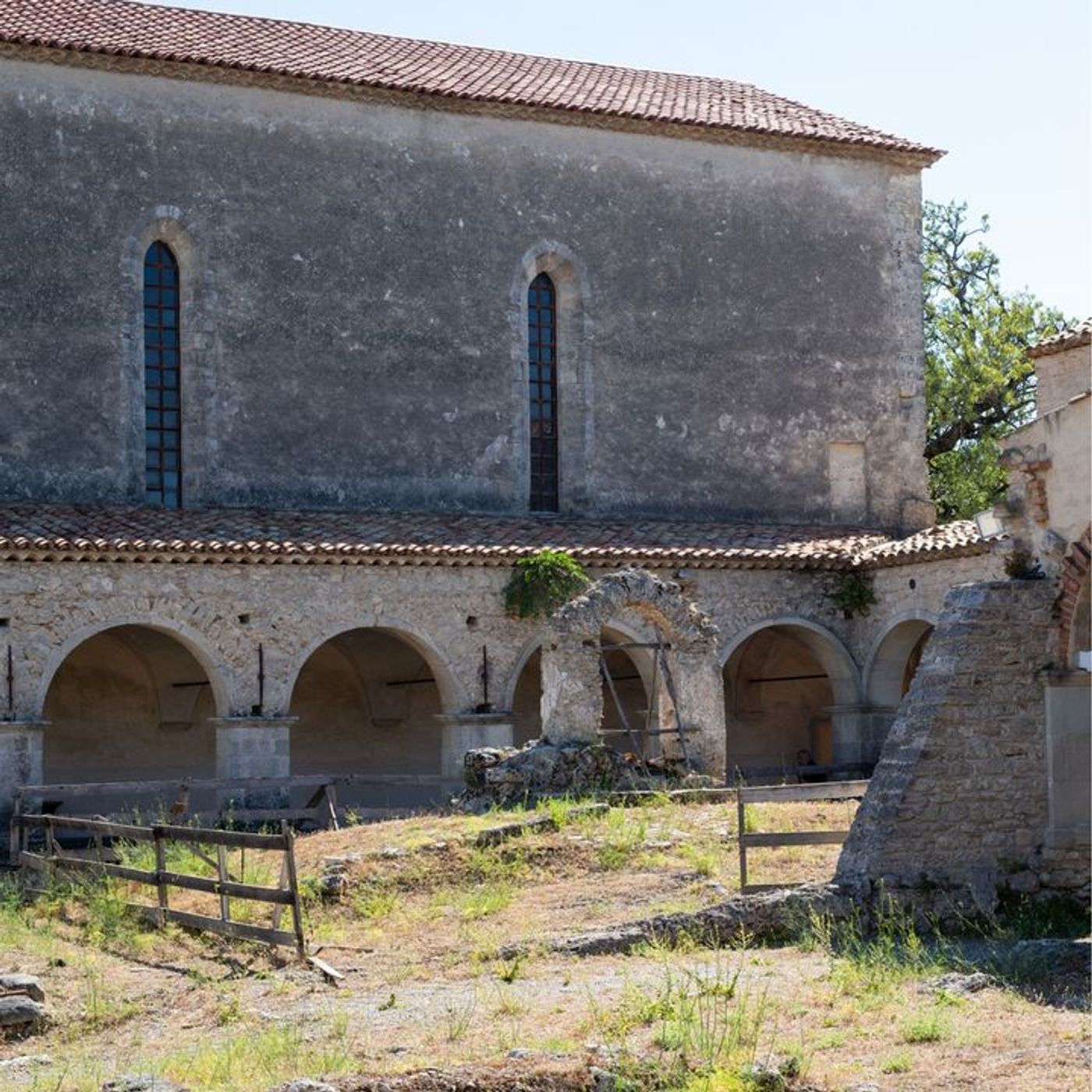
The French invasion of 1806 led to the removal of the friars from the convent and marked the beginning of a long period of neglect and devastation for the San Francesco complex. Although major restoration work was started by the superintendent of the time, Gisberto Martelli, in 1950, little could be done for the convent, which was by then destroyed, and likewise for the cloister, which had already lost three of its four sides. Of the latter, the side leaning against the left side of the church, the one that structurally connected the two buildings, remains visible today. Despite its current condition, the cloister still retains its severe and simple appearance.In convents, the cloister was the hub of daily life: a quadrangular space surrounded by porticoes, around which the rooms for prayer, rest and the monks’ daily activities were distributed. Usually, the portico framed a small, delightful garden with a well; in the Convent of San Francesco, little remains of the lush central garden, while the remains of the well can still be seen of the massive structure surmounted by a round arch. The outer wall of the portico, the structure of which is still visible on the remaining side, was built of light-coloured stones with an irregular shape and marked by a sequence of wide arches. The arches rested on sturdy stone pillars and supported a portico covered by cross vaults without ribs. At the ends, some transverse arches reinforced the structure. What remains today still allows us to imagine the original appearance of the cloister and the cosy and spiritual life that the friars led.
Embed this episode
NOW PLAYING
10. Cloister
No transcript for this episode yet
Similar Episodes
No similar episodes found.
Similar Podcasts
No similar podcasts found.