
EPISODE · Sep 29, 2023 · 43 MIN
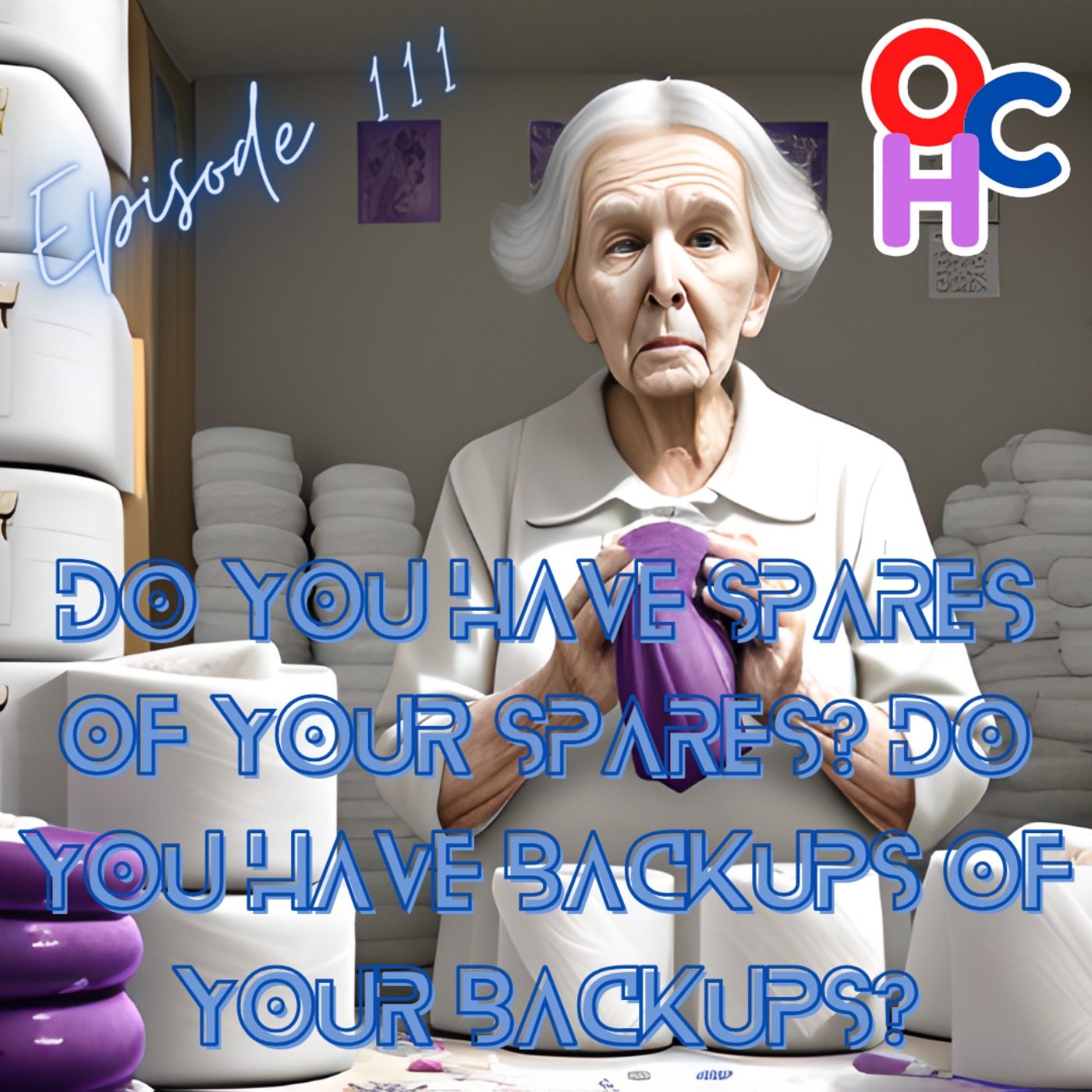
#111 Do you have spares of your spares? Do you have backups of your backups?
from That Hoarder: Overcome Compulsive Hoarding · host That Hoarder
Subscribe to the podcast Today, I'm delving into the world of excess and overstocked items. I have some insights on how to navigate the clutter of spares and backups that can often accumulate in our lives and explore the challenges of hoarding spares, the fear of running out, and the art of letting go. It's time to take action and make space for what truly matters. Let's dive in! Too many backups, no space for essentials Too many spares hinder finding things Hoarders stock up, but it's problematic Keeping spares, especially when on sale Overbuying and hoarding wastes time and money Allocating space reduces overstocking, prompts evaluation Consider cost, availability, and ease of replacement. Assess necessity based on these factors Evaluate spare items for necessary maintenance Risk and fear limit our daily lives Consider reasonable quantity and necessity, not excess We accumulate unnecessary backups, making it difficult to organize and discard unused items Keeping too many unnecessary items makes it hard to find what we really want Letting go takes faith but leads to easier access Buying in bulk is cheaper Overbuying and hoarding leads to an unmanageable situation, preventing you from enjoying life Fear of running out is understandable but excessive stockpiling is not helpful or cost-effective Dispose of obsolete tech and excess items, donate or discard thoughtfully Allocating a specific space for overstock might help control it Consider limiting the number of spares and keeping track of inventory Consider the cost and availability of replacing items. If easy and affordable, no spares may be needed. If costly or hard to find, consider quantity and storage Check if your spare items need maintenance. Don't keep duplicates if they don't work. Consider safety and cost when replacing items Balancing risk and spares in daily life, reassess as needed The waste feels horrible, but you can learn from it and make more conscious decisions about buying Don't beat yourself up, instead turn discomfort into determination to avoid future waste Think before buying unnecessary items Assess the importance and potential consequences of running out Balance the need for preparedness with space and cost Proportionality is key The concept of overstocking and hoarding spares Keeping a record of the quantity of spare items to alleviate anxiety about running out Difficulty of finding desired items among a clutter of unused items Taking Action to Get Out of Clutter Importance of taking action to declutter and organise Acknowledge fear of being without certain items, but encourage letting go of unused items to make space for what truly matters Donating unwanted items can make it easier to access needed items Availability of replacements locally or online Considerations like expiration dates and proper storage Fear of running out and hoarding as a response Balancing the benefits of buying in bulk with the negative impact on daily life and family dynamics Keeping old appliances as backups even if they are no longer functional Using discomfort as motivation to avoid overstocking and waste Reassessing judgments about spares over time as anxiety levels change Futility of hoarding obsolete tech Space, cost, and compatibility issues Reflect on own overstocking habits and take steps to overcome compulsive hoarding Hosted on Acast. See acast.com/privacy for more information.
Embed this episode
What this episode covers
Subscribe to the podcastToday, I'm delving into the world of excess and overstocked items. I have some insights on how to navigate the clutter of spares and backups that can often accumulate in our lives and explore the challenges of hoarding spares, the fear of running out, and the art of letting go. It's time to take action and make space for what truly matters. Let's dive in!Too many backups, no space for essentialsToo many spares hinder finding thingsHoarders stock up, but it's problematicKeeping spares, especially when on saleOverbuying and hoarding wastes time and moneyAllocating space reduces overstocking, prompts evaluationConsider cost, availability, and ease of replacement. Assess necessity based on these factorsEvaluate spare items for necessary maintenanceRisk and fear limit our daily livesConsider reasonable quantity and necessity, not excessWe accumulate unnecessary backups, making it difficult to organize and discard unused itemsKeeping too many unnecessary items makes it hard to find what we really wantLetting go takes faith but leads to easier accessBuying in bulk is cheaperOverbuying and hoarding leads to an unmanageable situation, preventing you from enjoying lifeFear of running out is understandable but excessive stockpiling is not helpful or cost-effectiveDispose of obsolete tech and excess items, donate or discard thoughtfullyAllocating a specific space for overstock might help control itConsider limiting the number of spares and keeping track of inventoryConsider the cost and availability of replacing items. If easy and affordable, no spares may be needed. If costly or hard to find, consider quantity and storageCheck if your spare items need maintenance. Don't keep duplicates if they don't work. Consider safety and cost when replacing itemsBalancing risk and spares in daily life, reassess as neededThe waste feels horrible, but you can learn from it and make more conscious decisions about buyingDon't beat yourself up, instead turn discomfort into determination to avoid future wasteThink before buying unnecessary itemsAssess the importance and potential consequences of running outBalance the need for preparedness with space and costProportionality is keyThe concept of overstocking and hoarding sparesKeeping a record of the quantity of spare items to alleviate anxiety about running outDifficulty of finding desired items among a clutter of unused itemsTaking Action to Get Out of ClutterImportance of taking action to declutter and organiseAcknowledge fear of being without certain items, but encourage letting go of unused items to make space for what truly mattersDonating unwanted items can make it easier to access needed itemsAvailability of replacements locally or onlineConsiderations like expiration dates and proper storageFear of running out and hoarding as a responseBalancing the benefits of buying in bulk with the negative impact on daily life and family dynamicsKeeping old appliances as backups even if they are no longer functionalUsing discomfort as motivation to avoid overstocking and wasteReassessing judgments about spares over time as anxiety levels changeFutility of hoarding obsolete techSpace, cost, and compatibility issuesReflect on own overstocking habits and take steps to overcome compulsive hoarding Hosted on Acast. See acast.com/privacy for more information.
Ready to play
#111 Do you have spares of your spares? Do you have backups of your backups?
No transcript for this episode yet
Similar Episodes
No similar episodes found.
Similar Podcasts
No similar podcasts found.