
EPISODE · Jun 1, 2026 · 1H 17M
1124 - The Neuroscience of Romans 12:2: How Your Brain Actually Changes
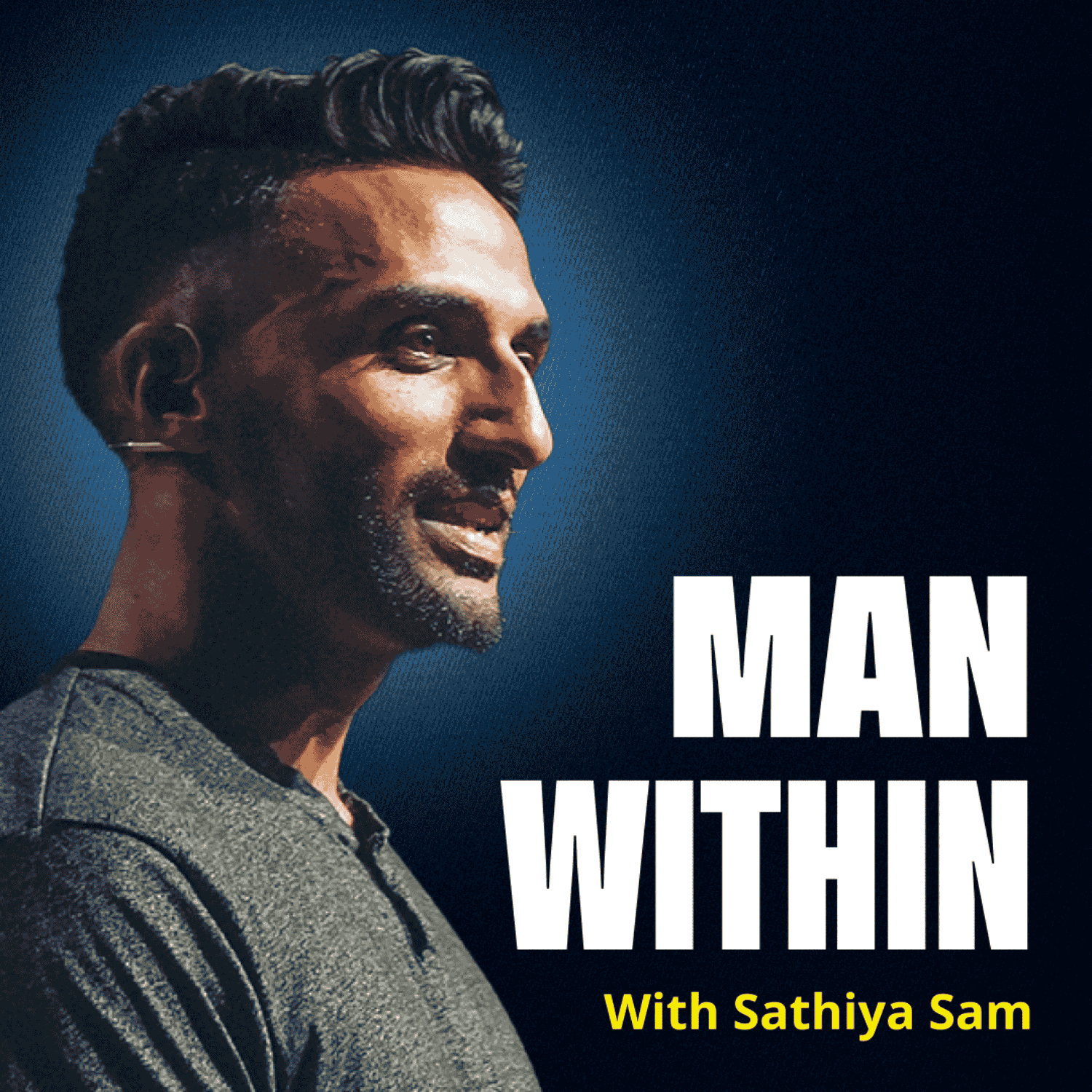
from Man Within Podcast · host Sathiya Sam
In this episode, Sathiya sits down with renowned neurosurgeon, author, and speaker Dr. Lee Warren to explore the intersection of neuroscience, faith, trauma, and transformation. Drawing from his experiences as a combat neurosurgeon during the Iraq War, surviving PTSD, and grieving the loss of his 19-year-old son, Mitch, Dr. Warren shares how those painful seasons led him to discover the powerful connection between intentional thinking, faith, and neuroplasticity. The conversation explores the difference between the mind and the brain, how thoughts shape the body and behavior, and why modern neuroscience increasingly supports biblical principles about renewing the mind. Sathiya and Dr. Warren also discuss addiction recovery, habit formation, resilience through suffering, the importance of community and brotherhood, and Dr. Warren’s concept of “self-brain surgery” — the process of intentionally rewiring the brain through thought patterns, faith, and action. Throughout the episode, they reflect on scriptures including Romans 12, Philippians 4, Romans 5, and Psalm 103, ultimately encouraging listeners to embrace hope, pursue healing, and recognize their God-given capacity for growth and transformation through adversity. SATHIYA’S RESOURCES: Free Recovery Book (The Last Relapse) Join the brotherhood (DeepClean Inner Circle) Live Training To Quit Porn For Good LEE WARREN’S RESOURCES: Lee’s book: The Life-Changing Art of Self-Brain Surgery Lee’s website: https://wleewarrenmd.com/ Timestamps: 01:18 – Dr. Lee Warren shares his background as a combat neurosurgeon 02:09 – Serving in Iraq, PTSD, divorce, surviving war trauma, and loss of his son 04:11 – Wrestling with grief, faith, and questions about God 05:48 – The realities of performing brain surgery during war 07:57 – Feeling disconnected despite understanding the brain scientifically 08:59 – The humility required to confront personal struggles and trauma 11:42 – The MRI experiment that changed Dr. Warren’s understanding of the mind and brain 14:57 – Discovering “self-brain surgery” and the power of intentional thinking 17:49 – Neuroplasticity and how thoughts physically reshape the brain 20:14 – Why transformation creates genuine hope 21:37 – The origins of “self-brain surgery” 22:38 – Science and faith: conflict or connection? 25:46 – Gratitude, anxiety, and what neuroscience reveals about Philippians 4 29:39 – How suffering produces endurance, character, and hope 32:52 – Dr. Warren’s grandson overcoming dyslexia and building resilience 36:39 – Why suffering can become a pathway to growth 37:48 – Parenting, risk, and helping children build resilience 39:50 – Freedom from pornography and living with integrity 41:07 – What to do when you feel completely stuck 42:55 – The reticular activating system and how your brain filters reality 46:59 – Rewriting your internal story to create change 49:02 – Why seeking outside help is wisdom, not weakness 56:44 – Why suffering is the biggest challenge to faith for many people 57:58 – Circumstances versus emotional resilience 59:39 – Psalm 103 and God’s promises in suffering 01:00:49 – Healing, dis-ease, and renewing the mind 01:02:15 – Finding hope and resilience through God’s design 01:06:11 – How past suffering can prepare us for future challenges 01:07:26 – Community, brotherhood, and the neurological power of connection 01:10:22 – Quantum entanglement, relationships, and emotional influence 01:15:42 – Romans 8 and the importance of setting the mind on life and peace
What this episode covers
In this episode, Sathiya sits down with renowned neurosurgeon, author, and speaker Dr. Lee Warren to explore the intersection of neuroscience, faith, trauma, and transformation. Drawing from his experiences as a combat neurosurgeon during the Iraq War, surviving PTSD, and grieving the loss of his 19-year-old son, Mitch, Dr. Warren shares how those painful seasons led him to discover the powerful connection between intentional thinking, faith, and neuroplasticity. The conversation explores the difference between the mind and the brain, how thoughts shape the body and behavior, and why modern neuroscience increasingly supports biblical principles about renewing the mind. Sathiya and Dr. Warren also discuss addiction recovery, habit formation, resilience through suffering, the importance of community and brotherhood, and Dr. Warren’s concept of “self-brain surgery” — the process of intentionally rewiring the brain through thought patterns, faith, and action. Throughout the episode, they reflect on scriptures including Romans 12, Philippians 4, Romans 5, and Psalm 103, ultimately encouraging listeners to embrace hope, pursue healing, and recognize their God-given capacity for growth and transformation through adversity. SATHIYA’S RESOURCES: Free Recovery Book (The Last Relapse) Join the brotherhood (DeepClean Inner Circle) Live Training To Quit Porn For Good LEE WARREN’S RESOURCES: Lee’s book: The Life-Changing Art of Self-Brain Surgery Lee’s website: https://wleewarrenmd.com/ Timestamps: 01:18 – Dr. Lee Warren shares his background as a combat neurosurgeon 02:09 – Serving in Iraq, PTSD, divorce, surviving war trauma, and loss of his son 04:11 – Wrestling with grief, faith, and questions about God 05:48 – The realities of performing brain surgery during war 07:57 – Feeling disconnected despite understanding the brain scientifically 08:59 – The humility required to confront personal struggles and trauma 11:42 – The MRI experiment that changed Dr. Warren’s understanding of the mind and brain 14:57 – Discovering “self-brain surgery” and the power of intentional thinking 17:49 – Neuroplasticity and how thoughts physically reshape the brain 20:14 – Why transformation creates genuine hope 21:37 – The origins of “self-brain surgery” 22:38 – Science and faith: conflict or connection? 25:46 – Gratitude, anxiety, and what neuroscience reveals about Philippians 4 29:39 – How suffering produces endurance, character, and hope 32:52 – Dr. Warren’s grandson overcoming dyslexia and building resilience 36:39 – Why suffering can become a pathway to growth 37:48 – Parenting, risk, and helping children build resilience 39:50 – Freedom from pornography and living with integrity 41:07 – What to do when you feel completely stuck 42:55 – The reticular activating system and how your brain filters reality 46:59 – Rewriting your internal story to create change 49:02 – Why seeking outside help is wisdom, not weakness 56:44 – Why suffering is the biggest challenge to faith for many people 57:58 – Circumstances versus emotional resilience 59:39 – Psalm 103 and God’s promises in suffering 01:00:49 – Healing, dis-ease, and renewing the mind 01:02:15 – Finding hope and resilience through God’s design 01:06:11 – How past suffering can prepare us for future challenges 01:07:26 – Community, brotherhood, and the neurological power of connection 01:10:22 – Quantum entanglement, relationships, and emotional influence 01:15:42 – Romans 8 and the importance of setting the mind on life and peace
NOW PLAYING
1124 - The Neuroscience of Romans 12:2: How Your Brain Actually Changes
No transcript for this episode yet
Similar Episodes
Mar 26, 2026 ·1m
Jan 2, 2026 ·47m
Dec 21, 2025 ·46m