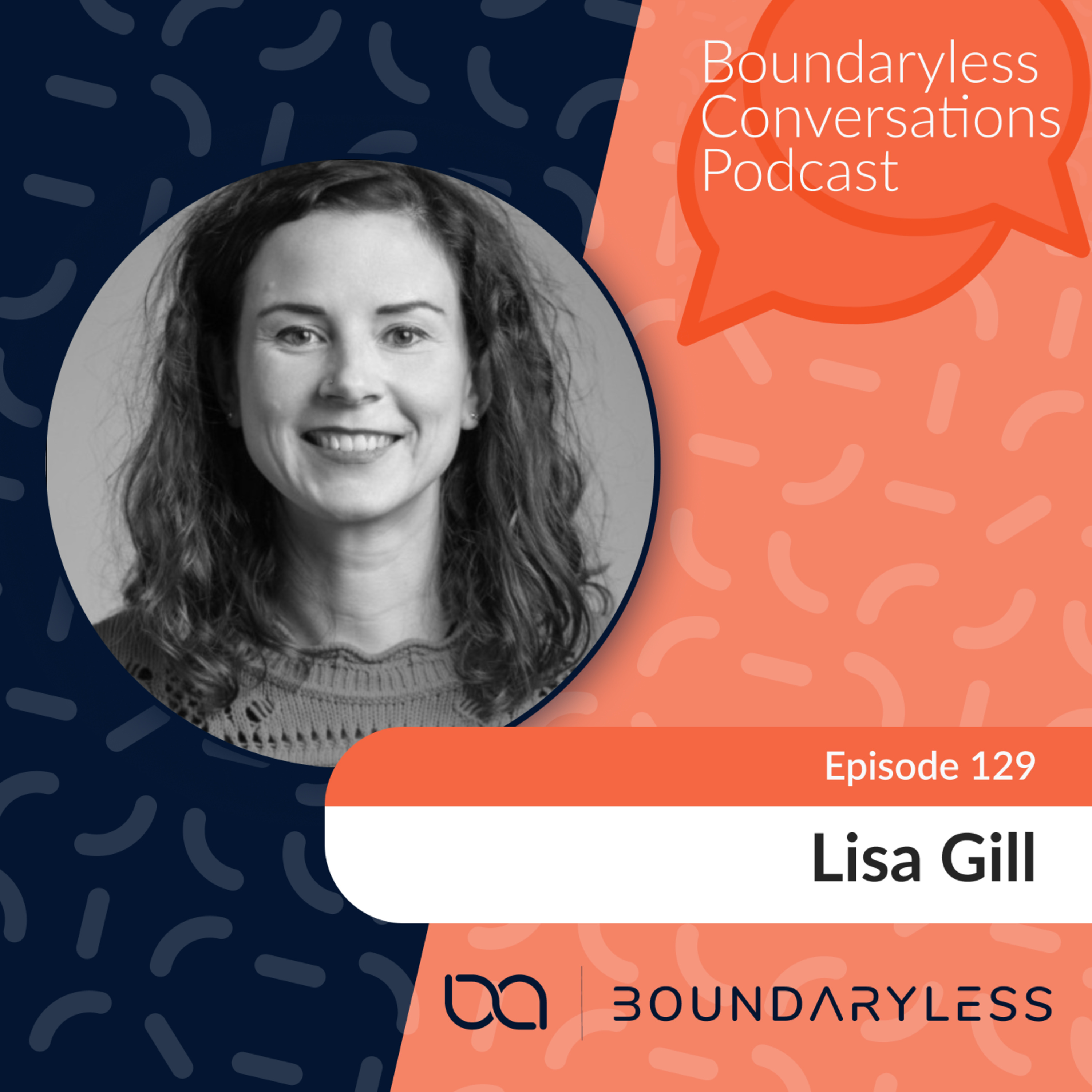
#129 - Why I Don’t Call it “Self-Management” Anymore - with Lisa Gill episode artwork

EPISODE · Nov 25, 2025 · 48 MIN

#129 - Why I Don’t Call it “Self-Management” Anymore - with Lisa Gill

from Boundaryless Conversations Podcast · host Boundaryless SRL

Lisa Gill - a coach, facilitator, and host of the acclaimed Leadermorphosis podcast - joins us to explore the evolving world of self-managing organisations.Drawing on over a decade of experience and examples from companies like Buurtzorg and her own work at TUFF Leadership, Lisa speaks about what makes radically decentralised organisations work: dynamic hierarchies, enabling structures, and accountability without coercion.Drawing on lessons from allied fields such as social justice and disability justice, she emphasises that accountability is a relational practice rather than a top-down mechanism, and that true accountability requires choice, trust, and transparent communication.This episode is packed with essential insights and practical nuggets that you can take back and reflect on, so don’t miss out.In this episode, Lisa takes us deep into the realities of implementing self-management and radically decentralised organisations in practice.Reflecting on the self-management movement's trajectory, she discusses the concept of the "green trap" - a common organisational sticking point - and uses it to emphasise why psychological comfort without sufficient accountability is unsustainable.She also covers several other core topics for the future of decentralised organisations - like the five organisational systems, the importance of inner shifts, what it means to create environments where people can sit in discomfort, learn, and grow without relying on coercion, and so much more.Key Highlights👉 Self-managing organisations thrive on dynamic hierarchies, enabling structures, and distributed decision-making rather than rigid top-down control.👉 Accountability works best as a relational practice grounded in choice, trust, and transparent communication, not coercion.👉 True accountability requires freedom: individuals must be able to say no for their yes to be meaningful and fully owned.👉 Balancing care and performance creates spaces for development where individuals and teams can grow sustainably.👉 Psychological safety paired with challenge fosters both learning and innovation, avoiding the traps of comfort or anxiety extremes.👉 Exposure to real consequences - like zero distance to customers - builds responsibility and encourages self-correcting behaviour.👉 Both market performance and human-centred care can coexist when organisations prioritise autonomy, clarity, and alignment on values.👉 Commitment-keeping and follow-through are foundational principles for self-managing, high-trust organisations.Topics /chapters(00:00) Why I Don’t Call it “Self-Management” Anymore - INTRO(01:22) Introducing Lisa Gill(03:19) Introducing Self-Management(11:41) Radically decentralised organisations and the future of Collaboration(19:03) Operationalizing Decentralization in Self-Managing organisations(24:56) Learnings on Self-Reflection from Allied Industries(30:10) What's the Future of Self-Management?(38:22) Enabling Ecosystemic Transformation(44:18) Breadcrumbs and SuggestionsRemember that you can always find transcripts and key highlights of the episode on our website: https://www.boundaryless.io/podcast/gill-lisaEpisode recorded on Oct 17, 25Find out more about the show and the research at Boundaryless at https://boundaryless.io/resources/podcast/Get in touch with Boundaryless:Twitter: https://twitter.com/boundaryless_Website: https://boundaryless.io/contactsLinkedIn: https://www.linkedin.com/company/boundaryless-pdt-3eoMusicMusic from Liosound / Walter Mobilio. Find his portfolio here: https://blss.io/Podcast-Music

Lisa Gill - a coach, facilitator, and host of the acclaimed Leadermorphosis podcast - joins us to explore the evolving world of self-managing organisations.Drawing on over a decade of experience and examples from companies like Buurtzorg and her own work at TUFF Leadership, Lisa speaks about what makes radically decentralised organisations work: dynamic hierarchies, enabling structures, and accountability without coercion.Drawing on lessons from allied fields such as social justice and disability justice, she emphasises that accountability is a relational practice rather than a top-down mechanism, and that true accountability requires choice, trust, and transparent communication.This episode is packed with essential insights and practical nuggets that you can take back and reflect on, so don’t miss out.In this episode, Lisa takes us deep into the realities of implementing self-management and radically decentralised organisations in practice.Reflecting on the self-management movement's trajectory, she discusses the concept of the "green trap" - a common organisational sticking point - and uses it to emphasise why psychological comfort without sufficient accountability is unsustainable.She also covers several other core topics for the future of decentralised organisations - like the five organisational systems, the importance of inner shifts, what it means to create environments where people can sit in discomfort, learn, and grow without relying on coercion, and so much more.Key Highlights👉 Self-managing organisations thrive on dynamic hierarchies, enabling structures, and distributed decision-making rather than rigid top-down control.👉 Accountability works best as a relational practice grounded in choice, trust, and transparent communication, not coercion.👉 True accountability requires freedom: individuals must be able to say no for their yes to be meaningful and fully owned.👉 Balancing care and performance creates spaces for development where individuals and teams can grow sustainably.👉 Psychological safety paired with challenge fosters both learning and innovation, avoiding the traps of comfort or anxiety extremes.👉 Exposure to real consequences - like zero distance to customers - builds responsibility and encourages self-correcting behaviour.👉 Both market performance and human-centred care can coexist when organisations prioritise autonomy, clarity, and alignment on values.👉 Commitment-keeping and follow-through are foundational principles for self-managing, high-trust organisations.Topics /chapters(00:00) Why I Don’t Call it “Self-Management” Anymore - INTRO(01:22) Introducing Lisa Gill(03:19) Introducing Self-Management(11:41) Radically decentralised organisations and the future of Collaboration(19:03) Operationalizing Decentralization in Self-Managing organisations(24:56) Learnings on Self-Reflection from Allied Industries(30:10) What's the Future of Self-Management?(38:22) Enabling Ecosystemic Transformation(44:18) Breadcrumbs and SuggestionsRemember that you can always find transcripts and key highlights of the episode on our website: https://www.boundaryless.io/podcast/gill-lisaEpisode recorded on Oct 17, 25Find out more about the show and the research at Boundaryless at https://boundaryless.io/resources/podcast/Get in touch with Boundaryless:Twitter: https://twitter.com/boundaryless_Website: https://boundaryless.io/contactsLinkedIn: https://www.linkedin.com/company/boundaryless-pdt-3eoMusicMusic from Liosound / Walter Mobilio. Find his portfolio here: https://blss.io/Podcast-Music

NOW PLAYING

#129 - Why I Don’t Call it “Self-Management” Anymore - with Lisa Gill

0:00 48:04

No transcript for this episode yet

We transcribe on demand. Request one and we'll notify you when it's ready — usually under 10 minutes.

That Hoarder: Overcome Compulsive Hoarding That Hoarder Hoarding disorder is stigmatised and people who hoard feel vast amounts of shame. This podcast began life as an audio diary, an anonymous outlet for somebody with this weird condition. That Hoarder speaks about her experiences living with compulsive hoarding, she interviews therapists, academics, researchers, children of hoarders, professional organisers and influencers, and she shares insight and tips for others with the problem. Listened to by people who hoard as well as those who love them and those who work with them, Overcome Compulsive Hoarding with That Hoarder aims to shatter the stigma, share the truth and speak openly and honestly to improve lives. The Small Business Startup School – Business Notes | Financial Literacy | Retail Psychology – For Professionals & Entrepreneurs The Small Business Startup School Inc. Starting or buying a small business? While personal circumstances may vary, business patterns remain timeless. On The Small Business Startup School, we explore strategies, insights, and practical solutions to help entrepreneurs confidently navigate their journey.Hosted by Ola Williams—a retail entrepreneur, fintech founder, and financial coach with over two decades of experience—this podcast marries financial awareness and retail psychology with optimism to deliver actionable takeaways.Join us to learn, grow, and connect as we uncover the keys to business success.Let’s continue to learn together and be encouraged to keep on connecting! DIOSA. Carolina Sanper This podcast is a sacred space created by Carolina Sanper where you connect with your inner wisdom and embody your magnetic feminine power.It is the realization that the mystical realm is where you plant the seeds of your desired reality.It is a portal to your true essence: awareness, presence, and receiving with ease. Welcome home, DIOSA. 🖤 XXX Tech by SOVRYN Dr. Brian Sovryn The crossroads between technology, sensuality, and metaphysics - and the longest running anarchist podcast in the world! Brought to you by Dr. Brian Sovryn.

Frequently Asked Questions

How long is this episode of Boundaryless Conversations Podcast?

This episode is 48 minutes long.

When was this Boundaryless Conversations Podcast episode published?

This episode was published on November 25, 2025.

What is this episode about?

Lisa Gill - a coach, facilitator, and host of the acclaimed Leadermorphosis podcast - joins us to explore the evolving world of self-managing organisations.Drawing on over a decade of experience and examples from companies like Buurtzorg and her own...

Can I download this Boundaryless Conversations Podcast episode?

Yes, you can download this episode by clicking the download button on the episode player, or subscribe to the podcast in your preferred podcast app for automatic downloads.
URL copied to clipboard!