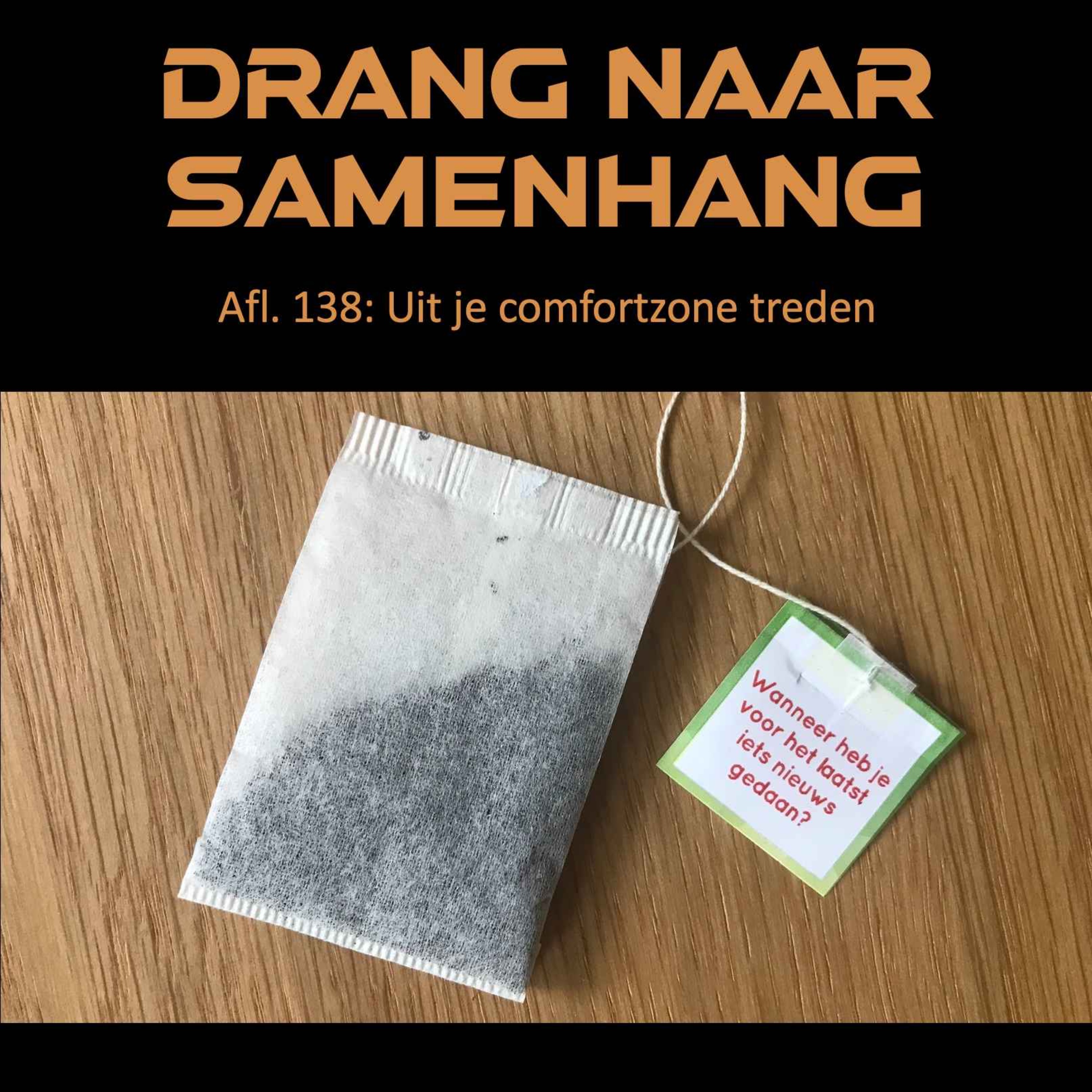
#138 Uit je comfortzone treden episode artwork

EPISODE · Aug 31, 2025 · 1H 8M

#138 Uit je comfortzone treden

from Drang naar Samenhang

Hoewel ‘de comfortzone’ geen wetenschappelijke term is, weten we intuïtief allemaal wat ermee wordt bedoeld. Het is die mentale ruimte waarin je je veilig, vertrouwd en ontspannen voelt. Toch worden we allemaal aangemoedigd dit comfortabele gevoel op te geven om ongemak te ervaren. Daar zou de ruimte liggen voor persoonlijke groei. In deze aflevering bespreken we wat wetenschappelijk onderzoek ons kan vertellen over (het verlaten van) de comfortzone en hoor je welke situaties ons uit onze comfortzone halen.  Presentatie: Rolf Zwaan & Anita EerlandMuziek geschreven en gespeeld door Rolf ZwaanBronnenBandura, A. (1978). Self-efficacy: Toward a unifying theory of behavioral change. Advances in Behaviour Research and Therapy, 1(4), 139-161. https://doi.org/10.1016/0146-6402(78)90002-4Bjork, R.A., & Bjork, E.L. (2011). Desirable difficulties in learning.Bjork, R. A., & Bjork, E. L. (2020). Desirable difficulties in theory and practice. Journal of Applied Research in Memory and Cognition, 9(4), 475-479. Dweck, C.S. (2006). Mindset: The new psychology of success.Heller, A.S., Shi, T.C., Ezie, C.E.C. et al. Association between real-world experiential diversity and positive affect relates to hippocampal–striatal functional connectivity. Nature Neuroscience, 23, 800–804 (2020). https://doi.org/10.1038/s41593-020-0636-4Kashdan, T. B., & Rottenberg, J. (2010). Psychological flexibility as a fundamental aspect of health. Clinical psychology review, 30(7), 865–878. https://doi.org/10.1016/j.cpr.2010.03.001Kiknadze, N.C., & Leary, M.R. (2021). Comfort zone orientation: Individual differences in the motivation to move beyond one's comfort zone. Personality and Individual Differences, 181. https://doi.org/10.1016/j.paid.2021.111024Yerkes, R.M., & Dodson, J.D. (1908). The Relation of Strength of Stimulus to Rapidity of Habit Formation. Journal of Comparative Neurology & Psychology, 18, 459–482. https://doi.org/10.1002/cne.920180503In deze aflevering refereren we aan de volgende eerdere afleveringen: Waarom praten we (niet) met vreemden? (37) en Er zit iets tussen je tanden (75). Een compleet overzicht met alle thema’s uit de podcast en de bijbehorende afleveringen vind je hier op Rolfs Nederlandse blog. De samenvatting van deze aflevering wordt binnenkort gepost. Volg Rolf op Craving Coherence voor Engelstalige posts - over meer dan de onderwerpen uit de podcast. Hosted on Acast. See acast.com/privacy for more information.

Hoewel ‘de comfortzone’ geen wetenschappelijke term is, weten we intuïtief allemaal wat ermee wordt bedoeld. Het is die mentale ruimte waarin je je veilig, vertrouwd en ontspannen voelt. Toch worden we allemaal aangemoedigd dit comfortabele gevoel op te geven om ongemak te ervaren. Daar zou de ruimte liggen voor persoonlijke groei. In deze aflevering bespreken we wat wetenschappelijk onderzoek ons kan vertellen over (het verlaten van) de comfortzone en hoor je welke situaties ons uit onze comfortzone halen.  Presentatie: Rolf Zwaan & Anita EerlandMuziek geschreven en gespeeld door Rolf ZwaanBronnenBandura, A. (1978). Self-efficacy: Toward a unifying theory of behavioral change. Advances in Behaviour Research and Therapy, 1(4), 139-161. https://doi.org/10.1016/0146-6402(78)90002-4Bjork, R.A., & Bjork, E.L. (2011). Desirable difficulties in learning.Bjork, R. A., & Bjork, E. L. (2020). Desirable difficulties in theory and practice. Journal of Applied Research in Memory and Cognition, 9(4), 475-479. Dweck, C.S. (2006). Mindset: The new psychology of success.Heller, A.S., Shi, T.C., Ezie, C.E.C. et al. Association between real-world experiential diversity and positive affect relates to hippocampal–striatal functional connectivity. Nature Neuroscience, 23, 800–804 (2020). https://doi.org/10.1038/s41593-020-0636-4Kashdan, T. B., & Rottenberg, J. (2010). Psychological flexibility as a fundamental aspect of health. Clinical psychology review, 30(7), 865–878. https://doi.org/10.1016/j.cpr.2010.03.001Kiknadze, N.C., & Leary, M.R. (2021). Comfort zone orientation: Individual differences in the motivation to move beyond one's comfort zone. Personality and Individual Differences, 181. https://doi.org/10.1016/j.paid.2021.111024Yerkes, R.M., & Dodson, J.D. (1908). The Relation of Strength of Stimulus to Rapidity of Habit Formation. Journal of Comparative Neurology & Psychology, 18, 459–482. https://doi.org/10.1002/cne.920180503In deze aflevering refereren we aan de volgende eerdere afleveringen: Waarom praten we (niet) met vreemden? (37) en Er zit iets tussen je tanden (75). Een compleet overzicht met alle thema’s uit de podcast en de bijbehorende afleveringen vind je hier op Rolfs Nederlandse blog. De samenvatting van deze aflevering wordt binnenkort gepost. Volg Rolf op Craving Coherence voor Engelstalige posts - over meer dan de onderwerpen uit de podcast. Hosted on Acast. See acast.com/privacy for more information.

NOW PLAYING

#138 Uit je comfortzone treden

0:00 1:08:56

No transcript for this episode yet

We transcribe on demand. Request one and we'll notify you when it's ready — usually under 10 minutes.

Frequently Asked Questions

How long is this episode of Drang naar Samenhang?

This episode is 1 hour and 8 minutes long.

When was this Drang naar Samenhang episode published?

This episode was published on August 31, 2025.

What is this episode about?

Hoewel ‘de comfortzone’ geen wetenschappelijke term is, weten we intuïtief allemaal wat ermee wordt bedoeld. Het is die mentale ruimte waarin je je veilig, vertrouwd en ontspannen voelt. Toch worden we allemaal aangemoedigd dit comfortabele gevoel...

Can I download this Drang naar Samenhang episode?

Yes, you can download this episode by clicking the download button on the episode player, or subscribe to the podcast in your preferred podcast app for automatic downloads.
URL copied to clipboard!