
EPISODE · Sep 30, 2024 · 31 MIN
#2: Breaking down barriers – understanding the latest in obesity treatments
from Should I Call a Doctor? · host Inova
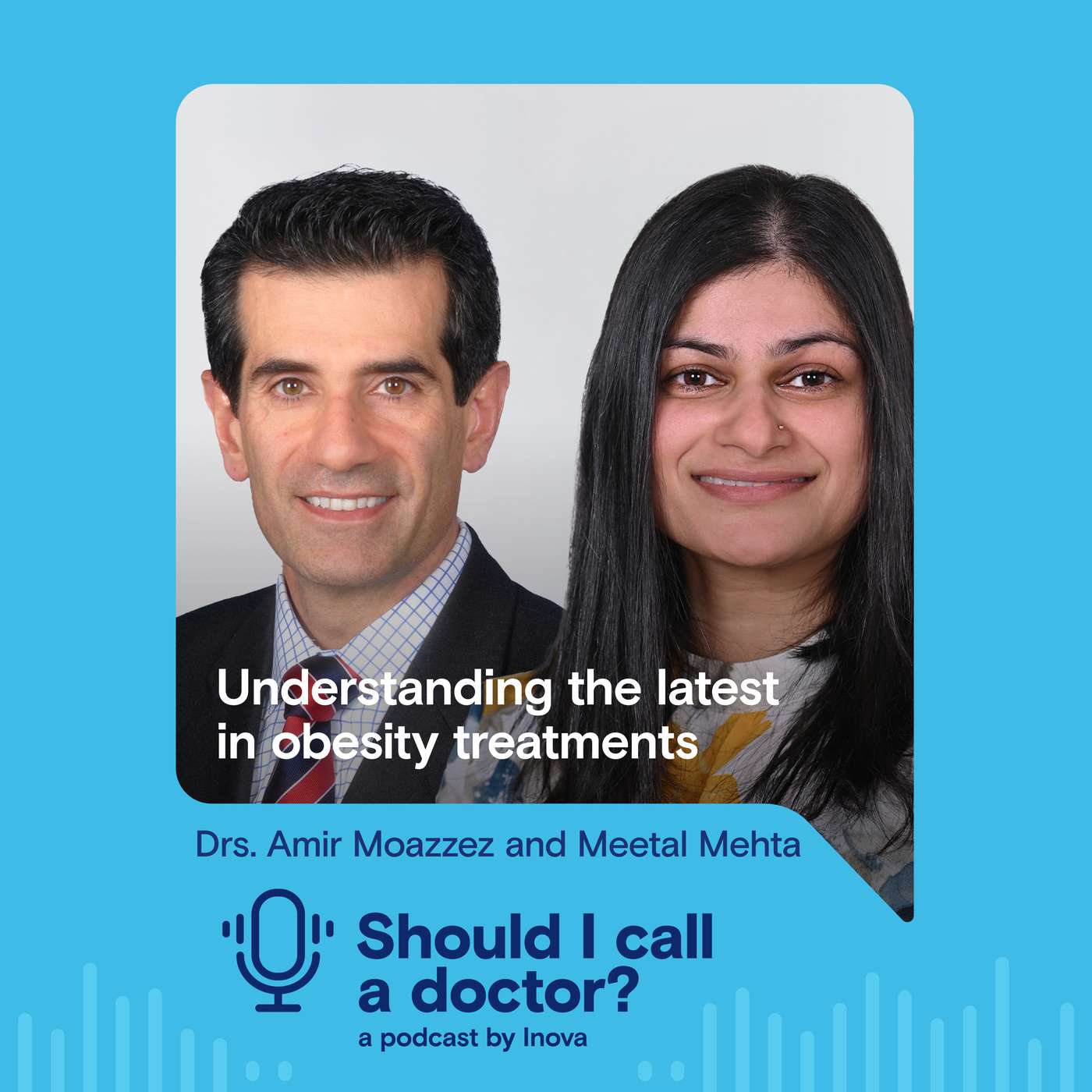
What you’ll learn:Join us as we break down the stigmas surrounding obesity and explore various weight loss options – both surgical and nonsurgical. We’ll discuss the benefits and risks, and how to choose the right one for you. Inova’s Dr. Moazzez, a board-certified bariatric surgeon with extensive experience in weight loss surgery, and Dr. Mehta, a board-certified obesity medicine specialist focused on nonsurgical treatments, share insights into the latest treatments and why we should be openly discussing obesity as a disease. Featured guests:Dr. Amir MoazzezSurgeonInova Weight Loss Surgery Dr. Meetal MehtaInternal medicine physicianInova Weight Loss Services Key takeaways with chapter markers:Why obesity is considered a disease [3:50]How it underlies many other conditions like diabetes, hypertension, high cholesterol, heart disease and cancer [4:55]How to determine if weight loss surgery is the right option for you [9:44]How to determine if you are a candidate for weight loss drugs [10:50]The many weight loss options available [22:12]The importance of receiving a whole plan of care and ongoing support [24:26]How it’s about more than a number on a scale, it’s about your whole health and feeling better [29:33]FAQsWhat is weight loss surgery (bariatric surgery)?Weight loss surgery, also known as bariatric surgery, is a medical procedure performed on individuals who are severely overweight or obese and have not been successful in losing weight through other methods such as diet, exercise and medication. The primary goal of bariatric surgery is to reduce the size of the stomach or modify the digestive system in a way that promotes weight loss. Am I eligible for weight loss surgery or medication?Qualification for either typically depends on several factors, including body mass index (BMI), weight-related health conditions, previous weight loss attempts, overall health and commitment to lifestyle changes. How much weight can I expect to lose?Weight loss outcomes can vary widely from person to person, and individual results may differ based on factors such as age, gender, starting weight, metabolic rate, dietary habits, physical activity level and adherence to guidelines. Regular follow-up with healthcare providers and ongoing support are essential for achieving and maintaining weight loss goals over time. How do I get started?Whether you’re considering medication or surgery, your primary care doctor can help you decide or refer you to a specialist.
Embed this episode
NOW PLAYING
#2: Breaking down barriers – understanding the latest in obesity treatments
No transcript for this episode yet
Similar Episodes
No similar episodes found.
Similar Podcasts
No similar podcasts found.