
PODCAST · health
Should I Call a Doctor?
by Inova
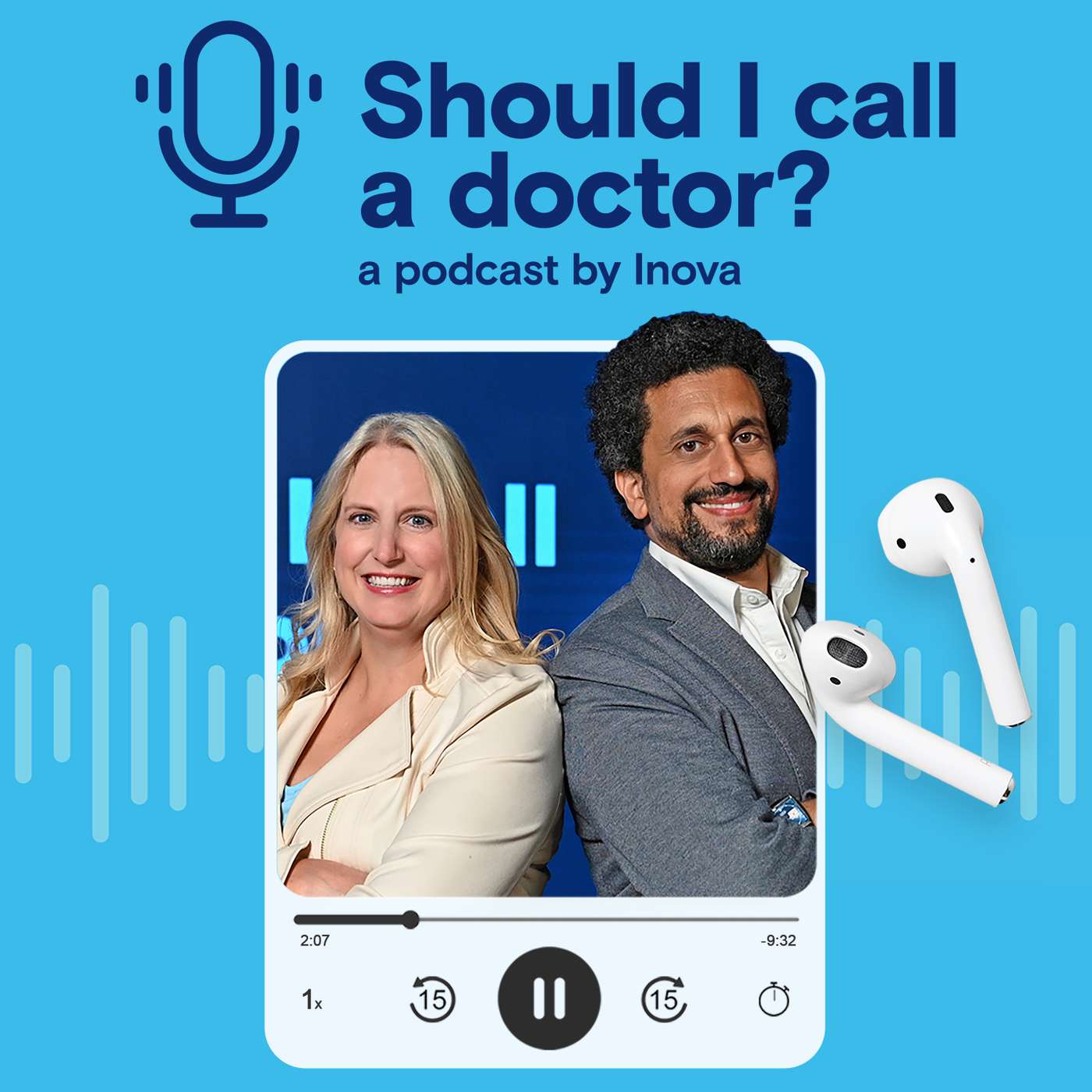
Welcome to “Should I Call a Doctor?” The podcast where we dive into trending health topics to separate fact from fiction. We bring in experts to talk about all things health, to empower you with knowledge and answer your questions hosted by Inova Health.
-
17
#18: GLP-1s and your heart – What you need to know
What you’ll learn:GLP-1 medications have transformed the conversation around weight loss, but their benefits may extend far beyond the number on the scale. In this episode, Dr. Lily Dastmalchi, a preventive cardiologist and obesity medicine specialist, discusses how GLP-1s can improve heart health, reduce the risk of heart attack and support long-term wellness. We also explore key risk factors for heart disease including obesity and menopause, who may benefit from treatment and why healthy lifestyle habits remain essential for success. Featuring:Lily Dastmalchi, DO, MA, FACC, FASPC, MSCPCardiologistInova Schar Heart and Vascular Key takeaways with chapter markers:How GLP-1s improve heart health, from lowering blood pressure to A1C [1:55.895]Who are typical heart patients [4:55.835]What happens during a prevention screening [5:35.555]Is taking a GLP-1 a lifelong commitment? [9:27.865]Why GLP-1s aren’t a quick fix for weight loss [10:42.745]How nutrition and exercise remain critical to long-term success [11:06.785]What research shows about weight regain after stopping GLP-1 medications [13:31.015]How GLP-1s impact brain chemistry and appetite regulation [14:55.505]How oral GLP-1 medications may improve access to treatment [16:14.735]Who are candidates for GLP-1 therapy [20:09.985]Why preserving muscle mass through exercise is important during weight loss [22:19.595] FAQs:What are GLP-1 medications?GLP-1 medications mimic a naturally occurring hormone that helps regulate appetite, blood sugar and digestion. Some are approved for diabetes, while others are approved for chronic weight management and studies show other potential benefits. Are GLP-1 medications only for weight loss?No. Studies have shown that some GLP-1 medications can also help lower blood pressure, improve lipid disorders, reduce the risk of heart attack and stroke, and more. Am I a candidate for GLP-1 therapy?Eligibility depends on factors such as body mass index (BMI), weight-related health conditions, diabetes status and overall health. Talk to your healthcare provider to see if a GLP-1 is right for you.
-
16
#17: Finding hope – rapid care for mental health crises
What you’ll learn:If you or a loved one is experiencing a mental health crisis, finding the right care quickly can make all the difference. In this podcast, Rachel Bronsther, MD, division chief of psychiatry at Inova, discusses EmPATH – a specialized unit designed to provide rapid mental healthcare in a calming, therapeutic environment. Learn how this innovative approach is improving the experience for patients and families while connecting them to the support they need. Featured guest:Dr. Rachel Bronsther Division Chief of PsychiatryInova Key takeaways with chapter markers: Inova’s EmPATH unit (emergency psychiatry assessment, treatment and healing) provides dedicated care for mental health crises [0:11.07]Calming, open environment, with less restrictions than a normal psychiatric unit [4:40.84]Multiple therapy sessions to robust aftercare plans – what happens during an EmPATH visit [6:51.028] EmPATH helps you get quicker access to follow-up care [9:59.288] Partial hospitalization programs (PHP), intensive outpatient programs (IOP), and where EmPATH fits in [11:29.468]How to access the EmPATH unit [12:00.54]People who think they need help usually do – EmPATH meets you where you are [25:41.326]FAQs:What is EmPATH?EmPATH stands for emergency psychiatry assessment, treatment and healing. This innovative unit provides emergency care in a calming, therapeutic environment for adults ages 18+ who need observation-level care. EmPATH’s focus is on stabilizing, starting appropriate treatment, providing therapeutic interventions and connecting patients with ongoing outpatient mental healthcare and resources. How do I access EmPATH?Inova’s EmPATH unit is located near the Inova Fairfax Medical Campus emergency room (ER). Patients in crises should come to an Inova ER. From there, they may move to EmPATH. Are you or your child in crisis?Call, text or chat 988. It’s free, confidential and available 24/7/365. In an emergency, call 911 or go to the nearest ER.
-
15
#16: Navigating menopause – answers, options, relief
What you’ll learn:Night sweats, hot flashes, brain fog, cognition issues, sleep disturbances, joint aches and pains. Sound familiar? They’re all symptoms of perimenopause and menopause. Most women experience one or more, but there is relief. In this episode, Dr. Erin Perucci, OB/GYN, provides insights into symptoms and treatment options and reveals some surprising truths. Tune in for practical tips to help you navigate your changing hormones and get back to feeling like yourself again. Featured guest:Erin Perucci, MD, MSCPObstetrics and GynecologyInova Women’s Services Key takeaways and chapter markers:Symptoms, night sweats to cognition issues [1:47]How the Menopause Society governs science-based recommendations for care [2:55]Assessing if you’re in perimenopause or menopause [5:37]Why some symptoms, like heart palpitations, get overlooked [8:00]Range of treatments, from lifestyle changes to newer medicine options [8:53]What you need to know about supplements [10:36]Nutrition and menopause [11:10]Debunking old hormone therapy myths [11:44]Different forms of hormone therapy, risks and benefits [15:16]HRT patients can see a 60-80% reduction in symptoms in first six weeks [16:41]When to seek care [17:17]FAQs:What is menopause?Menopause is the stage of life when a woman’s menstrual period has stopped permanently. Typically, after a menstrual period has not occurred for 12 consecutive months. This marks the end of her reproductive years. Perimenopause refers to the transitional phase leading up to menopause, during which hormonal changes occur and symptoms can start. How long does perimenopause last?Perimenopause can last for several years, typically four to eight, before menopause occurs. Is hormone replacement therapy (HRT) safe?HRT can be safe for many people. More recent research and newer types of HRT have led experts and the FDA to update their warnings. Like with any medication, it’s not a one-size-fits-all solution. There are risks and benefits based on your age and other health factors, and it’s important to discuss your options with your doctor.
-
14
#15: Mental health check-in – kids and teens
What you’ll learn:Is your child feeling overwhelmed by school, screens or a packed schedule? In this episode, Dr. Satish Shashidhara – division chief of child and adolescent psychiatry at Inova – shares expert insights on the most common challenges kids and teens face, from school and sports to relationships and high expectations. Learn how to support your child’s mental and social development, create an open line of communication, and recognize when they might need extra help. Tune in for practical tips to help you help your child navigate the challenges of growing up today. Featured guest:Dr. Satish ShashidharaDivision Chief, Child and adolescent psychiatryInova Key takeaways and chapter markers:Lingering social effects of COVID-19 [5:35]Being emotionally available, the best support parents can give [6:11]How to set boundaries without resentment [7:23]Opening lines of communication early [8:21]Recognizing when additional support is needed [9:51]Comprehensive outpatient support from Inova Keller Center [12:46]Anxiety and depression, the most common issues [15:01]Navigating the impacts of social media [26:52]Top tips for parents, from giving yourself grace to open communication [33:18] FAQs:When and how should parents start conversations about mental health with their children?The earlier the better. Early conversation can help kids understand and manage their emotions as they grow and will help them build confidence to seek support when they need it. What mental health disorders can affect children?According to the National Institutes of Health, many mental health disorders can begin in childhood including anxiety disorders, attention-deficit/hyperactivity disorder (ADHD), depression and other mood disorders, eating disorders and post-traumatic stress disorders (PTSD). Are you or your child in crisis?If you’re thinking about suicide, are worried about a child or loved one, or would like emotional support, the Lifeline network is available 24/7 across the United States. The Lifeline is free and confidential. English: call 988 Español: 1-888-628-9454
-
13
#14: Sleep smarter – ABCs of ZZZs
What you’ll learn:Getting a good night's sleep is super important for your health, helping your body and brain recharge. In this episode, we sit down with Dr. Eric Sklar, a board-certified neurologist who specializes in sleep and brain health. He breaks down what makes for great sleep and shares some easy tips to enhance your nightly routine for better rest. We also go over common sleep issues, like sleep apnea, and talk about sleep studies, the pros and cons of wearables and more. Tune in for practical advice and insights that can help you get those much-needed ZZZs.Featured guest: Dr. Eric SklarNeurologistMedical DirectorInova Sleep Disorders ProgramKey takeaways with chapter markers:Why getting enough sleeps matters to your health [2:06]The most common complaints related to sleep [6:16]Sleep hygiene and why it matters [8:28]Why insomnia is the most common sleep issue [14:47]Tips for getting back to sleep in the middle of the night [17:24]Common symptoms of sleep disorders, like sleep apnea [18:25]Sleep studies and how they’re conducted [26:46]The pros and cons of wearables [29:13]FAQs:How much sleep should I be getting?To ensure you are getting enough restorative sleep, aim for seven to nine hours per night and pay attention to how you feel during the day. If you often feel tired or have difficulty concentrating, consider adjusting your sleep habits or consult a healthcare professional for guidance.How can I improve my sleep quality?Practice good bedtime routines, such as sticking to a regular bedtime; relaxing 30-60 minutes before bed by reading and engaging in light stretching; avoiding all electronics while in bed, including screens; avoiding alcohol and caffeine before bed; and creating an environment conducive to sleep.What are common symptoms of sleep disorders?Daytime fatigue and sleepiness, low energy levels, waking up feeling tired, difficulty concentrating, irritability, personality changes, weight gain, reflux, and snoring are just some of the symptoms that can be the cause or result of a sleep disorder.
-
12
#13: Brain health essentials – Alzheimer’s and dementia
What you’ll learn: Get clear, practical guidance on Alzheimer’s and dementia – from early detection and treatment options to brain-health tips and caregiver support. In this episode, Inova’s Dr. Pauldurai, a cognitive behavioral neurologist, explains the differences between Alzheimer’s and other dementias, the latest treatments and the importance of early detection. Whether you're navigating your own health or caring for a loved one, this conversation offers support and insights for preventing and managing cognitive decline. Featured guest:Dr. Jennifer PaulduraiNeurologistInova Key takeaways with chapter markers:What is Alzheimer’s and how it differs from dementia [1:56]How to tell the difference between normal forgetfulness and something more serious [7:28]What does dementia care look like? [9:16]Two new Alzheimer’s drugs, Leqembi and Kisunla™, slow progression when caught early [13:22]Healthy eating and other steps you can take now to protect your brain health later [21:47]The importance of vitamin D, B12 and magnesium for brain health [23:01]Advice and resources for caregivers [24:48]FAQsWhat is Alzheimer’s disease?Alzheimer's disease is a progressive, neurodegenerative disease that occurs when nerve cells in the brain die. It is the most commonly diagnosed form of dementia. Symptoms include the loss of cognitive functioning, such as thinking, remembering and reasoning, and the loss of behavioral abilities.What causes Alzheimer’s?Scientists have made great progress in understanding Alzheimer’s in recent years. They don’t yet fully understand what causes the disease in most people but probable causes include age-related changes in the brain, along with genetic, health and lifestyle factors.Can Alzheimer’s be prevented?While Alzheimer’s disease cannot be definitively prevented, certain lifestyle changes may help reduce risk. A healthy diet, exercise, social engagement and mentally stimulating pursuits have all been associated with helping people stay healthy as they age and may help reduce risk of cognitive decline and Alzheimer’s.When should I see a doctor?When thinking problems or unusual behavior start to interfere with everyday activities, it’s time to talk to your doctor.
-
11
#12: Finding lung cancer earlier – for smokers and nonsmokers
What you’ll learn:Should smokers and nonsmokers be screened for lung cancer? Inova Schar Cancer’s Dr. Mahajan explains what you should know about lung cancer screening, your personal history and risk factors, and groundbreaking early detection and treatment options – so you can take charge of your health. Featured guest:Dr. Amit “Bobby” Mahajan, Medical Director, Interventional Pulmonology Inova Schar Cancer Key takeaways with chapter markers:How age and smoking history guide screening [5:46-6:27]Interventional pulmonology [3:31]How lung cancer treatment is advancing [3:52]Early-stage lung cancer does not have symptoms, making detection of lung nodules critical [4:35 – 5:13]A growing number of nonsmokers are developing lung cancer. [6:59 – 7:18]Those with EGFR gene mutations have a higher instance of developing lung cancer [7:30 – 8:08]Those who have a family member who has had a nonsmoking lung cancer should also get screened [9:49 – 10:05]Inova offers a low-cost screening option. [10:16 – 10:35]In five years, over 10,000 incidental nodules were detected by Inova’s incidental lung nodule program. 1-2% were cancerous, the program helps diagnose more early stage lung cancer cases [13:30 – 15:33]Mutation analysis is key to better treatment. There are seven or eight mutations that are really actionable [16:55 – 17:14]Early-stage lung cancer can be treated with minimally invasive options, with exceptional survival rates. [18:02 – 18:10]Inova’s incidental lung nodule detection program streamlines care and dramatically reduces the time between detection and treatment [25:55-27:47]FAQsWhat is lung cancer screening?Annual lung cancer screening uses low-dose computed tomography (LDCT) to detect cancer in its earliest, most treatable stage. LDCT technology generates cross-sectional images of the body, using less ionizing radiation than a conventional CT scan. Who should be screened for lung cancer?Annual lung cancer screening is recommended for adults ages 50 to 80 who have a 20 pack-year smoking history and currently smoke, or have quit within the past 15 years. Should I be screened if I have a family history of lung cancer?If you have a family history of lung cancer you should discuss your risk factors with your doctor to determine if screening is right for you. You can also take our online Lung Cancer Risk Assessment What are the benefits of lung cancer screening?Screening can detect lung cancer at an earlier stage when it is more treatable. Leading to higher survival rates and a better quality of life.
-
10
#11: Innovating cancer screening – how breast cancer detection is evolving
What you’ll learnConfused about when to start breast cancer screening, what breast density means, or whether you need genetic testing? Inova’s Dr. Kaltman explains risk, red-flags, and next steps—so you know which care to choose and how personalized risk assessments are reshaping early detection.Featured guest:Dr. Rebecca KaltmanExecutive DirectorInova Saville Cancer Screening and Prevention Center ________________________ Key takeaways with chapter markersHow age, family history (maternal & paternal), and red flags guide screening (13:50)What dense breasts mean and when to add supplemental imaging (19:06)When to consider genetic counseling/testing and how group sessions work (5:06)Where primary care fits for lifestyle/metabolic risk and referrals (8:21)Imaging choices (mammogram, MRI, ultrasound, contrast-enhanced) (10:04)Mobile screening (23:45)Multi-cancer blood test clinical trial at Inova (24:52)________________________ FAQsWhen should most women start screening? Most begin at age 40, but earlier for higher-risk patients (often 10 years before the youngest family diagnosis). Ask your Primary Care doctor/OB-GYN for a formal risk assessment. Do dense breasts change my screening plan? Possibly. Dense tissue can mask findings on mammography; your clinician may recommend supplemental imaging (e.g., MRI; ultrasound or contrast-enhanced mammography when appropriate). Who should consider genetic counseling/testing? Anyone with strong family history (maternal or paternal), early cancers, or unknown history. Testing now uses multi-gene panels and is far more accessible than in the past. Are self-breast exams still recommended? Be breast-aware and know your normal, but routine self-exams alone are not enough. Report new changes (lump, nipple retraction, rash, contour change). Can lifestyle changes reduce risk? Yes—weight, activity, and nutrition matter. Primary care can connect you with dietitians/health coaching and, when needed, medical weight-loss support.
-
9
#10: Gut check – understanding digestive health
What you’ll learn:Your digestive system plays a crucial role in overall health. But when something feels off, it can be both confusing and uncomfortable.In this episode, we're joined by Neha Nigam, MD, for a conversation about gastrointestinal (GI) health and common conditions such as acid reflux, irritable bowel syndrome (IBS), inflammatory bowel disease (IBD), and more.Whether you're curious about how your gut works or dealing with chronic digestive issues, this episode offers practical insights to help you better understand and support your GI health. Featured guest:Dr. Neha Nigam GastroenterologstInova Gastroenterology Key takeaways with chapter markers:Common gastrointestinal (GI) issues [1:42]Why colon cancer screening guidelines now start at age 45 [3:27]Colon cancer screening options and new ways to prep [5:00]How to reduce colon cancer risk including what to eat [9:41]Tips for good gut health and the truth about probiotics [13:50]What to know about food allergies [16:20]Irritable bowel syndrome symptoms and treatment [19:32]FAQs: What is gastrointestinal health and why is it important?Gastrointestinal health refers to a very large organ system in the body including your esophagus (the tube that carries food and liquid from your mouth to your stomach), your stomach, small bowel, large bowel/colon, as well as your liver, pancreas, and gallbladder. All of these organs work to break down the foods we eat, absorb the nutrition and then eliminate toxic waste from our body. What lifestyle habits support a healthy gut?Make sure your diet is well balanced – decrease the amount of red meat and increase whole grains, fruits, legumes, vegetables and nuts – get adequate amounts of sleep, exercise, and avoid smoking and tobacco. All of these contribute to a recipe for a healthy life in general, but they also have a big impact on your gut health and decrease your colon cancer risk. When should I see a doctor for digestive symptoms?You don't have to wait to see a gastroenterologist. If you have GI symptoms, it's better to sit down with an expert and walk through exactly what's going on, identify what’s triggering it, and decide how to treat it.
-
8
#9: After a cancer diagnosis with Inova Peterson Life with Cancer
What you’ll learn:A cancer diagnosis doesn't just impact the patient; it affects everyone who loves and supports them. Whether you're a caregiver, family member, or friend, the moment you hear that someone close to you has cancer, it can feel overwhelming. In this episode, we explore what it means to navigate life when a loved one is diagnosed with cancer. We're joined by Jennifer Bires, MSW, LCSW, OSW-C, Executive Director of Inova Peterson Life with Cancer and a leader in psychological oncology with over 15 years of experience designing patient and family-centered support programs. Jennifer shares insights and actionable steps to help you be present, compassionate, and resilient – whether you are providing hands-on care or simply showing up in meaningful ways. Learn how the Peterson Life with Cancer team of behavioral health therapists, social workers, nurse navigators, and oncology dietitians are making support more accessible and why no one has to go through this alone. Featured guests: Jennifer Bires, MSW, LCSW, OSW-CExecutive DirectorInova Peterson Life with Cancer Key takeaways with chapter markers:How Inova Peterson Life with Cancer offers classes and support groups for patients, families and caregivers [1:50]Programs are offered at no cost and anyone can participate [3:30]Support for caregivers includes group sessions, fitness classes and nutrition counseling [5:40]Tips to help caregivers ask for the help and support they need [15:10]Ways to delegate caregiving across your support network to distribute the load [16:40]How friends and family can provide support in creative ways as needs change [17:51]FAQs:What is Inova Peterson Life with Cancer?Inova Peterson Life with Cancer, a program of Inova Schar Cancer, is a Northern Virginia-based nonprofit organization that offers free services to anyone impacted by cancer, including patients, their families, and friends. Services include educational classes, support groups, individual and family counseling, and complementary approaches designed to help those affected by cancer understand and cope with its impact. All services are provided by certified oncology nurses and licensed clinical social workers. Are the classes and programs only for Inova patients?No, although Peterson Life with Cancer is an Inova program, we offer our services to anyone impacted by cancer regardless of where you live and are/were treated. What is the cost to attend or participate?Services are free of charge. Peterson Life with Cancer knows that cancer and its treatments put a large financial strain on everyone impacted by the diagnosis and is able to provide services free due in part to the generous support of the community.
-
7
#8: More than play — the role of Child Life in healing and hope
What you’ll learn:In this episode, we take you inside Child Life Services at Inova, shining a light on the dedicated child life specialists who support children and their families through some of their most vulnerable moments. Our guest, Jamie Gentille, System Director of Child Life Services and Community Engagement at Inova, answers common questions and gives an in-depth look at how she and her team help young patients navigate the emotional and psychological challenges of hospitalization or during an exam or procedure. Whether you're a parent, caregiver, or medical professional, this episode offers a moving and informative look into a role that blends clinical understanding with compassion and creativity. Tune in to discover the vital role child life specialists play in pediatric care. Featured guests: Jamie GentilleSystem DirectorChild Life Services and Community EngagementInova Key takeaways with chapter markers:Child life specialists focus on the psychosocial needs of kids and families during medical experiences [1:20]They work alongside physicians and nurses, providing child-friendly explanations and coping strategies [3:50]In the NICU, they help with pain management and help siblings understand, cope and connect [6:45]Tools range from explanations to therapeutic interventions [11:25]Play is a tool, but child life services are driven by science, evidence and training [17:00]The smallest experience can impact a child’s lifelong healthcare journey [17:41]Giving kids control and options is crucial [19:40]FAQs:What is a child life specialist?A child life specialist is a trained healthcare professional who helps children and their families cope with the emotional and psychological challenges associated with medical experiences, such as hospitalization or illness. What services do child life programs offer?Most child life programs provide procedural preparation, pre-surgical tours, support during medical procedures, medical and therapeutic play, normalization activities, sibling support, hands-on education about the hospital environment, bereavement support and community education. How can I get help from a child life specialist?You can get help from a child life specialist through Inova Children’s. Their certified child life specialists can assist with preparing your child for a hospital stay, outpatient procedure and more. Visit the website or fill out their Ask a Child Life Specialist form.
-
6
#7: Colon cancer — expert advice and a survivor's journey
What you’ll learn:In this episode, we're tackling an important topic – colon cancer, particularly its rise in younger adults. We are joined by Tim Cannon, MD, Sheridan Director, Molecular Tumor Board and Co-Director of the Gastrointestinal Cancer Program at Inova. Dr. Cannon breaks down the latest in colon cancer prevention, screening, and clinical research. KayAnn Schoenman, one of Dr. Cannon’s patients, shares her personal journey of being diagnosed with colon cancer at age 40, and becoming an advocate. With our co-hosts, they discuss the importance of early detection, debunk common myths, and offer hope to those facing a similar battle. Whether you're looking for medical knowledge or personal inspiration, this conversation is one you won’t want to miss. Featured guests: Dr. Tim CannonSheridan Director, Molecular Tumor BoardCo-Director, Gastrointestinal Cancer ProgramInova KayAnn SchoenmanAdvocate and colon cancer survivor Key takeaways with chapter markers:Young onset colorectal cancer has increased 50% since 1994 [2:20]Key symptoms include bleeding when you go to the bathroom, unexpected weight loss, bloating and changes in bowel habits [3:40]Advocating for yourself and finding a provider that really listens is the biggest lesson from KayAnn’s journey [8:29]Cure rate at stage 1 is over 95%, but outcomes change dramatically from stage 1-4, making early detection critical [10:15]Colon cancer screening is now recommended starting at age 45 [10:45]A colonoscopy can find and remove precancerous polyps before they become cancer [10:50]Family history doesn’t play as big a role as you’d expect in colorectal cancer risk [14:45]Ultramarathoners are another group showing signs of early onset colorectal cancer [18:26]FAQs:Do I need to be screened for colon cancer?Colon cancer screening is recommended for adults ages 45 to 75. Screening can find precancerous polyps, so they can be removed. When found early, colorectal cancer is highly treatable, although in its early stages, colorectal cancer usually presents no symptoms. Symptoms tend to appear as cancer progresses, which is why early screening is vital. What kind of screenings are available?A colonoscopy – a minimally invasive visual examination of the entire colon using a fiber optic camera – is the most comprehensive screening available. Other options include fecal tests, sigmoidoscopies (a visual examination of the lower part of the colon) and virtual colonoscopies (a special X-ray examination of the colon). How can I decrease my risk of colon cancer?You can decrease your colon cancer risk by eating a healthy diet, knowing your family history, having genetic testing, if indicated, getting screened as directed by your provider, exercising regularly, maintaining a healthy weight, not smoking and limiting your consumption of alcohol.
-
5
#6: Blood donation – The lifeblood of community
What you’ll learn:In this episode, we dive into the incredible impact of blood donation and why your contribution can save lives. Blood products are essential for treating trauma victims, cancer patients, individuals undergoing surgery, and many others – but it’s a resource that can’t be manufactured, only donated. Nick Lilly, MBA, Senior Director of Inova Blood Donor Services, joins us to discuss why blood donation is a cornerstone of healthcare. If you’d like to make a lifesaving impact, make an appointment today at an Inova Blood Donor Center near you. Featured guest:Nick Lilly, MBASenior DirectorInova Blood Donor Services Key takeaways with chapter markers:Addressing common objections to donating blood [1:25]Blood is critical for many types of treatments and cannot be manufactured [2:44]60% of the U.S. population is eligible to donate blood [3:09]What to expect when you donate blood [3:50]Inova blood centers supply many hospitals across the DC metro region [7:06]One donation can save up to three lives [8:43]Red blood cells have a shelf life of up to 42 days [12:14]How different blood components are used [12:48] FAQsHow long does it take to donate blood?The whole donation process varies depending on the type of donation you are making, but whole blood donation generally takes no more than one hour.How often can I donate?You can donate whole blood up to six times a year, platelets up to twenty-four times a year, plasma up to twelve times a year, and double red cells up to three times a year.How do blood donations get used?Donated blood is essential for direct transfusions to patients during surgery, trauma care, cancer treatments and to help those living with chronic conditions. Blood transfusions replace lost blood during traumatic situations and surgical procedures and also support patients undergoing treatment for cancer and other conditions by helping to maintain blood pressure, prevent excessive bleeding and bolster the immune system.Where can I donate?If you live in the Washington, DC, metropolitan area, it’s easy to make an appointment online at an Inova blood donation center near you. If you live outside the area, visit the American Red Cross to schedule an appointment or find a blood drive.
-
4
#5: Beyond the beat — women's heart health [part 2]
What you’ll learn:In part 2 of this episode, Dr. Paula Pinell-Salles, discusses hormone replacement therapy and a study in the news by Kaiser that showed the risk of women having one alcoholic drink per day raises their risk of heart disease. Featured guest: Paula Pinell-Salles, MD, FACCCardiologistInova Women’s Cardiovascular Health Key takeaways with chapter markers:The benefits and risks of hormone replacement [2:15]How alcohol impacts your heart health [5:23]FAQs:Does hormone replacement therapy (HRT) decrease heart disease risk in women?The impact of hormone replacement therapy on heart disease varies depending on individual risk factors. When no vascular risk factors are present, HRT can help improve cardiovascular health. Consult your doctor to develop a treatment plan that’s right for you.What should I really know about alcohol consumption and my health?Any level of alcohol consumption carries potential health risks, and the effects can vary based on individual factors such as age, genetics and overall health. The American Heart Association does not recommend drinking wine or any other form of alcohol to gain potential health benefits.
-
3
#4: Beyond the beat – women's heart health [part 1]
What you’ll learn:In this episode, we dive into what every woman needs to know about heart health, from common symptoms that often go overlooked to proactive steps you can take to protect your heart. We are joined by Dr. Paula Pinell-Salles, a co-founder of the Inova Women’s Cardiovascular program. She is board certified in cardiovascular disease and specializes in general cardiology and vascular medicine. In part 1 of this episode, we uncover the unique challenges women face with heart disease and share ways you can partner with your provider to prioritize your heart health. Featured guest: Paula Pinell-Salles, MD, FACCCardiologistInova Women’s Cardiovascular Health Key takeaways with chapter markers:Why underrecognized risk and atypical symptoms make it harder to diagnosis heart disease in women [1:12]How microvascular disfunction can present the same risk as blockages of large arteries [3:00]Risks and health markers women should discuss with their doctors [5:55]New risk factors, like autoimmune disorders, added to prevention guidelines for women [8:30]How regular cholesterol profiles from a young age can provide a better picture of lifetime risk [11:12]Eligibility and insurance coverage for heart screenings [13:20]When women 45 and older, or with certain risk markers or family history, should consider a baseline coronary calcium score test [13:55]How diabetes, genetically driven high cholesterol or smoking dramatically increase heart risk in women, regardless of age [14:22]FAQs:Are women really at risk for heart disease?Yes, heart disease is the leading cause of death for women in the United States and can affect women at any age.Do men and women experience the same symptoms with heart disease?Not always. Many women do not experience chest pain or shortness of breath which are the top symptoms we typically associate with heart disease. Women often describe other symptoms including a dull pain in the back, jaw or shoulders, nausea and abdominal pain, or dizziness and lightheadedness.What are the main risk factors of heart disease?High blood pressure, high LDL cholesterol, smoking, diabetes, excess weight, an unhealthy diet, physical inactivity, drinking too much alcohol, stress and depression are all risk factors of heart disease.
-
2
#3: Debunking concussion myths
What you’ll learn:In this episode, we explore the important topic of concussions, which affects not only athletes but also parents, coaches, and anyone concerned about brain health. We are joined by Melissa Womble, PhD, a fellowship-trained neuropsychologist and Director of Inova Sports Medicine Concussion Program and co-director of the Inova Concussion Program. Dr. Womble specializes in concussion research and treatment. Listen in as we discuss common misconceptions about concussions and provide clarity on this often misunderstood subject. Featured guest:Dr. Melissa WombleNeuropsychologistInova Sports Medicine Concussion Program Key takeaways with chapter markers: Understand what concussions are, how they occur and what happens inside your head [2:59]Explore common misconceptions about concussions, like most don’t involve loss of consciousness [4:40]Be aware of the best time to see a doctor after injury [6:15]Identify the most common symptoms to look for including headaches and nausea [6:45]Explore typical treatment plans – and how we’ve moved away from complete rest to reengaging in normal life activities for recovery [13:49] Understand baseline testing and why it’s important [18:45]Get tips for kids who play contact sports [23:00]Hear about new research into how digital tools could help manage treatment in the future [26:35]FAQs:What is a concussion?A concussion is a form of brain injury that usually happens when there's a direct hit to the head, like a collision with another person's head or an elbow. It can also occur from indirect impact to the body that shakes the head, which is common in car accidents. When the brain takes a hit, it can shake enough to disrupt its cells, called neurons. This shaking leads to a chemical change that impacts how your brain processes information. The brain cells have a harder time communicating with each other, which can cause the various symptoms associated with concussions. What are typical concussion symptoms and when should I see a doctor?Common symptoms include headache, nausea, fatigue, feeling ‘foggy’, difficulty concentrating, irritability, feeling more emotional, sleeping more, drowsiness or trouble falling asleep. Seek emergency medical care if you experience persistent or worsening headache, seizure or loss of consciousness, neck pain, weakness or numbness in extremities. Get more guidance. How long does it take to heal from a concussion?A concussion can cause various symptoms that affect your physical wellbeing, thinking, emotions and sleep. These symptoms usually last one to four weeks, though they can persist for longer. Activities like thinking hard, being active or socializing may initially worsen symptoms, but engaging in them can help improve the situation over time. Most patients start to feel better within a few days, especially after the first 72 hours. It's important to monitor their progress and consult a healthcare professional if you have concerns.
-
1
#2: Breaking down barriers – understanding the latest in obesity treatments
What you’ll learn:Join us as we break down the stigmas surrounding obesity and explore various weight loss options – both surgical and nonsurgical. We’ll discuss the benefits and risks, and how to choose the right one for you. Inova’s Dr. Moazzez, a board-certified bariatric surgeon with extensive experience in weight loss surgery, and Dr. Mehta, a board-certified obesity medicine specialist focused on nonsurgical treatments, share insights into the latest treatments and why we should be openly discussing obesity as a disease. Featured guests:Dr. Amir MoazzezSurgeonInova Weight Loss Surgery Dr. Meetal MehtaInternal medicine physicianInova Weight Loss Services Key takeaways with chapter markers:Why obesity is considered a disease [3:50]How it underlies many other conditions like diabetes, hypertension, high cholesterol, heart disease and cancer [4:55]How to determine if weight loss surgery is the right option for you [9:44]How to determine if you are a candidate for weight loss drugs [10:50]The many weight loss options available [22:12]The importance of receiving a whole plan of care and ongoing support [24:26]How it’s about more than a number on a scale, it’s about your whole health and feeling better [29:33]FAQsWhat is weight loss surgery (bariatric surgery)?Weight loss surgery, also known as bariatric surgery, is a medical procedure performed on individuals who are severely overweight or obese and have not been successful in losing weight through other methods such as diet, exercise and medication. The primary goal of bariatric surgery is to reduce the size of the stomach or modify the digestive system in a way that promotes weight loss. Am I eligible for weight loss surgery or medication?Qualification for either typically depends on several factors, including body mass index (BMI), weight-related health conditions, previous weight loss attempts, overall health and commitment to lifestyle changes. How much weight can I expect to lose?Weight loss outcomes can vary widely from person to person, and individual results may differ based on factors such as age, gender, starting weight, metabolic rate, dietary habits, physical activity level and adherence to guidelines. Regular follow-up with healthcare providers and ongoing support are essential for achieving and maintaining weight loss goals over time. How do I get started?Whether you’re considering medication or surgery, your primary care doctor can help you decide or refer you to a specialist.
-
0
#1: Making the most of your annual physical
What you’ll learn: Join us as we dive into the often-overlooked star of our healthcare journey: the annual physical. Inova's Dr. Childress, a dedicated primary care physician, shares insights on how this vital checkup is more than just a routine appointment. It's a powerful opportunity to cultivate a lasting relationship with your doctor and establish a solid foundation for your health. Together, we'll explore how to make the most of this visit. Featured guest:Dr. Marc Childress PhysicianInova Primary Care Key takeaways with chapter markers:Why your annual physical is key to your health and shouldn’t be missed [1:08]How coming prepared with questions can uncover important issues [5:22]Why this is the time to discuss your health goals for the coming years – from immunizations and cancer screening to lifestyle issues like sleep, exercise, alcohol consumption and smoking [8:10]The importance of depression screening and how to talk to your doctor about you mental health [9:21]How self-care – rest, exercise and eating well – are still the most powerful medicine [16:52]FAQsWhat is primary care?Your first point of contact for your overall health and wellbeing – primary care doctors help you prevent diseases, manage long-term conditions like diabetes, treat common illnesses and injuries, and can refer you to specialized care when needed.What should I expect at my annual checkup?This comprehensive appointment, typically between 20 and 30 minutes long, is an opportunity for your doctor to get to know you better and establish a baseline for your health. During the visit, you’ll undergo a physical exam, which may involve checking your heart rate, blood pressure and other vital signs. Additionally, your doctor will review your recent health and family history, discuss your lifestyle habits and recommend any necessary screenings. Overall, this visit helps outline your care plan for the upcoming years.Who should get an annual physical?Annual physicals, or checkups, are recommended for people of all ages, though the frequency and focus changes with age. For children and teens, annual checkups are essential for monitoring growth, development and mental health. For adults ages 18 to 39, yearly physicals help establish a health baseline, encourage healthy habits and identify risks early. For adults aged 40 and older, annual physicals can focus more on screenings for cholesterol, early signs of diabetes and various cancers.
-
-1
Should I Call a Doctor? Trailer
Welcome to “Should I Call a Doctor?” The podcast where we dive into trending health topics to separate fact from fiction.
We're indexing this podcast's transcripts for the first time — this can take a minute or two. We'll show results as soon as they're ready.
No matches for "" in this podcast's transcripts.
No topics indexed yet for this podcast.
Loading reviews...
ABOUT THIS SHOW
Welcome to “Should I Call a Doctor?” The podcast where we dive into trending health topics to separate fact from fiction. We bring in experts to talk about all things health, to empower you with knowledge and answer your questions hosted by Inova Health.
HOSTED BY
Inova
Loading similar podcasts...
Frequently Asked Questions
How many episodes does Should I Call a Doctor? have?
Should I Call a Doctor? currently has 19 episodes available on PodParley. New episodes are automatically indexed when they're published to the podcast feed.
What is Should I Call a Doctor? about?
Welcome to “Should I Call a Doctor?” The podcast where we dive into trending health topics to separate fact from fiction. We bring in experts to talk about all things health, to empower you with knowledge and answer your questions hosted by Inova Health.
How often does Should I Call a Doctor? release new episodes?
Should I Call a Doctor? has 19 episodes. Check the episode list to see recent publication dates and frequency.
Where can I listen to Should I Call a Doctor??
You can listen to Should I Call a Doctor? on PodParley by clicking any episode. We provide an embedded audio player for direct listening, and you can also subscribe via your preferred podcast app using the RSS feed.
Who hosts Should I Call a Doctor??
Should I Call a Doctor? is created and hosted by Inova.
URL copied to clipboard!