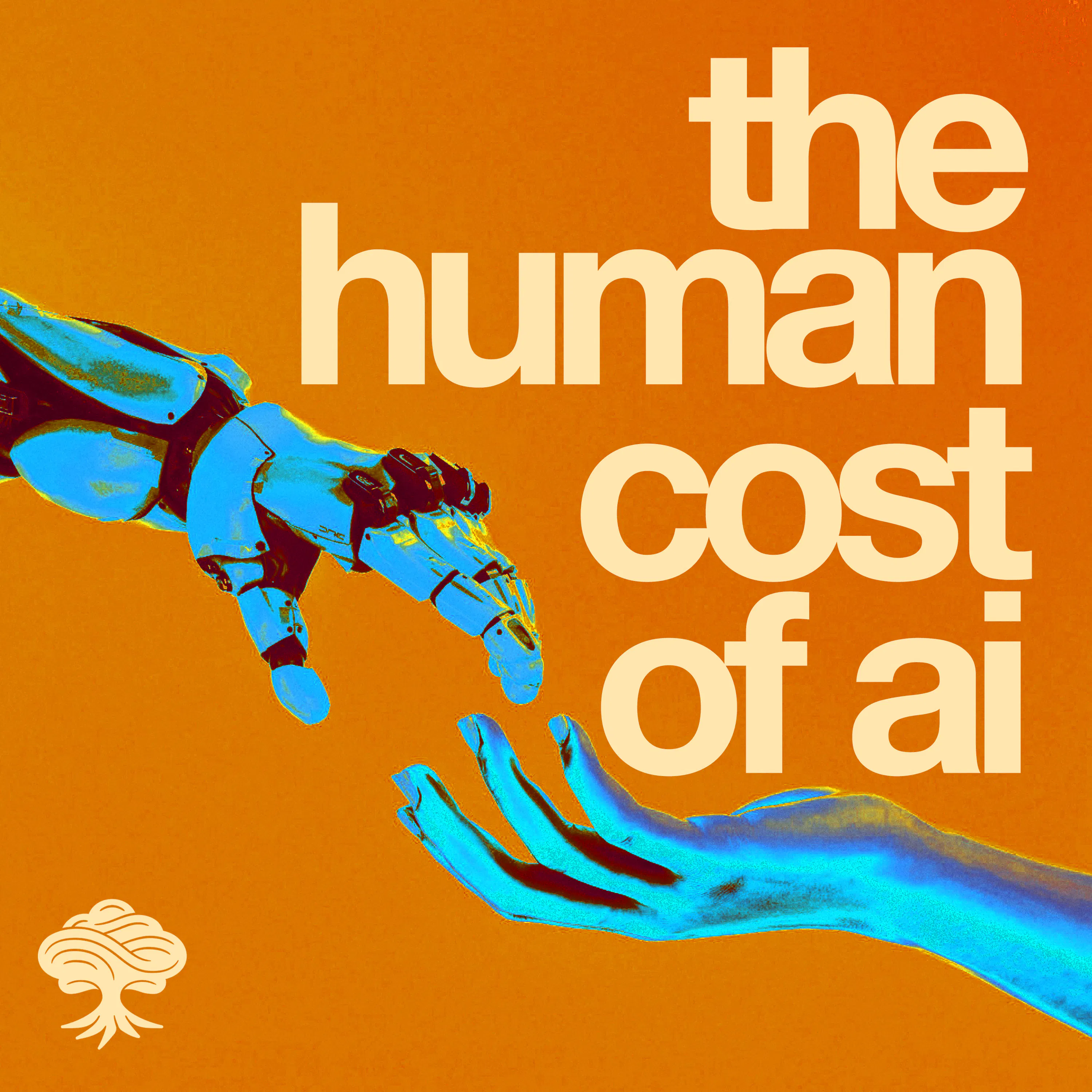
256: The Human Cost of AI: Money, Sex, and Tools episode artwork

EPISODE · Apr 6, 2026 · 53 MIN

256: The Human Cost of AI: Money, Sex, and Tools

from No Small Endeavor with Lee C. Camp · host Tokens Media

What if the greatest danger of AI isn’t that it becomes human, but that it reshapes what it means to be one? In part one of this series, we explore artificial intelligence through a sobering insight: every ship we build also creates the possibility of a shipwreck. The question is not whether AI will save us or destroy us, but how our own formation may already be the collateral damage of its rise. To trace the human cost of AI, we follow three fault lines: tools, sex, and money. We examine how these technologies shape our habits and desires, and how they are shaped by the systems of power we live within. Along the way, we hear from leading scholars and technologists, including computer scientist Josh Brake, philosopher Joe Vukov, MIT professor Rosalind Picard, journalist Garrett Graff, and data scientist Rumman Chowdhury. Together, they challenge the idea that AI is merely a neutral tool, revealing how it quietly directs our attention, relationships, and sense of purpose and inviting us to reconsider what it means to live well and remain human, in an age of powerful machines. Key Ideas: -Rethink “Just a Tool” Technologies are never neutral; their design subtly shapes our habits, attention, and even our sense of agency. -Ask Who You’re Becoming The deeper question isn’t what we use AI for, but how it forms our character and communities over time. -Resist the Illusion of Understanding AI systems can mimic human thought, but they do not understand meaning—reminding us to value uniquely human forms of knowing. -Guard Your Desire AI’s ability to simulate intimacy risks reshaping our longings, training us toward convenience over genuine relationship. -Follow the Incentives Behind every AI system are economic forces that prioritize engagement and profit, often at the expense of human flourishing. -Recover a Fuller Humanity Being human is more than intelligence—it includes embodiment, relationships, and moral responsibility that no machine can replicate. Show Notes, Resources, and Transcript⁠ for abridged episode 1 of The Human Cost of AI Join NSE+ — our subscriber-only community — for ad-free listening, member-only bonus content, and early access to live show tickets. Your membership helps make No Small Endeavor sustainable. No Small Endeavor: An award-winning podcast that asks what it means to live a good life. Through conversations with leading thinkers across theology, philosophy, psychology, politics, and the social sciences, we explore human flourishing, meaning and purpose, faith and culture, science and religion, virtue and character, religion and spirituality, community, and the practices that help shape a good life grounded in truth, beauty, and goodness. Follow @nosmallendeavor  Host Lee C. Camp: Lee has worked as a professor of theology & ethics for more than 25 years, teaching and writing on topics of faith & politics, inter-religious dialog, and human flourishing at the intersection of theology, moral philosophy, and social sciences. Follow @leeccamp  Learn more about your ad choices. Visit megaphone.fm/adchoices

What if the greatest danger of AI isn’t that it becomes human, but that it reshapes what it means to be one? In part one of this series, we explore artificial intelligence through a sobering insight: every ship we build also creates the possibility of a shipwreck. The question is not whether AI will save us or destroy us, but how our own formation may already be the collateral damage of its rise. To trace the human cost of AI, we follow three fault lines: tools, sex, and money. We examine how these technologies shape our habits and desires, and how they are shaped by the systems of power we live within. Along the way, we hear from leading scholars and technologists, including computer scientist Josh Brake, philosopher Joe Vukov, MIT professor Rosalind Picard, journalist Garrett Graff, and data scientist Rumman Chowdhury. Together, they challenge the idea that AI is merely a neutral tool, revealing how it quietly directs our attention, relationships, and sense of purpose and inviting us to reconsider what it means to live well and remain human, in an age of powerful machines. Key Ideas: -Rethink “Just a Tool” Technologies are never neutral; their design subtly shapes our habits, attention, and even our sense of agency. -Ask Who You’re Becoming The deeper question isn’t what we use AI for, but how it forms our character and communities over time. -Resist the Illusion of Understanding AI systems can mimic human thought, but they do not understand meaning—reminding us to value uniquely human forms of knowing. -Guard Your Desire AI’s ability to simulate intimacy risks reshaping our longings, training us toward convenience over genuine relationship. -Follow the Incentives Behind every AI system are economic forces that prioritize engagement and profit, often at the expense of human flourishing. -Recover a Fuller Humanity Being human is more than intelligence—it includes embodiment, relationships, and moral responsibility that no machine can replicate. Show Notes, Resources, and Transcript⁠ for abridged episode 1 of The Human Cost of AI Join NSE+ — our subscriber-only community — for ad-free listening, member-only bonus content, and early access to live show tickets. Your membership helps make No Small Endeavor sustainable. No Small Endeavor: An award-winning podcast that asks what it means to live a good life. Through conversations with leading thinkers across theology, philosophy, psychology, politics, and the social sciences, we explore human flourishing, meaning and purpose, faith and culture, science and religion, virtue and character, religion and spirituality, community, and the practices that help shape a good life grounded in truth, beauty, and goodness. Follow @nosmallendeavor  Host Lee C. Camp: Lee has worked as a professor of theology & ethics for more than 25 years, teaching and writing on topics of faith & politics, inter-religious dialog, and human flourishing at the intersection of theology, moral philosophy, and social sciences. Follow @leeccamp  Learn more about your ad choices. Visit megaphone.fm/adchoices

NOW PLAYING

256: The Human Cost of AI: Money, Sex, and Tools

0:00 53:34

No transcript for this episode yet

We transcribe on demand. Request one and we'll notify you when it's ready — usually under 10 minutes.

MG Show MG Show The MG Show, hosted by Jeffrey Pedersen and Shannon Townsend, is a leading alternative media platform dedicated to uncovering the truth behind today’s most pressing political issues. Launched in 2019, the show has grown exponentially, offering unfiltered insights, comprehensive research, and real-time analysis. With a commitment to independent journalism and factual integrity, the MG Show empowers its audience with knowledge and encourages active participation in the political discourse. 輕鬆講講故丨粵語丨暴走的陳老C丨廣東話 暴走的陳老C 《輕鬆講講古》 French Your Way Jessica: Native French teacher founder of French Your Way Boost your French listening skills and test your comprehension with this one of a kind series of podcasts. Get the chance to listen to a real conversation between native speakers talking at normal speed AND customise your learning experience through carefully designed sets of questions (2 levels of difficulty) available for download at www.frenchvoicespodcast.com. All interviews also come with the transcript. French teacher Jessica interviews native speakers of French from around the world who share a bit of their life and passion. Where else would you meet in one same place a French yoga teacher based in Melbourne, a soap manufacturer from Provence, or a couple cycling around the world? That Hoarder: Overcome Compulsive Hoarding That Hoarder Hoarding disorder is stigmatised and people who hoard feel vast amounts of shame. This podcast began life as an audio diary, an anonymous outlet for somebody with this weird condition. That Hoarder speaks about her experiences living with compulsive hoarding, she interviews therapists, academics, researchers, children of hoarders, professional organisers and influencers, and she shares insight and tips for others with the problem. Listened to by people who hoard as well as those who love them and those who work with them, Overcome Compulsive Hoarding with That Hoarder aims to shatter the stigma, share the truth and speak openly and honestly to improve lives.

Frequently Asked Questions

How long is this episode of No Small Endeavor with Lee C. Camp?

This episode is 53 minutes long.

When was this No Small Endeavor with Lee C. Camp episode published?

This episode was published on April 6, 2026.

What is this episode about?

What if the greatest danger of AI isn’t that it becomes human, but that it reshapes what it means to be one? In part one of this series, we explore artificial intelligence through a sobering insight: every ship we build also creates the...

Can I download this No Small Endeavor with Lee C. Camp episode?

Yes, you can download this episode by clicking the download button on the episode player, or subscribe to the podcast in your preferred podcast app for automatic downloads.
URL copied to clipboard!