
EPISODE · Sep 25, 2025 · 13 MIN
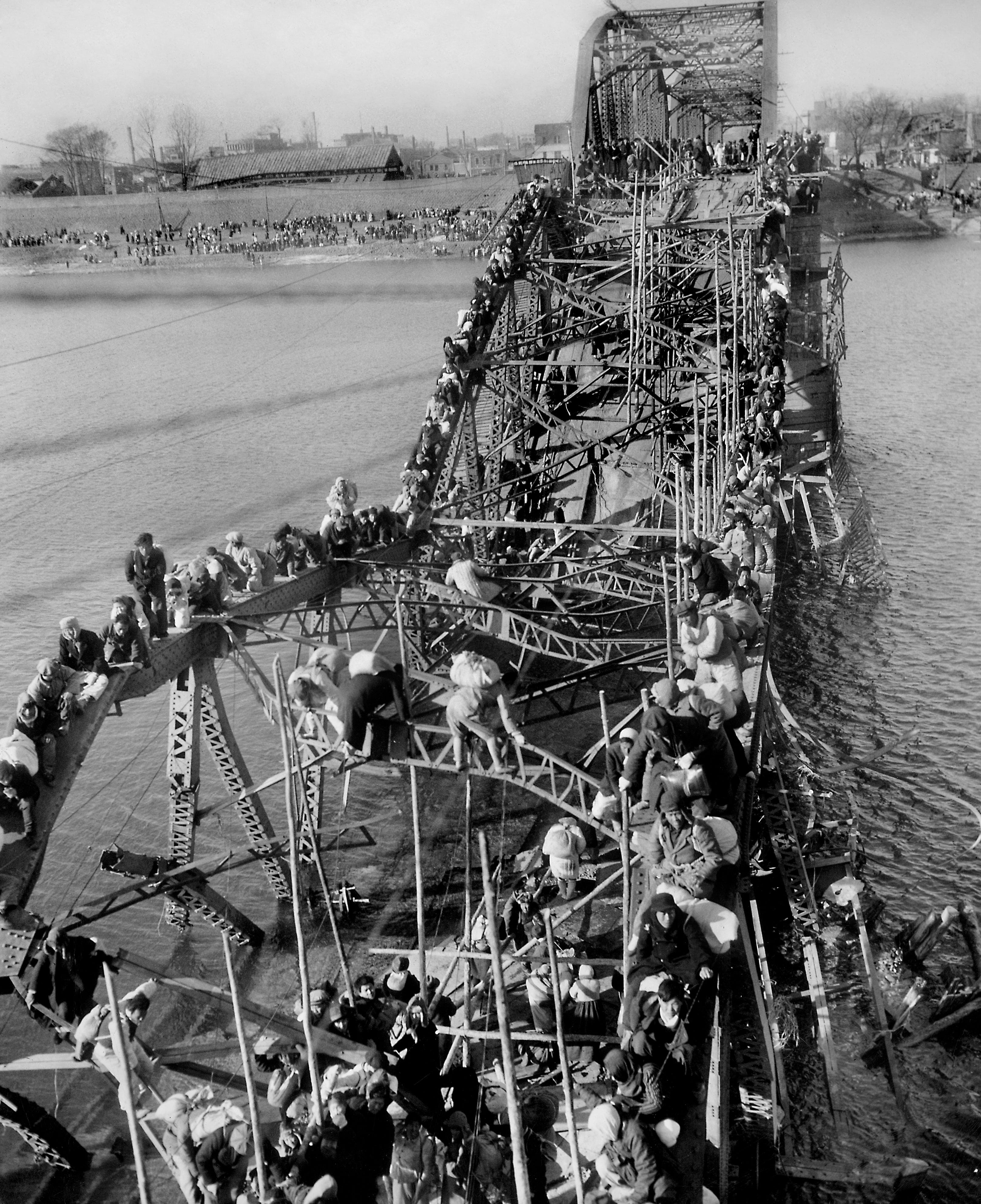
28(18). The Three-Year Inferno: Confronting the Brutality of the Korean War
from Understanding Korea, One Story at a Time Podcast · host Dr. Jiwon Yoon
Episode 28 | The Three-Year Inferno — Civilian Loss, Suppressed Mourning, and an Unfinished WarTo understand modern Korea, you have to walk through 1950–53. This episode, drawn from my Substack series, explores the brutality of the Korean War and the operating system it left behind: a country standing not on peace but on waiting.Original Post: https://yoonjiwon.substack.com/p/korean-war-brutal-historyKey themesWhy this was not just a soldiers’ war but a catastrophe that swallowed kitchens, schools, and bridges.How hunger, cold, bombing, and checkpoints turned daily life into survival tactics.“Our own hands, too”: North Korean, Chinese, South Korean, and UN/US forces all left civilian victims.The right to mourn and ambiguous loss—how missing names froze grief.Armistice as operating system: conscription, drills, and emergency politics as a lasting tempo.Glossary of Key Korean Terms (Romanization · Hangul · Meaning)(Timestamps mark the first mention; your app may vary by a few seconds.)Bodo Yeonmaeng haksal · 보도연맹 학살 · 4:01Mass executions tied to the National Guidance League (Gukmin Bodo Yeonmaeng, 국민보도연맹), a “rehabilitation” program that became the basis for preventive arrests and killings as the war broke out.Yi Seung-man (Syngman Rhee) · 이승만 · 4:15South Korea’s first president (1948–1960). Note the dual spelling: Yi Seung-man is the scholarly romanization of his Korean name; Syngman Rhee is the English name he used internationally. His government oversaw the Bodo League–related mass killings of suspected leftists by state, police, and army.Nogeun-ri yangmin haksal sageon · 노근리 양민 학살 사건 (No Gun Ri massacre) · 5:23The massacre of civilians at No Gun Ri (July 1950), in which U.S. troops fired on refugees near a railway underpass—now a touchstone for civilian vulnerability and wartime panic.Seoul Daehakgyo Byeongwon haksal · 서울대학교병원 학살 · 6:40The Seoul National University Hospital massacre (June 28, 1950): patients, staff, and wounded killed during the first North Korean occupation of Seoul; later formally recognized by Korea’s Truth and Reconciliation Commission.Jeongjeon · 정전 · 12:31Armistice—a cease-fire that stops the shooting but doesn’t end the war. Korea has an armistice (1953), not a peace treaty.Jongjeon / Pyeonghwa hyeopjeong · 종전 / 평화협정 · 12:33End of war / peace treaty—the legal termination of war. Korea never signed one, which is why the past keeps leaking into the present. Get full access to Understanding Korea, One Story at a Time at yoonjiwon.substack.com/subscribe
Embed this episode
NOW PLAYING
28(18). The Three-Year Inferno: Confronting the Brutality of the Korean War
No transcript for this episode yet
Similar Episodes
No similar episodes found.
Similar Podcasts
No similar podcasts found.