
EPISODE · Jun 30, 2025 · 30 MIN
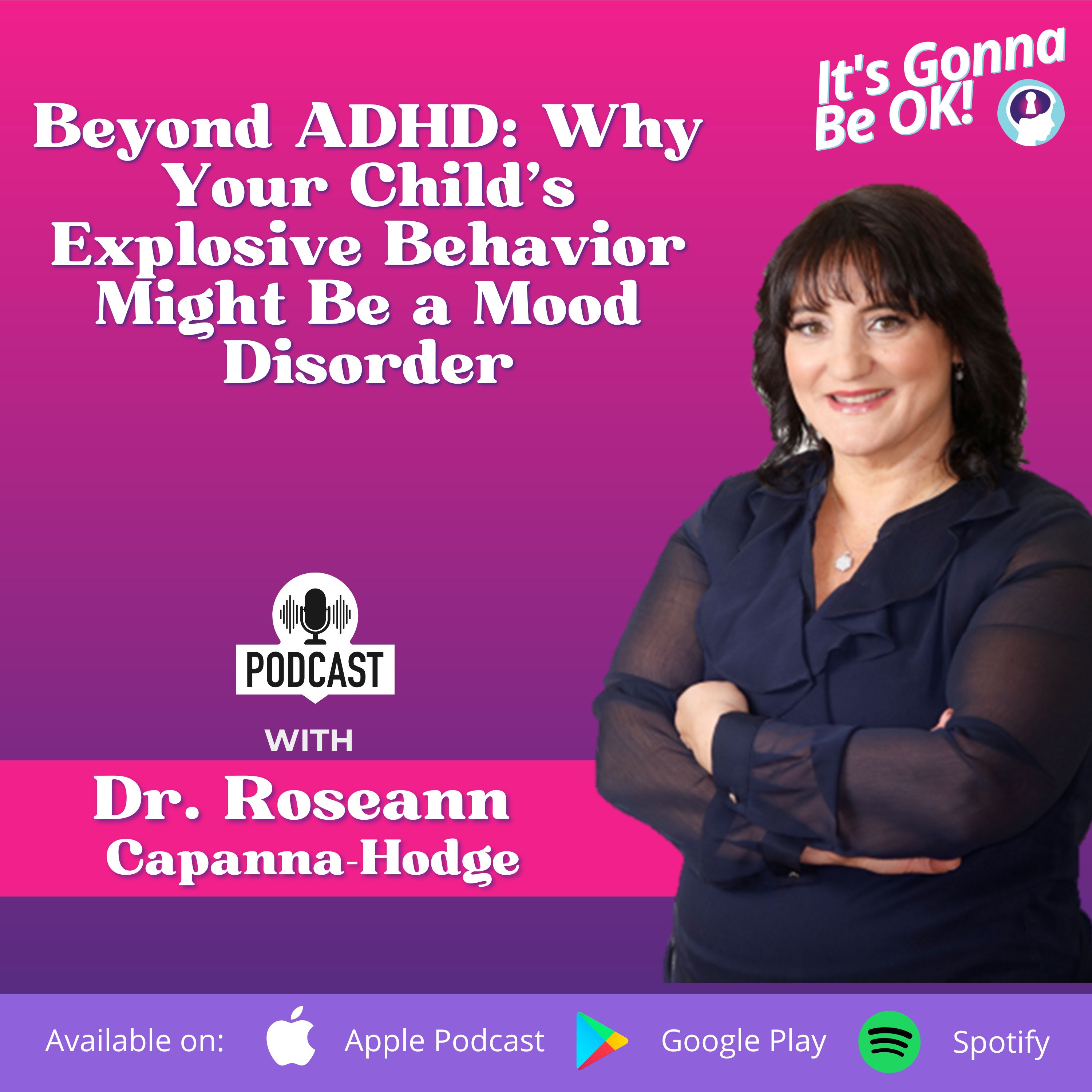
ADHD vs Mood Disorder | Emotional Dysregulation in Children | E316
from Dysregulated Kids: Science-Backed Parenting Help for Behavior, Anxiety, ADHD and More
Estimated Reading Time: 6 minutesIf your child has intense emotions, explosive rage, or meltdowns that seem to come out of nowhere, you're not alone. One of the biggest sources of confusion for parents is understanding ADHD vs mood disorder. Both can involve impulsivity, emotional outbursts, and executive functioning challenges, but they aren't the same thing. Getting the distinction right is essential if you want to provide the support your child truly needs.In this episode, I break down ADHD vs mood disorder through the lens of nervous system dysregulation and explain why behavior patterns often reveal more than labels.In this episode, you'll learn:• The key differences between ADHD vs mood disorder • Why mood disorders are often misdiagnosed as ADHD • Common triggers behind explosive behavior and emotional reactivity • Practical regulation techniques for kids that support emotional stabilityHow can I tell if it's ADHD or a mood disorder?This is where many parents get stuck. ADHD and mood disorders share symptoms such as impulsivity, poor frustration tolerance, and executive functioning challenges.The pattern often tells the story:ADHD typically looks like:• Distractibility • Impulsivity • Difficulty shifting attention • Consistent executive functioning strugglesMood dysregulation often looks like:• Chronic irritability • Emotional volatility • Intense rage or emotional crashes • Long recovery periods after outburstsReal-life example: Some children are labeled with "complex ADHD," but their daily experience is dominated by chronic irritability, explosive reactions, and emotional recovery that takes hours or even days.Understanding ADHD vs mood disorder helps parents look beyond surface behaviors and identify what is truly driving the struggle.Why are mood disorders often missed?Because mood-related diagnoses can feel overwhelming, many families and professionals focus first on ADHD, anxiety, or oppositional behavior.Behavior is communication. It's not bad behavior. It's a dysregulated brain.What triggers explosive behavior?The most common triggers aren't signs of defiance. They're signs of nervous system overload.Watch for patterns around:• Transitions, especially ending screen time • Sensory overwhelm and environmental stress • Hunger, fatigue, or overscheduling • Bullying, grief, friendship struggles, or traumaWhen parents shift from "They're doing this to me" to "My child's nervous system is overloaded," everything changes.This perspective is especially important for supporting a dysregulated child experiencing intense emotional reactions.What helps when emotions run high?Children struggling with mood dysregulation need nervous system support before they can access problem-solving and self-control.Focus on:• Co-regulation before correction • Predictable routines and expectations • Reducing sensory overload • Teaching self-regulation skills for children during calm moments • Using consistent regulation techniques for kids such as breathing, movement, and sensory supportsThese strategies help reduce behavioral dysregulation and create a stronger foundation for emotional growth.You don't have to figure this out alone. Become a Dysregulation Insider VIP and get your FREE Regulation Rescue Kit: How to Stay Calm When Your Child Pushes Your Buttons and Stop Oppositional Behaviors.Head to www.drroseann.com/newsletter and start your calm parenting journey today.🗣️ “These aren’t manipulative behaviors. They’re a sign of that dysregulated nervous system.” — Dr. RoseannTakeaway & What's NextIf you've been caught in the confusion of ADHD vs mood disorder, let this be your reminder to look beyond labels and focus on regulation first. A calm brain is the foundation for learning, flexibility, and emotional growth.When we understand what the nervous system is communicating, we can respond with clarity instead of frustration.If you're also wondering whether anxiety is contributing to the picture, listen next to Can Anxiety in Children Mimic ADHD?FAQsCan ADHD medications make mood dysregulation worse? For some children, medication may increase irritability or emotional reactivity. Any concerns should be discussed with your child's prescribing provider.What should I do when my child is raging? Focus on safety and co-regulation first. Problem-solving and teaching come after the nervous system settles.Why does my child act fine at school but explode at home? Many children mask stress and emotions all day. Home is often the place where accumulated nervous system overload finally comes out.Dr. Roseann Capanna-Hodge helps parents understand emotional dysregulation in children and teaches practical nervous system regulation and co-regulation strategies through her Regulation First Parenting™ approach.Help your child regulate their emotions through our Natural Mood and Behavior Regulation Kit!Discover science-backed mental health solutions and gain valuable insights by exploring the resources available at www.drroseann.com.
Embed this episode
NOW PLAYING
ADHD vs Mood Disorder | Emotional Dysregulation in Children | E316
No transcript for this episode yet
Similar Episodes
Dec 21, 2025 ·46m
Similar Podcasts
No similar podcasts found.