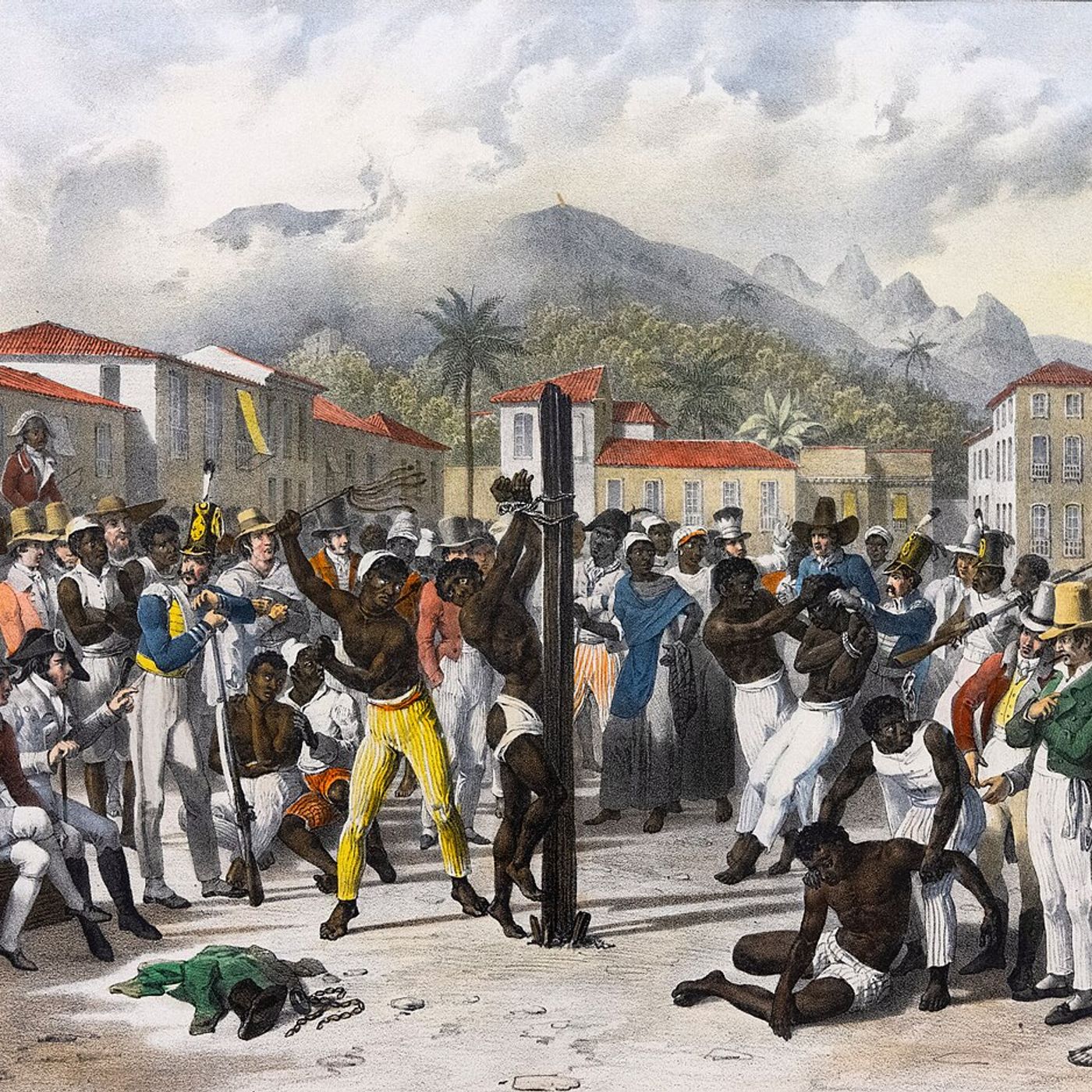
37 - History, Spanish colonial America. episode artwork

EPISODE · May 17, 2026 · 2 MIN

37 - History, Spanish colonial America.

from Slavery. · host Popular Culture and Religion.

History, Spanish colonial America.  In Jamaica and elsewhere in the Caribbean area, the Spanish enslaved many of the Taino natives. Some of them escaped, and some hurled themselves and their children off of cliffs to avoid enslavement, but most died from European diseases and overwork. The practice began under Christopher Columbus, who was looking for gold to finance his future expeditions, and was continued by the other conquistadors who followed in his wake.  In 1519, Hernán Cortés brought the first modern slave to Mexico. In the mid-16th century, the Spanish New Laws, prohibited slavery of the indigenous people, including the Aztecs. A labour shortage resulted. This led to the African slaves being imported, as they were not susceptible to smallpox. In exchange, many Africans were afforded the opportunity to buy their freedom, while eventually others were granted their freedom by their masters.  Spain practically did not trade in slaves until 1810 after the rebellions and independence of its American territories or viceroyalties. After the Napoleonic invasions, Spain had lost its industry and its American territories, except in Cuba and Puerto Rico, where the African slave trade to Cuba began on a massive scale from 1810 onwards. It was started by French planters exiled from the French lost colony Saint Domingue (Haiti) who settled in the eastern part of Cuba.  In 1789, the Spanish Crown led an effort to reform slavery, as the demand for slave labour in Cuba was growing. The Crown issued a decree, Código Negro Español (Spanish Black Code), that specified food and clothing provisions, put limits on the number of work hours, limited punishments, required religious instruction, and protected marriages, forbidding the sale of young children away from their mothers. The British made other changes to the institution of slavery in Cuba. However, planters often flouted the laws and protested against them, considering them a threat to their authority and an intrusion into their personal lives. Wikipedia: Creative Commons Attribution-ShareAlike 4.0 License.This episode includes AI-generated content.

Episode metadata supplied by the publisher feed · Published May 17, 2026

Embed this episode

NOW PLAYING

37 - History, Spanish colonial America.

0:00 2:16

No transcript for this episode yet

We transcribe on demand. Request one and we'll notify you when it's ready — usually under 10 minutes.

No similar episodes found.

1619 The New York Times In August of 1619, a ship carrying more than 20 enslaved Africans arrived in the English colony of Virginia. America was not yet America, but this was the moment it began. No aspect of the country that would be formed here has been untouched by the 250 years of slavery that followed. On the 400th anniversary of this fateful moment, it is time to tell the story.“1619” is a New York Times audio series hosted by Nikole Hannah-Jones. You can find more information about it at nytimes.com/1619podcast. "1619" has been named an Apple Podcasts Series Essential.Subscribe today at nytimes.com/podcasts or on Apple Podcasts and Spotify. You can also subscribe via your favorite podcast app here https://www.nytimes.com/activate-access/audio?source=podcatcher. For more podcasts and narrated articles, download The New York Times app at nytimes.com/app. Teaching Hard History Learning for Justice From Learning for Justice and host Hasan Kwame Jeffries, Ph.D., Teaching Hard History brings us the crucial history we should have learned through the voices of leading scholars and educators. The series, which includes four seasons that originally aired from 2018 to 2022, begins with the long and brutal legacy of slavery and reaches through the victories of and violent responses to the Civil Rights Movement and Black Americans' experiences during the Jim Crow era to the issues we face today. Join us as we relaunch this podcast series, highlighting an episode each week and including a new resource page with key points from the conversation, resources and connections for building learning experiences. Conversations on Modern Slavery Free the Slaves Conversations on Modern Slavery takes you inside the global fight to end modern slavery. Each episode features engaging conversations with researchers, survivor leaders, frontline advocates, and policy experts—diving into the root causes, current challenges, and bold solutions driving change. Whether you’re new to the issue or deeply involved in the work, this podcast offers fresh insights and powerful stories to inform, inspire, and mobilize.

Frequently Asked Questions

How long is this episode of Slavery.?

This episode is 2 minutes long.

When was this Slavery. episode published?

This episode was published on May 17, 2026.

Can I download this Slavery. episode?

Yes. Use the download control on the episode player to save the publisher-provided media file.
URL copied to clipboard!