
EPISODE · Jun 30, 2024 · 21 MIN
#4 KINSHIP: Relations of Reciprocity in More-Than-Human Worlds
from Professor Peyton's Podcast · host Dr. Peyton Del Toro
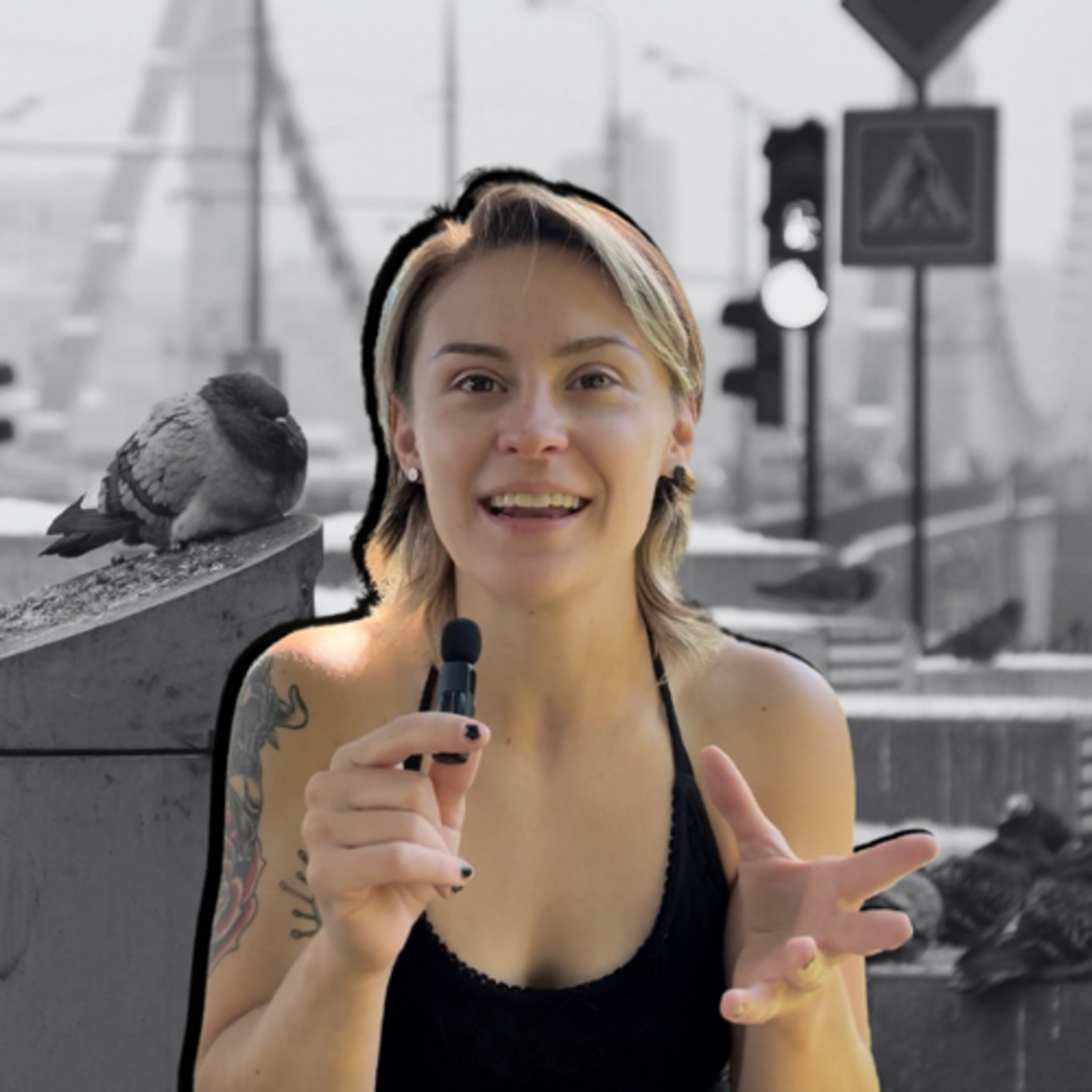
This is the fourth lecture for the 2024 summer session of ENGLISH 3372 for The Ohio State University, taught by PhD Candidate Peyton Del Toro. From bashful encounters with trees to the history of pigeons, this lecture is all about shameless kinship with the more-than-human world. This lecture breaks down the theoretical “reading” of the week: A For the Wild Podcast with Dr. Patricia Kaishian. We’ll also be working with Robin Wall Kimmerer’s chapter called “A Mother’s Work” from Braiding Sweetgrass and a short story called “Nature’s Morte” by Etan Nechin. In “A Mother’s Work,” Kimmerer discusses her experience trying to create a swimmable pond for her kids near her home. In the process of attempting to clean out the pond for her kids, she realized the amount of lives that were destroyed: Short, single-cell lives were ended because I wanted a clear pond. I’m bigger, I have a rake, so I win. That’s not a worldview I readily endorse. . . I was so quick and single-minded about what I was doing that I forgot to look. I forgot to acknowledge that creating the home that I wanted for my children jeopardized the homemaking of other mothers whose intents were no different from mine (90-92). At the core of this section is Kimmerer’s hopes of “being a good mother,” where she uses ecology to unpack anthropocentric understandings of motherhood. Her kids are getting old, starting to leave the home, and when they asked for a swimmable pond, she wanted to deliver: “The word ecology is derived from the Greek oikos, the word for home. I could use ecology to make a good home” (85).But rather than continuing to mindlessly take the lives of single-cell lives and tadpoles, her perspective changes. Through the relationship she built with this pond, her role as a mother is able to continue long after her human children “left the nest,” so to speak—“There are grandchildren to nurture, and frog children, nestlings, goslings, seedlings, and spores, and I still want to be a good mother” (97). The antidote to sovereignty and the path towards revolution is in decolonial acts of caring and building queer posthumanist kinship. As mycologist Patricia Kaishian articulates in a For The Wild podcast, “To be imaginative about solutions to conservation, I think would be to invoke these philosophical, romantic, and personable relations that we have the capacity of having with other organisms, and be shameless about them.” We must take shameless pride in our intra-species relations of reciprocal care.
Embed this episode
Ready to play
#4 KINSHIP: Relations of Reciprocity in More-Than-Human Worlds
No transcript for this episode yet
Similar Episodes
No similar episodes found.
Similar Podcasts
No similar podcasts found.