
EPISODE · Mar 26, 2015 · 40 MIN
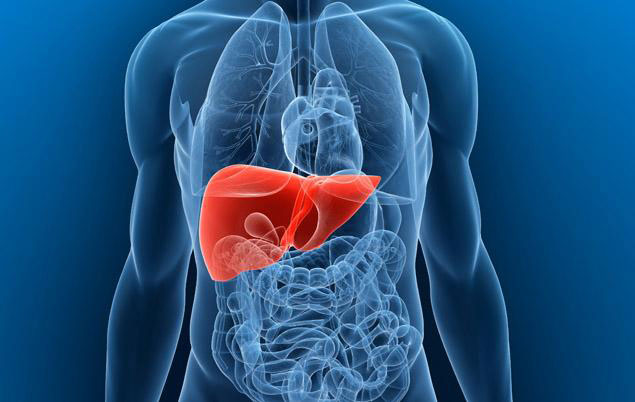
#41 14 Super Critical Functions Of Your Most Important Organ
from Structural Performance Podcast
<p class="MsoNormal" style="margin-bottom:22.0pt;mso-pagination:none;mso-layout-grid-align: none;text-autospace:none"> <p class="MsoNormal" style="margin-bottom:22.0pt;mso-pagination:none;mso-layout-grid-align: none;text-autospace:none"><span style="font-size:14.0pt;font-family:"Arial",sans-serif; color:#0E0E0E">If you’ve been paying attention to any of my social media posts and newsletter articles lately you probably know that I am a big fan of periodic metabolic body detoxification. And I have been just as guilty as most of the other authors out there in dumbing down the reasons why -honestly, I am pretty sure most of the authors out there don’t really know the specifics as to why detoxification is so important and beneficial- just that it works. So I am going to share with you today a few more wonky reasons why a regular, properly designed detox, makes you feel so good and makes your body operate at such a higher capacity than the vast majority of folks are used to. <p class="MsoNormal" style="margin-bottom:22.0pt;mso-pagination:none;mso-layout-grid-align: none;text-autospace:none"><span style="font-size:14.0pt;font-family:"Arial",sans-serif; color:#0E0E0E">Here are the 14 reasons:* <p class="MsoNormal" style="margin-bottom:22.0pt;mso-pagination:none;mso-layout-grid-align: none;text-autospace:none"><span style="font-size:14.0pt;font-family:"Arial",sans-serif; color:#0E0E0E">1) The liver converts thyroid hormone thyroxin (T4) into its more active form Triiodothyronine (T3). When your liver is not operating at potential, your thyroid function and thereby your metabolism will not be operating optimally. This can lead to symptoms such as chronic fatigue, weight gain, poor memory and so on. <p class="MsoNormal" style="margin-bottom:22.0pt;mso-pagination:none;mso-layout-grid-align: none;text-autospace:none"><span style="font-size:14.0pt;font-family:"Arial",sans-serif; color:#0E0E0E">2) The liver creates Glucose Tolerance Factor (GTF) from chromium, niacin and possibly glutathione. GTF is needed by the hormone insulin to properly regulate blood sugar levels. It is also a necessary co-factor for Growth Hormone to be effective in promoting muscle growth in response to muscular training. <p class="MsoNormal" style="margin-bottom:22.0pt;mso-pagination:none;mso-layout-grid-align: none;text-autospace:none"><span style="font-size:14.0pt;font-family:"Arial",sans-serif; color:#0E0E0E">3) The liver manufactures bile salts. These help you digest and absorb dietary fats. Bile is also a conduit for removing fat soluble toxins from the liver, draining them into the gut for excretion through defecation. <p class="MsoNormal" style="margin-bottom:22.0pt;mso-pagination:none;mso-layout-grid-align: none;text-autospace:none"><span style="font-size:14.0pt;font-family:"Arial",sans-serif; color:#0E0E0E">4) The liver activates B vitamins into their biologically active coenzyme forms. Other active vitamin precursors such as beta carotene, iron, copper, etc. are also converted into biologically active forms in the liver. Without this function, even the most well absorbed supplement will be useless and possibly even mildly toxic. In short, a well functioning liver makes your expensive supplements actually work. <p class="MsoNormal" style="margin-bottom:22.0pt;mso-pagination:none;mso-layout-grid-align: none;text-autospace:none"><span style="font-size:14.0pt;font-family:"Arial",sans-serif; color:#0E0E0E">5) The liver stores various nutrients like vitamins A, D, B12, and iron for release when needed. <p class="MsoNormal" style="margin-bottom:22.0pt;mso-pagination:none;mso-layout-grid-align: none;text-autospace:none"><span style="font-size:14.0pt;font-family:"Arial",sans-serif; color:#0E0E0E">6) The liver manufactures carnitine from lysine and other nutrients. Carnitine is the only known nutrient which can escort fats into the mitochondria where fats are burned to generate ATP (cellular energy). Better liver function gets you more energy! Endurance athletes, like me, can improve both their power as well as their endurance by getting the liver functioning more efficiently. <p class="MsoNormal" style="margin-bottom:22.0pt;mso-pagination:none;mso-layout-grid-align: none;text-autospace:none"><span style="font-size:14.0pt;font-family:"Arial",sans-serif; color:#0E0E0E">7) The liver converts lactic acid from a toxic waste to an important storage food. Lactic acid is a byproduct of cellular energy production and a build up can produce chronic pain and inflammation. The liver converts lactic acid dumped into the bloodstream by hard working muscles into glycogen. <p class="MsoNormal" style="margin-bottom:22.0pt;mso-pagination:none;mso-layout-grid-align: none;text-autospace:none"><span style="font-size:14.0pt;font-family:"Arial",sans-serif; color:#0E0E0E">8) The liver serves as the main glucose buffer, preventing high or low extremes of blood sugar. It is a key regulator of blood sugar between meals, due to its manufacture, storage and release of glycogen. This helps prevent energy and mood swings that get most folks reaching for coffee and sweets mid morning and in the afternoon. This also helps keep endurance athletes chugging along without “bonking”. <p class="MsoNormal" style="margin-bottom:22.0pt;mso-pagination:none;mso-layout-grid-align: none;text-autospace:none"><span style="font-size:14.0pt;font-family:"Arial",sans-serif; color:#0E0E0E">9) The liver can make glucose (used for energy production in the body) from dietary or body derived amino acids. This process is called glucogenesis (glucose making) and it ensures adequate brain and muscle carbohydrate fuel supplies even when the diet provides little are no carbohudrates. The liver produces as much as 20-25% of the blood sugar that endurance athletes during intense training or competition by converting the amino acid alanine (released from muscle tissue) into glucose. <p class="MsoNormal" style="margin-bottom:22.0pt;mso-pagination:none;mso-layout-grid-align: none;text-autospace:none"><span style="font-size:14.0pt;font-family:"Arial",sans-serif; color:#0E0E0E">10) The liver is the chief regulator of protein metabolism. It converts different amino acids into each other as needed. The liver also synthezes creatine from the amino acids glycine, arginine, and methionine. If not for the super high energy biochemical creatine phosphate, sprint- type athletics would be biologically impossible. <p class="MsoNormal" style="margin-bottom:22.0pt;mso-pagination:none;mso-layout-grid-align: none;text-autospace:none"><span style="font-size:14.0pt;font-family:"Arial",sans-serif; color:#0E0E0E">11) The liver produces cholesterol and packages it into different forms for blood transport: HDL, LDL, VLDL. Essential fatty acids, such as linoleic acid, GLA, EPA, and DHA, must also be properly packaged by the liver ito appropriate lipoprotein forms (VLDL) to allow transport through the blood to the 50 trillion cells using the fatty acids. <p class="MsoNormal" style="margin-bottom:22.0pt;mso-pagination:none;mso-layout-grid-align: none;text-autospace:none"><span style="font-size:14.0pt;font-family:"Arial",sans-serif; color:#0E0E0E">12) The liver is the main poison-detoxifying organ in the body. It must break down virtually everything toxic to the body- from metabolic wastes, to insecticide residues, drugs, and alcohol, industrial and food processing chemicals, etc. Failure of this liver function will usually cause death in twelve to twenty-four hours. <p class="MsoNormal" style="margin-bottom:22.0pt;mso-pagination:none;mso-layout-grid-align: none;text-autospace:none"><span style="font-size:14.0pt;font-family:"Arial",sans-serif; color:#0E0E0E">13) The liver must dispose of ammonia, an extremely toxic by-product of protein metabolism. The amino acids arginine, and orthinine are used by the liver to control ammonia levels. Ammonia can cause brain irritation and even death- even at low levels. <span style="font-size:14.0pt;font-family:"Arial",sans-serif; color:#0E0E0E">14) The liver is the main organ for breaking down hormones after they have served their messenger function to their target cells. For example, if the liver dies not break down insulin quickly enough, hypoglycemia results as the still circulating insulin continues to lower blood sugar. If the liver dies not metabolize estrogen properly, PMS will result. Failure to dispose of adrenaline (the fight or flight hormone) after it has outlived its usefulness may lead to chronic irritability and temper explosions.
Embed this episode
NOW PLAYING
#41 14 Super Critical Functions Of Your Most Important Organ
No transcript for this episode yet
Similar Episodes
No similar episodes found.
Similar Podcasts
No similar podcasts found.