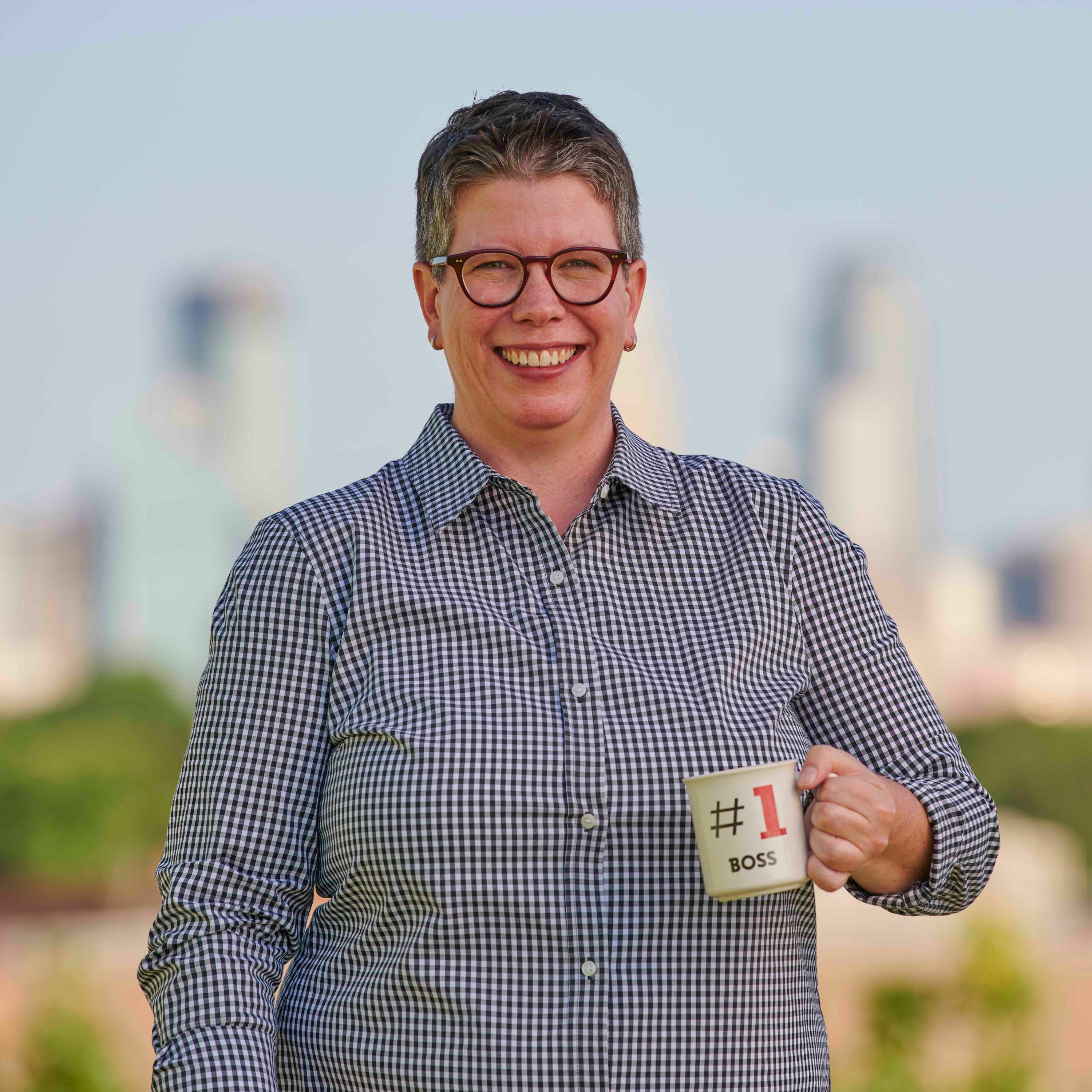
53. Peace Coffee Owner/CEO Lee Wallace episode artwork

EPISODE · Nov 25, 2020 · 1H 2M

53. Peace Coffee Owner/CEO Lee Wallace

from By All Means · host Twin Cities Business

In the 1990s, when Lee Wallace told business schools she was interested in studying the intersection of mission and money, they steered her into public policy. It was a time before B-corps and one-for-one brands. “Purpose” wasn’t the business buzzword it is today. But even armed with that master’s degree in public policy, Wallace continued to believe in the power of doing good while doing well. Eventually she found her way to a for-profit company founded on a mission to help farmers. That was Peace Coffee, an early champion of the fair trade model to create a transparent and sustainable system that directly benefits farmers and their communities. “The thing that’s so amazing about being presented with the opportunity to run a business founded to do the right thing is authenticity,” says Wallace, who came on as CEO in 2002 and bought the business in 2018 from its founding nonprofit, the Institute for Agriculture & Trade Policy. Today, Wallace is a recognized leader in social enterprise business, as well as fair trade enterprises and specialty coffee importers. She holds leadership roles in the Climate Collaborative and the B corps movement. And she doesn’t apologize for Peace Coffee’s success, because selling more coffee means purchasing more coffee beans at fair prices from farming cooperatives around the world. With a new eco-friendly Minneapolis manufacturing facility, Peace was well positioned at the beginning of the Covid-19 crisis to respond to the sudden spike in coffee bean sales for home brewing. In 2020, Peace Coffee doubled its store accounts with Target and added 70 more Whole Foods stores. Despite losing the 15 percent of sales that came from restaurants, theaters, and offices, Wallace says she expects to end the year up 17 percent. But the challenges persist. The Peace Coffee headquarters is just off East Lake Street, near the Minneapolis Police Third Precinct that was burned down in protests following George Floyd’s killing. She talks about what it will take to restore the multicultural neighborhood’s vibrancy. And although it had not yet been announced publicly at the time of this conversation, Wallace shared that Peace Coffee is getting out of the coffee shop business to focus on growing wholesale. But even in that, she found a way to make it count, by partnering with nonprofit Wildflyer Coffee, which provides jobs to homeless youth. After our conversation with Wallace, we go Back to the Classroom with the University of St. Thomas Opus College of Business. Case Frid is an assistant professor in the department of entrepreneurship whose work focuses on how business relates to community. “A corporate purpose is about your core reason for being and the impact your organization wants to have on the world,” Frid says. “It’s got to be relational, not transactional.”

In the 1990s, when Lee Wallace told business schools she was interested in studying the intersection of mission and money, they steered her into public policy. It was a time before B-corps and one-for-one brands. “Purpose” wasn’t the business buzzword it is today. But even armed with that master’s degree in public policy, Wallace continued to believe in the power of doing good while doing well. Eventually she found her way to a for-profit company founded on a mission to help farmers. That was Peace Coffee, an early champion of the fair trade model to create a transparent and sustainable system that directly benefits farmers and their communities. “The thing that’s so amazing about being presented with the opportunity to run a business founded to do the right thing is authenticity,” says Wallace, who came on as CEO in 2002 and bought the business in 2018 from its founding nonprofit, the Institute for Agriculture & Trade Policy. Today, Wallace is a recognized leader in social enterprise business, as well as fair trade enterprises and specialty coffee importers. She holds leadership roles in the Climate Collaborative and the B corps movement. And she doesn’t apologize for Peace Coffee’s success, because selling more coffee means purchasing more coffee beans at fair prices from farming cooperatives around the world. With a new eco-friendly Minneapolis manufacturing facility, Peace was well positioned at the beginning of the Covid-19 crisis to respond to the sudden spike in coffee bean sales for home brewing. In 2020, Peace Coffee doubled its store accounts with Target and added 70 more Whole Foods stores. Despite losing the 15 percent of sales that came from restaurants, theaters, and offices, Wallace says she expects to end the year up 17 percent. But the challenges persist. The Peace Coffee headquarters is just off East Lake Street, near the Minneapolis Police Third Precinct that was burned down in protests following George Floyd’s killing. She talks about what it will take to restore the multicultural neighborhood’s vibrancy. And although it had not yet been announced publicly at the time of this conversation, Wallace shared that Peace Coffee is getting out of the coffee shop business to focus on growing wholesale. But even in that, she found a way to make it count, by partnering with nonprofit Wildflyer Coffee, which provides jobs to homeless youth. After our conversation with Wallace, we go Back to the Classroom with the University of St. Thomas Opus College of Business. Case Frid is an assistant professor in the department of entrepreneurship whose work focuses on how business relates to community. “A corporate purpose is about your core reason for being and the impact your organization wants to have on the world,” Frid says. “It’s got to be relational, not transactional.”

NOW PLAYING

53. Peace Coffee Owner/CEO Lee Wallace

0:00 1:02:26

No transcript for this episode yet

We transcribe on demand. Request one and we'll notify you when it's ready — usually under 10 minutes.

MG Show MG Show The MG Show, hosted by Jeffrey Pedersen and Shannon Townsend, is a leading alternative media platform dedicated to uncovering the truth behind today’s most pressing political issues. Launched in 2019, the show has grown exponentially, offering unfiltered insights, comprehensive research, and real-time analysis. With a commitment to independent journalism and factual integrity, the MG Show empowers its audience with knowledge and encourages active participation in the political discourse. French Your Way Jessica: Native French teacher founder of French Your Way Boost your French listening skills and test your comprehension with this one of a kind series of podcasts. Get the chance to listen to a real conversation between native speakers talking at normal speed AND customise your learning experience through carefully designed sets of questions (2 levels of difficulty) available for download at www.frenchvoicespodcast.com. All interviews also come with the transcript. French teacher Jessica interviews native speakers of French from around the world who share a bit of their life and passion. Where else would you meet in one same place a French yoga teacher based in Melbourne, a soap manufacturer from Provence, or a couple cycling around the world? That Hoarder: Overcome Compulsive Hoarding That Hoarder Hoarding disorder is stigmatised and people who hoard feel vast amounts of shame. This podcast began life as an audio diary, an anonymous outlet for somebody with this weird condition. That Hoarder speaks about her experiences living with compulsive hoarding, she interviews therapists, academics, researchers, children of hoarders, professional organisers and influencers, and she shares insight and tips for others with the problem. Listened to by people who hoard as well as those who love them and those who work with them, Overcome Compulsive Hoarding with That Hoarder aims to shatter the stigma, share the truth and speak openly and honestly to improve lives. Flottengeflüster ALD Automotive Österreich | LeasePlan Beim Flottengeflüster powered by ALD Automotive | LeasePlan präsentieren Jörg Janik und Peter Gutenbrunner alle zwei Wochen spannende Informationen rund um das Thema nachhaltige Mobilität. Beide beschäftigen sich schon lange mit der Thematik und bringen umfangreiches Fachwissen mit. Sollten sie aber doch einmal nicht weiter wissen, werden unsere Expert*innen hinzugezogen, die ihnen gerne mit Rat und Tat zur Seite stehen.

Frequently Asked Questions

How long is this episode of By All Means?

This episode is 1 hour and 2 minutes long.

When was this By All Means episode published?

This episode was published on November 25, 2020.

What is this episode about?

In the 1990s, when Lee Wallace told business schools she was interested in studying the intersection of mission and money, they steered her into public policy. It was a time before B-corps and one-for-one brands. “Purpose” wasn’t the business...

Can I download this By All Means episode?

Yes, you can download this episode by clicking the download button on the episode player, or subscribe to the podcast in your preferred podcast app for automatic downloads.
URL copied to clipboard!