
EPISODE · Feb 5, 2026 · 52 MIN
55% of MIT Faculty Self-Censor — Here’s Why (E184)
from El Podcast · host El Podcast, Wayne Stargardt, MIT Free Speech Alliance, El Podcast Media, Jesse Wright
MIT Free Speech Alliance president Wayne Stargardt explains how a few high-profile cancellations can drive widespread faculty self-censorship—even at a STEM powerhouse like MIT.Guest bio:Wayne Stargardt is the president of the MIT Free Speech Alliance (independent of MIT) and an MIT alumnus (Class of 1974) who focuses on academic freedom, free expression, and open debate at STEM universities.Topics discussed“Silencing Science at MIT” and what MIT faculty surveys suggest about self-censorshipThe Dorian Abbott Carlson Lecture cancellation (2021) and the alumni responseWhy faculty fear student retaliation (bias reporting, administrative escalation)FIRE campus free-speech rankings and what they measureMIT’s revenue model (research/endowment vs tuition) and why incentives differ from most schoolsK–12 socialization, in loco parentis, and why students arrive primed for “shout-down” normsDEI rebranding (“community and belonging”) and the claim that pressures went undergroundRisks to MIT: recruiting/retaining top faculty and research dollarsMIT reinstating SAT requirements (post-2020 test disruption)MIT vs Harvard: data/analysis vs decision-making under uncertainty (“intuition”)AI as a tool: value depends on the questions/tasks you setMain points:Multiple MIT faculty surveys—asked different ways—cluster around ~50–55% reporting some self-censorship in at least some settings.You don’t need “many” cancellations: a few public examples can trigger self-protective silence across a campus.The Abbott episode was a catalyst: MIT was “caught by surprise,” and faculty + alumni backlash made repeat events less likely—but speakers may be quietly filtered out earlier.FIRE rankings reflect student attitudes + institutional policies; MIT’s rank improved partly because others worsened, not because MIT’s score surged.MIT’s finances reduce tuition dependence; the bigger vulnerability is faculty environment → research strength → prestige/funding.Administrative culture shift (more “professional administrators”) can amplify complaint systems when they’re sympathetic to activist norms.Stargardt is cautiously optimistic: broader American free-speech culture pushes universities either to course-correct or fade amid demographic headwinds.Best 3 quotes:“You don't have to cancel too many professors at a university… they catch on real quick… and… self-censor.”“MIT is a multidisciplinary research institute, which happened to have a small specialized trade school attached to it.”“You don't have to cancel a whole lot of people to scare the faculty. You just have to cancel a few.” 🎙 The Pod is hosted by Jesse Wright💬 For guest suggestions, questions, or media inquiries, reach out at https://elpodcast.media/📬 Never miss an episode – subscribe and follow wherever you get your podcasts.⭐️ If you enjoyed this episode, please rate and review the show. It helps others find us. Thanks for listening!
Embed this episode
What this episode covers
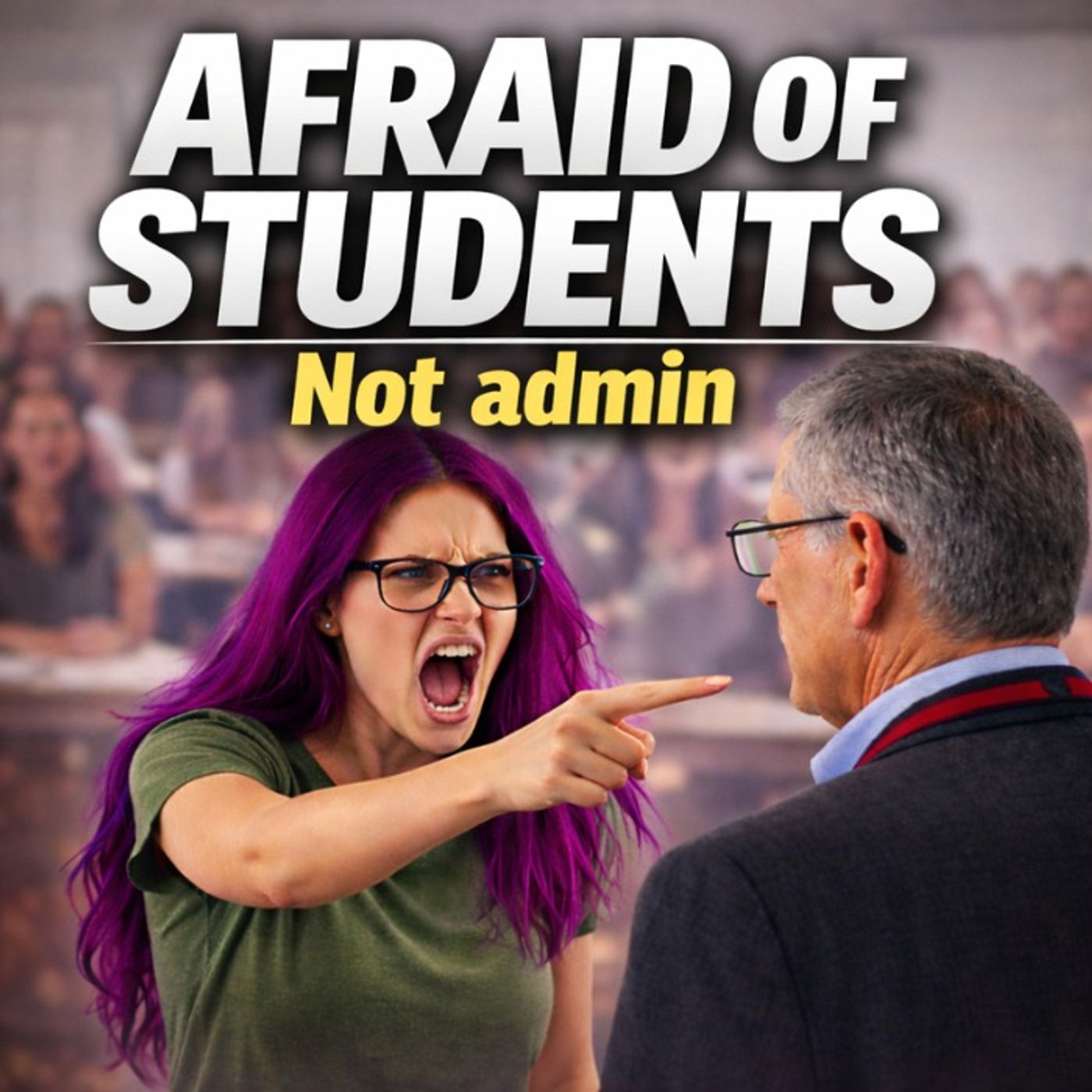
MIT Free Speech Alliance president Wayne Stargardt explains how a handful of high-profile cancellations—like the 2021 Dorian Abbott case—can trigger widespread self-censorship among faculty, even at a STEM-focused institution like MIT. Drawing on years of faculty survey data, he argues that administrative incentives, student pressure, and bias-reporting systems quietly chill open debate, threatening the research culture that makes elite universities function.
NOW PLAYING
55% of MIT Faculty Self-Censor — Here’s Why (E184)
No transcript for this episode yet
Similar Episodes
No similar episodes found.
Similar Podcasts
No similar podcasts found.