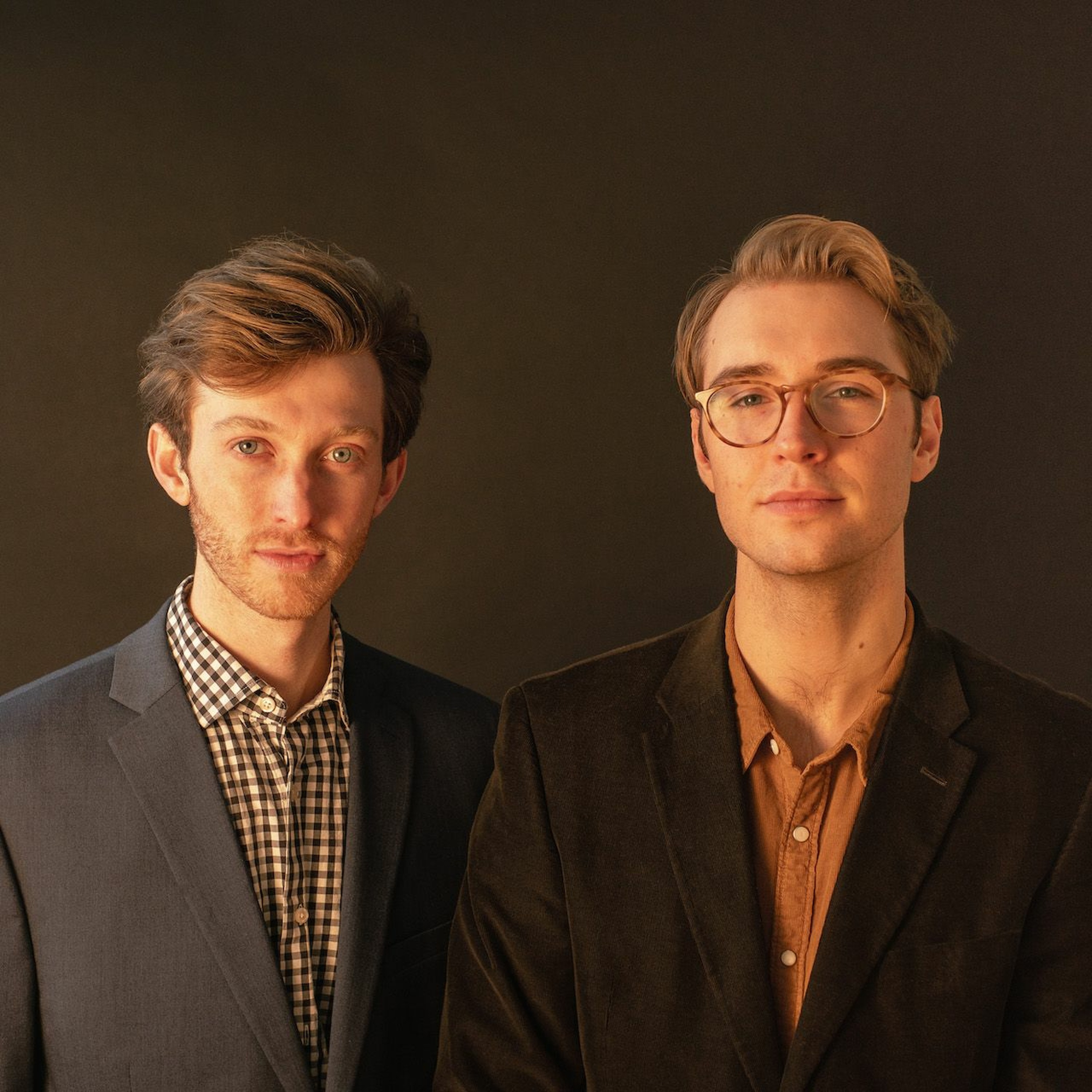
69. Hippy Feet Co-Founders Sam Harper and Michael Mader episode artwork

EPISODE · Aug 4, 2021 · 54 MIN

69. Hippy Feet Co-Founders Sam Harper and Michael Mader

from By All Means · host Twin Cities Business

“When you bring someone to tears by describing what you do, that seems viable.” Michael Mader and Sam Harper started their sock business, Hippy Feet, with a mission: to support young people experiencing homelessness. Inspired by brands like TOMS and Love Your Melon, they launched in 2016 with a one-for-one model, a pair of socks donated to someone in need for every pair sold. But the business, a certified B-corp, really began to gel when they integrated the mission into making their product. “We were going into shelters, donating socks, and we started to see familiar faces,” Harper says. “We told customers we would do this great thing by donating socks, and we did, but we were seeing the same people. People were still homeless. It felt hollow.” Adds Mader, “[Socks] address a symptom of homelessness, but by just treating the symptom, you’re not doing anything to resolve the issue itself… We realized that simply donating a pair of socks was strong marketing, but it wasn’t a strong impact. We wanted to have a strong impact.” In 2018, Hippy Feet piloted a Pop Up Employment program, bringing socks to shelters and paying those interested in hourly work to package product. By 2019, Hippy Feet dispensed with the one-for-one model to focus on employing homeless youths. “A job moves you along the pathway to self-sufficiency,” Mader says. But in March of 2020, the Covid-19 pandemic brought Hippy Feet’s Pop Up Employment program to a halt, along with sales. Mader says the company was within weeks of bankruptcy when a new plan came together that puts Hippy Feet in a better position for long term success. “The pandemic caused us to solve the issue of scale around employment,” Haper says. Hippy Feet now offers short term, part time contracts to those in need of a job—just enough to get them on their feet, with confidence and connections to plan their next move. They’re working on partnerships that would lead Hippy Feet workers to future opportunities. And they’re thinking about ways to replicate the Minneapolis employment program in other cities. As Hippy Feet hit its stride on mission, sales followed. “When we got our values dialed in, it allowed us to share our values with consumer in a way that was much more digestible,” Mader says. The company improved its digital marketing and e-commerce experience to grow direct-to-consumer sales. What this process has taught the founders about the one-for-one model: “There are much deeper ways to give,” Harper says. He encourages brands considering this approach to ask themselves, “Are you actually meeting a real need? Many times, you’re better off giving money—empowering a community, giving agency to whomever you’re trying to help.” “We’ve been able to bake mission into our core business,” Mader adds. “We never have to ask ourselves, do we want to donate an inferior product to save money, or delay a donation. If you’re holding a pair of Hippy Feet socks, it’s gone through the hands of young person experiencing homelessness. It’s a more authentic, deeper way of giving.” Then we go Back to the Classroom with the University of St. Thomas Opus College of Business where David Alexander is an associate marketing professor. While he appreciates the Hippy Feet mission, Alexander says the founders could have crafted their business plan more efficiently. “Hippy Feet tried to create an opportunity. What we want, from a brand perspective, is people who buy into your commitment. Do the research to figure out who is going to support you and then change your dream to satisfy the opportunity.”

“When you bring someone to tears by describing what you do, that seems viable.” Michael Mader and Sam Harper started their sock business, Hippy Feet, with a mission: to support young people experiencing homelessness. Inspired by brands like TOMS and Love Your Melon, they launched in 2016 with a one-for-one model, a pair of socks donated to someone in need for every pair sold. But the business, a certified B-corp, really began to gel when they integrated the mission into making their product. “We were going into shelters, donating socks, and we started to see familiar faces,” Harper says. “We told customers we would do this great thing by donating socks, and we did, but we were seeing the same people. People were still homeless. It felt hollow.” Adds Mader, “[Socks] address a symptom of homelessness, but by just treating the symptom, you’re not doing anything to resolve the issue itself… We realized that simply donating a pair of socks was strong marketing, but it wasn’t a strong impact. We wanted to have a strong impact.” In 2018, Hippy Feet piloted a Pop Up Employment program, bringing socks to shelters and paying those interested in hourly work to package product. By 2019, Hippy Feet dispensed with the one-for-one model to focus on employing homeless youths. “A job moves you along the pathway to self-sufficiency,” Mader says. But in March of 2020, the Covid-19 pandemic brought Hippy Feet’s Pop Up Employment program to a halt, along with sales. Mader says the company was within weeks of bankruptcy when a new plan came together that puts Hippy Feet in a better position for long term success. “The pandemic caused us to solve the issue of scale around employment,” Haper says. Hippy Feet now offers short term, part time contracts to those in need of a job—just enough to get them on their feet, with confidence and connections to plan their next move. They’re working on partnerships that would lead Hippy Feet workers to future opportunities. And they’re thinking about ways to replicate the Minneapolis employment program in other cities. As Hippy Feet hit its stride on mission, sales followed. “When we got our values dialed in, it allowed us to share our values with consumer in a way that was much more digestible,” Mader says. The company improved its digital marketing and e-commerce experience to grow direct-to-consumer sales. What this process has taught the founders about the one-for-one model: “There are much deeper ways to give,” Harper says. He encourages brands considering this approach to ask themselves, “Are you actually meeting a real need? Many times, you’re better off giving money—empowering a community, giving agency to whomever you’re trying to help.” “We’ve been able to bake mission into our core business,” Mader adds. “We never have to ask ourselves, do we want to donate an inferior product to save money, or delay a donation. If you’re holding a pair of Hippy Feet socks, it’s gone through the hands of young person experiencing homelessness. It’s a more authentic, deeper way of giving.” Then we go Back to the Classroom with the University of St. Thomas Opus College of Business where David Alexander is an associate marketing professor. While he appreciates the Hippy Feet mission, Alexander says the founders could have crafted their business plan more efficiently. “Hippy Feet tried to create an opportunity. What we want, from a brand perspective, is people who buy into your commitment. Do the research to figure out who is going to support you and then change your dream to satisfy the opportunity.”

NOW PLAYING

69. Hippy Feet Co-Founders Sam Harper and Michael Mader

0:00 54:08

No transcript for this episode yet

We transcribe on demand. Request one and we'll notify you when it's ready — usually under 10 minutes.

MG Show MG Show The MG Show, hosted by Jeffrey Pedersen and Shannon Townsend, is a leading alternative media platform dedicated to uncovering the truth behind today’s most pressing political issues. Launched in 2019, the show has grown exponentially, offering unfiltered insights, comprehensive research, and real-time analysis. With a commitment to independent journalism and factual integrity, the MG Show empowers its audience with knowledge and encourages active participation in the political discourse. French Your Way Jessica: Native French teacher founder of French Your Way Boost your French listening skills and test your comprehension with this one of a kind series of podcasts. Get the chance to listen to a real conversation between native speakers talking at normal speed AND customise your learning experience through carefully designed sets of questions (2 levels of difficulty) available for download at www.frenchvoicespodcast.com. All interviews also come with the transcript. French teacher Jessica interviews native speakers of French from around the world who share a bit of their life and passion. Where else would you meet in one same place a French yoga teacher based in Melbourne, a soap manufacturer from Provence, or a couple cycling around the world? That Hoarder: Overcome Compulsive Hoarding That Hoarder Hoarding disorder is stigmatised and people who hoard feel vast amounts of shame. This podcast began life as an audio diary, an anonymous outlet for somebody with this weird condition. That Hoarder speaks about her experiences living with compulsive hoarding, she interviews therapists, academics, researchers, children of hoarders, professional organisers and influencers, and she shares insight and tips for others with the problem. Listened to by people who hoard as well as those who love them and those who work with them, Overcome Compulsive Hoarding with That Hoarder aims to shatter the stigma, share the truth and speak openly and honestly to improve lives. Flottengeflüster ALD Automotive Österreich | LeasePlan Beim Flottengeflüster powered by ALD Automotive | LeasePlan präsentieren Jörg Janik und Peter Gutenbrunner alle zwei Wochen spannende Informationen rund um das Thema nachhaltige Mobilität. Beide beschäftigen sich schon lange mit der Thematik und bringen umfangreiches Fachwissen mit. Sollten sie aber doch einmal nicht weiter wissen, werden unsere Expert*innen hinzugezogen, die ihnen gerne mit Rat und Tat zur Seite stehen.

Frequently Asked Questions

How long is this episode of By All Means?

This episode is 54 minutes long.

When was this By All Means episode published?

This episode was published on August 4, 2021.

What is this episode about?

“When you bring someone to tears by describing what you do, that seems viable.” Michael Mader and Sam Harper started their sock business, Hippy Feet, with a mission: to support young people experiencing homelessness. Inspired by brands like TOMS...

Can I download this By All Means episode?

Yes, you can download this episode by clicking the download button on the episode player, or subscribe to the podcast in your preferred podcast app for automatic downloads.
URL copied to clipboard!