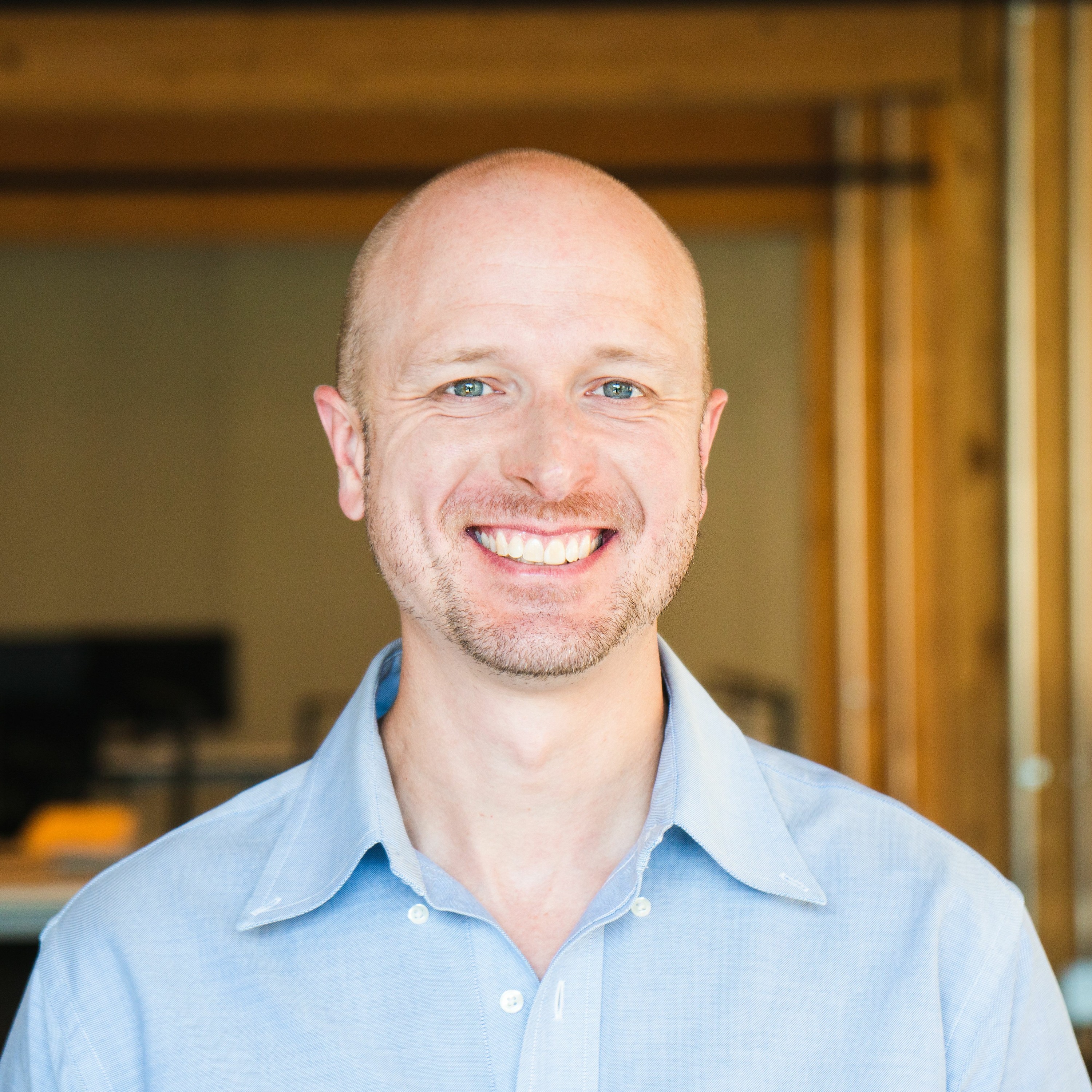
70. Zipnosis Founder Jon Pearce episode artwork

EPISODE · Aug 18, 2021 · 55 MIN

70. Zipnosis Founder Jon Pearce

from By All Means · host Twin Cities Business

In March of 2020, as the U.S. shut down offices and clinics to guard against Covid-19, the telehealth platform Zipnosis saw an unbelievable spike in traffic, from around 1,800 visits a week to 65,000. Founder Jon Pearce had been preaching for more than a decade that the smartphone was the medical clinic of the future, but it took a global pandemic for the industry to make significant change. In April of 2021, Zipnosis sold to another Minnesota-based startup, Bright Health, a giant among new health insurance companies that has raised more than $1 billion since 2016. Pearce and his team joined Bright Health Group and continue to work on transforming patient and provider connections. So it may surprise people to hear that Pearce believes telehealth as we know it is dying. “The best analogy is the difference between Blockbuster and Netflix,” Pearce says. “Remotely getting care from a doctor is the same thing as renting a movie from Blockbuster. That business model is dying—you’ve got negative unit economics. What’s coming is Amazon care, Walmart. The tech itself is commoditized and integrated into a digitally enabled business. You will have more choice. The option to get care when you want it, how you want it, at the price you want is going to be the most radical transformation.” Of course, it takes grand vision, tenacity and sacrifice to pursue such radical transformation, and Pearce also talks about the darker side of entrepreneurship, which he says factored into the collapse of his first marriage and struggles with mental health. “We have unfortunately created this myth around entrepreneurship. There’s a destructive cycle that comes from unwieldy expectations of financial returns,” Pearce says. “We need to reframe role of entrepreneurship. To say, my job is to help change the world, take ideas and put them into action. To be effective, I need to set boundaries, delegate, find other people. When I go back to do the next thing, I’m going to start with the thesis that my vision is big and I’m going to build and find best people to help me do that. I’m not going to work 120 hour weeks. It’s not sustainable for me, and it’s not even good for the business.” Pearce says he’d also be reluctant to take venture capital on his next venture, particularly early in its development. “I’ve become a lot more old school. Build a profitable business with customers who pay you.” Following our conversation with Pearce, we go Back to the Classroom with the University of St. Thomas Opus College of Business where Daniel McLaughlin is a senior executive fellow whose research focuses on making health care work more effectively. “it’s an exciting time for health care—the pandemic accelerated technology rapidly,” McLaughlin says. Beyond telehealth, he sees digital therapeutics on the horizon—“devices we’ll have in our homes or wear on our bodies—personal AI systems for much better, more customized health care.”

In March of 2020, as the U.S. shut down offices and clinics to guard against Covid-19, the telehealth platform Zipnosis saw an unbelievable spike in traffic, from around 1,800 visits a week to 65,000. Founder Jon Pearce had been preaching for more than a decade that the smartphone was the medical clinic of the future, but it took a global pandemic for the industry to make significant change. In April of 2021, Zipnosis sold to another Minnesota-based startup, Bright Health, a giant among new health insurance companies that has raised more than $1 billion since 2016. Pearce and his team joined Bright Health Group and continue to work on transforming patient and provider connections. So it may surprise people to hear that Pearce believes telehealth as we know it is dying. “The best analogy is the difference between Blockbuster and Netflix,” Pearce says. “Remotely getting care from a doctor is the same thing as renting a movie from Blockbuster. That business model is dying—you’ve got negative unit economics. What’s coming is Amazon care, Walmart. The tech itself is commoditized and integrated into a digitally enabled business. You will have more choice. The option to get care when you want it, how you want it, at the price you want is going to be the most radical transformation.” Of course, it takes grand vision, tenacity and sacrifice to pursue such radical transformation, and Pearce also talks about the darker side of entrepreneurship, which he says factored into the collapse of his first marriage and struggles with mental health. “We have unfortunately created this myth around entrepreneurship. There’s a destructive cycle that comes from unwieldy expectations of financial returns,” Pearce says. “We need to reframe role of entrepreneurship. To say, my job is to help change the world, take ideas and put them into action. To be effective, I need to set boundaries, delegate, find other people. When I go back to do the next thing, I’m going to start with the thesis that my vision is big and I’m going to build and find best people to help me do that. I’m not going to work 120 hour weeks. It’s not sustainable for me, and it’s not even good for the business.” Pearce says he’d also be reluctant to take venture capital on his next venture, particularly early in its development. “I’ve become a lot more old school. Build a profitable business with customers who pay you.” Following our conversation with Pearce, we go Back to the Classroom with the University of St. Thomas Opus College of Business where Daniel McLaughlin is a senior executive fellow whose research focuses on making health care work more effectively. “it’s an exciting time for health care—the pandemic accelerated technology rapidly,” McLaughlin says. Beyond telehealth, he sees digital therapeutics on the horizon—“devices we’ll have in our homes or wear on our bodies—personal AI systems for much better, more customized health care.”

NOW PLAYING

70. Zipnosis Founder Jon Pearce

0:00 55:24

No transcript for this episode yet

We transcribe on demand. Request one and we'll notify you when it's ready — usually under 10 minutes.

MG Show MG Show The MG Show, hosted by Jeffrey Pedersen and Shannon Townsend, is a leading alternative media platform dedicated to uncovering the truth behind today’s most pressing political issues. Launched in 2019, the show has grown exponentially, offering unfiltered insights, comprehensive research, and real-time analysis. With a commitment to independent journalism and factual integrity, the MG Show empowers its audience with knowledge and encourages active participation in the political discourse. French Your Way Jessica: Native French teacher founder of French Your Way Boost your French listening skills and test your comprehension with this one of a kind series of podcasts. Get the chance to listen to a real conversation between native speakers talking at normal speed AND customise your learning experience through carefully designed sets of questions (2 levels of difficulty) available for download at www.frenchvoicespodcast.com. All interviews also come with the transcript. French teacher Jessica interviews native speakers of French from around the world who share a bit of their life and passion. Where else would you meet in one same place a French yoga teacher based in Melbourne, a soap manufacturer from Provence, or a couple cycling around the world? That Hoarder: Overcome Compulsive Hoarding That Hoarder Hoarding disorder is stigmatised and people who hoard feel vast amounts of shame. This podcast began life as an audio diary, an anonymous outlet for somebody with this weird condition. That Hoarder speaks about her experiences living with compulsive hoarding, she interviews therapists, academics, researchers, children of hoarders, professional organisers and influencers, and she shares insight and tips for others with the problem. Listened to by people who hoard as well as those who love them and those who work with them, Overcome Compulsive Hoarding with That Hoarder aims to shatter the stigma, share the truth and speak openly and honestly to improve lives. Flottengeflüster ALD Automotive Österreich | LeasePlan Beim Flottengeflüster powered by ALD Automotive | LeasePlan präsentieren Jörg Janik und Peter Gutenbrunner alle zwei Wochen spannende Informationen rund um das Thema nachhaltige Mobilität. Beide beschäftigen sich schon lange mit der Thematik und bringen umfangreiches Fachwissen mit. Sollten sie aber doch einmal nicht weiter wissen, werden unsere Expert*innen hinzugezogen, die ihnen gerne mit Rat und Tat zur Seite stehen.

Frequently Asked Questions

How long is this episode of By All Means?

This episode is 55 minutes long.

When was this By All Means episode published?

This episode was published on August 18, 2021.

What is this episode about?

In March of 2020, as the U.S. shut down offices and clinics to guard against Covid-19, the telehealth platform Zipnosis saw an unbelievable spike in traffic, from around 1,800 visits a week to 65,000. Founder Jon Pearce had been preaching for more...

Can I download this By All Means episode?

Yes, you can download this episode by clicking the download button on the episode player, or subscribe to the podcast in your preferred podcast app for automatic downloads.
URL copied to clipboard!