
EPISODE · Feb 20, 2026 · 27 MIN
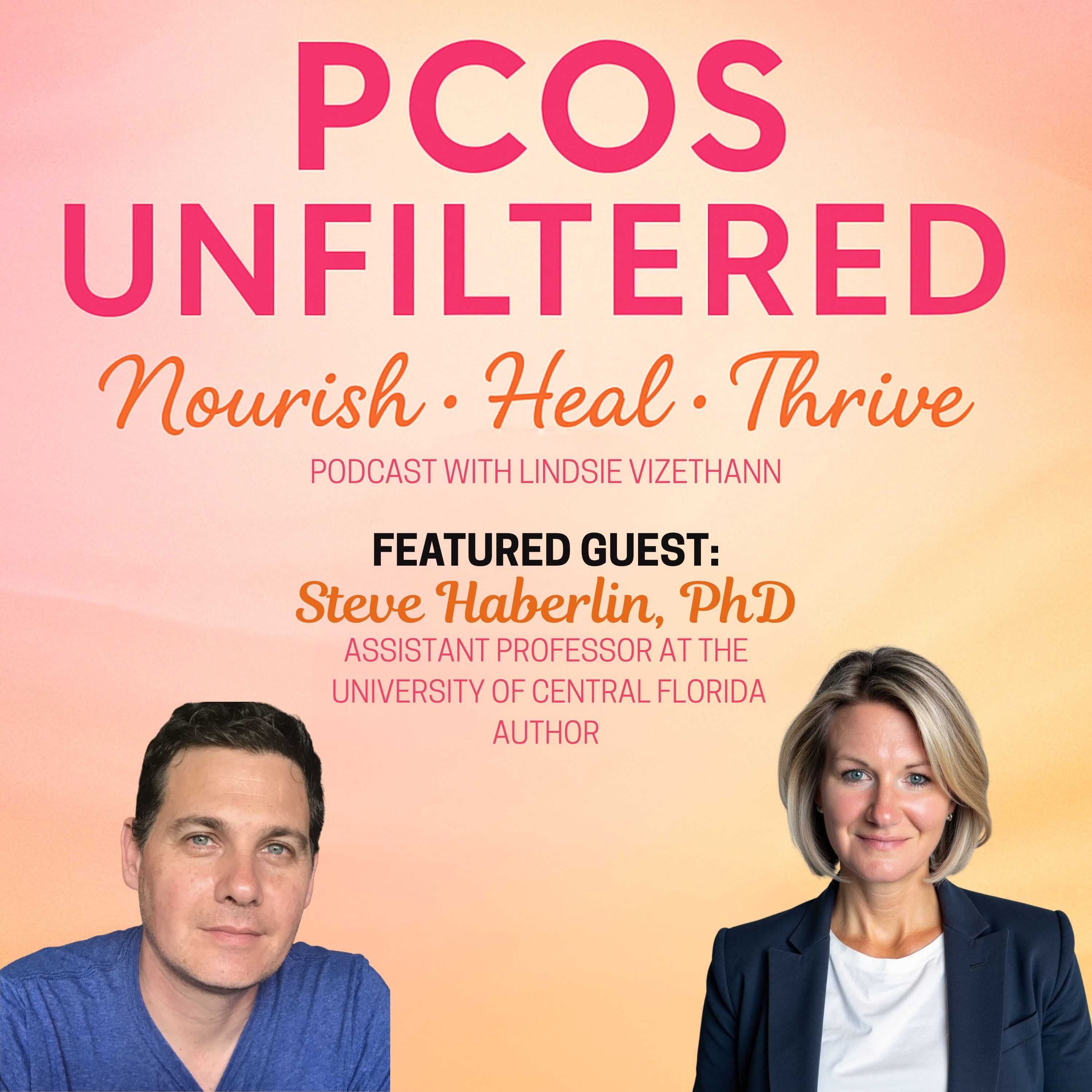
#71 Can 12 Minutes Change Your Life? (Part 1) with Steve Haberlin
from PCOS Unfiltered: Nourish, Heal, Thrive · host Steve Haberlin
Connect with Steve: Pre-order his book on Amazon Connect on LinkedIn What we cover: Steve’s origin story: martial arts, curiosity, and discovering meditation early Mindfulness vs. meditation: Mindfulness = present-moment awareness without judgment, Meditation = the larger umbrella of mental training methods (including mindfulness, mantra, loving-kindness, etc.) Why different meditation styles create different outcomes (like “strength training vs. cardio” for the brain) What research shows about short practices (3–5 minute “resets”) and benefits like focus and reduced stress/anxiety What isn’t fully proven yet: meditation automatically improving grades/test scores (mixed findings) Gender differences in research findings—and why the bigger message is: this is a human tool, not a “type of person” thing Why people quit meditation apps, and what helps people actually stick with practice (realism + consistency) Minimum effective dose: research suggesting ~12 minutes/day, ~5 days/week for mindfulness benefits Morning meditation advantages: less chaos, sets the tone for the day, brainwave “ramp-up” after waking can make it easier to drop into a calmer state Habit-building tip: link meditation to something you already do (bathroom, coffee, brushing teeth) Lindsie shares what she gravitates toward: guided meditations, sound baths/frequencies, bedtime listening The future: AI + VR + wearables and the promise (and concerns) around personalization, privacy, and over-reliance Closing takeaways: you don’t need an hour—start small, stay consistent, and choose a method you’ll actually do Key takeaways You don’t need “perfect” meditation—you need repeatable meditation. Different practices do different things, so match the method to your goal. Even short resets can help regulate stress, but consistency is what builds lasting change. As tech evolves, we need to keep mental wellness human-centered (privacy, safety, discernment). 📘 Healthy for a Reason: 12 Practical Guidelines to Feel Like Yourself AgainIf you're tired of starting over, trying harder, and wondering why nothing seems to work, Healthy for a Reason was written for you.For years, we've been told the answer is more willpower, more restriction, and more rules. But if you've struggled with cravings, fatigue, emotional eating, poor sleep, or stubborn weight despite doing everything "right," you know it's not that simple.What if those struggles weren't signs that you've failed?What if they were your body's way of asking for something different?In Healthy for a Reason, Lindsie combines nearly two decades of nursing experience with practical health coaching strategies to help you understand what your body has been trying to tell you all along. You'll learn how to calm your nervous system, recognize your body's signals, build sustainable habits, and create lasting health by working with your body instead of constantly fighting against it.This isn't another diet book or a collection of quick fixes. It's a practical, compassionate guide to helping you reconnect with your body, rebuild trust in yourself, and finally understand why you're healthy for a reason.✨ Available now in paperback and Kindle.👉 Grab your copy HERE, available in paperback or on kindle 📝 Free Download: The Food Timeline TrackerUnlock the clues your body is already giving you.This simple worksheet helps you connect your meals to your hunger, cravings, and energy—so you can start spotting patterns, identifying insulin resistance symptoms, and making empowered food choices (no calorie counting required). Use it for just 2-3 days and prepare to be amazed at what you discover!✅ What's included:Meal tracking prompts (before, during, after, and long after)Space to note physical, emotional, and energy changesBonus reflection questions to guide your next steps📥 Grab it HERE!
Embed this episode
What this episode covers
In this episode, Lindsie sits down with Steve Haberlin, assistant professor at the University of Central Florida, to break down the real difference between mindfulness and meditation—and why they’re so often confused. Steve shares how his journey began with martial arts as a kid and evolved into years of research with students and educators, exploring how brief practices can reduce stress, improve focus, and support mental health. You’ll also hear what research suggests about the “minimum effective dose” of meditation, why consistency matters more than perfection, and how morning practice can work with your brain’s natural rhythm. Plus, Steve and Lindsie zoom out into the future: how AI, virtual reality, and wearables may personalize meditation like never before—and why privacy and safety must stay part of the conversation.
Ready to play
#71 Can 12 Minutes Change Your Life? (Part 1) with Steve Haberlin
No transcript for this episode yet